Photo credit: Olde English Outfitters/YouTube
A lot of revolvers look great in a display case and feel special in the hand, but that is not the same thing as being a gun you want to put hundreds or thousands of rounds through. Real shooters start noticing things collectors can ignore. Trigger quality matters more, sights matter more, grips matter more, and parts support becomes a lot more important once springs and small components eventually wear.
The best shooting revolvers are not always the rarest or prettiest. They are the ones that make range time easy, stay consistent, and hold up under regular use. Some are inexpensive rimfires that let you practice all afternoon. Others are full-size .357s or big-bore guns built to handle serious loads. These 20 are the revolvers I would look at first if the plan is to shoot them often rather than simply admire them.
Smith & Wesson Model 686 Plus
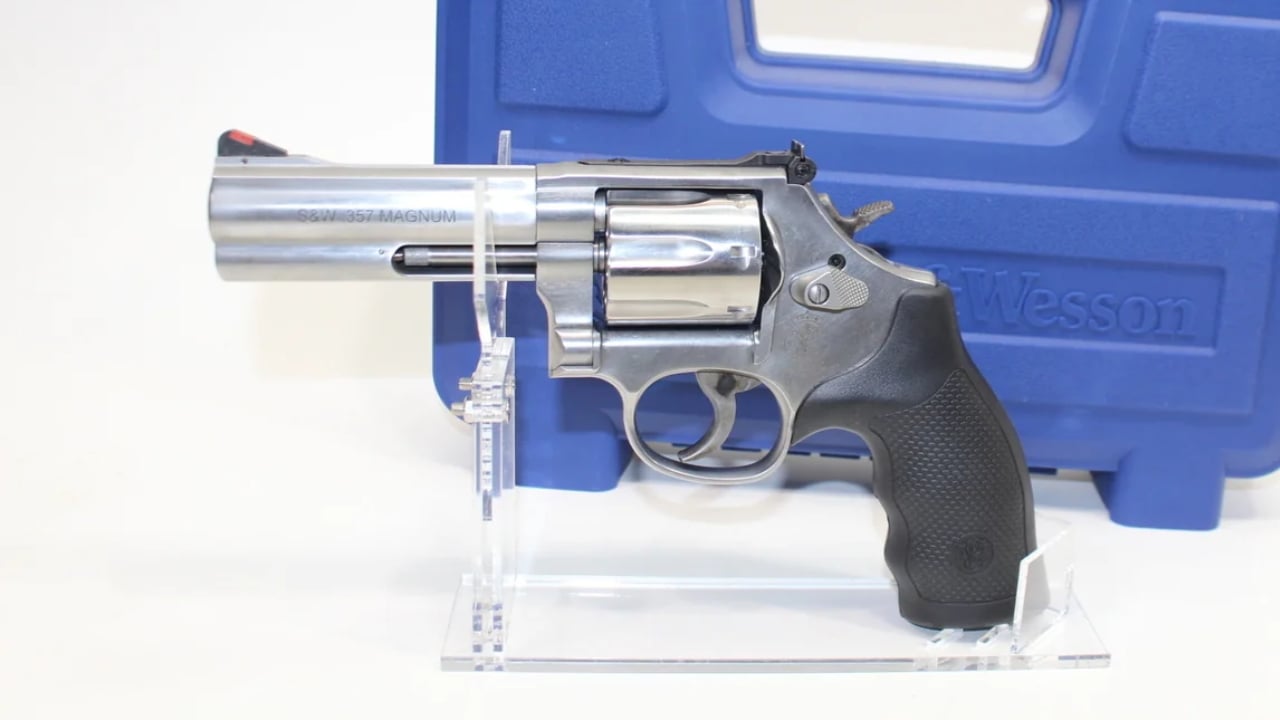
The 686 Plus is one of the easiest revolvers to recommend for somebody who plans to shoot a lot. The stainless L-frame gives you enough weight to tame .357 Magnum without making the gun feel excessively bulky, and the seven-round cylinder gives it a slight capacity advantage over traditional six-shooters.
The trigger is usually the real selling point. Smith & Wesson’s double-action pull tends to smooth out with use, and the single-action break is crisp enough for deliberate accuracy work. Adjustable sights make load changes easy to accommodate, while .38 Special lets you practice cheaply and comfortably. The 686 Plus is not exotic, and that is exactly why it works so well. Ammunition is easy to find, holsters are everywhere, and the platform has decades of support behind it.
Ruger GP100

The GP100 is the revolver for people who plan to shoot hard enough that durability becomes part of the buying decision. Ruger built it with a substantial frame, thick top strap, and lockwork that tolerates a lot of use without feeling delicate.
It is heavier than some competitors, but that extra mass becomes an advantage once full-power .357 Magnum enters the cylinder. The gun is comfortable with .38 Special and much less punishing with magnum loads than lightweight revolvers. Ruger’s modular grip system also gives shooters plenty of options for changing how the gun fits the hand. The trigger may not feel as refined as a tuned Smith out of the box, but the GP100 earns respect by simply continuing to run through high round counts.
Colt Python 4.25-Inch

The modern Python is one of the few premium revolvers that still makes sense as a shooter rather than merely a collectible. The action is smooth, the sights are useful, and the 4.25-inch barrel gives you a very practical balance between velocity, sight radius, and portability.
Colt also strengthened the top strap and updated the internal design compared with older production, which makes the new Python more appealing for regular use. It handles .38 Special beautifully and makes full-power .357 Magnum far more manageable than smaller guns. The price is high, but this is one of those cases where the extra money actually shows up in how the revolver feels during long range sessions. If you want one nice .357 and intend to shoot it often, the Python deserves serious consideration.
Smith & Wesson Model 617

The Model 617 is one of the best training revolvers ever made because it gives you full-size Smith & Wesson handling with .22 LR ammunition. That means you can work on double-action trigger control, sight alignment, and transitions without burning expensive centerfire ammo.
The 10-round cylinder is another major advantage. You spend more time shooting and less time reloading, which matters during high-volume practice. The stainless construction holds up well, and the full-size frame gives the revolver enough weight to stay steady. It is not cheap for a .22, but serious shooters tend to get their money’s worth because the gun invites thousands of rounds. A revolver that makes practice easier usually gets shot more, and the 617 does exactly that.
Ruger SP101 3-Inch
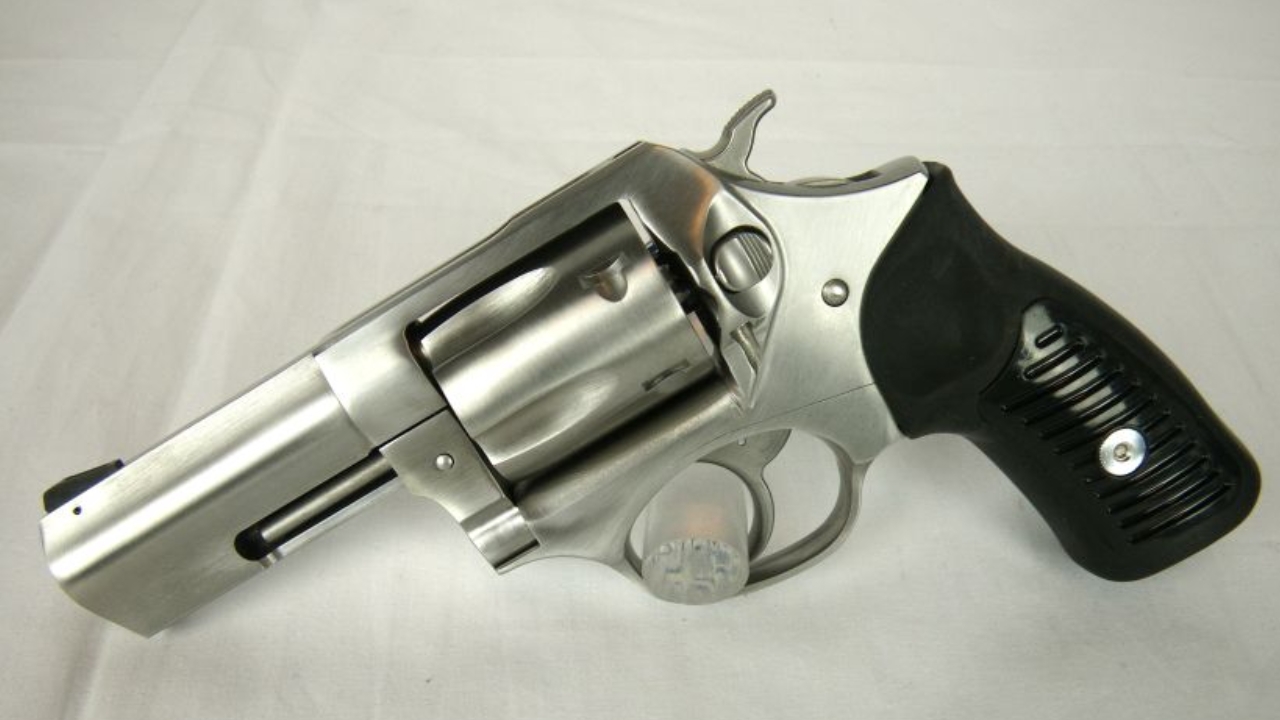
The SP101 sits between a true pocket revolver and a full-size service gun. The 3-inch version is especially useful because it provides enough barrel and grip to make .357 Magnum practical without losing the compact character that makes the platform appealing.
For regular shooting, the extra steel matters. Lightweight snub revolvers can become unpleasant after only a few cylinders, while the SP101 stays manageable enough for longer sessions. The fixed sights are basic, but the gun is rugged and straightforward. It is also one of the better choices for shooters who want a revolver that can move between concealed carry, woods use, and range practice without feeling badly compromised in any one role.
Smith & Wesson Model 66
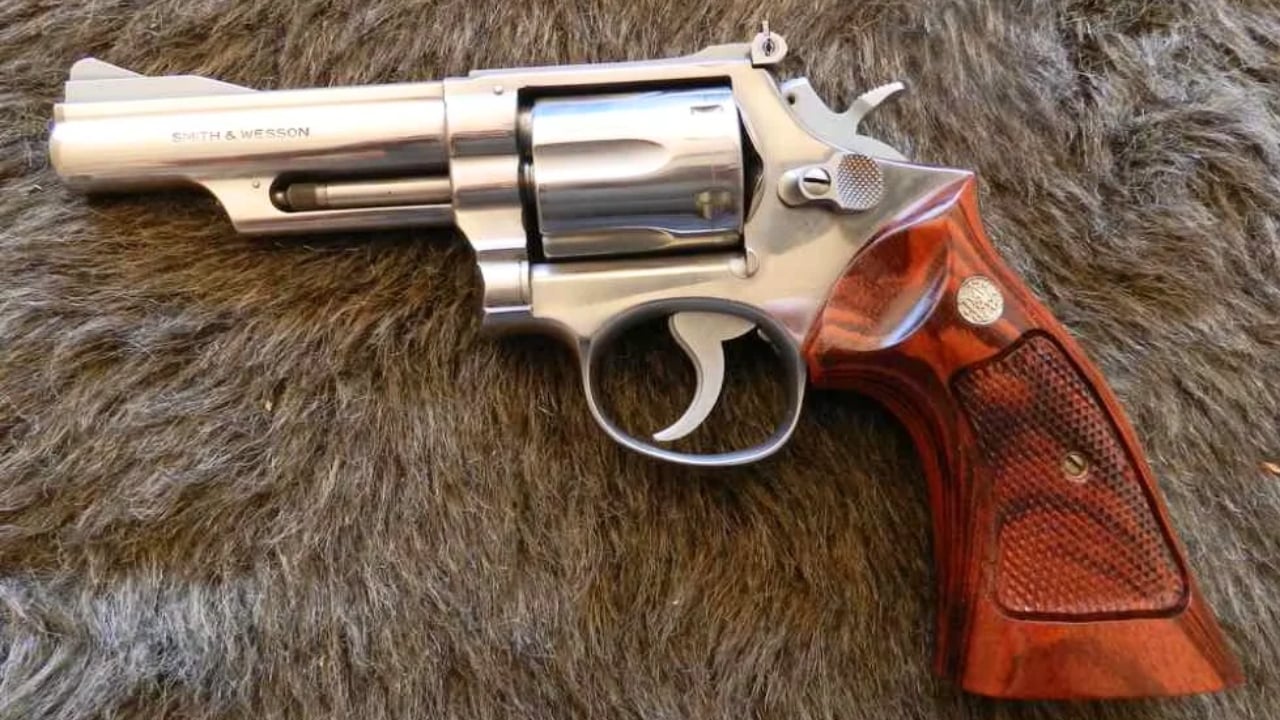
The Model 66 gives you K-frame handling with stainless construction and .357 Magnum capability. That combination has made it a favorite for decades because the gun is lighter and quicker than an L-frame while still offering enough size for serious shooting.
It shines with .38 Special and moderate .357 Magnum loads. Heavy magnum use is better suited to a 686 or GP100, but for normal practice the Model 66 has excellent balance. The trigger is usually smooth, the sights are useful, and the grip frame gives you plenty of aftermarket options. This is the kind of revolver that feels lively rather than heavy, which makes it particularly good for shooters who care about fast double-action work.
Ruger Super GP100

The Super GP100 is built for shooters who want to push a revolver hard, whether that means competition or very high round counts. Ruger took the already stout GP100 concept and added features aimed squarely at serious use.
The action is smoother than a standard GP100, the grip and sights are more refined, and the gun is designed around quick manipulation and repeatable shooting. It is large and expensive, so it is not the obvious first revolver for most people. For someone who actually shoots revolver matches or wants a gun that can handle a lot of use without feeling like a compromise, though, the Super GP100 makes far more sense than many collector-oriented premium wheelguns.
Smith & Wesson Model 627
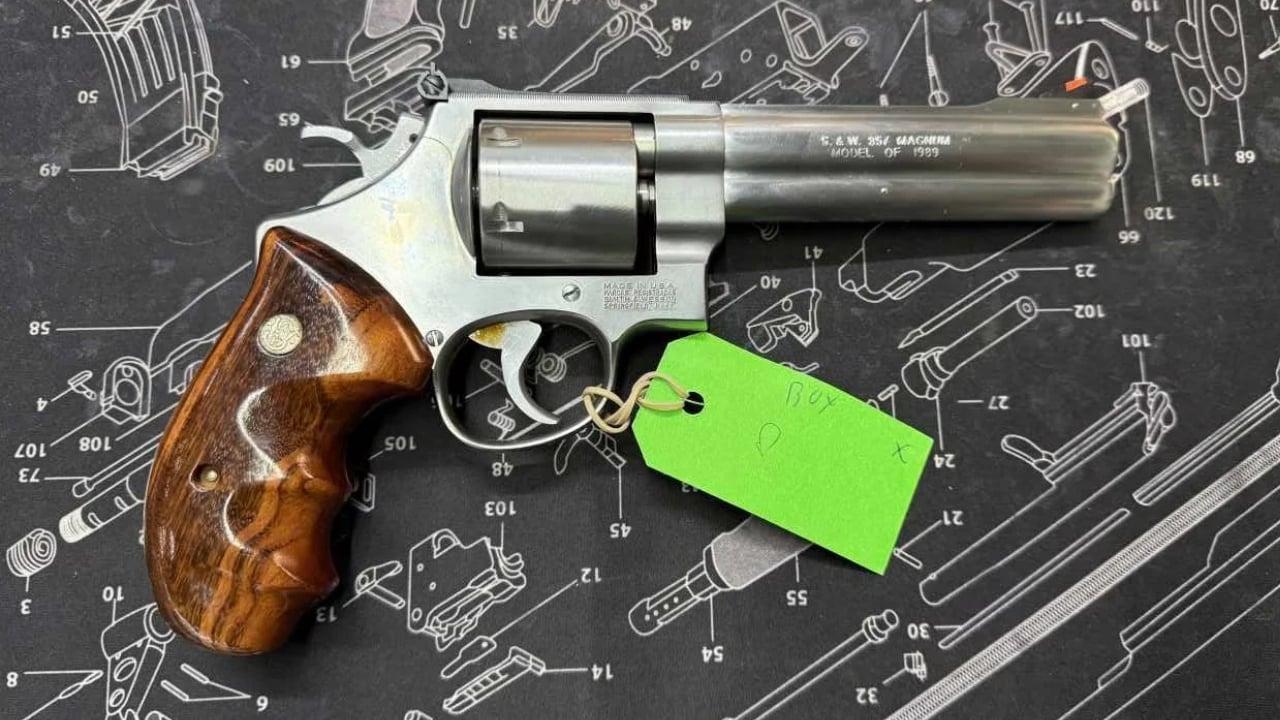
The Model 627 gives you eight rounds of .357 Magnum in a large N-frame package. That extra capacity matters more than it sounds, especially for range work and competition where constant reloading gets old fast.
The larger frame also helps soak up recoil, making the gun extremely pleasant with .38 Special and manageable with hotter .357 loads. Moon-clip-compatible versions can make reloads very fast, which adds another advantage for shooters who practice seriously. The downside is size. This is not a light carry revolver. It is a gun built around shooting comfort, durability, and capacity, and in those roles it performs extremely well.
Colt King Cobra 3-Inch
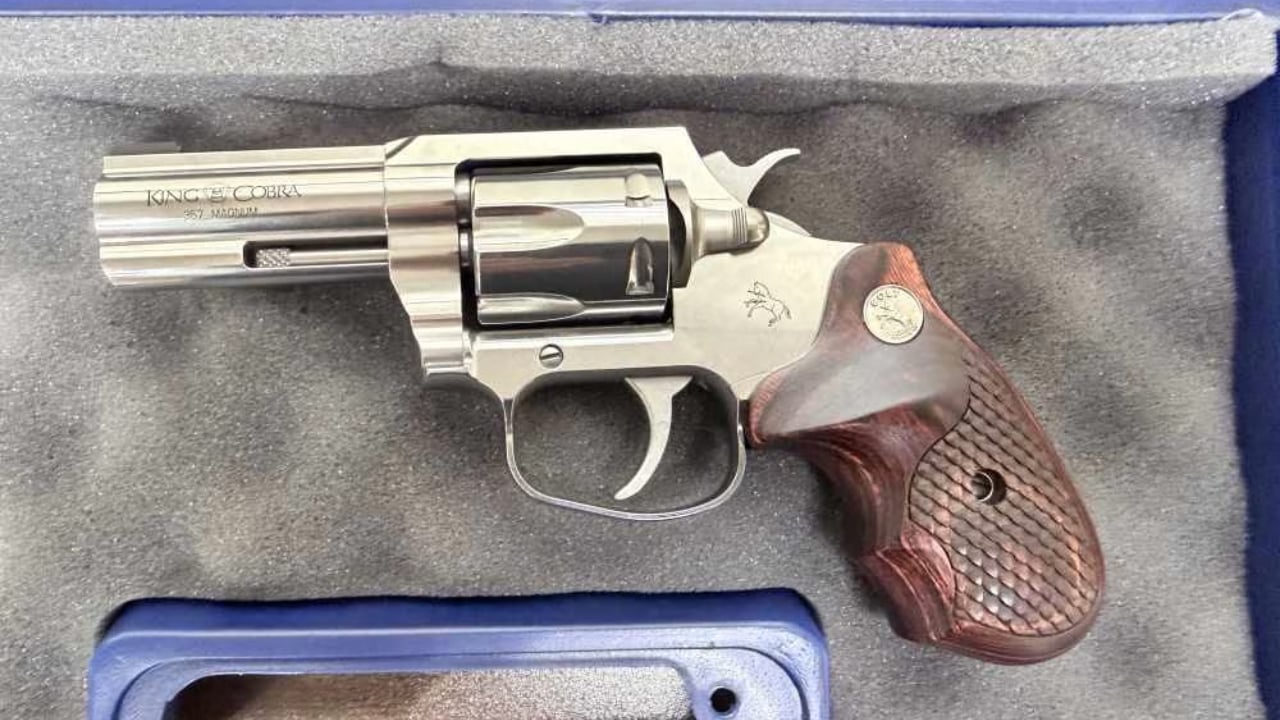
The King Cobra 3-inch is one of the better modern compact revolvers for somebody who actually intends to shoot regularly. It is smaller than a Python but more substantial than a lightweight snub, which gives it a very useful middle ground.
The trigger is one of the highlights. Colt’s modern action is smooth, and the grip shape works well for both controlled double-action fire and slower single-action shooting. The 3-inch barrel helps with velocity and sight radius without making the gun awkward to carry. It is not as cheap as a basic Ruger, but it offers a level of refinement that becomes noticeable once you start spending real time behind the trigger.
Ruger Blackhawk .357 Magnum
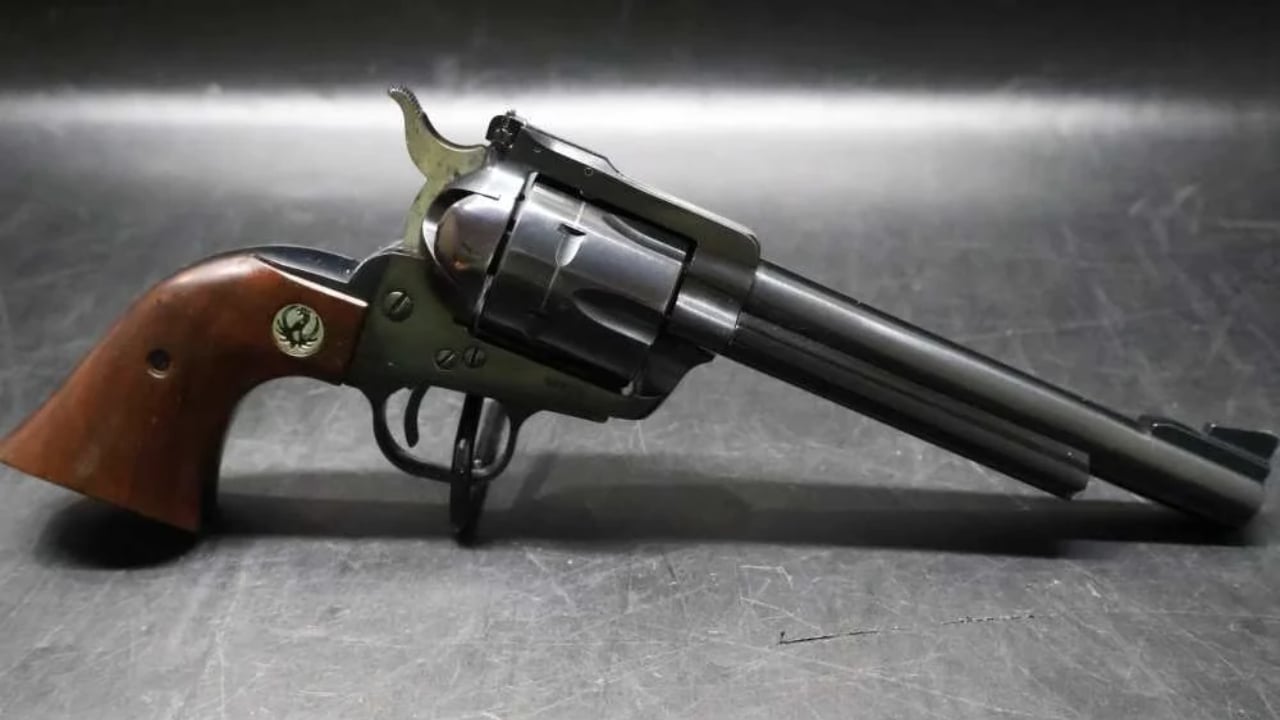
The Blackhawk is a different kind of shooting revolver. It is single-action only, but that simplicity makes it incredibly durable and enjoyable for deliberate range work.
The .357 version is especially versatile because you can shoot inexpensive .38 Special, full-power .357 Magnum, and everything in between. The adjustable sights give you flexibility across loads, while the strong frame handles heavy ammunition comfortably. The loading gate and single-action rhythm slow things down, but that is part of the appeal. If you enjoy shooting for accuracy rather than speed, the Blackhawk rewards careful trigger control and disciplined fundamentals better than almost anything else.
Smith & Wesson Model 19 Carry Comp
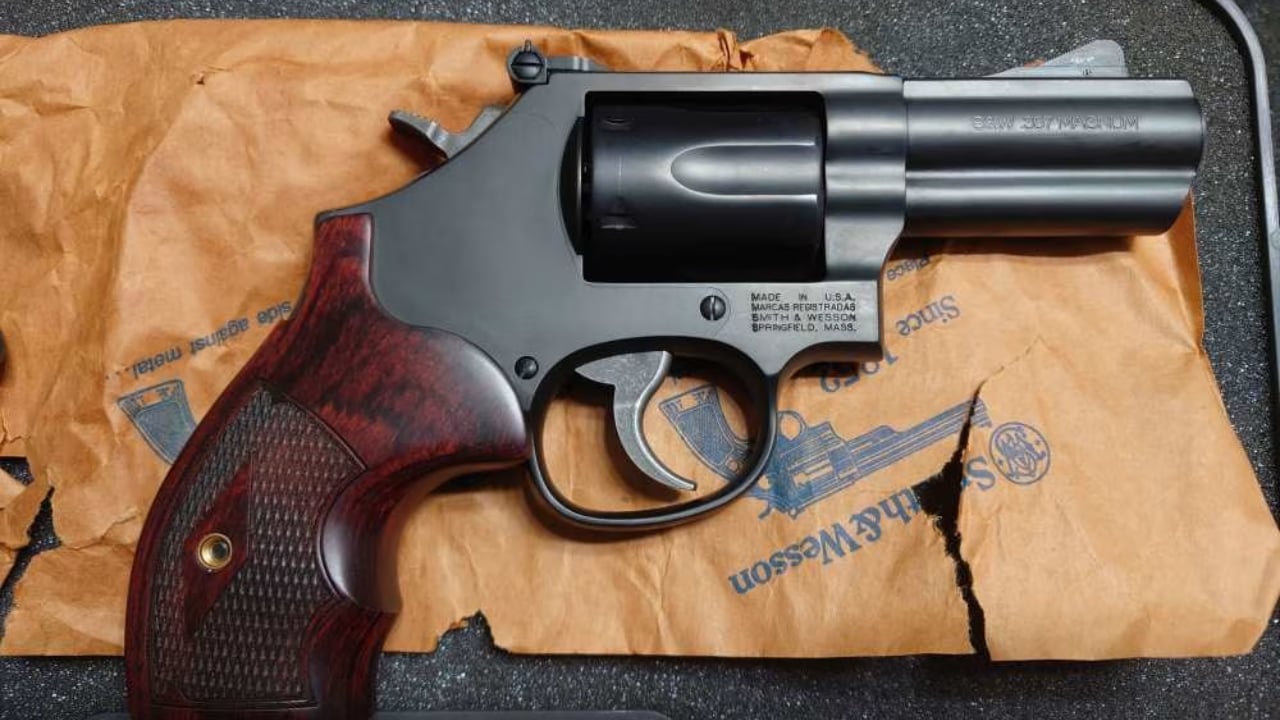
The Model 19 Carry Comp takes the classic K-frame concept and modernizes it for shooters who want a compact revolver that is still pleasant to practice with. The compensator helps tame muzzle rise, while the shorter barrel keeps the gun practical for carry.
That combination matters because many carry revolvers are unpleasant enough that owners rarely practice with them. The Model 19 Carry Comp avoids much of that problem. You still get .357 Magnum capability and a good double-action trigger, but the gun is easier to control than most small-frame magnums. It is expensive, but for someone who wants a carry revolver he will actually shoot regularly, the extra refinement is useful rather than decorative.
Ruger Redhawk .44 Magnum
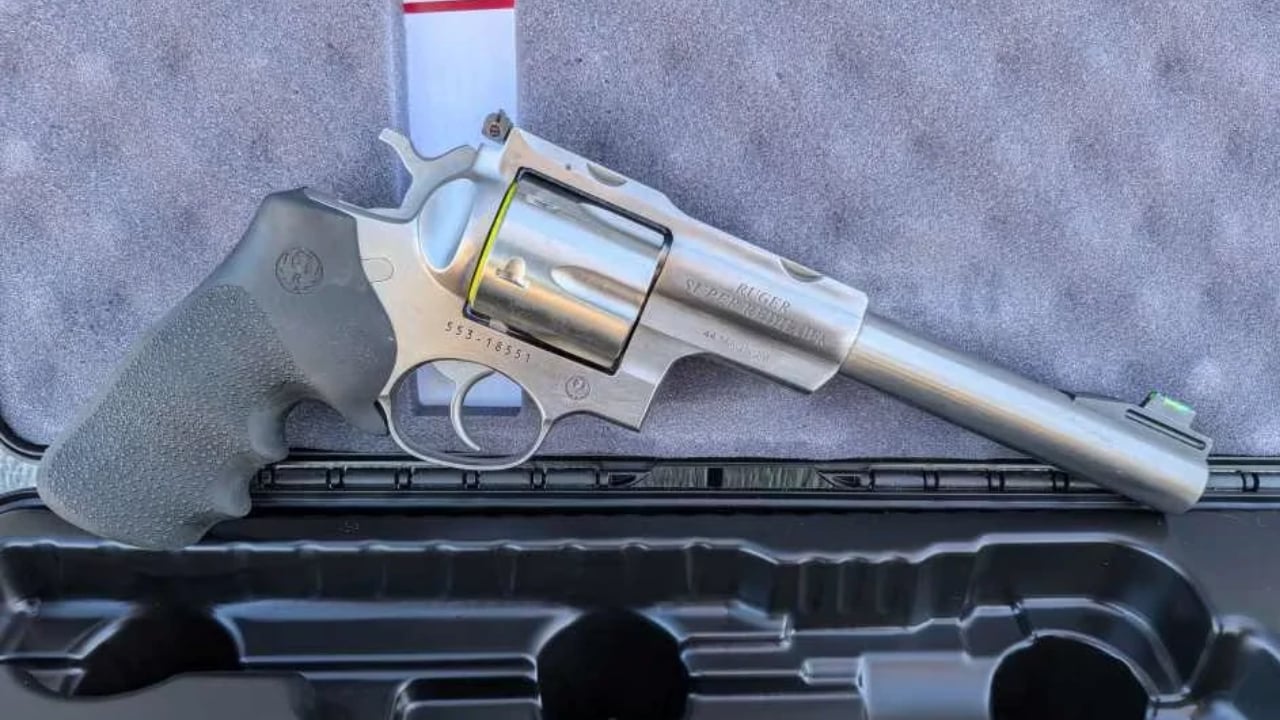
The Redhawk is built for shooters who want a .44 Magnum that can handle regular use without feeling fragile. The large frame, substantial cylinder, and heavy construction give it a reputation for durability with serious loads.
That weight also makes the gun much more pleasant to shoot than lighter .44s. You can run .44 Special for practice and step up to full-power Magnum ammunition when hunting or working with heavier loads. The trigger is not always as polished as a premium Smith, but the Redhawk is the revolver people buy when they care more about mechanical strength than elegance. For high-volume big-bore shooting, that is a good trade.
Smith & Wesson Model 29
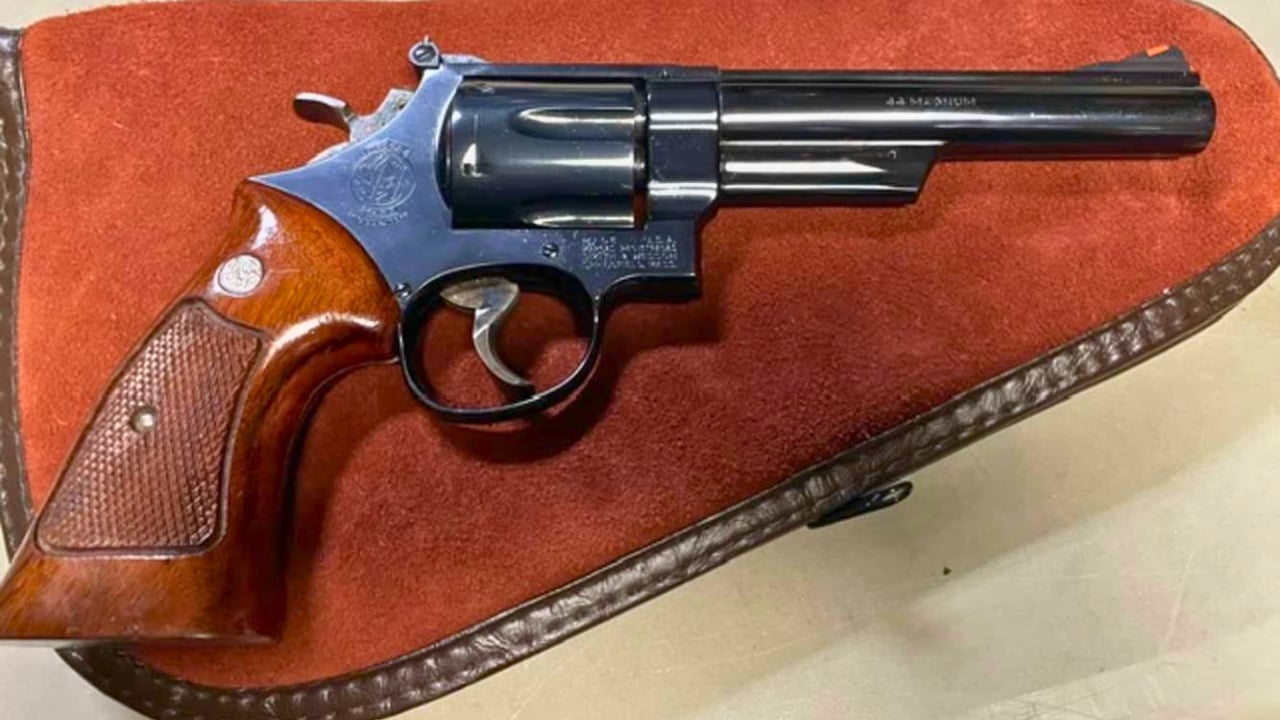
The Model 29 is famous because of its history and movie exposure, but it is also a genuinely enjoyable shooting revolver. The large N-frame gives the .44 Magnum enough mass to stay controllable, while the trigger usually has the smoothness Smith & Wesson shooters expect.
The best way to enjoy one regularly is not to shoot maximum-power Magnum ammunition every session. .44 Special and moderate Magnum loads make the gun far more pleasant and let you focus on accuracy rather than recoil management. The adjustable sights and excellent balance also make it a strong range gun. It is iconic, but the reason it stayed iconic is that the basic shooting experience is genuinely good.
Ruger Single-Six
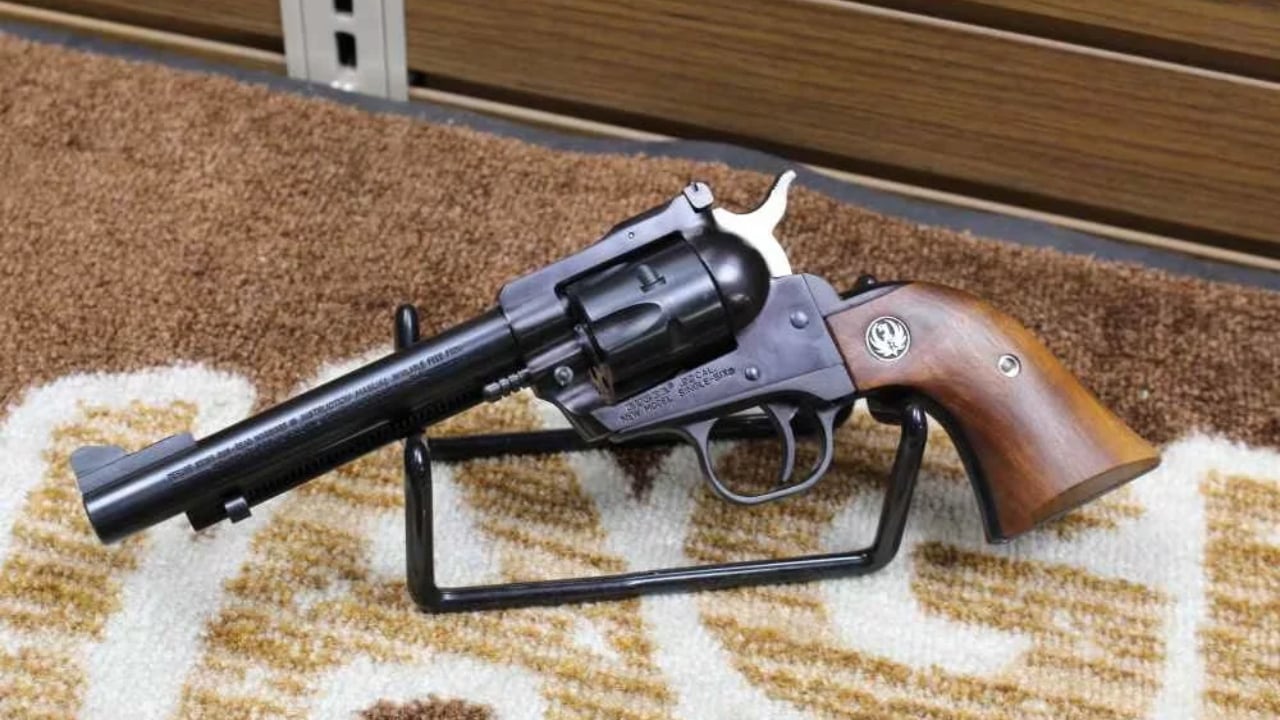
The Single-Six is one of the easiest revolvers to shoot constantly because .22 LR is cheap, recoil is almost nonexistent, and the single-action system encourages careful shooting.
Convertible models add .22 WMR, which gives the gun more versatility for small game and field use. The sights are usually better than those found on inexpensive rimfire revolvers, and Ruger’s single-action frames have a strong reputation for durability. The Single-Six is not fast, but it does not need to be. It is a revolver for spending an afternoon working on fundamentals, plinking, or carrying around the property without worrying about ammunition cost.
Smith & Wesson Model 63
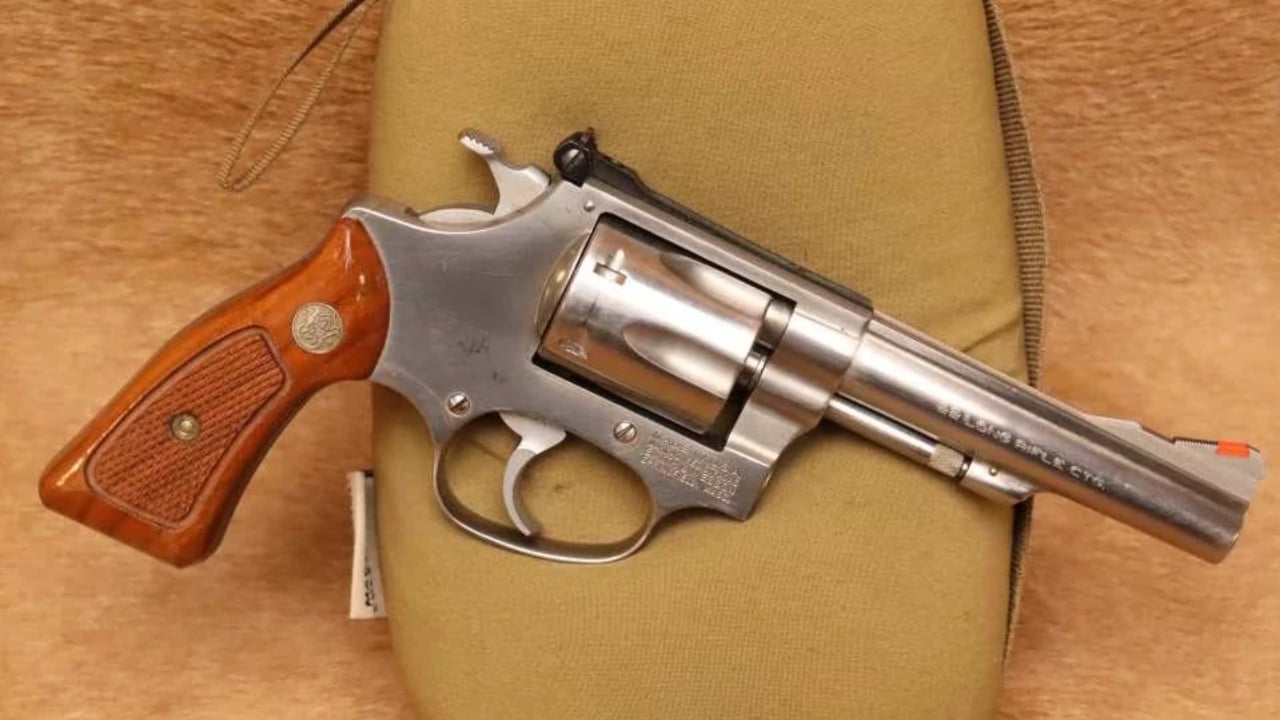
The Model 63 is one of the best lightweight .22 revolvers for shooters who want something smaller than a full-size 617. The stainless J-frame makes it easy to carry, while the adjustable sights give it enough precision for serious practice.
Because recoil is negligible, the main challenge becomes trigger control, which makes the gun excellent for learning double-action shooting. It is also useful as a trail or kit gun because it is light enough to carry all day. The smaller frame does make the trigger feel tighter than a larger Smith, but that can actually improve technique. If you can run a small-frame rimfire smoothly, bigger revolvers tend to feel easy afterward.
Ruger Super Blackhawk
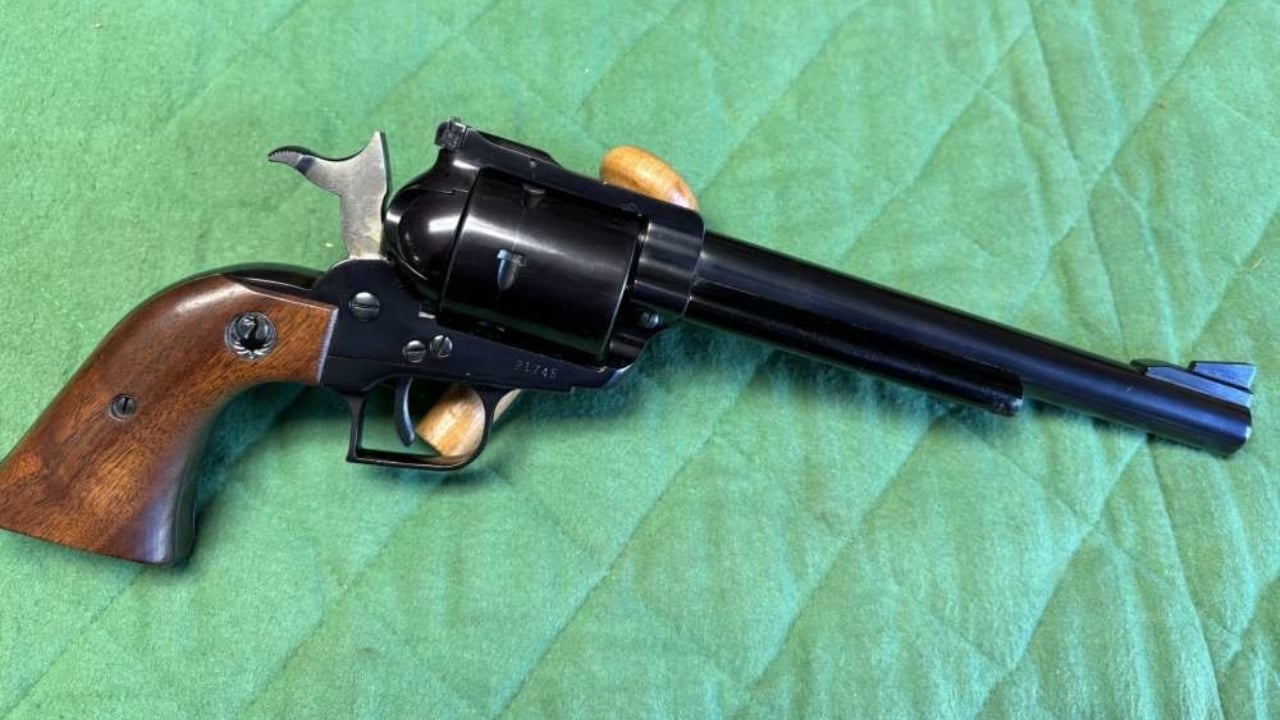
The Super Blackhawk is one of the classic answers for shooters who want a .44 Magnum that can take serious use. The strong single-action frame tolerates heavy loads, and the long-barreled versions provide excellent sight radius and velocity.
It is especially rewarding for handloaders because the gun can handle a wide range of ammunition, from soft practice loads to serious hunting rounds. The grip shape allows the revolver to roll slightly under recoil, which some shooters find more comfortable with heavy loads than a rigid double-action grip. It is not fast, but it is exceptionally durable and accurate. For somebody who actually shoots big-bore revolvers instead of merely owning one, that matters more than reload speed.
Smith & Wesson Model 629
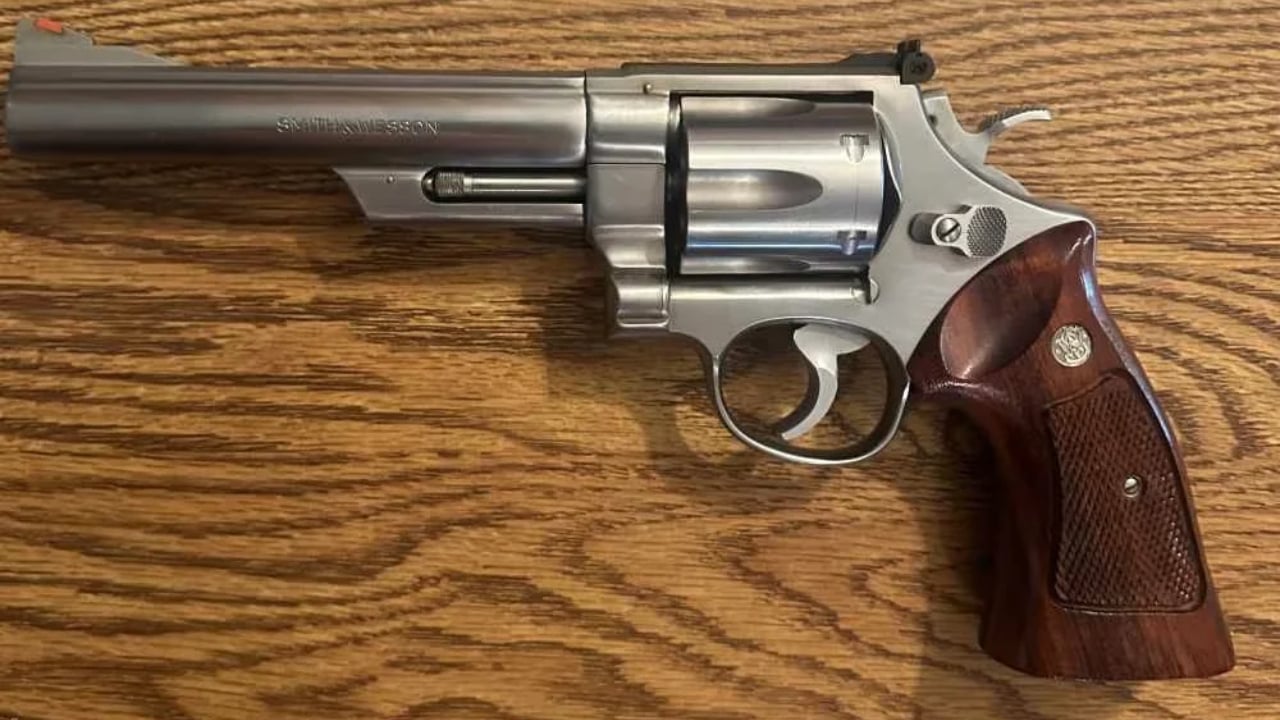
The Model 629 gives you the classic Model 29 experience in stainless steel. That makes it especially appealing for people who carry their revolver in the field, hunt in wet weather, or simply do not want to baby a blued finish.
The N-frame soaks up recoil well, and the trigger is typically excellent. Adjustable sights let you tailor the gun to different loads, while .44 Special gives you a much cheaper and softer practice option. The 629 is available in several barrel lengths, which makes it easy to choose between a carry-oriented field gun and a heavier hunting setup. It is one of the best all-around .44s for shooters who expect to use the revolver rather than preserve it.
Colt Anaconda
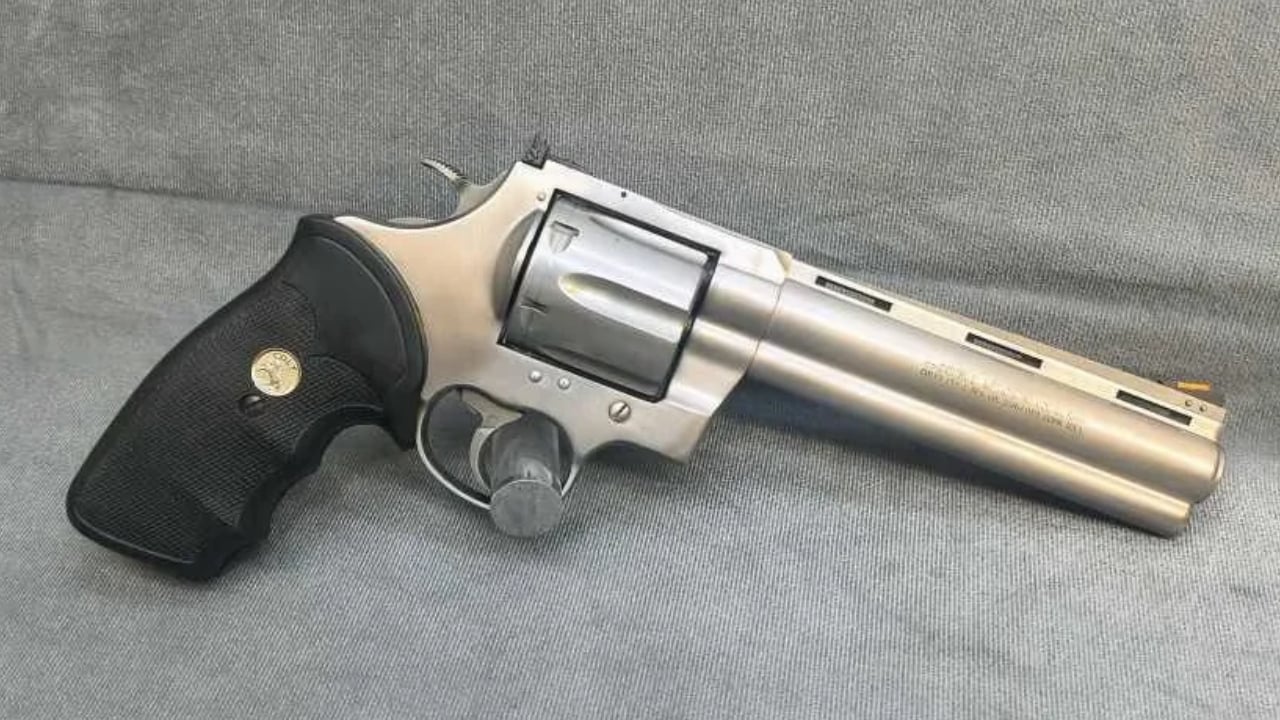
The modern Anaconda brings Colt’s current revolver improvements into a large-frame .44 Magnum platform. The action is smooth, the frame is substantial, and the gun has enough weight to make heavy loads manageable.
The 6-inch version is particularly good for shooters who want a serious range and hunting revolver. The sight radius helps accuracy, while the weight reduces fatigue during longer sessions. Like the Python, the Anaconda costs more than a basic Ruger, but the trigger and overall refinement make that premium easier to justify for someone who will actually spend time shooting it. It is not merely a showpiece with a famous name stamped on the barrel.
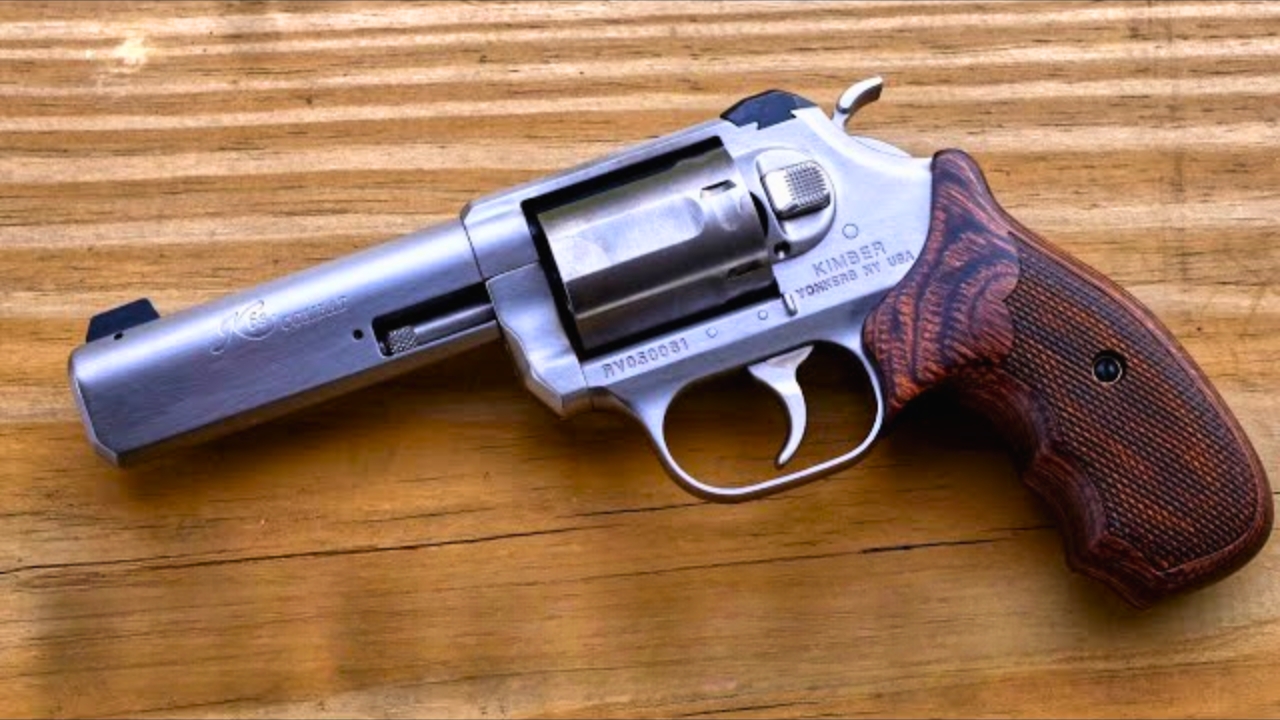
Kimber K6s DASA 4-Inch
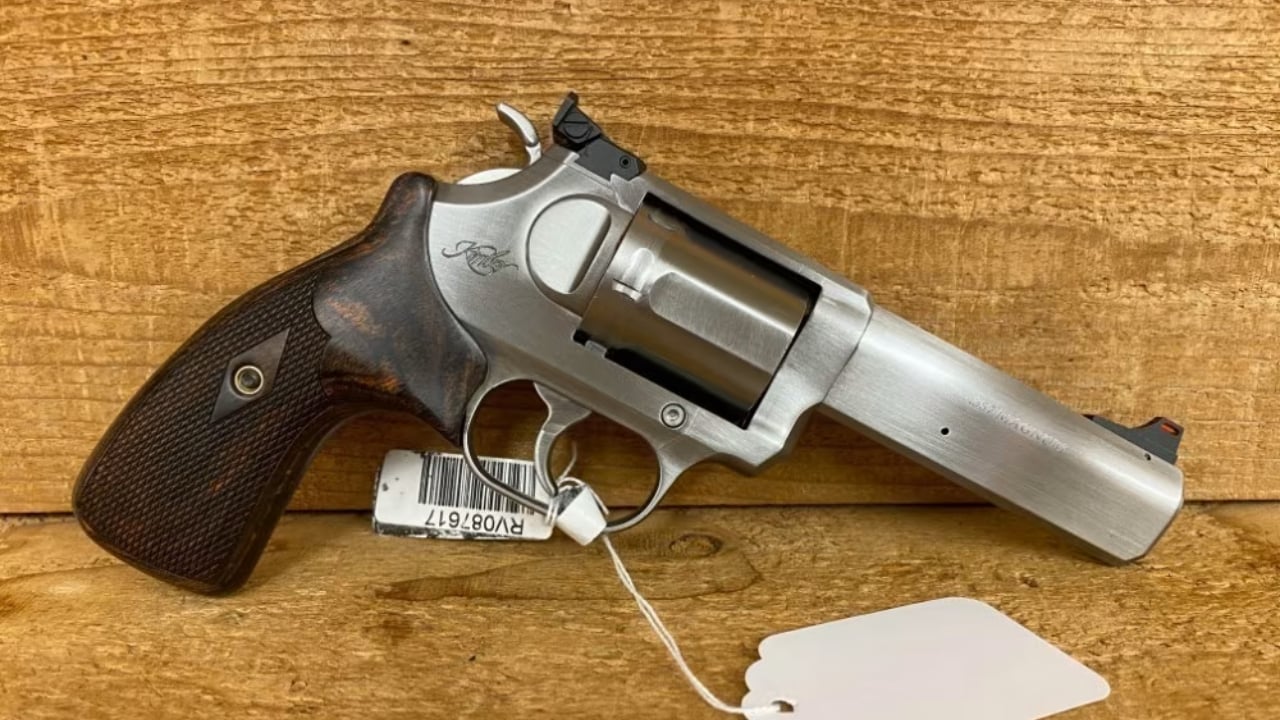
The K6s is one of the more interesting modern revolvers because it combines a compact frame with six-round .357 Magnum capacity and very good machining. The 4-inch DASA version is the one that makes the most sense for regular shooting.
The longer barrel gives you better sights and more control, while the grip remains compact enough for practical carry. The trigger is smooth, and the cylinder is unusually slim for a six-shot .357. Full-power Magnum loads are still lively because the gun is relatively light, but .38 Special makes it extremely pleasant for practice. For shooters who want something smaller and more refined than a GP100 without dropping to a five-shot snub, the K6s occupies a useful niche.
Ruger LCR .22 LR
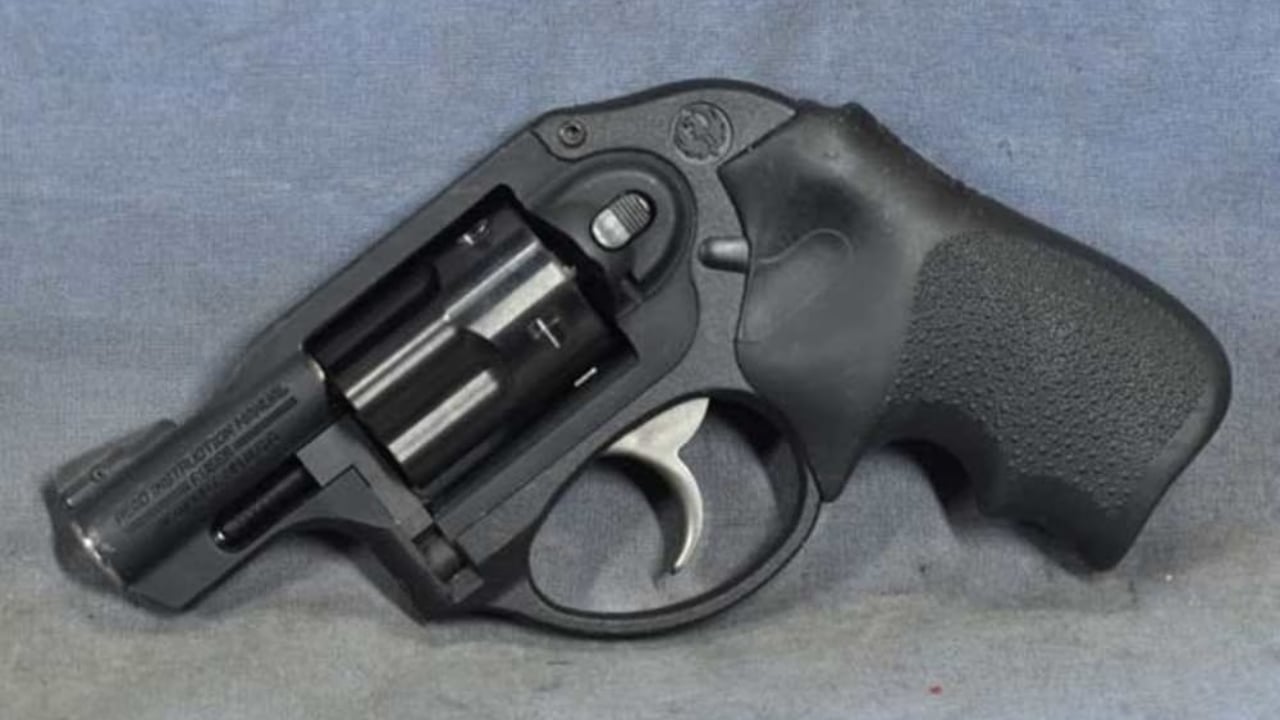
The LCR .22 is not a glamorous revolver, but it may be one of the best tools for learning serious double-action shooting. The polymer-and-aluminum construction keeps it light, while the enclosed hammer and smooth trigger make it ideal for repetitive practice.
The trigger is heavier than the centerfire LCR because rimfire cartridges require stronger hammer strikes, but that can be an advantage for training. If you can maintain good sights through the .22 LCR’s pull, a larger centerfire revolver often feels much easier afterward. Cheap ammunition also means you can put hundreds of rounds through it without thinking twice about the cost. For actual skill development, that matters more than prestige.
Like The Avid Outdoorsman’s content? Subscribe to our newsletter so you never miss an article.
Here’s more from us: