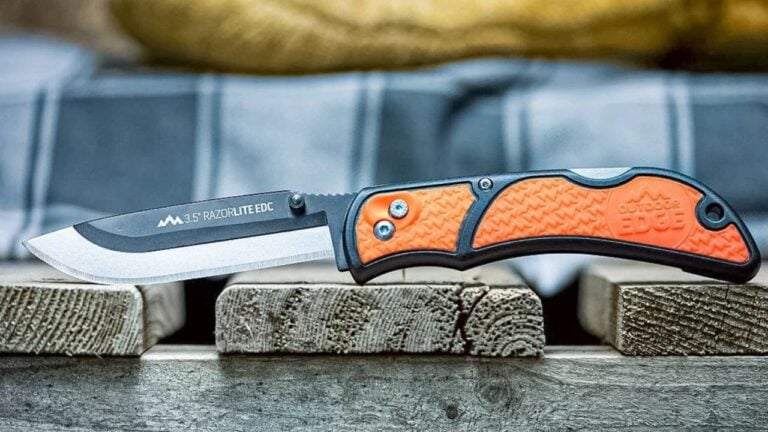
Photo credit: CRKT OFFICIAL/YouTube
Knife companies rarely fall apart overnight. More often, they slowly get passed by. Prices creep upward, steels stop looking competitive, once-great models disappear, manufacturing moves, product lines become repetitive, or newer brands start delivering better materials for less money. A name that once meant something special can eventually become just another logo in the display case.
That does not mean every knife from these companies is bad. Several still make excellent models, and some remain major players. The issue is how their position has changed. A brand that once set the standard may now feel expensive, inconsistent, dated, or simply less exciting than what competitors are offering. These 20 names still matter, but each has lost at least some of the advantage that once made buyers seek them out first.
Gerber
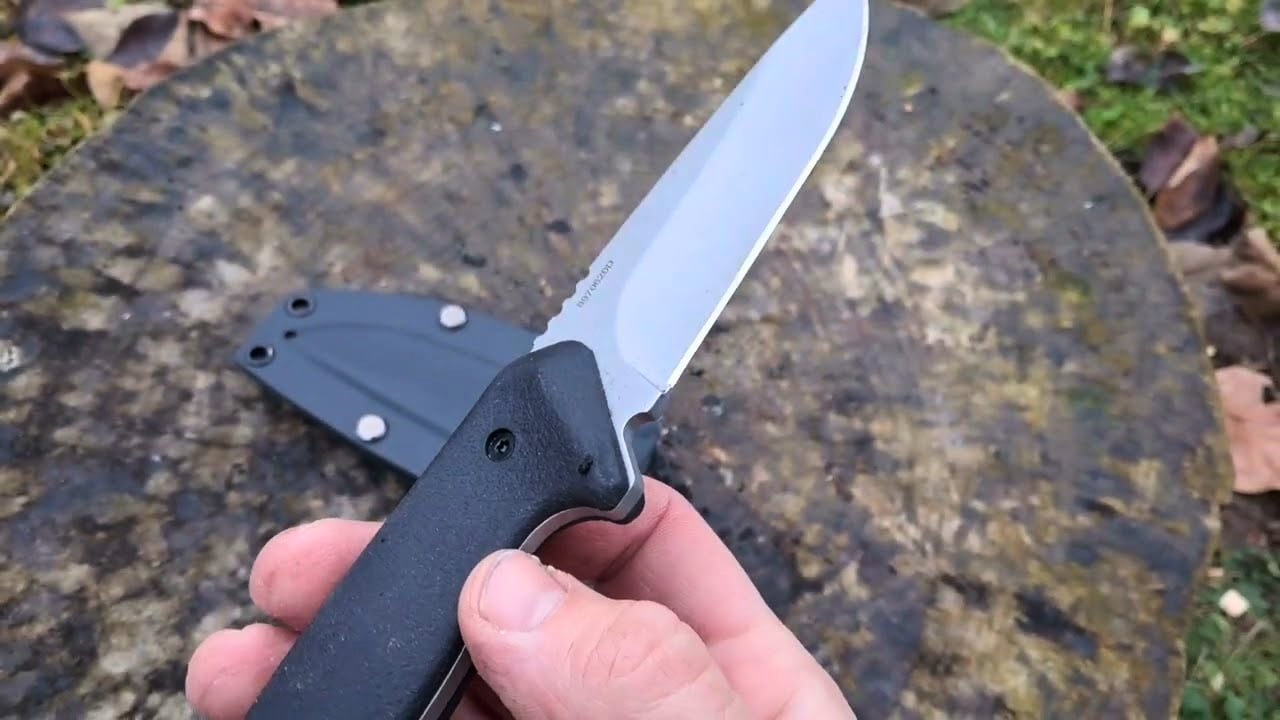
Gerber once occupied an enviable position in American knives. Older models built a reputation around dependable field use, hunting, military applications, and practical designs that felt like serious tools rather than mass-market accessories.
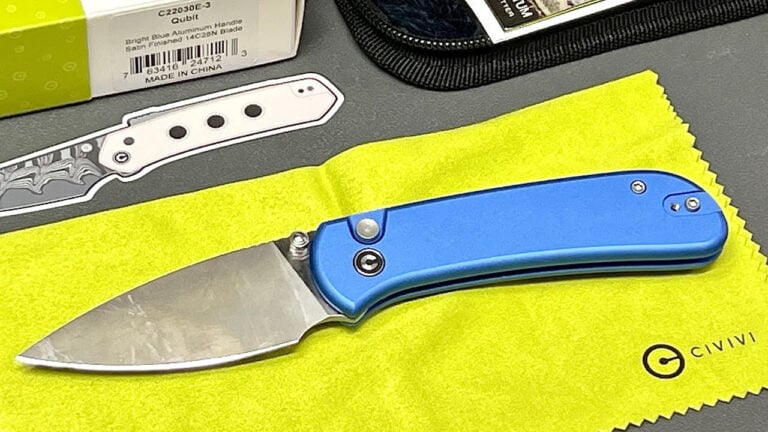
Over the years, the catalog became much more uneven. Gerber still makes some worthwhile knives, but buyers now have to separate the good models from a large amount of inexpensive product that does little to strengthen the brand’s reputation. That inconsistency hurts more when companies like CIVIVI, Kizer, and Hogue are producing extremely polished knives at competitive prices. Gerber still has name recognition that younger brands would love to have, but the logo no longer automatically tells experienced buyers they are getting something special.
SOG
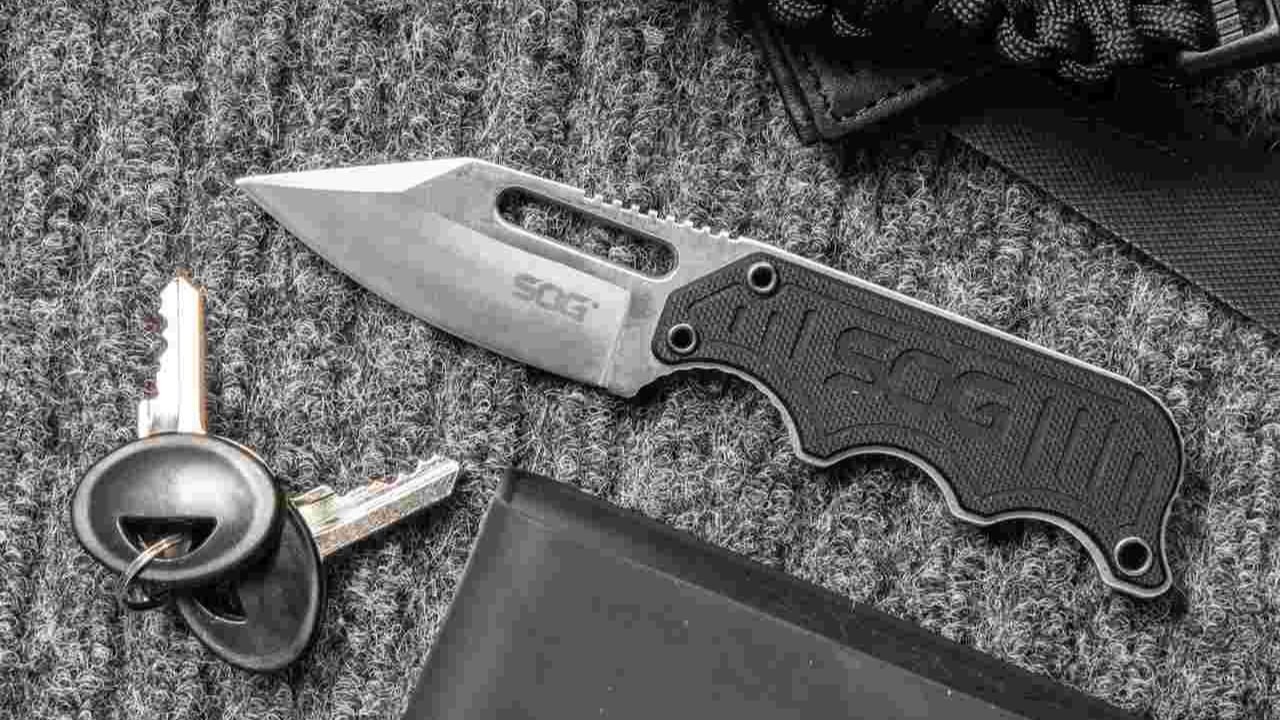
There was a time when SOG felt much more focused. Knives such as the original SEAL models and older folders gave the company a recognizable identity built around practical tactical and outdoor designs.
The modern catalog has not always carried that same clarity. Some newer SOG knives are genuinely good, but the company has gone through periods where styling seemed to matter more than clean cutting geometry or straightforward value. Assisted mechanisms and aggressive designs also began feeling dated as the rest of the market moved toward smoother manual actions, crossbar locks, and better blade steels. SOG is far from irrelevant, but it no longer occupies the same automatic shortlist position it once did for buyers looking for a serious working knife.
Schrade

The Schrade name carries enormous history, especially for anyone who remembers the old American-made Old Timer and Uncle Henry knives. Those traditional folders were inexpensive working tools that became fixtures in pockets, tackle boxes, and hunting camps.
The modern Schrade brand is a very different operation. Plenty of current models are affordable and functional, but the name no longer carries the same connection to American manufacturing or the old patterns that built its reputation. Large survival knives and inexpensive tactical folders became a major part of the catalog, often competing mainly on size and price. There are still worthwhile knives available, but longtime owners who remember the older company can be forgiven for feeling like the badge survived more strongly than the original identity.
Camillus
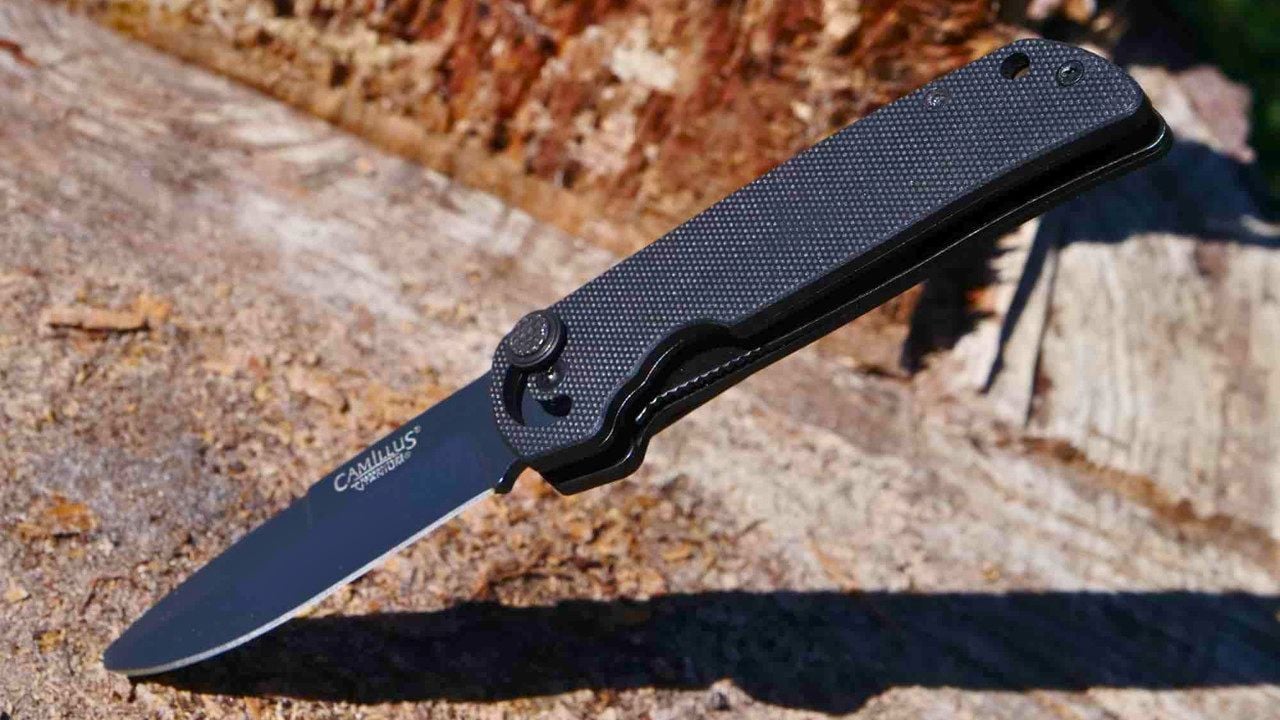
Camillus was once one of America’s important knife manufacturers, producing everything from military knives to traditional folders and contract-made products for other companies. The old American factory gave the brand considerable credibility.
After the original company closed, the name returned under new ownership, but the modern catalog occupies a much different place in the market. Many current Camillus knives compete primarily at budget retail price points, and the connection to the company’s historic manufacturing reputation is mostly in the name. That does not make every modern Camillus bad. It does mean buyers expecting the same company their fathers or grandfathers knew may be disappointed. Few brands demonstrate more clearly how a famous knife name can survive while its market position changes completely.
Cold Steel
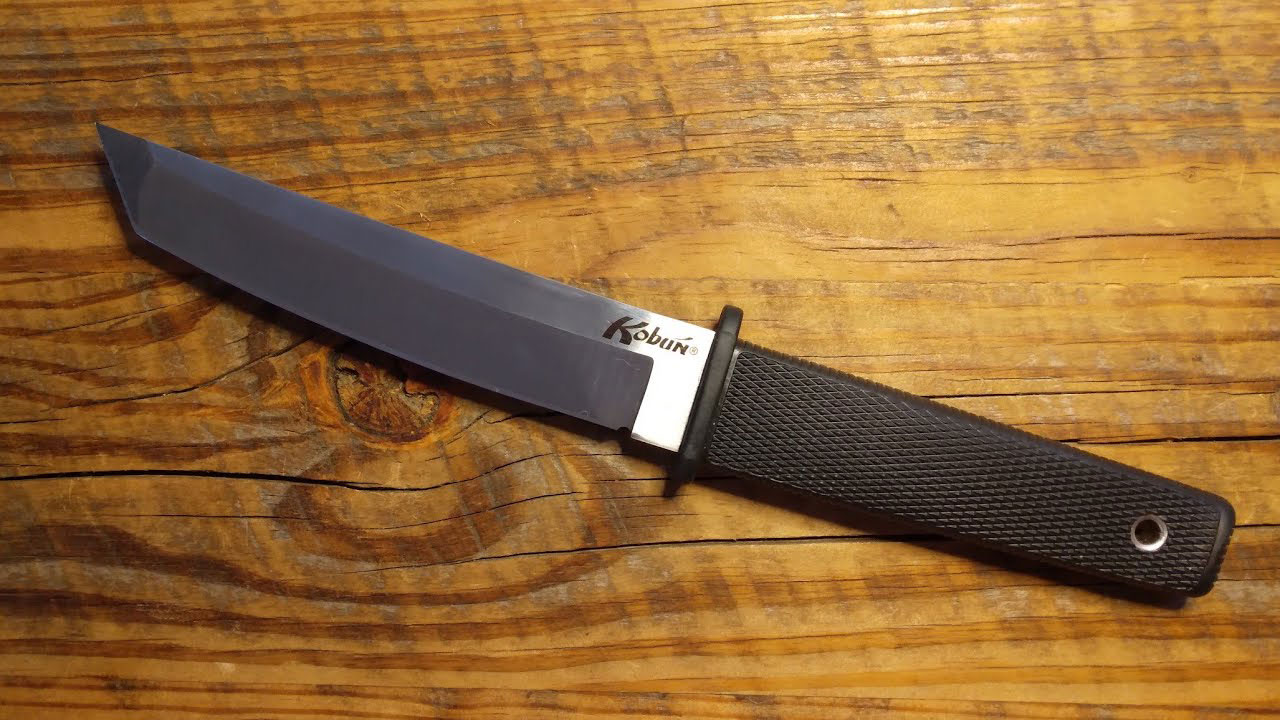
Cold Steel still makes some incredibly tough knives, and the Tri-Ad Lock remains one of the company’s greatest contributions. The problem is that the company once felt much more singular than it does today.
Older Cold Steel built its identity around outrageous demonstrations, unusually strong folders, large fixed blades, and designs few competitors were willing to attempt. Ownership changes and a more crowded knife market have reduced some of that mystique. Competitors now offer tough locks, excellent steels, and aggressive designs without always bringing Cold Steel’s bulk or styling. The company still has loyal buyers and several excellent models, but it no longer feels like the only place to go when you want a folding knife capable of serious abuse.
CRKT

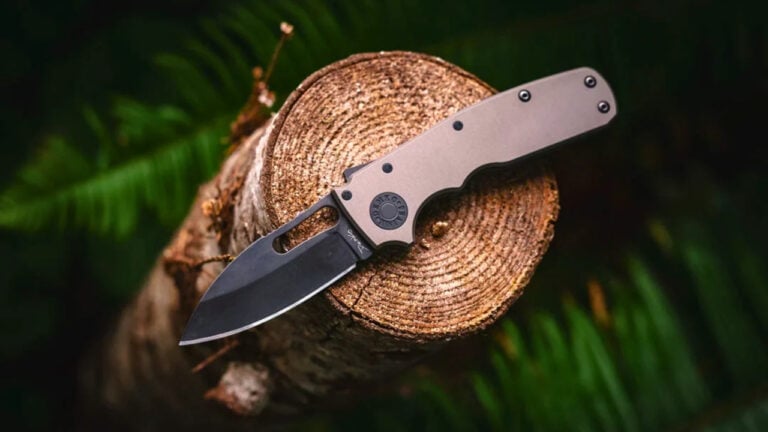
CRKT has always been good at interesting collaborations. Designers such as Ken Onion, Kit Carson, and others gave the company an enormous number of recognizable knives at affordable prices.
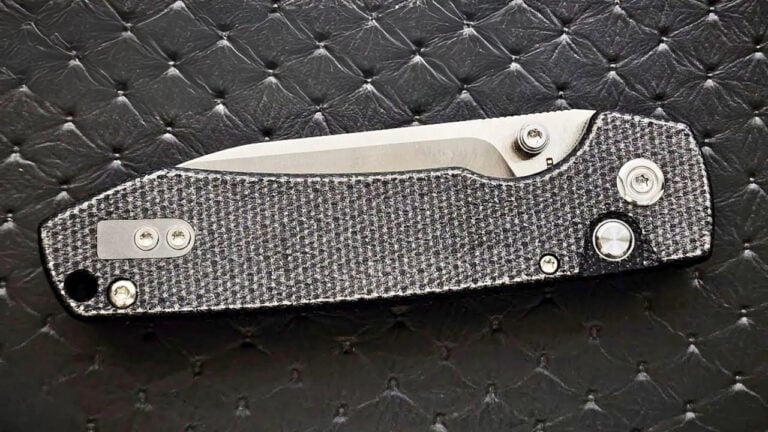
The frustration has often been materials. For years, CRKT could pair an excellent design with steel or handle materials that felt behind what competitors were offering at the same price. That gap became much more obvious once Chinese manufacturers started delivering 14C28N, Nitro-V, button locks, Micarta, and highly refined actions at budget prices. CRKT has improved in several areas, but the brand spent enough time leaning on design while competitors raced ahead on specifications that it lost some ground. A great silhouette is harder to sell when the knife beside it offers better materials for the same money.
Kershaw

Kershaw remains one of the most important names in affordable knives, and its American-made models can still be excellent. The company simply does not dominate the budget folder conversation the way it once did.
SpeedSafe assisted opening used to feel modern and exciting. Now many buyers prefer smooth manual actions, crossbar locks, button locks, and bearings. Meanwhile, overseas manufacturers have become extraordinarily competitive on steel, machining, and fit. Kershaw has responded with stronger recent designs, but the market it helped define moved faster than it did for a while. The brand is still good. It just has to fight much harder for attention than it did when a Blur, Leek, or Cryo felt like an obvious recommendation.
Buck

Buck has one of the strongest legacies in American knives, and models such as the 110 remain iconic for good reason. That history can also make the company seem slower to move than its competitors.
Traditional lockbacks and hunting knives remain Buck’s greatest strength, but the modern EDC market expects lightweight construction, premium steels, one-handed locks, deep-carry clips, and smooth deployment at increasingly aggressive prices. Buck has adapted with several newer models, yet parts of the catalog can still feel caught between tradition and modern expectations. The company has not lost its ability to make good knives. What it has lost is the broad dominance it once had when a Buck folder was one of the most obvious answers for an everyday working knife.
Case
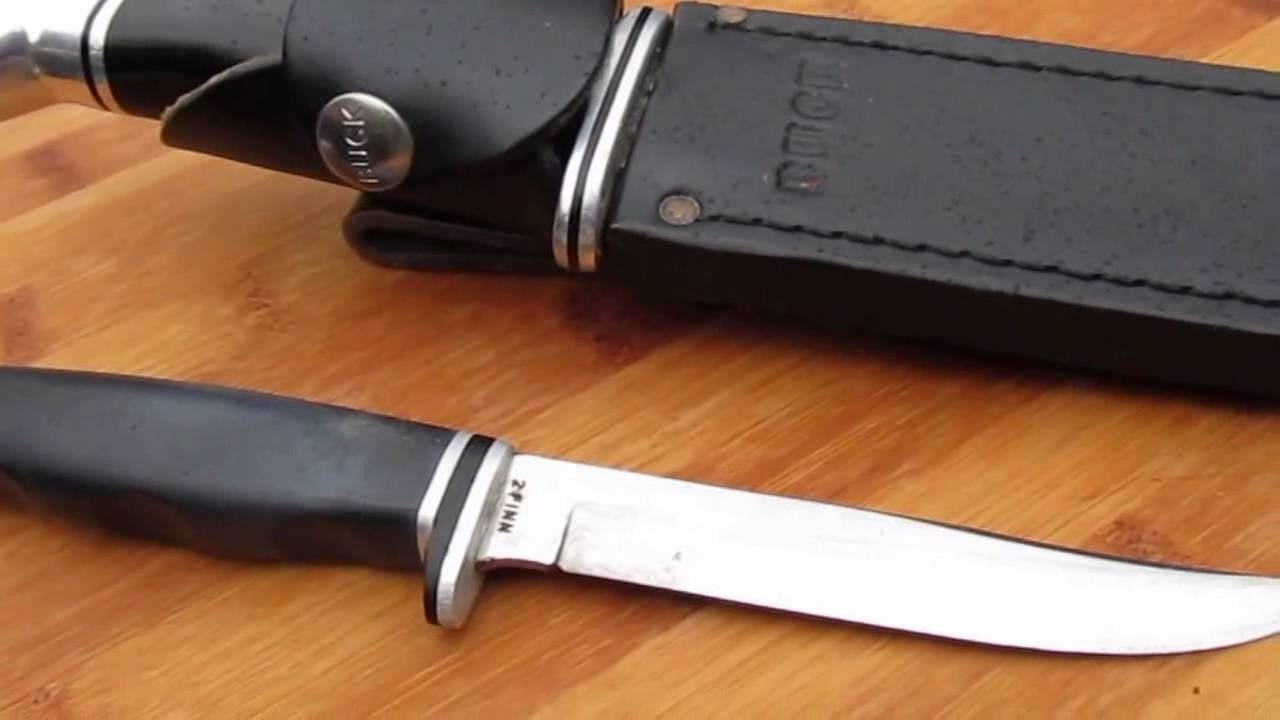
Case remains deeply tied to traditional American pocket knives, and that heritage still has plenty of appeal. The problem is that traditional knife buyers now have more options and higher expectations than they once did.
Fit and finish inconsistency can become difficult to ignore when buyers are paying collector-friendly prices for patterns that may show uneven grinds, blade play, or cosmetic issues. Meanwhile, modern manufacturers can deliver extremely precise machining for less money. Case still offers something those brands do not: history, recognizable patterns, and American traditional-knife culture. But heritage works best when execution consistently matches it. When buyers start inspecting a new knife closely before deciding whether they got a good one, the brand’s reputation loses some of its strength.
Ontario Knife Company
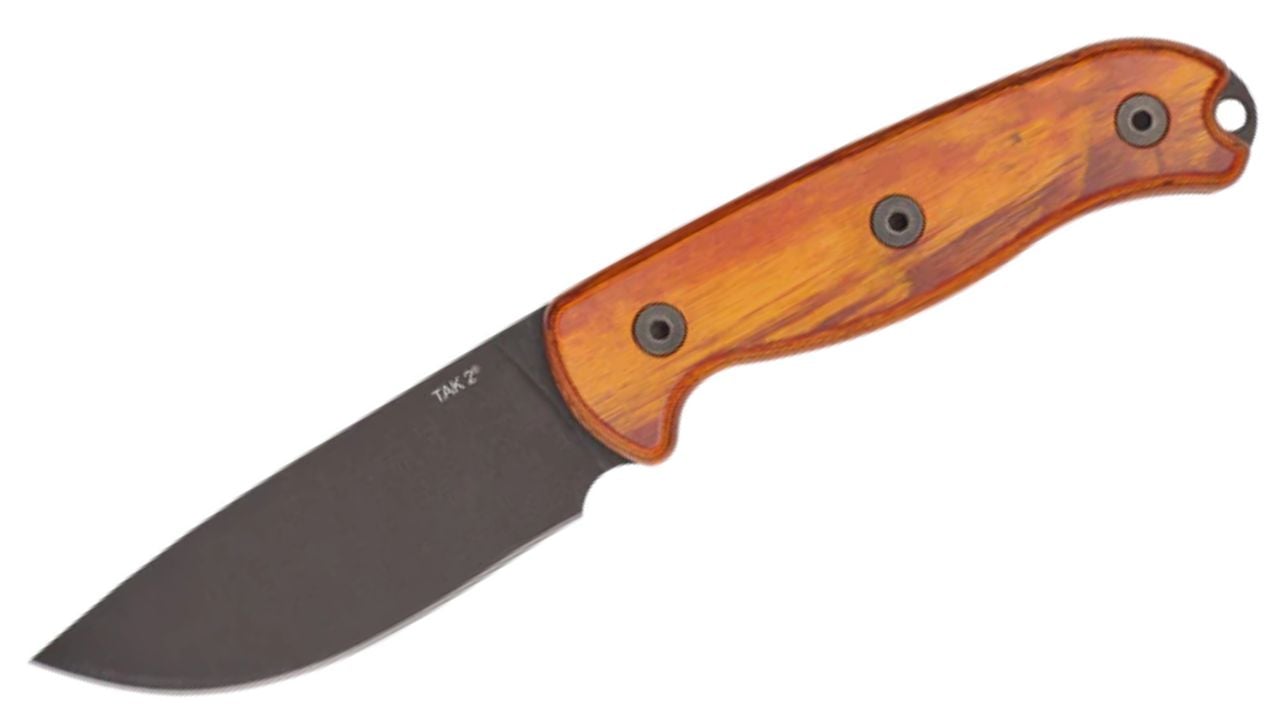
Ontario built a reputation around tough, inexpensive working knives that could take abuse without requiring premium money. The RAT folders and many of its fixed blades became favorites precisely because they were practical rather than glamorous.
Changes surrounding the company and its manufacturing future disrupted that continuity, and the market did not stand still while Ontario’s position shifted. Budget knives now offer steels and features that make older Ontario designs look dated on paper. The RAT series still works because the ergonomics and blade shapes were good to begin with, but competitors have closed the gap dramatically. Ontario’s biggest challenge is no longer proving that its knives work. It is proving why buyers should choose them over newer options offering more modern materials and mechanisms.
Boker Magnum
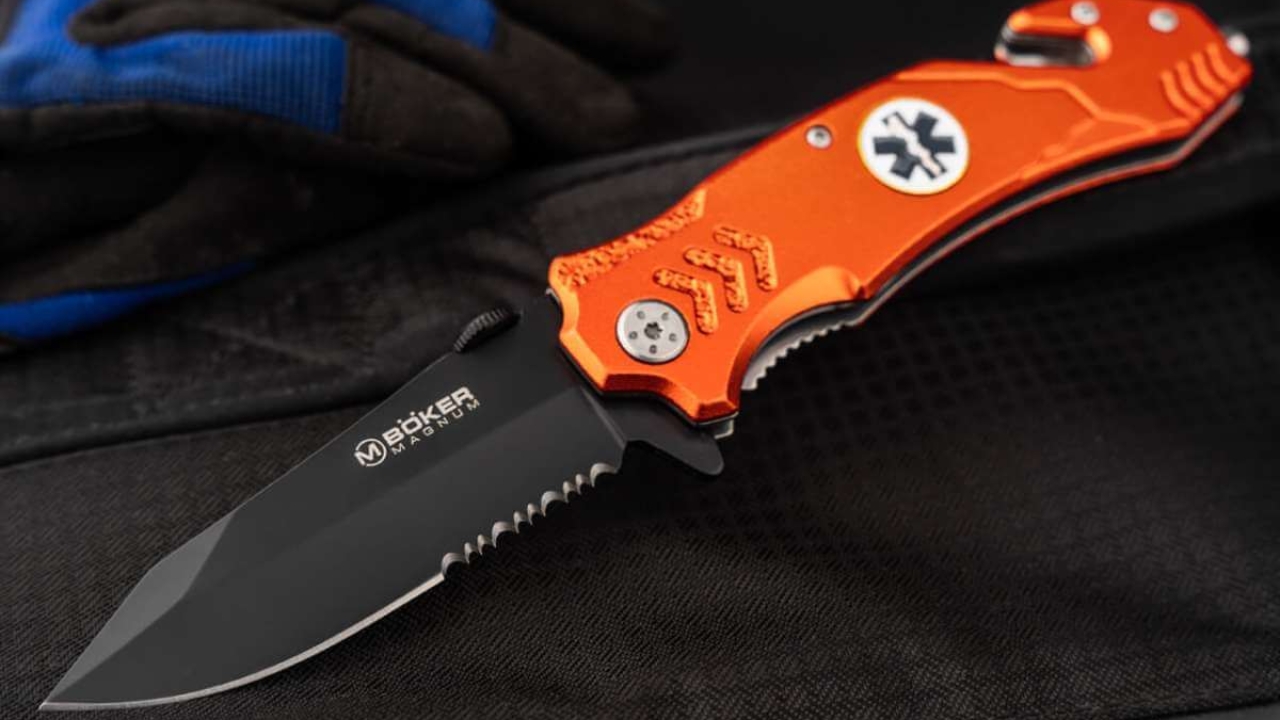
Boker itself spans everything from traditional Solingen knives to premium collaborations, but the Magnum line has always occupied the budget end. That line has produced some memorable inexpensive knives, though it has also contributed to a perception of inconsistency.
Many Magnum designs lean heavily on visual impact, oversized blades, unusual finishes, or tactical styling. That approach was easier to overlook when affordable buyers had fewer choices. Today, a $40 or $50 shopper can find genuinely refined folders with good steel, smooth pivots, and thoughtful ergonomics from a huge range of brands. Budget buyers no longer have to settle for something merely because it looks dramatic. The Magnum label has been slow to escape the reputation that style sometimes comes before substance.
United Cutlery
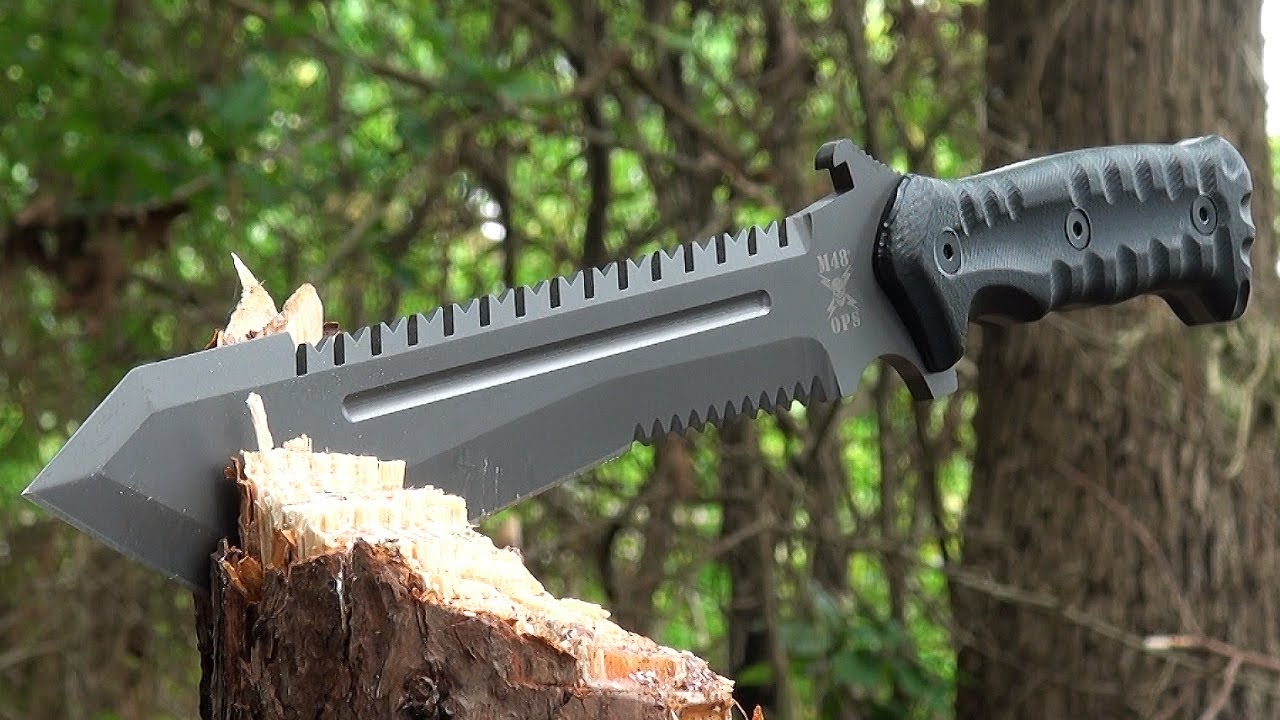
United Cutlery became familiar through movie replicas, fantasy blades, novelty pieces, and inexpensive tactical products. That made the brand highly visible, but visibility is not the same as being respected among serious knife users.
The company has produced some functional designs over the years, yet much of its identity remains tied to display pieces and licensed products. As the enthusiast knife market matured, buyers became increasingly focused on steel choice, heat treatment, edge geometry, lock quality, and manufacturing precision. United Cutlery never became the company most people associate with those conversations. It still serves its niche well, but compared with brands that moved aggressively into high-performance everyday knives, its influence on serious users has declined.
MTech

MTech became nearly unavoidable in the inexpensive knife market. The company put large, flashy folders and fixed blades into stores and online listings at prices almost anyone could afford.
That formula has aged poorly because the low-cost segment is vastly better now. Buyers can find excellent budget folders with known blade steels, dependable locks, smooth actions, and refined machining without spending much more. That makes exaggerated styling and basic materials harder to excuse. MTech still sells knives because there will always be demand at the very bottom of the price ladder, but the gap between cheap and good has narrowed enough that experienced buyers rarely need to settle for what the brand built its reputation around.
Browning Knives

Browning is a huge name in firearms and outdoor equipment, which gives its knives instant familiarity. The problem is that the knife side has rarely developed the same independent identity as Browning’s guns.
Many Browning knives have been perfectly functional hunting or utility tools, but the catalog often feels more like licensed outdoor merchandise than a knife company pushing design forward. That becomes difficult in a market filled with specialist brands that obsess over steels, locks, grinds, and ergonomics. A hunter may still buy a Browning knife because he trusts the name on his rifle or shotgun. Enthusiasts shopping specifically for a knife usually have far more compelling options now.
Smith & Wesson Knives

Smith & Wesson’s name guarantees attention, but its knives have long lived in the shadow of the company’s firearms. Many are inexpensive tactical folders aimed at buyers who recognize the branding rather than enthusiasts comparing heat treatment and blade geometry.
That worked better when the affordable knife market was less competitive. Today, entry-level buyers can choose from companies producing much more refined knives at similar prices. Smith & Wesson knives still sell, especially as general-purpose or gift items, but the branding often carries more weight than the specifications. A famous gun company name cannot compensate forever when dedicated knife manufacturers keep raising the standard.
Ka-Bar

Ka-Bar will probably always be associated with the classic fighting-utility knife, and that model earned its reputation long ago. The difficulty is turning that history into a broader modern knife identity.
The company has produced several strong designs, particularly through collaborations, but much of its brand recognition remains anchored to a knife developed generations ago. Modern outdoor and EDC buyers now have an enormous selection of steels, handle materials, and purpose-built geometries to choose from. The classic Ka-Bar still sells because history matters, not because it represents the current peak of fixed-blade design. The company remains relevant, but it does not shape the wider knife market the way its famous name might suggest.
Al Mar
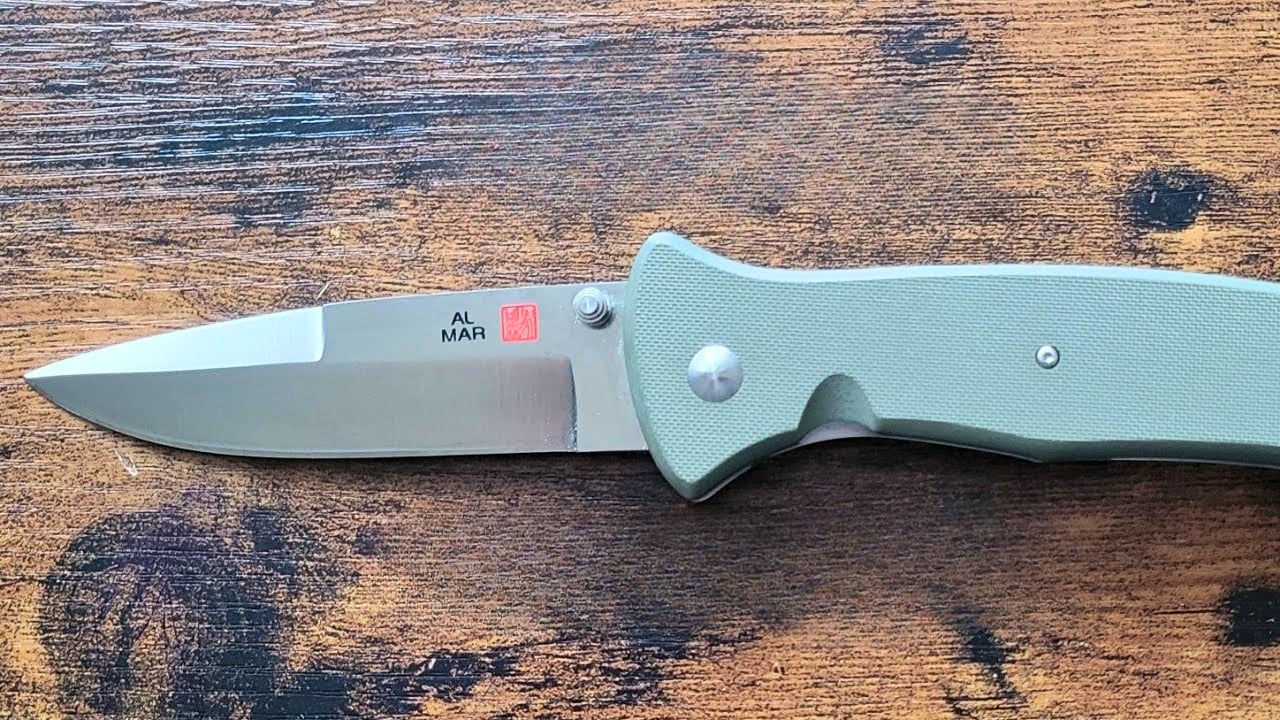
Al Mar knives once occupied a special position among premium production knives. The brand was associated with refined Japanese manufacturing, elegant designs, and quality that felt noticeably above ordinary factory folders.
Over time, ownership and production changes made the brand feel less connected to the era that established its reputation. Some current knives still carry familiar patterns and styling, but the competitive landscape is completely different. Buyers willing to spend premium money now have dozens of companies offering exceptional materials and machining. The Al Mar name still has meaning to longtime collectors, yet newer buyers may not immediately understand why it was once held in such high regard. That loss of automatic prestige is significant.
Bear & Son Cutlery

Bear & Son has something many buyers genuinely value: American manufacturing and a broad catalog of traditional and modern knives. The difficulty is consistency.
The brand competes against imported knives that often arrive with extremely clean machining, centered blades, even grinds, and polished actions at surprisingly low prices. That raises the standard for everybody. When an American-made knife shows uneven fit or other finishing issues, buyers notice immediately, especially when the price is higher. Bear & Son still has plenty of potential and fills an important part of the market, but domestic production alone is no longer enough to guarantee loyalty from buyers who expect modern levels of precision.
Steel Will
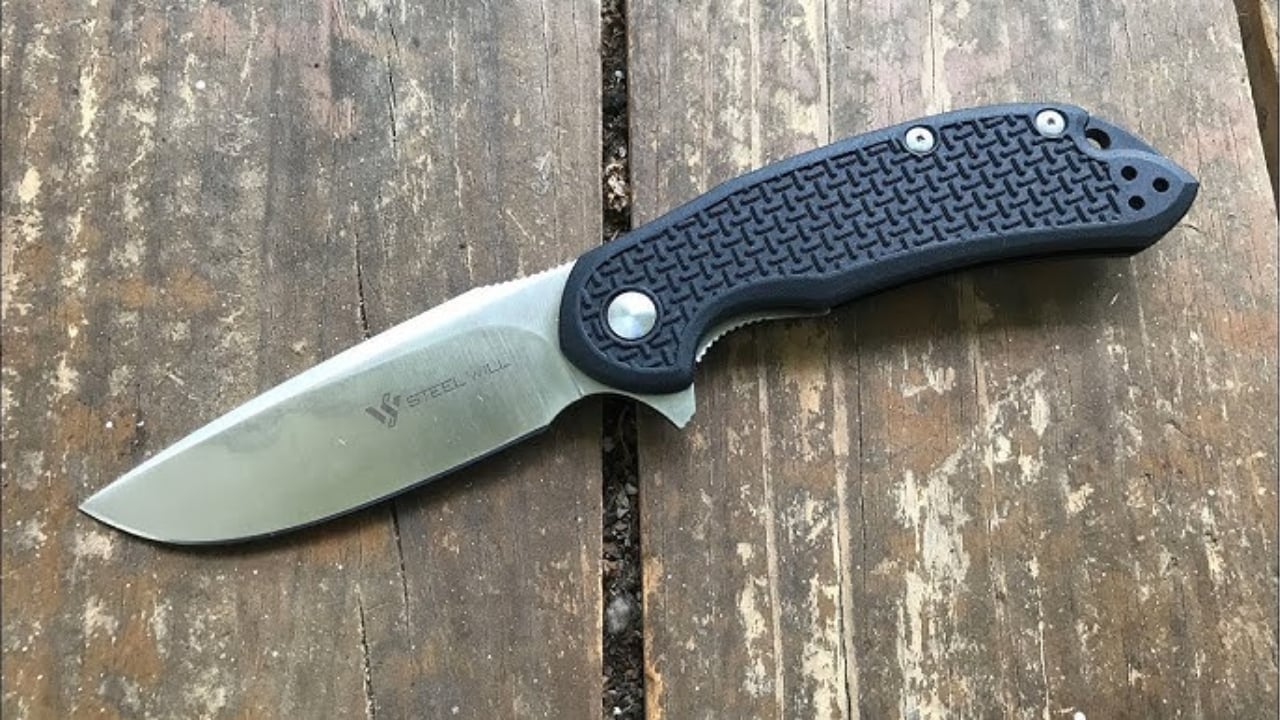
Steel Will arrived with several designs that generated real attention. The brand offered practical folders and fixed blades with sensible ergonomics and prices that made them easy to recommend.
Then the knife market accelerated. CIVIVI, Kizer, Vosteed, QSP, Miguron, and others began releasing new designs constantly, often with better mechanisms, wider steel choices, and extremely aggressive pricing. Steel Will did not maintain the same momentum or visibility. The knives did not suddenly become bad. The problem was that standing still in this market effectively means moving backward. A brand that once looked like an exciting value can quickly disappear from the conversation when competitors keep releasing stronger options.
Like The Avid Outdoorsman’s content? Subscribe to our newsletter so you never miss an article.
Here’s more from us: