Photo credit: Forest Firearms/YouTube
A rifle can run perfectly for its first decade and still develop problems its original owner never expected to see. Springs weaken, buffers crumble, stocks crack, receiver rails wear, gas systems corrode, and proprietary parts disappear from the market. That creates a very different kind of reliability problem than a rifle that was troublesome straight out of the box.
Older rifles deserve some forgiveness because everything mechanical eventually wears. The issue is that certain designs have specific weak points that become much more serious as the years and round counts add up. Some can be repaired easily with modern replacement parts. Others reach a point where fixing the rifle costs more than replacing it, assuming the necessary parts can even be found. These 20 are rifles where age can expose problems that were much less obvious when the guns were new.
Remington Model 742 Woodsmaster
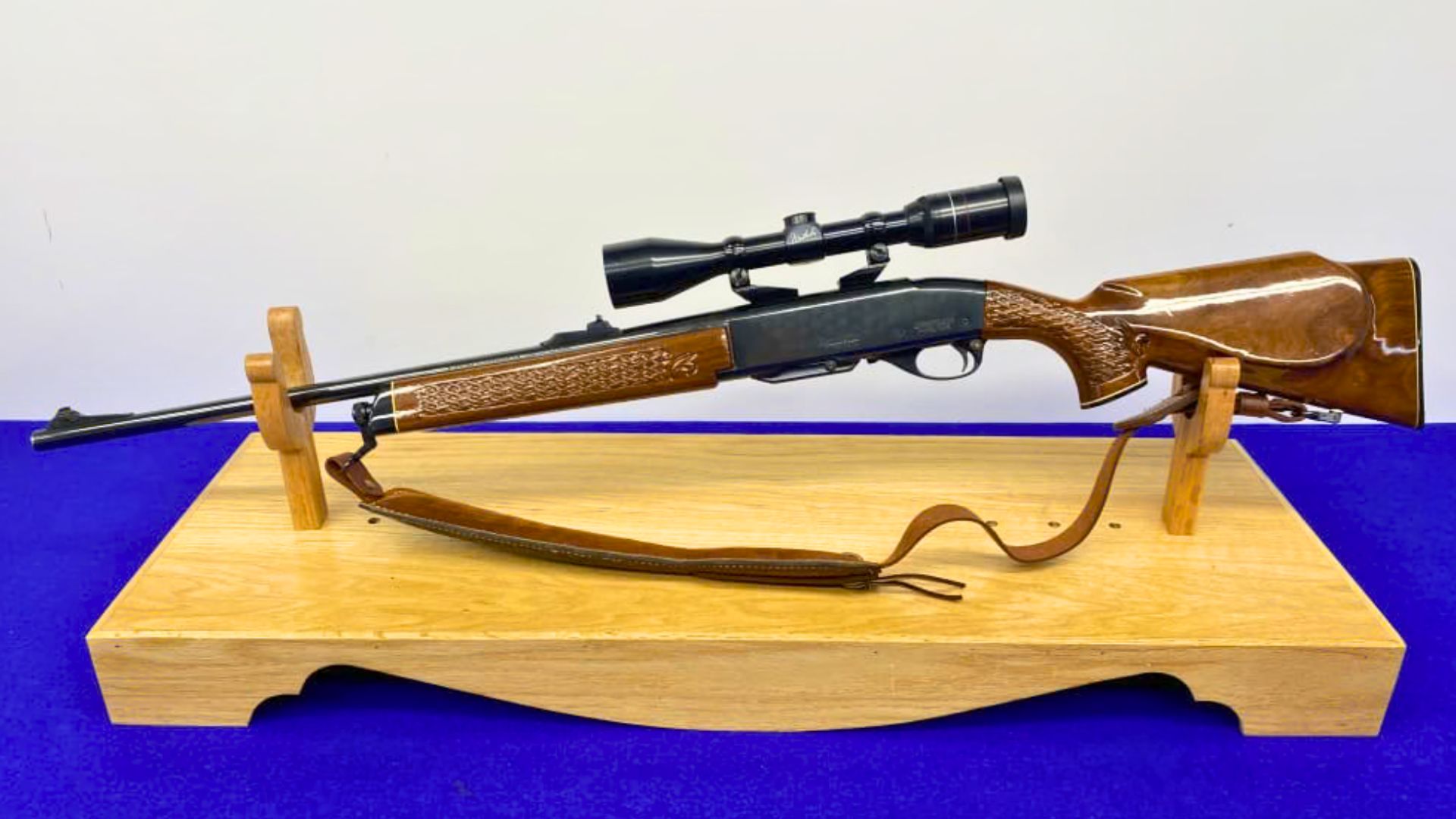
The Model 742 is probably one of the clearest examples of a hunting rifle whose problems become worse with accumulated use. Thousands of deer hunters carried them successfully for years, but the action has a weakness that can eventually turn an otherwise good rifle into a wall hanger. The rotating bolt can batter the guide grooves inside the receiver as the action cycles, particularly after considerable use.
Once those rails become badly chewed up, there is not always a practical repair. Extractors, rusty chambers, dirty gas systems, and deteriorated ejection-port covers can create additional trouble as the rifle ages. Proper maintenance helps tremendously, but it cannot reverse serious receiver wear. A clean, lightly fired 742 can still work fine. A heavily used one deserves a very careful inspection before anyone assumes it has another twenty deer seasons left.
Winchester Model 100

The Model 100 was an attractive semiautomatic hunting rifle and still has plenty of loyal owners. Its biggest age-related issue, however, was serious enough for Winchester to issue a safety warning. Original firing pins could break from metal fatigue and become lodged forward in the bolt face.
That creates the possibility of a cartridge firing before the action is fully locked, which is far beyond an ordinary reliability annoyance. Winchester developed a redesigned firing pin, so one of the first things that matters on an old Model 100 is determining whether the rifle received the replacement. Even after that issue is addressed, these are now old semiautomatics with aging springs, magazines, and other parts that are not becoming easier to replace. A good Model 100 can still hunt, but age has made inspection much more important than nostalgia.
Marlin Camp 9
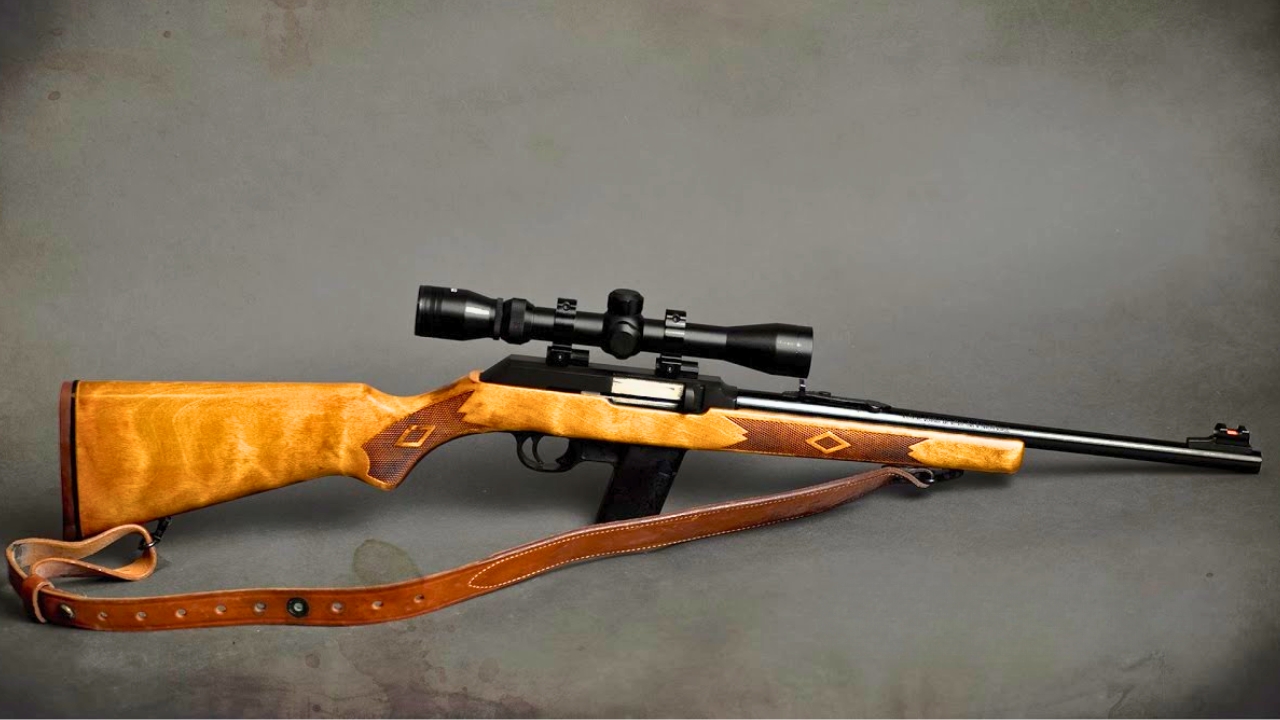
The Camp 9 has become more collectible precisely because shooters finally realized how handy these old pistol-caliber carbines were. Unfortunately, there is one component that owners almost have to treat as a maintenance item: the recoil buffer.
The original buffer sits at the rear of the receiver and cushions the blowback bolt. Over time, repeated impact can crack the material until pieces break off inside the action. Once that happens, fragments can jam the bolt and the rifle may stop cycling entirely. Old recoil springs can compound the problem by allowing the bolt to hit the buffer harder than intended. Fortunately, modern replacement buffers and heavier replacement springs have kept many Camp 9s running. It is still a good rifle, but ignoring that aging buffer is one of the easiest ways to damage an otherwise valuable carbine.
Remington Model 522 Viper

The Viper was supposed to take Remington’s rimfire line into a more modern era after the Nylon 66. Instead, it became a lesson in how poorly aging polymer components and limited parts support can affect an inexpensive rifle.
The rifle used a substantial amount of synthetic material, including a polymer receiver structure, and later magazines became particularly unpopular for durability and feeding problems. Once Remington discontinued the model, the small aftermarket never had enough time to develop the way it did for rifles such as the 10/22. That means an aging Viper with a broken or worn proprietary component can become surprisingly difficult to keep running. The rifle may still shoot well when everything is intact, but decades later its original low price does not help when you are hunting for parts that were never produced in huge numbers.
Charter Arms AR-7 Explorer
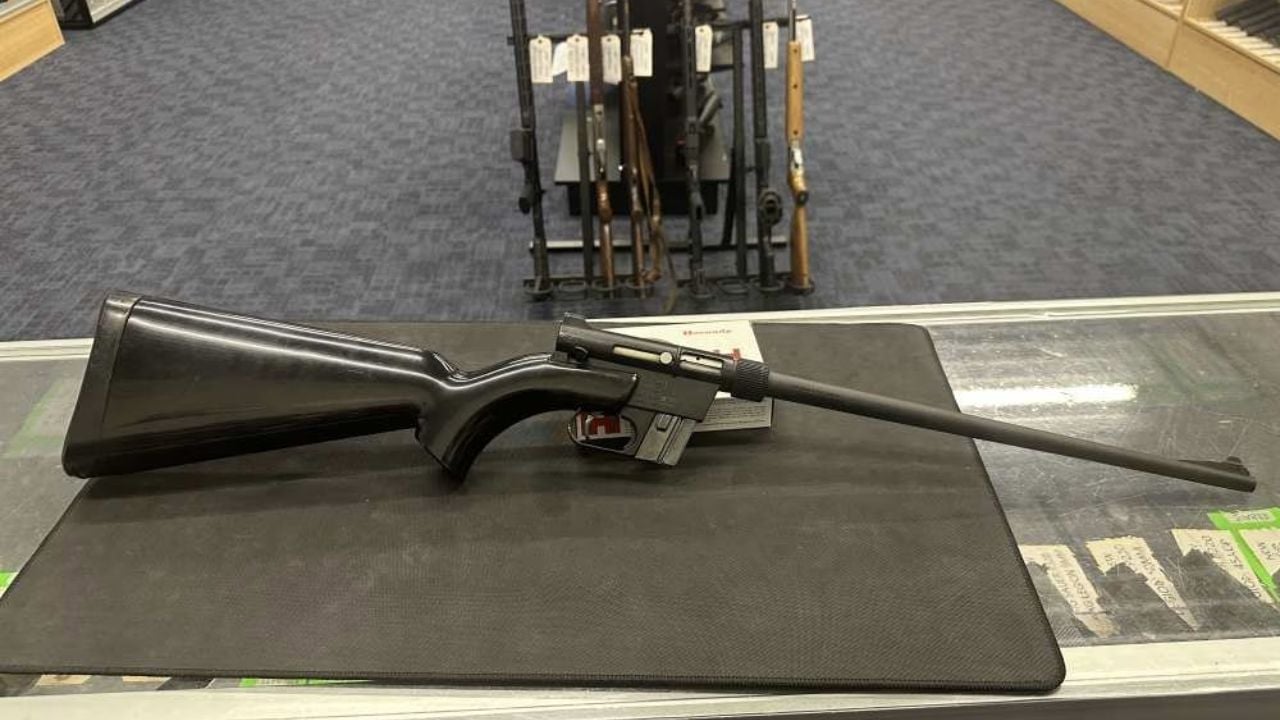
The AR-7 concept is brilliant: a lightweight survival rifle that can be broken down and stored inside its own stock. The problem is that some of the earlier commercial versions did not age nearly as gracefully as the idea itself.
Charter Arms examples can develop problems with stocks, extractors, feed components, and other small parts, especially after years of use and storage. The rifle’s lightweight construction leaves less margin for worn components than a heavier conventional .22. Magazines are another major variable because small differences in feed-lip geometry can determine whether an old AR-7 runs smoothly or turns every magazine into an exercise in malfunction clearing. Later manufacturers refined the platform, but buying an old Charter example today requires more caution than the simple design initially suggests.
Ruger .44 Carbine

Ruger’s original .44 Magnum semiautomatic carbine has enormous appeal today. It is short, handy, powerful enough for deer and hogs at woods distances, and looks almost like an oversized 10/22.
Age has made ownership more complicated. The gas-operated system needs to remain clean, and decades of firing heavy .44 Magnum ammunition can wear springs and other operating components. The bigger problem is discontinued parts support. Ruger stopped producing the rifle long ago, and many internal pieces are not things you can simply order from the factory anymore. That turns relatively minor wear into a much larger ownership problem. A well-preserved .44 Carbine is still a fantastic woods rifle, but I would be reluctant to buy a heavily used example without knowing the condition of the gas system and action.
Remington Model 740
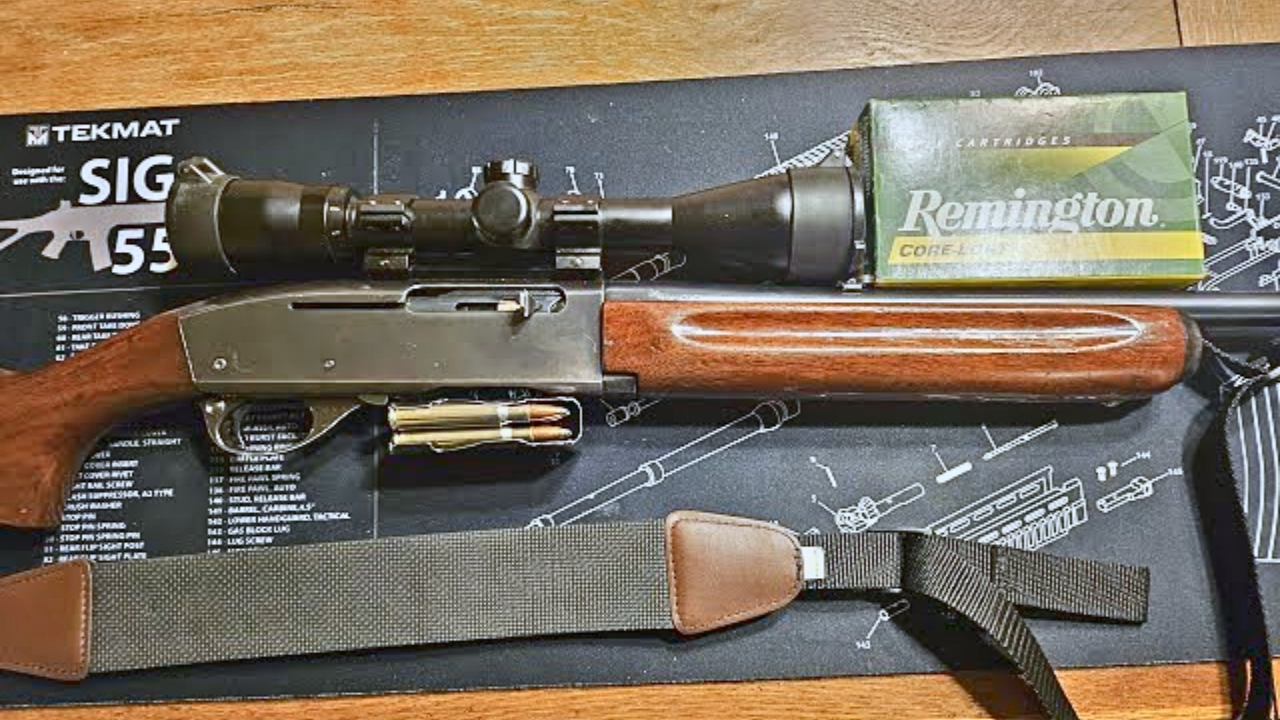
The Model 740 came before the 742 and helped establish Remington’s semiautomatic deer-rifle formula. Unfortunately, many of the weaknesses associated with that family were already present.
Old examples can suffer from worn action surfaces, chamber corrosion, fouled gas systems, weak springs, and extraction problems. Because these rifles often spent decades being fired a few times each fall and then put away until the following season, neglect can matter just as much as actual round count. Moisture or fouling left inside the rifle for months at a time can create problems that do not appear until opening morning years later. The 740 was perfectly capable when maintained, but buying one today means evaluating decades of unknown treatment rather than simply judging how nice the stock looks.
Remington Model 7400
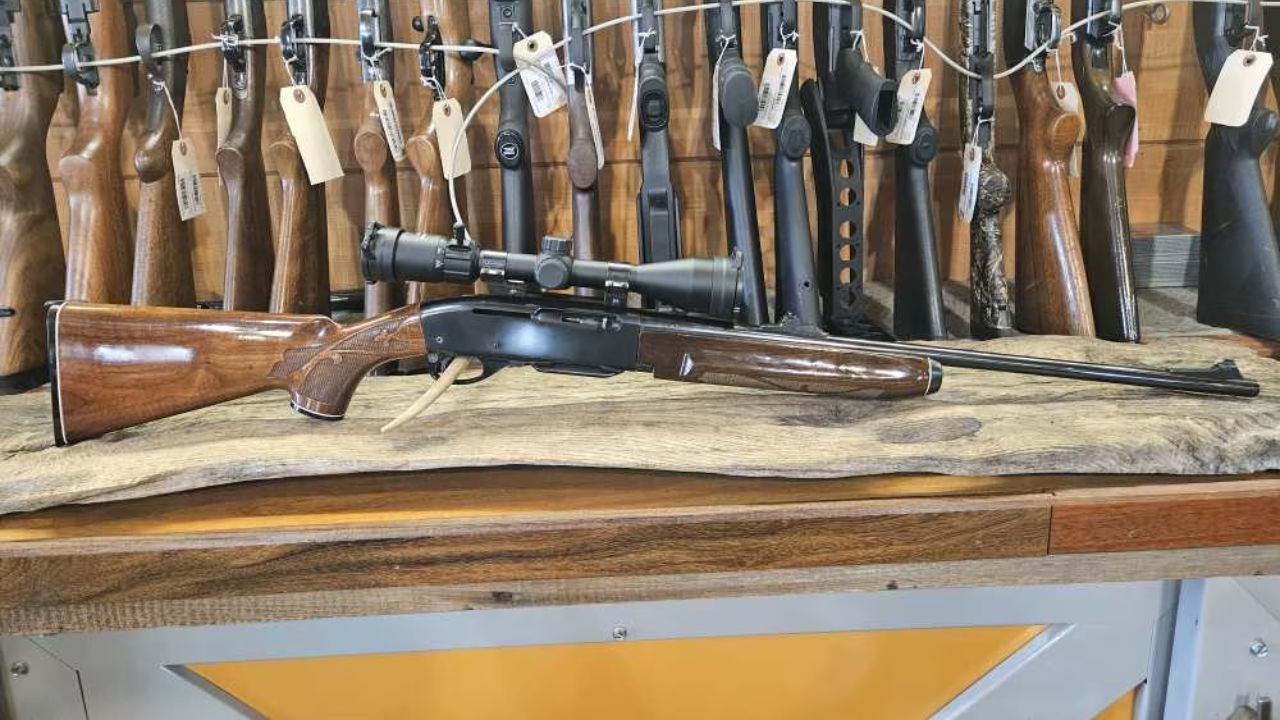
The 7400 improved considerably on the earlier 740 and 742, but age still exposes weaknesses in the platform. The gas system can become dirty or corroded, chambers can accumulate rust or fouling, and old magazines can create feeding problems that owners mistakenly blame on the rifle itself.
These guns also tend to be far less tolerant of neglect than a bolt action. A Model 700 can sit in a closet for years and often return to service after basic maintenance. A semiautomatic hunting rifle with a neglected gas system has more places for trouble to develop. That does not make the 7400 inherently unreliable. Plenty continue to hunt every fall. The problem is buying one after decades of unknown maintenance. A clean bore tells you very little about what is happening inside the operating system.
KelTec SU-16
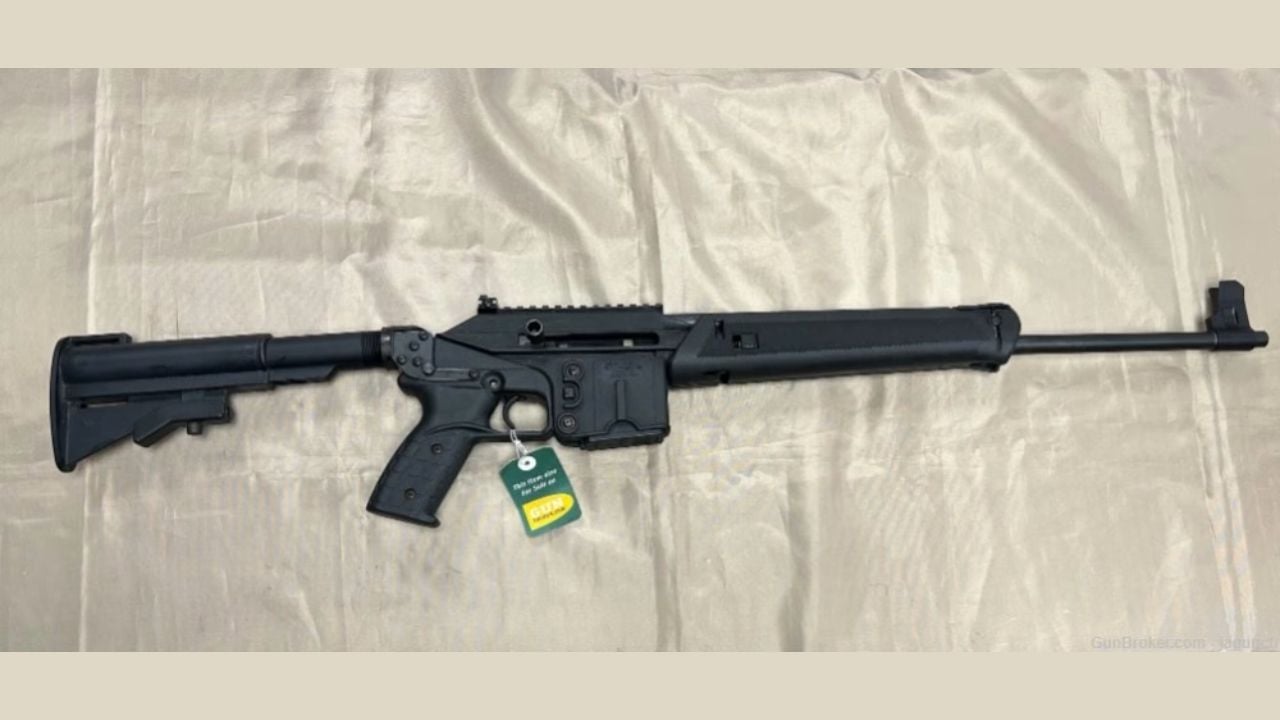
The SU-16 became popular because it offered a lightweight 5.56mm semiautomatic that folded compactly and accepted common magazines. That light weight came partly from extensive polymer construction, which can become more concerning after years of hard use.
High-stress areas around hinges, stock components, and receiver assemblies deserve particular attention on older examples. The rifle was designed around portability rather than massive structural margins, so cracks or worn locking surfaces matter more than cosmetic wear. Replacement parts may still solve many issues, but an old SU-16 that spent years bouncing around behind a truck seat deserves a much closer inspection than one that lived in a safe. Lightweight rifles are convenient, but time has a way of revealing where engineers removed material.
Bushmaster Carbon 15

The Carbon 15 appealed to shooters who wanted an extremely light AR-style rifle before lightweight builds became commonplace. Carbon-composite receiver construction was the headline feature, but it also created concerns that conventional aluminum receivers simply do not share.
Repeated heat cycles, impact, and long-term stress can expose weaknesses around high-load areas or threaded interfaces, particularly on early variants. Replacement components can also become awkward because some versions did not follow every conventional AR dimension closely enough to make repairs completely straightforward. Modern lightweight ARs can now reach very low weights while retaining forged or machined aluminum receivers. That makes an aging Carbon 15 harder to defend. What once looked futuristic can become a liability once decades of use start testing the material.
FN Model 49
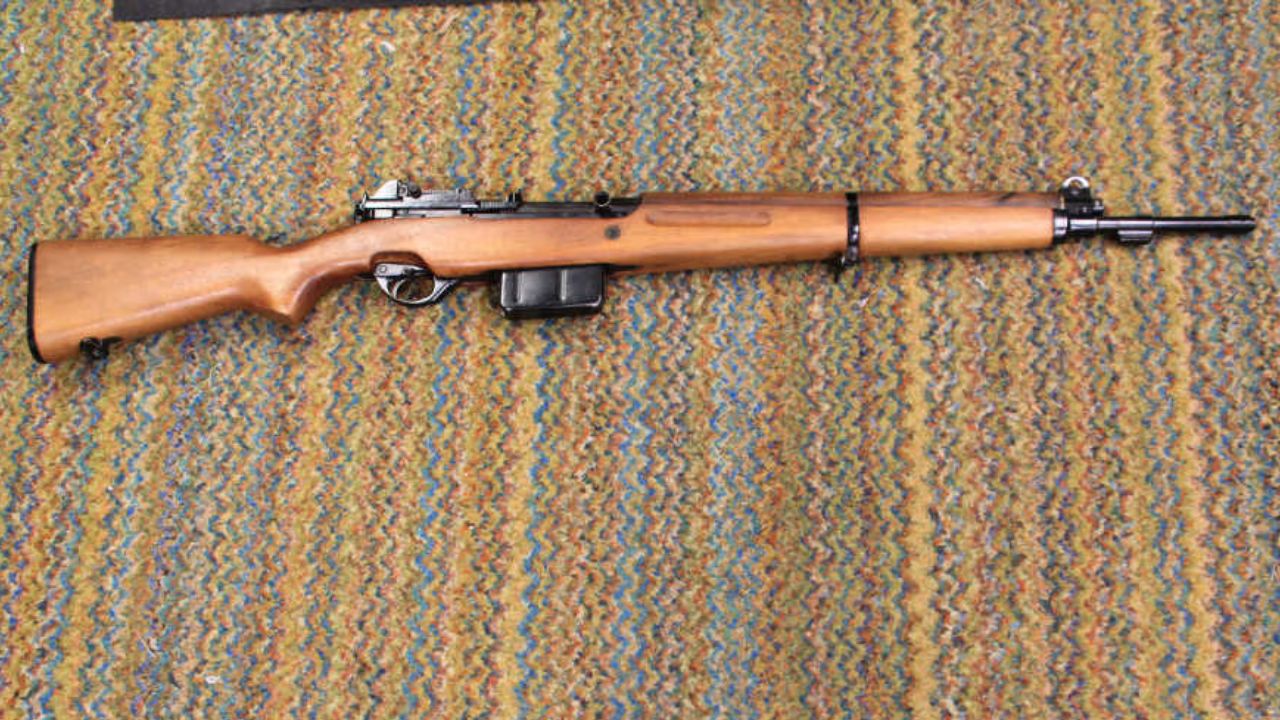
The FN 49 is an excellent historical rifle, but today’s examples are old enough that condition matters tremendously. Many were used by military forces in environments where maintenance standards, ammunition quality, and storage conditions varied dramatically.
The adjustable gas system can be especially important. Corrosion, carbon buildup, worn springs, or incorrect adjustment can make an old rifle cycle far more violently than intended. Replacement parts are no longer ordinary gun-store items either. Contract variations complicate things further because not every component is automatically interchangeable across rifles from different countries and chamberings. A good FN 49 is a wonderful shooter. A tired example can turn into a complicated restoration project where finding the correct part becomes harder than installing it.
Hakim Rifle
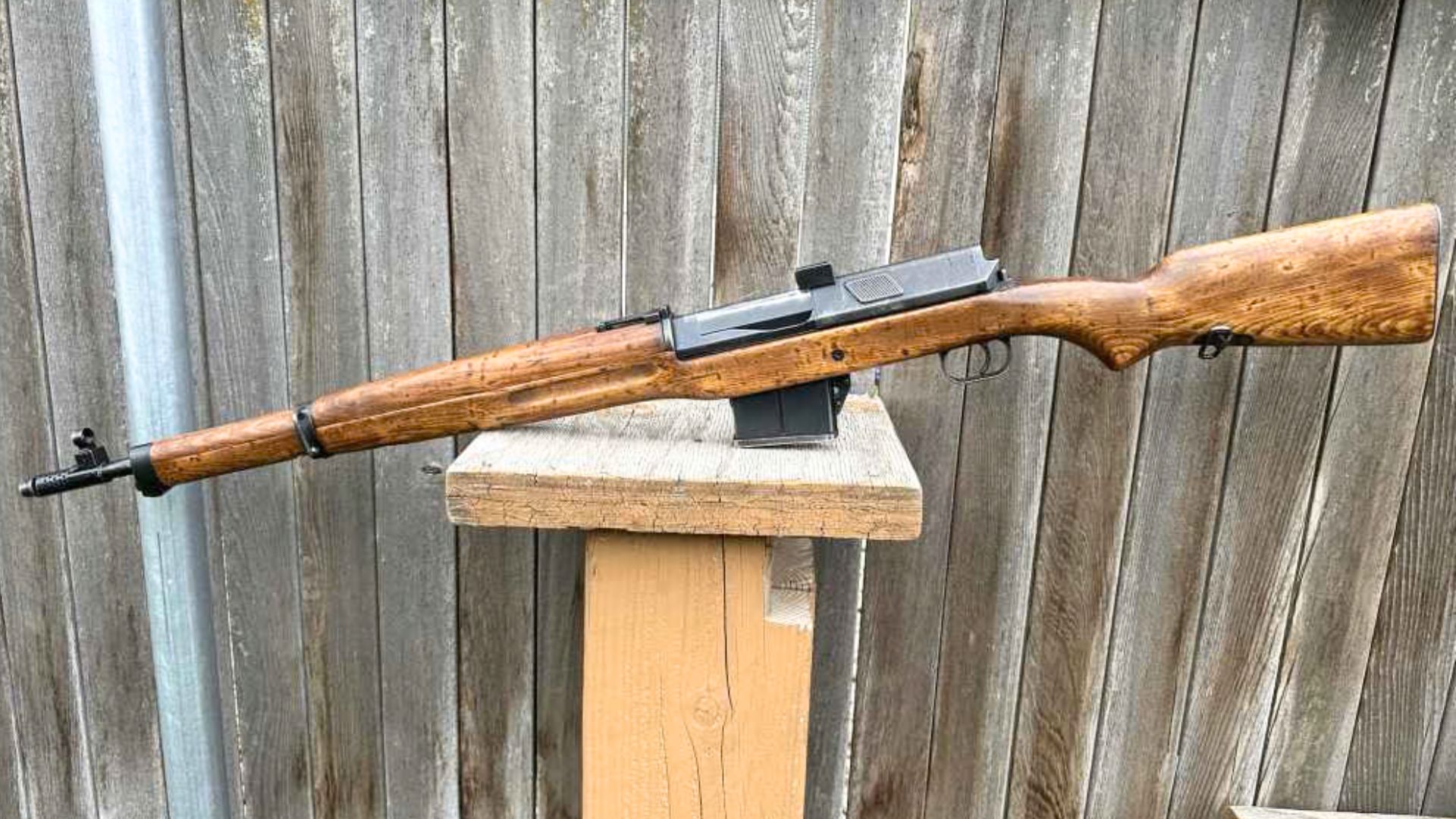
The Egyptian Hakim is another rifle where decades of use and corrosive ammunition can create problems hidden beneath an otherwise attractive exterior. Its gas system needs proper adjustment, and the rifle was manufactured during an era when corrosive military ammunition was routine.
If previous owners failed to clean properly, gas-system corrosion can become a serious concern. Old springs and worn action components can also make the already substantial operating forces harsher than they should be. The Hakim’s unusual design means the average modern gunsmith may have very little experience diagnosing one. None of that makes it a bad collectible. It simply means a sixty-year-old Hakim should be evaluated as an aging military rifle rather than treated like a newly manufactured semiautomatic that happens to have wooden furniture.
Swedish AG m/42B Ljungman
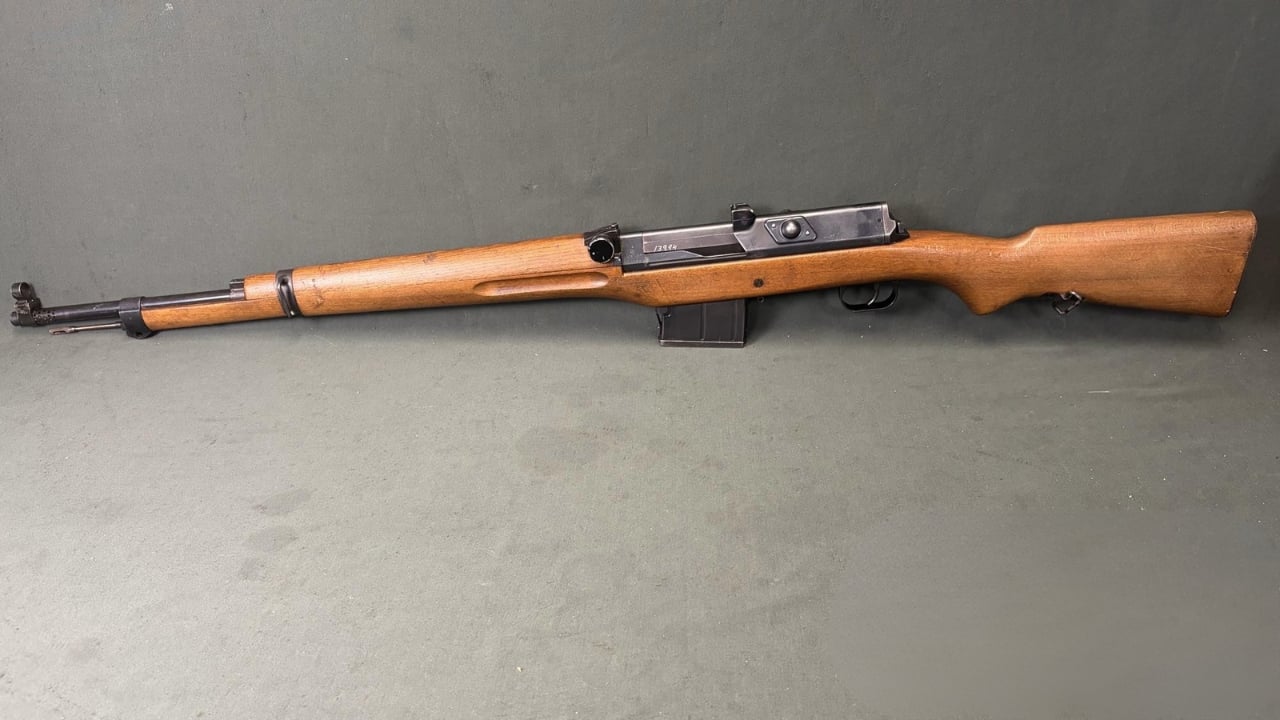
The Ljungman is mechanically fascinating, but age makes its unusual design less forgiving. The rifle uses a direct gas system with operating characteristics very different from the rifles most American shooters know, and worn springs or incorrect ammunition can change how violently the action behaves.
Its sliding receiver cover also demands careful handling, and replacement parts are not abundant. Many examples spent years in military service before ever reaching civilian hands, so cosmetic condition does not necessarily tell you how much wear is inside the rifle. A good AG m/42B can still run beautifully, especially with ammunition close to the pressure curve it was designed around. The difficulty is that you are maintaining a historic system with a shrinking supply of original components rather than simply replacing worn pieces from a current production line.
SVT-40

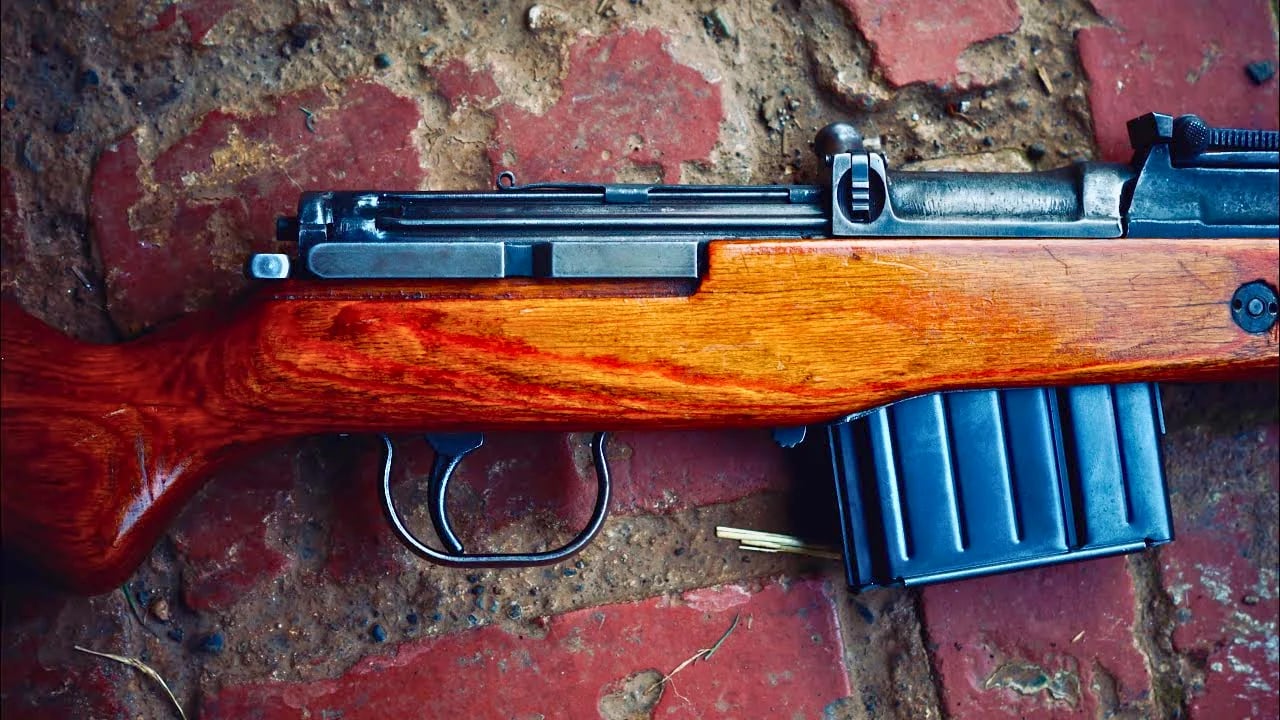
The Soviet SVT-40 was ambitious for its era, but it was never a rifle designed to become easier to own eighty years later. Its adjustable gas system, relatively light construction, and wartime production history create several areas where age and wear matter.
Gas-system corrosion is especially common on rifles that spent years firing corrosive ammunition without perfect cleaning. Stocks can develop cracks around high-stress areas, while worn springs and improperly adjusted gas systems can batter the action. Original replacement components have also become collector items themselves. An SVT-40 that has survived in excellent mechanical condition is a remarkable rifle. A tired example can turn into a very expensive collection of interconnected problems, particularly now that these rifles are valuable enough that experimenting with questionable repairs makes little sense.
Gewehr 43

The G43 has become extremely collectible, but mechanically it is one of the historical semiautomatics I would examine most carefully before shooting heavily. Wartime manufacturing conditions and the rifle’s gas system can combine to create substantial stress on the action.
Many surviving rifles benefit from modern gas-system modifications that reduce how violently the bolt carrier cycles, but original rifles may have spent decades operating harder than ideal. Cracks, receiver wear, worn locking surfaces, and stock damage are not issues anyone should ignore on a valuable historical gun. The rifle’s collector price makes the problem even more serious because damaging an original component can be enormously expensive. The G43 was never built with the expectation that people would still be putting hundreds of recreational rounds through it generations later.
M1 Carbine
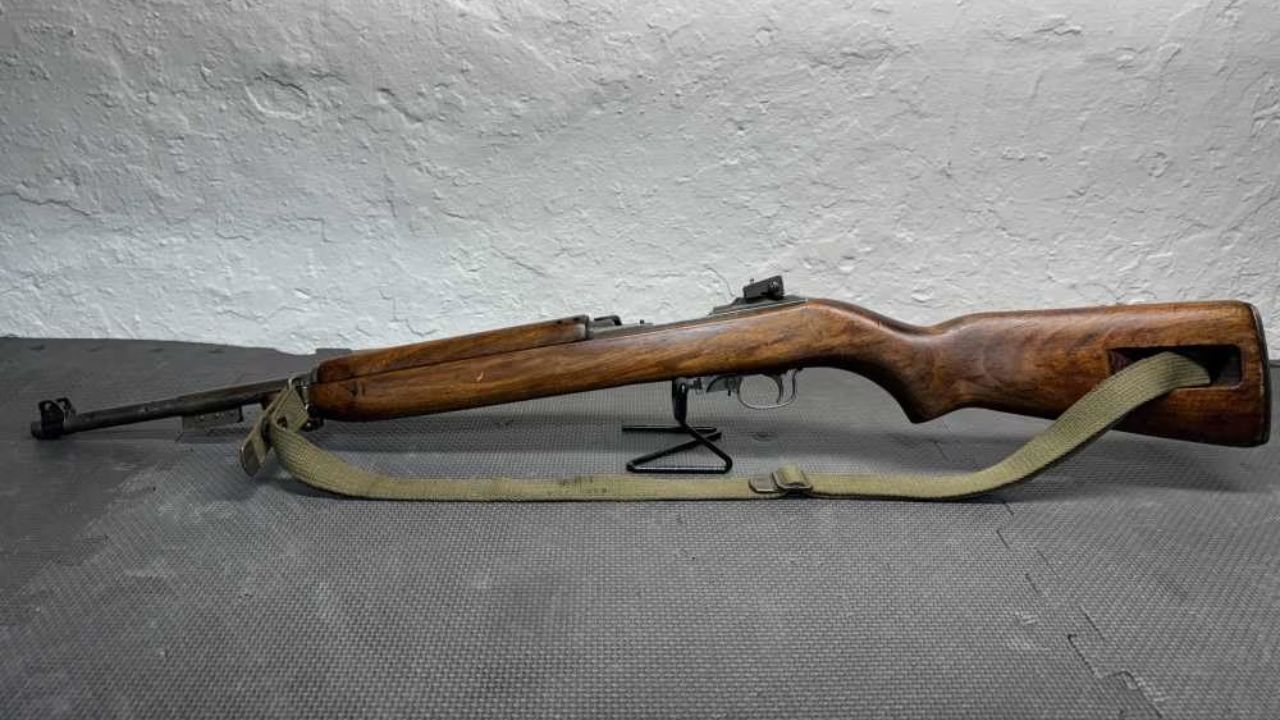
The M1 Carbine has a reputation for reliability, but many examples now circulating are mixtures of parts that have already seen decades of military, police, or civilian use. Age changes the equation.
Recoil springs weaken, extractor and ejector springs lose tension, magazines wear, and bolts can develop significant wear after very high round counts. Some carbines also have gas-system problems that are more difficult to address than replacing an ordinary spring. Because so many parts were interchangeable, an old rifle may have components from several manufacturers and several different periods of service. A properly rebuilt carbine can run beautifully. An untouched surplus rifle should not automatically be trusted simply because the design earned a good reputation during World War II.
M1 Garand
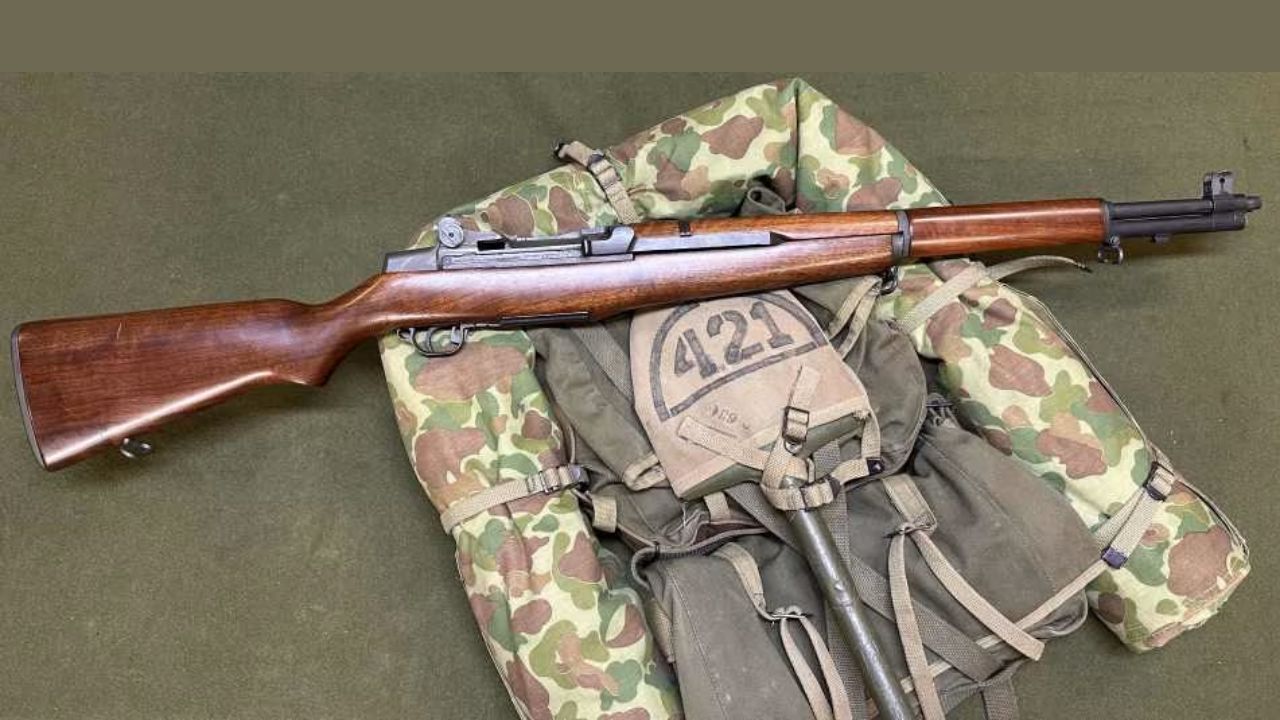
The Garand is incredibly durable, but an eighty-year-old service rifle is not the same thing as a new rifle. Op-rod springs lose strength, throat and muzzle erosion accumulate, gas cylinders wear, and stocks can loosen around the action after decades of recoil and disassembly.
Weak springs are especially worth addressing because the operating system depends on proper timing. A tired rifle can cycle more violently and place additional stress on expensive original components. The Garand also has ammunition considerations that matter more than they do in a modern bolt rifle. None of this diminishes the design’s reputation. It simply means a rifle that survived military service and several generations of civilian ownership deserves maintenance based on actual condition rather than historical mythology.
SKS
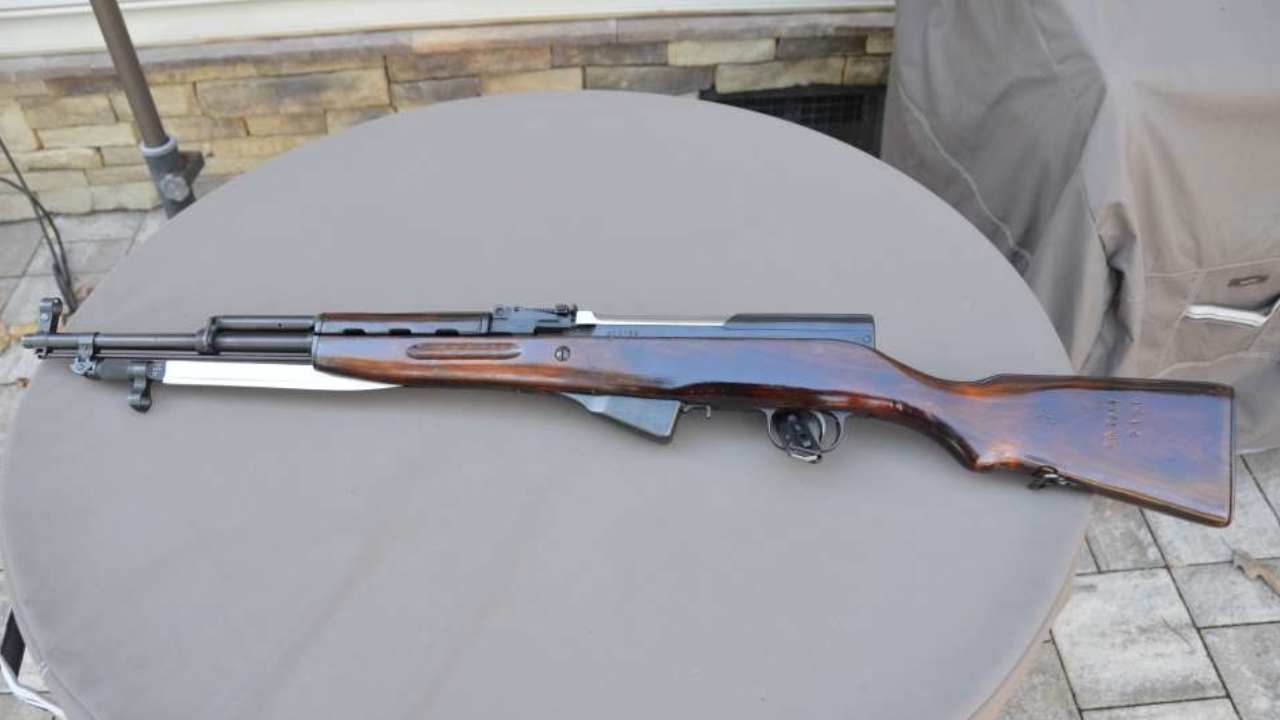
The SKS is famously rugged, but aging examples often come with problems caused by decades of storage, cosmoline, corrosive ammunition, and questionable modifications.
The free-floating firing pin deserves particular attention. If the channel becomes packed with hardened grease, fouling, or corrosion, the pin may not move freely. Old recoil springs, worn extractors, and abused magazines can create additional trouble. Many SKSs were also modified when they were inexpensive, and poorly fitted aftermarket stocks or detachable-magazine conversions can turn an otherwise dependable rifle into a constant headache. An original, properly cleaned SKS can still be extremely reliable. The problem is that finding one untouched by decades of neglect and amateur experimentation is becoming harder.
Remington Model 597

The Model 597 was supposed to challenge the 10/22, but time has been less kind to it. Magazine problems plagued portions of the production history, and some rifles became increasingly temperamental as magazines and springs wore.
The design also never developed anything close to the aftermarket support surrounding Ruger’s rimfire. That matters much more now that the rifle is discontinued. A worn extractor, damaged magazine, or other small problem can require hunting through used parts rather than simply ordering a replacement from a huge ecosystem. Plenty of 597s still shoot very well, but the platform has entered the stage where parts availability can turn normal aging into a reason owners stop using the rifle altogether.
Browning BAR Type I
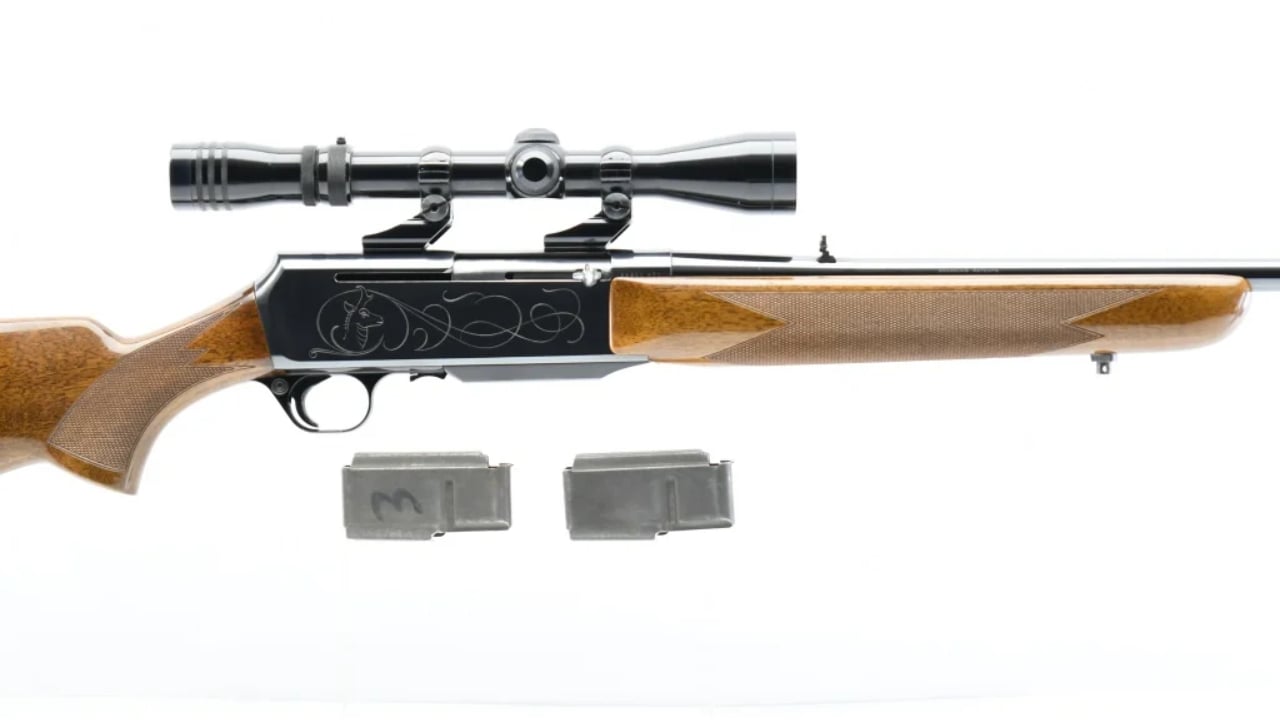
Early Belgian BAR sporting rifles were beautifully made and extremely capable, but the oldest examples are now well into collector age. Their gas systems, recoil springs, action components, and stocks have all had decades to accumulate wear.
The complexity of the semiautomatic system means deferred maintenance can become expensive. Wood can crack around stressed areas, old buffers or springs can lose their original characteristics, and internal parts are nowhere near as easy to replace as components for a current bolt rifle. These early BARs are still excellent hunting rifles when properly maintained, and many deserve their strong reputation. The issue is that age has transformed them from ordinary working rifles into machines that need a little more mechanical sympathy than their owners once gave them.
Like The Avid Outdoorsman’s content? Subscribe to our newsletter so you never miss an article.
Here’s more from us: