Photo credit: Battlefield Curator/YouTube
Some rifles deserve to be preserved because they were important. Others deserve to be remembered because they were clever for their time. That does not mean every old design needs to keep being revived, copied, or defended as if nothing better has come along since.
A lot has changed in rifle design. Optics mounting is easier, triggers are better, magazines are better, stocks are more stable, actions are stronger, and semiautomatic systems are more dependable. Nostalgia can make an old rifle feel better than it really is, but sentiment does not fix poor ergonomics, weak parts support, dated operating systems, or awkward handling. These 20 rifles had their era. In many cases, that era should probably stay where it was.
Remington Model 8
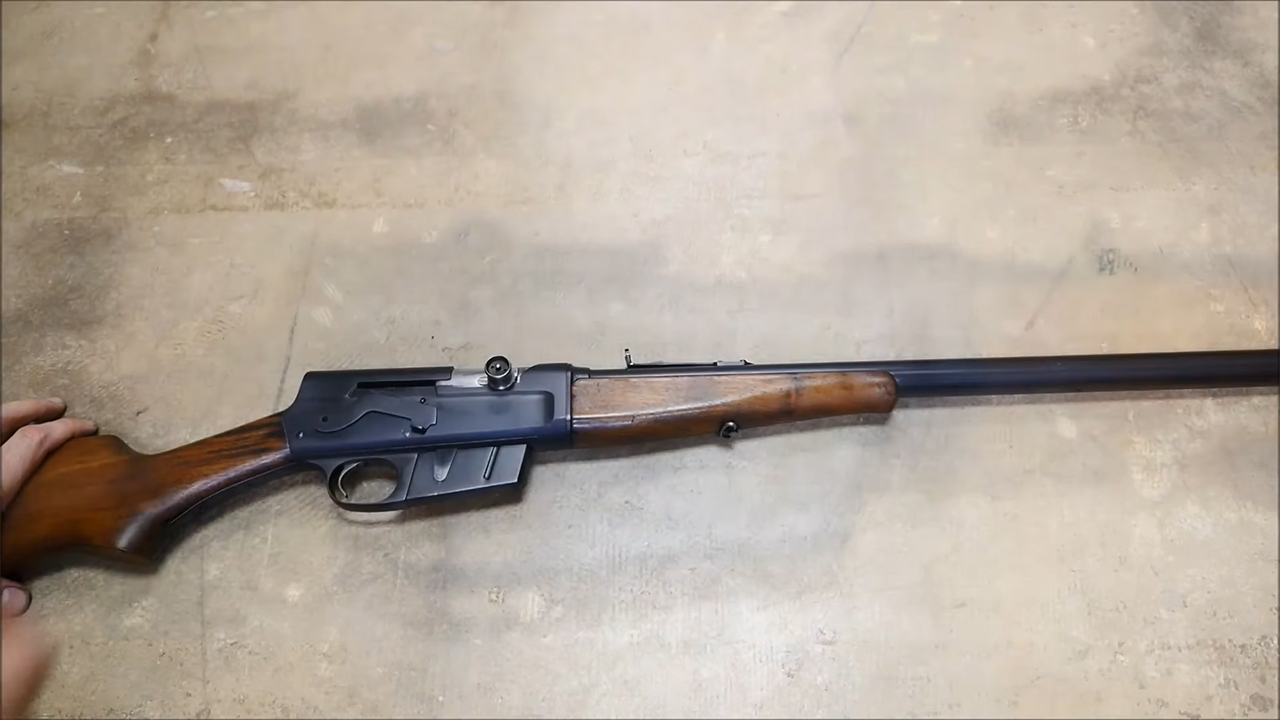
The Model 8 was an important rifle because it helped prove that a sporting semiautomatic could be practical in the early 1900s. John Browning’s long-recoil system was ingenious for the period, but the rifle feels complicated and mechanically busy compared with what came later.
The barrel and bolt move together during cycling, which creates an operating feel unlike modern gas or recoil systems. The rifle is also heavy, awkward to service, and chambered primarily in cartridges that are now difficult to find. Collectors have plenty of reasons to appreciate one. Hunters looking for a working semiautomatic rifle do not. Modern designs accomplish the same job with better optics support, easier maintenance, lighter weight, and vastly better parts availability.
Winchester Model 1907
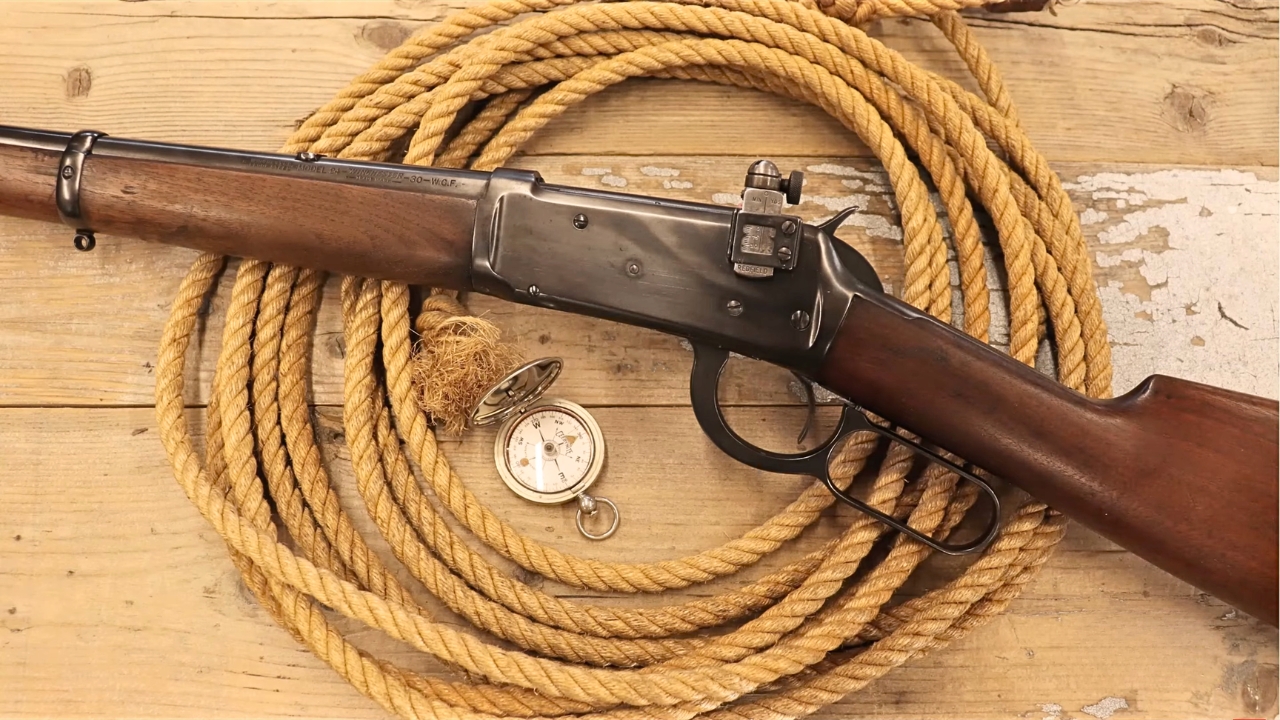
The Model 1907 had a legitimate role in its day and even saw limited law-enforcement and military use. Today, though, its blowback action and proprietary .351 Winchester Self-Loading cartridge make the entire platform feel like a dead-end branch of rifle development.
The rifle is heavy for what it delivers, ammunition is specialty territory, and the operating system gives you none of the efficiency expected from a modern centerfire carbine. Its historical importance is more interesting than its practical usefulness. If somebody wants an early semiautomatic collection piece, the 1907 has plenty of character. If the goal is actually carrying and shooting a rifle regularly, there is almost no modern problem it solves well.
Winchester Model 1910
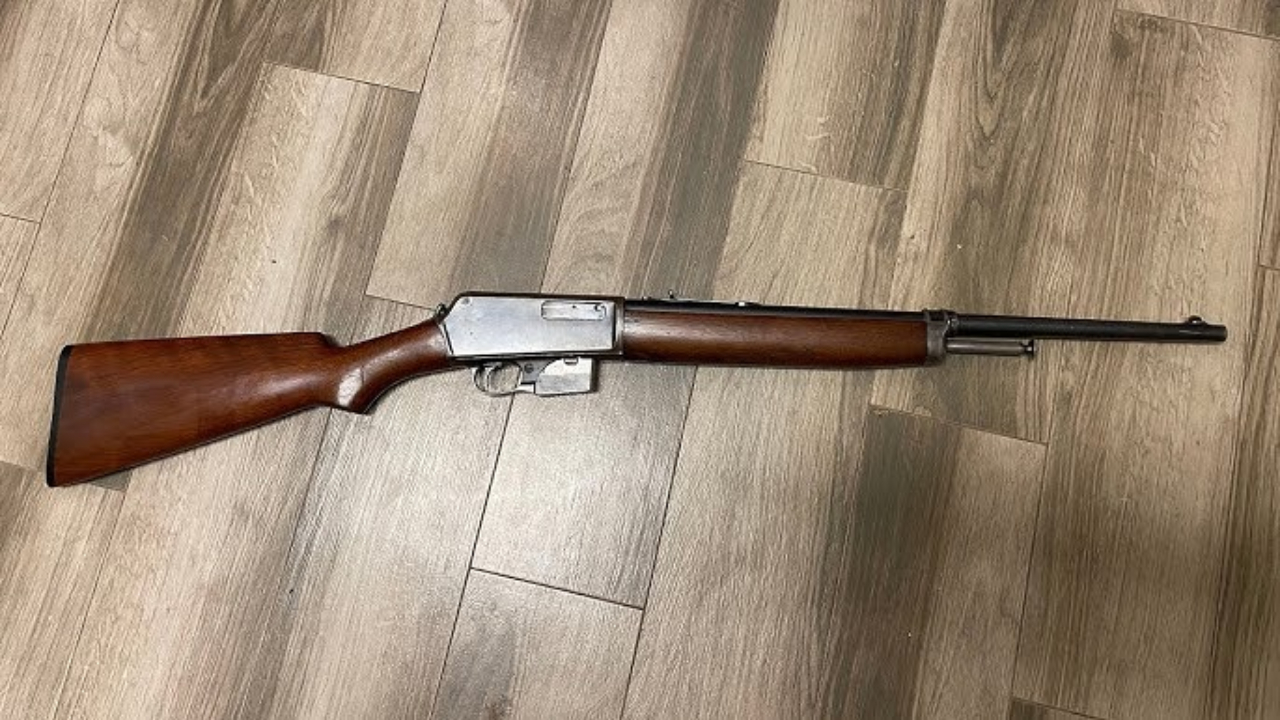
The Model 1910 followed the same general Winchester self-loading formula but pushed it into the larger .401 Winchester Self-Loading cartridge. That gave it more power but also more recoil, more ammunition cost, and even less relevance once better semiautomatic systems arrived.
It is a fascinating old rifle and an interesting look at how designers were trying to make semiautomatics work before gas operation became dominant. That does not make it a good template to revive. The rifle is heavy, ammunition is obscure, and the action offers little that cannot be done better by a modern lever gun, bolt rifle, or semiautomatic. It belongs in collections and museums more than in conversations about practical field rifles.
Remington Model 81
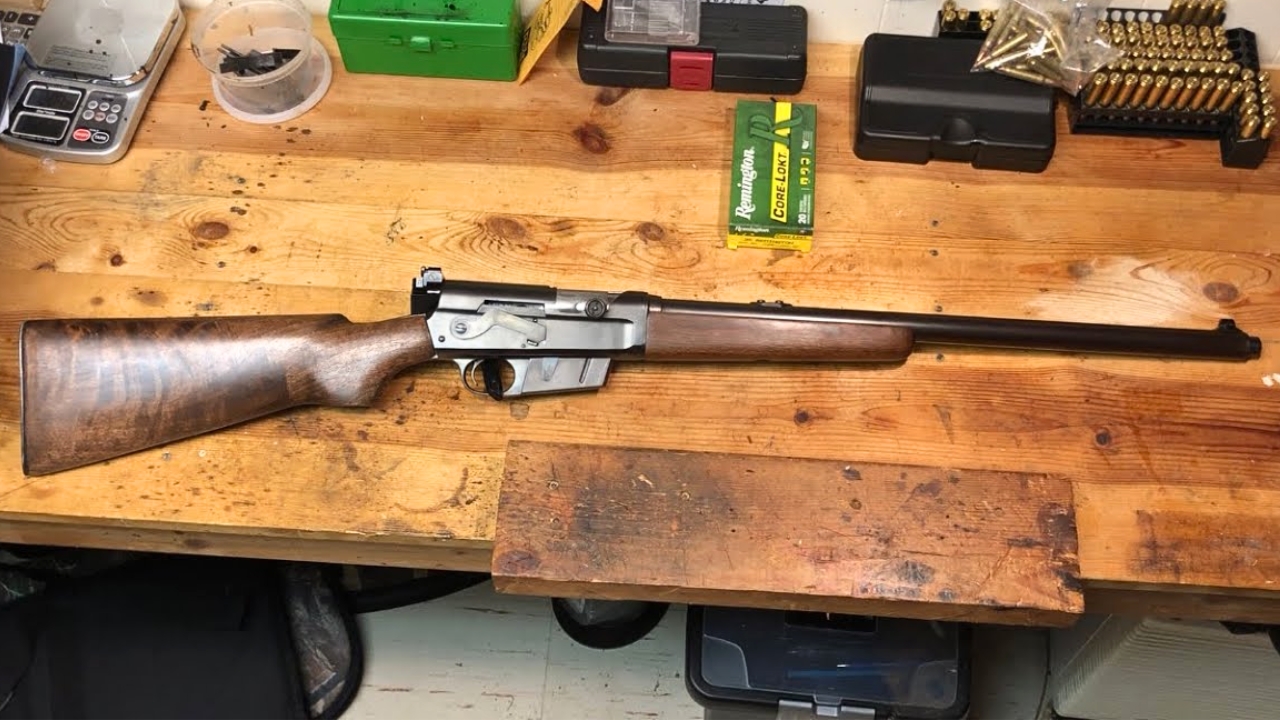
The Model 81 improved on the Model 8 and remains one of the more attractive early semiautomatic sporting rifles. It still carries the same basic long-recoil complexity, though, and that becomes harder to justify with modern options available.
The rifle has real collector appeal, especially in cartridges like .300 Savage and .35 Remington, but day-to-day ownership can be frustrating. Parts are old, disassembly is not especially friendly, and mounting modern optics is awkward compared with nearly anything built today. The Model 81 was good enough to survive into the postwar era. That does not mean its operating system needs another comeback. Its place in history is secure without pretending it still makes sense as a modern hunting platform.
Winchester Model 63

The Model 63 is a beautifully made .22 semiautomatic with real collector value. It is also a rifle that modern rimfires have passed in nearly every practical category.
It is heavier than it needs to be, more complicated than many current .22s, and less adaptable for optics, suppressors, and accessories. The tubular magazine is charming until you compare it with detachable magazines that can be loaded before you ever get to the range. None of that makes the Model 63 bad. It simply means its strongest arguments today are craftsmanship and nostalgia. Those are legitimate reasons to own one, but not reasons to bring the design back as if rimfire rifles have not moved forward dramatically.
Winchester Model 74
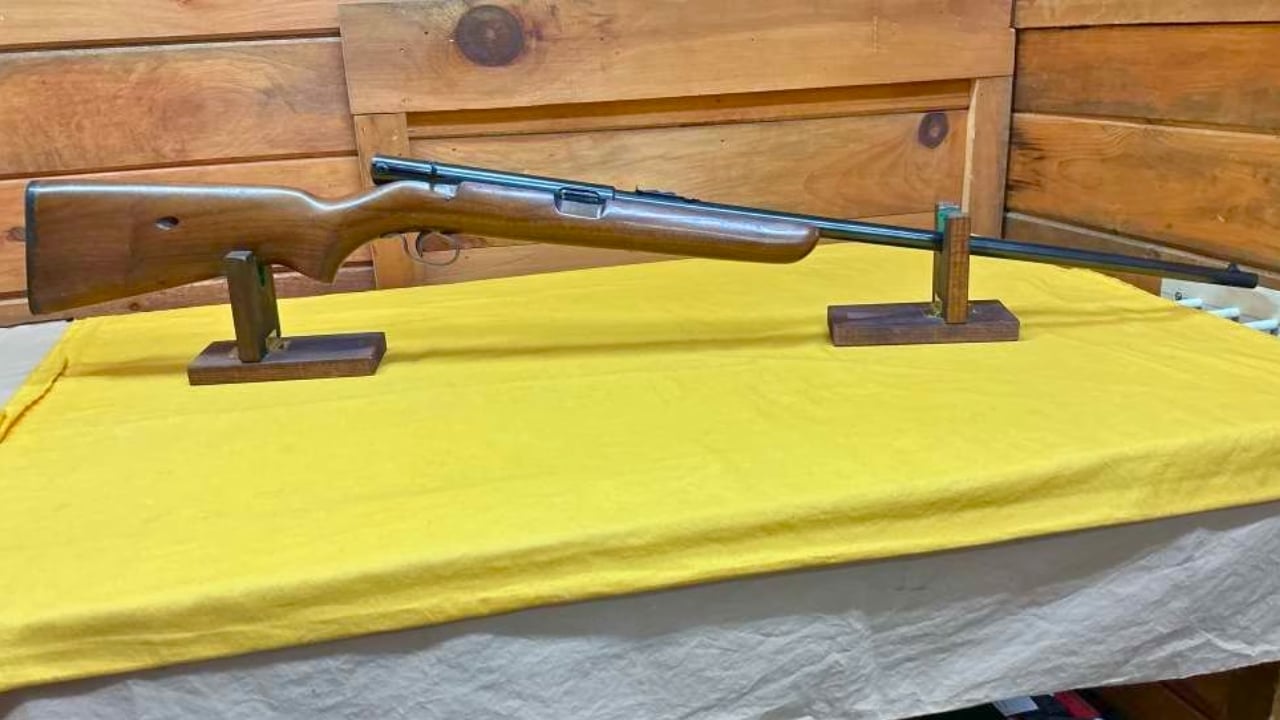
The Model 74 was another early Winchester semiautomatic .22 that did its job well enough in its era. The problem is that the design has almost no practical advantage left today.
The loading system is awkward compared with detachable magazines, optics support is essentially nonexistent without modification, and replacement parts are becoming less common. A modern rimfire can be lighter, easier to clean, more accurate, and easier to equip for a fraction of the effort. The Model 74 is enjoyable as an old rifle because it feels like an old rifle. Trying to defend it as a serious modern rimfire platform requires ignoring nearly a century of improvement.
Remington Model 550-1
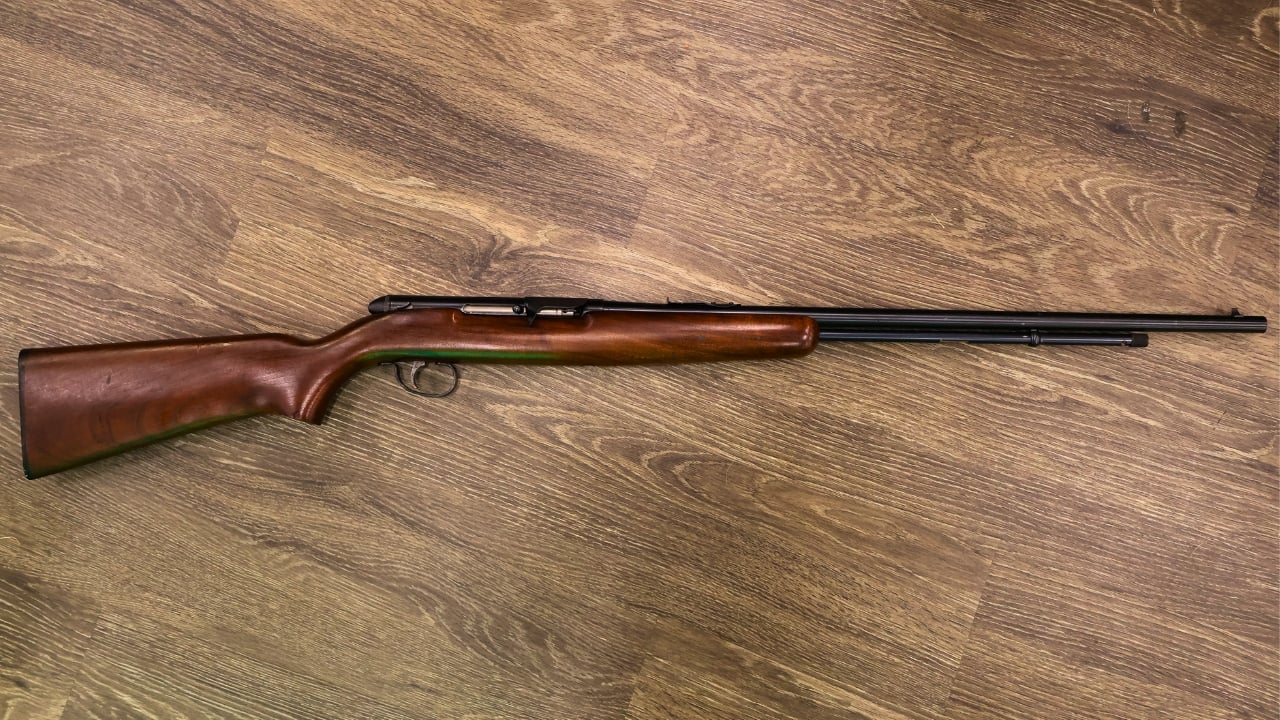
The Model 550-1 has an interesting reputation because it can cycle .22 Short, Long, and Long Rifle ammunition. That versatility was genuinely useful when those cartridges occupied a larger part of everyday shooting.
Today, the feature matters far less. Most shooters simply buy .22 LR, and modern rimfires are easier to scope, easier to service, and easier to feed from detachable magazines. The 550-1 also has a more complicated operating system than the average current .22. There is nothing wrong with keeping an old one running, especially if it has family history. But as a design to imitate or revive, it solves a problem that modern rimfire shooters mostly stopped having.
Remington Model 552 Speedmaster
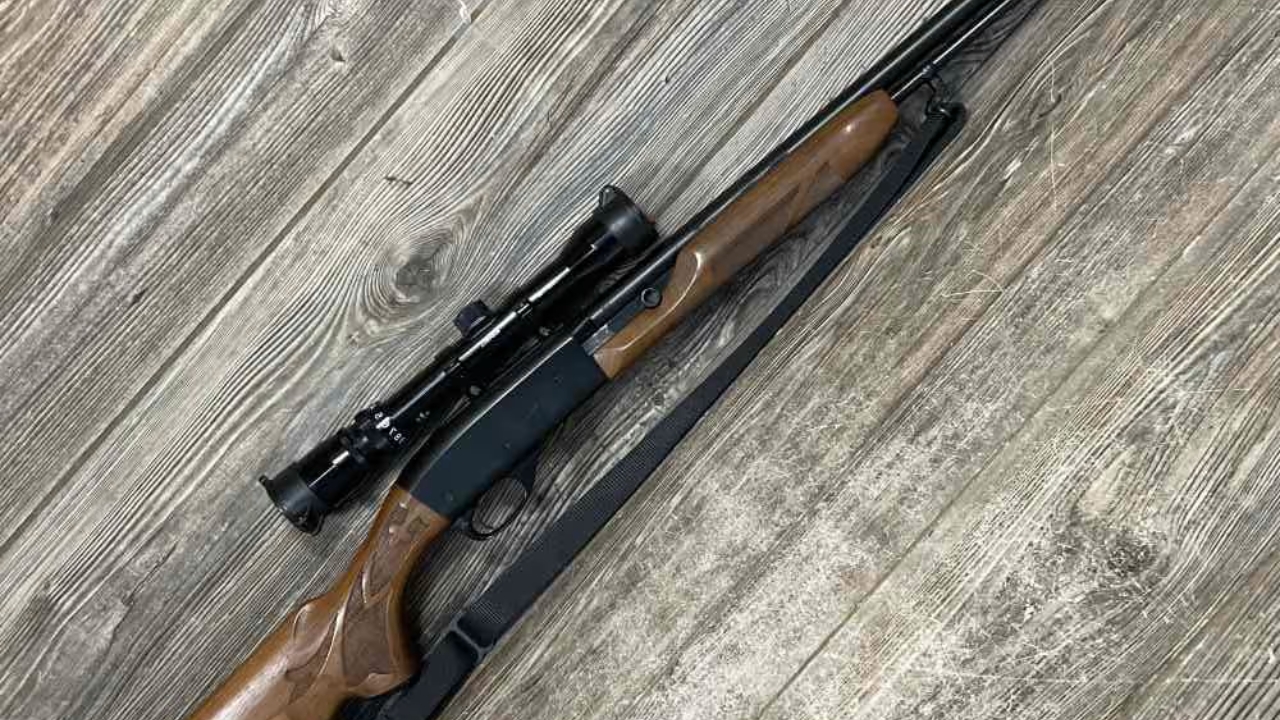
The Speedmaster has survived far longer than many old rimfire designs, largely because it is smooth, attractive, and capable of cycling multiple .22 cartridges. It still feels very dated beside modern semiautomatics.
The tubular magazine limits reload speed, optics mounting is old-fashioned, and the rifle is more complicated internally than many newer alternatives. Its biggest strength is nostalgia and the feel of a classic Remington rimfire. That is enough for collectors and people who grew up with one. It is less convincing for a buyer starting from scratch today. A rifle does not become bad merely because better options exist, but eventually the old advantages stop being meaningful enough to justify carrying the design forward.
Winchester Model 77
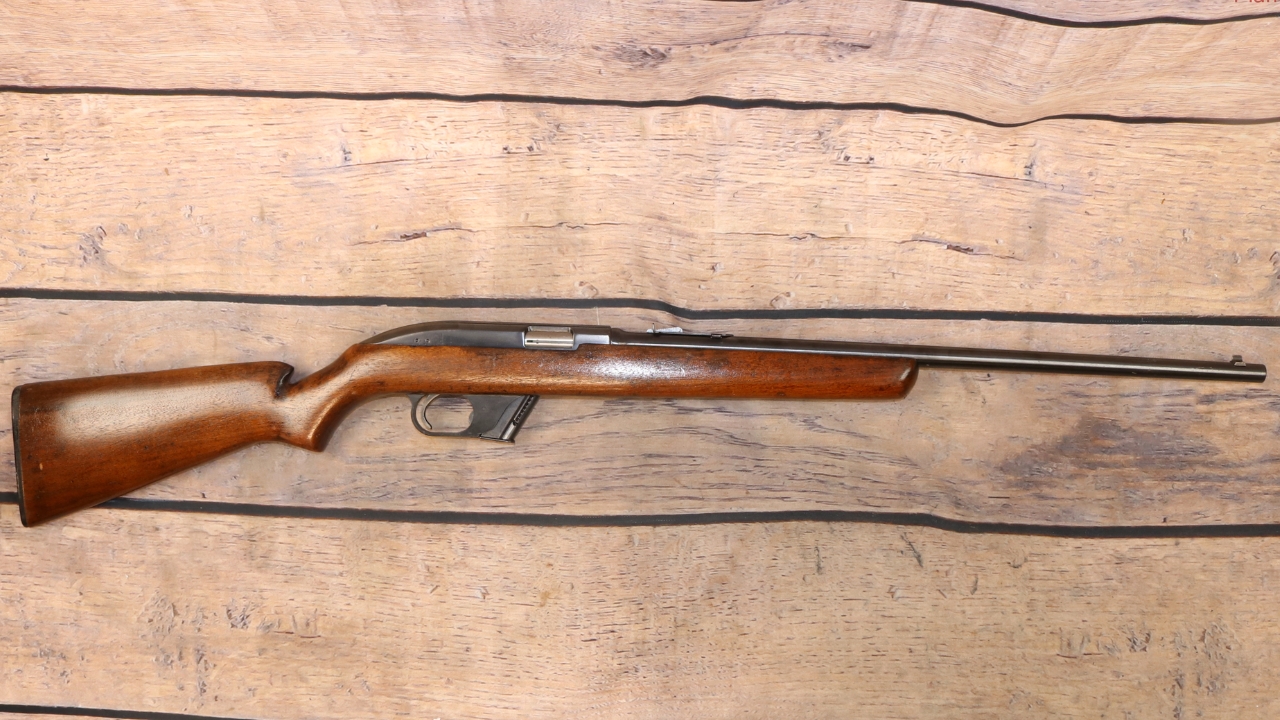
The Model 77 was intended as a modern-looking semiautomatic .22 for its time, but it never developed the following of Winchester’s more iconic rimfires. Looking back, that makes sense.
It lacked the exceptional simplicity and aftermarket potential that later made the Ruger 10/22 dominant. The rifle worked, but it did not offer a strong enough reason to keep the design alive once more adaptable rimfires appeared. Today, ownership is mostly about nostalgia or collecting an overlooked Winchester. That is fine. But if someone proposed bringing the platform back exactly as it was, there would be little reason to choose it over the huge number of more practical rimfire rifles already available.
Marlin Model 60
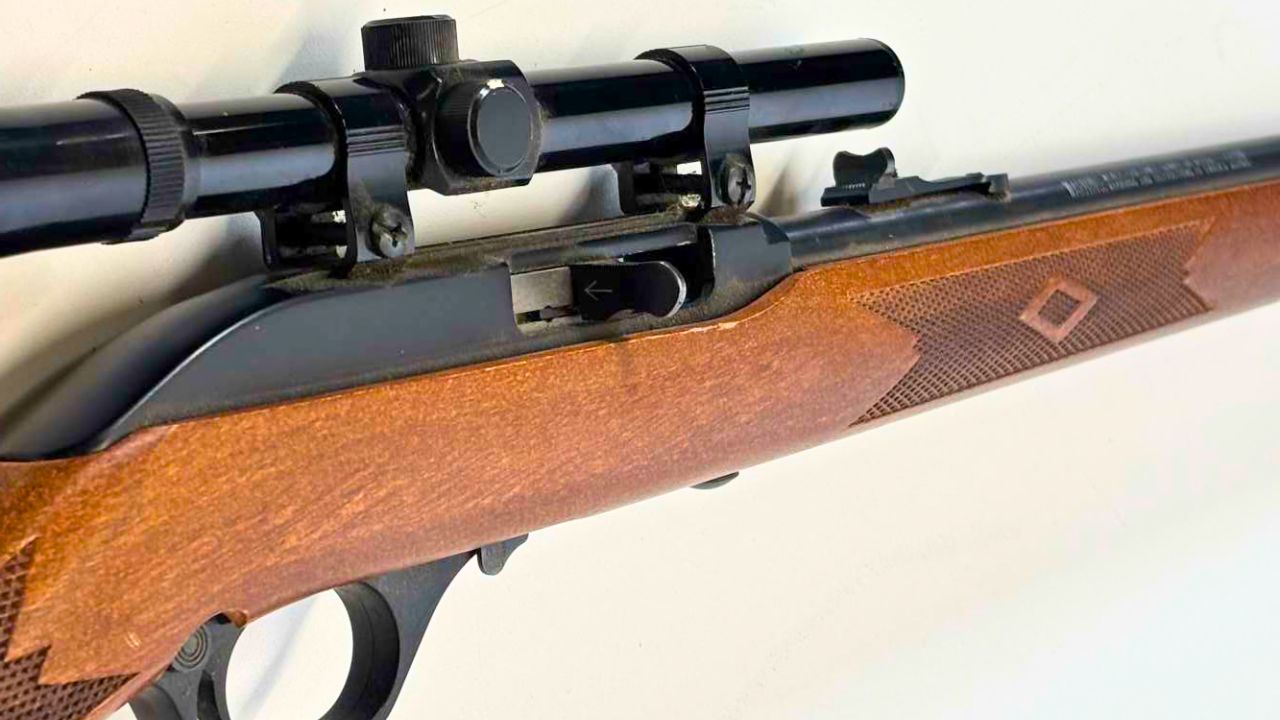
The Model 60 is one of the most successful rimfire rifles ever made, so saying it should stay in the past sounds almost sacrilegious. The issue is not that it was a poor rifle. It is that its tube-fed format has been thoroughly surpassed for most modern uses.
A detachable magazine is faster to load, easier to carry spares for, and more convenient around benches, vehicles, and suppressors. Modern stocks and optics mounting also make current rimfires easier to configure. The Model 60 deserves enormous credit for being affordable, accurate, and dependable for generations. That legacy does not require pretending the basic layout is still the best answer today. Sometimes a rifle can be great historically and still belong to an earlier era.
Winchester Model 100
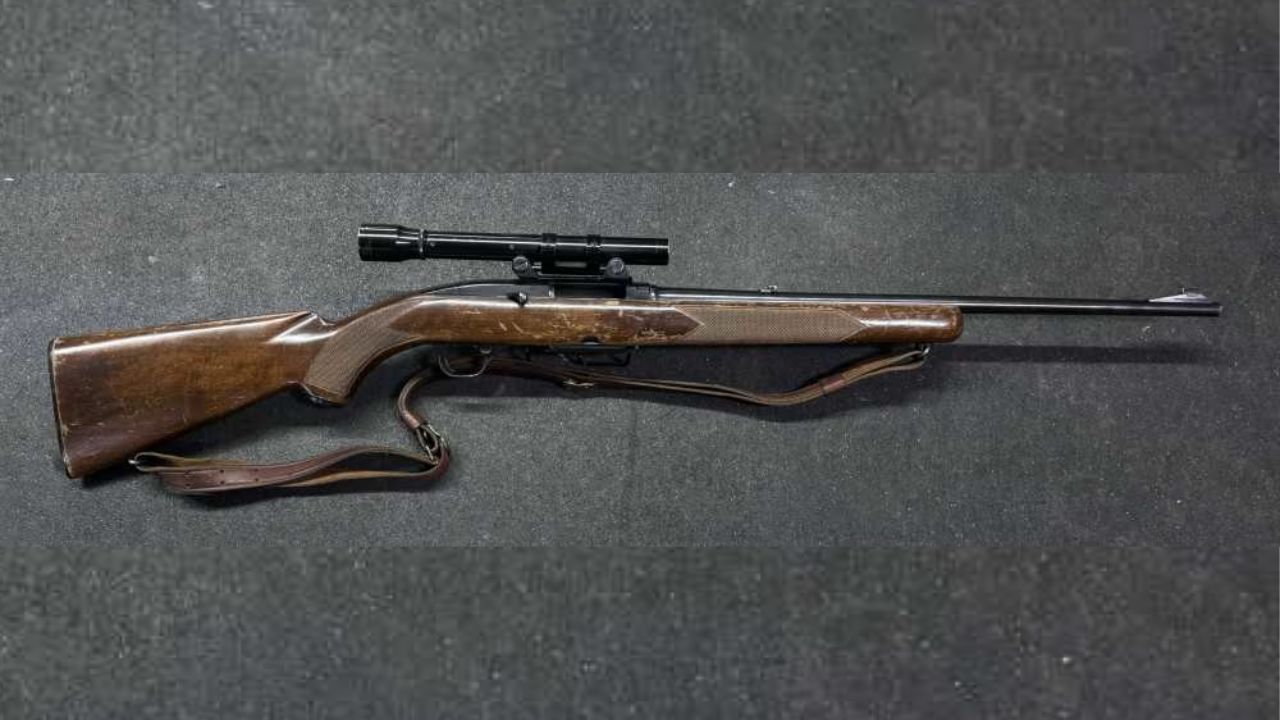
The Model 100 looked sleek and modern when it appeared, but time has exposed how complicated aging semiautomatic hunting rifles can become. It also carried a serious firing-pin safety issue that required redesigned parts.
Even corrected rifles remain old semiautomatics with limited parts support and an action that is far less convenient to maintain than current designs. The rifle was attractive and handy, but today’s hunter can buy a lighter, more accurate semiautomatic with easier optics mounting and much better factory support. The Model 100 is worth preserving as a piece of Winchester history. Recreating the same basic platform now would make very little sense.
Remington Model 740
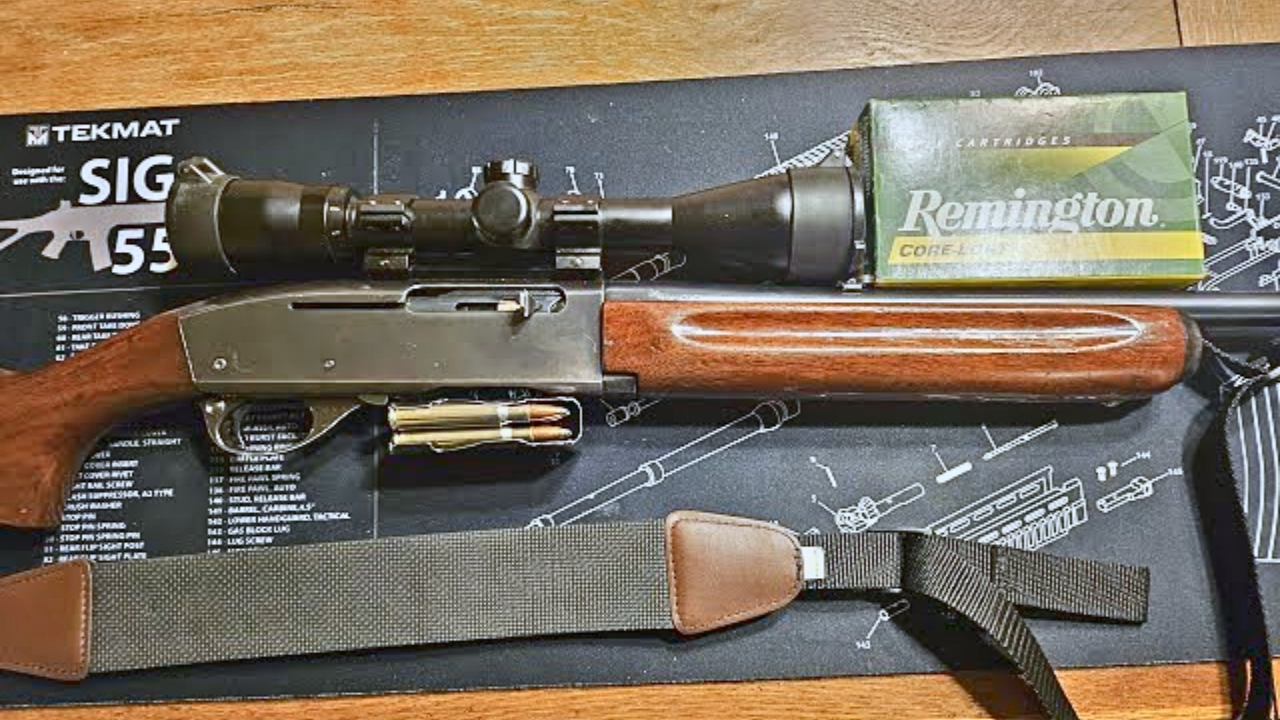
The Model 740 was important because it helped popularize the semiautomatic deer rifle. It also started a family of rifles that became notorious for being less forgiving of neglect than hunters expected.
The gas system, chamber condition, and internal wear all matter more than they do in a simple bolt gun. Once the rifle ages, those maintenance requirements become even more obvious. Modern semiautomatics have better materials, better coatings, and more refined operating systems. The 740 did its job in a period when a fast second shot from a hunting rifle was a major selling point. Today, there is no reason to revive its mechanical compromises simply because the walnut and blued steel still look good.
Savage Model 340
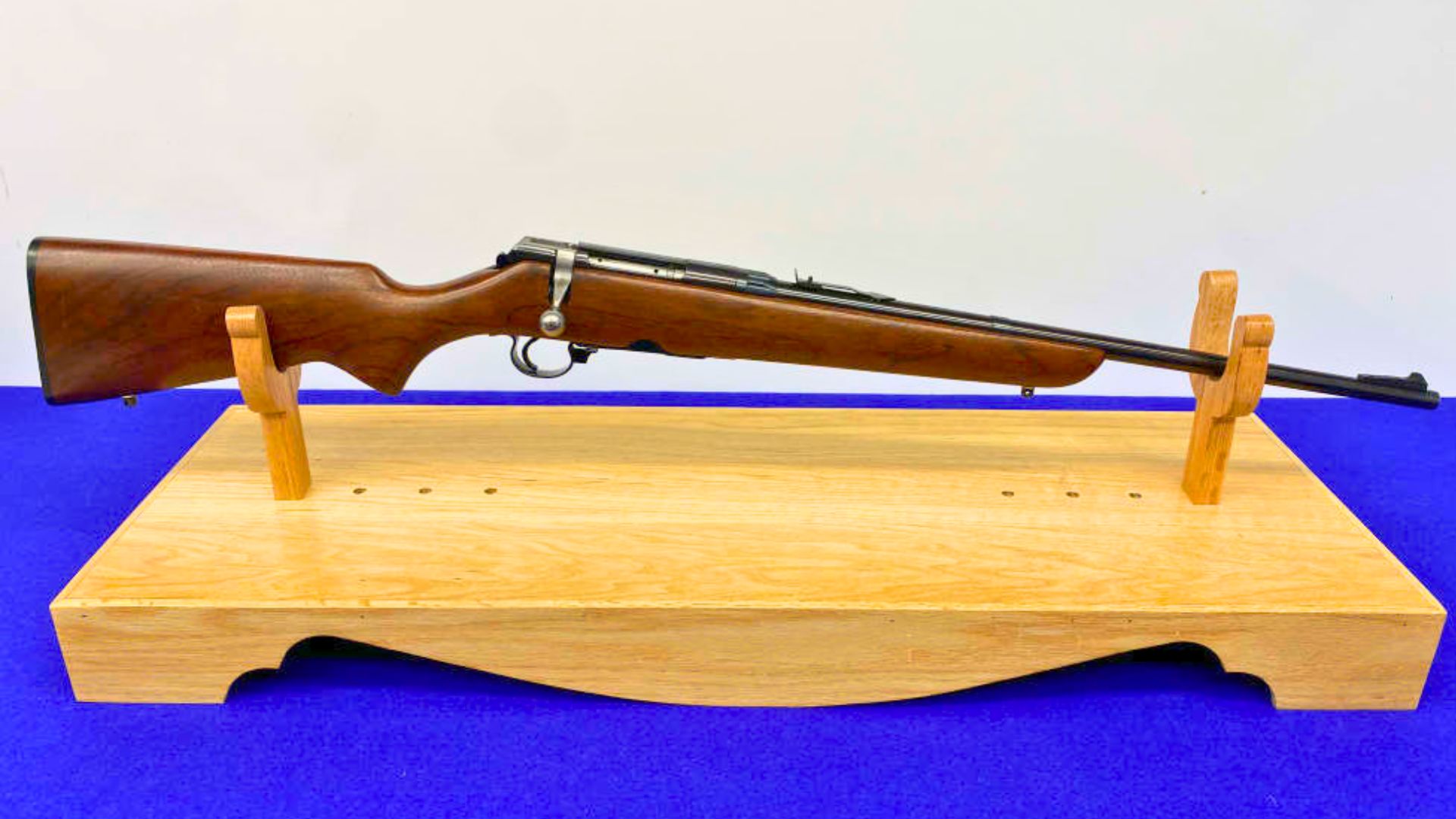
The Savage 340 was affordable, practical, and chambered in useful cartridges such as .30-30 Winchester. That combination made sense when hunters wanted a cheap bolt rifle and lever guns dominated the same cartridge class.
The design feels much less convincing today. The action is relatively crude, scope mounting can be awkward, magazines are dated, and the overall feel is closer to utility rifle than refined hunting rifle. Modern budget bolt guns provide better triggers, stronger optics mounting, improved stocks, and usually better accuracy for modest money. The 340 deserves respect for putting rifles into the hands of hunters who could not spend much. Its basic formula does not need to come back.
Mossberg Model 800
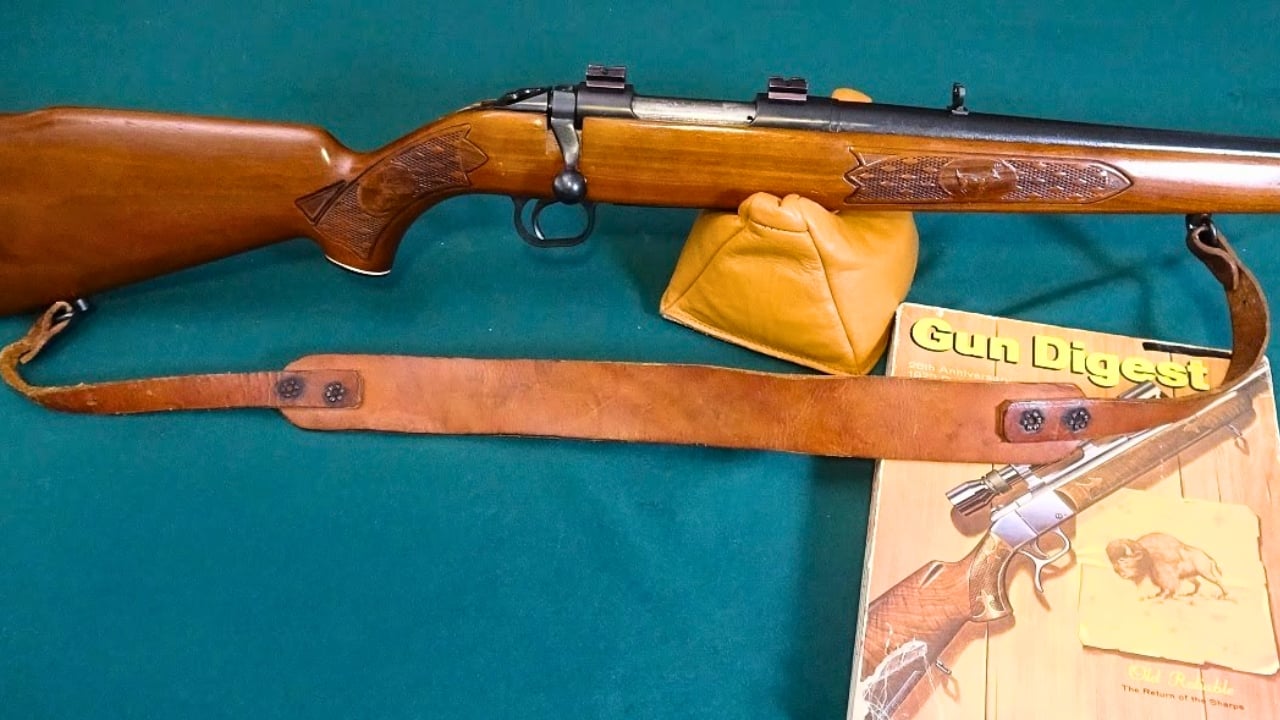
The Model 800 was Mossberg’s attempt to compete in the centerfire bolt-action market, and it produced some perfectly serviceable hunting rifles. It never established a compelling identity that would make the design worth reviving now.
Modern Mossberg and competing budget rifles are easier to mount optics on, easier to find parts for, and generally benefit from decades of improvement in triggers and synthetic stocks. The Model 800’s main appeal today is as an inexpensive vintage rifle with some old-school character. That is not the same thing as being mechanically superior. Plenty of older rifles deserve a second life because they offer something unique. The Model 800 mostly reminds you how much the budget bolt-action category has improved.
Sears Model 54
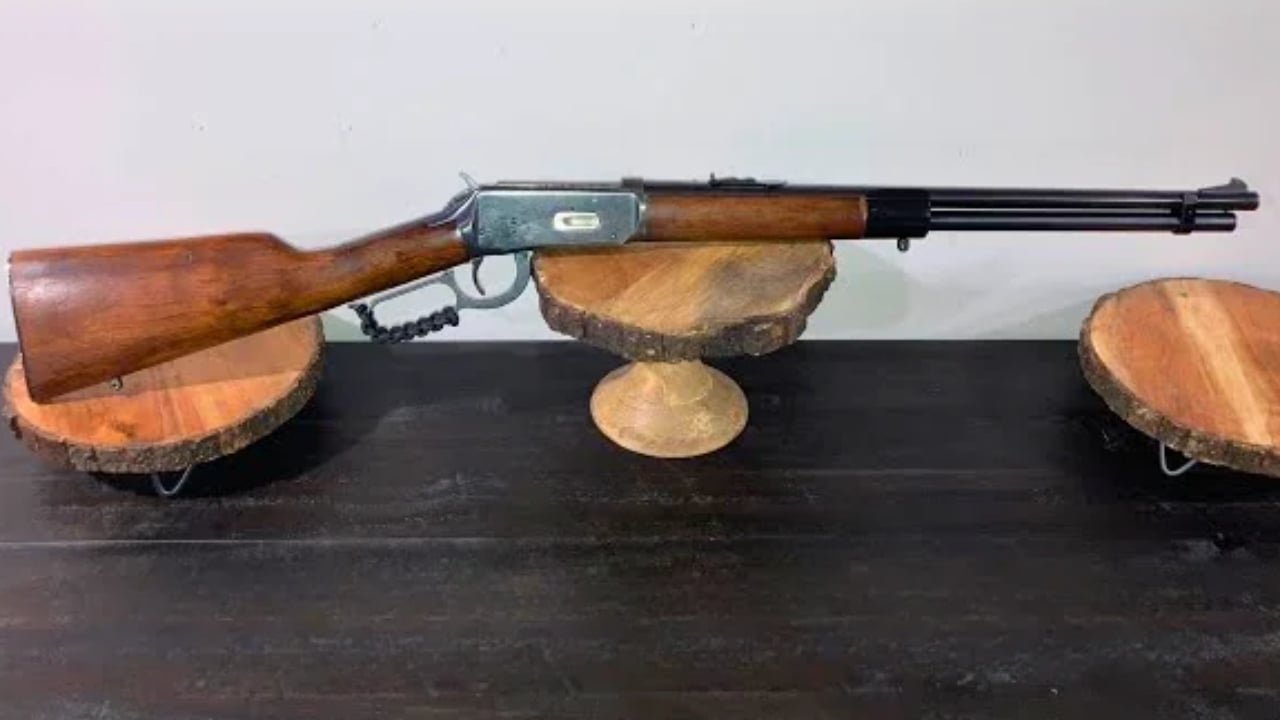
Store-brand rifles filled an important role when department stores were major firearms retailers. The Sears Model 54 is a good example of a rifle that could put venison in the freezer without requiring premium money.
The problem is that the entire store-brand concept makes less sense today. Parts identification can be confusing because rifles were often produced by another manufacturer under a retailer’s model number, and support dried up long ago. Modern entry-level rifles are inexpensive enough that buyers no longer need an obscure house-brand action to save money. These old rifles can still hunt perfectly well, but there is little reason to recreate the model today. The market has better ways to build affordable rifles now.
J.C. Higgins Model 50
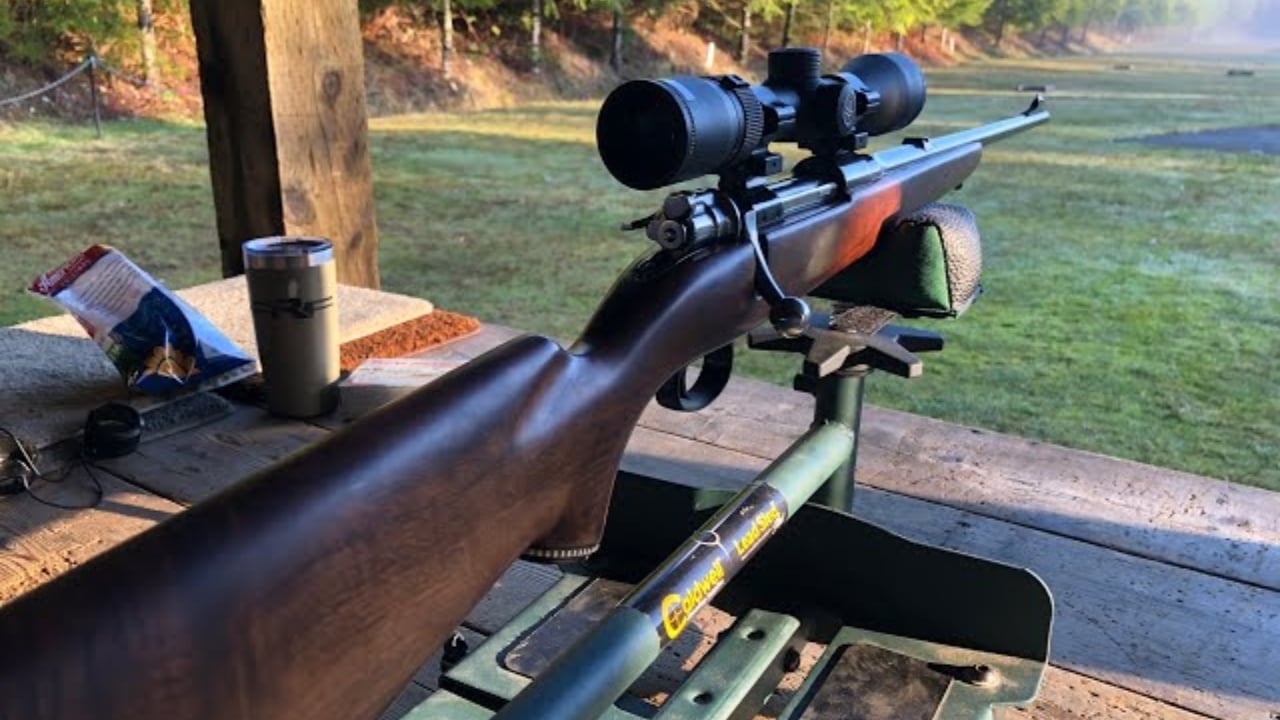
The Model 50 is actually one of the better department-store rifles ever sold, often using excellent FN Mauser actions. That makes it valuable to knowledgeable shooters who recognize what is underneath the store-brand rollmark.
Even so, the concept belongs to another era. Heavy walnut stocks, old trigger designs, limited factory optics provisions, and disappearing original components mean most examples require modification before they feel modern. The rifle is worth owning because of the quality hidden beneath the name, not because the original package needs to return. Today’s hunter can buy a lighter rifle with a better trigger and factory scope compatibility without scavenging a vintage action. The Model 50 should be appreciated, not resurrected.
Remington Model 600

The Model 600 was unusually compact for its day and has developed a cult following because of its dog-leg bolt handle, vent-rib styling, and short overall length. It was interesting, but much of what made it unusual has become unnecessary.
Modern compact bolt rifles can be lighter, more accurate, easier to suppress, and far easier to mount optics on. The Model 600’s styling now feels more eccentric than functional, and replacement parts are hardly plentiful. Collectors love them because they are different. That is exactly why keeping the original rifles alive makes sense. Building new rifles around the same compromises does not. The compact-hunting-rifle problem has already been solved much more cleanly.
Ruger No. 3
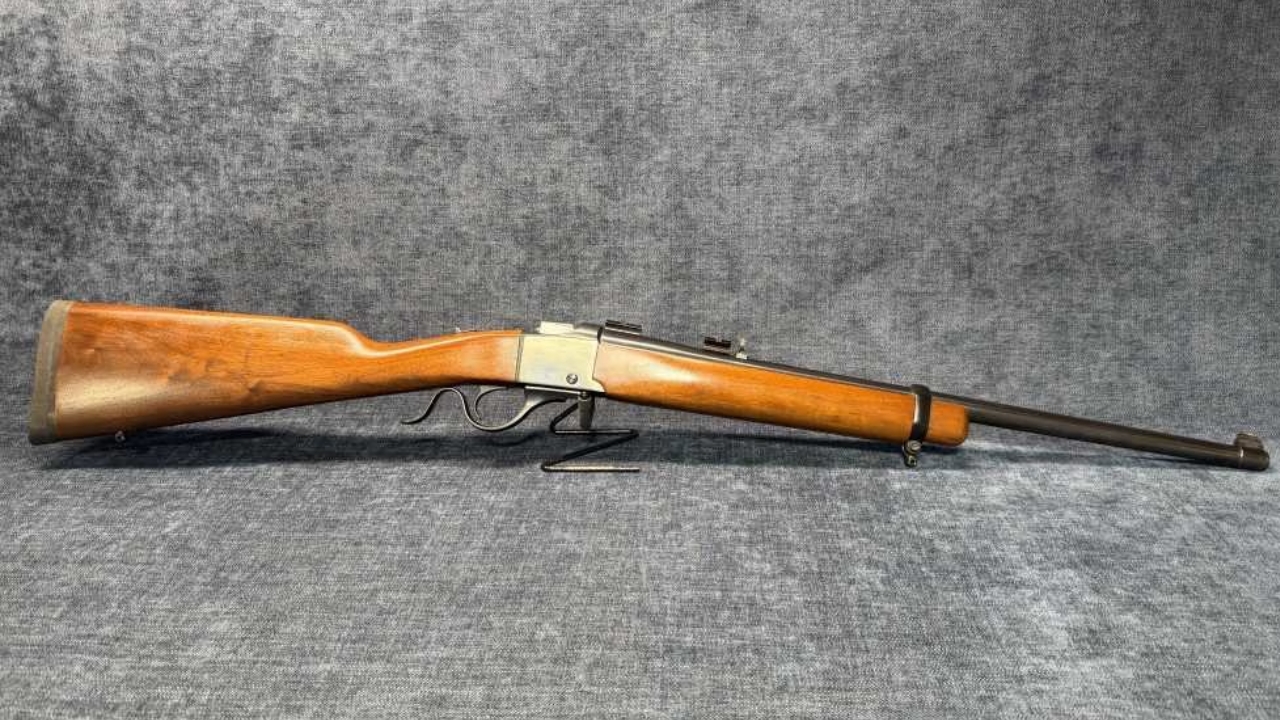
The Ruger No. 3 was a stripped-down single-shot intended to offer some of the strength of the No. 1 at a lower price. It has become collectible, but its original role has almost disappeared.
Single-shot rifles are already niche products, and today’s buyers who want one usually expect premium fit, traditional styling, or specialized hunting performance. A plain, utilitarian single-shot centerfire occupies an awkward middle ground. Bolt rifles are inexpensive, accurate, and offer quick follow-up shots, while premium single-shots appeal to collectors and traditionalists. The No. 3 is interesting because Ruger tried something different. That does not mean the market needs the same experiment repeated.
Winchester Model 88
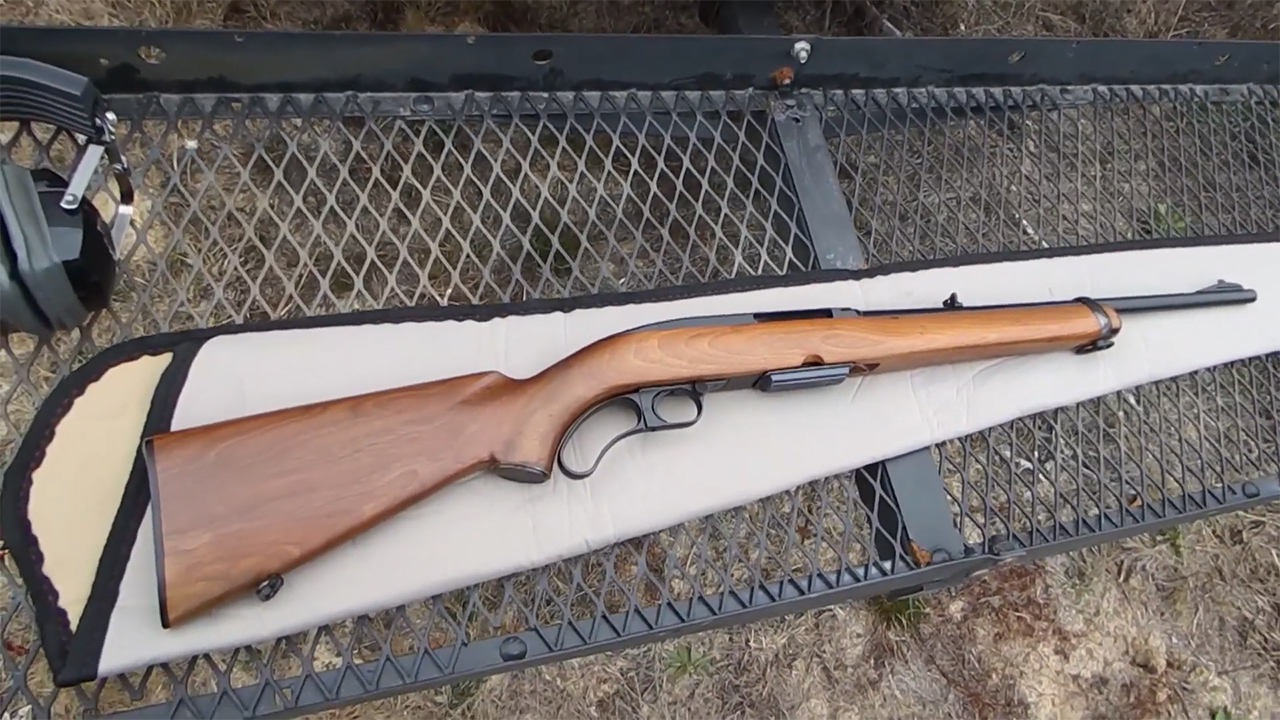
The Model 88 tried to combine lever-action handling with bolt-action strength and modern cartridges. That was a smart idea in the 1950s. Today, the mechanism feels complicated for what it accomplishes.
The trigger moves with the lever, parts are increasingly scarce, magazines are proprietary, and the action is much more difficult to service than a conventional bolt rifle. Modern lever guns have improved dramatically, while compact bolt rifles offer better triggers and simpler maintenance. The Model 88 remains desirable because it is unusual and unmistakably Winchester. Its collector appeal is strong. Mechanically, though, the industry found better ways to achieve nearly every goal the rifle was chasing.
Browning Acera

The Acera was a straight-pull hunting rifle introduced before that concept became fashionable with modern European designs. It was fast, smooth, and mechanically interesting, but it never built a strong enough following to survive.
That is probably where it should remain. Parts support is limited, the system is proprietary, and later straight-pull rifles refined the concept far beyond what the Acera offered. Bringing it back would mean competing against designs with better modularity, optics mounting, safety systems, and aftermarket support. The Acera deserves credit for being ahead of the market in some ways. Being early, however, is not the same as being the version worth keeping forever.
Like The Avid Outdoorsman’s content? Subscribe to our newsletter so you never miss an article.
Here’s more from us: