Photo credit: Muddy River Tactical/YouTube
The .380 ACP has always asked more from a pistol than its mild ballistics suggest. Many .380s are extremely small and light, which leaves the slide, recoil spring, magazine, and shooter with less room for error. A pistol that would probably run without complaint at Glock 19 dimensions can become surprisingly sensitive once everything is squeezed into a pocket-size package.
That makes reliability more important than almost any other feature when choosing a .380. Capacity, sights, trigger quality, and concealability all matter, but none of them compensate for a pistol that dislikes your defensive ammunition. The best .380s tend to have proven feed geometry, good magazines, enough slide mass to cycle consistently, and years of owner experience behind them. These 20 are among the .380 pistols I would trust most after verifying the individual gun with the ammunition I planned to carry.
Glock 42

The Glock 42 remains one of the safest choices for someone who puts reliability ahead of maximum capacity. It is slightly larger than the tiniest pocket .380s, and that extra size is one reason it tends to run so well. Glock gave the pistol enough slide travel and grip area to behave more like a small service pistol than a miniature emergency gun.
Capacity is the obvious drawback at only six rounds in the standard magazine. Newer .380s can nearly double that without becoming dramatically larger. The G42 fights back with maturity. It has been on the market long enough for magazines, springs, ammunition preferences, and potential trouble spots to be thoroughly understood. Current testing still rates reliability as one of its strongest characteristics. For a .380 that simply needs to work, the Glock 42 remains hard to dismiss.
SIG Sauer P365-380
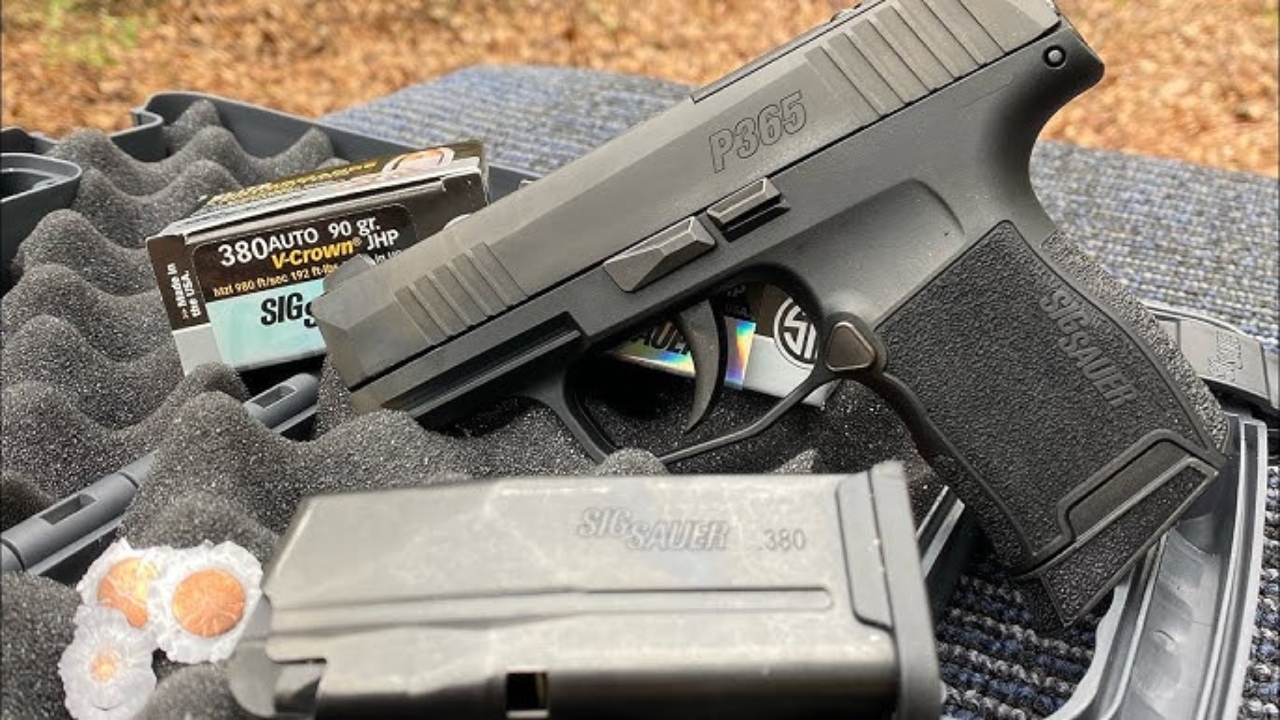
The P365-380 benefits enormously from being based on a platform originally designed around the more demanding 9mm cartridge. Rather than shrinking everything until the pistol barely functions, SIG essentially gave the lighter .380 ACP a strong operating foundation.
That translates into a pistol that is unusually easy to shoot and generally very forgiving. The slide requires less effort to operate than the 9mm P365, recoil is light, and the 10-round magazine provides excellent capacity for the size. SIG’s 2026 catalog still lists the P365-380, and recent comparative testing has given it extremely strong marks for reliability. If I wanted a modern high-capacity .380 that balanced shootability, concealment, and a strong reliability record, this would be near the top.
Ruger Security-380
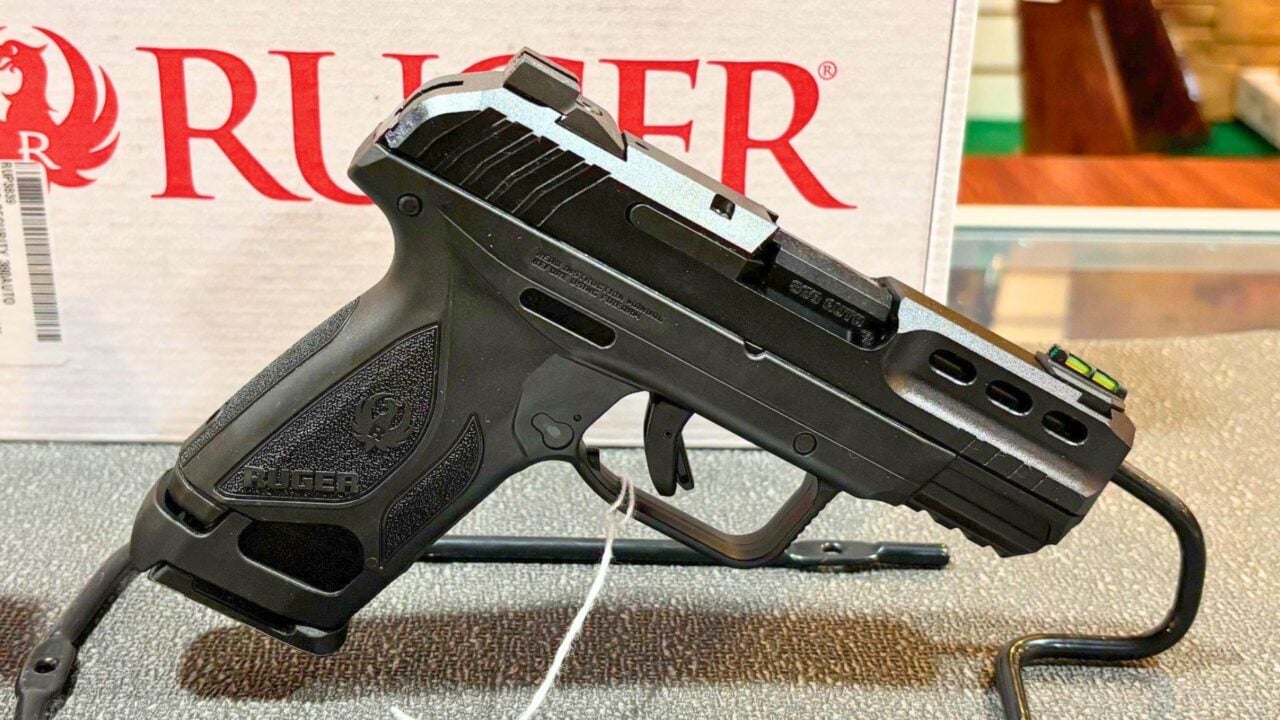
Ruger’s Security-380 takes a different approach from the ultra-small pocket guns. It gives the shooter more grip, more slide to work with, and substantially better control while remaining compact enough for concealed carry.
That larger operating envelope helps reliability. American Rifleman’s testing encountered only one failure to eject, which reviewers attributed to shooter technique, and the pistol subsequently ran without further trouble. The Lite Rack system also makes the slide unusually easy to manipulate without relying on an extremely tiny gun. Capacity is generous, and the pistol is comfortable enough that owners can actually put meaningful practice through it. Reliability improves when the shooter can grip the pistol properly, and the Security-380 gives you plenty of gun to hold onto.
Beretta 80X Cheetah
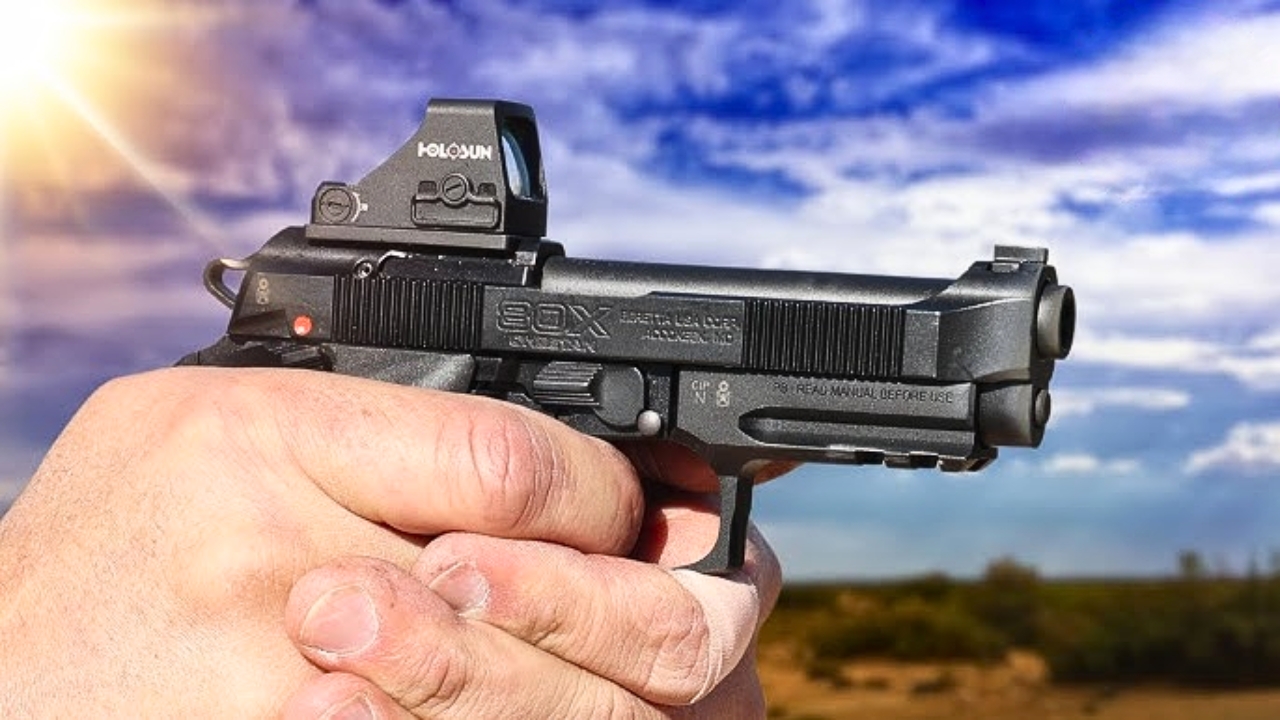
The 80X is larger than the typical modern .380, but that is exactly why it can be such a dependable platform. Beretta was not trying to squeeze the cartridge into the lightest pistol possible. Instead, you get a substantial metal-frame handgun with a full grip and 13-round capacity.
The current 80X modernizes the old Cheetah idea with updated ergonomics and optics capability while retaining the basic advantage of a larger .380 platform. Beretta still markets it as a current concealed-carry model. There is more mass for the action to work with and far less chance of the shooter compromising function with a weak grip. It is not the .380 I would pick if absolute minimum size mattered. If smooth shooting and dependable cycling mattered more, the extra ounces become an advantage.
Smith & Wesson M&P 380 Shield EZ

The Shield EZ was built around shooters who wanted mild recoil and a slide that did not require much hand strength. Those same characteristics also make it one of the more forgiving .380 platforms available.
It is substantially larger than a pocket pistol, giving the cartridge plenty of slide travel and the shooter a full grip. The magazines use loading tabs, and the overall operating system is less demanding than many tiny blowback .380s. The eight-round capacity is no longer impressive, but reliability is more important than winning a capacity comparison. Recent .380 evaluations continue to rank the Shield EZ well for dependable operation. For recoil-sensitive shooters who still want something serious enough for regular practice, it remains a strong choice.
Ruger LCP Max

The LCP Max accomplished something that would have sounded unlikely when the original LCP appeared: putting 10 rounds of .380 into a genuinely pocketable pistol while keeping the gun remarkably light.
Tiny dimensions inevitably make any pistol more sensitive to grip and ammunition, so I would test an LCP Max more aggressively than a Glock 42 or Security-380 before trusting it. Even so, the platform has matured into one of the leading pocket .380 choices. Recent testing continues to give it good reliability marks while recognizing its capacity and concealability advantages. The LCP Max is not as comfortable to shoot as a larger .380, but reliability in a gun this small is impressive. For actual pocket carry, it remains one of the strongest combinations available.
Walther PD380
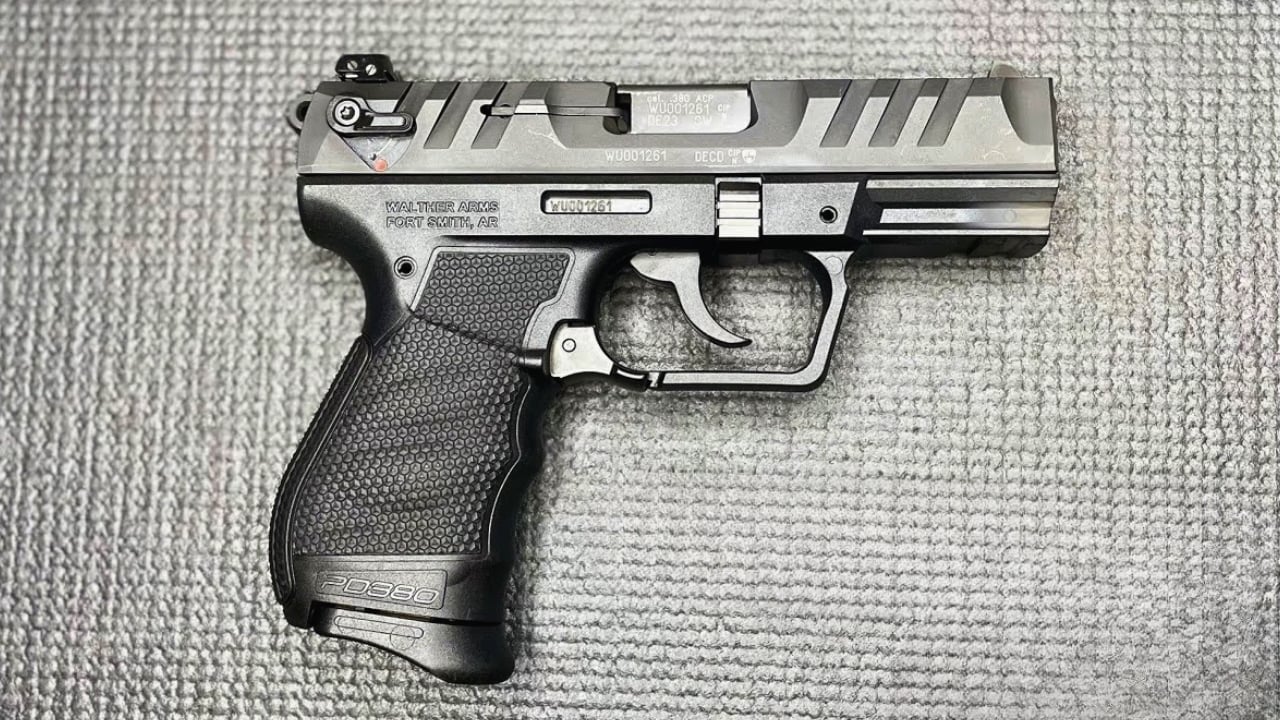
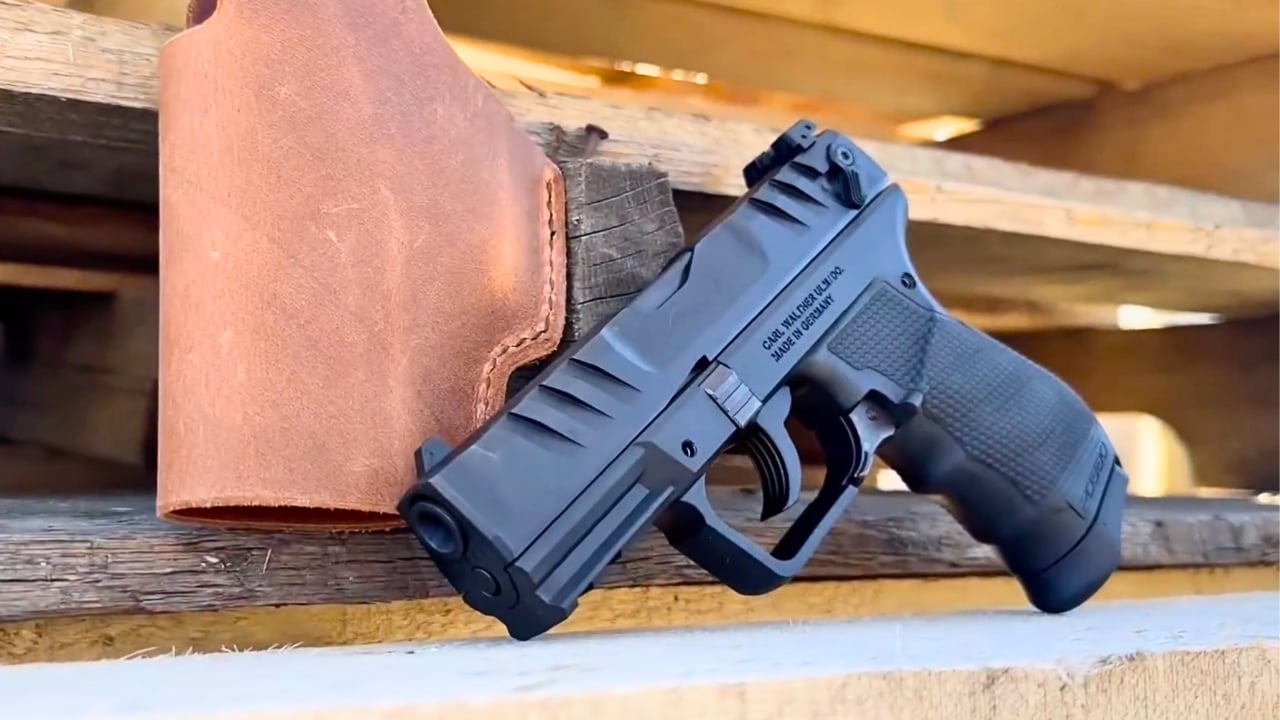
Walther built the PD380 around easy operation and low recoil rather than chasing minimum dimensions. That was a smart decision because .380 pistols become much easier to make dependable when there is enough gun for the cartridge to operate normally.
The hammer-fired PD380 has an easy-to-rack slide and comfortable grip, making it less susceptible to the weak-grip problems that plague some tiny pistols. Walther’s own product material emphasizes the reduced slide effort and low recoil, and the model remains part of the company’s modern .380 lineup. It does not disappear into a pocket like an LCP, but that is not necessarily a disadvantage. If you want a .380 because you value easier shooting rather than merely the smallest possible package, the PD380 is a better fit.
Browning 1911-380 Black Label
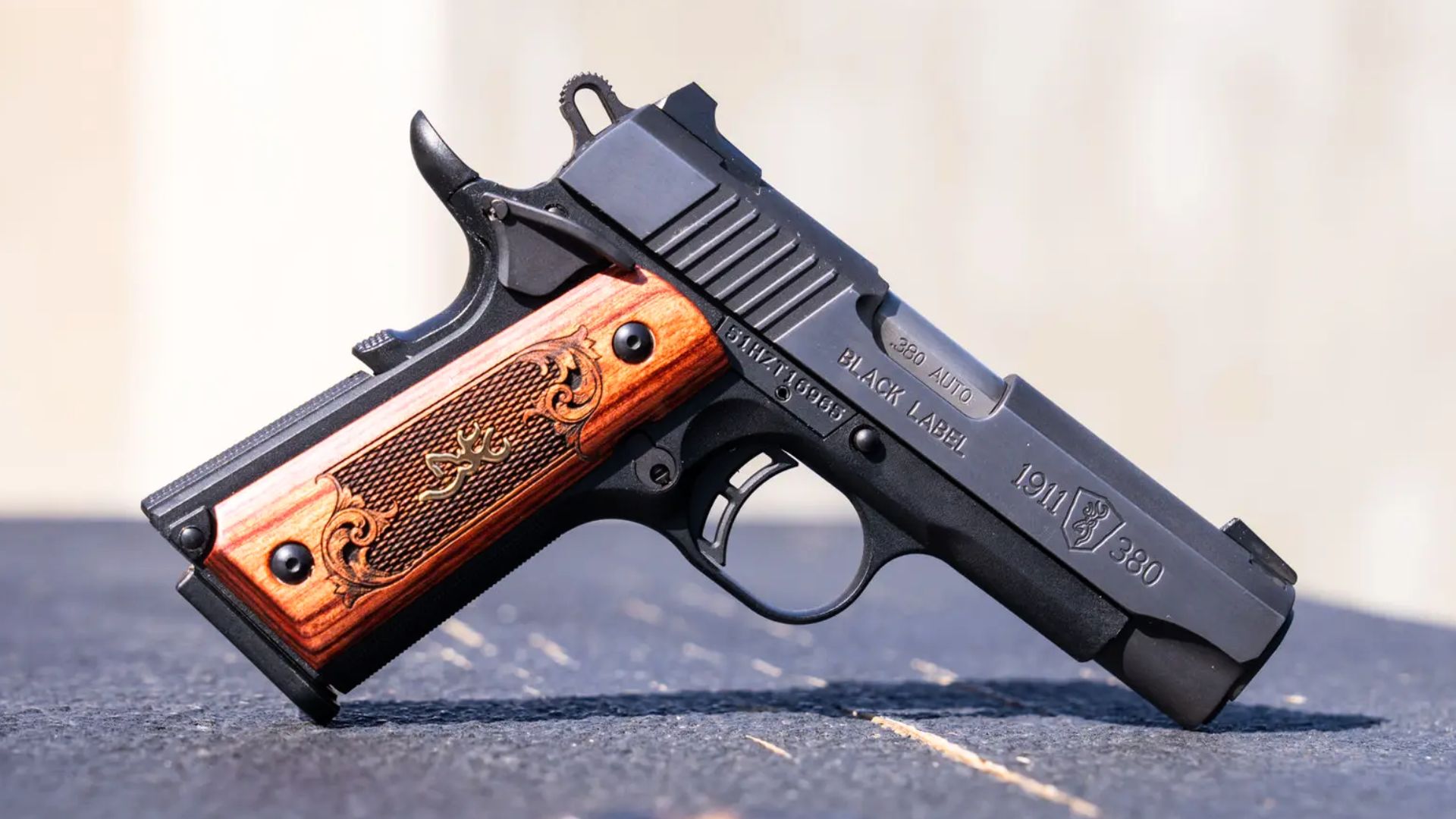
Browning did not merely make a cosmetic 1911 shell around a basic blowback .380. The 1911-380 uses a scaled-down locked-breech system with familiar 1911 controls and enough overall size to make the cartridge very manageable.
That design has proven unusually dependable. In early testing involving several pistols and substantial quantities of ammunition, Browning reported that reviewers experienced no malfunctions. The line remains active for 2026, with Browning offering multiple 1911-380 models. The eight-round single-stack magazine looks modest beside newer designs, but the pistol shoots softly and gives the action more room to operate than a tiny pocket gun. Reliability is one of the best reasons to consider it.
Bersa Thunder 380
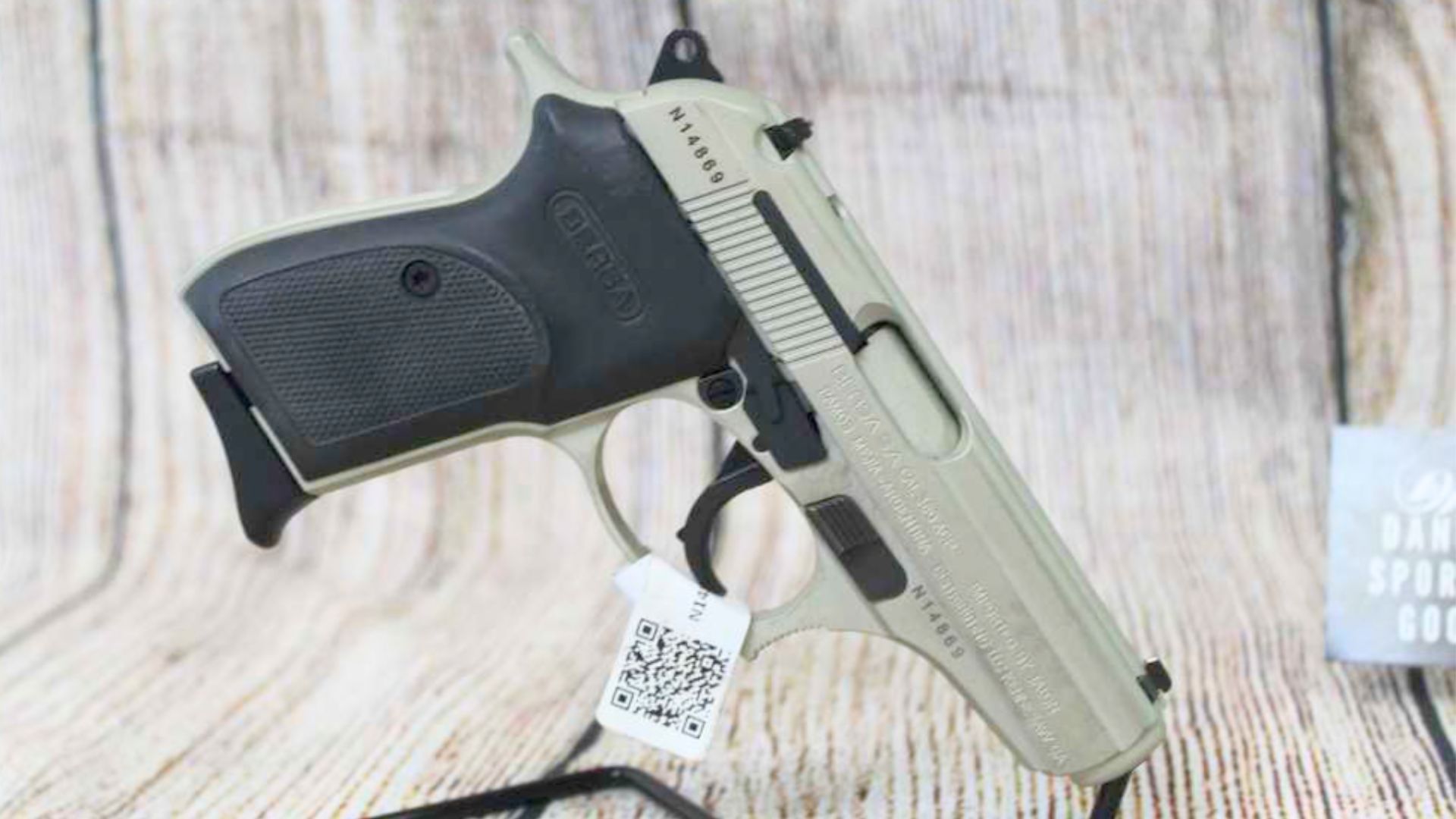
The Thunder 380 has survived for decades because it provides straightforward DA/SA operation without costing much. Its dimensions resemble older European service-style .380s rather than ultra-light pocket pistols, and that tends to help it cycle reliably.
The fixed-barrel blowback system is mechanically straightforward, and the full grip gives the shooter enough control to keep the pistol stable. Individual guns and magazines still deserve testing because Bersa does not have Glock-level consistency across every example ever produced. A good Thunder, however, can run for an impressive number of rounds with very little drama. It has spent long enough on the market that its reputation is based on actual use rather than a few enthusiastic launch reviews.
Bersa TPR 380 Plus
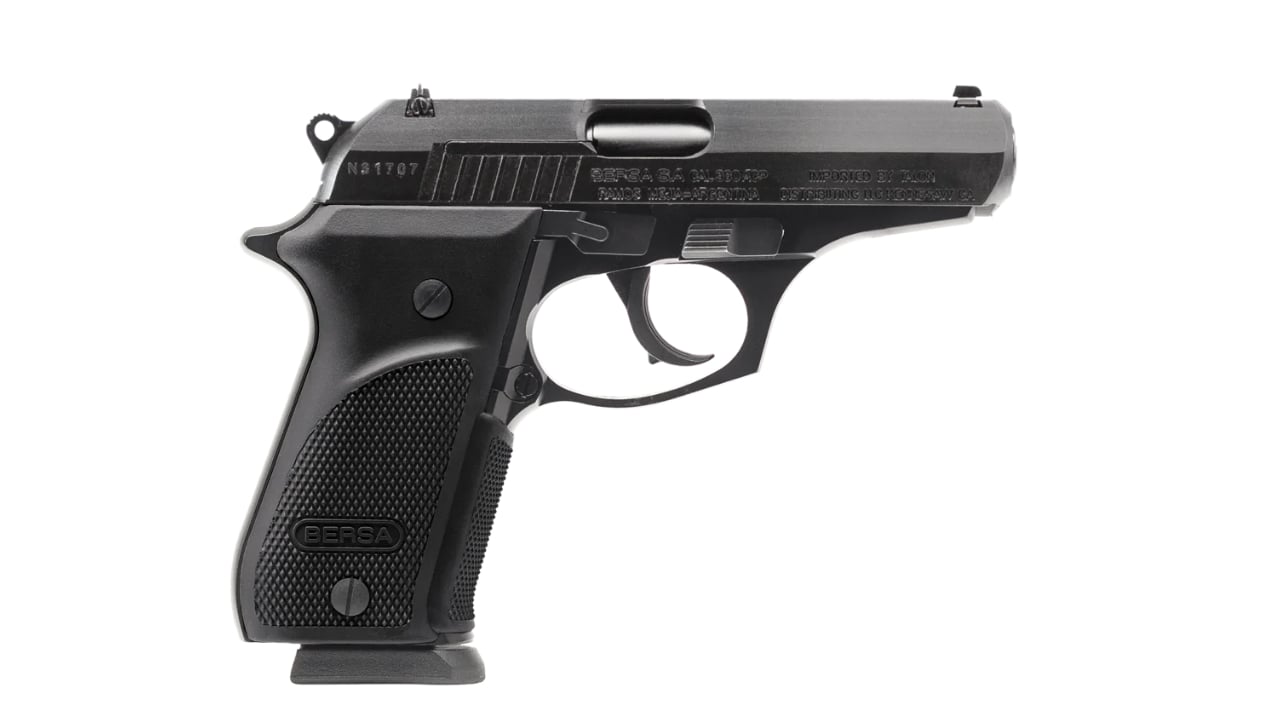
The TPR 380 Plus takes Bersa’s traditional .380 formula and adds significantly greater capacity. That gives shooters a full-hand grip, 15-round magazine, and DA/SA operation in a pistol that feels more like a compact service handgun.
Those dimensions make life easier on the operating system. Unlike a 9-ounce pocket pistol, the TPR has enough weight and grip area that the shooter is less likely to compromise cycling. It also has a conventional hammer-fired layout with a long history behind the basic Bersa design. The pistol is larger than many people expect from a .380, but that can be a feature rather than a flaw. If your reason for choosing .380 is low recoil rather than minimum dimensions, the TPR gives reliability and shootability priority.
SIG Sauer P238
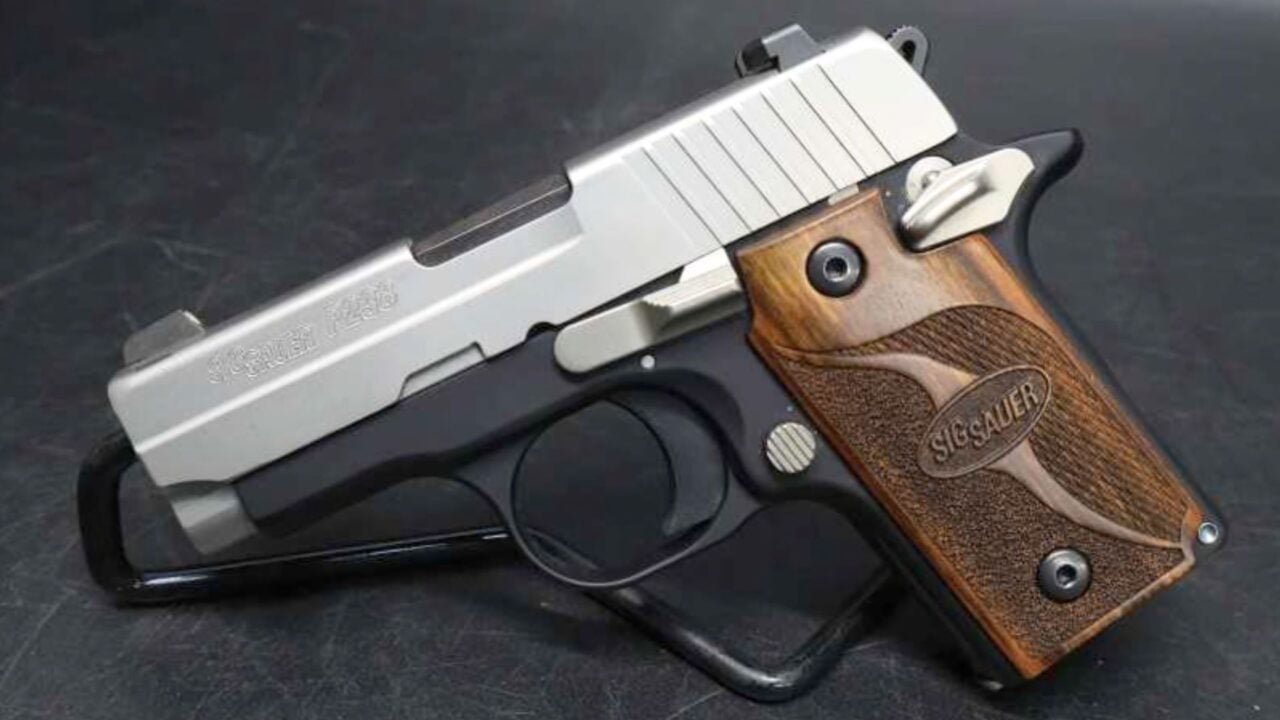
The P238 has been one of the better-regarded small .380 pistols for years. Its metal frame, locked-breech action, and single-action trigger give it a much more substantial feel than many guns in the same size class.
Reliability has generally been one of the platform’s strengths once paired with good magazines. Recent comparative testing still scores the P238 highly in that area, even though newer designs offer considerably more capacity. Its biggest limitation today is availability because it no longer occupies the same central place in SIG’s lineup. Used and remaining inventory still make it obtainable, though, and a proven P238 remains one of the few truly small .380s that manages to feel like a serious metal-framed pistol rather than a disposable pocket gun.
Walther PPK
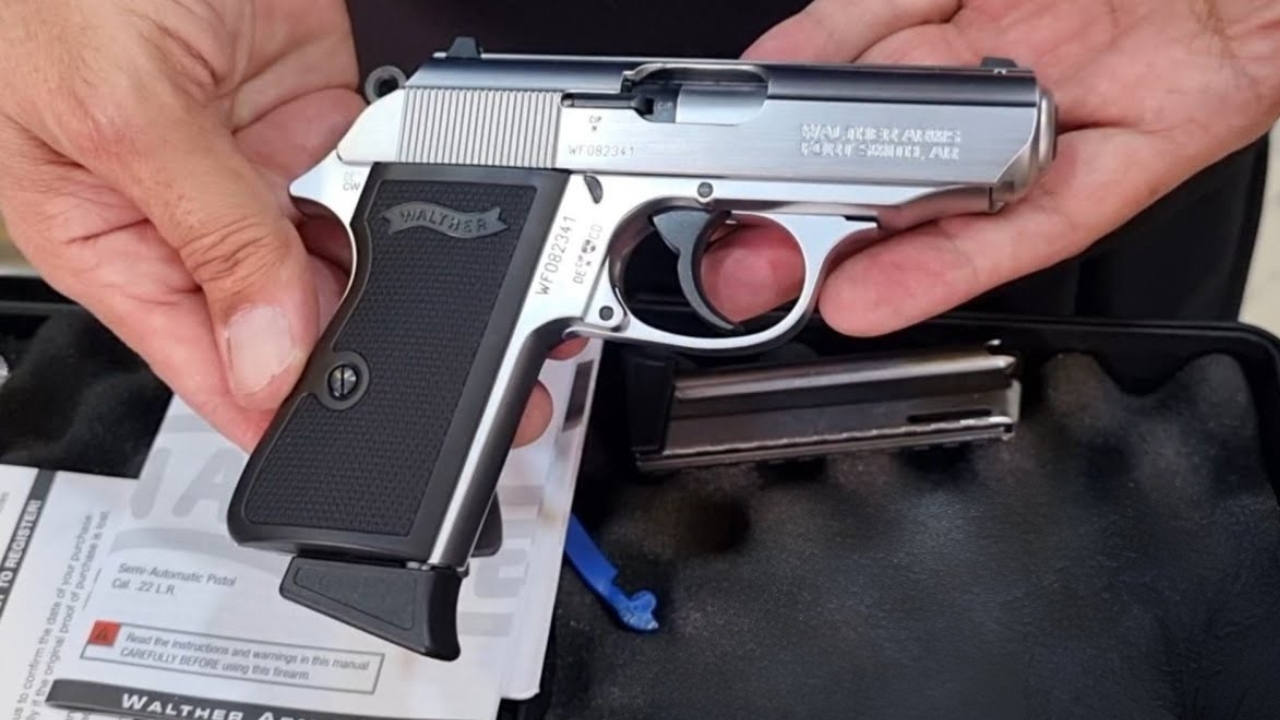
The PPK is hardly modern, but its basic design has had enough decades to reveal both its strengths and weaknesses. It is a fixed-barrel blowback pistol with a substantial steel slide and far more weight than most pocket .380s.
That extra mass makes recoil sharper than some people expect from .380, but the gun’s operating system is straightforward and well understood. Current production examples benefit from modern manufacturing while retaining the old design. The PPK does demand a proper grip because slide bite and shooter comfort can become issues, and it is not as forgiving ergonomically as newer guns. Still, a properly functioning PPK with good magazines and ammunition can be exceptionally dependable. Its longevity is not accidental.
Walther PPK/S

The PPK/S gives you essentially the same proven operating concept with a slightly larger frame and grip. That small increase in size can actually make the pistol easier to shoot consistently, which is useful when reliability matters.
The fixed-barrel blowback action has very little mystery left after generations of use. Ammunition choice still matters because .380 hollow-point profiles vary considerably, but modern examples generally have the advantage of decades of refinement. It is heavier than nearly every polymer competitor and offers much less capacity. Those are serious disadvantages for concealed carry. The reason it remains here is that reliability is not measured by specifications alone, and a mature steel-frame design that feeds your chosen ammunition can be extremely trustworthy.
Kimber Micro 380

Kimber’s Micro 380 follows the small single-action metal-frame formula and gives shooters familiar 1911-like controls in a very compact pistol. The additional weight compared with polymer pocket guns makes it easier to hold firmly.
That helps with reliable cycling, although magazine selection and ammunition testing are particularly important with any small single-action .380. Well-sorted Micro 380s can run extremely well and provide one of the better triggers in the pocket-pistol category. I would rank it below the Glock 42 and P365-380 because those platforms are less dependent on individual-gun variation. Still, a Micro that has demonstrated several hundred trouble-free rounds with its carry ammunition is a very convincing little pistol.
Ruger LCP II

The LCP II improved substantially on the original LCP’s trigger and ergonomics while retaining the tiny dimensions that made the platform successful. It is still one of the smallest legitimate defensive pistols you can carry.
That size requires realistic expectations. The LCP II needs a firm grip, good magazines, and ammunition the individual pistol likes. It does not have the huge operating margin of a Security-380. Once those requirements are met, though, the platform has been around long enough to establish a solid record. Ruger continues to list the LCP II family in its pistol catalog. It is not my first choice for high-round-count training, but for a tiny .380 that has been thoroughly proven before carry, it remains credible.
Ruger LCP
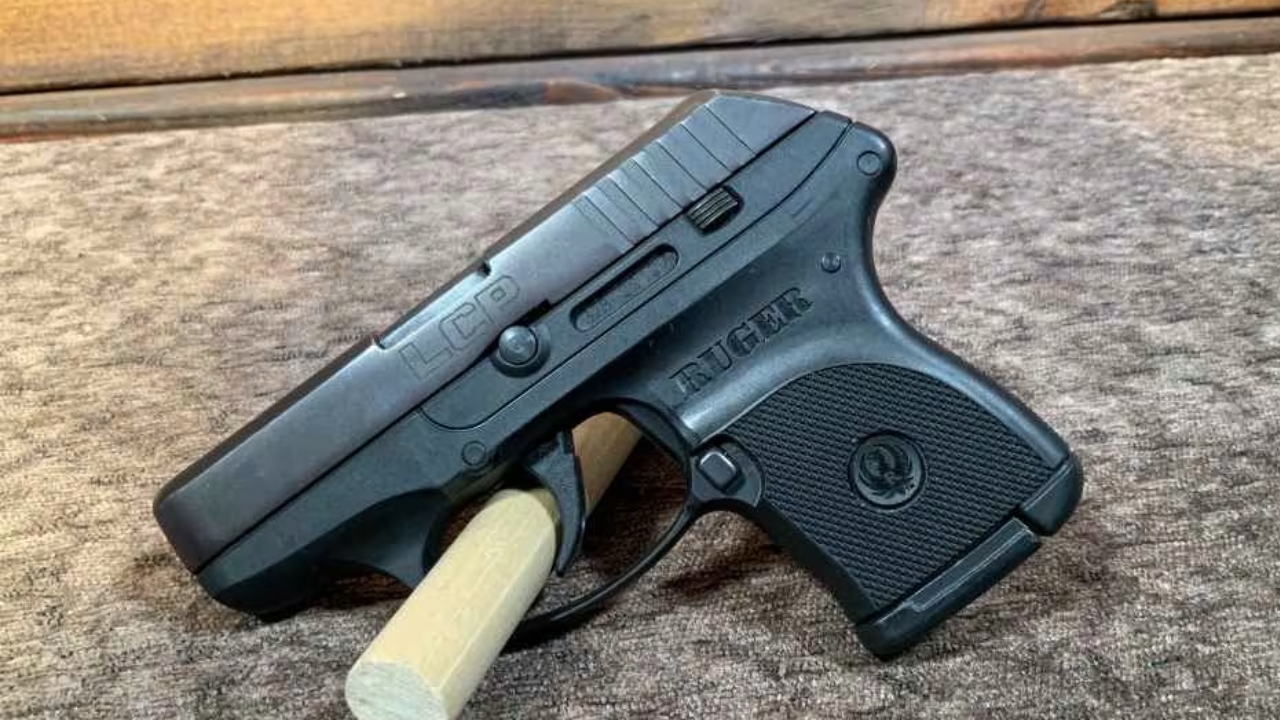
The original LCP deserves credit for helping define the modern polymer pocket .380. It is crude beside newer designs, with minimal sights, a long trigger, and a grip that gives large hands almost nothing to hold.
Reliability, though, became one reason the platform survived while many competing pocket guns disappeared. Ruger has refined the design through years of production, and the original LCP remains in the company’s current pistol family. It requires more concentration to shoot well than larger pistols, but an established LCP with good magazines can be remarkably dependable. There are more comfortable options today. There are not many that have spent as many years riding unnoticed in pockets and holsters.
Rock Island Armory Baby Rock 380
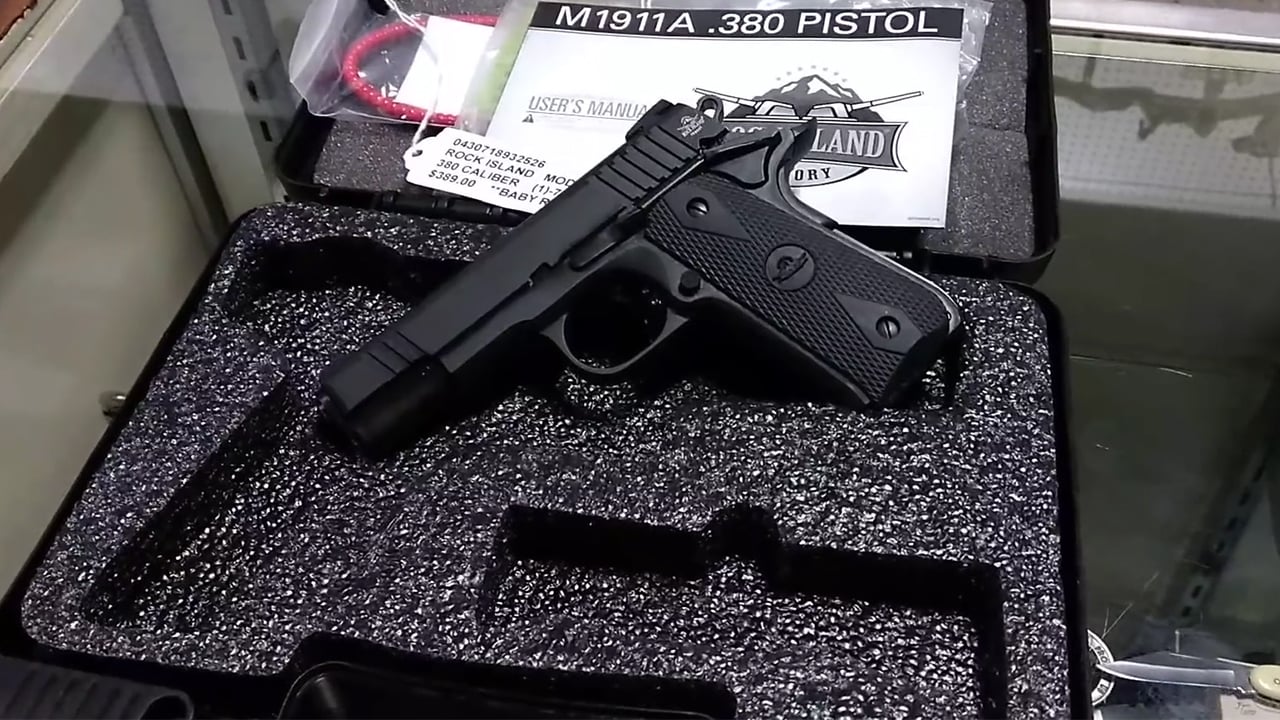
The Baby Rock takes the familiar 1911 concept and scales it down around .380 ACP. It is heavier than the smallest polymer pistols and provides a more substantial grip, both of which are helpful for reliable shooting.
The single-action design also gives shooters a predictable trigger rather than the heavy pull found on some older pocket guns. Rock Island pistols are production guns rather than hand-fitted customs, so I would give any individual example a proper break-in and ammunition test before relying on it. Once proven, though, the Baby Rock offers a relatively straightforward operating system with a steel-frame feel that many shooters prefer. It is not the lightest carry option, but that extra substance is part of why it can run well.
Kahr CW380
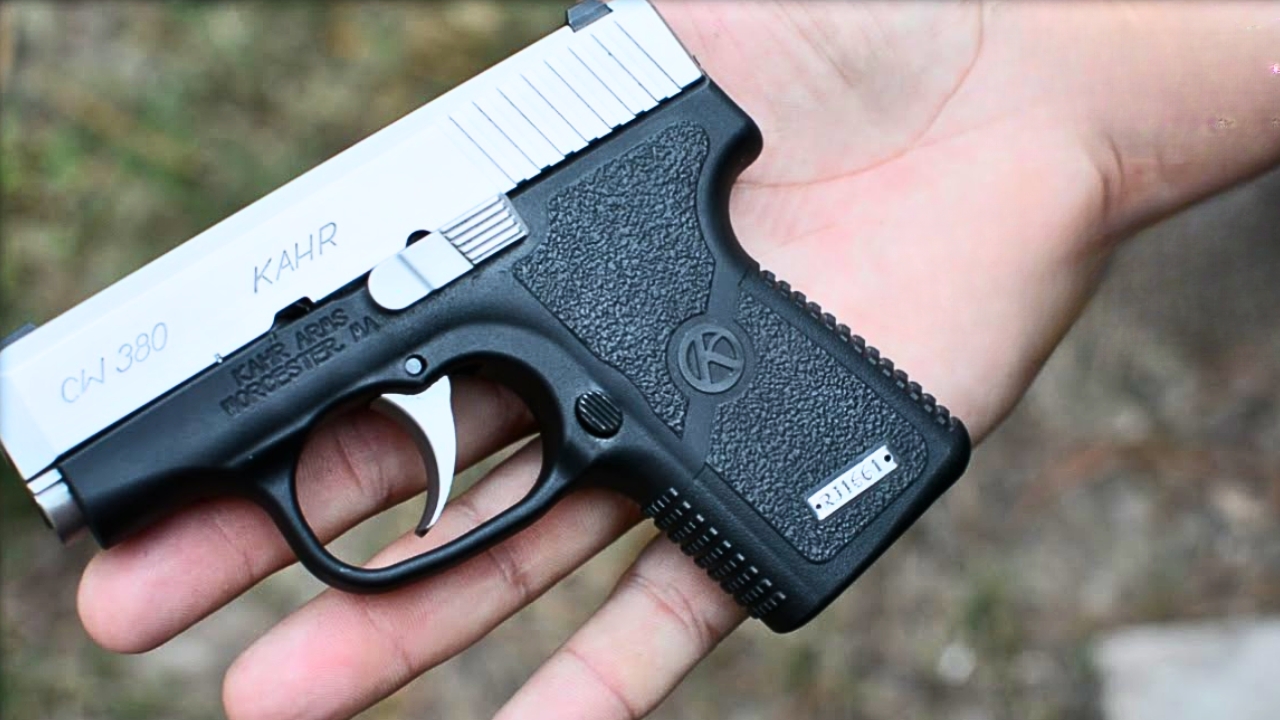
The CW380 achieved something impressive by putting a locked-breech .380 into an extremely small and light package. That system reduces the harshness associated with tiny blowback pistols while keeping the gun genuinely pocket-sized.
Kahr pistols have traditionally benefited from a proper break-in period, and I would take that particularly seriously with the CW380. This is not a pistol I would pull from the box, fire one magazine through, and immediately trust. Once an individual gun is broken in and proven with its magazines and carry load, however, the design can be exceptionally useful. Its smooth double-action-style trigger and tiny dimensions make it easy to carry. Reliability has to be established rather than assumed, which keeps it below the top tier.
Beretta 84FS Cheetah

The older 84FS remains one of the best examples of what happens when you build a .380 like a real service pistol rather than trying to make it disappear into a wallet. The metal frame, double-stack magazine, and generous grip provide an extremely stable shooting platform.
These pistols developed an excellent reputation over decades of police, security, and civilian use. The blowback action is straightforward and the open-top Beretta slide gives fired cases plenty of room to clear. The 80X has replaced it as Beretta’s modern answer, but good 84FS examples remain readily available on the used market. If concealability were secondary to proven reliability and pleasant shooting, I would take an older Cheetah seriously even today.
Smith & Wesson Bodyguard 2.0
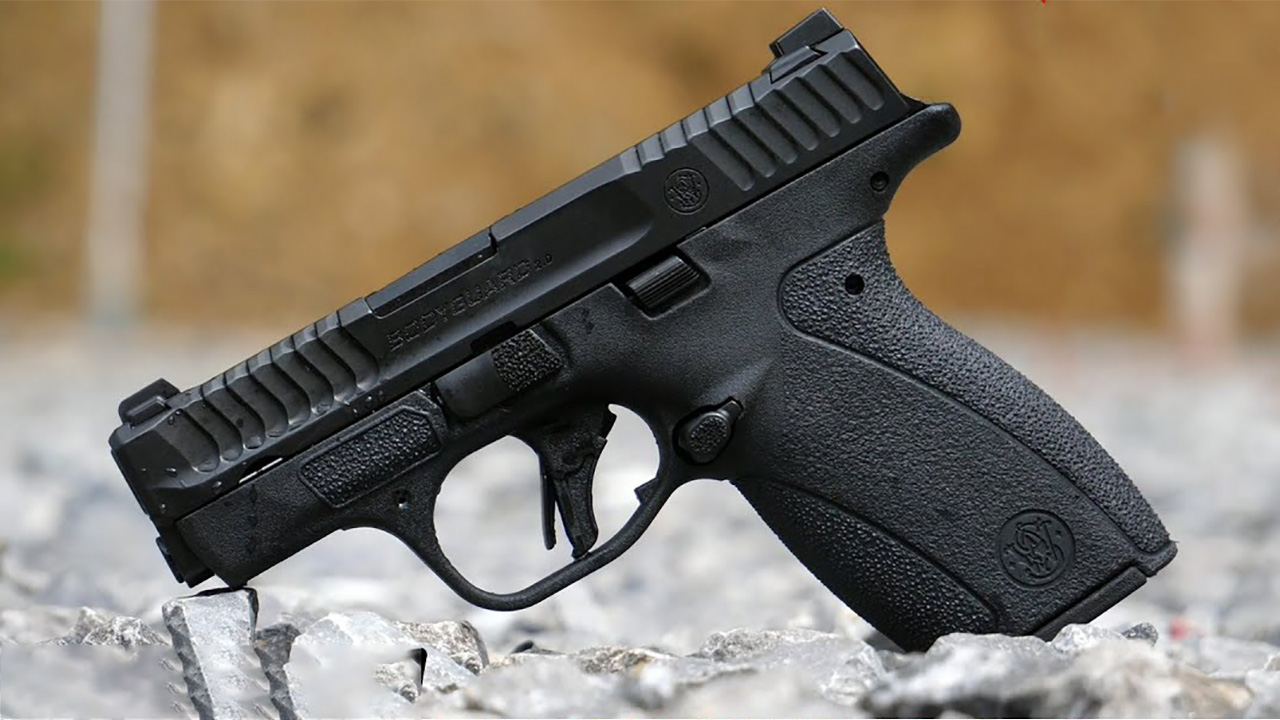
The Bodyguard 2.0 is one of the most impressive recent .380 designs because Smith & Wesson managed to combine extremely small dimensions with 10- and 12-round magazines, useful sights, and much better ergonomics than the original Bodyguard.
It is still too new for me to rank above pistols with a decade or more of proven use. Current reviewers have praised the overall design, and Shooting Illustrated has called it one of the strongest modern micro-.380s, but comparative testing has not been universally perfect. That is not a condemnation. It simply means the gun still needs more time to build the kind of reliability history the Glock 42 already has. I would absolutely consider one, but I would put several hundred rounds through it before making it my carry pistol.
Like The Avid Outdoorsman’s content? Subscribe to our newsletter so you never miss an article.
Here’s more from us: