Photo credit: The weapons of Venelin Kalinov/Youtube
Walk a few gun shows and you start seeing the same pattern. A table will be stacked with polymer tacticals and shiny new turkey guns, and right beside them sits a used pump or an older semi-auto that nobody even picks up. It is not always because the gun is junk. A lot of times it is because it is “out of style,” has honest wear, or the buyer does not recognize the model name on the receiver.
Here are 20 shotguns I see getting ignored over and over. Some are sleepers because they are plain. Some are sleepers because the internet made folks scared of them for the wrong reasons. And a couple are just misunderstood “grandpa guns” that still put birds on the tailgate.
1. Winchester Model 12
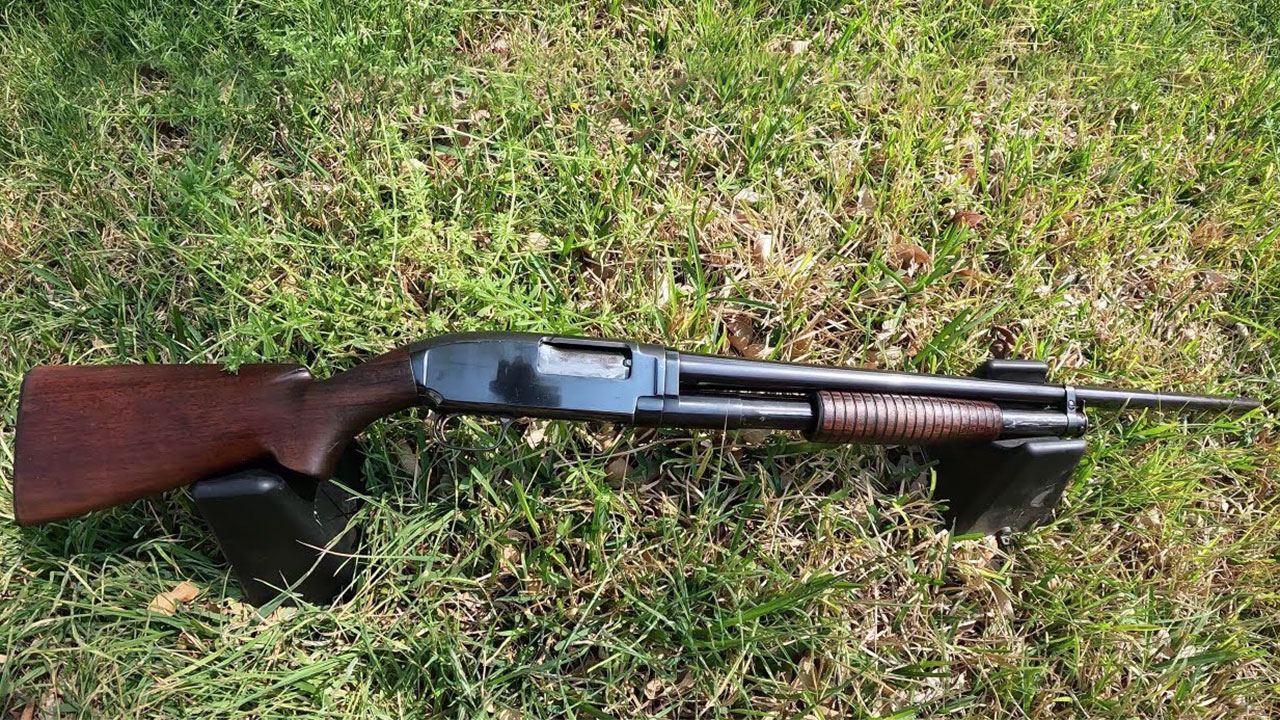
You will see a Model 12 on a table with a tag that makes guys walk right past because it is not “modern.” That is a mistake. The action on a good one is slick in a way a lot of new pumps never quite match, and they balance like they were meant to be carried all day. There is nothing tactical about it, but that is kind of the point.
Where buyers get nervous is the age and the variety. Some have 2 3/4-inch chambers only, some have fixed chokes, and some barrels have been cut. You do have to inspect it like you mean it: lockup, barrel condition, and that the safety and slide release feel right. If you find a clean field grade that has not been “improved,” it is the kind of shotgun that quietly becomes the one you grab without thinking.
2. Ithaca 37

Bottom-eject shotguns confuse people at a gun show. They pick it up, look for the side ejection port, and set it back down like something is missing. The Ithaca 37 is one of the best carry guns ever made in a pump, especially in 20 gauge. Slim receiver, smooth lines, and it rides in the hand instead of feeling like a fence post.
They are also great for left-handed shooters without needing a special model, and they keep hulls out of your buddy’s face in a blind. The downside is older ones can have hard-to-find small parts compared to a 500 or 870, and you want to make sure the slide and carrier feel right. Still, if you hunt thick cover, the 37 is a classic for a reason, not just nostalgia.
3. Browning BPS

The BPS gets overlooked because it looks heavy on the rack and it is not as trendy as the latest semi-auto. Pick one up and you’ll feel that weight, yes, but you also feel steadiness. It is a bottom-eject like the Ithaca, with a tang safety that makes sense in gloves and in awkward positions.
For waterfowlers and turkey hunters who shoot from blinds, that extra heft is not a deal breaker. It soaks recoil and swings smoothly, especially on crossing birds. Where folks get hung up is that it is not the fastest-feeling pump if you are used to a loose, rattly beater gun. A BPS usually runs tight and solid. If you find one that has been maintained, it is a workhorse that does not need to be exciting to be useful.
4. Remington 1100
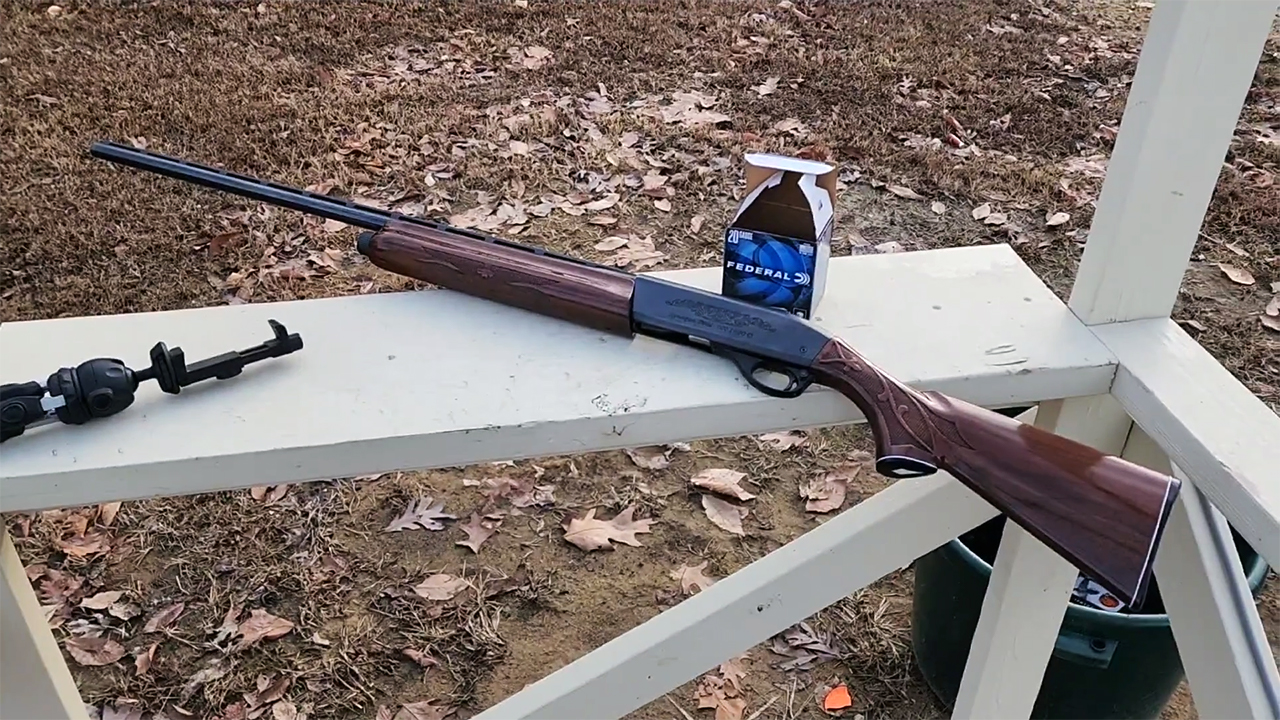
If you want to watch buyers make a snap judgment, watch them handle an 1100 and complain about it being “old” and “needs O-rings.” The Remington 1100 has probably killed more birds cleanly than most of the new hotness will ever see. It has a soft recoil impulse, points naturally, and it is the kind of semi-auto that makes average wingshooters look better.
Yes, it has wear items, and yes, it likes to be kept reasonably clean. That is not a scandal, that is normal ownership. The bigger deal is matching the gun to what you plan to shoot: older barrels and gas setups can be picky about super light loads or heavy magnums depending on configuration. Find a well-kept 1100 with a good barrel and you are buying comfort and familiarity, not just a gun.
5. Remington 11-87
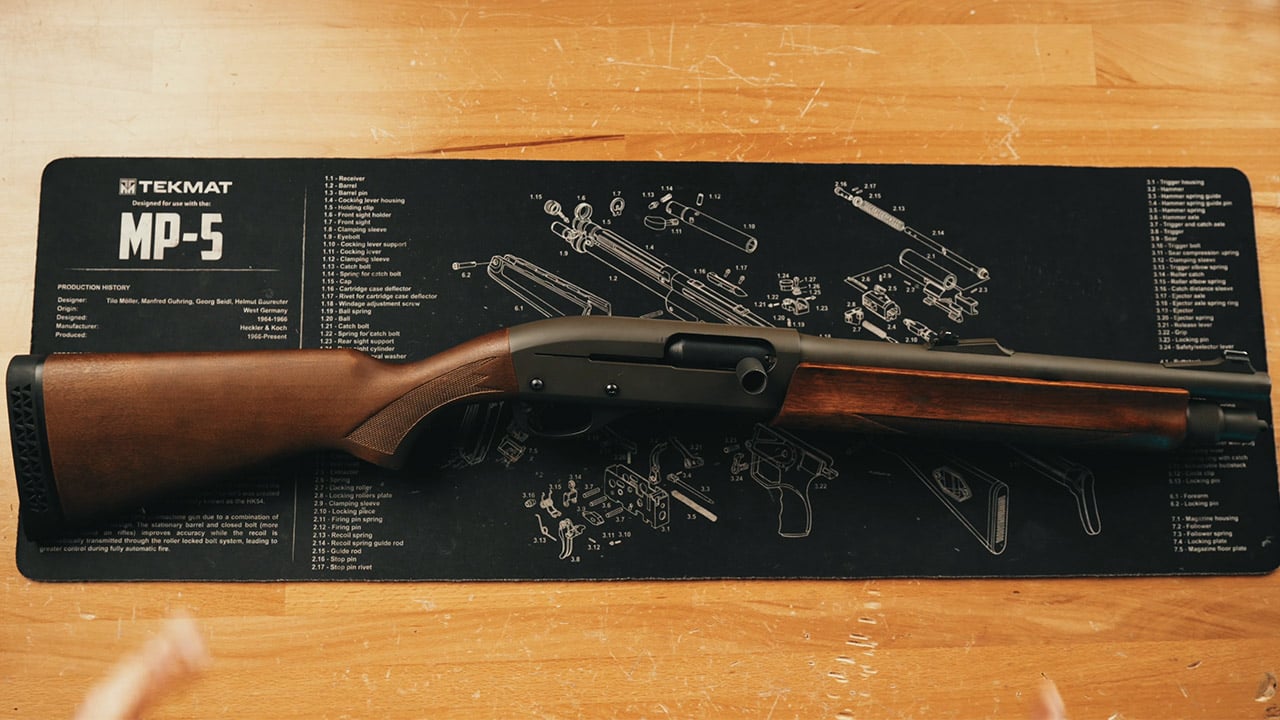
The 11-87 lives in the shadow of the 1100, and gun show buyers often treat it like the “lesser” version. In reality, a lot of 11-87s are solid, practical shotguns that handle a wider range of loads without drama. They are not fancy, and they are not light, but they are steady and predictable.
What you want to look for is condition and honest maintenance. A neglected gas gun can feel sluggish or short-stroke, and then the story becomes “these are unreliable.” Most of the time it is carbon, worn seals, or somebody running the wrong setup for their loads. If you can field-strip it, check the gas system, and the seller seems like a hunter instead of a flipper, an 11-87 can be a very smart buy for the money.
6. Beretta 390
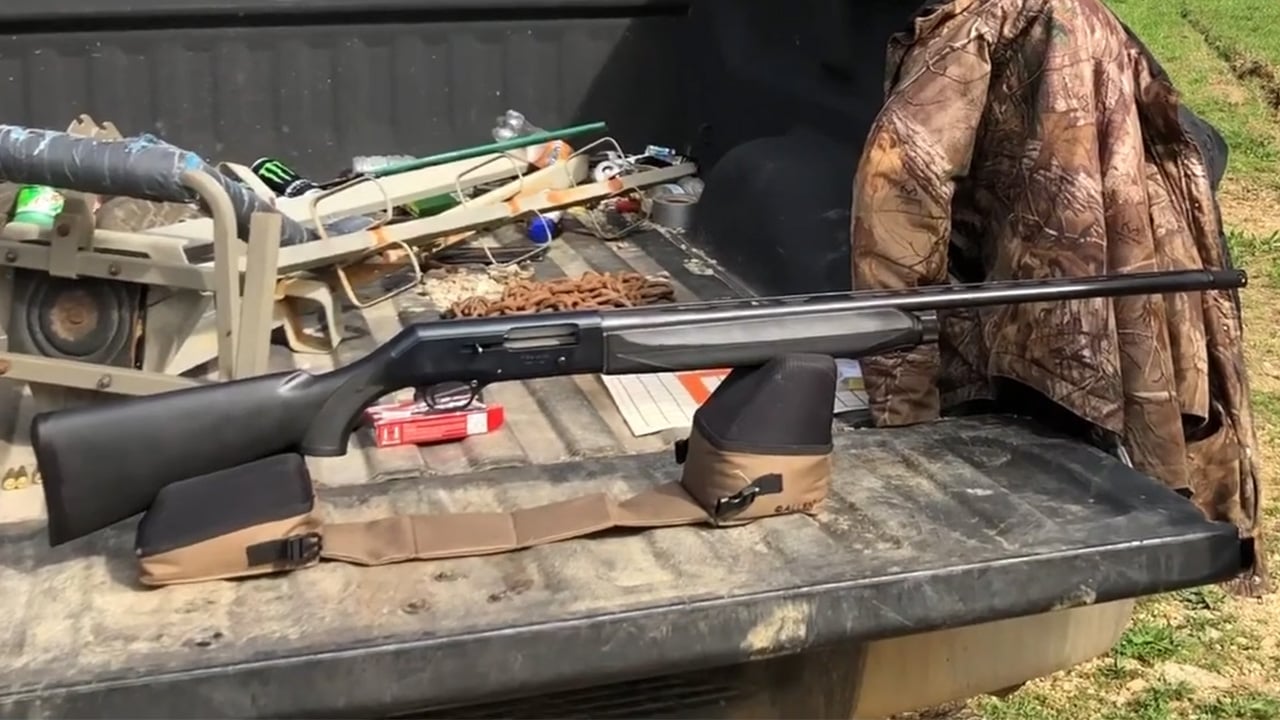
The Beretta 390 is one of those shotguns that never needed hype because it just worked. At a gun show, they get passed over because they look plain and “dated” compared to the latest Italian wonder-gun. The 390’s gas system has a reputation for running clean and smooth, and a lot of them will digest cheap field loads all day without turning into a jam machine.
Fit matters with any semi-auto, and the 390 tends to feel like it belongs between your hands. It is not a super light mountain gun, but it carries fine and shoots flatter than you expect. Watch for cracked fore-ends, mangled screws, and homemade “gunsmithing.” If it is intact, a 390 is the kind of shotgun you can hand to a buddy on a hunt and not worry you are handing him problems.
7. Beretta 391 Urika
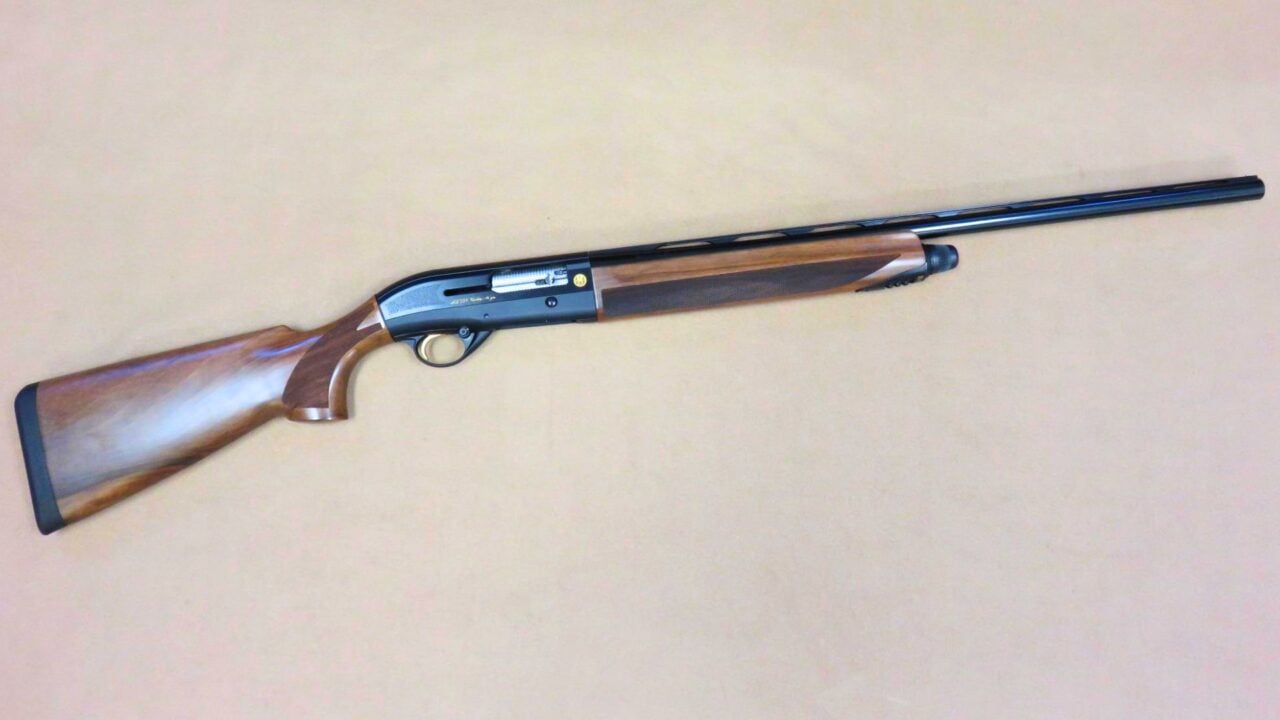
Guys will spot “391” on the receiver and immediately start talking about how they heard it is finicky. What they usually mean is they bought one used that had never been cleaned properly. A 391 Urika is a soft shooter and a serious bird gun. It cycles quickly, balances nicely, and it is common enough that support and parts are not some mysterious scavenger hunt.
At the table, work the bolt, check the carrier, and look for signs of heavy neglect around the gas system. Also pay attention to how it fits you—drop and cast matter on these, and a bad fit makes any shotgun feel “off.” When you get a 391 that is set up right, it can turn long dove afternoons into something your shoulder survives, and it keeps your head on the stock where it belongs.
8. Mossberg 930

The Mossberg 930 catches flak online, so buyers see one at a show and assume it is trouble. Here is the honest version: some 930s run great, some need a little sorting, and all of them like to be kept reasonably clean. If you approach it like a cheap clone of a premium semi-auto, you will be disappointed. If you approach it like a value gas gun that can do real work, it can make sense.
The upside is parts and accessories are out there, and the controls are familiar if you already run Mossberg pumps. The downside is you need to inspect it carefully for wear and for any “garage upgrades” that were not done well. If the price is right and the gun cycles the loads you actually plan to shoot, a 930 can be a serviceable hunting and home gun without draining your wallet.
9. Weatherby SA-08

The SA-08 gets ignored because Weatherby is a “rifle brand” in a lot of buyers’ heads, and they do not realize this shotgun has been a legit budget-friendly semi-auto for years. In the hands, it feels lighter than a lot of gas guns, and it carries well for upland hunters who are walking more than they are sitting.
These can be very good performers if you match the setup to your load. That is where folks get sideways: they buy it, never read anything, then complain it will not cycle the light stuff or it feels harsh with heavy loads. When you find one used, make sure the seller has the parts that came with it and hasn’t lost anything important. If everything is there, you are often getting more shotgun than the price tag suggests.
10. Franchi Affinity

Franchi still suffers from the “lesser Benelli” talk, which is unfair to the Affinity. It is an inertia-driven semi-auto that tends to run hard and fast, and it does not mind being hunted. At a gun show, it sits there because it does not have the brand status of a big-name Italian logo, even though it shares a lot of that family DNA.
The Affinity is a great option for someone who wants a reliable semi-auto without paying premium pricing. It is also slim and quick-handling, which matters in tight cover or when roosters explode out of cattails. The common gripe is recoil compared to gas guns. That is real, inertia guns generally feel sharper. But if you value simple operation and easy cleaning, an Affinity is the kind of shotgun you buy once and stop shopping.
11. Benelli Super Black Eagle (original SBE)

The original SBE can look “rough” compared to new camo everything, and that makes buyers suspicious. I have also watched guys avoid them because they heard early SBEs had a click issue. The truth is a lot of these have been hunted hard for decades, and many of them are still running because the design is simple and tough.
What matters is how it was treated. Check the bolt head, rails, and that the recoil spring tube is not a rusted mess from waterfowl seasons. Also shoulder it and see if it fits; SBEs can feel long in the stock to some folks. If it locks up well and cycles properly, an older SBE is a serious goose gun that does not care about cold or mud. It is not pretty, but it is honest.
12. Benelli M1 Super 90
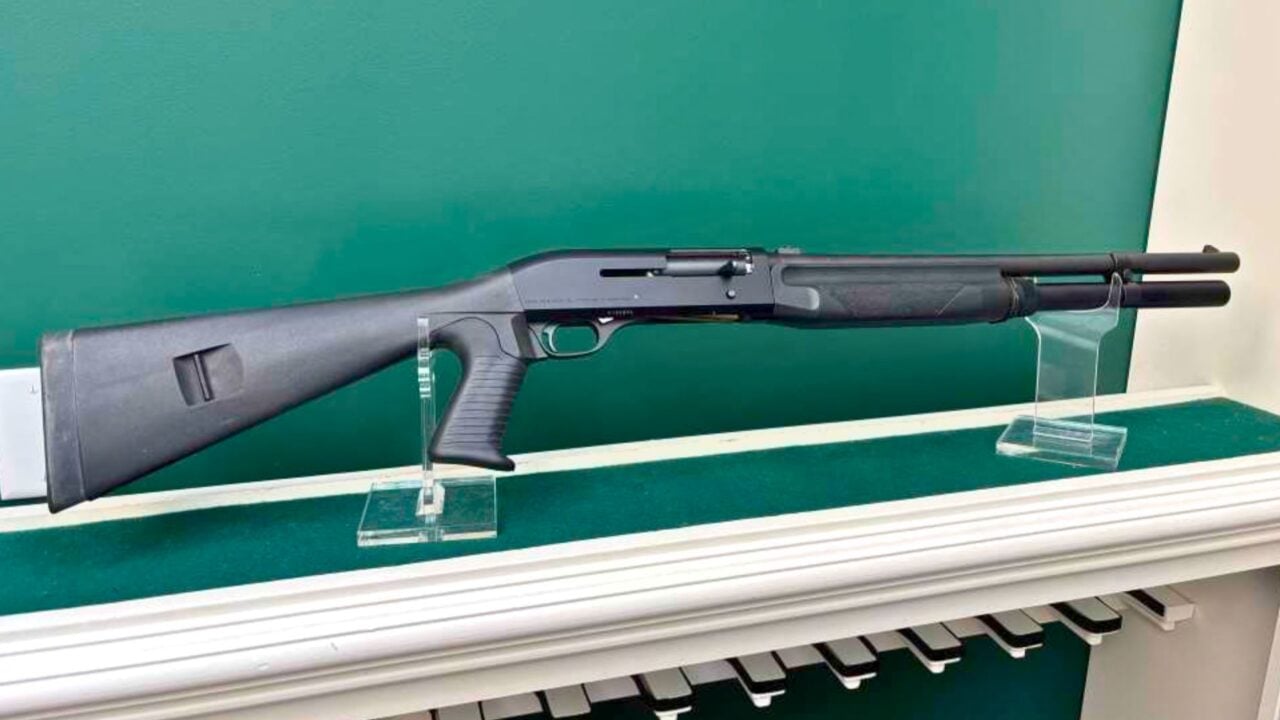
The M1 Super 90 gets treated like an old police trade-in even when it is a clean hunting gun. Buyers chasing the newest version forget the M1 is a classic for function, not fashion. It is fast, reliable, and it carries slimmer than some of the newer, bulkier models.
At a gun show, inspect the usual wear points and make sure it is not a parts-bin special. If it has the right barrel for what you do, it is a great “one shotgun” option. Recoil will be more noticeable than a gas gun, especially with heavy loads, but the trade is a shotgun that tends to keep running when things get wet and gritty. If you find one priced like “yesterday’s model,” that can be a win.
13. Stoeger M3000
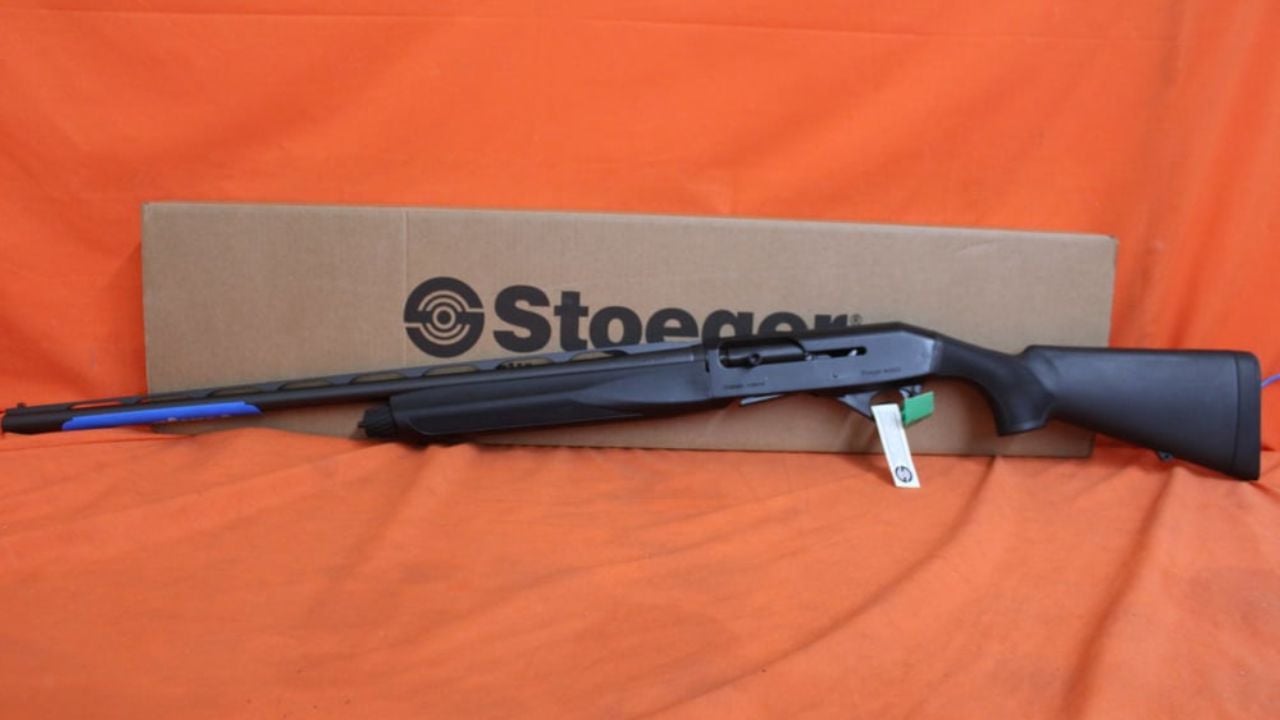
Stoeger semis get walked past because “budget inertia gun” sounds like a gamble. And sometimes it is. But I have seen plenty of M3000s that have been used hard for waterfowl and still keep chugging. The key is not pretending it is the same as a top-shelf Italian gun just because the operating system is similar.
In the used rack, you are looking for a gun that has not been abused or “tuned” by somebody chasing internet fixes. Cycle the action, check the bolt movement, and look for signs of neglect. The M3000 can be a lot of shotgun for the price, especially for the hunter who needs a mud-and-rain tool and does not want to baby it. If it fits you and runs your loads, it may be the smartest cheap semi-auto at the show.
14. Browning Auto-5 (classic humpback)
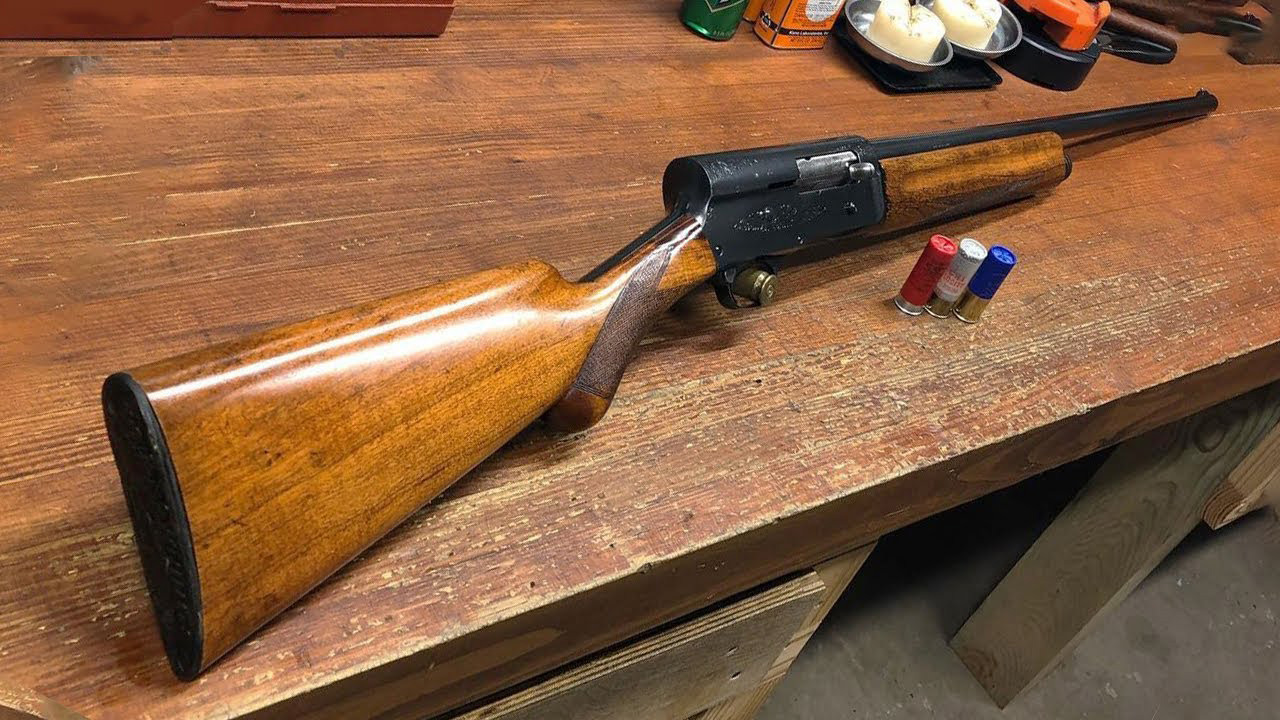
The Auto-5 gets ignored because younger buyers think it is just a wall-hanger. They also get intimidated by the recoil-operated system and the talk about friction rings. The funny part is, many Auto-5s are still in the field every season, and they are still dropping ducks and pheasants like they always did.
These guns do require you to understand what you are holding. An A-5 set up for light loads is not the same as one set up for heavy hunting loads, and if it is configured wrong it can beat you up or run poorly. At a show, you want a complete gun with the right parts, not a mystery bag. When you get one that is properly set up, it points great and has a feel that modern guns do not copy. It is not for everybody, but it is far from obsolete.
15. Savage/Stevens 311
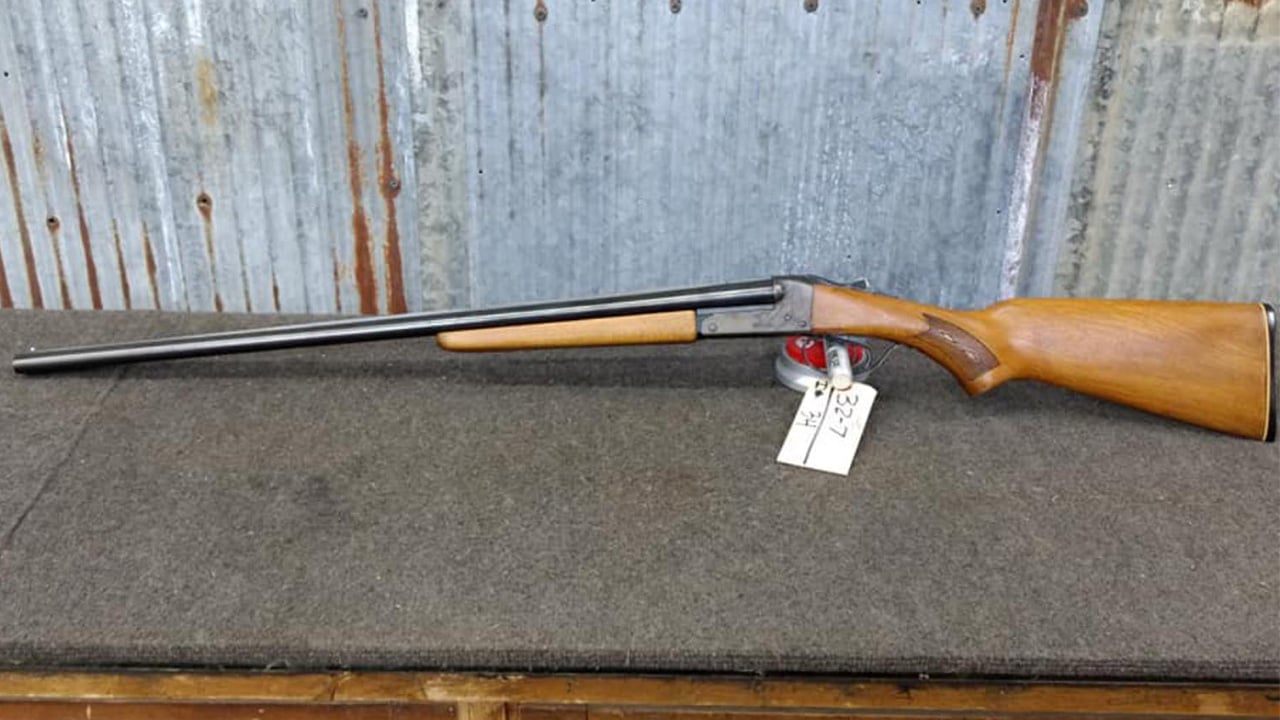
The Stevens 311 side-by-side is the kind of shotgun folks snub because it is not a fancy double. The wood might be plain, the engraving is basically none, and it is not a light little English game gun. Still, there is a reason you see them in farmhouses and behind truck seats out in the country. They work, and they are usually straightforward to live with.
What to watch at the gun show is lockup. A loose double is not a deal you want, and you should check that it closes tight and the lever sits where it should. Also check bores and make sure nobody has left it in a damp case for ten years. If it is solid, a 311 is a practical rabbit, squirrel, and upland gun that does not require you to worry about beating up a collector piece. It is a “use it” shotgun, and those still matter.
16. SKB 500/600 series over/under
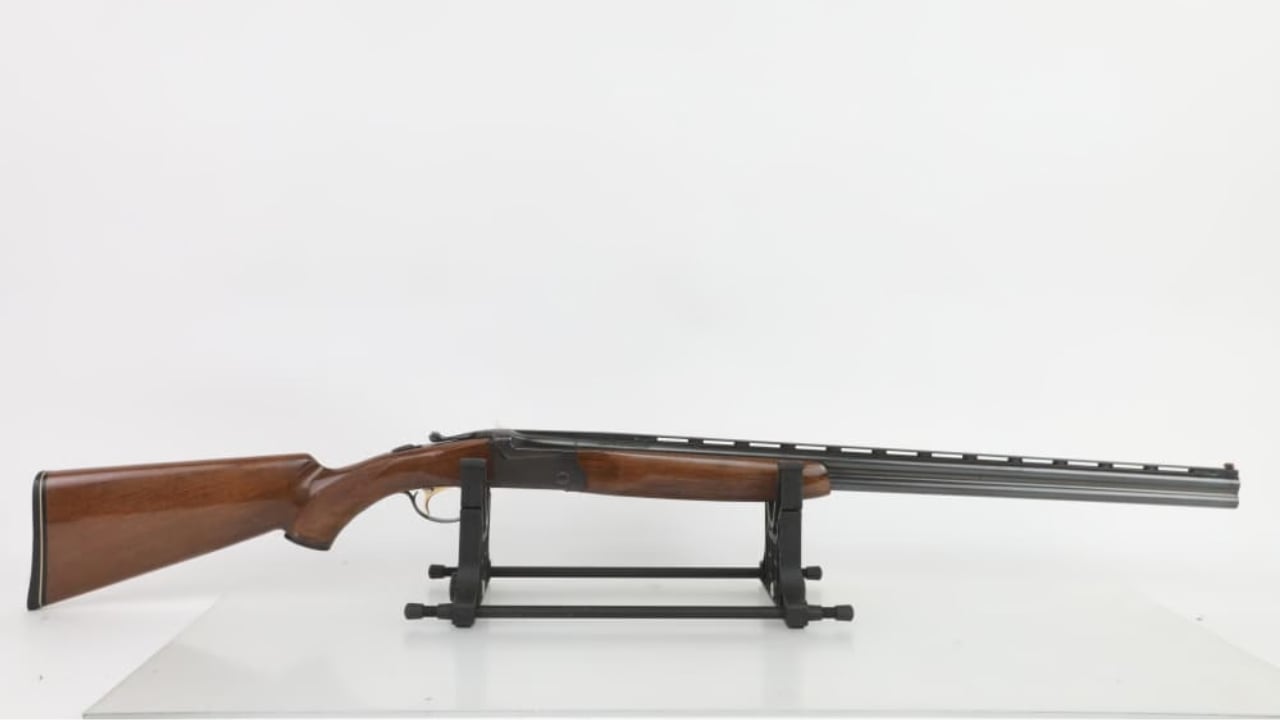
SKB over/unders are one of the easiest “walk past” guns at shows because buyers chase Browning and Beretta names. That is understandable, but it also means SKBs sometimes sit there priced like an off-brand, when they are often well-made Japanese guns with nice handling. They tend to be slimmer through the receiver and lively in the hands.
With any used O/U, you need to check wear carefully. Look at the hinge, feel for any wobble, and make sure the ejectors/extractors do what they are supposed to. If it has been shot loose, that is not a cheap fix. But a tight SKB can be a very good clays and upland gun without the premium price tag. If you want a field over/under that you will actually carry, an SKB is worth picking up and mounting to your shoulder.
17. Ruger Red Label
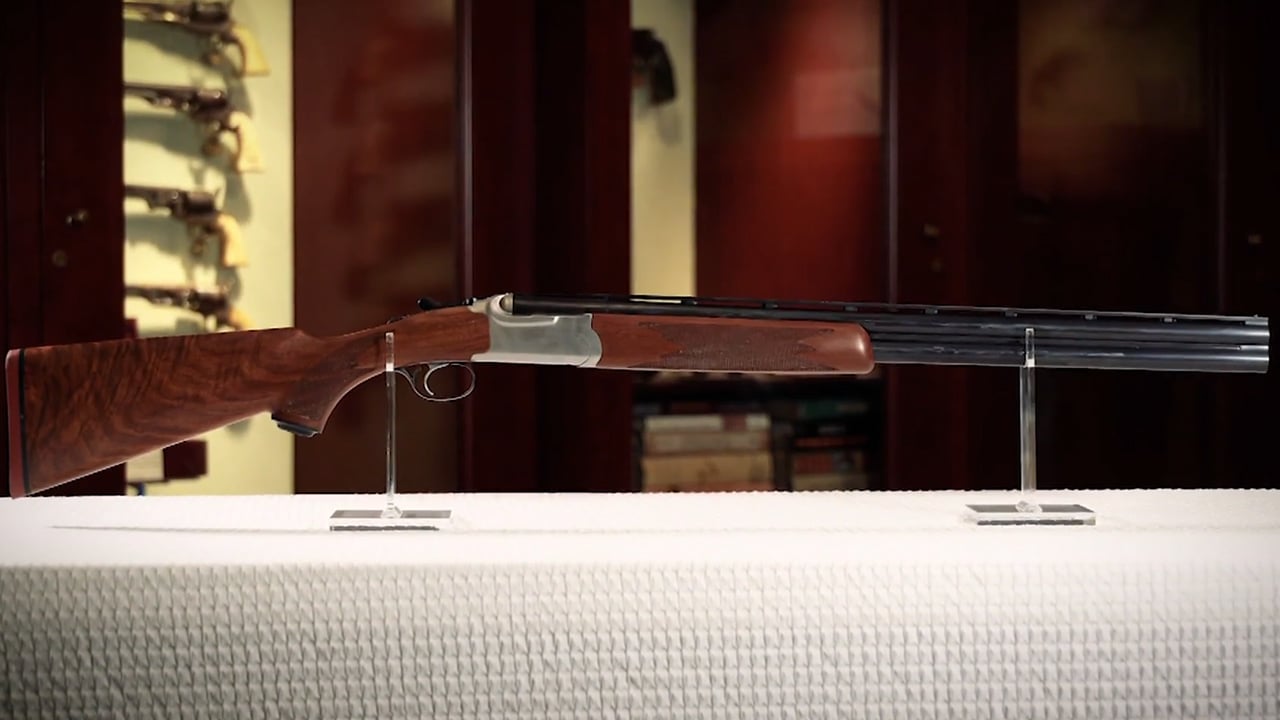
The Red Label has a reputation for being a little chunky, and that alone makes some buyers set it down quickly. I get it. If you are used to a svelte upland double, a Red Label can feel like more gun than you expected. But it is also a rugged over/under that was built to be hunted, not just admired.
At a gun show, a used Red Label can be a sweet spot if you want an American-made O/U with a real track record. Check lockup and make sure the safety and barrel selector function correctly. Also pay attention to how the gun fits your face; a poor-fitting O/U is misery. The Red Label is not the lightest option for all-day mountain hunts, but for pheasant fields, preserve hunts, or clays with buddies, it can be an honest, durable choice when priced right.
18. Winchester Super X Model 1
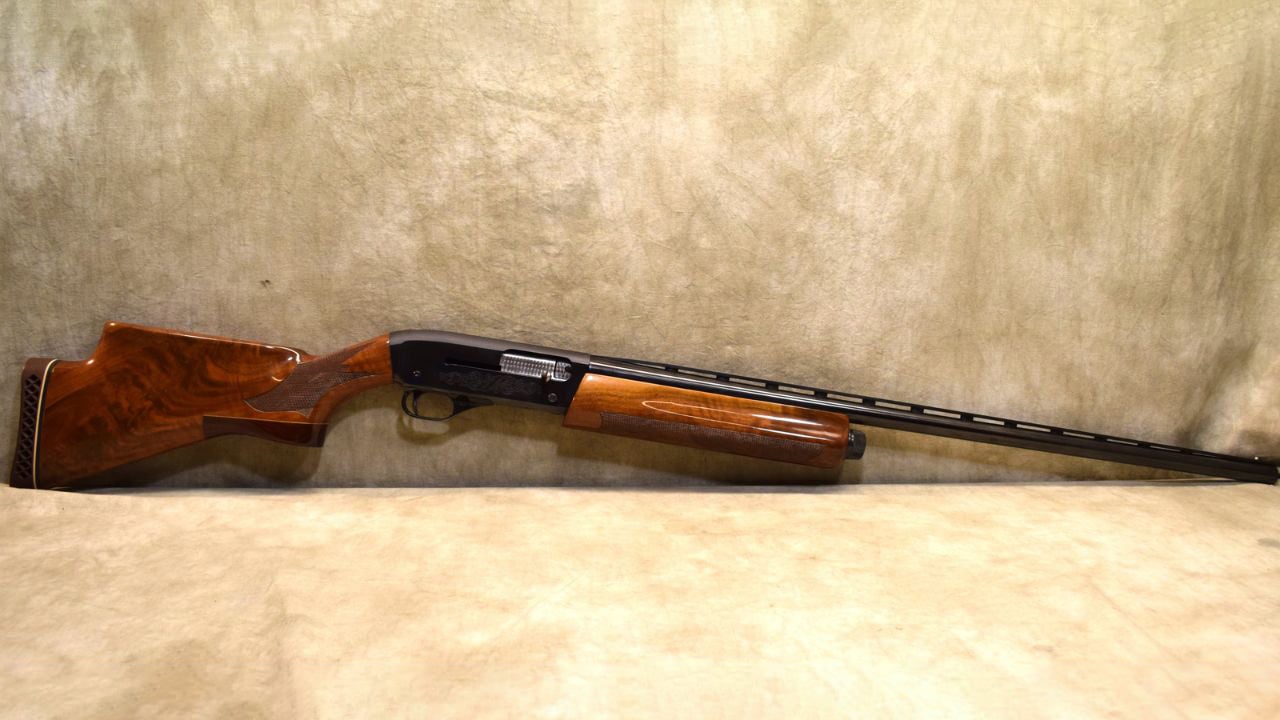
The SX1 is one of the most slept-on semi-autos at gun shows because it is older and not everybody recognizes it. The folks who do recognize it often assume it is going to be overpriced. Sometimes it is. But when you find one tagged reasonably, it is worth a serious look. These guns have a reputation for being built like tanks, and the balance is better than you would expect from something that feels so solid.
Condition is everything. Some SX1s have been shot hard on clays courses for decades, and parts availability is not like buying for a current production gun. You want to inspect the internals as much as the seller will allow and look for cracks, missing pieces, and sloppy maintenance. A good SX1 is a lifetime shotgun if you treat it right, and it has a “quality feel” that is hard to explain until you cycle one and shoulder it.
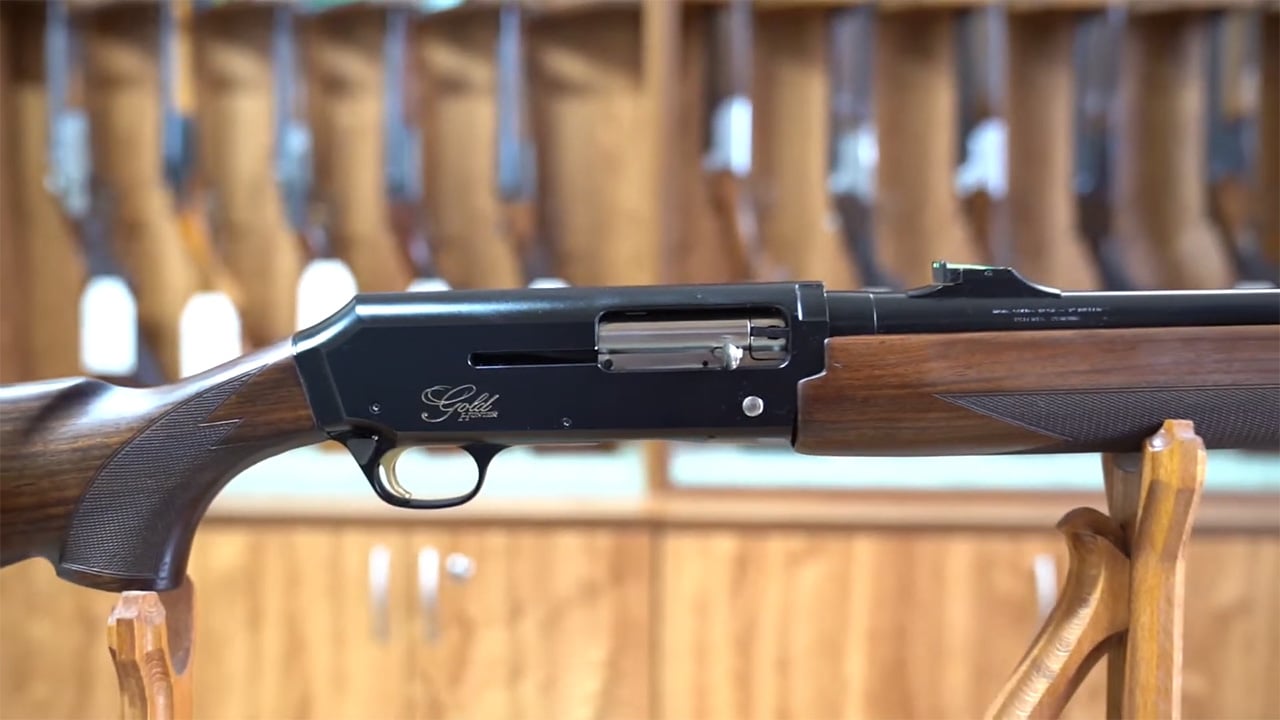
19. Browning Gold
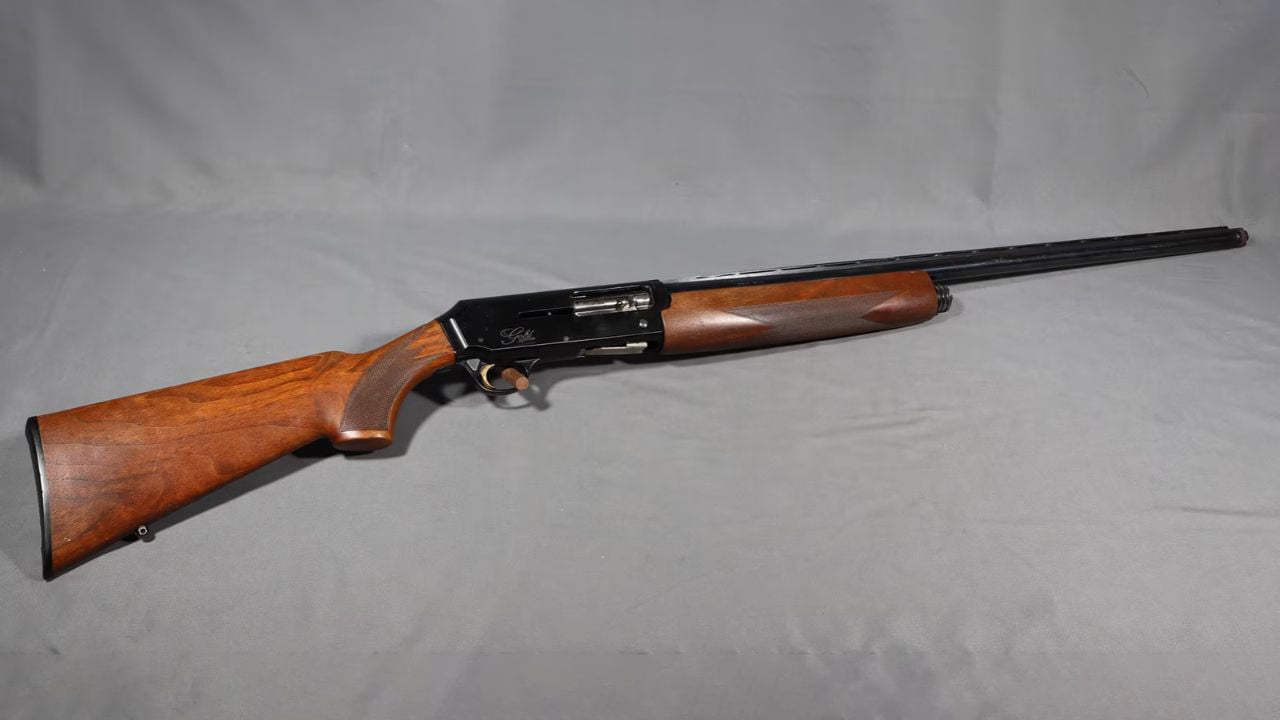
Browning Gold autos get passed over because they are not the newest A5 nameplate, and they do not get the same online spotlight as some other models. That is fine by me. The Gold is a soft-shooting gas gun that has put a lot of ducks and geese on straps, and it usually fits a wide range of shooters pretty well.
Like any gas shotgun, neglect is what kills the reputation. Check the gas system area for corrosion and heavy caked-on crud. If the seller says it “needs a special load to run,” be cautious, because that can mean it is just dirty or worn. When they are maintained, Golds cycle smoothly and do not punish you with recoil on long days. They are also often priced in that middle zone where you get a capable waterfowl semi-auto without paying for the newest marketing buzzwords.
20. H&R Pardner Pump (Remington 870 clone)
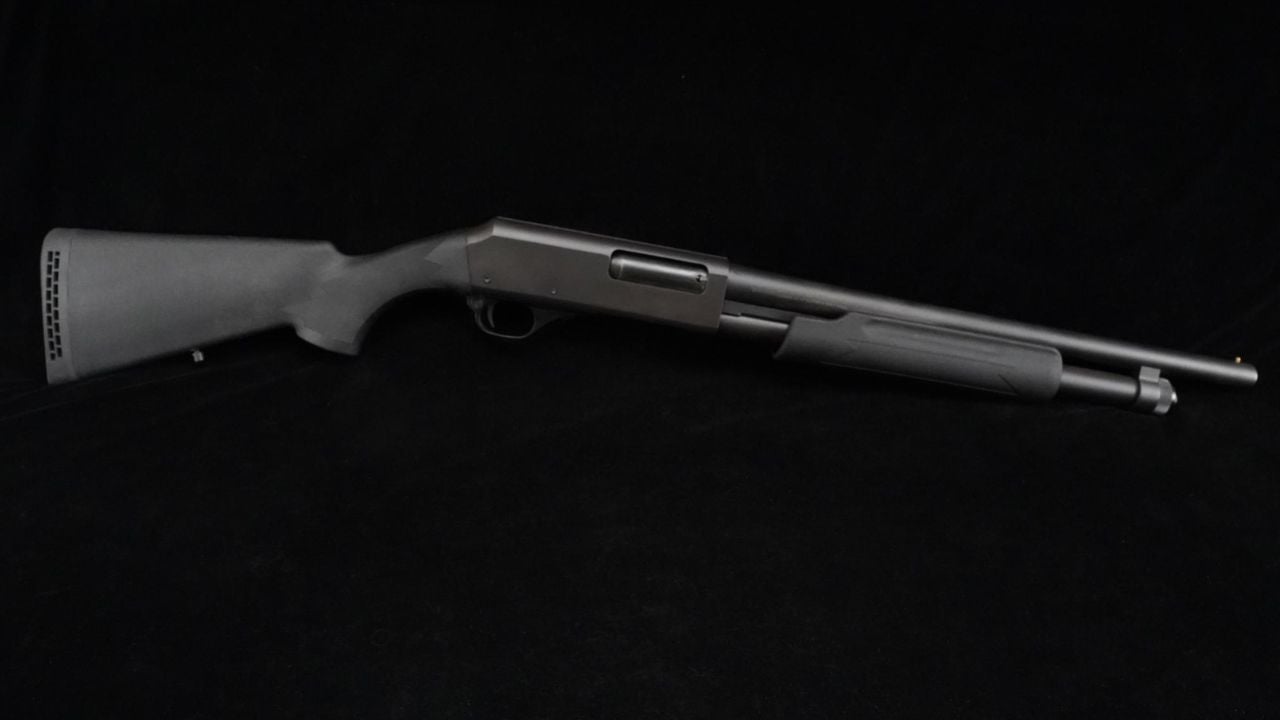
Gun show buyers love to talk about the Remington 870 like it is the only pump that matters, then they ignore the Pardner Pump sitting two feet away because it says H&R. The Pardner is not glamorous. The finish is usually utilitarian, and it is heavier than some expect. But as a basic pump that goes bang and runs, it has earned a place in a lot of cabinets.
The reason it belongs on this list is simple: it often gets you 90% of the 870 experience for a fraction of the price, especially on the used market. Not every part and accessory is a perfect swap, so do not assume total interchangeability, but magazines, barrels, and small details are not the point with this one. The point is having a dependable beater for the truck, the camp, or the muddy part of the season where nice guns suffer. There is value in that, even if it is not exciting.
If you want to do better at gun shows, slow down and pick up the “boring” shotguns. Shoulder them. Work the action. Look for honest wear versus abuse, and think about what you actually hunt, not what looks cool online. The best deal in the building is often the gun everybody else dismissed because they did not recognize the name, or because it looked like it had already done some work. That one hurts to miss when you realize what it was later.
Like The Avid Outdoorsman’s content? Subscribe to our newsletter so you never miss an article.
Here’s more from us: