
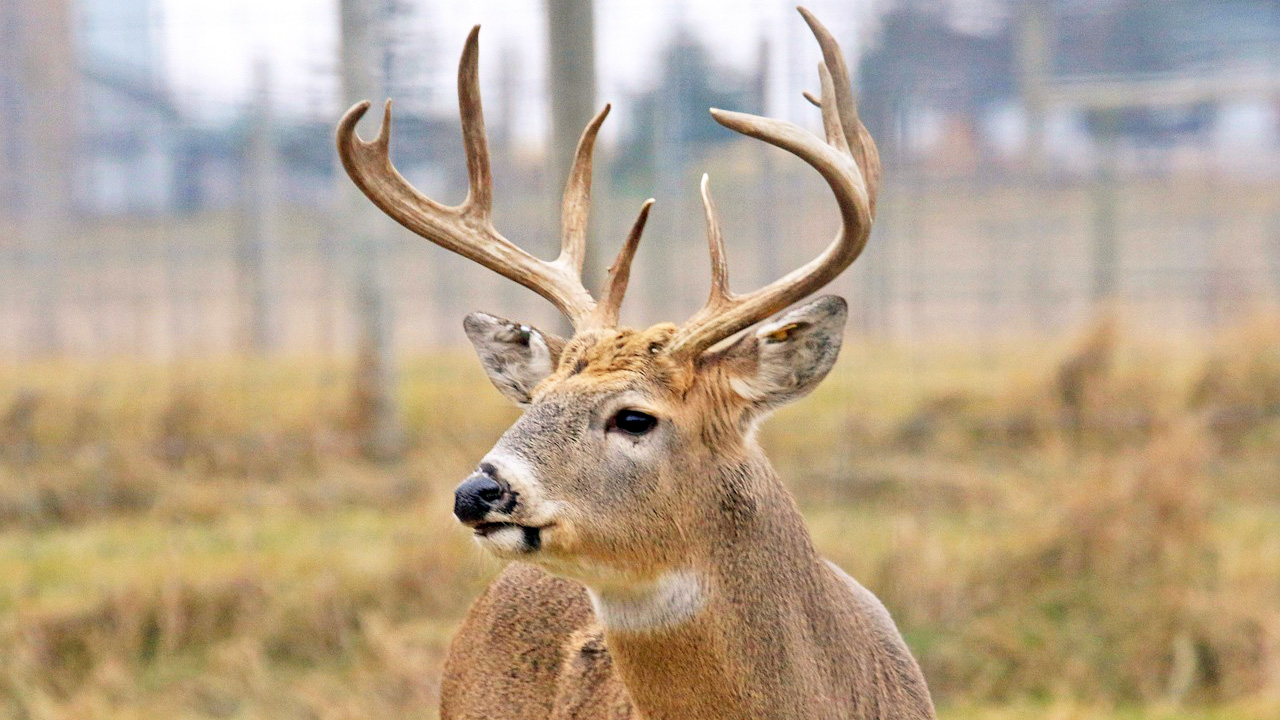
Photo credit: Linzmeier1/Pixabay.com
In a lot of the country, deer are doing fine — but the best opportunities are getting squeezed. Sometimes it’s a straight-up nonresident quota. Sometimes it’s a limited-draw “either-sex” permit for a hot unit. And in a bunch of states, the easiest way onto quality public land is a quota/permit hunt that takes luck (or points) to pull.
This list isn’t saying you can’t hunt deer in these states. It’s saying the tags people actually want — the ones tied to high-demand units, limited slots, or managed public-land hunts — are increasingly draw-based and competitive.
Iowa

Iowa is the poster child for “deer are there, but good tags take time.” The big factor is the nonresident system, which is capped and runs on a draw with preference points, so you’re not just buying your way in last-minute. That point system is baked into Iowa’s nonresident licensing setup, and the state publishes detailed instructions and quotas tied to nonresident deer licensing.
If you’re an Iowa resident, you’ve got options — but for nonresidents, it’s often a multi-year plan. That’s why Iowa keeps showing up in “dream trip” conversations: the whitetails are legit, the demand is constant, and the tag supply isn’t built to match everyone who wants in.
Kansas

Kansas is similar: solid whitetail hunting, but nonresident demand pushes the process into draw territory. Kansas lays out its deer applications and fees as part of a limited-draw framework, with an actual priority/points structure behind the scenes.
What makes Kansas feel “harder” isn’t that you can’t hunt deer at all — it’s that the hunts people travel for (good units, good timing, and access) get stacked with applicants. If you’re trying to line up a specific unit and weapon window, you’re playing the application game, not the “buy a tag and go” game.
North Dakota

North Dakota is one of those states where you look at deer in the field and think it should be easy… then you hit the lottery reality. ND Game and Fish runs multiple hunting lotteries, and even their nonresident licensing info spells out “Deer Gun (1st Lottery)” structure.
On top of that, nonresident allocations can be tight for certain opportunities. When you’ve got limited numbers and a lot of interest, a lottery is inevitable — and that’s exactly the kind of system that makes a “good deer state” feel like a long shot if you’re chasing a specific season or tag type.
South Dakota

South Dakota has plenty of deer hunting, but it also has a clear lane of limited draw licenses — including very specific programs like municipal archery deer and other access-based hunts that are capped and assigned by draw.
The practical deal is this: the more a hunt is designed to control pressure, manage safety, or concentrate effort where deer are thick, the more likely it becomes draw-based. If you’re trying to get into those controlled situations — the ones that can be ridiculously productive — you’re not just showing up. You’re applying.
Montana

Montana is a great example of “there are deer, but the system is built around drawings.” Montana Fish, Wildlife & Parks lists multiple deer license/permit paths as available via Special Drawing, including combo licenses and permits.
That doesn’t mean every deer hunt in Montana is a unicorn tag. It means the moment you get into the higher-demand structures (combination licenses, certain permits, certain access paths), you’re in draw country. If a guy says “I’m going to Montana for whitetails” and he wants it clean and predictable, he’s usually planning around the draw calendar.
Minnesota

Minnesota is sneaky about this because plenty of areas are straightforward, but lottery/permit rules kick in hard depending on the deer permit area. Minnesota’s own licensing descriptions point out that you must apply for antlerless permits in lottery areas.
So a hunter can look at Minnesota as “easy” or “complicated” depending on where he’s trying to hunt. In some places, the deer numbers can be strong and the tags aren’t the barrier. In others, the regulation structure is specifically built to manage harvest — and that’s where you see the “tags are harder to draw” side show up.
Florida

Florida isn’t just about deer — it’s about permit structure on public land. The state runs limited entry/quota systems where you apply and draw for access to managed opportunities, including quota hunts.
This is where Florida gets frustrating for people who aren’t used to it: you can have deer around, you can have great habitat, and you still can’t just pick a WMA and assume you’re hunting the prime dates. The good windows and popular areas often run through a draw system because that’s how they keep pressure from turning into a circus.
Georgia

Georgia straight-up defines quota hunts as a set number of hunters participating in managed hunts, and they publish deer quota hunt details as part of normal hunting life.
If you hunt Georgia hard, you already know what that means: lots of deer opportunities exist, but the hunts that feel “high quality” on public land — better timing, controlled numbers, safer pressure — often run through the quota system. That’s how you end up in a state with plenty of deer where the public-land tags you really want still take a draw.
North Carolina

North Carolina is built around a permit hunt structure for certain opportunities, and the state explains its permit hunting program as a managed system for special areas and big game opportunities.
A clean example is how some refuge/game land deer permits are explicitly issued by lottery through that program. So even if deer are around, the access and dates are controlled — and that’s the whole point. The better the property and the better the hunt window, the more likely you are to be filling out an application instead of grabbing a tag at the counter.
Virginia

Virginia is another state where deer are plentiful in a lot of places, but the state also runs quota hunts and even specific add-on tags through quota drawings on certain WMAs. Virginia DWR’s quota hunt pages include deer-related drawings with hard caps (like limited antlerless tags on specific WMAs).
That’s the pattern: the more the agency wants to control harvest and pressure on a piece of public dirt — especially close to population or in sensitive habitat — the more that hunt shifts into “apply and draw.” Virginia has the deer, but the best-managed public opportunities are often competitive.
New Jersey

New Jersey literally explains that to enter a lottery, you submit an application (online or at an agent) and pay an application fee — because permits and special opportunities can be lottery-based.
This is one of those states where “deer are thick” can be true and “tags are competitive” can also be true, because the limiting factor is often access and control, not deer numbers. Controlled hunts, special permits, and managed areas exist for a reason — and they’re usually capped, which means you’re rolling the dice to get the slot.
Maryland
Maryland has a heavy emphasis on managed/controlled deer hunting in certain settings, and the state provides structures around managed hunts and access.
And when access is limited, lotteries show up. Maryland DNR has hunting-tract systems and lottery frameworks tied to public land opportunities. So you can absolutely hunt deer in Maryland — but if you want the organized, controlled setups that can be extremely productive (and often safer), the “getting in” part may be the hardest part.
Pennsylvania

Pennsylvania’s whitetail hunting is a way of life, but the “harder to draw” angle shows up around managed opportunities and special access, not the basic statewide license. Where PA (and many states like it) gets competitive is when you’re trying to hunt the highly managed properties, special programs, or tightly controlled situations where hunter numbers are capped for safety and results.
That’s why this state stays in the conversation: deer hunting is widespread, but the most controlled, high-demand opportunities — the ones guys talk about quietly — tend to come with applications, deadlines, and limited slots. (And if you’ve hunted the Northeast long enough, you know those are the hunts that can feel the most “worth it.”)
Wisconsin

Wisconsin is another state with a strong deer culture where “harder to draw” usually isn’t about a basic tag — it’s about where you want to hunt and how controlled the opportunity is. When you get into managed hunts near population centers, special access properties, or pressure-controlled public situations, the process often shifts from “buy” to “apply.”
If you’re chasing the type of spot where pressure is capped and deer movement stays more natural, you’ll keep running into the same truth: high-demand access and controlled hunter numbers mean somebody has to get left out — and that’s where drawings and permit structures start shaping the season.
Tennessee

Tennessee’s general deer hunting is accessible, but the “harder to draw” side typically shows up around managed properties and special opportunities where hunter numbers have to be controlled. That’s a common thread in Southern states with strong deer numbers: the limiting factor isn’t deer, it’s people and pressure.
If you’re trying to hunt the kind of place where the state wants to keep things organized — tighter safety rules, better hunt quality, limited crowding — you’ll see permits, managed hunt periods, and restricted slots. That’s when a deer-rich state starts feeling like you need luck on top of skill.
Like The Avid Outdoorsman’s content? Subscribe to our newsletter so you never miss an article.
Here’s more from us:


