Photo credit: Diego Delso, CC BY-SA 4.0/Wiki Commons
Bird feeders are one of the most reliable “easy calories” attractants a black bear can find in a neighborhood. Wildlife agencies and BearWise programs keep repeating the same message because it works: when bears are active, take feeders down, clean up spilled seed, and store seed indoors—otherwise you’re basically training bears to check porches and decks for food.
This list focuses on states where bear activity overlaps heavily with backyards and where agencies regularly warn that bird feeders are a leading driver of bear conflicts. In other words: these are the places where feeder raids aren’t a rare story—they’re a seasonal pattern.
Connecticut

Connecticut might be the clearest “bird feeder = bear magnet” state in the Northeast right now because the conflict volume is so high and so well documented. DEEP and Connecticut Audubon have repeatedly urged residents to take feeders down by mid-March (earlier in mild weather) and keep them down until late fall, specifically because feeders and spilled seed keep pulling bears into yards.
If you want a quick read on why feeders get hit so hard there: DEEP reporting and local coverage have pointed out that bird feeder conflicts spike hard in March and stay high through summer, with bird feeders and unsecured trash sitting at the top of the conflict list. Once bears learn a yard has seed, they don’t just hit that one feeder—they start working the neighborhood like it’s a buffet line.
New York

New York has been consistent for years about the “April 1” cutoff. NYSDEC guidance tells residents in bear country to take feeders down and clean up seed by April 1 as bears come out hungry, because that easy food is what turns a passing bear into a repeat visitor.
Upstate, especially, has the exact setup that creates feeder raids: thick cover near homes, lots of natural travel corridors, and plenty of back decks with seed. Bears aren’t raiding because they’re “mean”—they’re raiding because it’s the highest-calorie meal they can get with the least effort. A feeder is basically a fast-food drive-thru for a bear.
New Jersey

New Jersey DEP has been very clear: if you’re going to feed birds at all, do it only from Dec. 1 to April 1, in daylight, and bring feeders in at night—then suspend feeding once bears are active. That guidance exists because backyard conflicts are common enough that NJDEP pushes the message hard every spring.
Jersey is also a great example of why “just my feeder won’t matter” is wishful thinking. One bear that figures out feeders in a subdivision will often start looping through multiple yards looking for more. So even if you hang your feeder smart, your neighbor’s spilled seed can still keep a bear working the block.
Massachusetts

MassWildlife’s guidance is blunt: remove bird feeders at the first sign of bear activity, and don’t leave empty feeders out, because even “empty” still smells like food to a bear.
Massachusetts is another state where bears and people are sharing the same patchwork landscape—woods, wetlands, subdivisions, and backyard edges. That creates a steady stream of “my feeder got wrecked overnight” stories every spring. Once bears get food-conditioned around homes, the problem grows legs fast, because they stop acting like wild bears and start acting like opportunistic night raiders.
New Hampshire

New Hampshire Fish and Game literally tells people to take down, clean, and put away feeders by April 1—and even earlier in parts of the state—because bird feeders and unprotected poultry keep driving bear-human conflicts.
This is the classic pattern: early spring warms up, bears wake up looking for fast calories, and the first thing they find is a feeder that’s been hanging all winter. Once a bear gets rewarded, it’ll come back. And if it comes back, it’s going to test everything else too—trash, grills, chicken coops, and whatever smells edible.
Vermont

Vermont has had enough spring bear activity that messaging about removing feeders has become a yearly ritual. Vermont Fish & Wildlife guidance—reported widely in-state—has urged people to take feeders down and keep them stored until winter to avoid attracting bears, especially when bears emerge earlier than usual.
Vermont is full of “bear-friendly” travel corridors near homes: wooded edges, brushy draws, and easy cover. A feeder raid there is rarely a one-off event. It’s more like a reminder that if you live anywhere near cover, you’re in bear country—even if your yard feels like “just a neighborhood.”
Maine

Maine Inland Fisheries & Wildlife includes bird feeders right in its “avoid bear conflicts” checklist: take feeders down, store seed and feeders indoors, and rake up spilled seed. They also call out the neighborhood reality—getting neighbors on board matters because bears don’t respect property lines.
Maine has a lot of rural and semi-rural housing tucked into heavy cover, which is prime for feeder raids. The feeder isn’t just calories—it’s a pattern. If the bear learns “this house has food,” it’ll keep checking, and it’ll teach other bears that homes are worth scouting.
Pennsylvania

Pennsylvania has a big bear footprint, and the state’s own materials point straight at bird feeders as a core attractant. A Pennsylvania Game Commission brochure on urban bear research notes that removing attractants like bird feeders and unsecured garbage is typically the first step in resolving nuisance bear problems.
This is why feeders get hammered in PA: you’ve got bears living close to people, and you’ve got people feeding birds like it’s harmless. It’s not “feeding bears on purpose,” but it’s still feeding bears. And once a bear starts hitting feeders, it often escalates into porch damage, ripped screens, and trash raids because it’s already been rewarded for being bold.
Virginia

Virginia DWR gets specific on timing: it’s best not to put out bird feeders between April 1 and November 1, and if a bear gets into your feed, you may be required to take the feeder down for weeks.
Virginia is a perfect feeder-raid state because you’ve got a lot of people living right on the edge of bear habitat—mountain towns, wooded subdivisions, and plenty of creek-bottom corridors. If a bear learns that back decks produce calories, you’ll see the same bear—or multiple bears—making the rounds once natural foods dip or competition rises.
West Virginia

West Virginia DNR’s “BearWise” messaging is exactly what you’d expect from a state that deals with consistent backyard bear conflicts: secure food and trash, remove bird feeders when bears are active, never leave pet food out, and alert neighbors.
What makes WV tough is how quickly a small mistake becomes a neighborhood issue. One feeder left up becomes a bear’s reason to keep circling. Then it’s not just the feeder—now it’s trash cans, grills, and sheds. The bear isn’t “thinking like a criminal.” It’s thinking like a hungry animal that just learned where easy calories live.
North Carolina

North Carolina Wildlife Resources Commission guidance has included removing bird feeders as part of its spring “encounters increase” warnings, because bird feeders can pull multiple species into closer contact with people—including bears.
Western North Carolina is the obvious hot zone, but feeder raids can happen anywhere bears roam near neighborhoods. And the reason feeders get hit so hard in spring is simple: bears want quick calories after winter, and seed is basically a bag of energy hanging at bear height.
Tennessee

Tennessee has enough “bear in town” moments—especially in the east—that TWRA warnings about removing bear attractants routinely make the news. Local reporting has specifically cited TWRA advising people to remove bird feeders while bears are active to prevent attracting them into yards.
Tennessee is another state where the feeder is often the first domino. The bear comes for seed, gets rewarded, and then starts checking for the next reward. That’s why the smartest move isn’t “make the feeder stronger.” It’s remove the reason the bear keeps showing up.
Colorado

Colorado Parks and Wildlife flat-out warns that bird feeders can turn into “bear feeders,” and recommends removing them spring through fall to avoid creating conflicts—because once bears discover feeders, they start checking homes in the area for more.
Colorado’s mountain towns and Front Range interface areas are built for these conflicts: heavy recreation, lots of homes in bear habitat, and plenty of backyard food smells. If you want to reduce the odds of a bear wrecking your feeder (and your deck), CPW’s playbook is straightforward: take feeders down during peak bear season and clean up every bit of spilled seed.
Florida
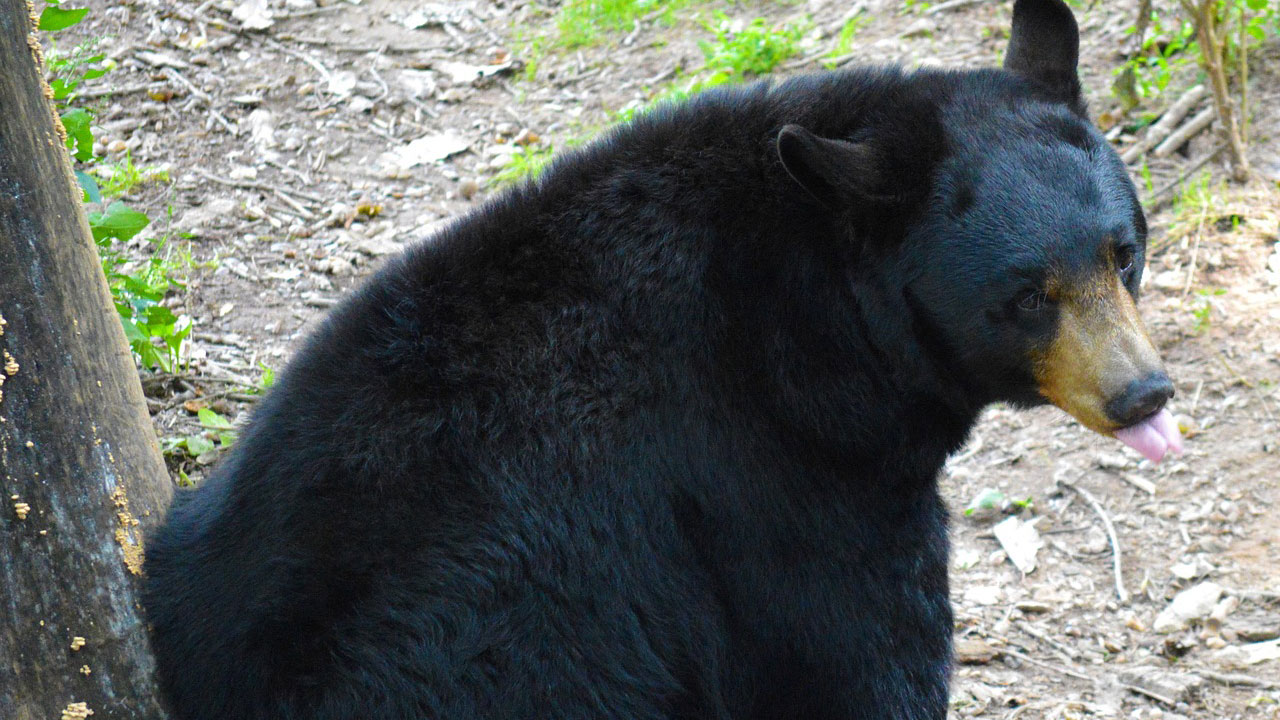
Florida’s bears don’t get the same “mountain town” spotlight, but Florida Fish and Wildlife still tells residents to remove or secure bird and wildlife feeders, and not to leave pet food outside, because those attractants pull bears into neighborhoods.
In many Florida areas, the conflict isn’t about snowmelt spring emergence—it’s about year-round opportunity. When bears have cover and people have easy food sources, they’ll test yards. Feeders are an easy win for a bear, and once that happens, the bear has a reason to keep working the same streets.
Minnesota

Minnesota DNR has been pushing the “remove bird feeders now” message in spring because bears come out looking for high-calorie snacks, and bird feeders are one of the easiest targets around homes.
Minnesota’s bear country overlaps with a lot of cabin life and edge-of-town living, which is prime feeder territory. A feeder raid there is also a reminder: even if you don’t see bears often, they may already be moving through at night. If you give them calories, you’ll start seeing them—because they’ll start coming back.
Like The Avid Outdoorsman’s content? Subscribe to our newsletter so you never miss an article.
Here’s more from us: