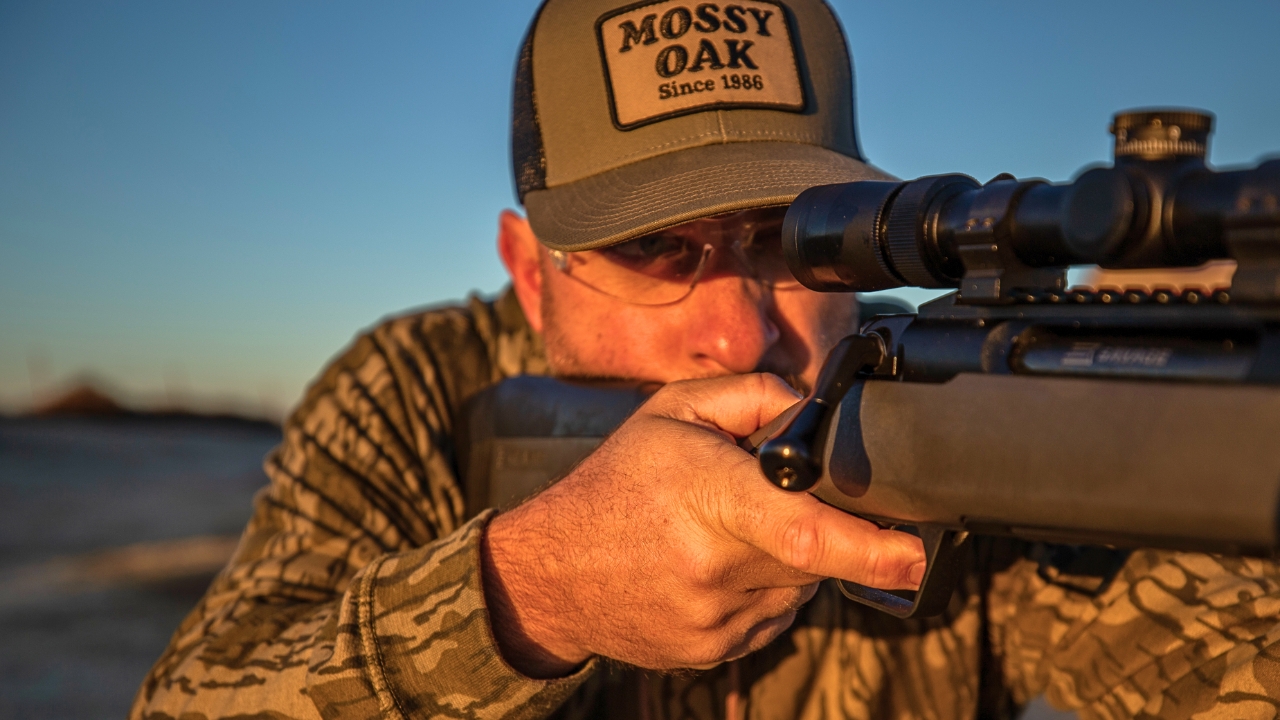
Photo credit: Savage Arms
If the hunting industry were nervous about 2026, it is doing a poor job of hiding it. The early-year signals coming out of trade groups, sales trackers and major events point in the opposite direction. SHOT Show 2026 closed with 2,744 exhibitors across more than 834,500 net square feet, according to NSSF, and the organization also said the show brought together more than 53,000 professionals from all 50 states and 126 countries. On the archery side, the Archery Trade Association did not scale back. It expanded. ATA Show Week in January added more programming and a public-facing Archery & Bowhunting Supershow, a move that looks much more like a growth play than a defensive one. Those are not small tells. When an industry believes the next season could be soft, it usually trims, simplifies and manages expectations. When it believes dealers and buyers are ready to engage, it tends to get louder, broader and more aggressive about launches and events.
Trade-show behavior is one of the clearest indicators
One of the strongest signs of rising confidence is how companies are using their biggest stages. NSSF’s recap of SHOT Show leaned hard into language about “big crowds, big deals” and innovation, which is not how trade groups usually frame an event if retailers are hesitant and brands are worried about weak demand. The official SHOT Show materials also emphasize the event’s size and global draw, underscoring that it remains the industry’s main place to introduce products, write business and test retailer appetite ahead of fall. ATA’s January rollout sent a similar message in archery and bowhunting, with Show Week and the new public supershow designed to create more energy around product launches and direct brand exposure. Put simply, the major events did not feel like industries hunkering down. They felt like industries trying to capture momentum while they had it.
Sales signals are improving in ways companies notice
Confidence is also getting help from hard numbers, even if they are not blowout numbers. February 2026 NSSF-adjusted NICS checks came in at 1,265,320, up 3.5 percent from February 2025, according to Shooting Industry. SGB Media, citing NSSF data, reported that adjusted checks had already risen 5.5 percent in January after a weaker close to 2025. That kind of modest but real improvement matters because it is easier for manufacturers and retailers to plan aggressively when demand is stabilizing or inching upward rather than slipping. It does not mean every hunting-related segment is booming in exactly the same way, but it does suggest the broader firearms market is giving companies fewer reasons to brace for another flat or uncertain year.
The suppressor market is adding to that better mood. ATF’s current posted processing times show eForm 4 approvals for trusts averaging 11 days, a massive break from the long waits that shaped suppressors’ old reputation. At the same time, NSSF said in January that a New Year buying surge suggested 2026 could become “the Year of the Suppressor,” while outside industry coverage noted the category’s sharp upswing at the start of the year. That matters because suppressors do not lift only one product lane. They also help sell threaded rifles, mounts, optics, barrels and ammunition, which gives brands several different ways to benefit from the same trend. When one piece of equipment starts creating spillover demand across the rest of a rifle setup, that is exactly the kind of development that makes an industry feel better about the season ahead.
The conservation and access story is still strong
Another reason the hunting industry sounds more confident is that its long-running conservation argument still has real financial weight behind it. The U.S. Fish and Wildlife Service announced in February that it was sending more than $1.2 billion in Wildlife and Sport Fish Restoration funding to states and territories. NSSF said nearly $804.8 million of almost $1.3 billion in total funds came directly from firearm and ammunition excise taxes, and the agency noted the money supports state fish and wildlife agencies through conservation grants and access-related work. That gives hunting and shooting groups a practical story to tell customers, lawmakers and partners: buying into the category still helps fund habitat work, hunter education and outdoor opportunity. In a year when brands are trying to keep hunters engaged, that is not just a talking point. It is part of the market’s backbone.
Why 2026 looks better than 2025 from inside the business
None of this means the industry has no concerns. Companies are still watching consumer spending, regulation fights and state-level tax pressures closely, and some January data showed the recovery was not perfectly even across every category. But the overall picture still looks firmer than it did a year ago. The biggest trade events expanded instead of retreating. Adjusted background-check numbers turned positive again. Suppressors moved from a niche headache to a growth story with faster approvals and broader product relevance. Conservation funding stayed strong enough to reinforce hunting’s value proposition beyond gear sales. Taken together, those are the kinds of signs that make manufacturers launch more boldly, retailers order more confidently and trade groups talk less about caution and more about opportunity. That does not guarantee a perfect 2026, but it does explain why the hunting industry sounds noticeably more sure of itself than it did last year.
Like The Avid Outdoorsman’s content? Subscribe to our newsletter so you never miss an article.
Here’s more from us: