Photo credit: PJeganathan, CC BY-SA 4.0/Wiki Commons
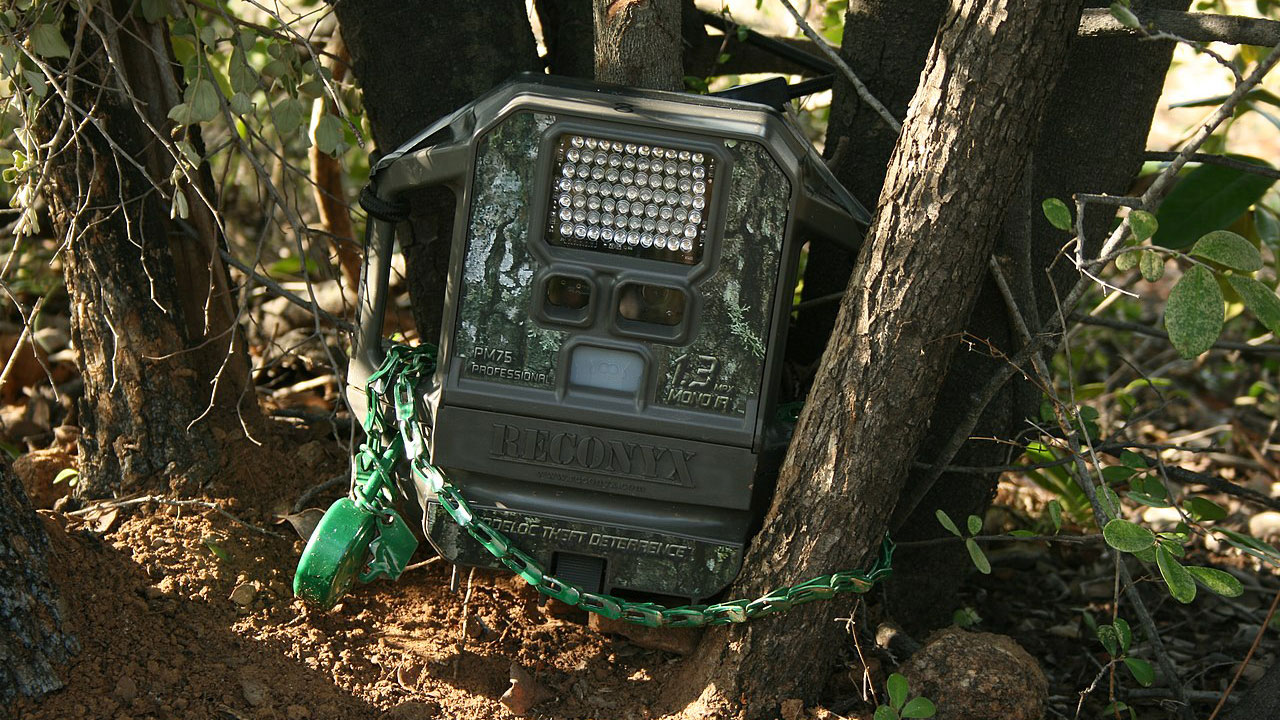
Trail cameras have gone from simple scouting tools to something a whole lot closer to surveillance gear, and game agencies have noticed. That is why trail-cam rules are all over the map now. In some states, the issue is transmitting images. In others, it is using cameras on public land at all during certain parts of the season. In some places, the camera itself is legal, but the way hunters use it is what crosses the line. That is where people get jammed up.
The part that gets hunters in trouble is assuming a trail cam is just another piece of gear, like a pack or a rangefinder. It is not. A camera can turn into a fair-chase issue, a public-land violation, a trespass problem, or a baiting case fast. If you hunt more than one state, or even more than one kind of public ground, you really have to slow down and read the rules before you strap one to a tree.
Assuming trail-cam laws are basically the same everywhere
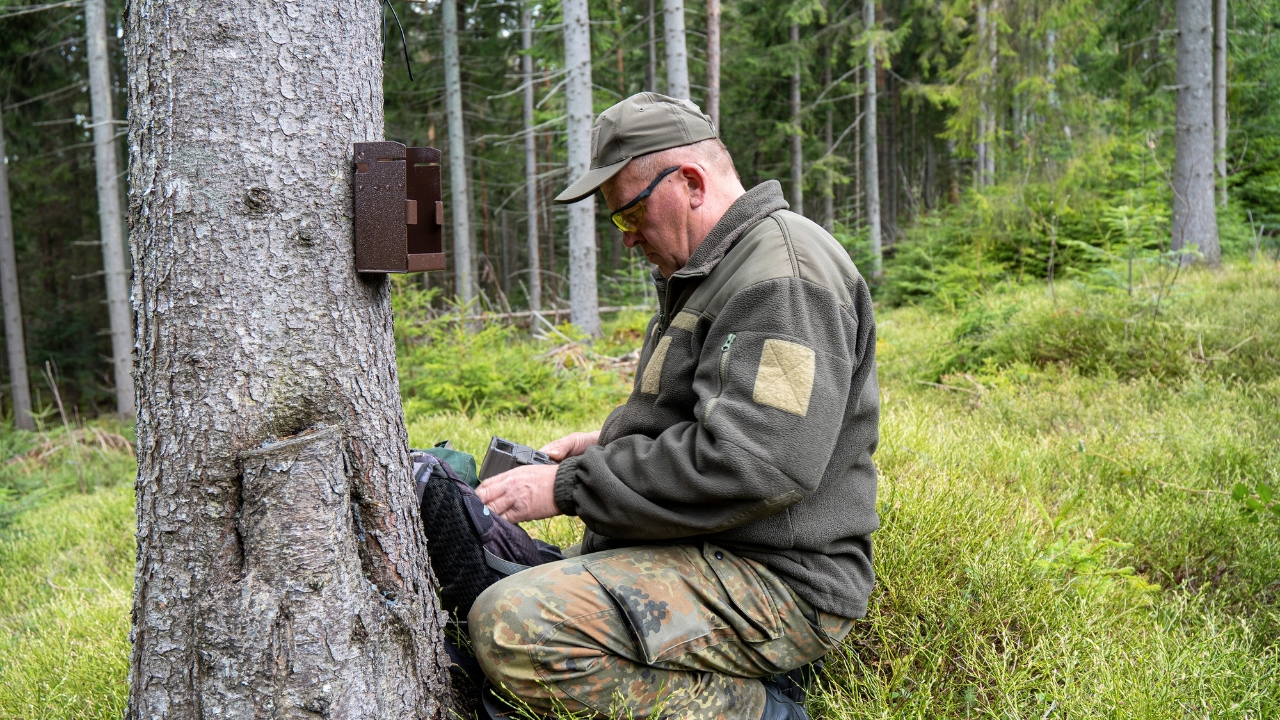
This is probably the easiest mistake to make, and it is the one that causes a pile of preventable tickets. Hunters get used to what is legal at home and assume the same setup is fine somewhere else. It is not. Arizona broadly bars using trail cameras or their images to aid in taking wildlife. Utah has seasonal restrictions on public land. Idaho has specific restrictions on transmitting cameras on public lands during part of big-game season. Kentucky allows trail cameras on WMAs and public hunting areas only if they are labeled with the owner’s customer ID number.
That means a camera setup that is perfectly normal in one state can be enough to get you cited in the next one. Hunters who travel for mule deer, elk, or whitetails get burned by this more than anybody. You cannot treat trail-cam rules like broad hunting folklore anymore. You need the actual regulation book or agency page for the exact state and unit you are hunting.
Using a transmitting camera where only non-transmitting cameras are allowed

A lot of hunters still talk about trail cameras like they are all one category, but agencies do not see them that way. The line often gets drawn between standard cameras that store images on the device and cameras that transmit those images through cellular or Wi-Fi capability. Wyoming’s regulations define “real time video photography equipment” and distinguish it from a camera that only stores images internally. Idaho now restricts transmitting trail cameras on public land during a key big-game window.
That matters because some hunters buy a cellular cam, leave the transmit features active, and never realize they are carrying the wrong tool for the place or season. It is not enough to say you were only using it like a regular cam. If the device falls into the regulated category, that is what the warden is looking at. Plenty of guys have learned too late that the feature list on the box matters.
Checking live images and then moving on an animal too fast
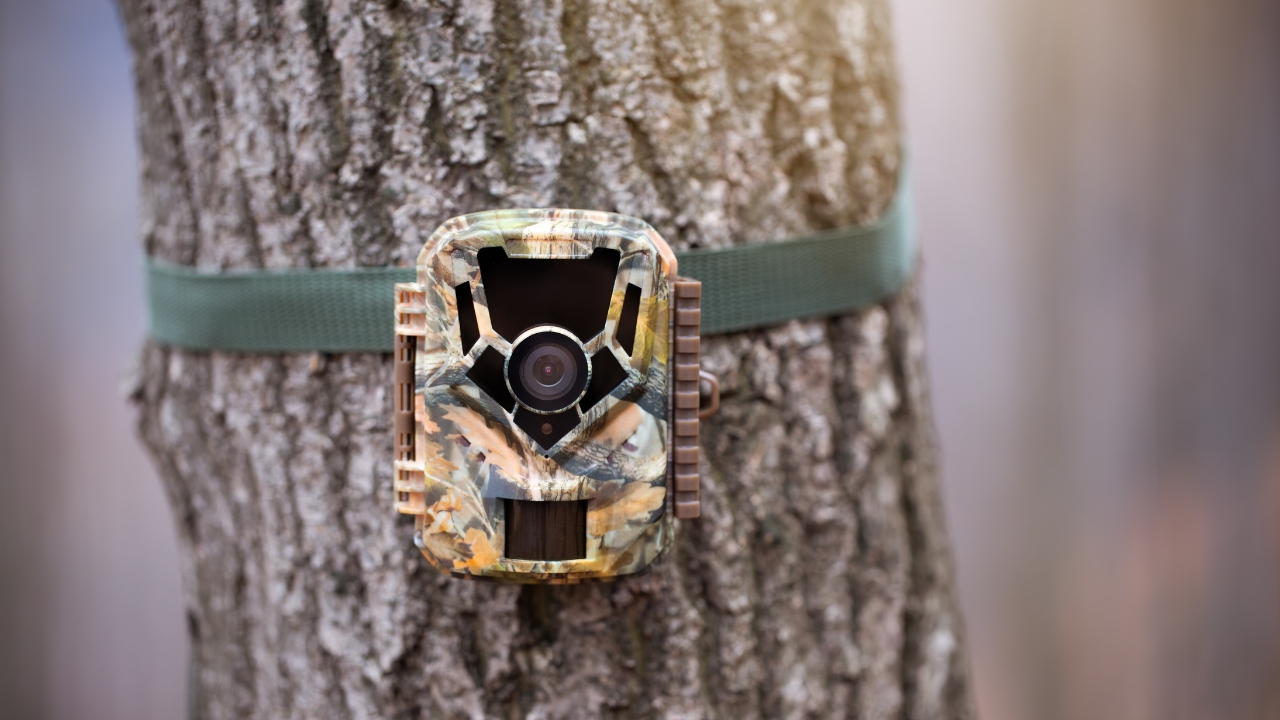
Even in places where cameras are not flat-out banned, agencies have gotten increasingly focused on whether hunters are using fresh or near-real-time information to take an animal. Arizona takes a very hard fair-chase stance on camera use for aiding in the take of wildlife, and Idaho’s recent restrictions on transmitting trail cameras during part of big-game season are built around the same concern.
This is where hunters talk themselves into trouble. They tell themselves they are just scouting, but they are really treating a cellular cam like a spotter sitting on the mountain for them all day. Once the camera becomes a tool for immediate decision-making instead of general patterning, you are getting into the territory agencies are actively trying to regulate. A lot of ticket stories start with somebody thinking the law only applied to the camera itself, not how fast they acted on the information.
Putting a camera on public land during a seasonal closure

Some hunters hear “trail cameras are legal” and stop reading right there. Then they miss the part that says they are not legal during a certain chunk of the season, or not legal on certain public lands. Utah’s 2025 big game field guide says trail cameras are prohibited on public land from July 31 to Dec. 31. That is a huge part of the scouting and hunting calendar, and it catches people who assume preseason use is fine if they beat opening day by a few weeks.
This kind of violation is especially easy because the hunter may have hung the camera well before the hunt and then simply forgotten the dates. Wardens do not care much that it was an honest oversight. If the camera is sitting there during the closed period, that is the problem. It is one of those mistakes that feels minor to the hunter but looks pretty clean-cut from an enforcement standpoint.
Hanging cameras on public ground without the required ID
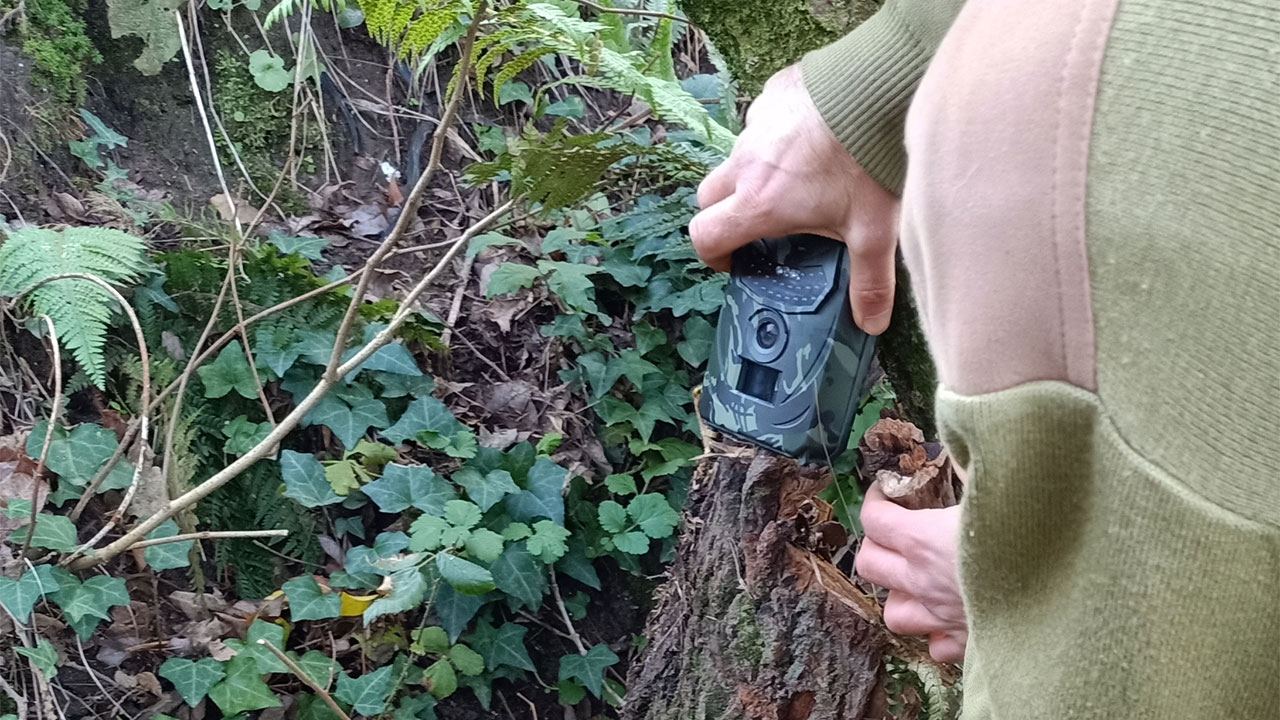
Labeling rules sound small until you realize they are often written plainly enough to make enforcement easy. Kentucky says trail cameras placed on WMAs or public hunting areas must be externally labeled with the owner’s Fish and Wildlife customer identification number. Indiana similarly requires a trail or game camera on certain DNR properties to be legibly marked with either the owner’s identifying information or the customer identification number issued by the department.
A lot of hunters skip this because they think it makes theft easier or because they assume a camera only needs their name scratched on the back. That is not always enough. If the rule says customer ID number, then that is what matters. This is one of those avoidable mistakes that turns a normal contact with a conservation officer into a ticket over something that would have taken thirty seconds to fix at home.
Mounting the camera in a way that damages the tree
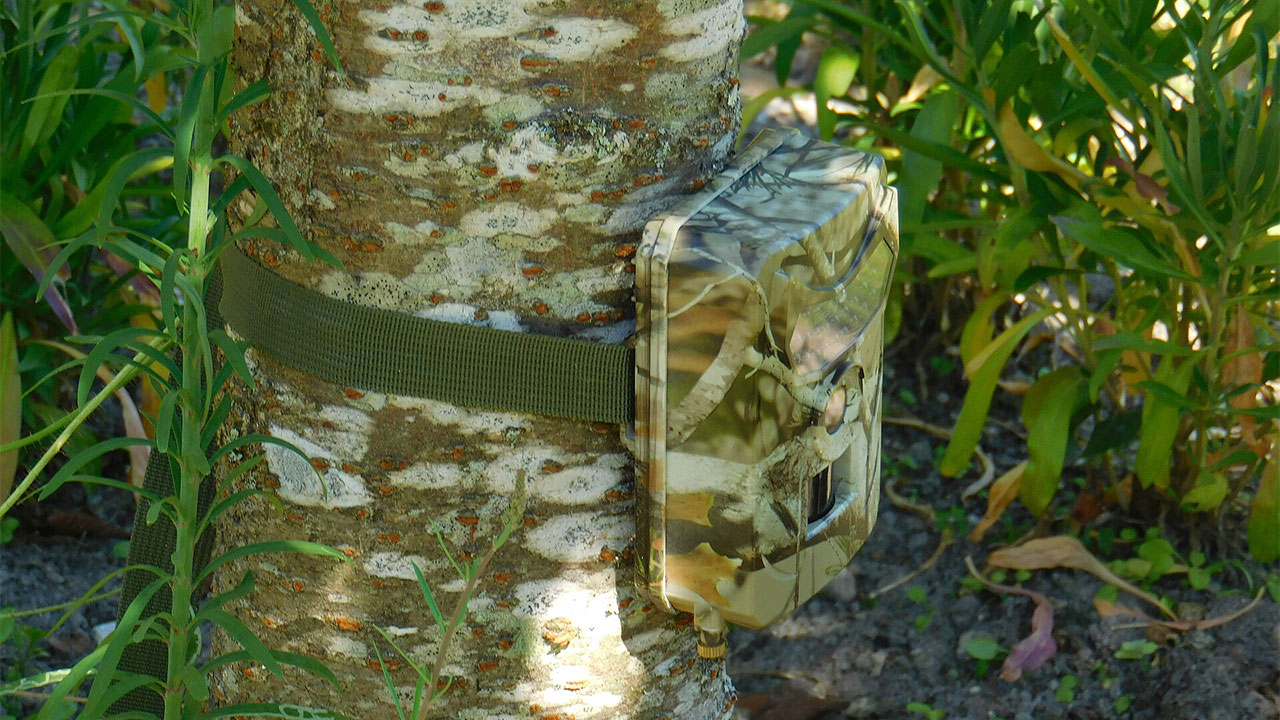
Most hunters are thinking about theft prevention, camera angle, and getting the right height. They are not thinking about what the bark looks like afterward. But on some public properties, how you attach the camera matters. Indiana’s property rules say placement of a trail or game camera must not damage a tree.
That means the old habit of running hardware into a tree, over-tightening straps, or doing whatever it takes to make the setup theft-resistant can turn into a rules issue. Hunters sometimes act like this is nitpicky, but agencies managing public ground are looking at cumulative damage from thousands of users. If the regulation says no tree damage, then a ratchet strap dug hard into bark or a screw-in mount can be enough to create a problem you did not think twice about while hanging the cam.
Setting cameras too close to trails, parking lots, or safety zones
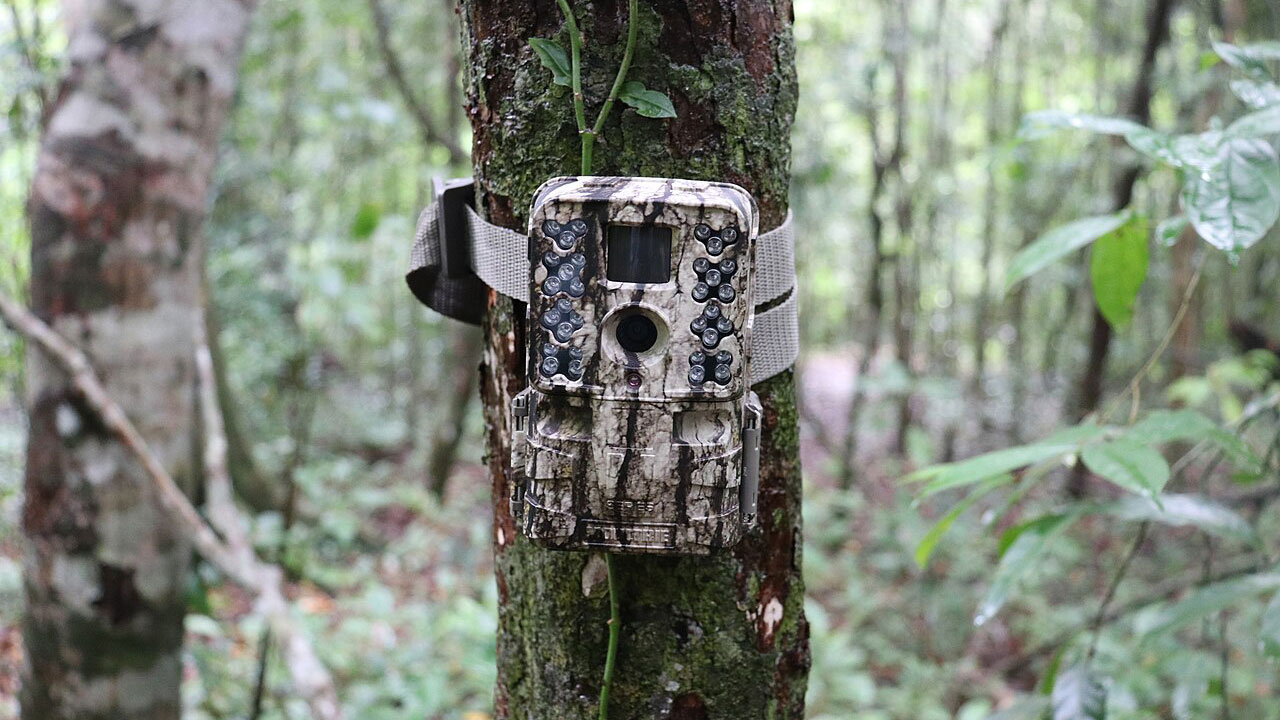
Public-land hunters love edges, funnels, and travel routes. The trouble is that good human access and good deer access often overlap. Indiana’s camera rule says cameras on eligible DNR properties must be at least 100 feet from designated trails or parking areas and not in designated safety zones, unless otherwise authorized.
This is the kind of thing that gets overlooked because the hunter is focused on where people enter and where deer peel off from that pressure. But if the rule gives a buffer, you do not get to argue that the camera was only a little too close or that you were trying to avoid theft. Public land comes with layout rules, not just wildlife rules. A camera in the wrong place can be illegal even if the camera itself would otherwise be lawful.
Using a camera to support illegal baiting
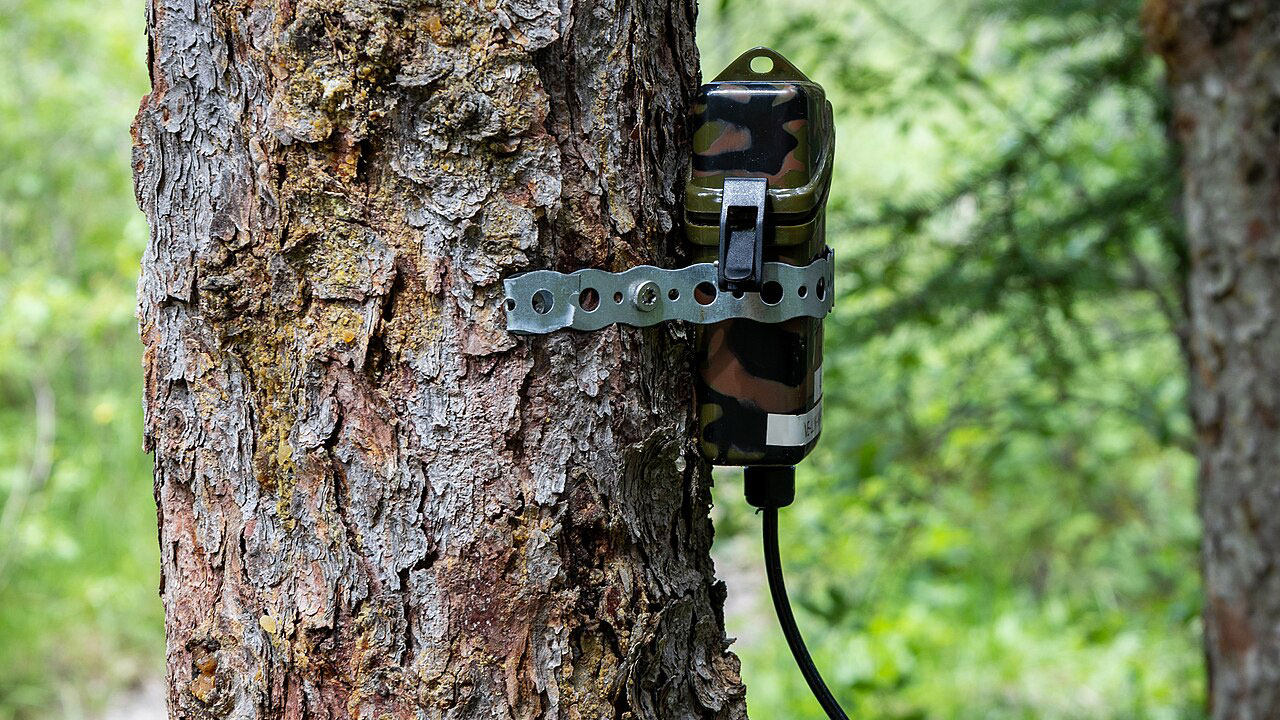
Trail cameras and baiting violations go together all the time because the camera is often the thing that proves the setup exists. Indiana flatly prohibits placing bait for wildlife on DNR property except for listed exemptions. Kentucky’s public hunting area rules also prohibit hunting over bait. Wildlife agencies have repeatedly tied trail-camera enforcement to illegal bait sites because cameras are commonly used to monitor them.
Hunters sometimes think the camera is harmless because it is just documenting what is happening. That is exactly the problem. If you hang a cam over a mineral site, feed pile, attractant, or anything that qualifies as illegal bait where you are hunting, you are not separating yourself from the violation. You are building evidence around it. A lot of cases get worse, not better, once the camera enters the picture.
Forgetting that public-hunting permits and area rules still apply
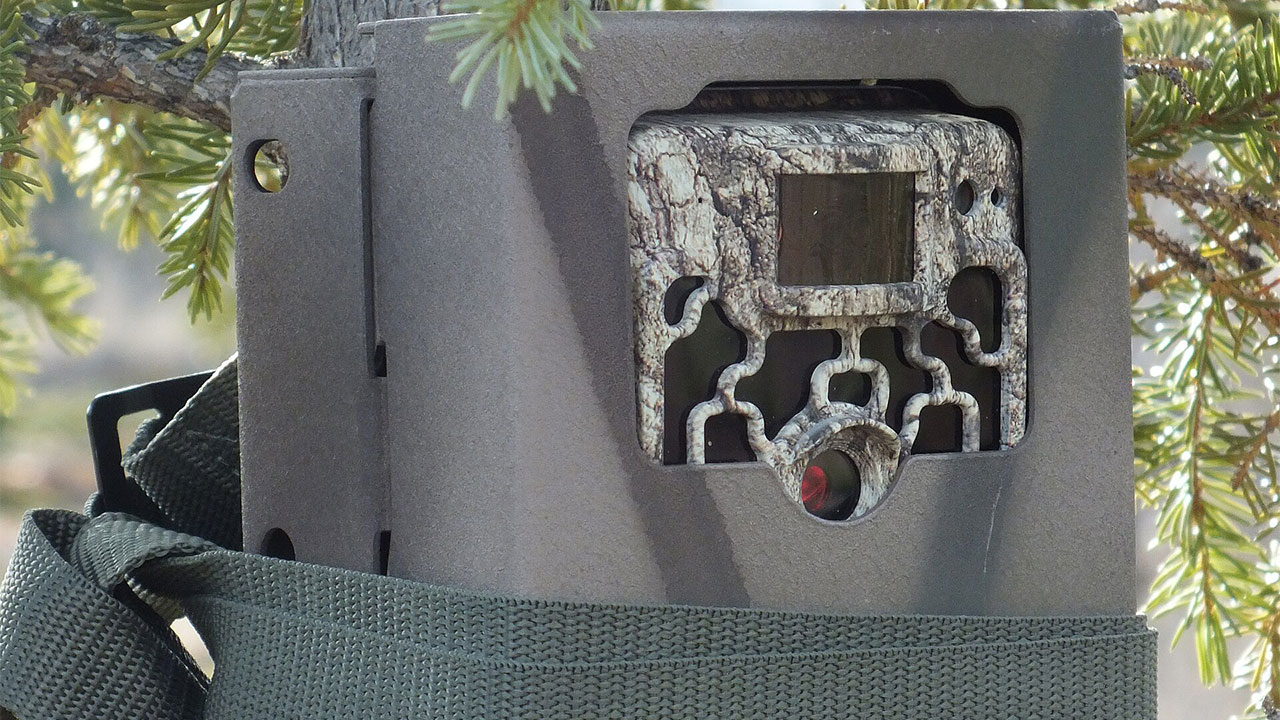
A camera might be legal, but the access itself can still be unlawful if you are not properly permitted on the land you are using. Texas makes this plain on public hunting lands: hunters generally need a hunting license and, for many public opportunities, an Annual Public Hunting Permit. That sounds separate from cameras, but it is not. If you are placing or checking a camera on public hunting ground without meeting the access requirements, you are already behind the eight-ball.
Hunters tend to think of trail cams as preseason gear and permits as in-season requirements. Agencies do not divide things that neatly. If the area has public-use rules, access restrictions, sign-in requirements, or permit requirements, those matter while scouting too. Plenty of guys learn that a camera does not give them some kind of informal claim to the area. If you are there illegally, the camera just helps document that fact.
Crossing private land to hang or check a camera on “public”
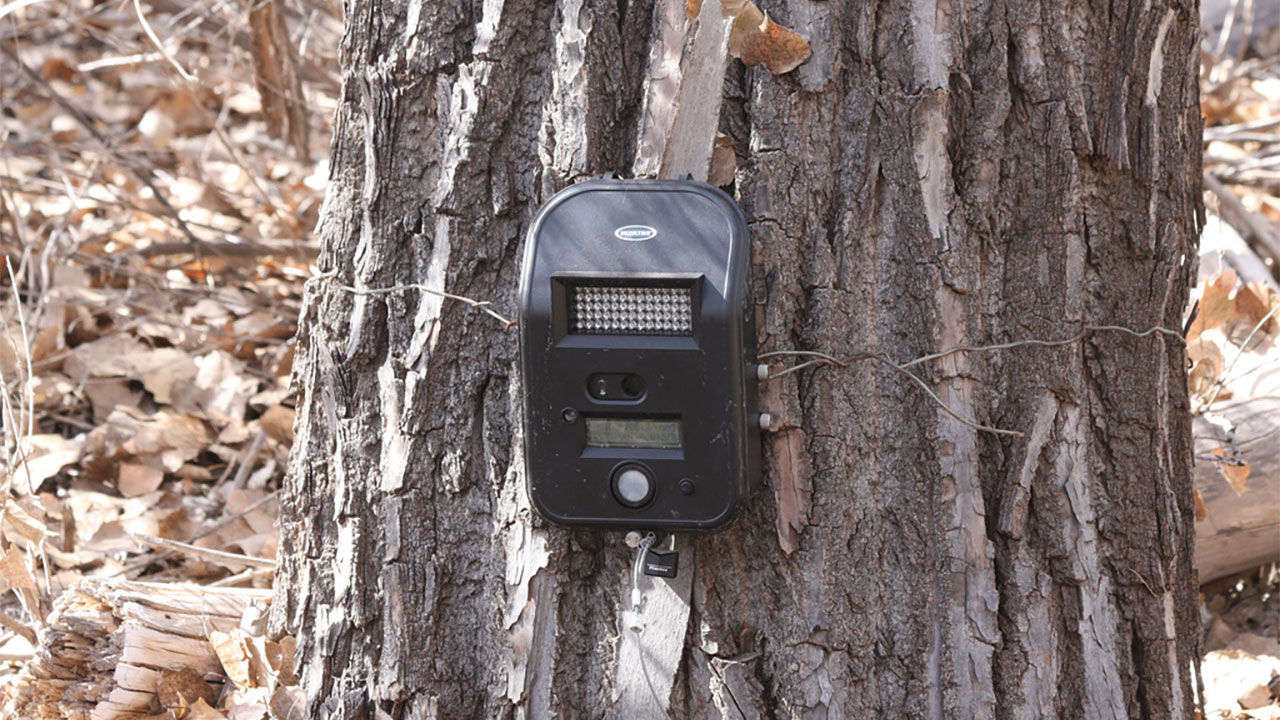
This one gets hunters into trouble every year, especially in places where public land is chopped up with private inholdings or rough boundaries. Minnesota’s DNR states plainly that you must have permission before entering private land, even to cross it to access public land inside a state forest.
The hunter’s logic is usually that the camera itself ended up on legal ground, so the route should not matter. That is not how trespass works. If you crossed a corner wrong, stepped through private to shave time off a walk, or parked where you should not have, you can still get cited. Trail cams make this worse because hunters often want the fastest check route possible, and that is exactly when people start cutting boundaries and convincing themselves it is no big deal.
Treating “special permission” land like ordinary public ground
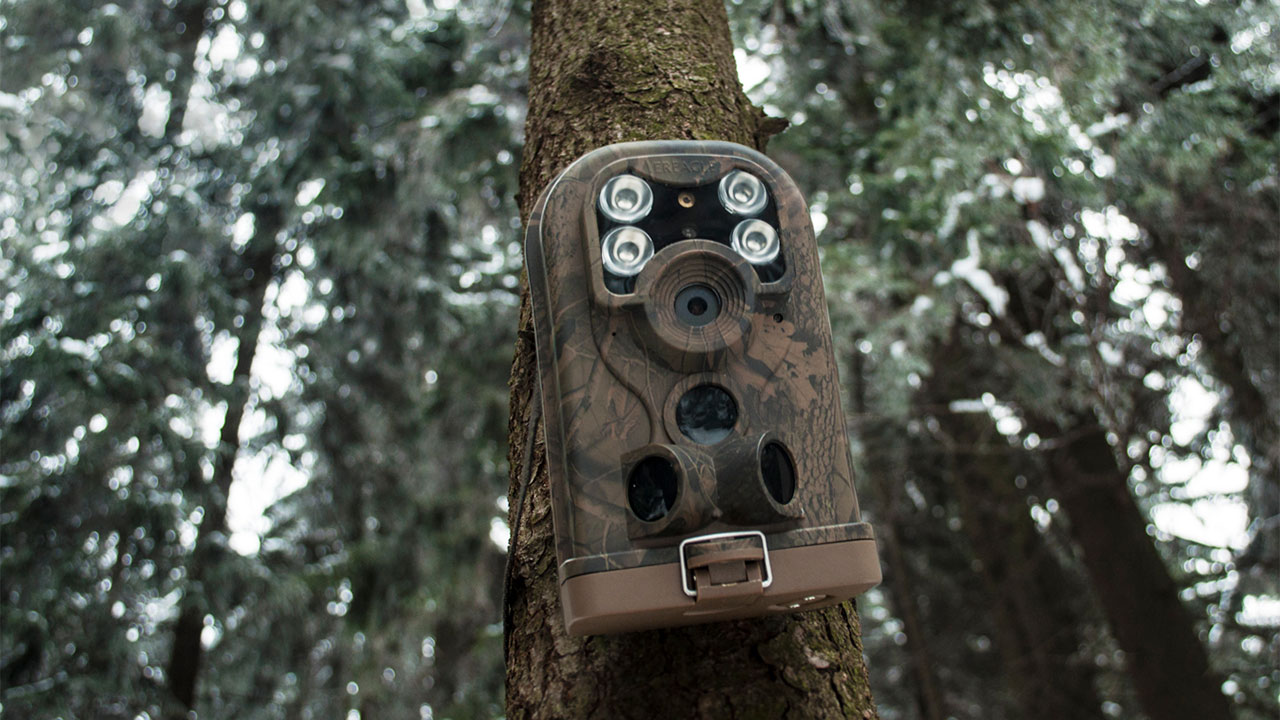
Not all public land is managed the same way. Minnesota’s DNR notes that some public-land camera placement may require special permission, depending on the location. That is a good reminder that wildlife areas, scientific and natural areas, refuges, and other public properties can have extra layers of rules beyond the broad state hunting regs.
Hunters get used to saying “it’s public” like that settles everything. It does not. Some public land is open to hunting but still has separate restrictions on devices, access methods, attachments to trees, off-trail travel, or research-related use. A camera on the wrong kind of public parcel can turn into a violation even if that same setup would be legal two counties over on a different agency’s ground. Public is not one category. That assumption is what gets people burned.
Using a camera to claim a spot that you do not legally control
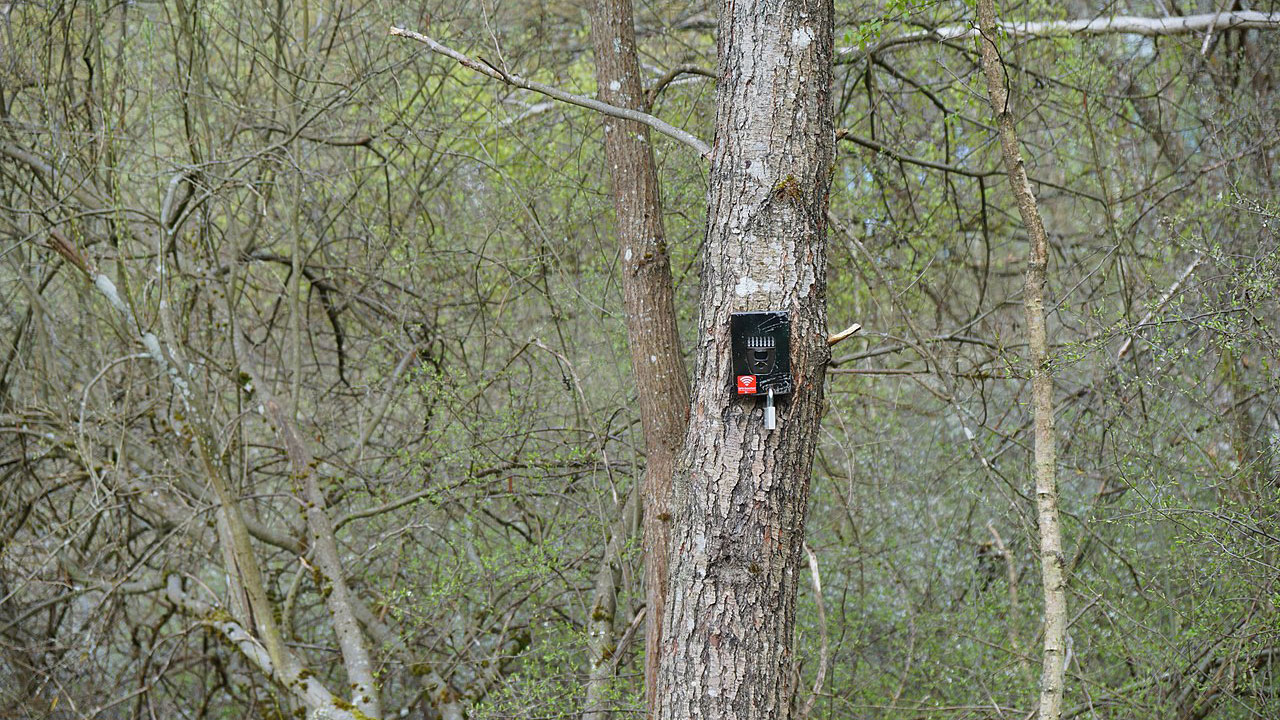
A trail cam is not a reservation sign, and it definitely is not a legal property marker. Hunters sometimes start acting like a camera gives them priority over a draw, crossing, pond edge, or tree line. It does not. This becomes a legal issue fast when the hunter places the camera in a way that breaks local property or public-area rules, or when the camera is used on land where permission was never actually granted. New Hampshire’s permission form for game cameras makes clear that camera use on another person’s land is a permission issue, not something the hunter gets to assume.
The ticket side of this comes when entitlement leads to bad decisions. A hunter hangs a camera on land they thought was okay, on a boundary they never really confirmed, or in a public area where cameras are restricted. Too many guys start thinking in terms of “my camera, my spot,” and that mindset causes sloppy legal thinking. The camera does not grant rights. It only exposes how solid your rights actually were.
Leaving a prohibited camera up because “I’m not actively hunting yet”
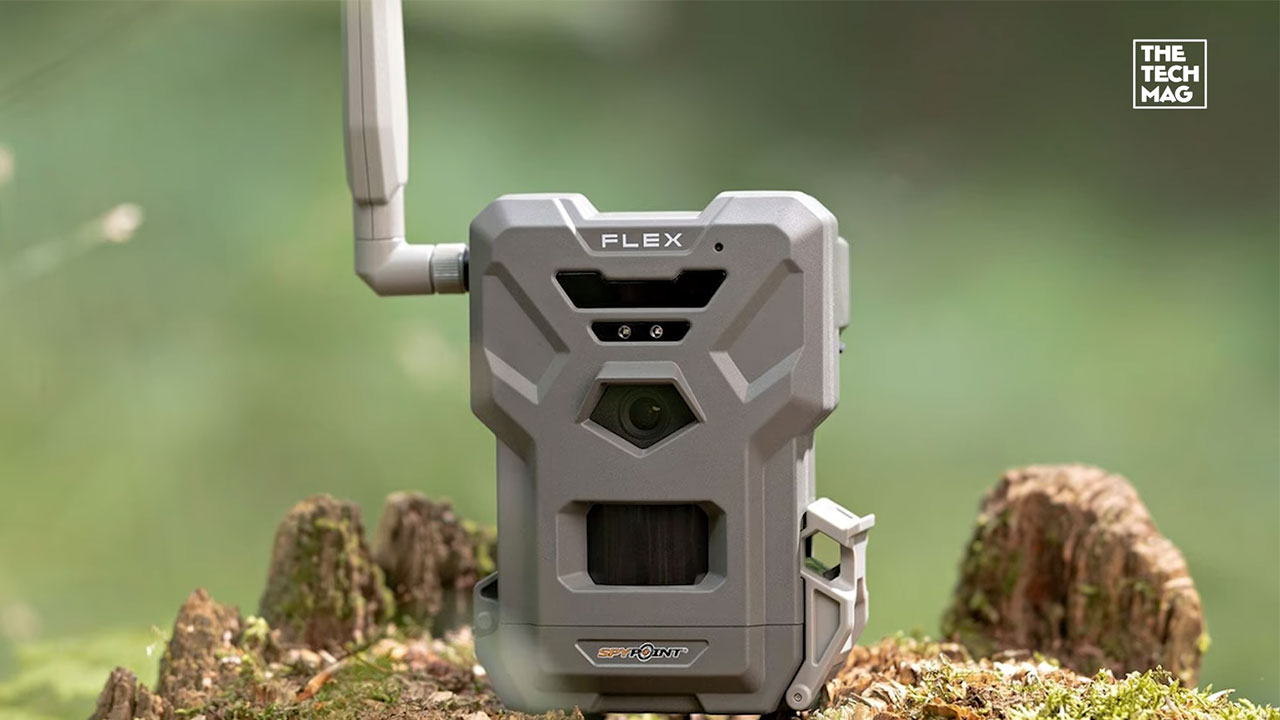
This excuse shows up a lot with early scouting and late retrieval. Hunters think the state only cares when they are physically carrying a bow or rifle. But agencies often regulate possession, placement, or use during specific periods, not just the exact moment of harvest. Utah’s public-land closure dates are a perfect example. If the camera is prohibited on public land during that date range, it does not matter much that you planned to pull it next weekend.
That is why calendar discipline matters with trail cams now. You need install dates, pull dates, and reminders just like you would for tag deadlines or draw applications. A lot of hunters get casual because the camera feels passive. Wardens do not view it that way. If the law says the device cannot be there, then it being forgotten, left out, or “only for scouting” is not much of a defense.
Thinking fair-chase rules only apply to big, obvious tech
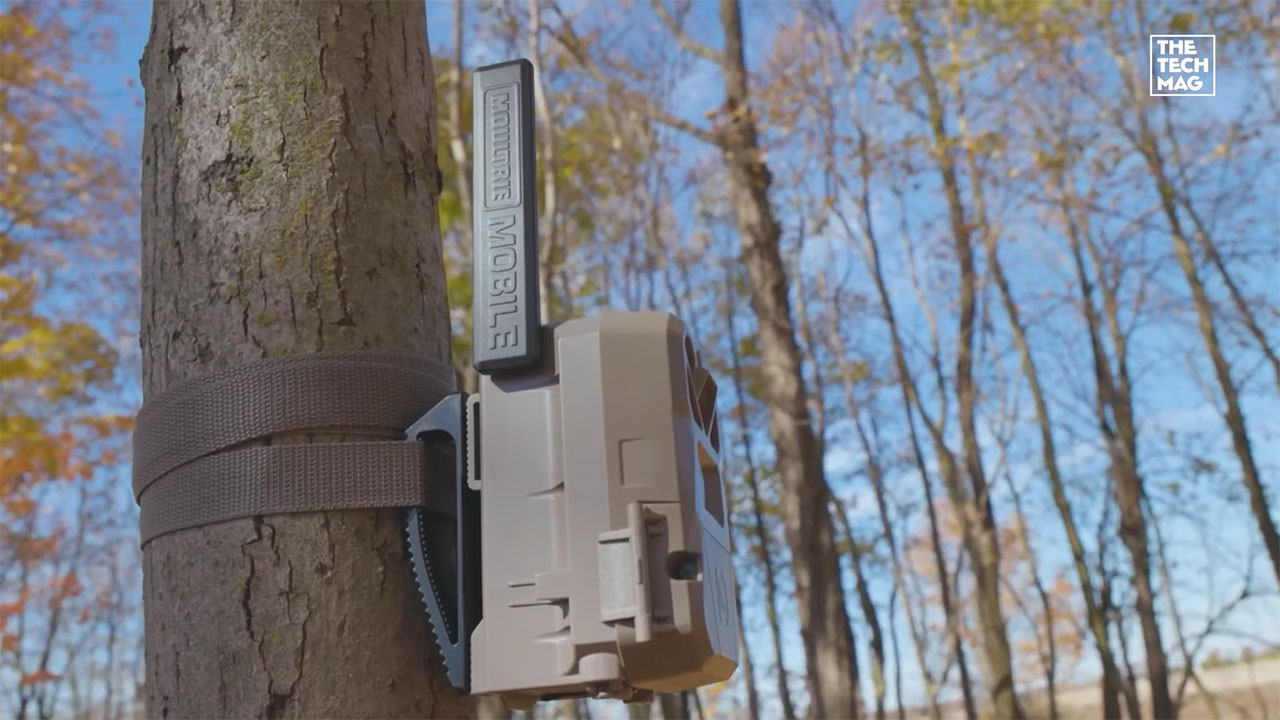
Some hunters are careful about drones, thermal, and night vision, but they still treat advanced camera systems like harmless scouting tools. Agencies do not always agree. Arizona’s fair-chase page puts trail cameras right in the conversation with other technologies used to aid in taking wildlife. Idaho’s discussion of proposals affecting hunting technology grouped transmitting trail cameras with other tech-related restrictions.
That should tell hunters where things are headed. Even if your state has not banned much yet, enforcement and rulemaking are clearly moving toward closer scrutiny of any gear that shortens the gap between locating wildlife and killing it. Guys who stay stuck in the old “it’s just a camera” mindset are the same guys most likely to be surprised when they find out their state sees it as part of a much larger fair-chase problem.
Ignoring refuge, WMA, or property-specific rules because the state allows cameras
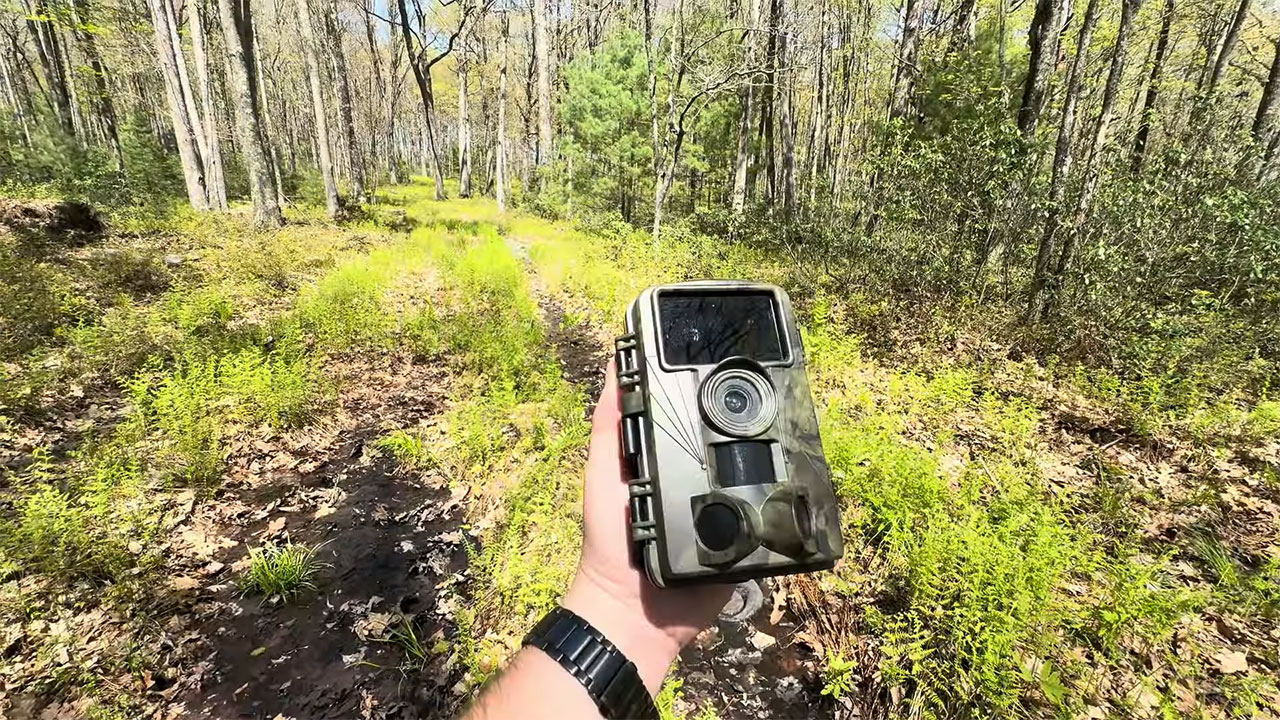
This is another classic mistake. A hunter reads the statewide regulations, sees nothing that worries him, and never bothers checking the rules for the exact refuge, WMA, or wildlife area he plans to use. But federal refuges and state-managed properties often layer their own conditions on top of state law. Public-use regulation documents for refuges regularly say users must follow both state and federal rules plus area-specific conditions.
That means a camera can be legal under the general state hunting code and still be a problem on the particular ground you are hunting. This is where hunters get lazy because it feels like paperwork. Then they get checked by an officer who is enforcing the property’s own conditions, not just the statewide booklet. The smartest public-land hunters read the area handout every single time, even if they think they already know the main law.
Like The Avid Outdoorsman’s content? Subscribe to our newsletter so you never miss an article.
Here’s more from us: