Photo credit: Dan's Cool Videos/YouTube
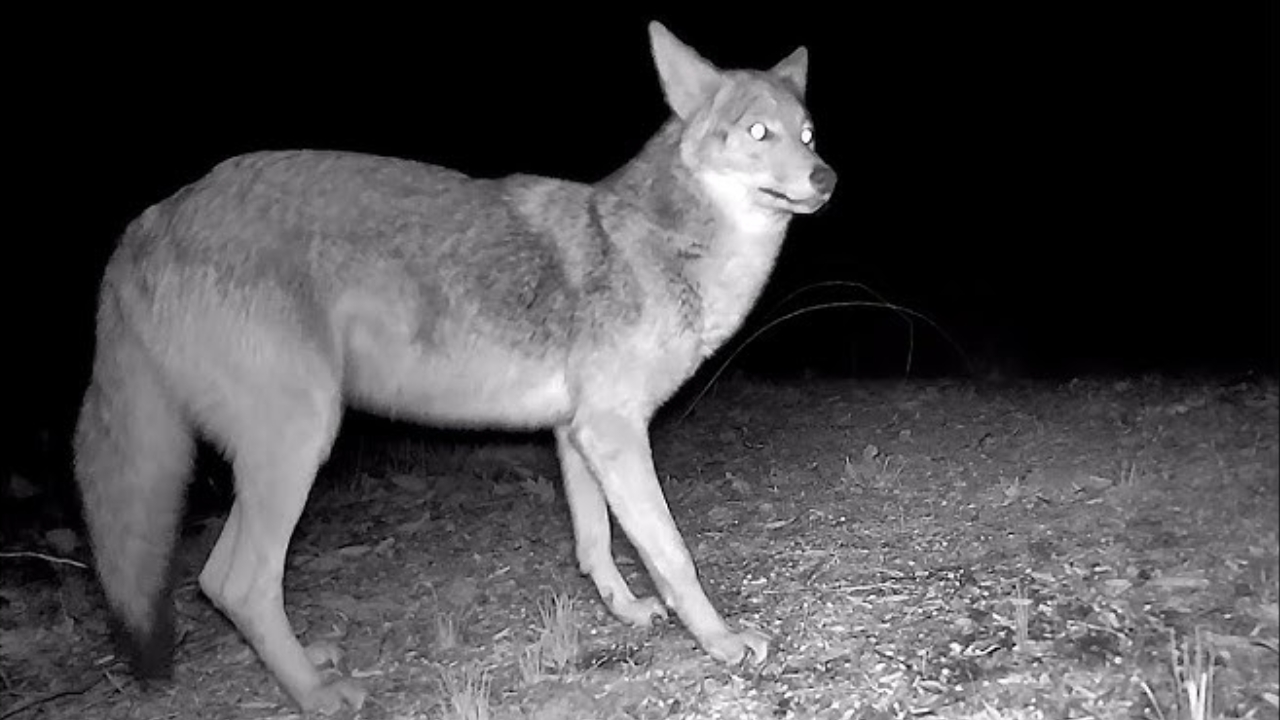
Night hunting predator rules are all over the map. Some states treat coyotes like an always-open problem animal, while others box you in with seasons, gear limits, permits, and tight definitions of what “night hunting” even means. The states below tend to be the most night-friendly on paper, either because they allow coyotes to be hunted at any hour, or because they make it easier to use the tools that actually work after dark, like lights, night vision, and thermal.
None of this replaces the current regs where you hunt. These rules change, counties add their own restrictions, and public-land rules can be tighter than private-land rules. The safest way to think about it is this: the looser the state, the more responsibility shifts onto you to stay legal, stay safe, and stay disciplined about target ID and backstops.
Texas

Texas is hard to beat for flexibility because coyotes are treated as a nongame species with no closed season and no bag limit. The state also allows them to be hunted at any time, as long as you’re on private property and you’re using lawful methods. That combination is exactly why Texas ends up on so many night-hunting short lists.
The catch is that “loose” statewide rules don’t erase local realities. City limits, county discharge rules, and landowner expectations matter more at night than they do at noon. Keep your setups tight, avoid roads and houses, and run a plan that keeps your muzzle and your light pointed where they belong.
Virginia
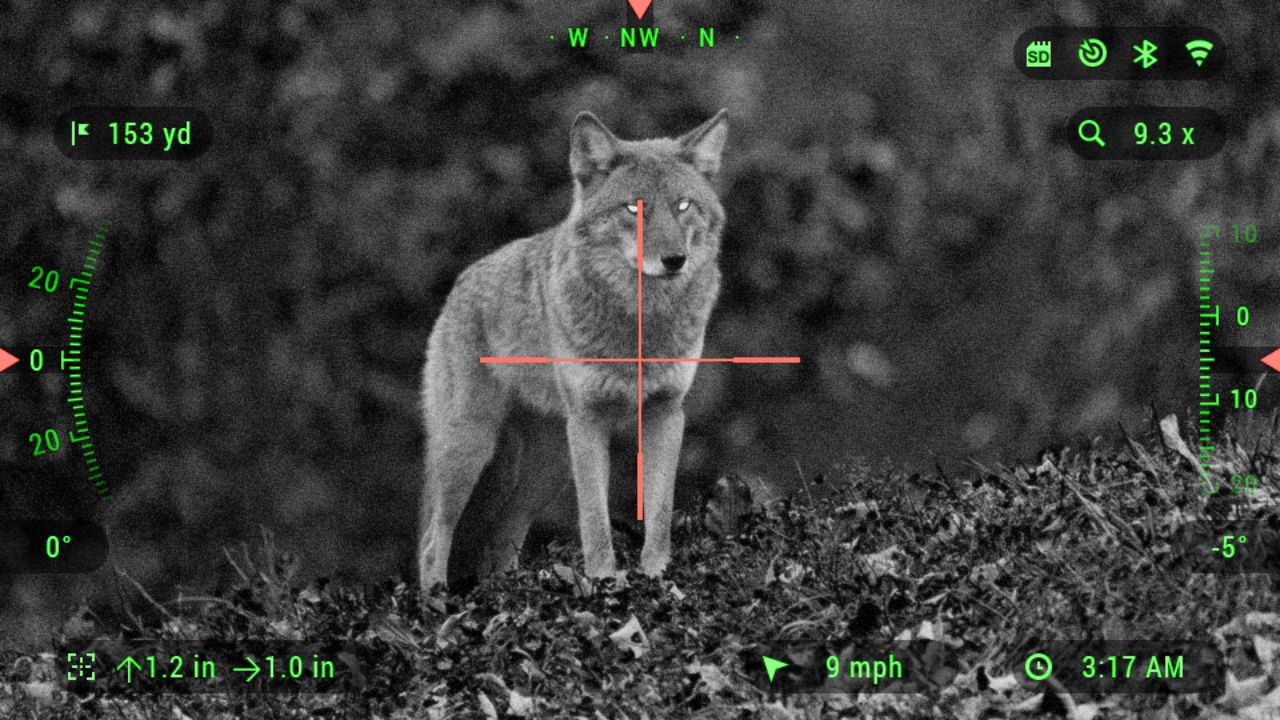
Virginia is night-hunt friendly in a practical way: the state spells out night-hunting rules and makes room for predator work after dark, including coyotes, with specific equipment and conduct requirements. It’s a state where you can do it legally, but you’re expected to do it deliberately and within the guardrails they lay out.
What makes Virginia “loose” compared to stricter states is that it treats night hunting as a regulated method, not a taboo. Your job is to follow the lighting rules, respect property boundaries, and stay off the kinds of setups that create unsafe angles. Night hunting is where good judgment counts more than gear.
West Virginia

West Virginia has leaned into coyote control, and recent changes have made the rules more accommodating for hunters who want to run practical rifles instead of being boxed in by older restrictions. When a state is actively updating coyote policy, that’s usually a sign it wants hunters involved in predator management.
That said, “loose” does not mean “anything goes.” Night hunting adds layers: landowner permission, safe backstops, and an honest approach to target ID. Treat every sound and every set of eyes like it needs one more second of confirmation before you press a trigger.
Pennsylvania

Pennsylvania is a standout because coyotes can be hunted day or night, and the state has also addressed modern night tools like night vision and thermal in its guidance. That’s a big deal in the East, where many states still treat those devices like a legal minefield.
Your homework in PA is all about details: seasons, licensing, and device rules can be specific, and they’re written to keep night hunters from drifting into gray areas. If you like hunting predators after dark and you want a state that acknowledges how people actually do it, Pennsylvania belongs on your radar.
Ohio

Ohio earns its spot because the state’s rules recognize night coyote hunting as a real practice, while also insisting on visibility and accountability. A key example is the requirement to carry a continuous light visible from a distance when you’re hunting coyotes at night. That’s restrictive in one sense, but it also signals that the state expects people to do it legally rather than pretending it never happens.
If you hunt Ohio at night, plan your set like you’re going to be checked, because you might be. Keep your gear compliant, your angles clean, and your shots conservative. Ohio gives you room to operate, but it wants you operating in the open.
Kentucky

Kentucky is night-friendly for coyotes, and the state lays out the basics clearly enough that you can plan hunts without guessing at the fine print. When a state publishes straightforward guidance for coyote hunting and acknowledges after-dark reality, it usually means enforcement and hunters are working from the same rulebook.
Where you can get burned is assuming private land rules equal public land rules, or assuming one county’s culture matches the next. Stick to permissioned ground, know where your neighboring houses sit, and build sets that keep you shooting into dirt, not into sky. Kentucky gives you opportunity. You still have to bring discipline.
Missouri

Missouri belongs here because the state has been actively updating night-hunting allowances for coyotes, including equipment rules that reflect how modern predator hunters operate. When a state agency is putting out fresh guidance, it’s usually because the demand is real and they want it done safely and legally.
The smart move in Missouri is to treat “newly allowed” like “newly watched.” Be the hunter who stays squared away: correct landowner permission, no sloppy road-side scanning, and no questionable shots. Night hunting can be a gift, but it’s also the fastest way to lose access for everyone when people get careless.
Kansas

Kansas is one of the clearer examples of a state that allows night predator hunting while using a permit system to keep it organized. If you want to run night vision or thermal legally for coyotes, Kansas has pathways for that, and the state spells out how those permissions work.
Kansas can feel “loose” once you’re set up correctly, because you’re not stuck in the daylight-only mindset. The real key is to stay inside the permit terms and keep your hunting footprint clean. The more technical your gear gets, the more your behavior matters, especially around roads, livestock, and neighboring properties.
Colorado

Colorado has allowed nighttime coyote hunting under specific conditions, and the state has also been clear about what is not allowed in that context, including limits on certain night-vision-style devices and methods. That blend of access plus clear boundaries is often more workable than a total ban.
Colorado is a state where you win by reading carefully and hunting clean. Follow the lighting rules, respect closures and unit-specific restrictions, and keep telltale problems out of your hunt, like shooting from roads or setting up too close to occupied areas. Colorado gives you lanes to work in, and it expects you to stay in your lane.
South Carolina

South Carolina is night-friendly for predators in a structured way, using systems like registered properties to govern night hunting with lights. That approach can feel surprisingly workable: you’re allowed to do the thing, but you’re expected to do it inside a clear framework tied to a specific place.
If you like an orderly setup, SC can be a great fit. Your focus should be on paperwork, permission, and staying on the right ground. Night predator hunting is one of those activities where the state wants to know who is doing it and where, and South Carolina’s approach reflects that reality.
North Dakota

North Dakota is a strong option for night predator hunters because the state provides direct guidance on hunting coyotes after dark and the tools and boundaries involved. Plains states often treat coyotes as a management issue first, and ND tends to reflect that attitude.
The practical piece in North Dakota is conditions. Wind, snow glare, flat horizons, and long sight lines can make night hunting feel easier than it really is. Build sets with hard backstops, pick angles that keep you away from roads and farmsteads, and remember that identifying a coyote is more important than calling one in.
Minnesota
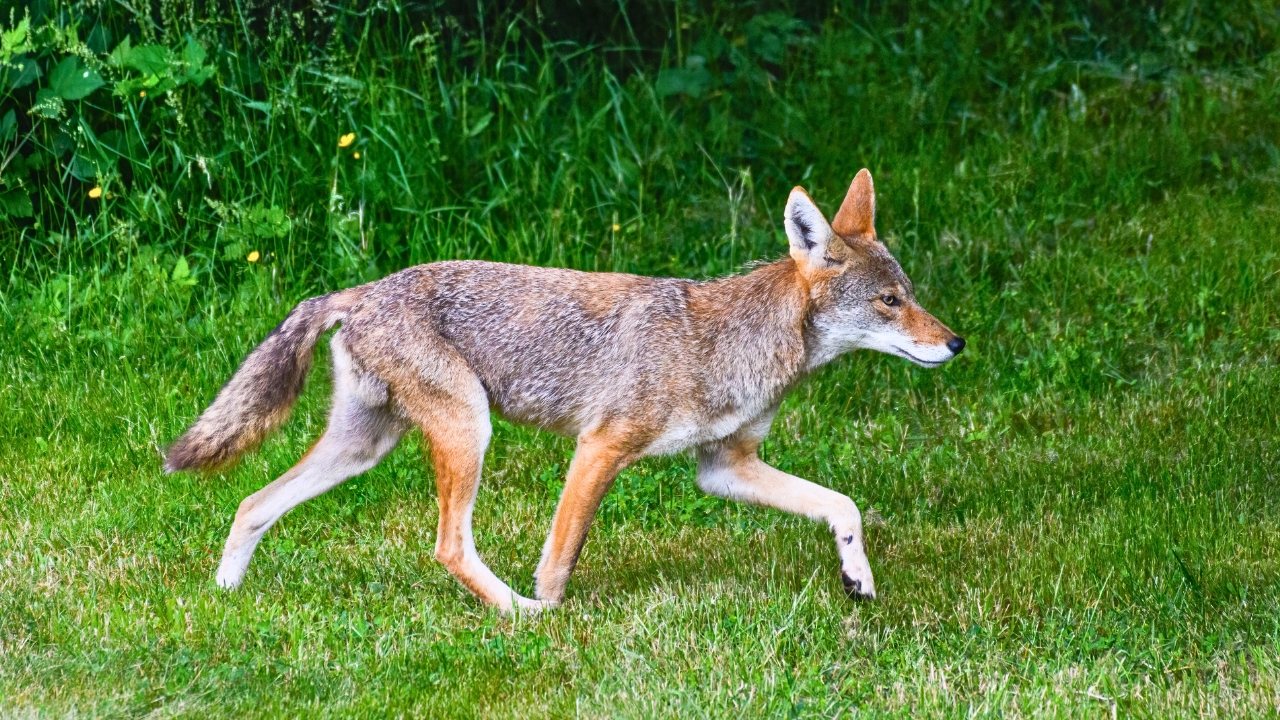
Minnesota can be night-hunt friendly, but it often hinges on specific windows and definitions that matter a lot once the sun drops. Coyotes are widely hunted there, and the state provides guidance on when night hunting is permitted and how it’s treated under their rules.
Minnesota is a good example of a state where you can do it, but you need to do it on the state’s schedule. If you time it right, it can be excellent predator hunting. If you assume it’s open-ended, it can turn into a ticket fast. Treat Minnesota night rules like a checklist item before every trip, not a detail you trust from memory.
New Hampshire

New Hampshire is more permissive than many people expect, and the state lays out night coyote hunting as a defined, legal activity with specific conditions and seasonal structure. In a region where night hunting can be heavily restricted, that’s meaningful.
In NH, your success comes from tight discipline. Shorter sight lines, mixed timber, and nearby homes can make night hunting feel crowded. Set up where you can see, where you can shoot safely into the ground, and where you have written permission squared away. New Hampshire gives you room, but it still expects you to hunt like an adult.
Mississippi

Mississippi is one of the more permissive states for landowners and leaseholders because the nuisance animal rules allow certain nuisance species, including coyotes and foxes, to be taken year-round and at any time, day or night, on the relevant property. That’s as close as it gets to a green light for nighttime predator control.
The responsibility side is worth saying out loud. A “day or night” allowance is not a free pass to hunt sloppy. Keep your shots close enough to guarantee hits, keep your identification strict, and keep your activity away from roads and neighbors. Mississippi gives you a lot of rope. You decide whether it’s used wisely.
Alabama

Alabama can be night-friendly, but it works through a specific license structure for nighttime feral swine and coyote hunting on private or leased land during a special season. That framework is a common Southern approach: permissioned night hunting, tied to a defined license and season so enforcement has something concrete to reference.
If you hunt Alabama at night, do it by the book. Keep the correct license on you, stay on the correct ground, and treat landowner relationships like gold. Alabama is giving you a legal way to work predators after dark. Your job is to not become the reason that door gets narrowed later.
Like The Avid Outdoorsman’s content? Subscribe to our newsletter so you never miss an article.
Here’s more from us: