

Photo credit: The Canadian Gun Vault Inc./YouTube
If you’re spending time in bear country, you’ve probably had someone tell you, “Just bring bear spray.” And they’re not wrong—it works. But sometimes you want a little more peace of mind. That’s where a good sidearm comes in. Not every handgun will cut it, though. You need something that hits hard, fast, and reliably when things go sideways. Here’s what actually works when it comes to sidearms for bear country.
.44 Magnum Revolver

This one’s a classic for a reason. A .44 Magnum has enough power to punch through thick hide and muscle if a bear’s charging. It’s not a beginner’s gun, but it gets the job done when it counts.
Revolvers are simple and reliable—less chance of a jam when your hands are shaking. Just keep in mind the recoil is no joke. Practice is key if you want to use it effectively under pressure.
10mm Auto Pistol
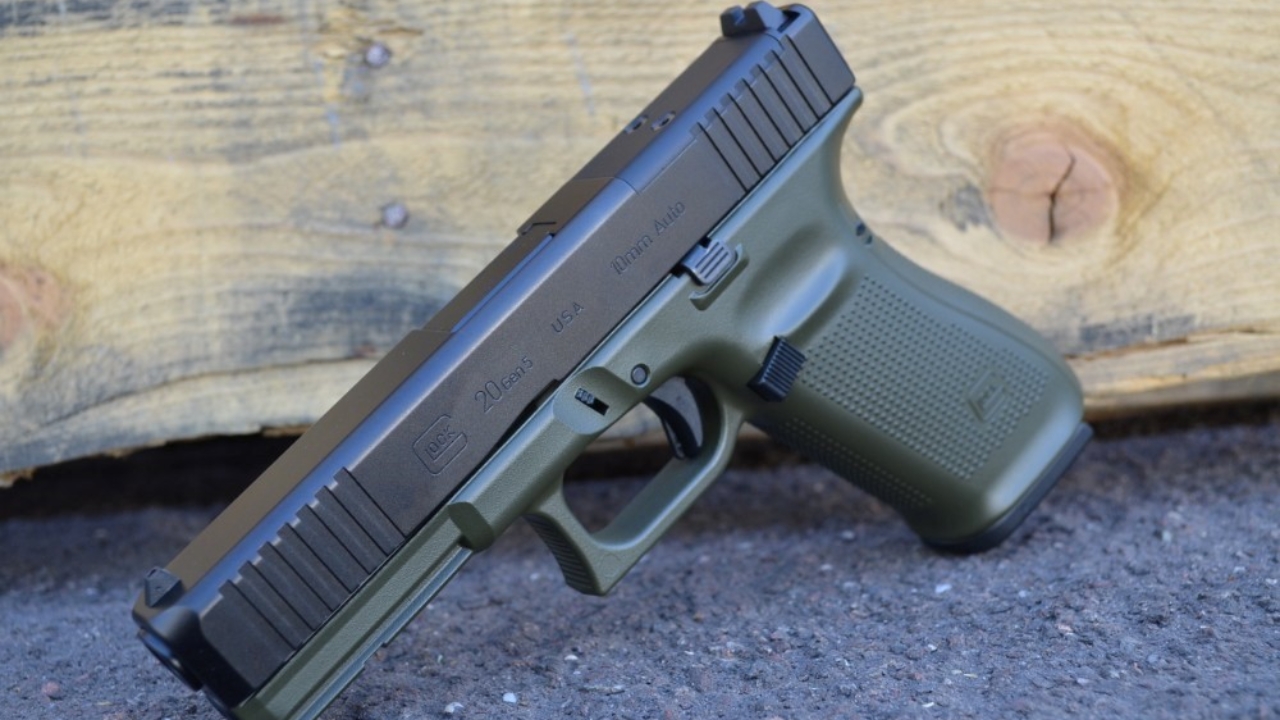
The 10mm has become a go-to for folks who want a semi-auto option. It offers solid stopping power with higher capacity than a revolver, which can matter if things go south fast.
It’s also a bit more manageable to shoot than a big-bore revolver. Models like the Glock 20 are popular because they’re lightweight, durable, and can handle hot loads designed for bear defense.
.357 Magnum Revolver

Some say it’s the bare minimum for bear defense—and that’s fair. The .357 Magnum can work, especially with hard cast ammo, but it’s definitely on the lower end of the power scale for big bears.
Still, it’s got less recoil than a .44, and plenty of folks are more accurate with it. If it’s what you shoot well and can carry confidently, it’s worth considering.
.454 Casull Revolver

This one’s for folks who aren’t messing around. The .454 Casull hits hard—way harder than a .44 Magnum. It’s built for serious stopping power and has taken down big game all over the place.
The flip side? It’s not easy to shoot. The recoil is intense, and the guns tend to be heavy. If you go this route, be sure you’re comfortable handling it in a hurry.
.45-70 Government in a Revolver

Yes, you read that right—some handguns are chambered in .45-70. These are massive revolvers like the Magnum Research BFR, and they’re basically hand cannons.
They’re not exactly practical for hiking long distances, but if you’re looking for max power in a sidearm, this is about as far as it goes. It’s more of a specialty option, but it definitely works.
Shotguns with Pistol Grips (Not Technically Sidearms, But…)

Okay, not a sidearm in the traditional sense—but some people carry short-barreled shotguns with pistol grips in bear country. With slugs or buckshot, they hit incredibly hard at close range.
They’re bulkier and harder to carry on your hip, but in a pack or scabbard, they’re an option worth mentioning—especially for folks on horseback or in remote camps.
.45 ACP (Not Recommended)

Let’s talk about what doesn’t work so well. A lot of folks carry a .45 ACP thinking the big bullet will do the trick. The truth? It usually doesn’t have the penetration needed to stop a charging bear.
It might be fine for two-legged threats, but against a 600-pound grizzly, it’s just not enough. If that’s all you have, carry bear spray too—and hope you never need either.
.40 S&W and 9mm (Also Not Recommended)

These calibers are solid for self-defense in urban settings, but they fall short in bear country. Even with fancy ammo, they don’t deliver the power or penetration you need.
They’re better than nothing, but if you’re heading into serious bear territory, they shouldn’t be your first choice. Save them for the city or range days.
Bear Spray + Sidearm = Best of Both Worlds
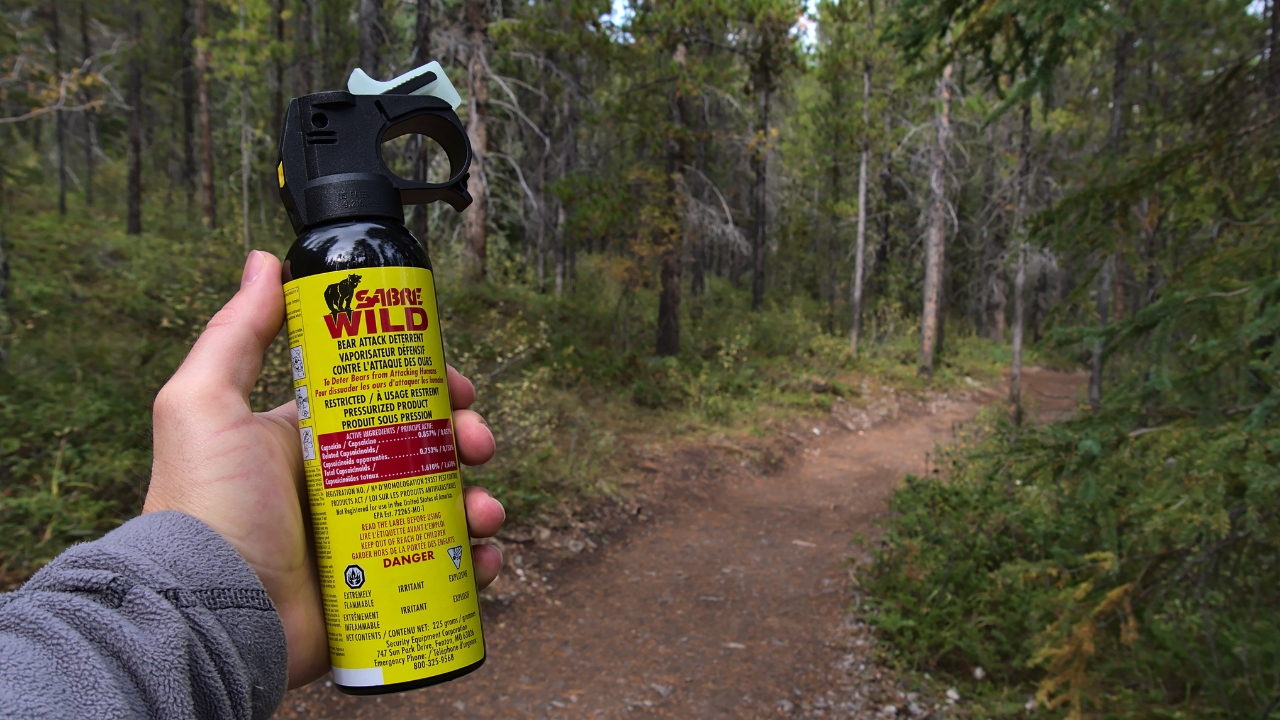
Here’s the real talk: bear spray works extremely well, and it should be your first line of defense. But it’s smart to carry a sidearm as a backup, just in case.
You don’t have to pick one or the other. If you’ve got the training and confidence to carry both, you’ll be ready for whatever the trail throws your way.
*This article was developed with AI-powered tools and has been carefully reviewed by our editors.


