Photo credit: The Avid Outdoorsman
Some rifles seem easy to sell until you try to replace them. Maybe they sat in the safe too long, got traded toward something newer, or looked less useful once threaded barrels, carbon stocks, and chassis rifles started taking over. At the time, letting one go can feel practical.
Then a few seasons pass, and the regret starts. The new rifle may shoot fine, but it does not carry the same, balance the same, or bring back the confidence that old rifle gave you. Some rifles are not missed because they were perfect. They are missed because they filled a real hunting role better than people realized.
Remington Model Seven

The Remington Model Seven is one of those rifles hunters often regret selling because it handled so well in real woods. It was shorter and handier than a full-size bolt gun, which made it perfect for box blinds, ladder stands, thick timber, and quick shots inside normal deer distances. It did not need to be a long-range rifle to make sense.
A lot of hunters sold them when they wanted something newer, flatter-shooting, or more modern-looking. Then they realized the Model Seven had a feel that is hard to duplicate. It carried easily, pointed fast, and still had enough accuracy for honest hunting. Clean ones are not as easy to replace as they used to be, especially in useful chamberings.
Winchester Model 88
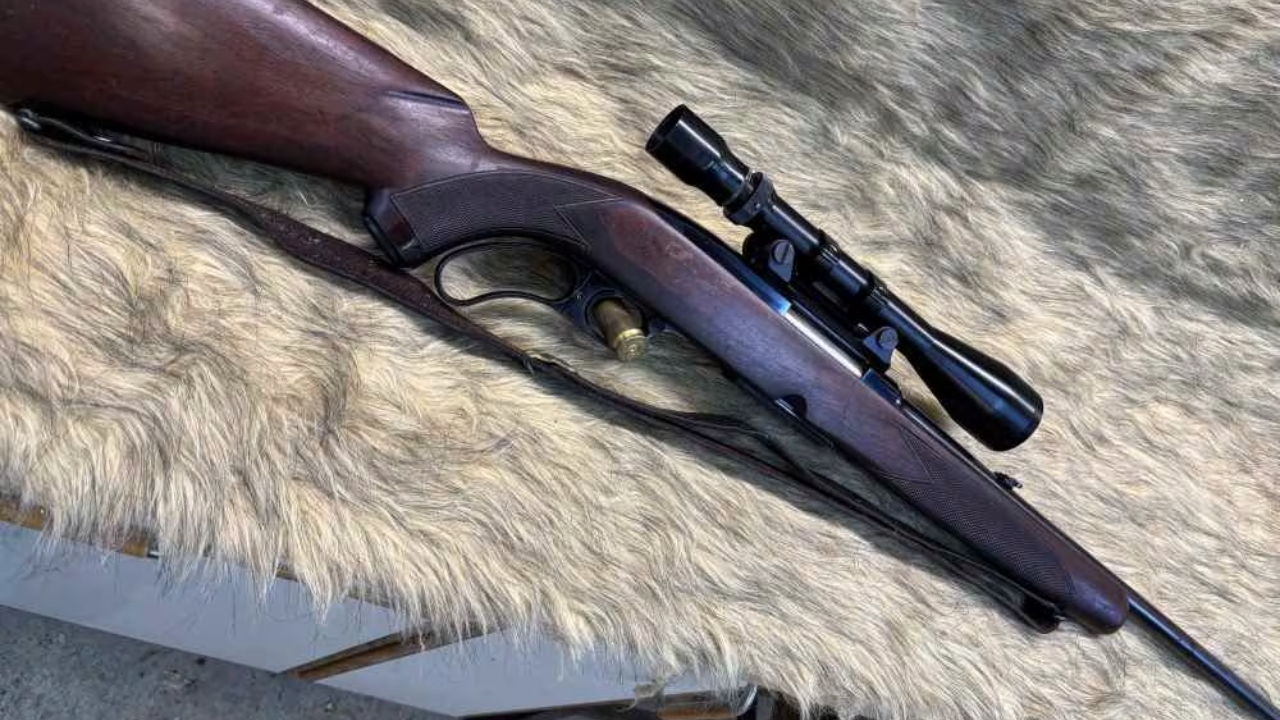
The Winchester Model 88 is the kind of rifle that gets missed because nothing else feels quite like it. It had lever-action speed, a box magazine, and chamberings that made it more capable than a typical tube-fed woods rifle. At the time, some hunters didn’t fully appreciate that mix.
Selling one can hurt later because the Model 88 sits in a lane modern rifles rarely touch. It has old Winchester style, real deer-rifle usefulness, and a different rhythm than either a bolt gun or a traditional lever action. Hunters who let one go often find out the replacement may be more practical on paper, but it does not scratch the same itch.
Browning A-Bolt Micro Hunter

The Browning A-Bolt Micro Hunter was easy to underestimate because of its size. Some people treated compact rifles like youth rifles or specialty tools, when in reality a short, handy bolt gun can be exactly right for a lot of deer hunting. The Micro Hunter had more going for it than its smaller frame suggested.
Hunters who sold one often miss how easy it was to carry and shoulder. It was useful in tight blinds, brushy trails, and thick cover where a longer rifle feels clumsy. Add Browning’s smooth A-Bolt feel, and it becomes the kind of rifle you don’t fully appreciate until it’s gone. Replacing that exact combination is not as simple as buying another modern compact.
Ruger 77/357
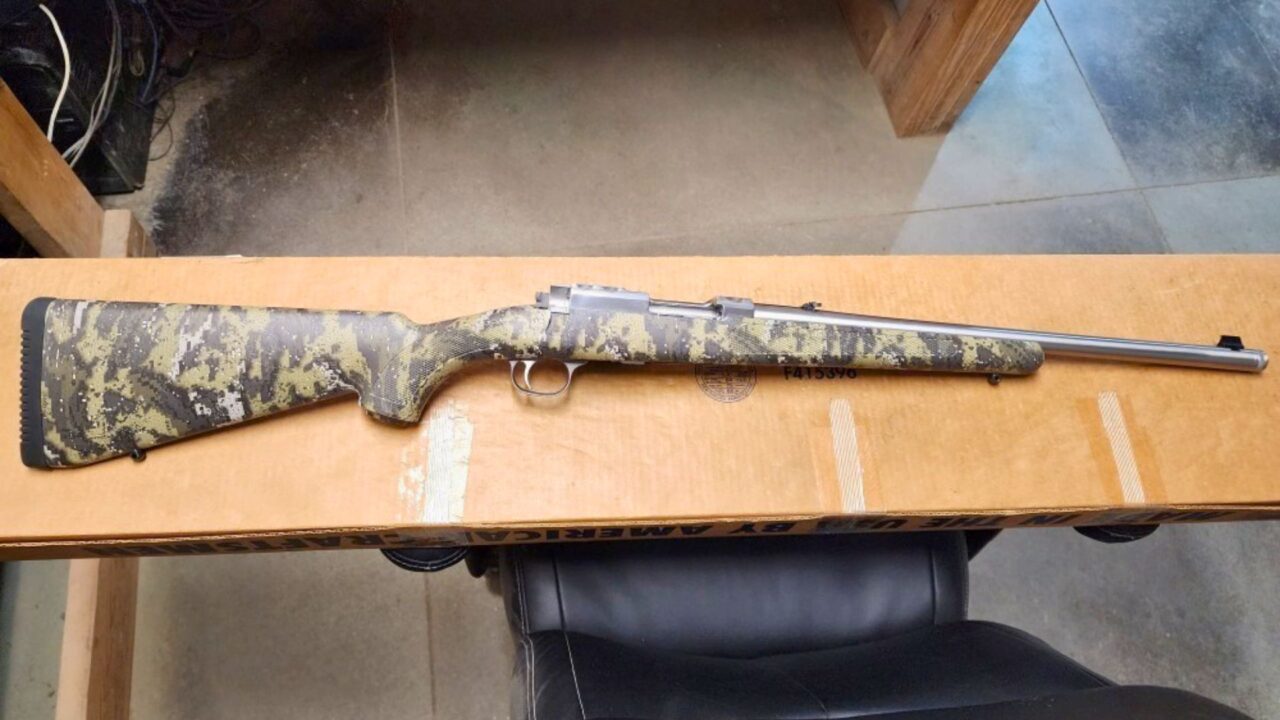
The Ruger 77/357 never made sense to everyone, and that is probably why some owners let theirs go. A bolt-action .357 Magnum rifle sounds limited if you are thinking about open fields or long shots. But for woods carry, pests, small game, and close-range deer work with the right loads, it filled a very useful role.
The regret comes when hunters realize how handy and quiet that little rifle could be. It paired naturally with revolvers, worked well around a farm or camp, and carried like almost nothing. It was not a do-everything rifle, but it did its narrow job extremely well. Once discontinued examples started getting attention, selling one looked a lot less harmless.
Remington 7600 Carbine

The Remington 7600 Carbine is one of those rifles that makes sense the moment you hunt thick country with it. A fast pump action, carbine length, and familiar Remington handling made it a natural fit for deer drives, timber, and quick follow-up shots. In some regions, hunters already knew that and never needed convincing.
Plenty of others sold them when bolt guns became the default answer. That can sting later. The 7600 Carbine points fast, cycles quickly, and carries a kind of old deer-camp confidence that newer rifles often lack. It is not the slickest rifle on a bench, but that was never the point. In the woods, it was exactly the kind of rifle hunters wish they had kept.
Browning BLR Lightweight
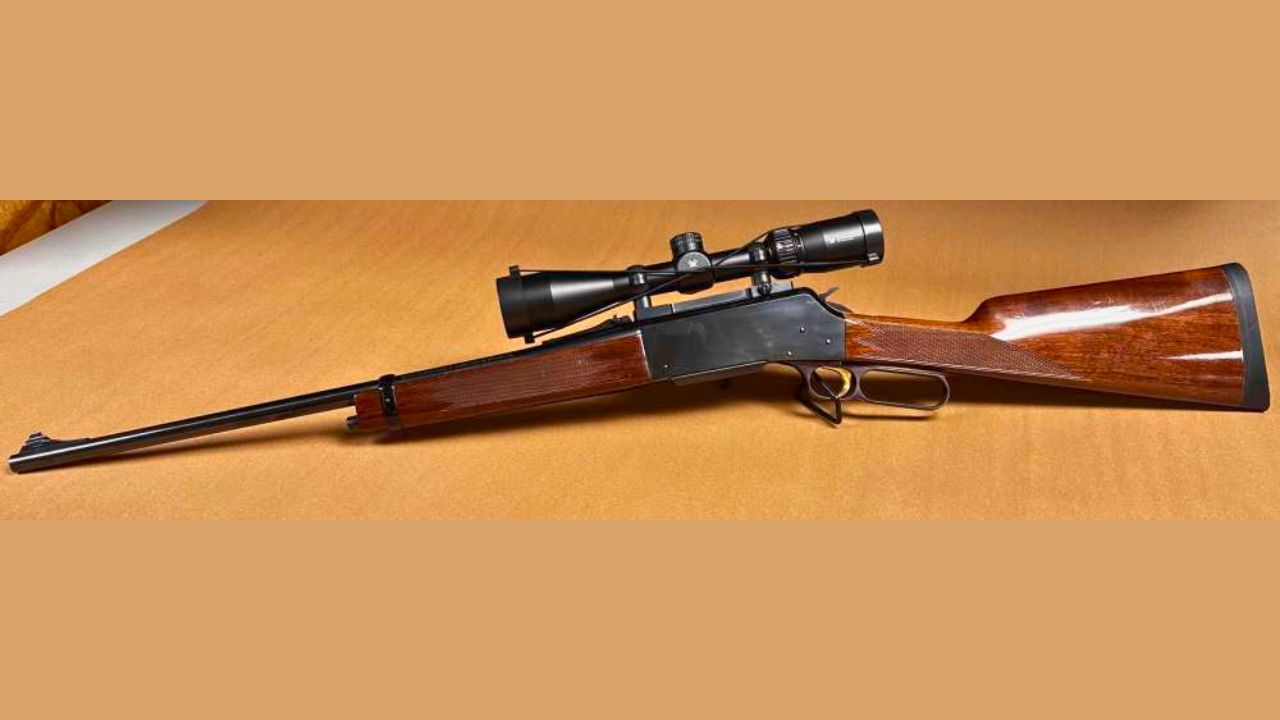
The Browning BLR Lightweight is easy to regret selling because it gives hunters something unusual without being impractical. It has lever-action speed, a box magazine, and the ability to run pointed bullets in modern cartridges. That makes it much more versatile than people who only think of lever guns as short-range rifles may realize.
Hunters who let one go often miss the combination of fast handling and real cartridge performance. It carries well, shoots well enough for serious hunting, and works in places where a bolt gun feels a little slower or less natural. The BLR is not cheap to replace, and good used examples tend to make former owners think twice about the trade they made years ago.
Sako A7
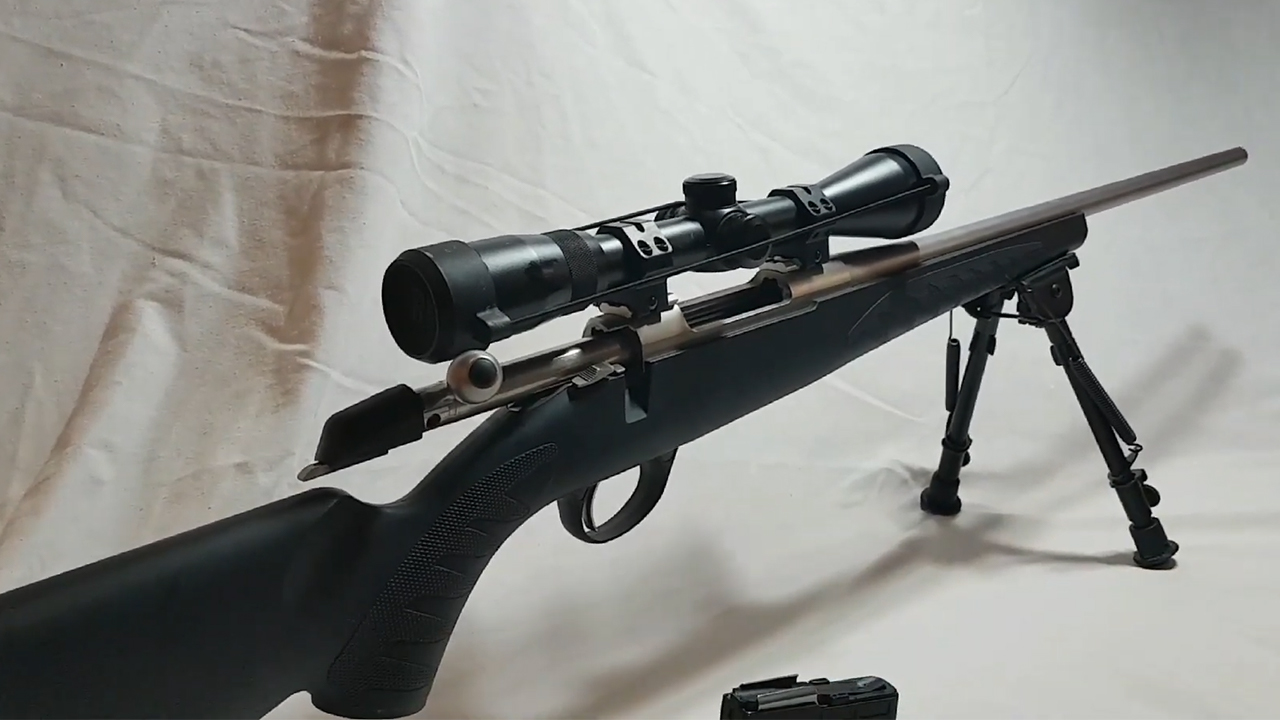
The Sako A7 was caught in the middle when it was around. It was not the full premium Sako experience, but it also was not a basic budget rifle. That made some hunters unsure how to value it, and a few probably sold theirs thinking they would eventually move up or simplify.
The regret comes from realizing the A7 hit a very useful balance. It had a smooth feel, good accuracy potential, and enough refinement to feel better than many ordinary hunting rifles without becoming too precious for the field. It carried well and did normal hunting work with less drama than some flashier rifles. Once they were gone, hunters started noticing that the middle ground had actually been the strength.
Remington 673 Guide Rifle
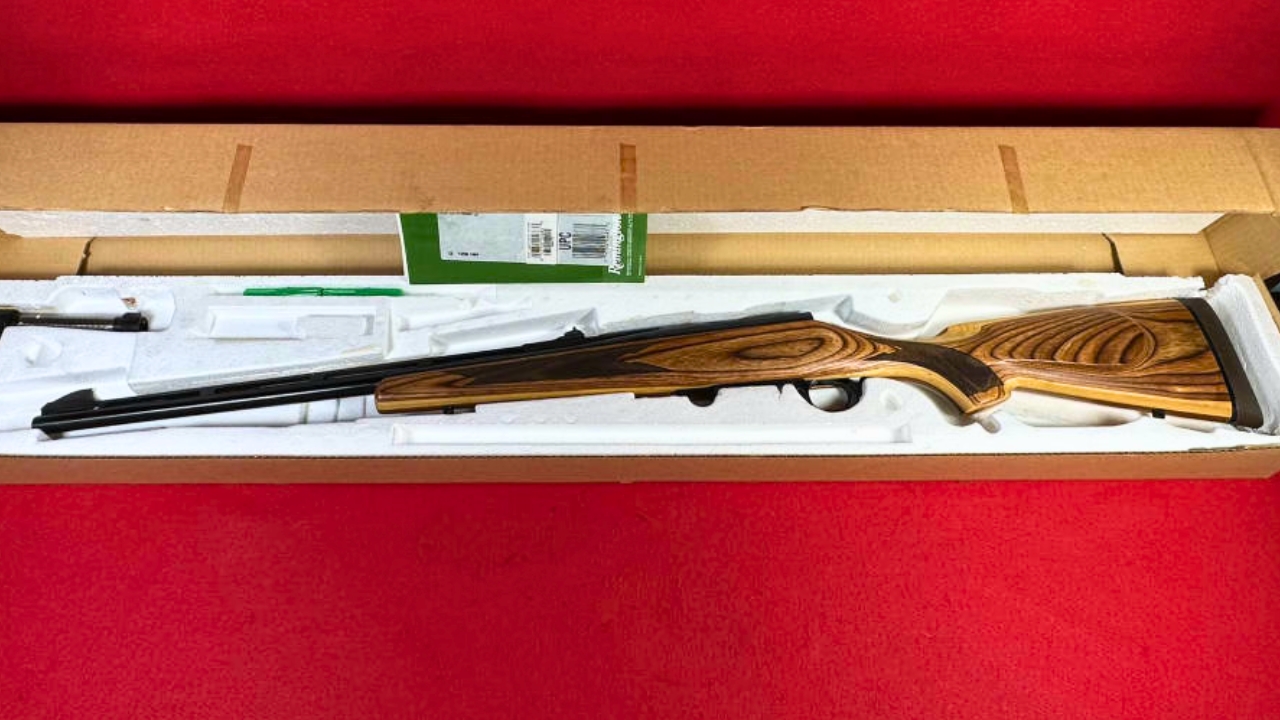
The Remington 673 Guide Rifle was odd enough that some hunters never warmed up to it. The vent rib, throwback Model 600 styling, and short barrel gave it a look that was easy to either love or question. Chamberings like .350 Remington Magnum made it even more specialized.
That specialization is exactly why hunters regret selling them now. The 673 was short, powerful, and full of personality. It was not built for every stand, every field, or every hunter. It was built for people who wanted a hard-hitting rifle that carried easily in rough country and thick cover. Once you sell a rifle that distinctive, replacing it is not easy. Modern racks do not offer many guns with that much character.
Ruger M77 Mk II Compact
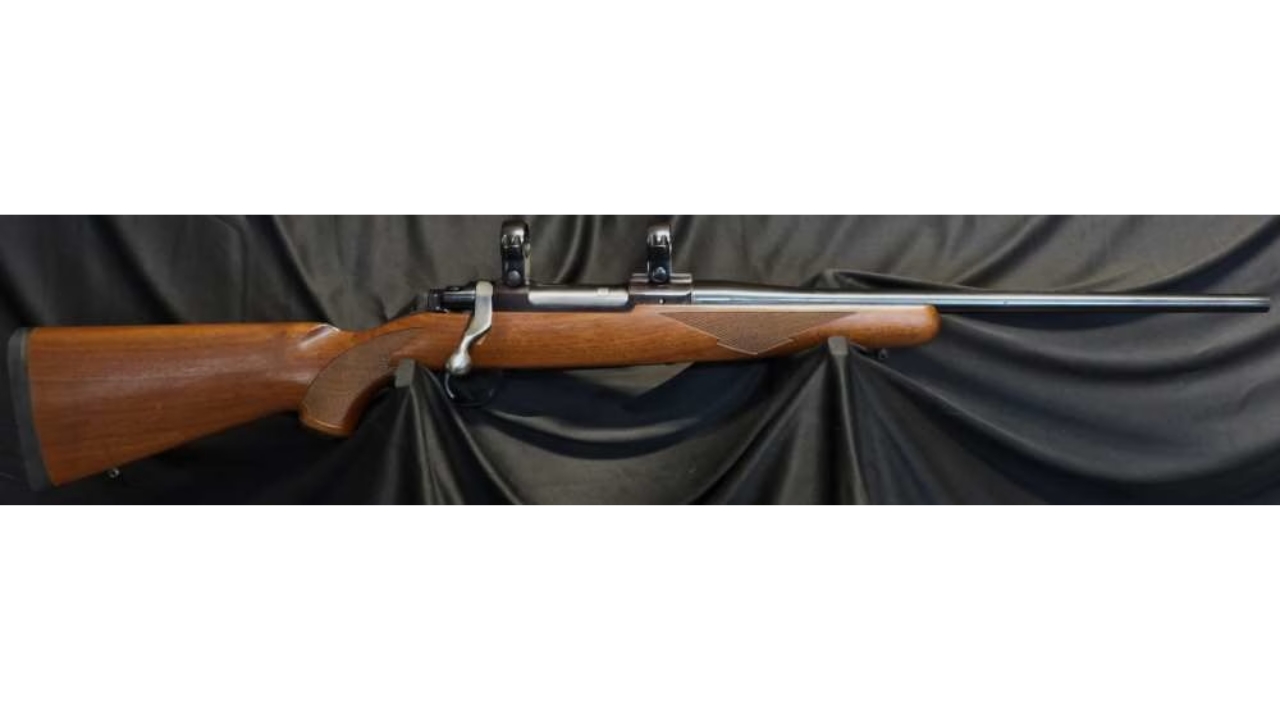
The Ruger M77 Mk II Compact is one of those rifles hunters sometimes sold because it seemed too short or too specific. Compact rifles can get unfairly treated as youth guns, but this one was much more useful than that. It had controlled-round feed, rugged construction, and a size that made sense in tight country.
Hunters who carried one in the woods often understood it immediately. It came to the shoulder quickly, rode easily in a truck or on an ATV, and did not feel awkward in blinds or brush. Selling one to buy a longer, heavier rifle may have seemed smart at the time. Later, many hunters realize they gave up the rifle that actually fit the way they hunted.
Marlin 1895M
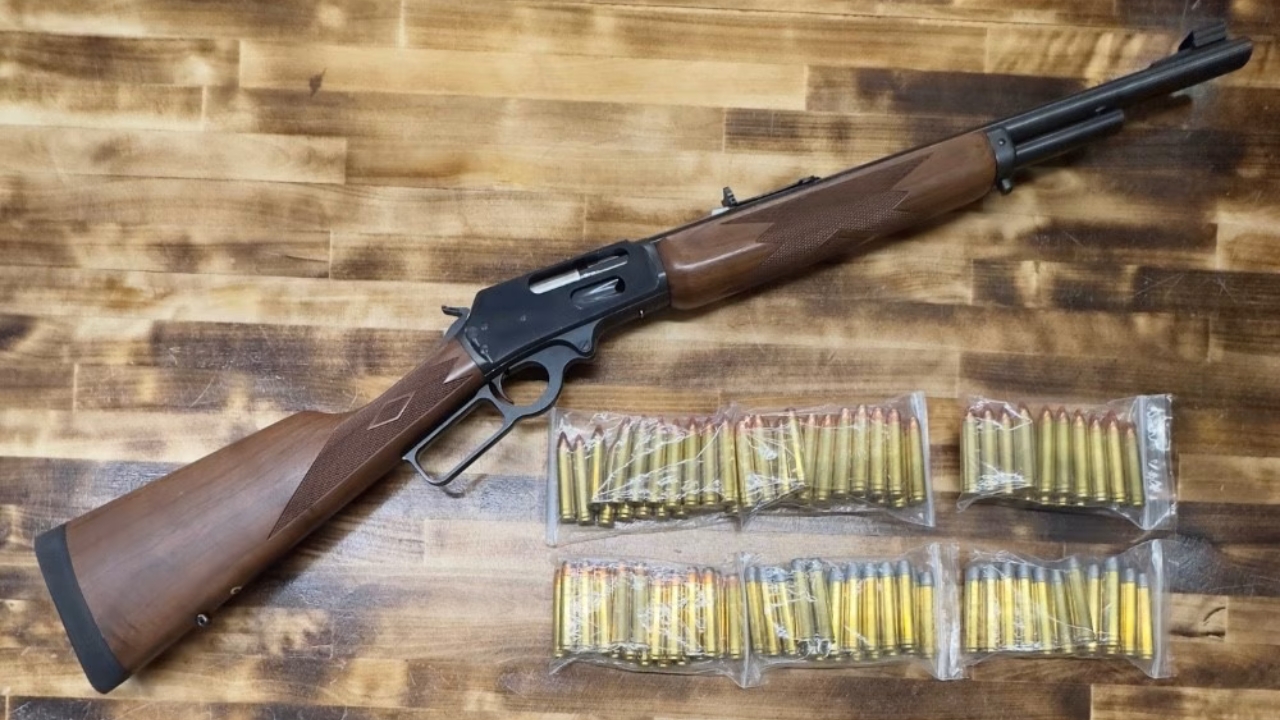
The Marlin 1895M in .450 Marlin was not a rifle every hunter needed, and that probably made it easier for some owners to sell. The cartridge stayed niche, and many big-bore lever fans simply stuck with .45-70. At the time, moving one along may not have felt like a major mistake.
Now it can. The 1895M has scarcity, power, and a very specific kind of appeal. It is a hard-hitting lever gun for close-range work, bear country, thick woods, and hunters who like rifles with a little attitude. You may not shoot it every weekend, but that does not mean you won’t miss it once it is gone. It is the kind of rifle that becomes harder to justify selling every year.
CZ 452 American
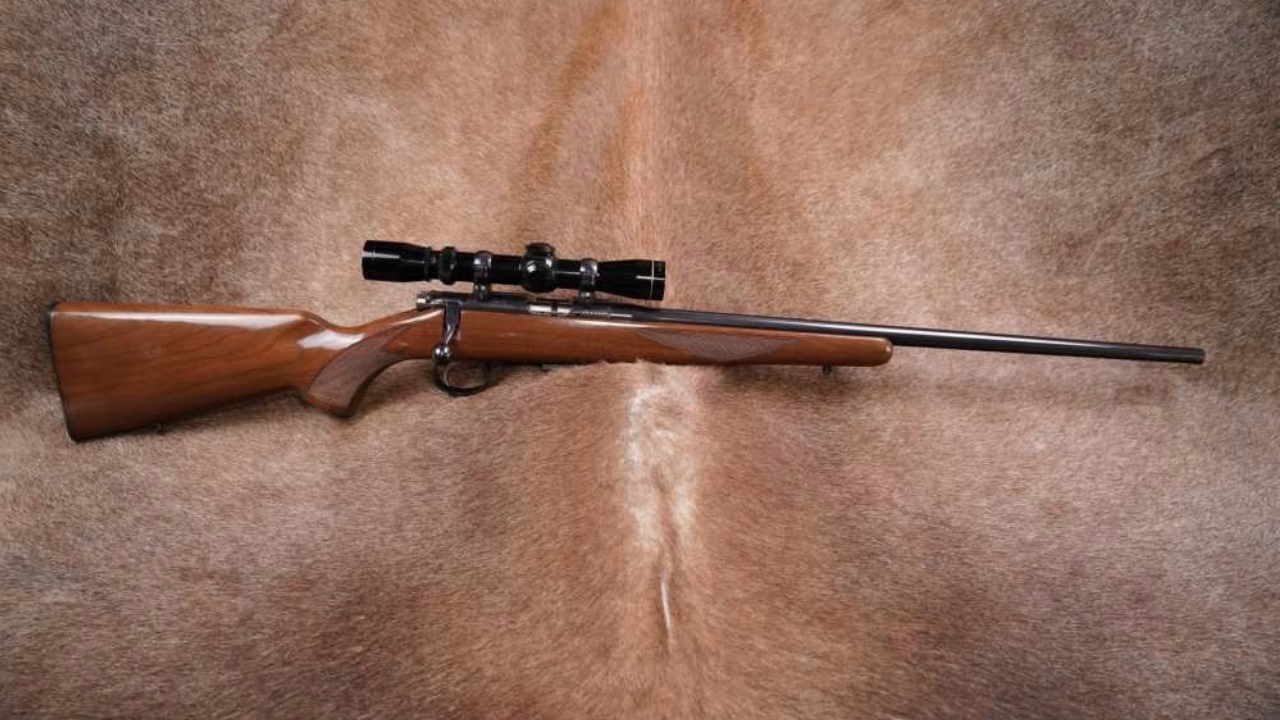
The CZ 452 American is one of those rimfire rifles hunters and small-game shooters wish they had never let go. It was simple, accurate, and built with a level of quality that made it feel like a real rifle instead of a disposable .22. For squirrel woods, farm use, and quiet range time, it made a lot of sense.
A lot of people did not realize how good they had it until the 452 line was gone. The American model had clean lines, good balance, and the kind of accuracy that made cheap practice feel serious. Newer rimfires can be good, but the 452 has a feel many owners still chase. Selling one usually looks worse after you start shopping for another.
Winchester Model 70 Featherweight Classic

The Winchester Model 70 Featherweight Classic is the kind of rifle that makes hunters regret getting too practical. Maybe they sold it for a synthetic-stocked rifle, a threaded barrel, or something lighter on a spreadsheet. Those reasons can make sense in the moment.
But the Featherweight Classic had a feel that does not show up in a spec list. Controlled-round feed, classic lines, lighter carry weight, and real hunting balance made it one of those rifles that felt right in the hand. It could hunt hard without feeling cold or generic. Once it leaves the safe, replacing that blend of tradition and usefulness can get expensive fast.
T/C Icon

The Thompson/Center Icon never became as common as it probably should have, which makes selling one sting more now. It had a distinctive action, good accuracy potential, and a level of build quality that surprised hunters who expected T/C to stay mostly in the single-shot and muzzleloader lane.
The regret comes from how different it was without being gimmicky. The Icon felt like a serious attempt to build a modern bolt-action rifle with its own identity. Hunters who owned good-shooting examples often found them smooth, solid, and dependable. Because the line did not last forever, selling one means you cannot just walk into a shop and replace it. Some rifles are missed because the market never gave them enough time.
Browning BAR Mark II Safari
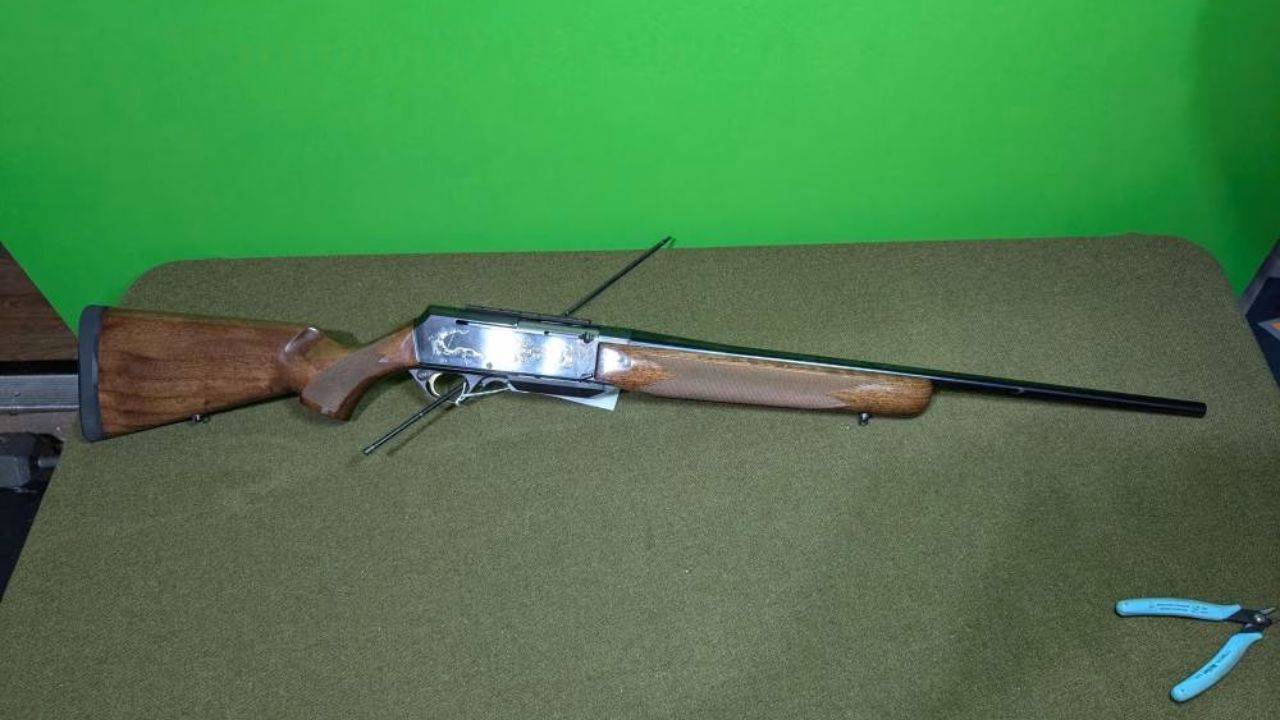
The Browning BAR Mark II Safari is a rifle hunters often miss once they go back to bolt guns. It was heavier than some rifles and not built for mountain hunting, but from a stand, blind, or field edge, it made a lot of sense. Smooth recoil and fast follow-up shots are not small advantages.
Hunters who sold one sometimes realize later that the BAR had a confidence all its own. It looked good, handled well, and gave semi-auto speed in serious hunting chamberings. It was not just a pretty rifle. It was useful for deer, hogs, and bigger game where a quick second shot can matter. Newer rifles may be lighter, but few feel quite like a BAR in the field.
H&R Handi-Rifle
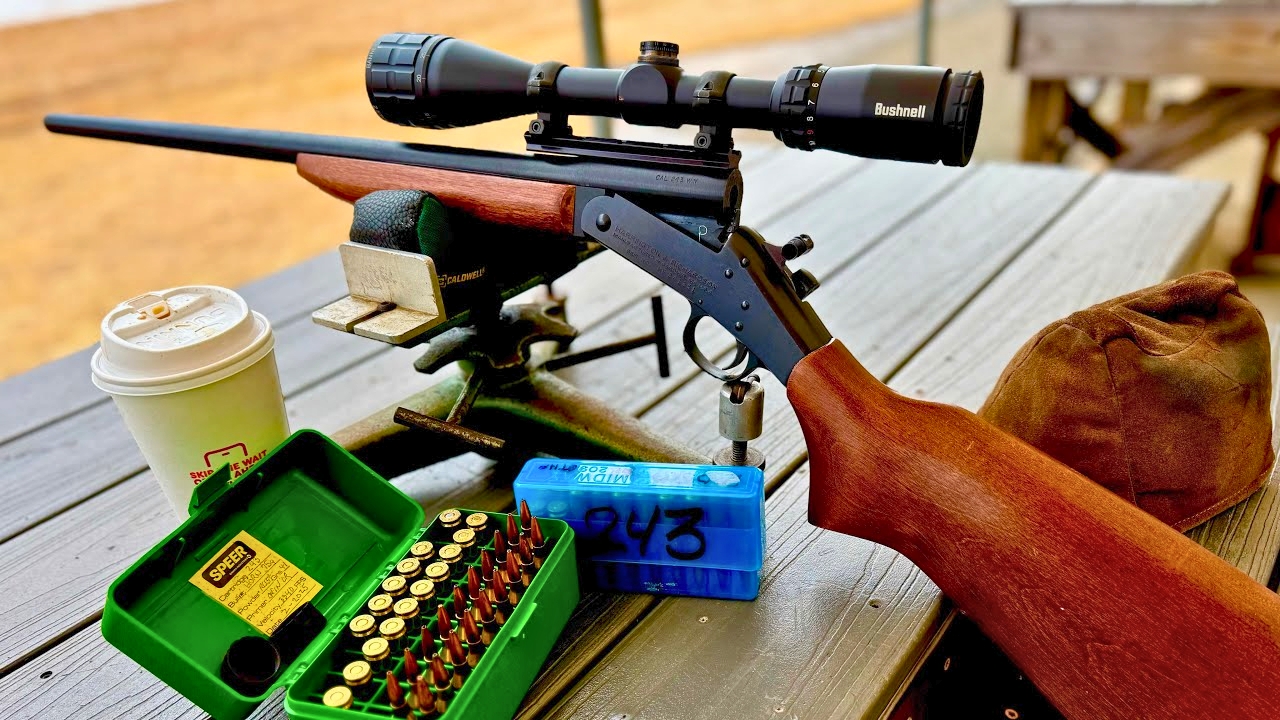
The H&R Handi-Rifle was easy to sell because it seemed so simple. A plain break-action single-shot does not always feel worth keeping when repeaters, bolt guns, and ARs are filling the safe. Some hunters treated them like starter rifles or backup guns and let them go without much thought.
Then they realized how useful that simplicity was. A Handi-Rifle was easy to carry, easy to understand, and available in a pile of chamberings that made it fit all kinds of hunting rules and field needs. It was great for young hunters, farm use, straight-wall deer states, and anyone who liked a first-shot mindset. Once they were no longer everywhere, the little single-shots started looking a lot smarter than people remembered.
Like The Avid Outdoorsman’s content? Subscribe to our newsletter so you never miss an article.
Here’s more from us: