Photo credit: Justin Opinion/Youtube
Some older pistols did not disappear because they were bad. They disappeared because contracts ended, companies changed direction, polymer guns took over, or buyers started chasing lighter frames and optic cuts. Meanwhile, plenty of those “forgotten” pistols still shoot better than many newer handguns sitting in cases today.
A good trigger, solid frame, natural grip, and decent sights still matter. Newer pistols may carry easier and accept red dots, but that does not automatically mean they shoot better in the hand. These forgotten pistols still remind people that accuracy and control were never invented by the latest release.
Smith & Wesson 5906
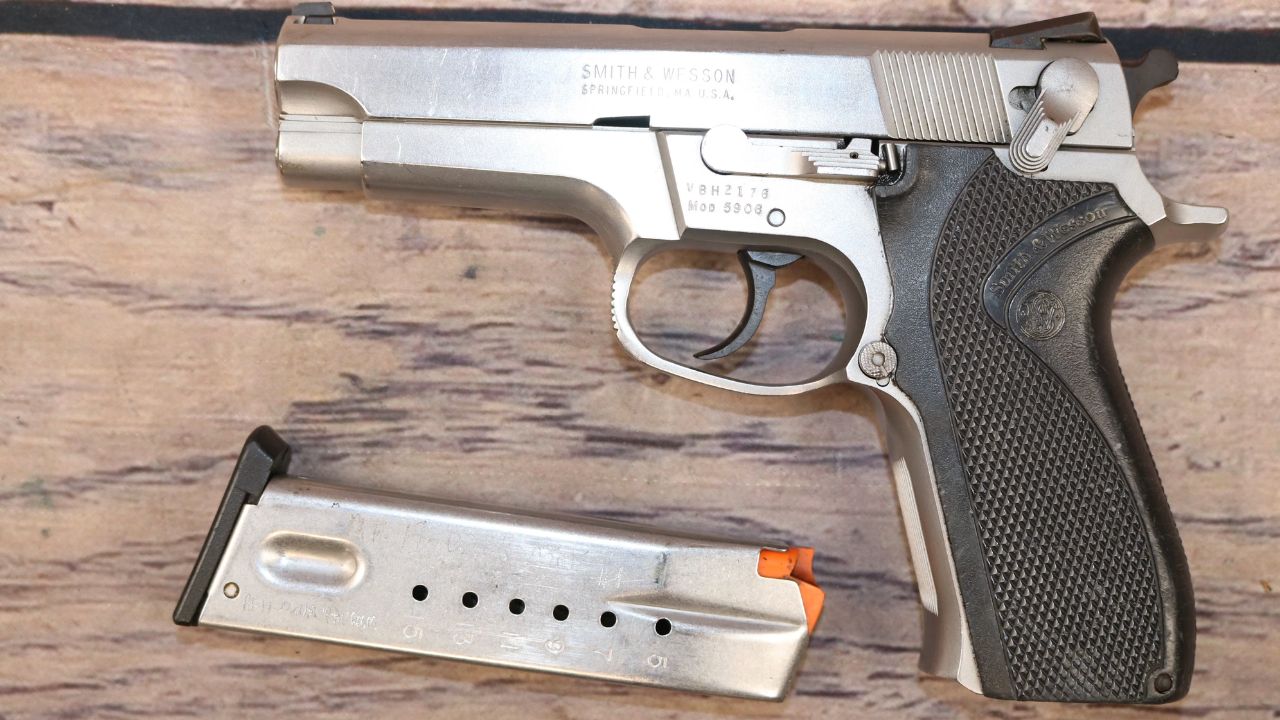
The Smith & Wesson 5906 is heavy, stainless, and built like it came from a time when duty pistols were expected to survive hard use. It does not have the modern slim feel people chase today, but that weight works in its favor once the shooting starts. Recoil is soft, the gun tracks well, and the double-stack grip fills the hand.
A lot of newer compact 9mms are easier to carry, but they do not shoot as smoothly as a good 5906. The third-generation Smith autos were underrated for years, and the 5906 may be the best example of why that was a mistake. It is not sleek, but it is accurate, durable, and easy to shoot well.
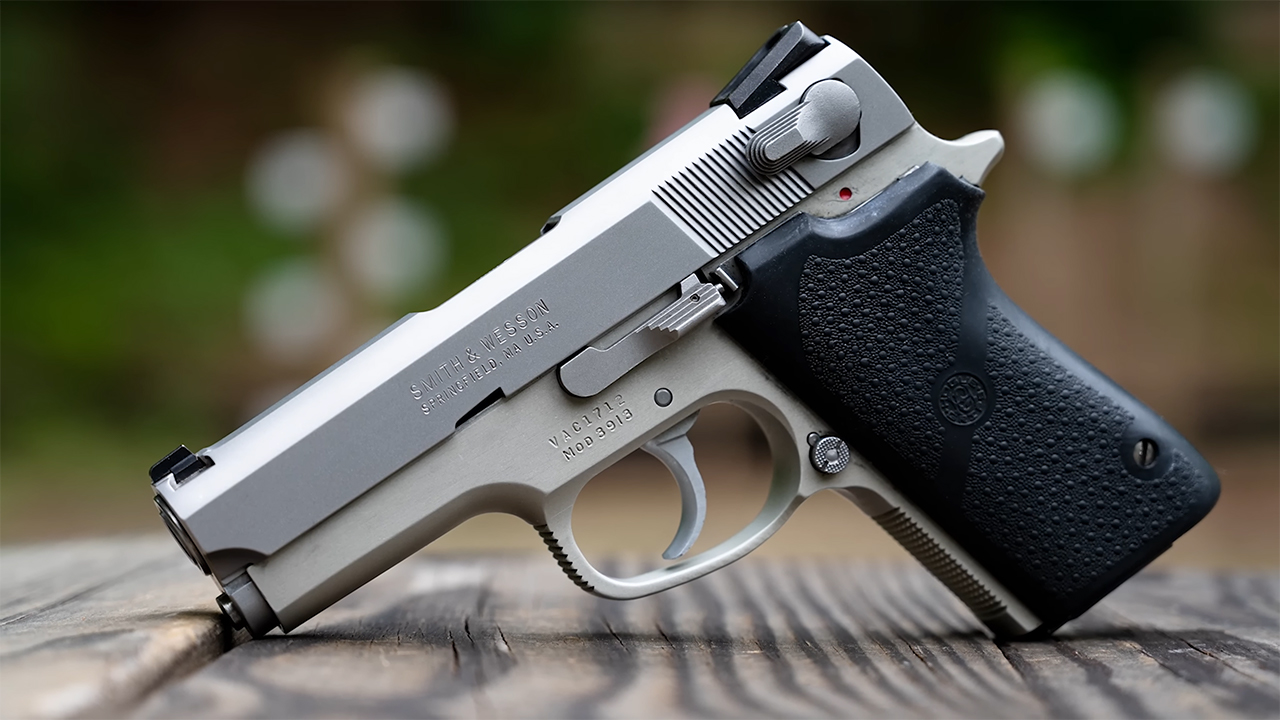
Smith & Wesson 3913
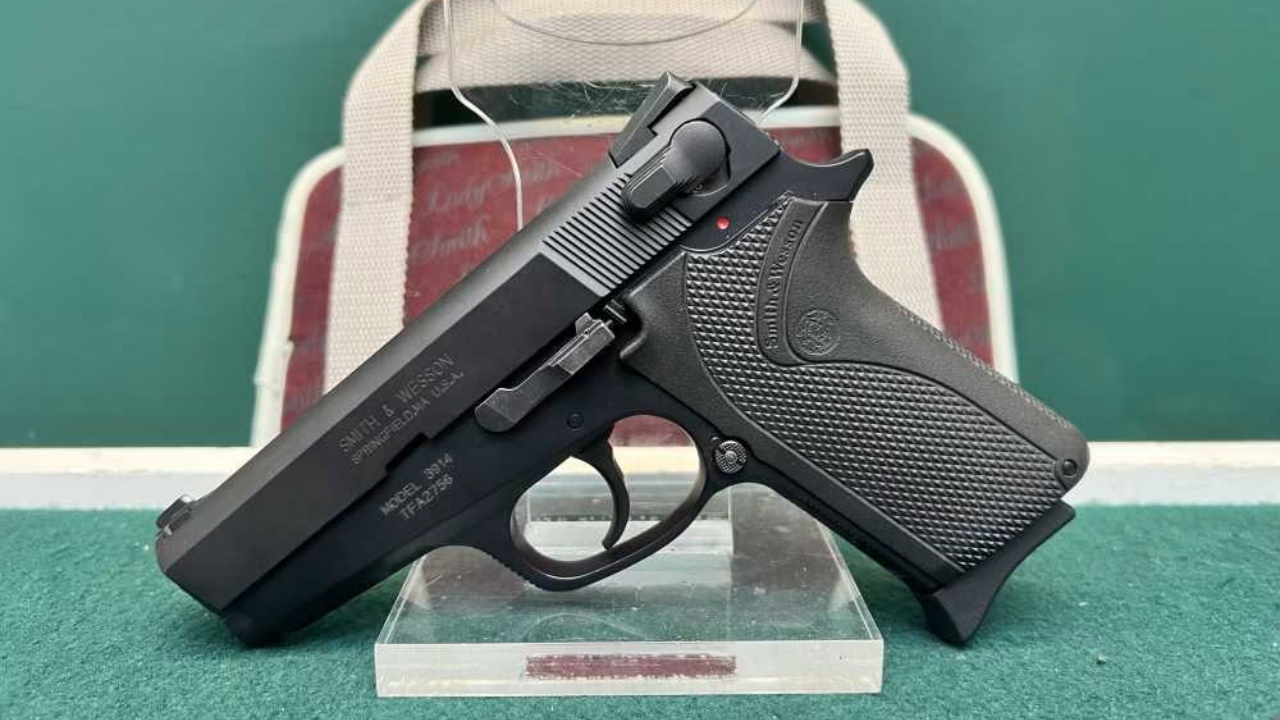
The Smith & Wesson 3913 is one of the best single-stack 9mm pistols many modern shooters barely remember. It is slim, light enough to carry, and far more refined than a lot of tiny carry guns that replaced it. The grip feels natural, and the pistol points better than its plain appearance suggests.
Compared with many newer micro-compacts, the 3913 is usually easier to shoot well. It does not have huge capacity or an optic cut, but it has balance and manners that newer small pistols often lack. For shooters who care about practical accuracy, the 3913 still holds up surprisingly well.
Beretta 84 Cheetah

The Beretta 84 Cheetah is a .380 ACP that shoots like a much more serious pistol than its caliber suggests. The double-stack grip gives it substance, the fixed barrel helps accuracy, and the metal frame keeps recoil soft. It is far easier to enjoy than most tiny .380 pocket pistols.
Newer .380s may be smaller, but many of them are miserable to practice with. The 84 Cheetah is different. It is smooth, good-looking, and accurate enough to make range time enjoyable instead of something to endure. That is why people who actually shoot them tend to understand the appeal fast.
Beretta 92 Compact

The Beretta 92 Compact never became as famous as the full-size 92FS, but it may be the sweeter pistol for many shooters. It keeps the smooth recoil impulse and open-slide feel of the larger gun while trimming enough size to make it handier. The result is a pistol that still feels serious without being oversized.
Plenty of newer compact pistols beat it on weight and capacity-to-size efficiency, but not all of them shoot better. The 92 Compact has that soft, steady Beretta feel that makes accurate shooting feel easier. It is one of those pistols people overlook until they actually run one side by side with newer guns.
SIG Sauer P228
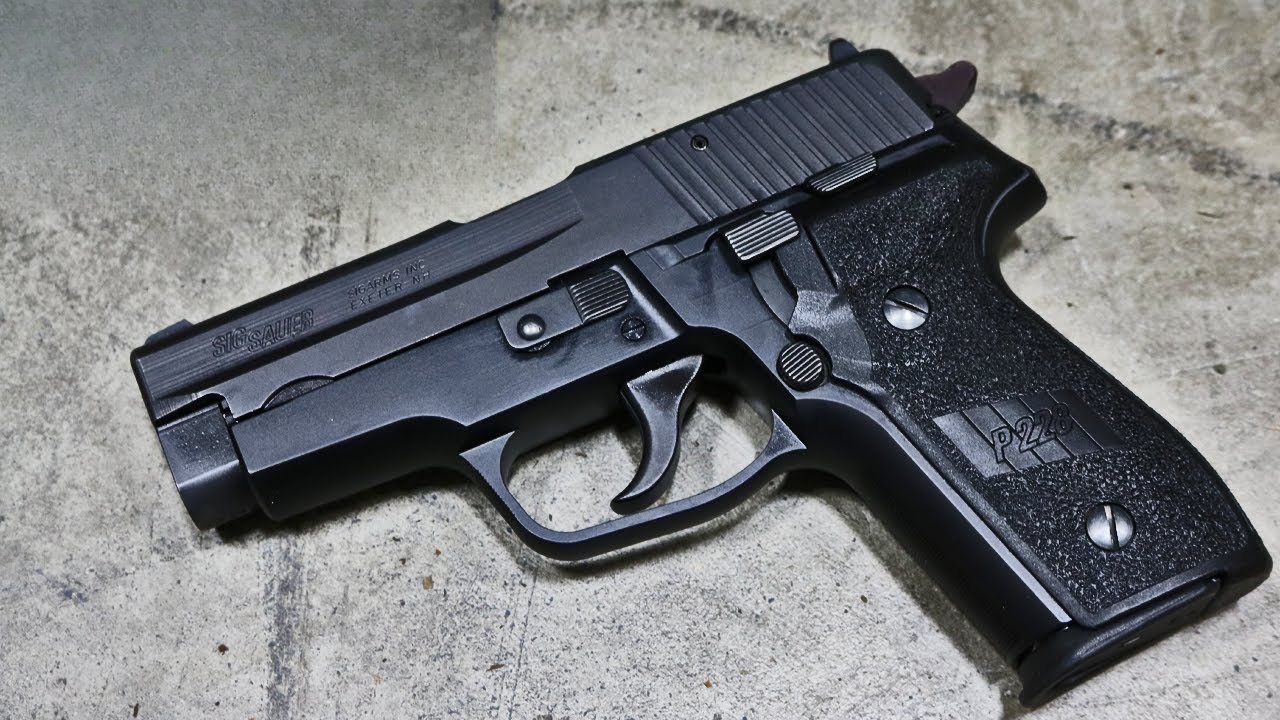
The SIG Sauer P228 is one of the best compact service pistols ever made. It has the classic SIG alloy-frame feel, excellent balance, and a size that sits between duty pistol and carry gun. The P229 became more common later, but the P228 still has a feel many shooters prefer.
It outshoots a lot of newer compact pistols because it is easy to control and naturally accurate. The double-action first shot takes practice, but the single-action pull that follows is clean and confidence-building. For people who like older metal-frame SIGs, the P228 is still one of the greats.
SIG Sauer P225
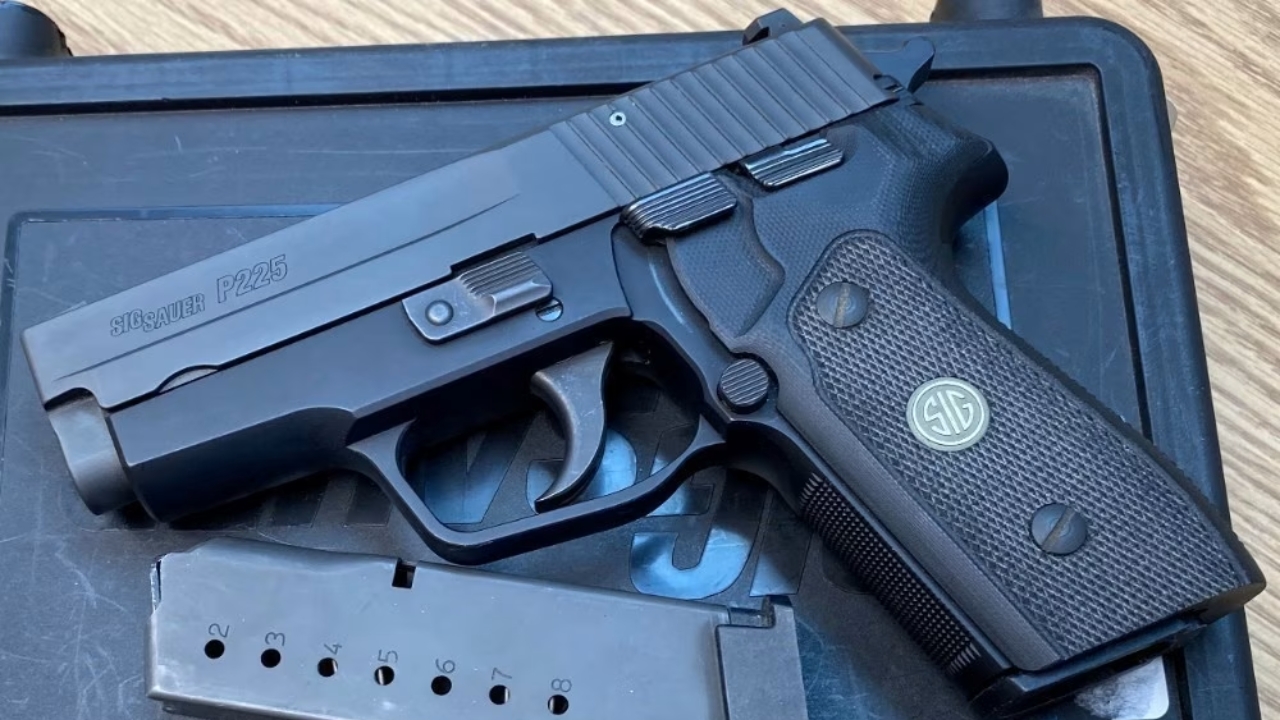
The SIG Sauer P225 is a slim single-stack 9mm that deserves more attention than it gets. It has a comfortable grip, a solid alloy frame, and the same serious service-pistol personality that made classic SIGs respected. It is not high-capacity, but it handles beautifully.
Modern carry pistols usually beat it on round count, but many do not match its shootability. The P225 feels steady in the hand and has enough weight to take the snap out of 9mm. It is the kind of pistol that reminds you a lower-capacity gun can still be worth owning if it shoots this well.
CZ 82

The CZ 82 is one of the surplus pistols that surprised a lot of shooters. Chambered in 9x18mm Makarov, it does not look like much at first glance. Then people shoot it and realize the grip, trigger, and fixed barrel make it far more accurate than expected.
It is easy to dismiss the CZ 82 because the cartridge is not as common as 9mm Luger and the pistol looks dated. But as a shooter, it has real charm. It points well, recoils softly, and often delivers better groups than people expect from a compact surplus pistol.
Star BM

The Star BM became popular when surplus examples were still affordable, and plenty of shooters learned that it was more than a cheap curiosity. It has a compact steel frame, single-action trigger, and 9mm chambering that make it pleasant on the range. It feels somewhat 1911-like without being a true 1911.
Newer budget pistols may hold more rounds and accept modern accessories, but many do not feel as good under recoil. The Star BM has enough weight to stay flat and enough trigger quality to make accurate shooting easy. Parts support is the weakness, but as a forgotten shooter, it still deserves respect.
Browning BDM

The Browning BDM is one of those pistols that never got the credit it should have. It was slim for a double-stack 9mm, had good ergonomics, and offered an unusual mode selector that let shooters choose between traditional double-action/single-action and double-action-only operation. That feature confused some buyers, but the pistol itself was very shootable.
The BDM feels better in the hand than many people expect. It is flatter and more comfortable than a lot of full-size service pistols from its era, and it points naturally. It may not have the aftermarket or name recognition of other Browning designs, but it can absolutely outshoot many newer polymer pistols in the right hands.
Ruger P95

The Ruger P95 is not pretty, but it has a way of making critics look silly at the range. It was affordable, durable, and simple, with a polymer frame that looked chunky rather than refined. A lot of shooters dismissed it because it did not have the polish of a SIG, Beretta, or Smith.
Then they shot one. The P95 is reliable, soft enough in recoil, and often more accurate than its price ever suggested. It is not a collector’s dream, and the trigger is not match-grade, but it is a forgotten working pistol that can still embarrass newer guns that cost more.
Ruger P89

The Ruger P89 is another old Ruger service pistol that gets mocked until someone remembers how well it runs. It is large, heavy, and not especially graceful. But that size and weight make it easy to shoot, especially with standard 9mm loads.
A lot of modern pistols are better for carry, but the P89 still makes sense as a range gun or home-defense pistol. It soaks up recoil, feeds reliably, and has a tank-like reputation. It is not refined, but it can shoot better than many people expect from a pistol that looks this plain.
Walther P99
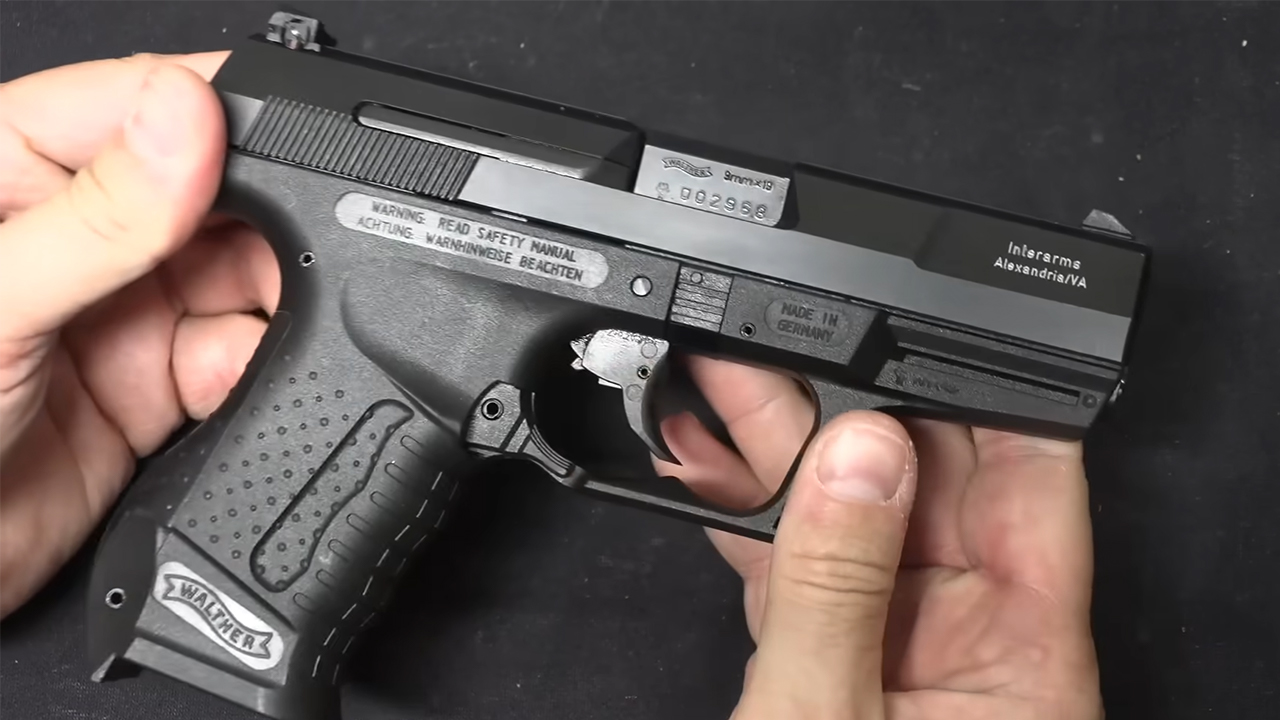
The Walther P99 was ahead of its time in ways that shooters did not fully appreciate. It had excellent ergonomics, interchangeable backstraps before that became expected, and a striker-fired system with a unique anti-stress trigger setup. It arrived before the market fully knew what to do with it.
The P99 still shoots extremely well. The grip shape is excellent, the trigger system is more interesting than most modern striker-fired designs, and the pistol feels lively without being harsh. Walther’s later pistols got more attention, but the P99 remains one of the most overlooked shooters from the early polymer era.
Steyr M9-A1

The Steyr M9-A1 is a strange-looking pistol with serious shooting manners. The low bore axis, grip angle, and trapezoid sights made it different from the usual striker-fired crowd. Some shooters never got past the looks or the sight picture, which kept it from becoming mainstream.
Those who did give it a fair chance often found a pistol that shoots flat and naturally. The grip locks into the hand, recoil stays controlled, and the trigger is better than many people expect. It never became a category leader, but it still feels more interesting and more shootable than a lot of newer polymer guns.
Heckler & Koch P7
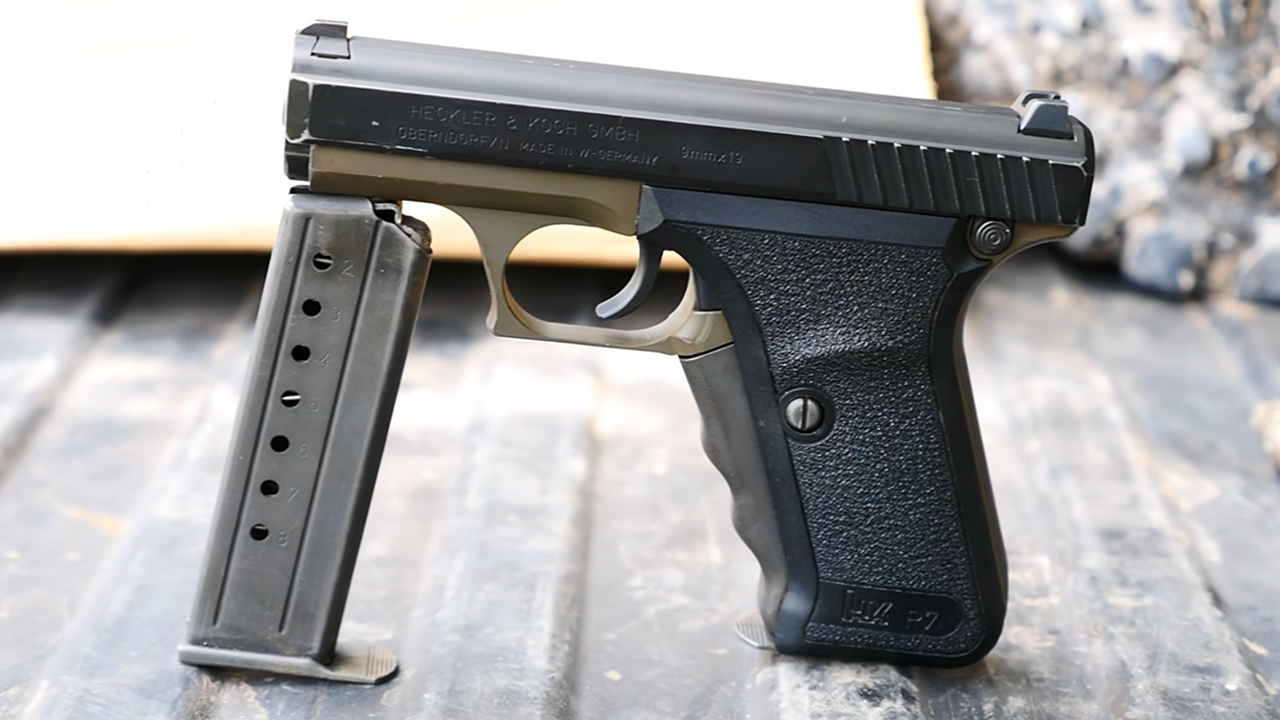
The HK P7 is not forgotten by collectors, but it is forgotten by many regular shooters because prices and rarity pushed it out of normal conversation. Its squeeze-cocker design, fixed barrel, low bore axis, and gas-delayed system made it one of the most unique defensive pistols ever produced.
The P7 still shoots beautifully. It is accurate, flat, and fast once the shooter understands the manual of arms. It also gets hot with extended shooting and is expensive today, so it is not a casual recommendation. But if the question is whether an older pistol can outshoot newer guns, the P7 makes that argument very clearly.
Heckler & Koch P2000
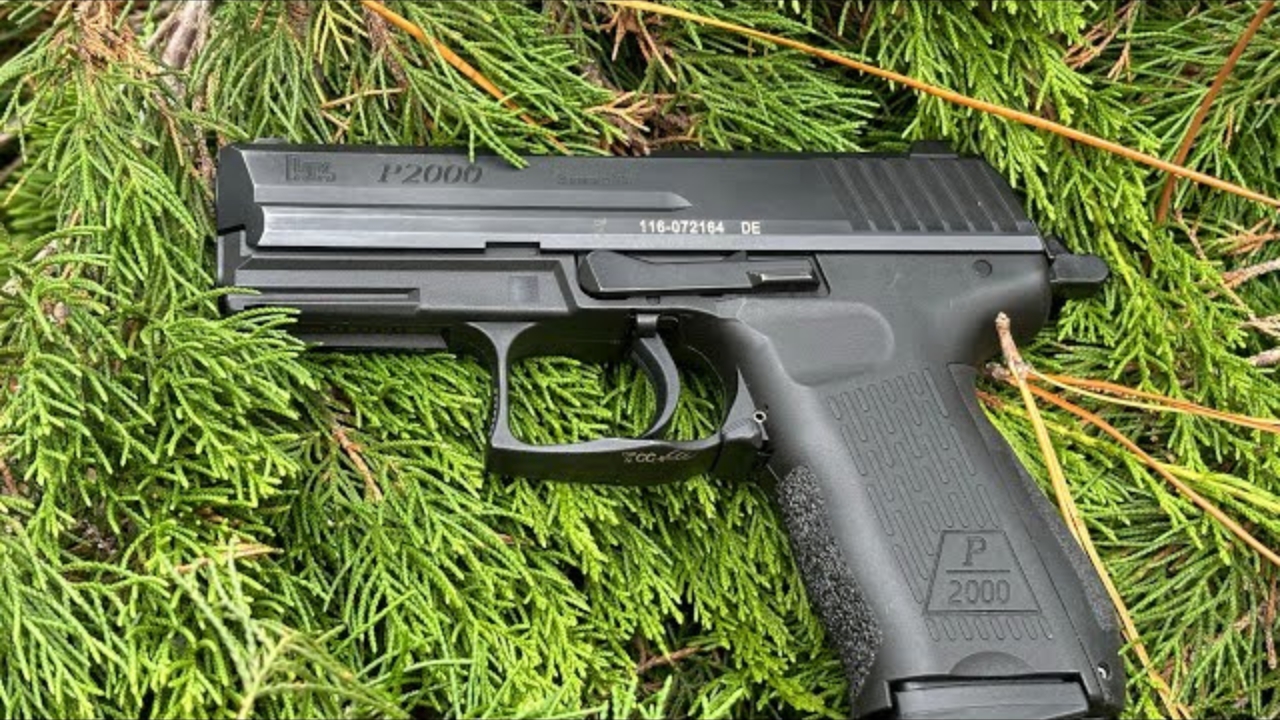
The HK P2000 is easy to overlook because it sits between the older USP/P30 world and newer striker-fired pistols like the VP9. It never had the same fanfare as some HK models, but it is a very solid compact pistol with serious durability behind it.
It shoots better than its quiet reputation suggests. The grip is manageable, the controls are clean, and the recoil impulse is steady. It is not trendy, and it does not look exciting in a display case, but the P2000 is the kind of pistol that makes sense after years of use rather than five minutes of hype.
Browning Hi-Power Practical

The Browning Hi-Power Practical is a version of the classic Hi-Power that still feels excellent today. With its two-tone finish, improved sights compared with older military-style models, and classic grip shape, it has both looks and real range value. It is one of the handguns that feels right before you even fire it.
Newer double-stack 9mms hold more rounds and take accessories more easily, but many still do not match the Hi-Power’s natural pointability. The trigger can benefit from attention, especially if the magazine disconnect is still in place, but the pistol’s balance and feel are hard to beat. It is a classic that still shoots like one.
Colt Double Eagle

The Colt Double Eagle is not loved the way the 1911 is loved, and that is part of why it belongs here. It was Colt’s attempt to build a double-action/single-action pistol around 1911-style lines, and the market never fully embraced it. Some people found it awkward, and it never became a major success.
Still, the Double Eagle can shoot very well, especially in the hands of someone who appreciates heavier metal pistols. It has weight, a solid feel, and more accuracy potential than its reputation suggests. It may not be the prettiest chapter in Colt history, but it is more interesting on the range than many shooters realize.
Smith & Wesson 4506
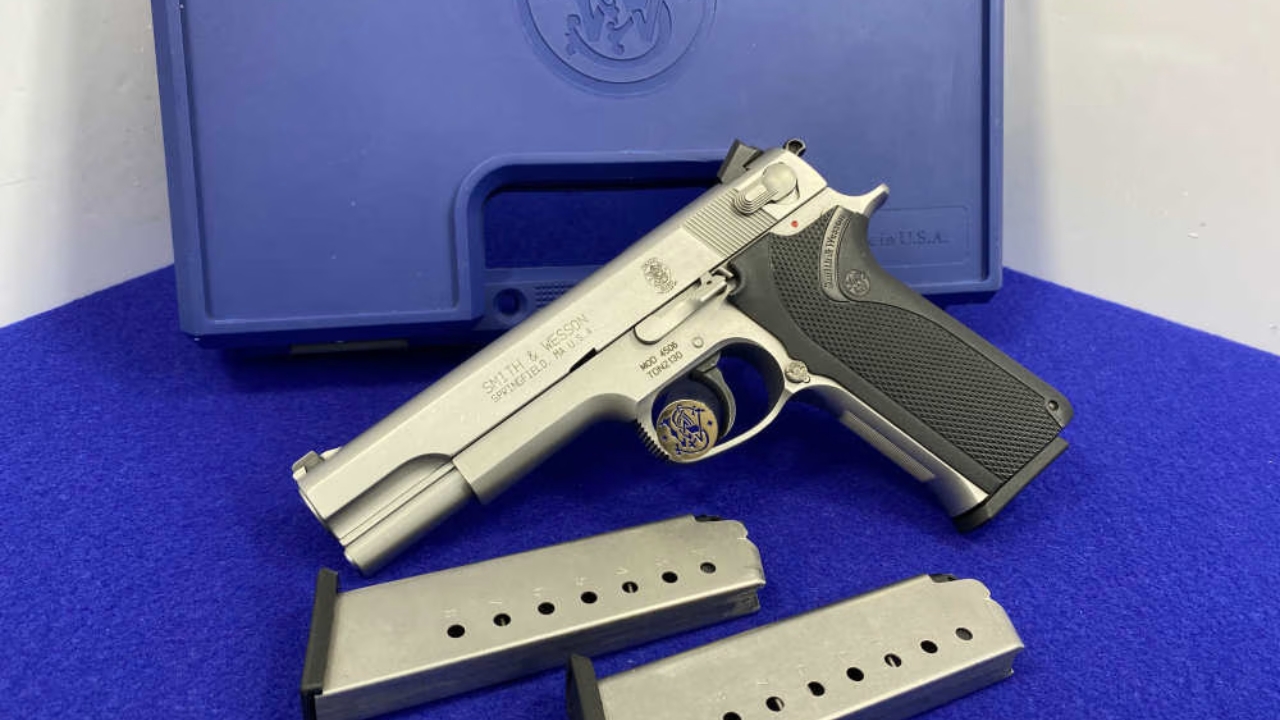
The Smith & Wesson 4506 is a big stainless .45 ACP duty pistol from an era when subtlety was not the point. It is large, heavy, and built for hard use. That makes it a poor choice for modern concealed carry, but a great pistol for shooters who like soft-shooting .45s.
The weight makes recoil easy to manage, and the pistol has the same third-generation Smith toughness that keeps owners loyal. Compared with many modern lightweight .45s, the 4506 is simply easier to shoot well. It may be heavy, but that heaviness is exactly why it still performs.
Smith & Wesson 1006
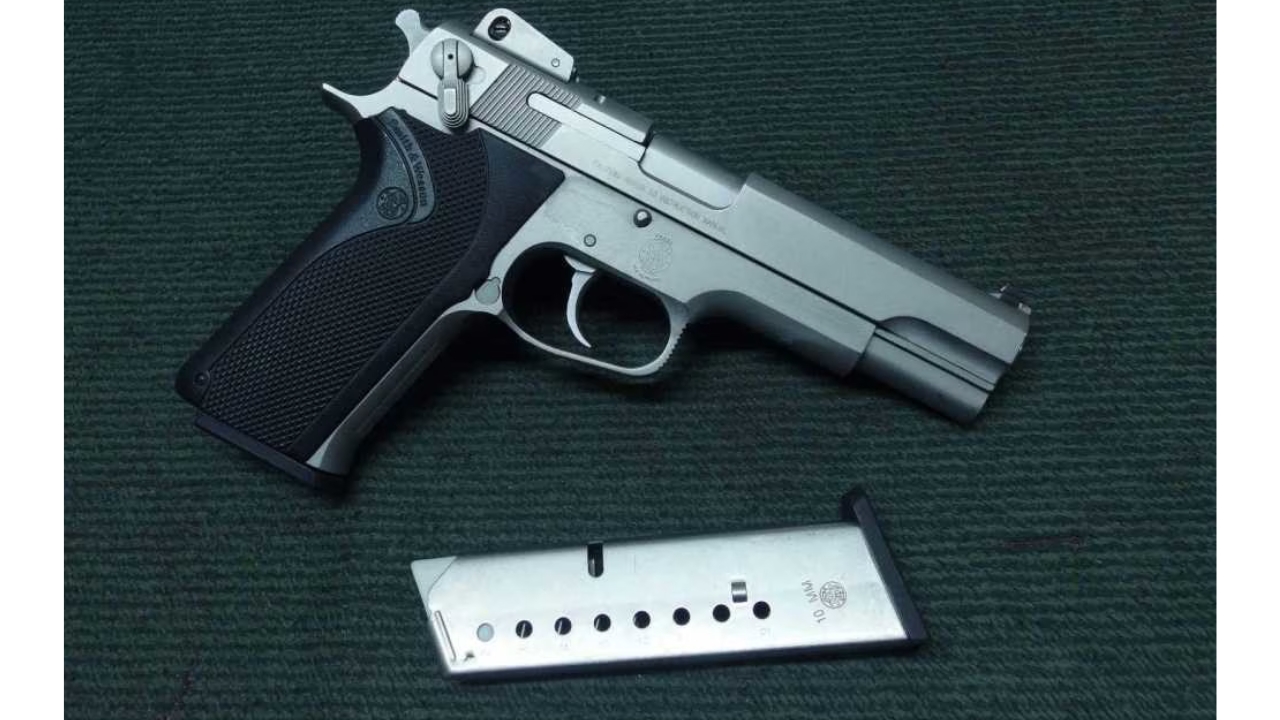
The Smith & Wesson 1006 is one of the great old 10mm pistols. It was built during a time when 10mm was taken seriously as a duty and field cartridge, and the pistol reflects that. Stainless construction, solid weight, and real durability make it feel like a gun designed around the cartridge instead of barely containing it.
Modern 10mm pistols may be lighter and easier to carry, but the 1006 is often easier to shoot with full-power loads. It has the weight and strength to make 10mm feel controlled instead of punishing. That is why old 1006 pistols still have a strong following among people who actually shoot them.
Colt Woodsman

The Colt Woodsman is an older rimfire pistol that still embarrasses many newer .22s. It has clean lines, good balance, and a shooting feel that came from a time when even rimfire pistols were built with pride. It was never just a cheap plinker.
A good Woodsman is accurate, smooth, and enjoyable in a way that makes newer budget rimfire pistols feel disposable. It is not the gun most people want to beat up in the bottom of a range bag, but as a pure shooter, it still holds up. Some forgotten pistols survive on nostalgia. The Woodsman survives because it can still shoot.
Like The Avid Outdoorsman’s content? Be sure to follow us.
Here’s more from us: