Photo credit: Olde English Outfitters/YouTube
Home defense advice gets messy fast because people recommend what they already own, what looks intimidating, or what sounded good in a gun shop conversation. A gun can be powerful, popular, or fun at the range and still be a poor choice for defending a home.
The problem usually comes down to control, reliability, capacity, blast, recoil, length, low-light handling, or how hard the gun is to run under stress. These guns are not all worthless, but they get recommended way too often for a job where simple, reliable, and controllable matters more than looking tough.
Taurus Judge
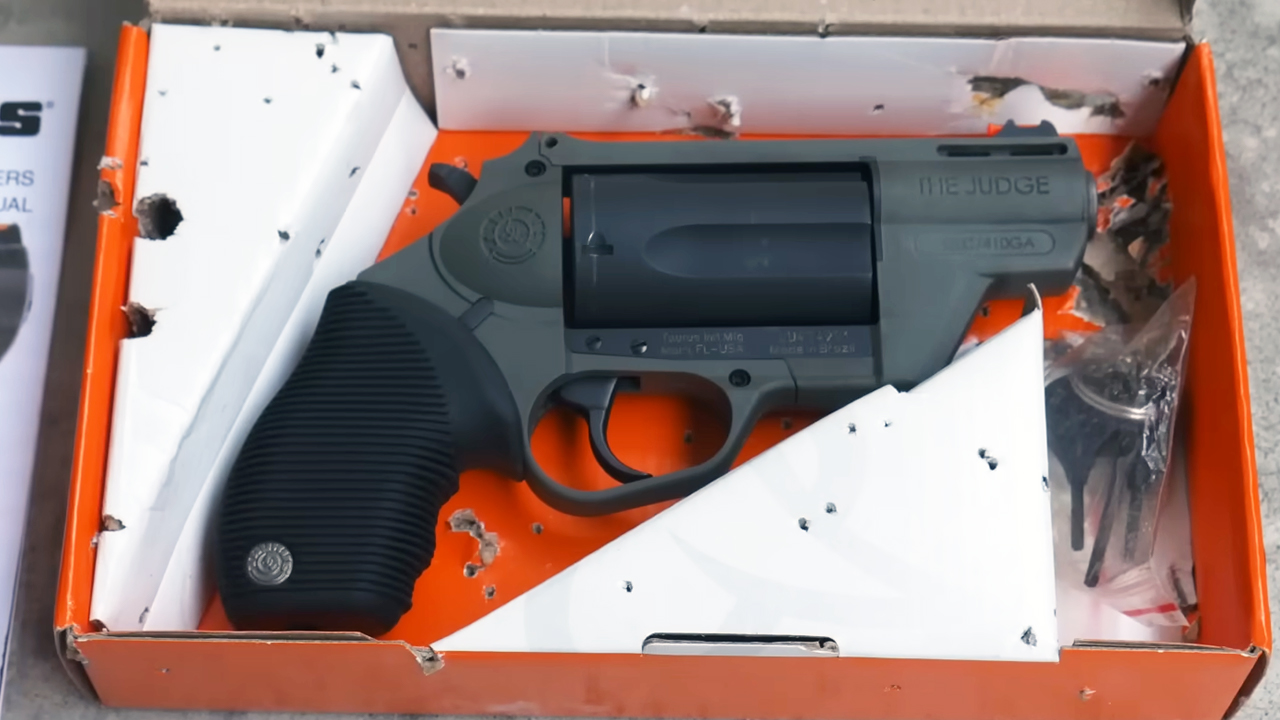
The Taurus Judge may be the king of bad home-defense recommendations. People love the idea of a revolver that can fire .410 shells and .45 Colt, and it sounds devastating when someone describes it across a counter. The problem is that the concept is better than the performance.
Out of a short barrel, .410 defensive loads are a compromise. Patterns can be unpredictable, penetration can be inconsistent, and the gun itself is bulky for what it delivers. A quality 9mm pistol, .357 revolver, or real shotgun is usually a better answer. The Judge sells confidence, but it does not deserve the home-defense reputation people give it.
Smith & Wesson Governor
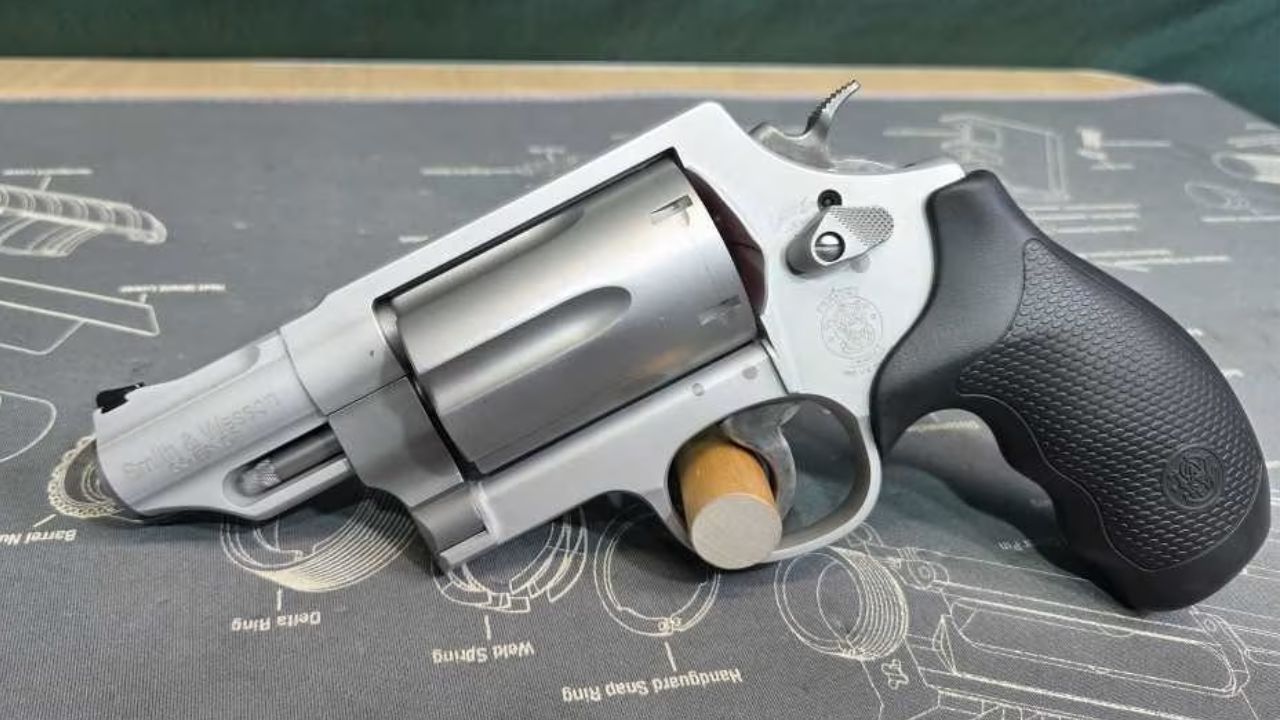
The Smith & Wesson Governor has the same basic problem as the Judge, just with a different badge on the side. It looks like a more refined version of the multi-caliber defensive revolver idea, and the ability to fire .410, .45 Colt, and .45 ACP sounds useful.
In reality, it is still a large revolver built around a compromise. The .410 loads do not turn it into a shotgun, .45 Colt is limited by the platform, and .45 ACP moon clips add another layer of gear to manage. It is interesting, but for serious home defense, a simpler and more proven setup makes more sense.
Mossberg Shockwave
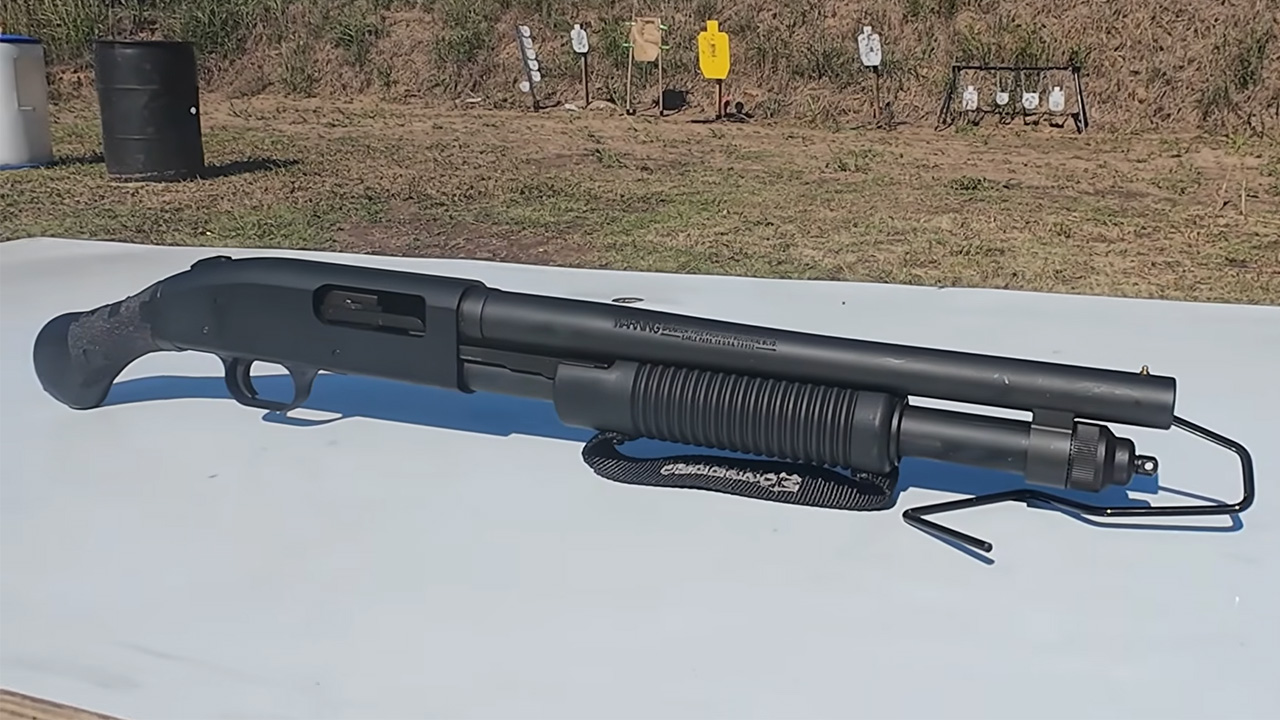
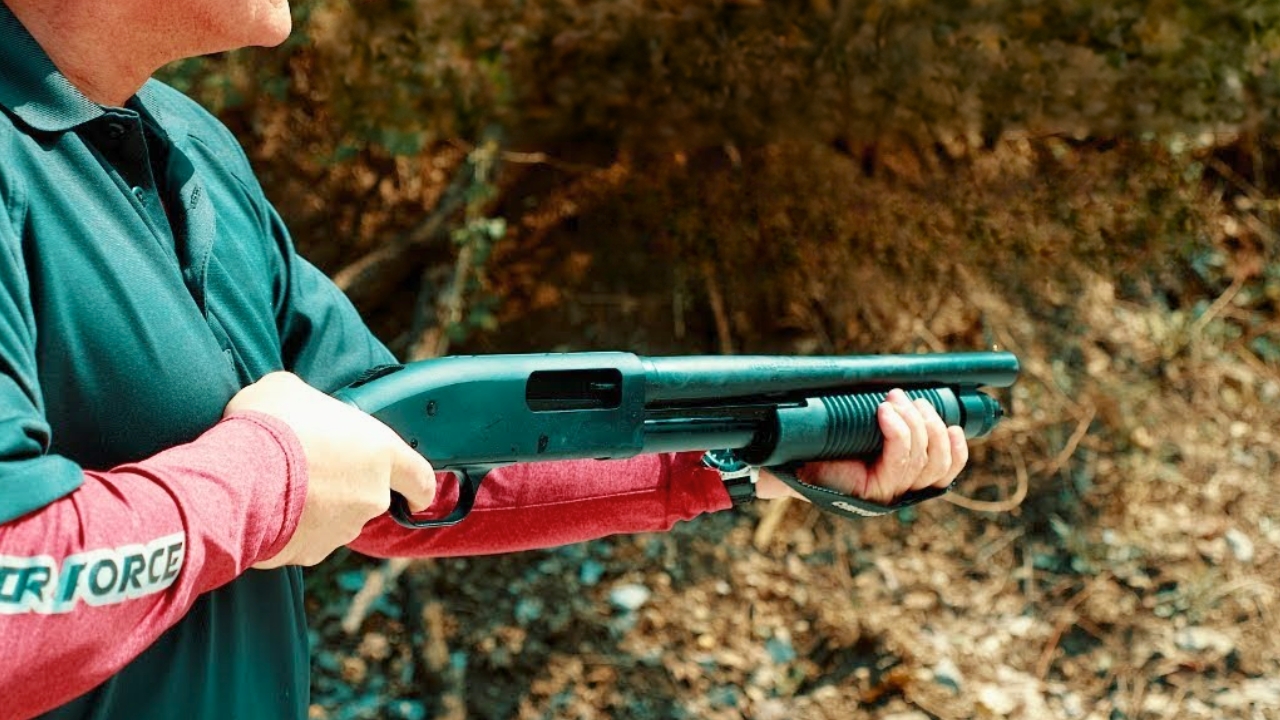
The Mossberg Shockwave gets recommended because it looks intimidating and compact. A short 12-gauge firearm with a bird’s-head grip seems like the perfect hallway gun to people who have not trained with one much. It is easy to imagine it solving problems just because it looks mean.
The problem is shootability. Without a shoulder stock, a 12 gauge is harder to aim, harder to control, and slower to run well. Recoil management, follow-up shots, and low-light handling all get worse compared with a stocked shotgun. A Mossberg 500 or 590 with a proper stock is a much better home-defense choice.
Remington TAC-14
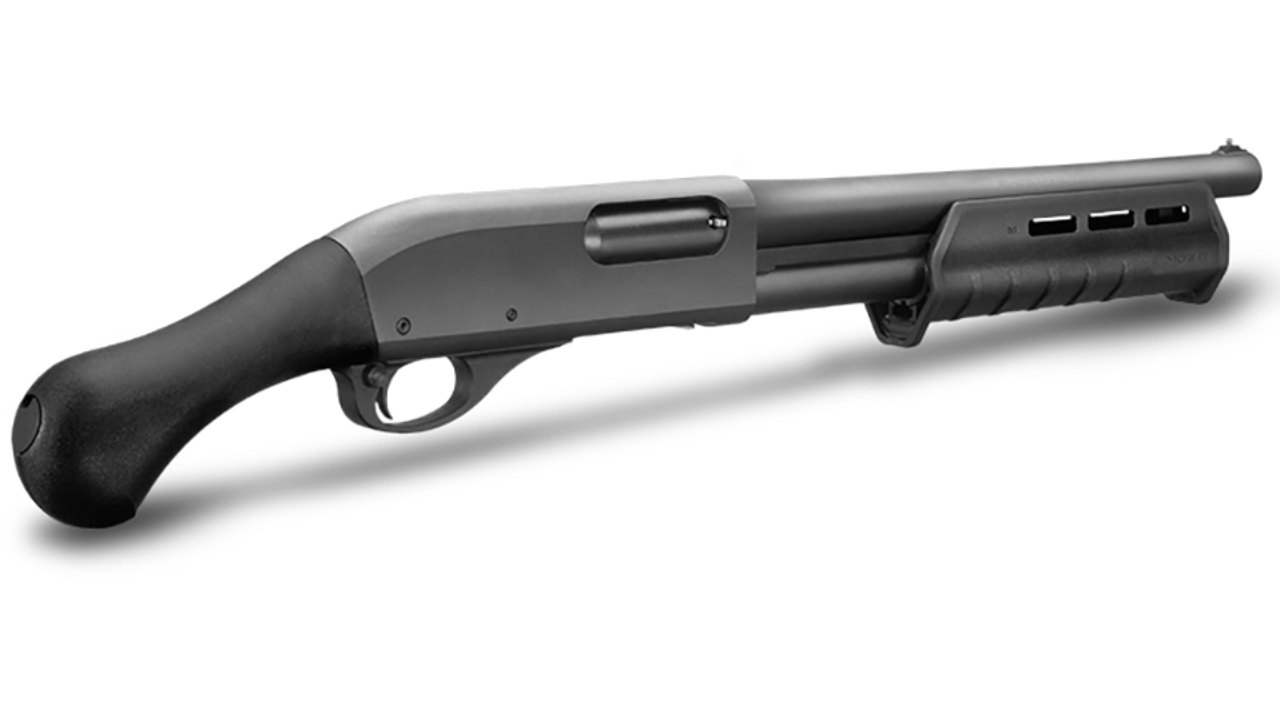
The Remington TAC-14 has the same issue as the Shockwave. It is compact, aggressive-looking, and easy to sell as a close-quarters shotgun-style firearm. People recommend it because it seems easier to maneuver indoors than a normal shotgun.
But compact does not automatically mean better. The lack of a stock makes accurate shooting harder, especially under stress. It also makes recoil more punishing and follow-up shots slower. A short, stocked 12 gauge or 20 gauge is much more practical. The TAC-14 looks like a shortcut, but home defense is not where shortcuts shine.
KelTec KSG
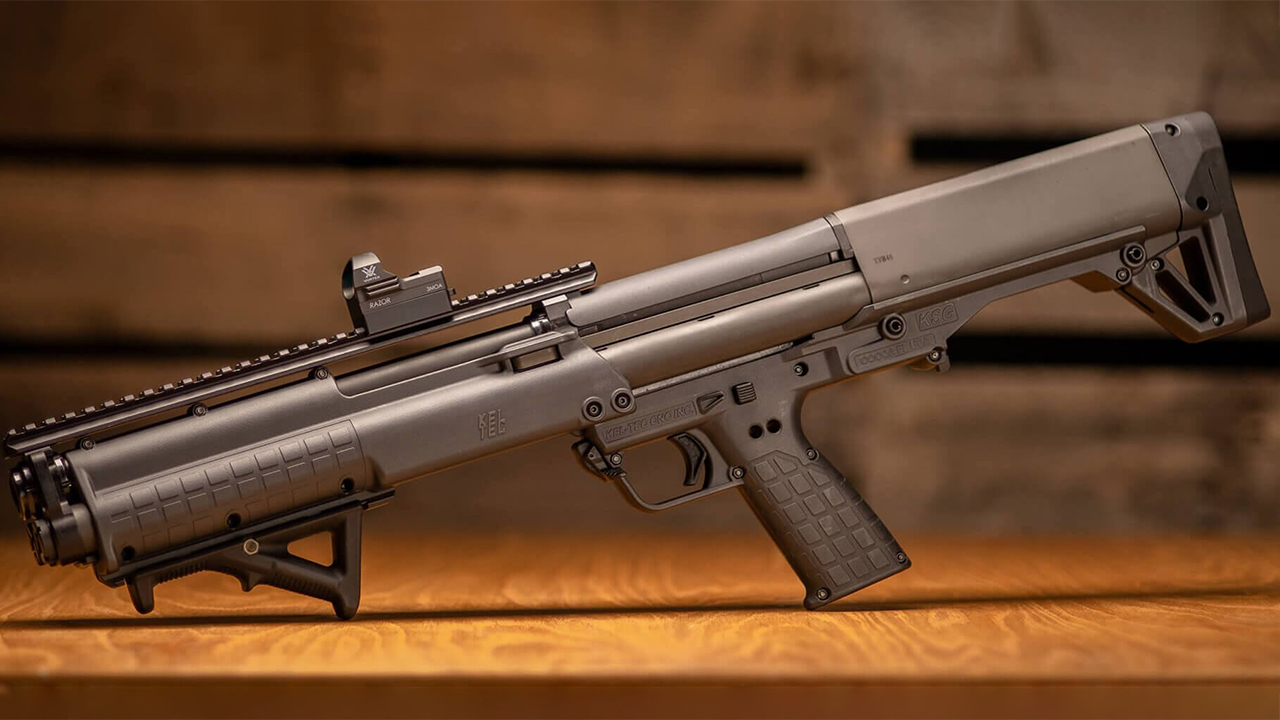
The KelTec KSG looks like a home-defense dream on paper. It is short, holds a lot of shells, and has a futuristic bullpup profile that makes people think it is the ultimate close-range shotgun. The capacity alone gets people excited.
The problem is that it takes more work to run well than a normal pump shotgun. Loading is awkward, the manual of arms is less natural, and short-stroking or fumbling the tube selector can become a real issue for casual shooters. A basic Mossberg 590 or Remington 870 is usually easier to operate when things are ugly.
Standard Manufacturing DP-12
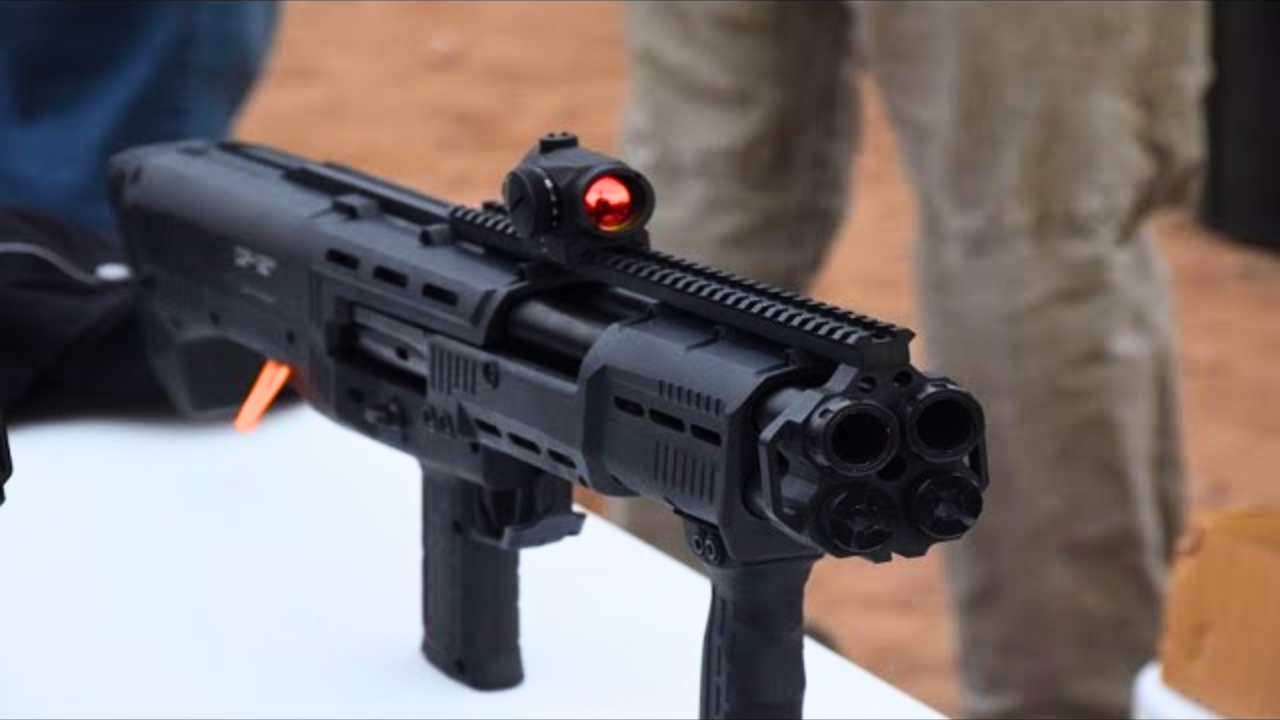
The Standard Manufacturing DP-12 looks powerful enough to end any argument. Two barrels, pump action, and high shell capacity make it seem like the ultimate home-defense shotgun. It is one of those guns people recommend because the spec sheet sounds wild.
The downside is size, weight, complexity, and cost. It is a lot of shotgun to manage in the dark when your heart is racing. The double-shot rhythm is unusual, and the gun is not nearly as simple as a standard pump or semi-auto. For most households, the DP-12 is more of a range spectacle than a sensible defensive tool.
Taurus Raging Judge Magnum
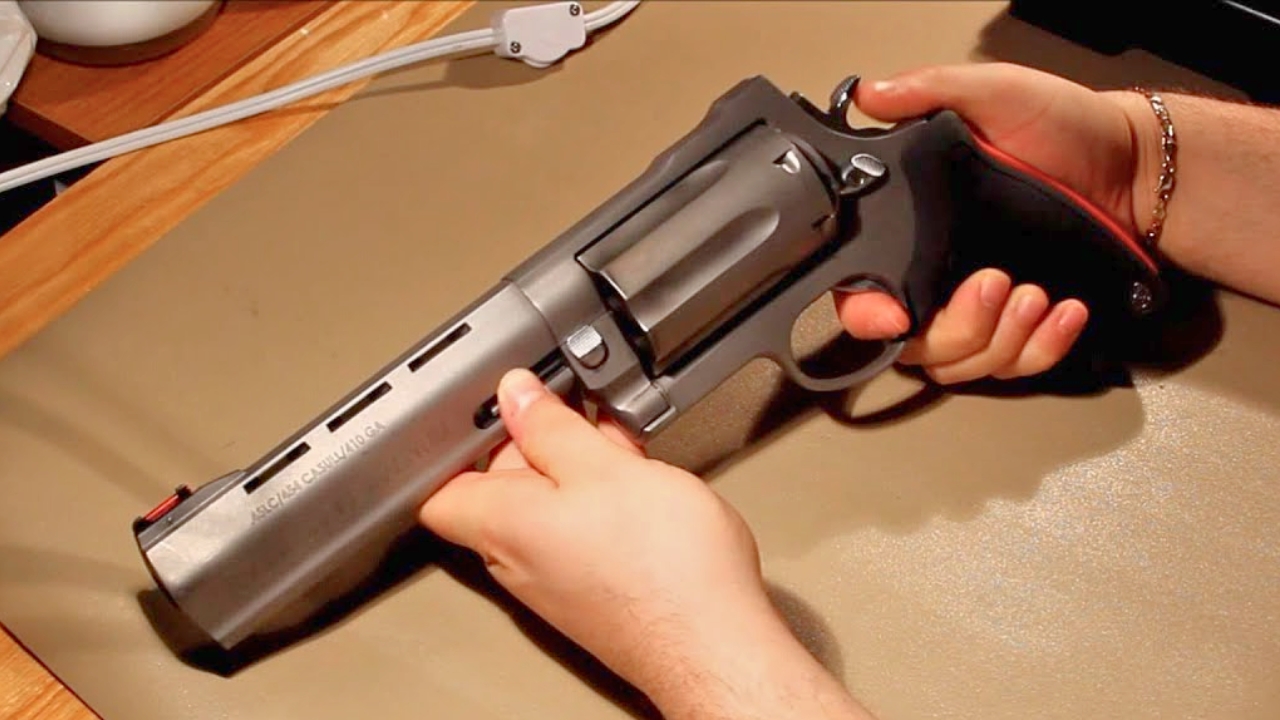
The Taurus Raging Judge Magnum might be even worse for home defense than the standard Judge. It looks terrifying and fires big cartridges, which is exactly why some people think it is ideal. More power feels like more safety until you actually think through the tradeoffs.
It is huge, heavy, loud, and slow compared with better options. Full-power loads bring serious recoil and blast indoors, while .410 loads still carry the same short-barrel compromise. A home-defense gun needs to be easy to control and fast to operate. The Raging Judge is more drama than solution.
Desert Eagle .50 AE

The Desert Eagle .50 AE gets recommended mostly by people who are confusing movie presence with defensive usefulness. It is big, iconic, and powerful. Nobody can deny that it turns heads or makes a huge impression at the range.
That does not make it a good home-defense gun. It is heavy, expensive to feed, difficult for many shooters to control, and far less practical than a normal defensive pistol. The blast and recoil are excessive for indoor use, and the size makes it harder to handle quickly. A boring 9mm pistol beats it badly for this job.
Taurus 605 .357 Magnum

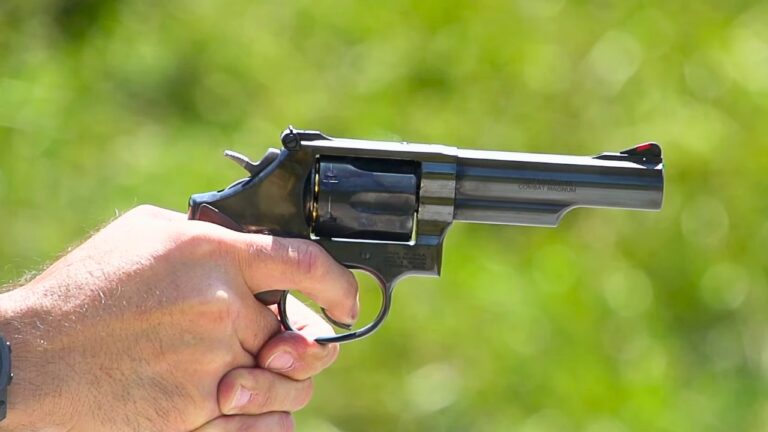
The Taurus 605 is not a terrible revolver, but it is often recommended in the wrong role. A small .357 Magnum snub sounds like a powerful and affordable home-defense choice. On paper, it has plenty of punch in a compact package.
The reality is that small .357 revolvers are hard for many people to shoot well. Recoil is sharp, muzzle blast is intense, capacity is limited, and reloads are slow. With .38 Special loads, it becomes more manageable, but then the advantage over easier-shooting options shrinks. For home defense, a compact magnum snub is usually not the best starting point.
Smith & Wesson 340PD
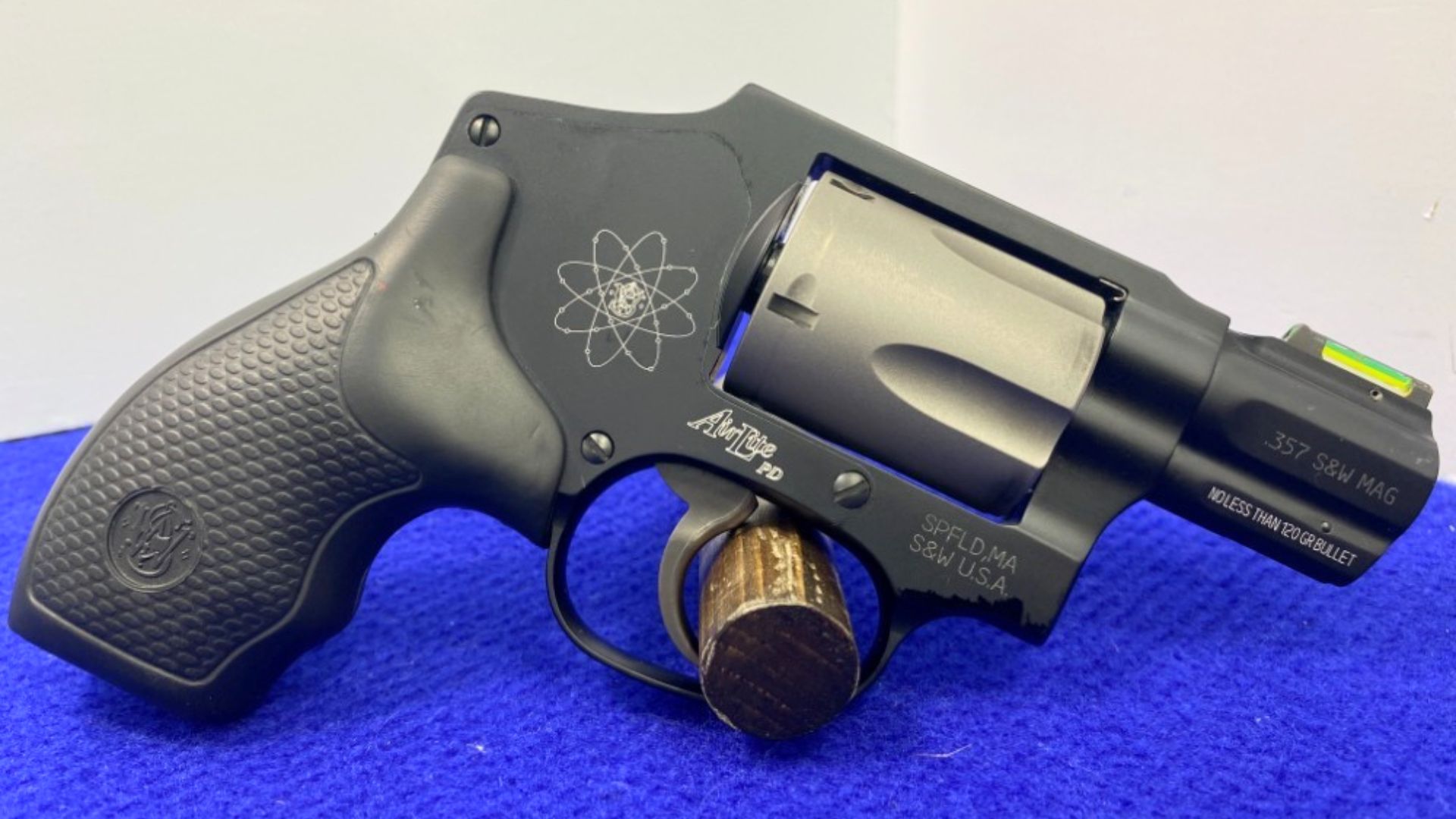
The Smith & Wesson 340PD is an excellent carry tool for a very specific person, but it is a poor home-defense recommendation for most households. It is extremely light and chambered for .357 Magnum, which makes it sound like serious power in a tiny package.
That tiny package is the problem. With magnum loads, recoil and blast are brutal. Even with .38 Special +P, it is still a small five-shot revolver that requires real skill to shoot quickly. For a bedside gun, there is usually no reason to choose something this punishing when larger, easier-shooting handguns exist.
North American Arms Mini Revolver
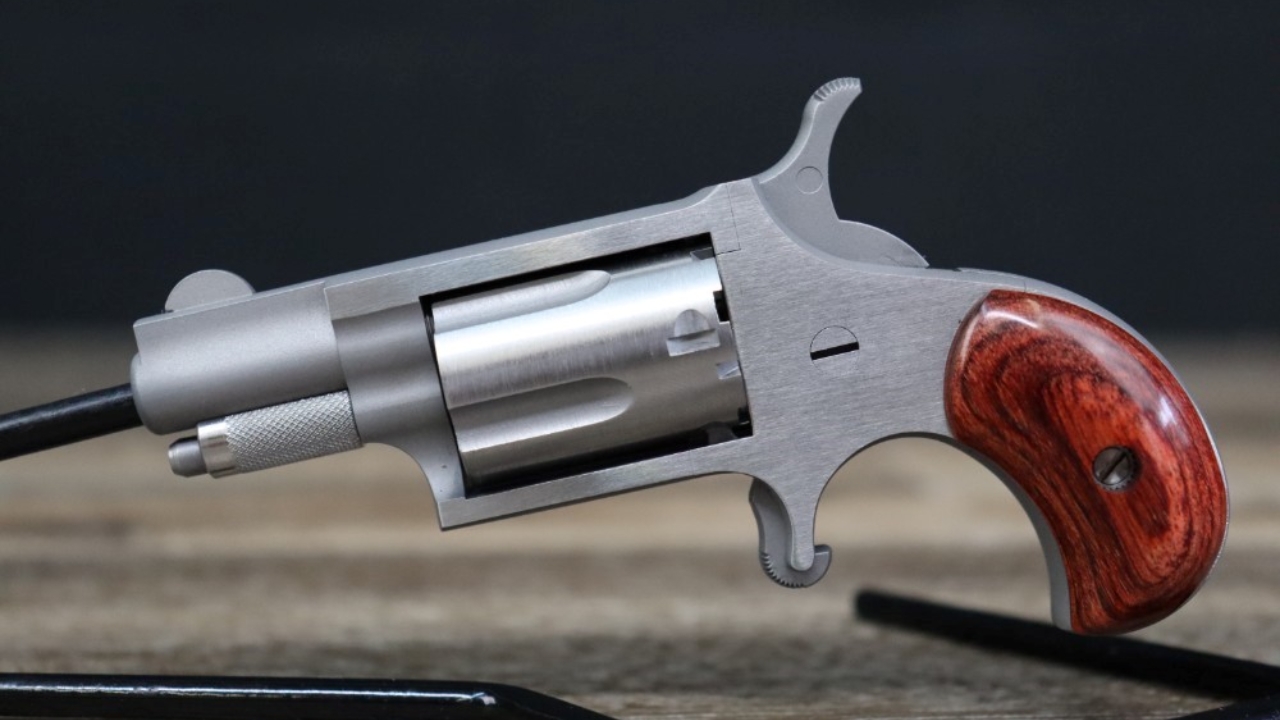
The North American Arms Mini Revolver gets mentioned because it is small, simple, and easy to stash. But “easy to stash” is not the same thing as “good for home defense.” This is a last-ditch pocket gun, not a serious bedside option.
The tiny grip, tiny sights, slow operation, and limited power all work against it. It is hard to shoot accurately beyond very close distance, especially under pressure. If someone is recommending an NAA Mini as a primary home-defense gun, they are confusing convenience with capability.
Walther PPK/S
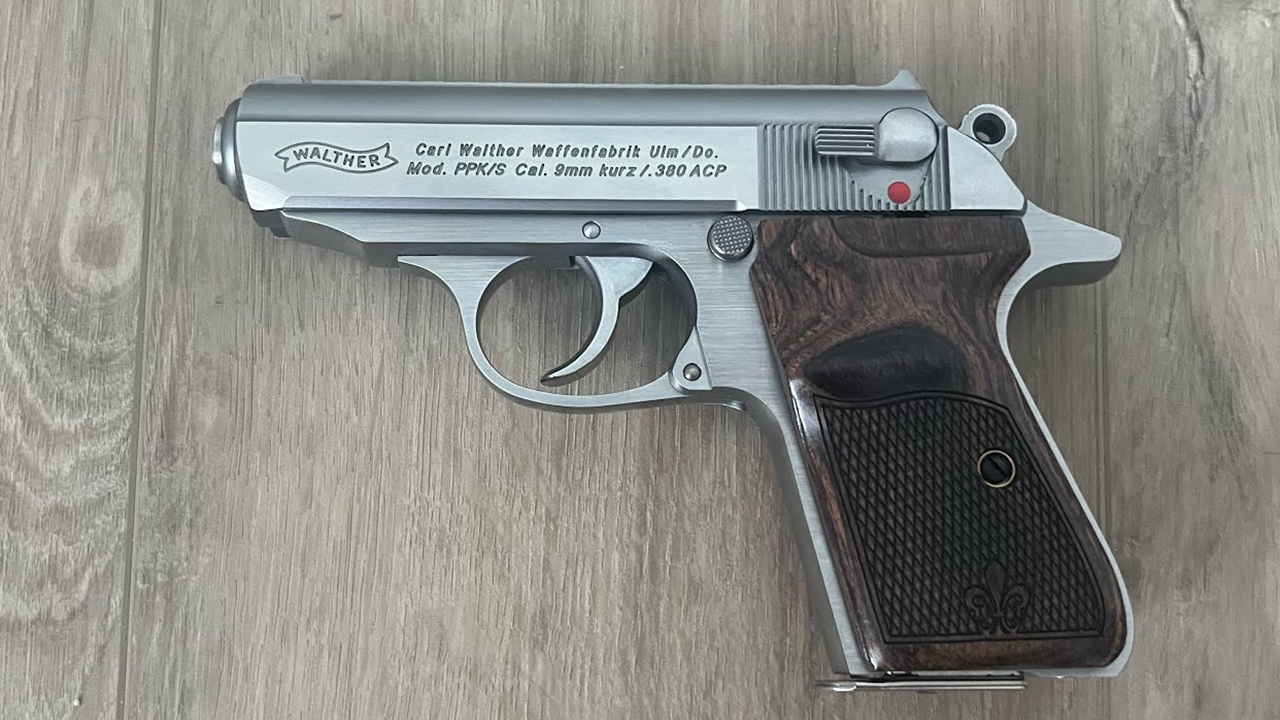
The Walther PPK/S has style and history, but that does not make it a great home-defense pistol. People still recommend it because it is recognizable, slim, and chambered in .380 ACP. It feels like a classic defensive handgun.
For home defense, it gives up too much. The blowback action can feel snappy, the sights are small, capacity is limited, and some shooters deal with slide bite. It is also not as easy to mount lights or modern sights as newer pistols. A full-size or compact 9mm pistol is usually easier to shoot well and easier to equip.
Glock 43

The Glock 43 is a solid concealed-carry pistol, but it is not a great home-defense recommendation when larger pistols are available. People recommend it because Glock is trusted and the pistol is simple. Those are fair points.
The issue is that the Glock 43 is designed around concealment, not maximum shootability. It has limited capacity, a small grip, more felt recoil than larger 9mms, and less room for accessories than bigger defensive pistols. If it is the only gun you own, it can serve. But if you are choosing a dedicated home-defense handgun, the Glock 19 makes far more sense.
SIG Sauer P365 SAS

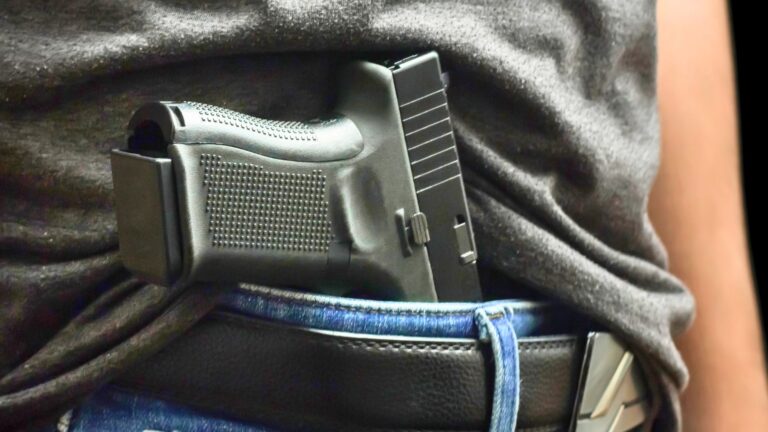
The SIG P365 SAS was built around snag-free carry, not home-defense practicality. Its flush controls and low-profile sighting system are meant to keep the pistol smooth for concealed carry. That makes it interesting for a pocket or waistband role.
For home defense, those same features can work against it. The sights are polarizing, the controls are less positive, and the small size is not an advantage when concealment does not matter. A standard P365, P365 XMacro, or larger pistol is easier for most people to shoot, reload, and manage under stress.
Springfield Armory Hellcat

The Springfield Hellcat is a strong micro-compact carry gun, but it gets over-recommended as a home-defense pistol. People like the capacity for the size, the aggressive texture, and the small footprint. For concealed carry, that makes sense.
At home, small size matters less than control. The Hellcat can be snappy, the grip is short, and a larger pistol will usually be faster and easier to shoot well. The Hellcat is not a bad gun, but it is a carry-first gun. A full-size or compact 9mm is usually better for defending a house.
Ruger LCP Max

The Ruger LCP Max is a good pocket pistol, but pocket pistols are rarely the best home-defense guns. People recommend it because it is easy to keep nearby, has better capacity than older pocket .380s, and is simple to carry all day.
Those strengths do not translate perfectly to a bedside role. The pistol is small, the sights are limited, the grip is tiny, and .380 ACP is less forgiving than 9mm. It is much better than nothing, but if you are setting up a dedicated home-defense gun, there is no good reason to choose an LCP Max over something larger and easier to shoot.
Hi-Point C9
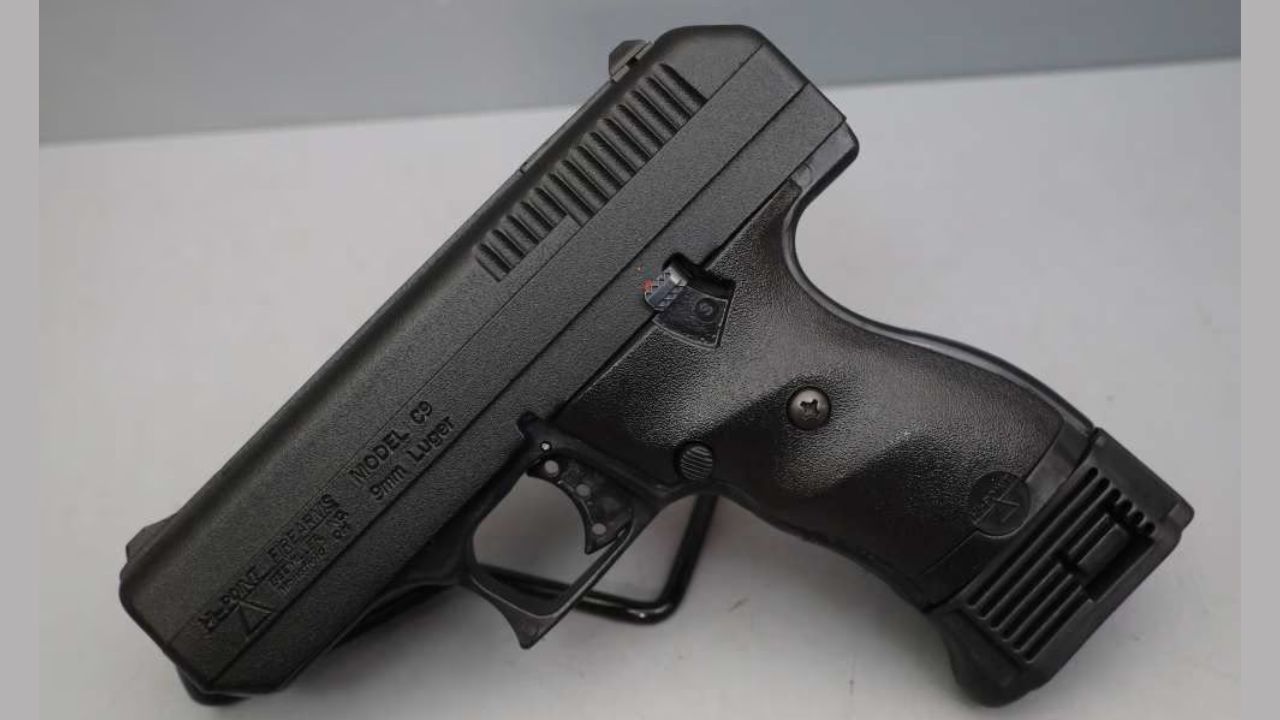
The Hi-Point C9 gets recommended because it is cheap and usually functions better than its reputation suggests. For someone with almost no budget, that matters. A working gun beats no gun.
But calling it a good home-defense choice is a stretch. It is bulky, heavy for its size, low-capacity, awkwardly balanced, and not as easy to equip or shoot well as better pistols. If it is all someone can afford, it can fill a gap. But people should not pretend it belongs near the top of the home-defense list.
KelTec Sub 2000

The KelTec Sub 2000 gets recommended because it folds, uses common pistol calibers, and can share magazines with certain handguns. That sounds handy, especially for storage or travel. It definitely has a role as a compact carbine.
For home defense, the folding feature matters less than stability, sights, light mounting, and ease of deployment. Some setups are awkward with optics, and the overall feel is not as solid as better pistol-caliber carbines. It can work, but it is not the magic answer people sometimes make it out to be.
Ruger PC Charger

The Ruger PC Charger is fun, compact, and very tempting as a defensive setup. It uses 9mm, can accept common magazines with the right adapter, and is small enough to stage easily. People recommend it because it feels like a modern compact answer.
The problem is that it needs the right brace or stock setup where legal, plus the right optic and light, before it really makes sense. Without that, it can be awkward compared with a normal handgun or stocked carbine. It is not bad, but it is easy to oversell as a home-defense solution when a simpler rifle or pistol may be cleaner.
AR pistols in 5.56 with very short barrels
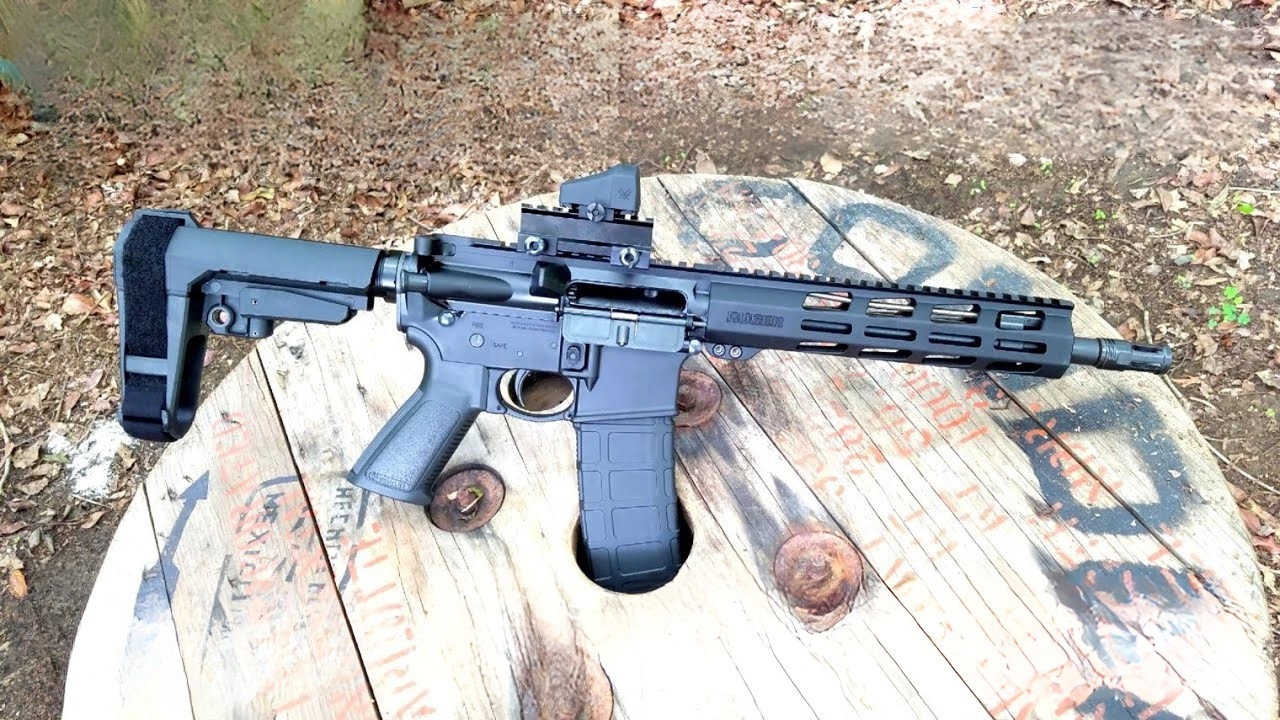
A very short 5.56 AR pistol looks like a perfect home-defense gun to a lot of people. It is compact, familiar, and uses a proven rifle cartridge. The problem is what happens when 5.56 gets pushed through extremely short barrels.
The blast, flash, noise, and reduced velocity can be ugly, especially indoors. Reliability can also be more sensitive depending on the build. A properly set up short AR can work, but ultra-short 5.56 pistols are not the easy answer people pretend they are. For most shooters, a 10.3- to 12.5-inch quality setup or a standard carbine makes more sense.
Like The Avid Outdoorsman’s content? Be sure to follow us.
Here’s more from us: