Photo credit: Vortex Optics/YouTube
A rifle does not have to be new to be better. In fact, once you have carried the same gun through enough seasons, watched it hold zero year after year, and learned exactly how it behaves in cold weather, wet timber, and awkward field positions, the newest rifle on the rack starts looking a lot less important.
That kind of trust is hard to replace. A current-production rifle may be lighter, threaded, optics-ready, or built around a more modern stock, but none of that instantly replaces two decades of familiarity. These are the rifles I would keep carrying because I already know what they will do, where they will hit, and how they feel in the hands when a shot finally presents itself.
Remington 700 BDL .270 Winchester
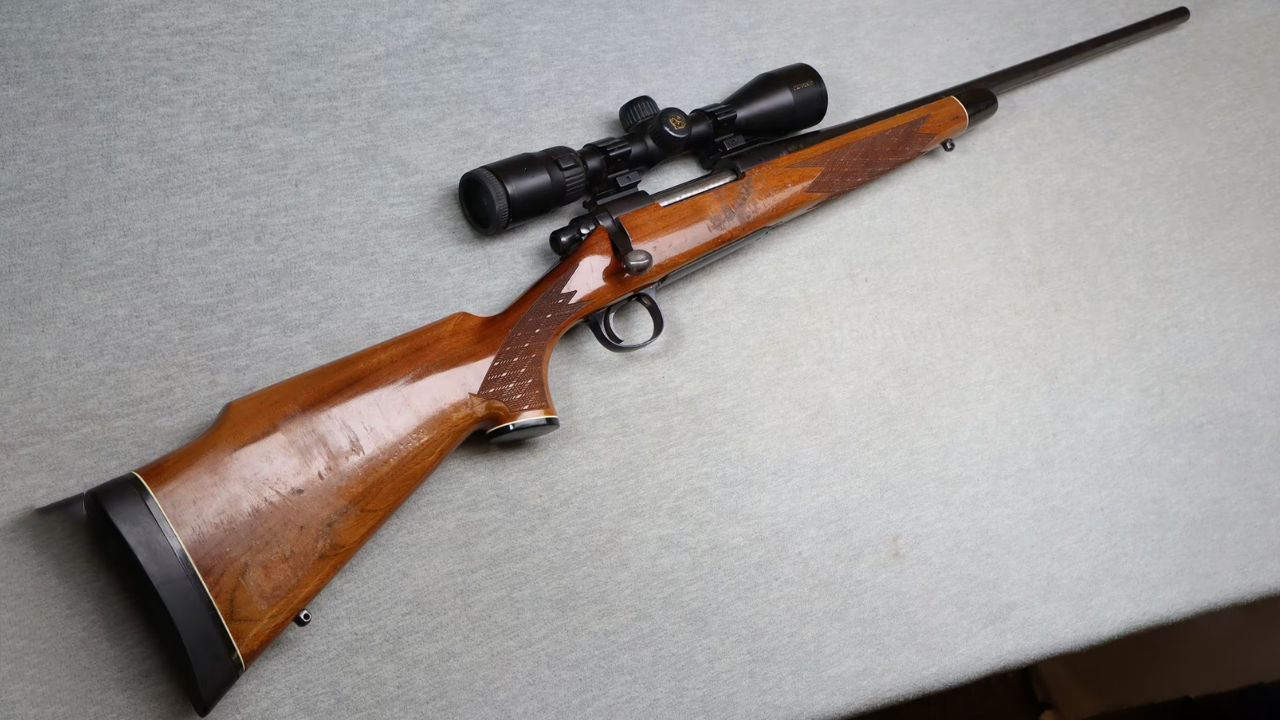
The older 700 BDL in .270 Winchester is exactly the kind of deer rifle I would keep if I had spent twenty years carrying it. The action is familiar, the stock has the kind of shape that becomes second nature, and the .270 still does exactly what it has always done well. It shoots flat enough for open country, recoils mildly enough to practice with, and has more than enough authority for deer-sized game. A rifle like this also tends to accumulate small marks in the stock and metal that stop looking like damage and start looking like history.
I could buy a lighter synthetic rifle with a threaded muzzle tomorrow, but that would not make it better for me. A proven 700 that already shoots the load I trust would stay exactly where it is.
Winchester Model 70 Classic .30-06

The Model 70 Classic is the kind of rifle that gets better with age because the features that matter most were already there. Controlled-round feed, a strong extractor, a three-position safety, and a stock that works well from field positions all make the rifle easy to trust. In .30-06, it also gives you one of the broadest hunting cartridges available, which means the rifle can stay useful even as the game or terrain changes.
After two decades, I would know everything that matters about that gun. I would know where the first shot lands cold, how the bolt feels under stress, and how the rifle carries after miles on foot. That is worth more to me than whatever feature list comes on a new release.
Browning A-Bolt II Hunter
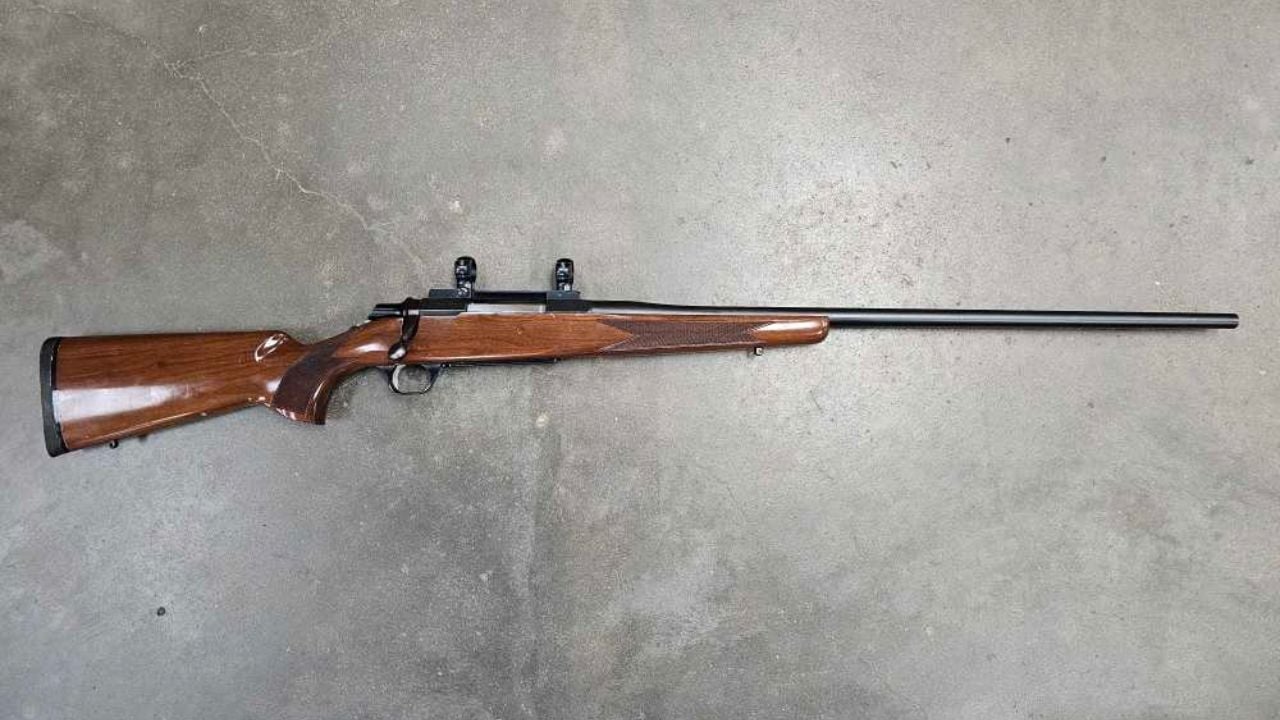
The A-Bolt II Hunter is one of those rifles that never needed to be flashy to be excellent. The short bolt lift keeps cycling quick, the tang safety is exactly where I want it, and the rifle balances well enough that carrying it all day does not feel like work. Browning also did a good job with stock shape on these rifles, and that becomes more important the longer you use one because fit is what makes a rifle feel automatic.
If I had hunted with an A-Bolt II for twenty years and it still grouped well, I would not be in a hurry to replace it. A new rifle may be more adjustable or lighter, but it would still need years to feel this familiar.
Sako 75 Hunter

The Sako 75 is one of those rifles that reminds you how refined a traditional bolt action can be without turning into a benchrest gun. The action is exceptionally smooth, the trigger is excellent, and the stock feels like it was built around actual field shooting rather than showroom appeal. It is also the kind of rifle that tends to shoot well enough that you stop thinking about upgrades and start thinking about where you are going to hunt next.
That is exactly why I would keep it. Once a rifle has spent twenty seasons proving itself, selling it for something newer becomes hard to justify. A current rifle might match the accuracy, but matching the trust is another matter entirely.
Ruger M77 Mk II .280 Remington
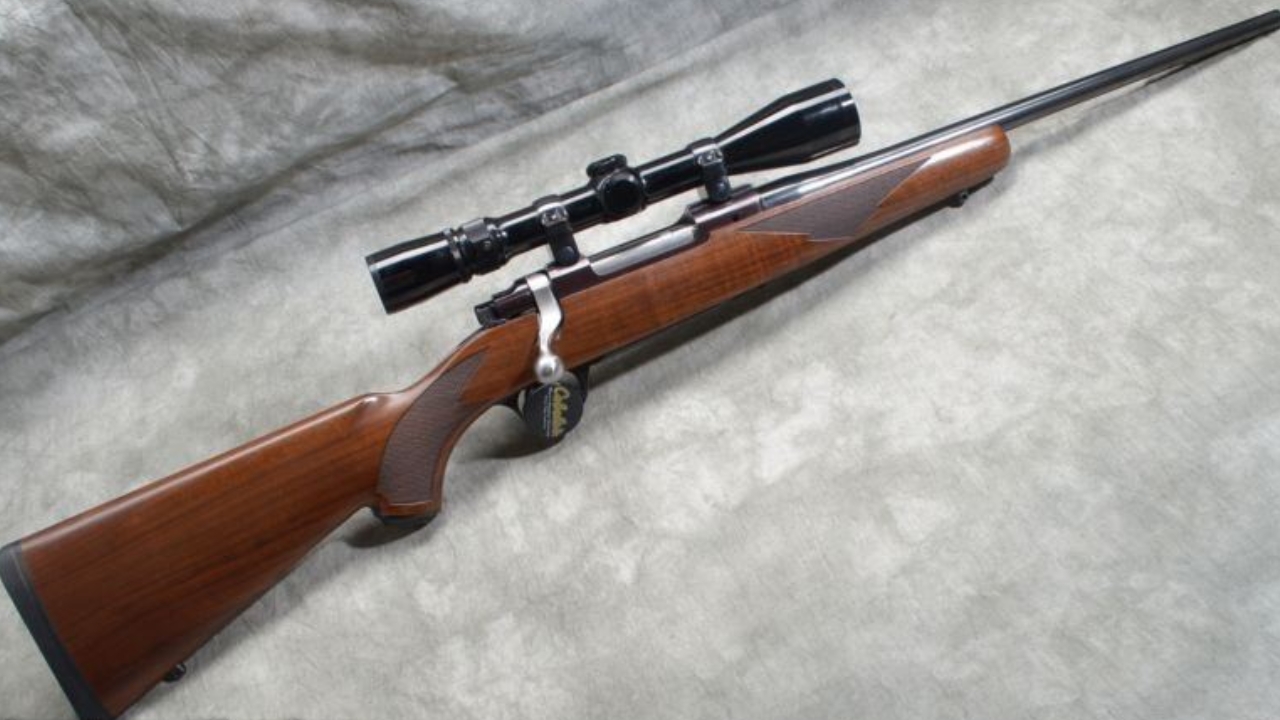
The M77 Mk II is a rifle I would keep because it feels like it was built with rough use in mind. The controlled-round-feed action, fixed ejector, and substantial receiver make it feel dependable in a way that is hard to appreciate until you have carried one through bad weather. In .280 Remington, it gives you a very capable hunting cartridge without feeling like the same .30-06 or .308 everyone else already owns.
If I had two decades of confidence in one, I would not trade it just because a new rifle weighed less. A familiar bolt gun that has already survived mud, rain, and hard seasons is exactly the kind of rifle you stop second-guessing.
Remington Model Seven .260 Remington

The Model Seven in .260 Remington is a nearly ideal example of a rifle that becomes more valuable the longer you own it. The compact action and short overall length make it easy to carry, while the .260 gives you excellent deer performance with manageable recoil. It is especially good in thick country where a longer rifle becomes more of a burden than an advantage.
A rifle like this is hard to replace because the whole package works together. The chambering is mild, the action is handy, and the balance becomes second nature after enough time. I would rather keep the proven rifle than chase something newer that only looks better on paper.
Winchester Model 88 .308
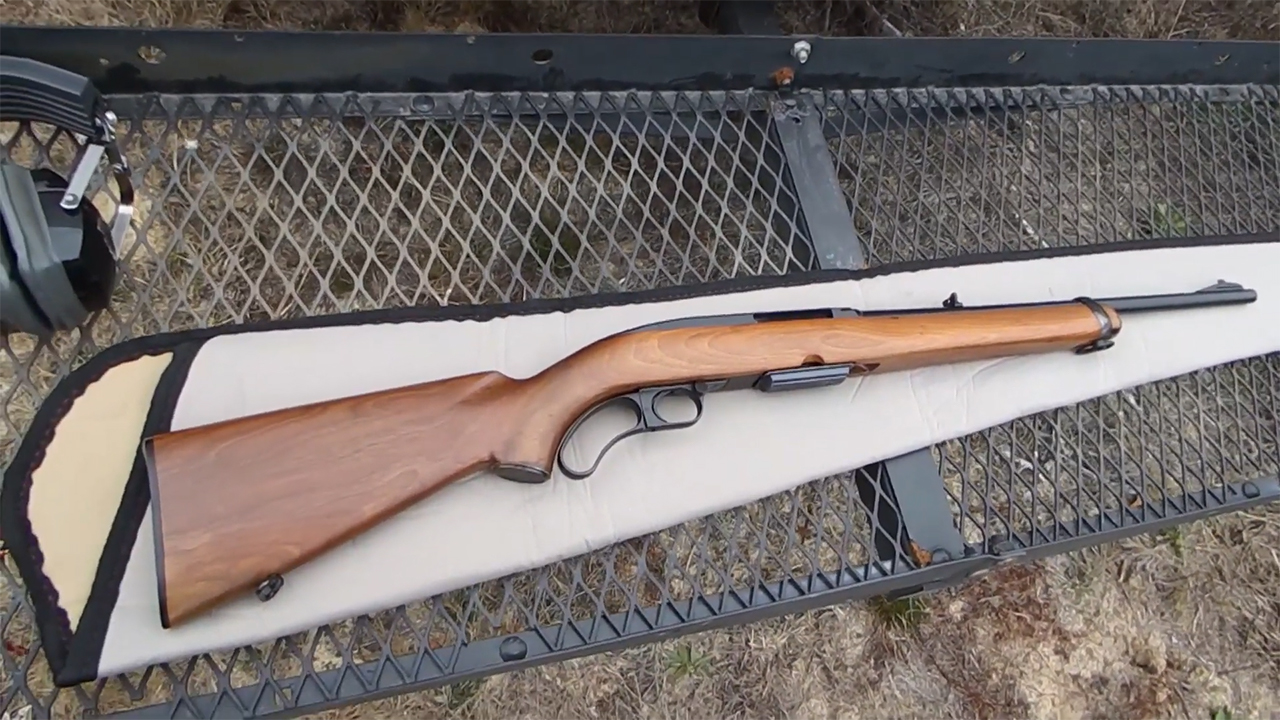
The Model 88 is one of those rifles that does not fit neatly into modern categories, which is part of why I would keep it. It gives you lever-action handling with a box magazine and a full-power cartridge, making it much more versatile than the traditional tube-fed lever guns of its era. In .308, it remains capable of doing nearly everything a woods hunter could realistically ask.
After twenty years, the unusual lever throw and trigger feel would be completely natural. That matters. A new rifle could be technically better in several ways and still feel wrong because it does not move the same in the hands.
Savage 99F .300 Savage
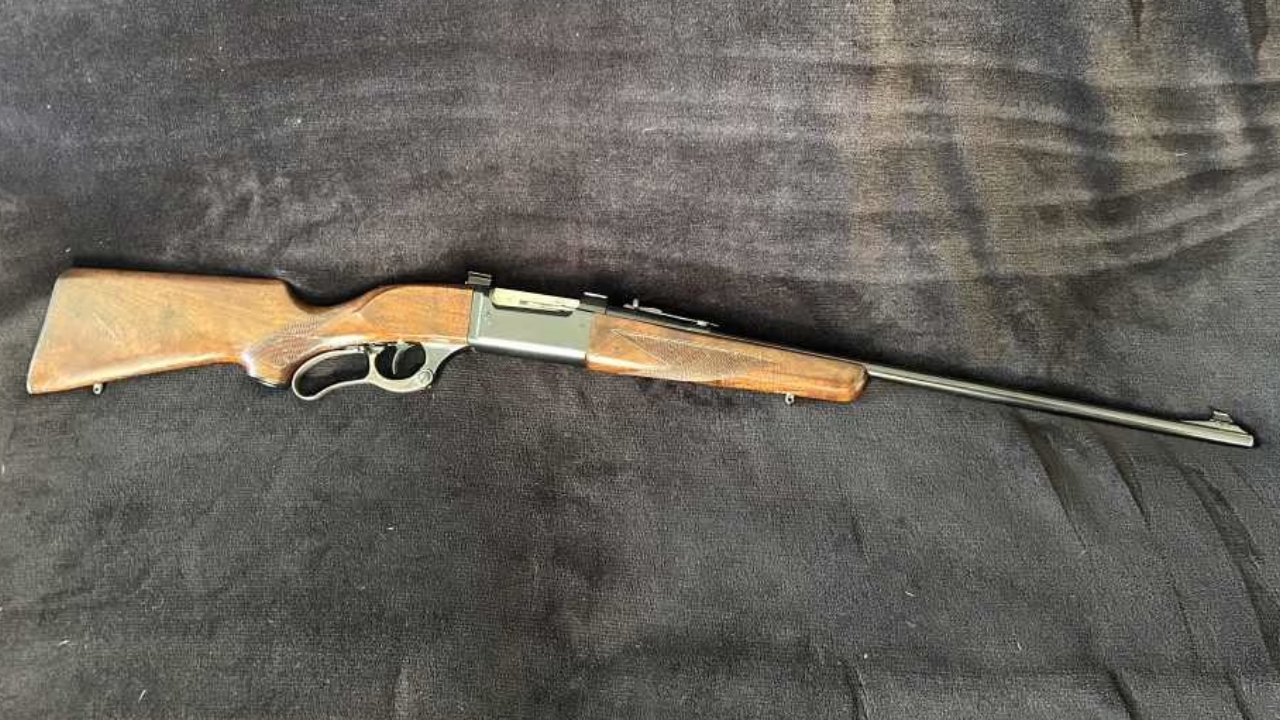
The Savage 99F is one of the rifles I would keep simply because nobody really builds anything like it anymore. The rotary magazine, lever action, and slim receiver make it handle beautifully, while the .300 Savage still has enough performance for deer and other medium game at sensible distances. It is lighter and more graceful than many modern rifles that try to achieve the same versatility.
If I had carried one for two decades, I would not let nostalgia be the only reason to keep it. The rifle is still practical. That is what makes the decision easy.
Browning BLR .358 Winchester
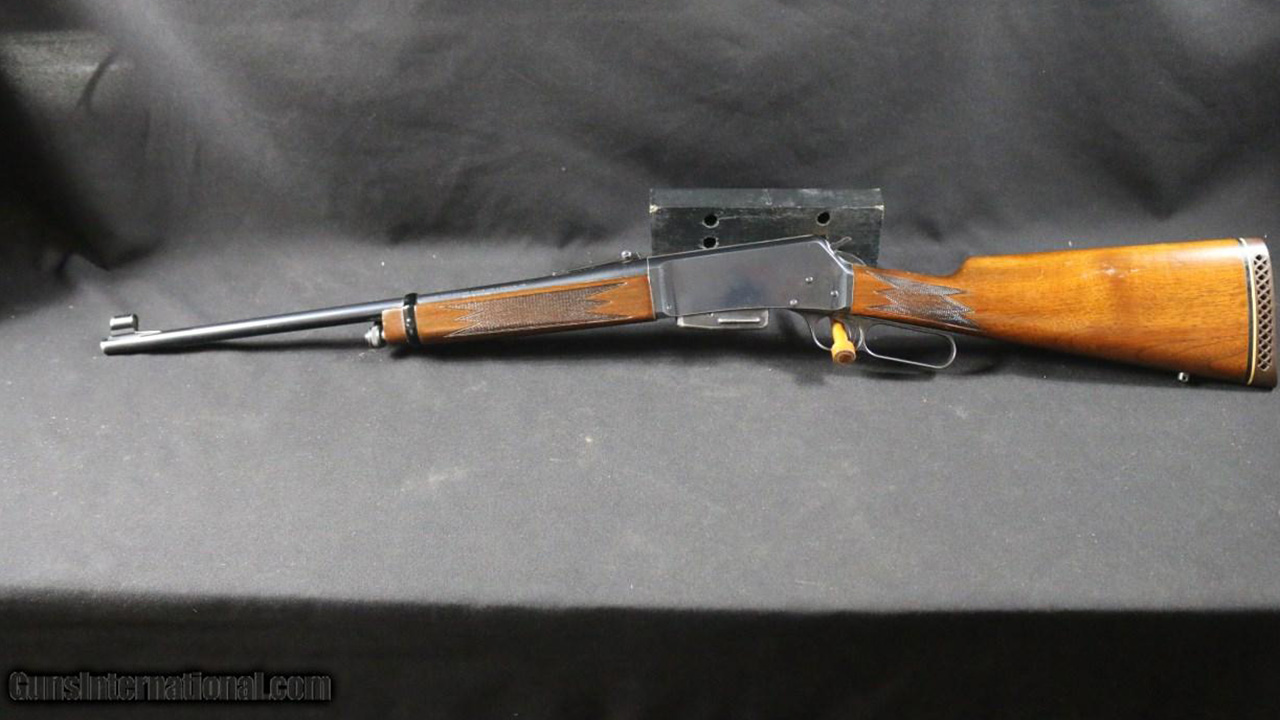
A BLR in .358 Winchester is exactly the kind of rifle that earns loyalty because it fills a niche almost nothing current does as well. You get a lever-action rifle that can use a serious modern cartridge, a detachable box magazine, and enough power for dense-cover hunting without carrying a giant rifle. The .358 also gives the platform a lot of authority at woods distances.
This is not the kind of rifle I would trade because a new model has a better stock or lighter barrel. If it already carries well and hits hard, there is not much left to improve.
Marlin 336 .35 Remington

The 336 in .35 Remington is one of those rifles that feels completely at home in thick deer woods. The cartridge hits with more frontal area than the .30-30, while the rifle stays compact and easy to shoulder. It is not a long-range setup, but that does not matter if your shots are inside the ranges where the rifle was built to work.
A rifle like this gets better with familiarity. After twenty years, I would know the trajectory, the sights, and the way it balances without thinking. That is the kind of rifle I would keep even if newer lever guns offered more features.
Winchester Model 94 .32 Winchester Special
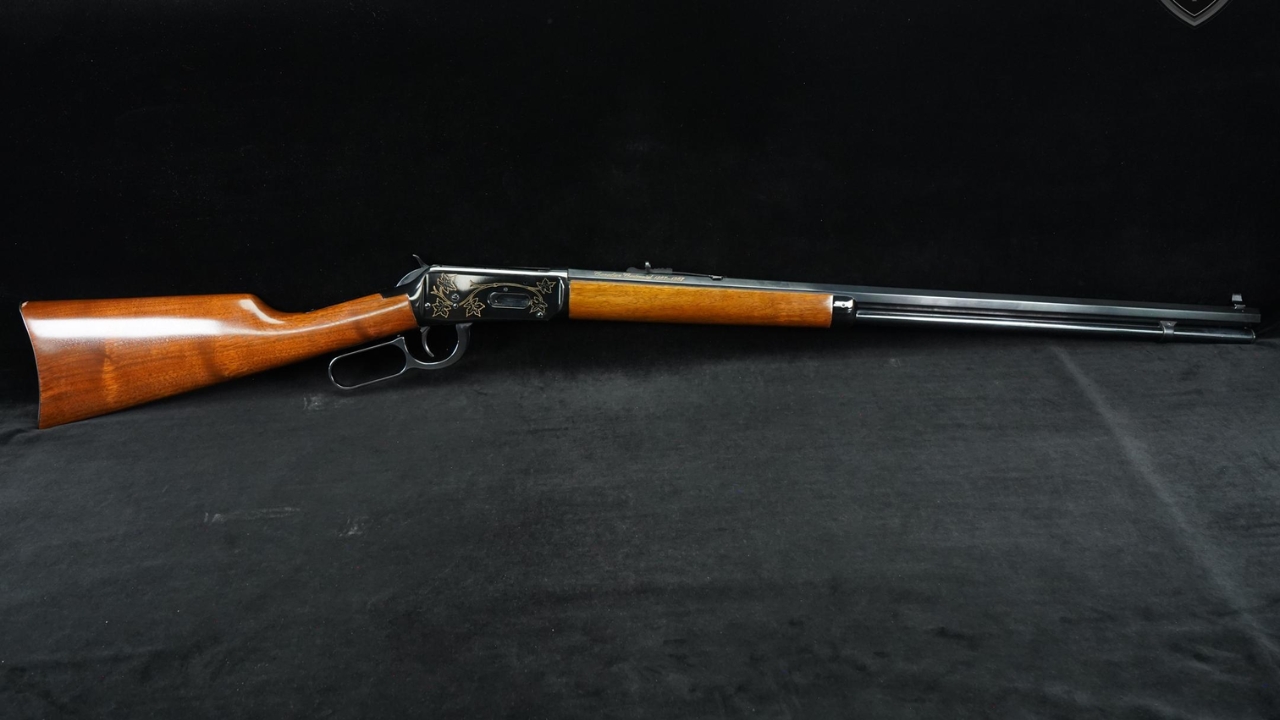
The Model 94 in .32 Winchester Special is exactly the kind of old woods rifle that becomes difficult to replace once you know it well. The cartridge occupies a practical space between the familiar .30-30 and larger lever-gun rounds, while the rifle itself remains slim and quick in the hands. It carries beautifully, points naturally, and has very little unnecessary weight.
If I had used one for years, the fact that ammunition was less common would not automatically push me away. A rifle that already has history and trust behind it deserves more consideration than whatever happens to be easiest to buy this season.
Weatherby Mark V Fibermark .300 Weatherby Magnum
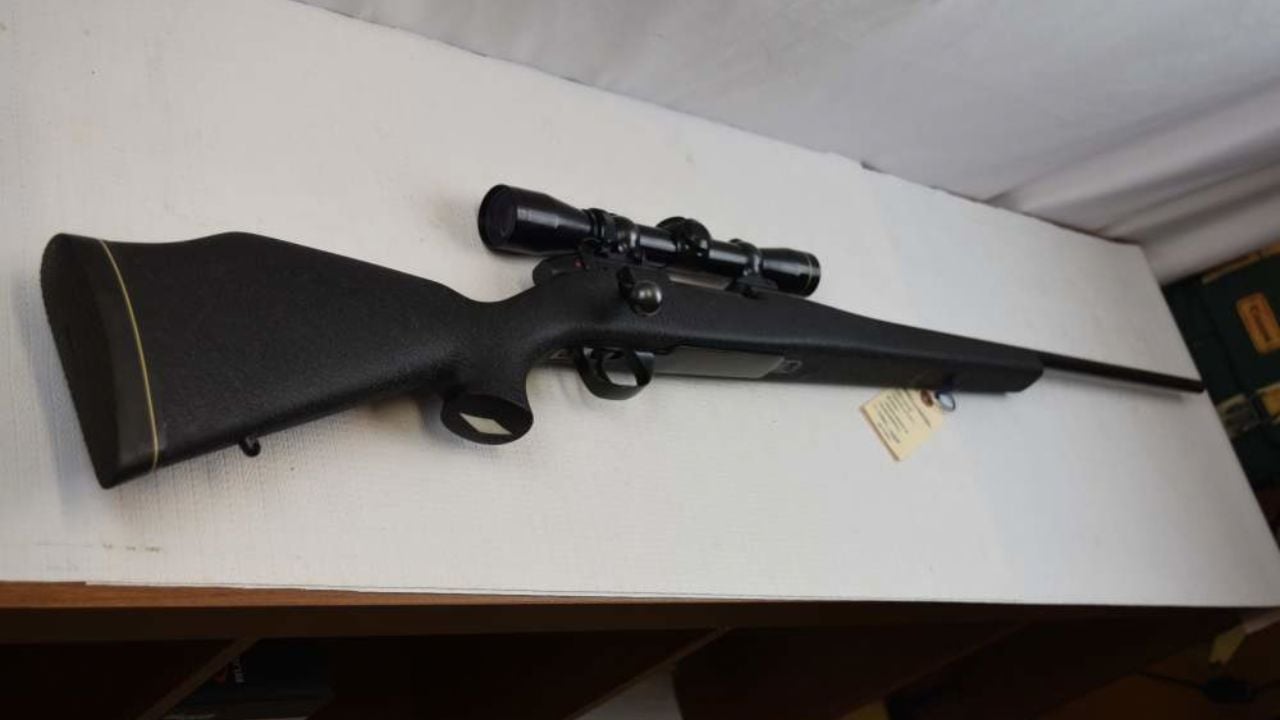
The Fibermark is the kind of rifle I would keep for open-country hunting because it combines serious cartridge capability with a stock built for real weather. The Mark V action is strong, the bolt throw is distinctive, and the rifle gives you enough reach and power to handle situations where a lighter woods gun would start feeling limited. In .300 Weatherby Magnum, it is a lot of rifle, but it is the right kind of lot if the terrain calls for it.
After twenty years, recoil, balance, and trigger feel would all be familiar. That matters more than shaving ounces with a new carbon-stocked rifle.
Steyr Mannlicher Model M
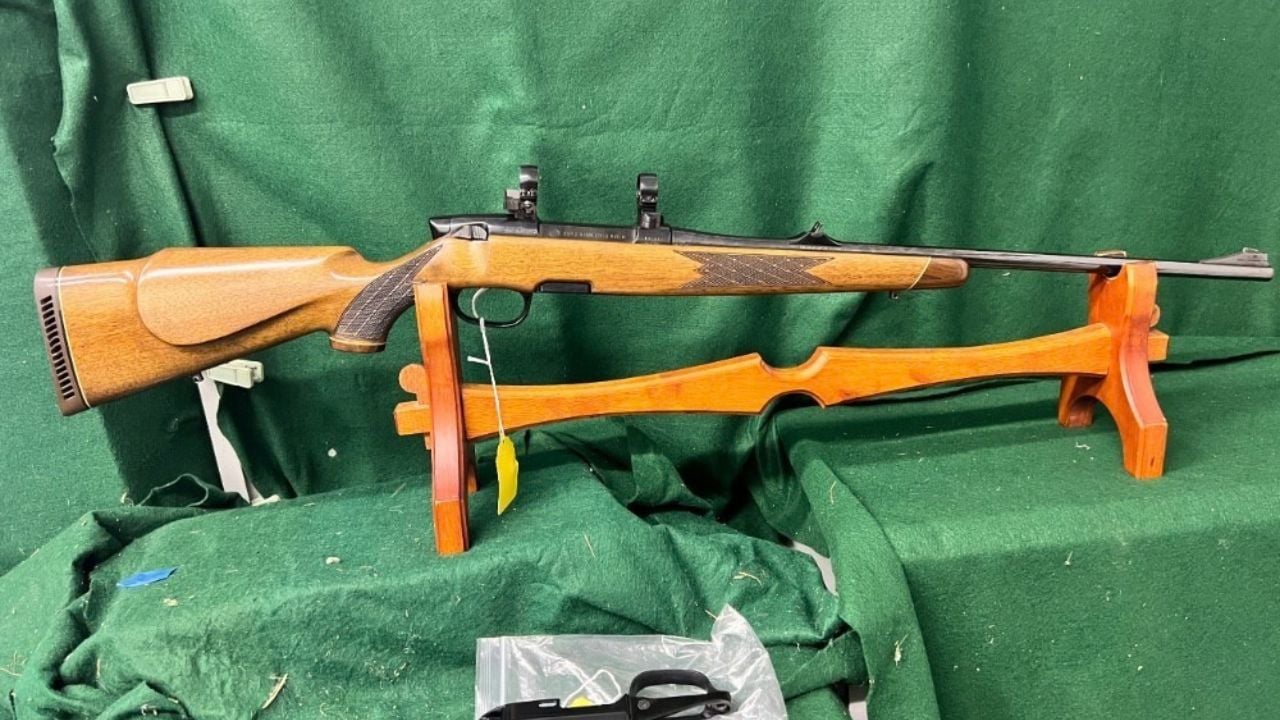
The Model M is one of those rifles that feels different from the moment you pick it up. The action is smooth, the stock has classic European proportions, and the whole gun carries with a balance that modern synthetic rifles rarely duplicate. It is not trying to be ultralight or modular. It is trying to be a refined hunting rifle, and it succeeds.
If I had two decades behind one, I would never trade it simply because something current had a more fashionable stock. The Steyr already does the important part well.
Husqvarna 1640 .270 Winchester
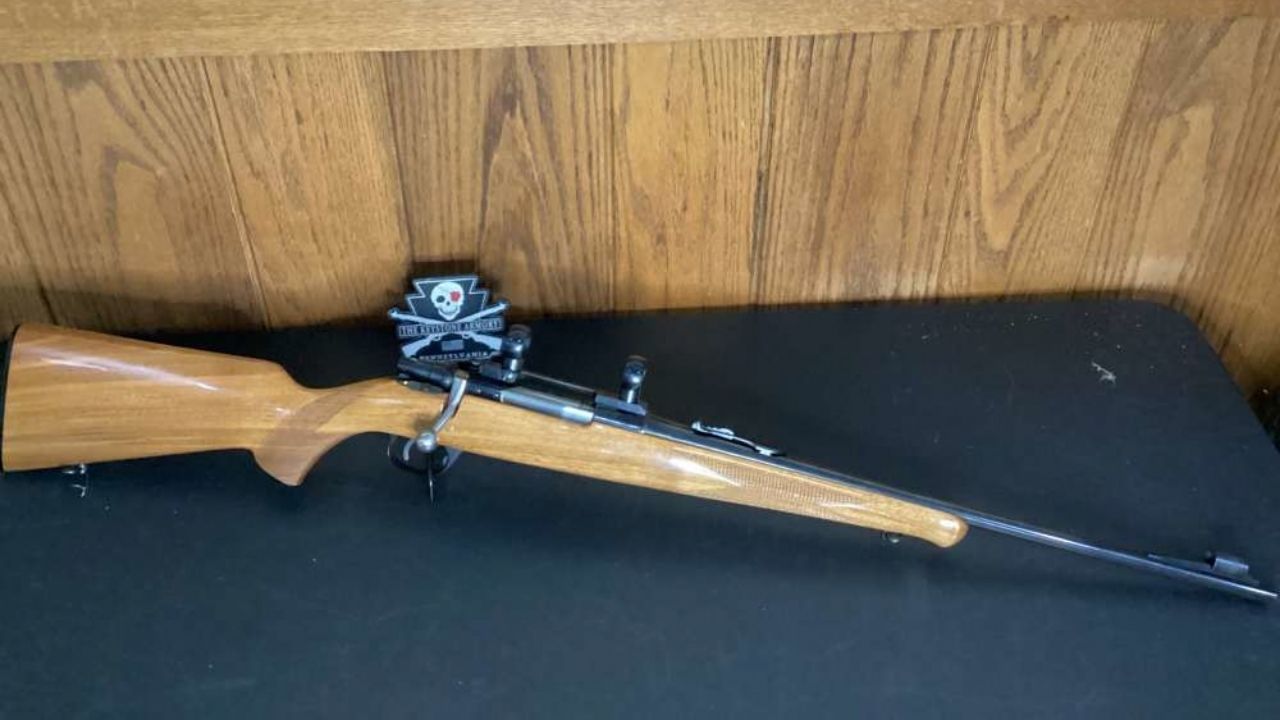
The Husqvarna 1640 is another rifle that rewards people who care about handling more than features. The action is smooth, the stock is slim, and the rifle feels very natural from field positions. In .270 Winchester, it gives you a mild-recoiling hunting cartridge that can cover a huge amount of ground without becoming excessive.
This is exactly the kind of rifle I would keep because it would be nearly impossible to replace emotionally. You can buy another .270. You cannot buy twenty years of familiarity with the exact rifle already in your safe.
Ruger No. 1A .30-06
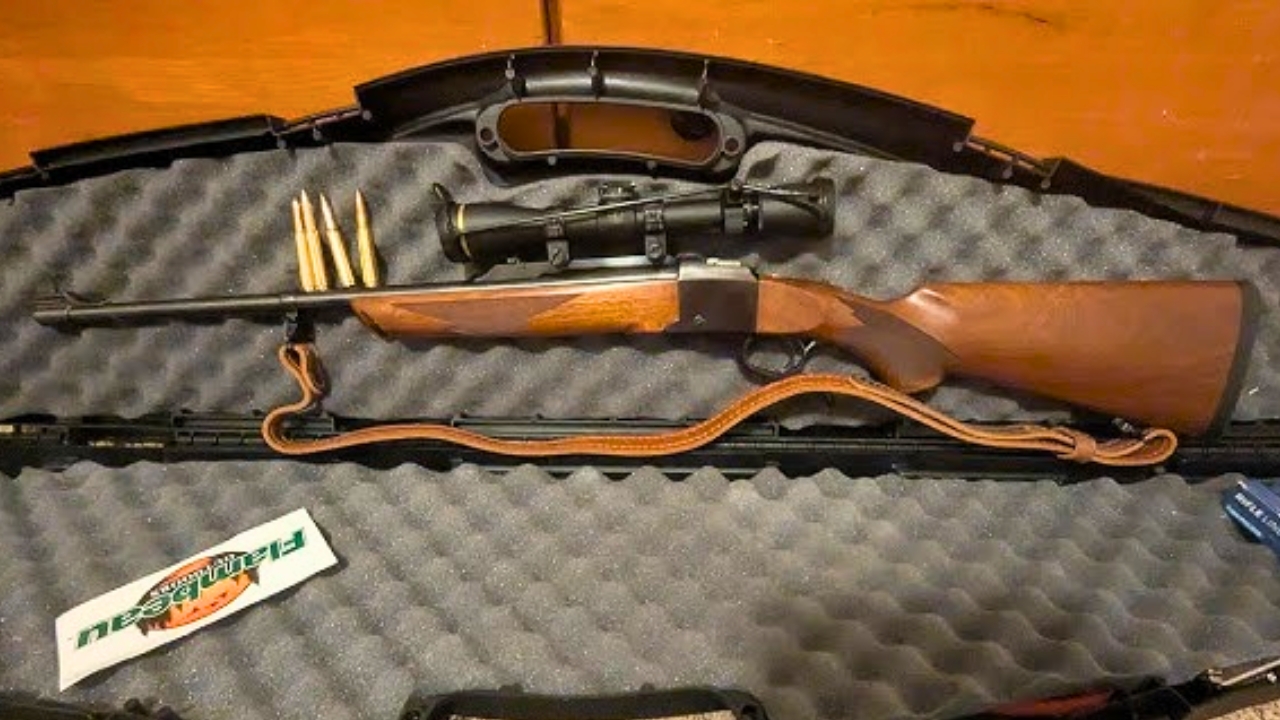
The No. 1A gives you a compact rifle with a full-length barrel because the falling-block action eliminates the extra receiver length of a bolt gun. That makes it exceptionally handy without sacrificing the ballistic performance of a longer barrel. In .30-06, it also gives you enough cartridge for almost anything I would realistically hunt.
The single-shot format would not bother me after years of use. If anything, it would reinforce the habit of making the first shot count. Once a No. 1 becomes familiar, replacing it with a repeater just because it holds more ammunition starts feeling unnecessary.
Remington 7600 Carbine .30-06

The 7600 Carbine is one of those rifles that becomes almost automatic if you grew up around pump shotguns. The fore-end stroke is familiar, the rifle points quickly, and the short barrel makes it ideal for tight woods. In .30-06, it still gives you plenty of cartridge even if the rifle itself stays compact.
After twenty years, I would trust the action and know exactly how fast I could run it without thinking. That kind of muscle memory is worth keeping. A newer semiauto may cycle itself, but it does not necessarily feel better in the hands.
Browning BAR Safari .338 Winchester Magnum

The BAR Safari in .338 Winchester Magnum is not light, but it has a job and does it well. The semiautomatic action softens a cartridge that can otherwise be demanding, while the traditional stock and substantial weight make the rifle steady from a rest. For large game, the combination offers both power and fast follow-up capability.
I would not carry it everywhere, but if I had already trusted it for twenty years on serious hunts, I would not replace it casually. A heavy rifle that you know is better than a lighter one you do not.
Sako Finnbear L61R .30-06
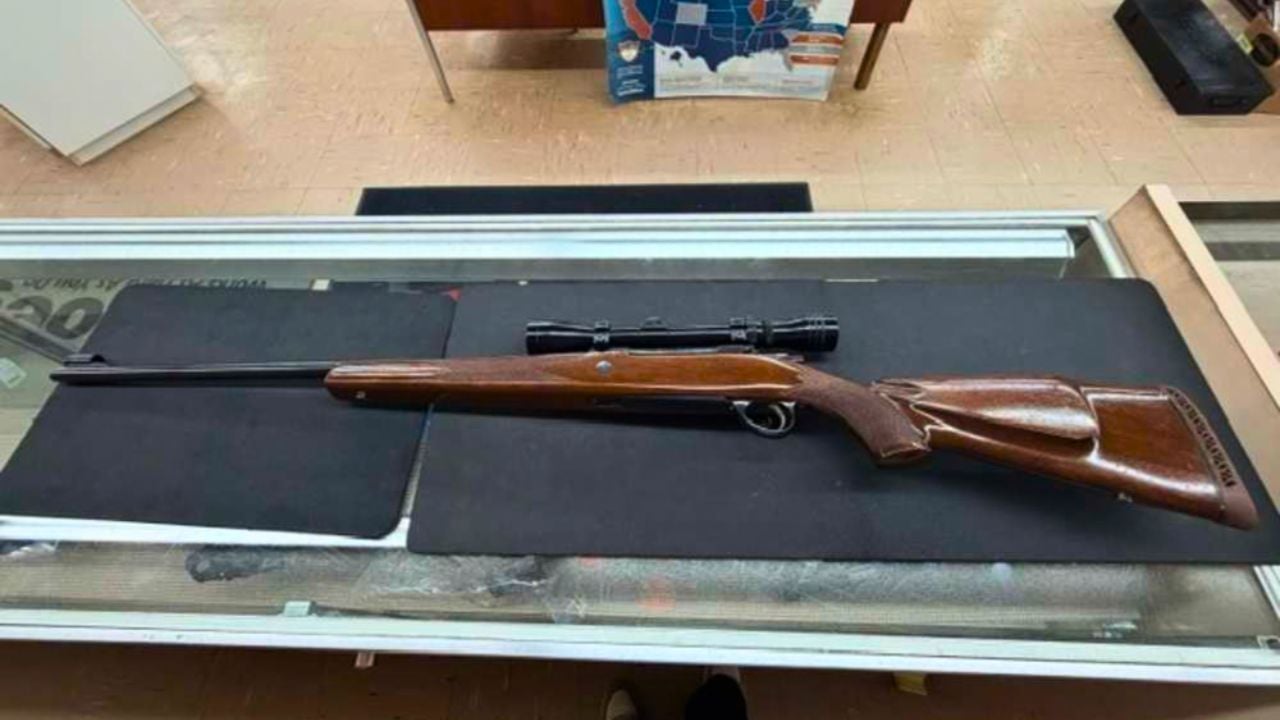
The Finnbear is one of those rifles that represents a level of old-school factory refinement that is getting harder to find. The action is smooth, the machining is excellent, and the stock has the kind of shape that feels right when actually hunting. In .30-06, it is also about as practical as a traditional sporting rifle can be.
If I had carried one for decades and it still shot well, there would be no real reason to trade it. The rifle already offers accuracy, reliability, and balance. Everything after that is mostly preference.
Mannlicher-Schoenauer Model 1956
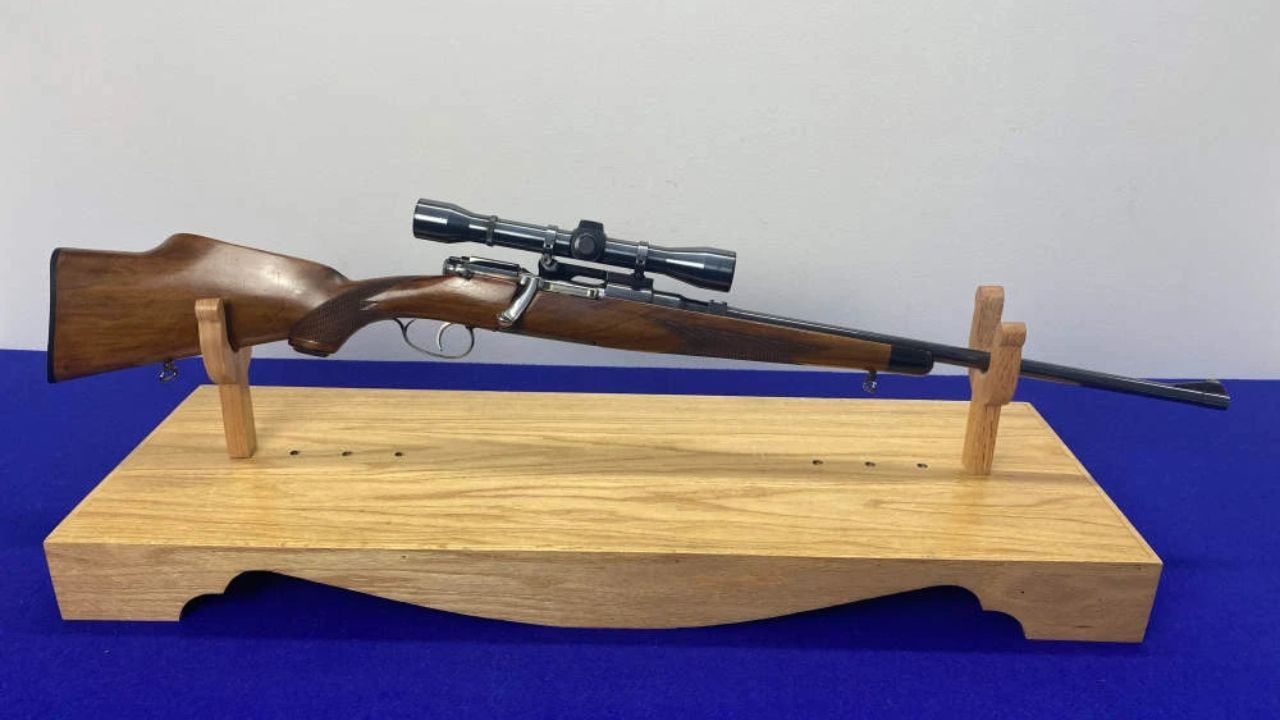
The Model 1956 is the sort of rifle that would be nearly impossible for me to replace once I had years behind it. The rotary magazine is exceptionally smooth, the action has a polished feel, and the rifle’s balance is unlike most modern bolt guns. Full-stock versions are especially distinctive and carry in a way that makes the rifle feel shorter than it really is.
I would keep one because current rifles simply do not deliver the same experience. You can improve weight, optics mounting, or manufacturing cost, but none of those things recreate the way a Mannlicher-Schoenauer feels.
Remington 700 Mountain Rifle .280 Remington

The 700 Mountain Rifle in .280 Remington is one of the rifles I would probably keep until I could not hunt anymore. The slim stock, lighter barrel, and familiar action make it easy to carry, while the .280 gives you excellent performance without punishing recoil. It is the kind of rifle that can handle deer, elk, and a lot more without feeling excessive on smaller game.
After twenty years, I would know every mark on the stock and every quirk in the trigger. At that point, trading it for something current would not feel like an upgrade. It would feel like starting over.
Like The Avid Outdoorsman’s content? Subscribe to our newsletter so you never miss an article.
Here’s more from us: