Photo credit: Pew Pew Tactical/Youtube
Rust is one of those problems that sneaks up on you. A pistol can look fine in the safe, run fine at the range, and still start showing freckles the first time you carry it through a humid summer, toss it in a truck console, or forget it in a damp holster after a long day in the woods. Most of the time it is not “bad steel.” It is sweat, salts, cheap foam cases, leather that stays wet, and finishes that were never meant to live against your body.
Some handguns shrug it off. Others don’t. Below are 20 specific pistols that tend to show rust sooner than owners expect—usually because of finish choices, lots of small nooks that hold moisture, or because they get carried hard by folks who aren’t wiping them down every night.
1. Ruger LCP (blued/early production)
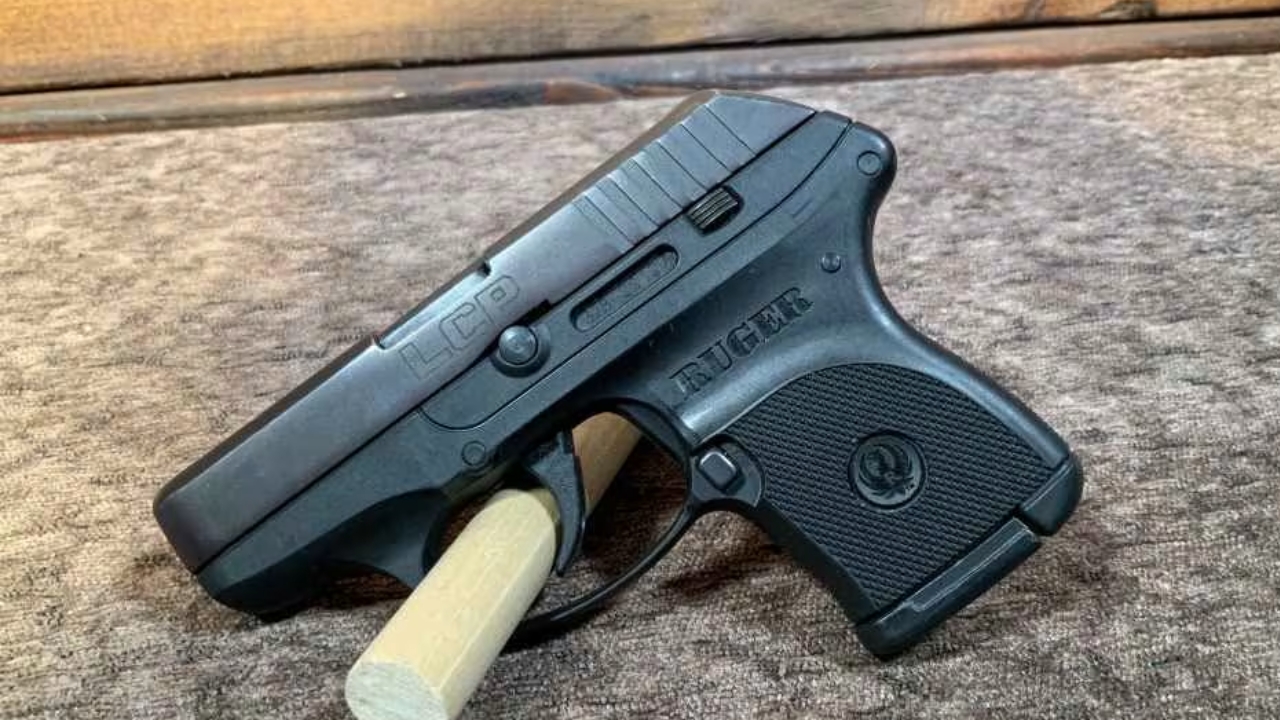
The little LCP is the definition of “always there,” which also means it’s always living in lint, sweat, and pocket grime. The early blued guns especially can start showing orange around the slide serrations, roll marks, and the top edges where holsters rub the finish thin.
If yours rides in a pocket holster, it needs a quick wipe more often than you think. Pocket carry is rough living, and tiny pistols don’t have much finish thickness to give up before bare metal starts peeking through.
2. Ruger EC9s
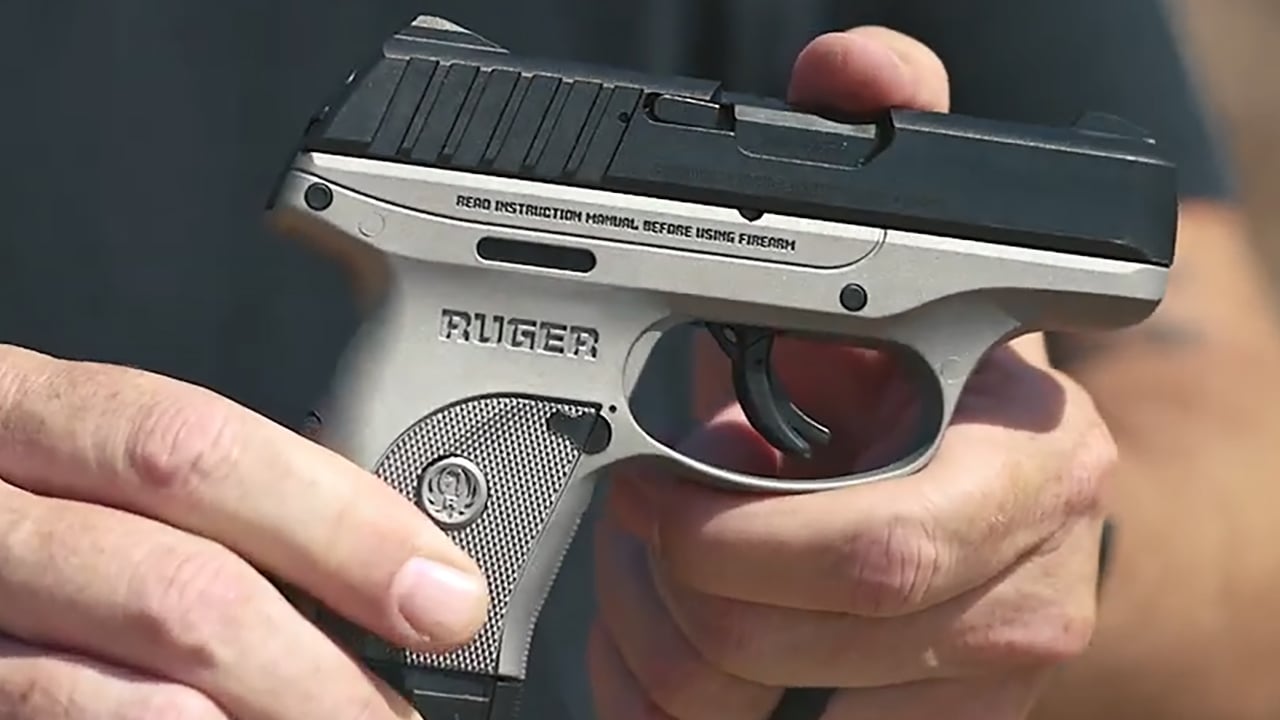
This one surprises folks because it’s a no-nonsense 9mm that usually runs. But the budget-minded finish on the EC9s can wear fast on the corners and along the slide, and once that happens, humidity does the rest.
I’ve seen them get little rust spots around the rear serrations and the slide top, especially if they live in a glove box or a soft case. It’s a solid “work gun,” just don’t treat it like a stainless revolver.
3. Smith & Wesson Bodyguard 380
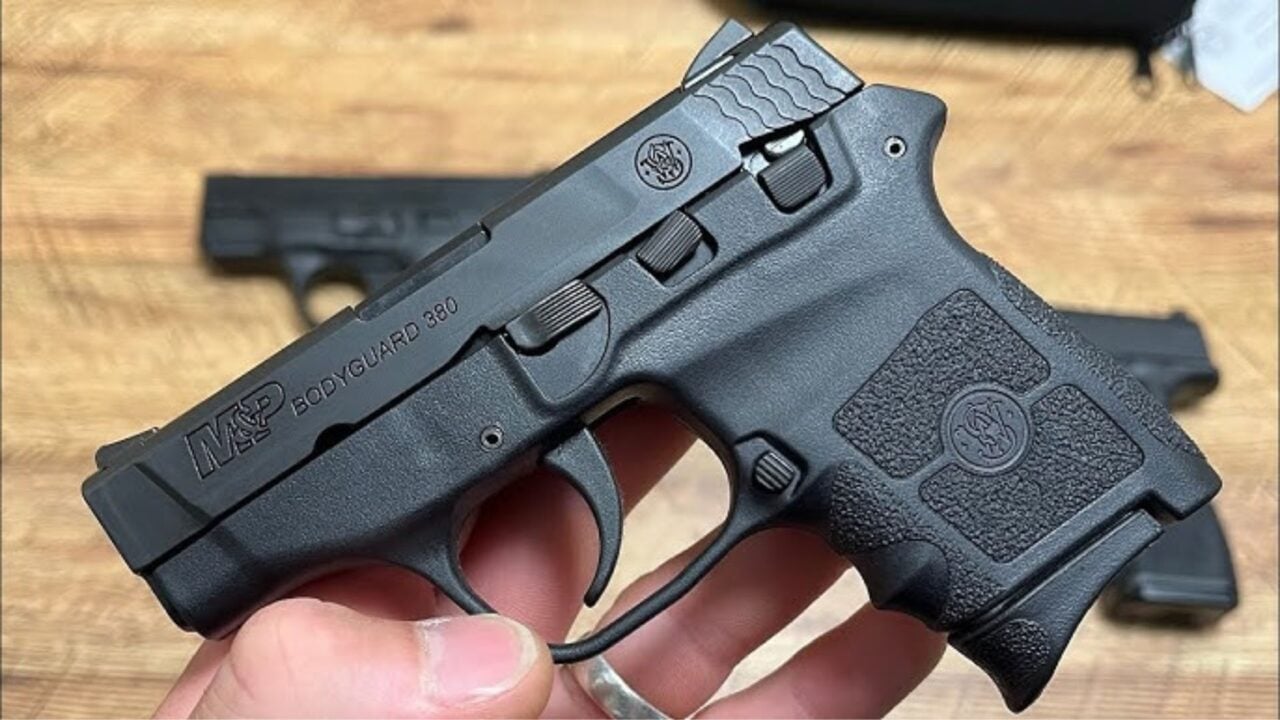
The Bodyguard is another pocket gun that ends up against sweat all day. The small controls, tight creases, and the way lint packs in around the slide rails makes it easy for moisture to hang around.
A lot of owners never take it apart until something feels gritty. By then, you’ll sometimes see surface rust starting on the slide, pins, or around the muzzle end where holster contact polishes the finish off.
4. Smith & Wesson M&P Shield (original, black Melonite era)

The original Shield is a classic for good reason, but plenty of them have shown rust on the slide, especially if carried tight to the body every day. Some guns were fine, some weren’t, and the ones that weren’t could spot up faster than you’d believe for a “duty-style” finish.
Check the rear of the slide, the sight bases, and the area near the ejection port. A light film of oil and a quick wipe after a hot day goes a long way.
5. Glock 43 (early finish complaints)

Glocks have a reputation for shrugging off abuse, but the slimline guns—especially early G43s—have a history of owners noticing surface rust in spots they didn’t expect. It usually shows on the slide edges, near the rear sight, and sometimes on the small parts if they’re carried constantly.
If you appendix carry in the summer, you’re basically doing a salt-water test every day. That’s not a Glock problem as much as it is “human body chemistry versus metal,” but some 43s show it quicker than a full-size Glock.
6. Glock 42

The 42 is easy to carry and easy to forget about, and that’s part of the problem. It spends a lot of time in pockets, ankle rigs, and small holsters that don’t breathe.
Owners tend to clean it less than their “real gun,” then are shocked when they see orange on the slide serrations or a little bloom on a pin. Ask me how I know.
7. Springfield Armory XD-S (blued slide variants)

The XD-S is another carry gun that gets ridden hard. Some of the darker slide finishes will wear shiny on the corners pretty quickly, and once the finish thins, sweat starts working.
Pay attention to the grip safety area too. Moisture can sit where your palm stays planted, especially if the gun goes back into the holster damp.
8. Springfield Armory 1911 Mil-Spec (parkerized)
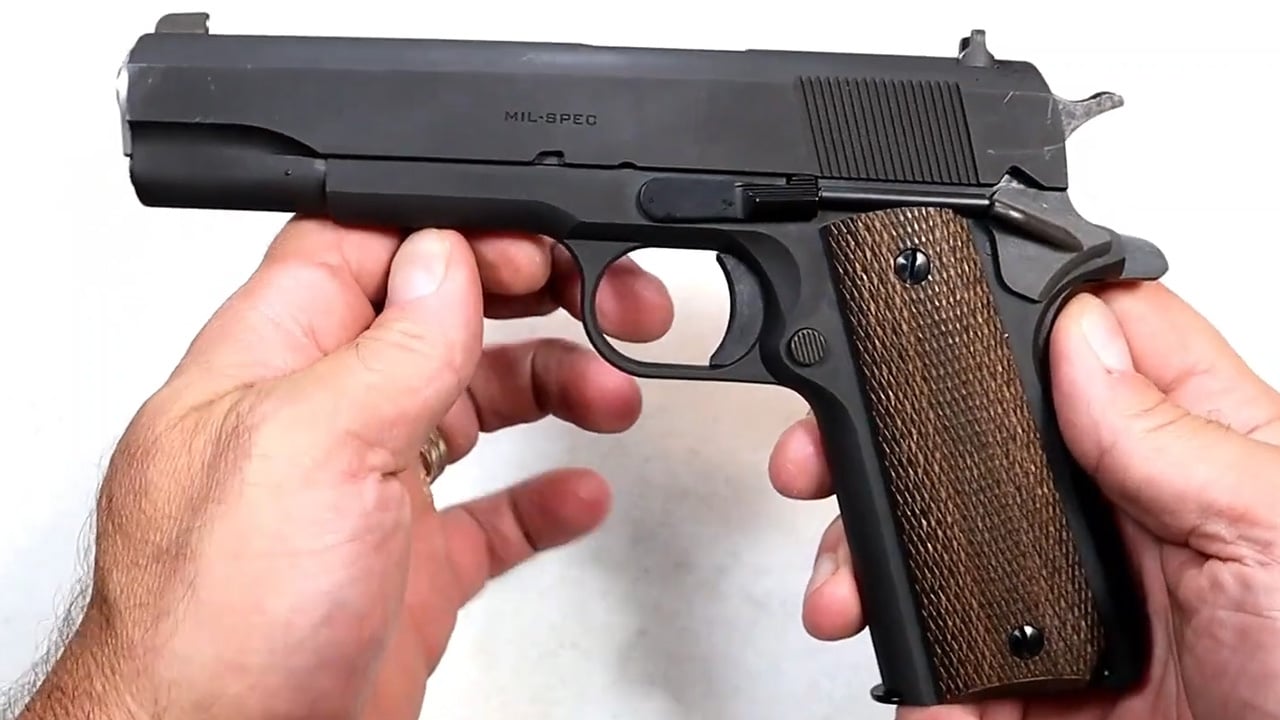
Parkerizing can be a great finish, but it’s porous by design. It wants oil in it. Dry parkerizing plus humid air is a recipe for that dull orange haze, especially on sharp edges and around slide serrations.
Lots of owners buy a parkerized 1911 because they like the look and the “GI vibe,” then store it dry like it’s stainless. Keep a light coat on it and it’ll behave a lot better.
9. Rock Island Armory GI Standard FS
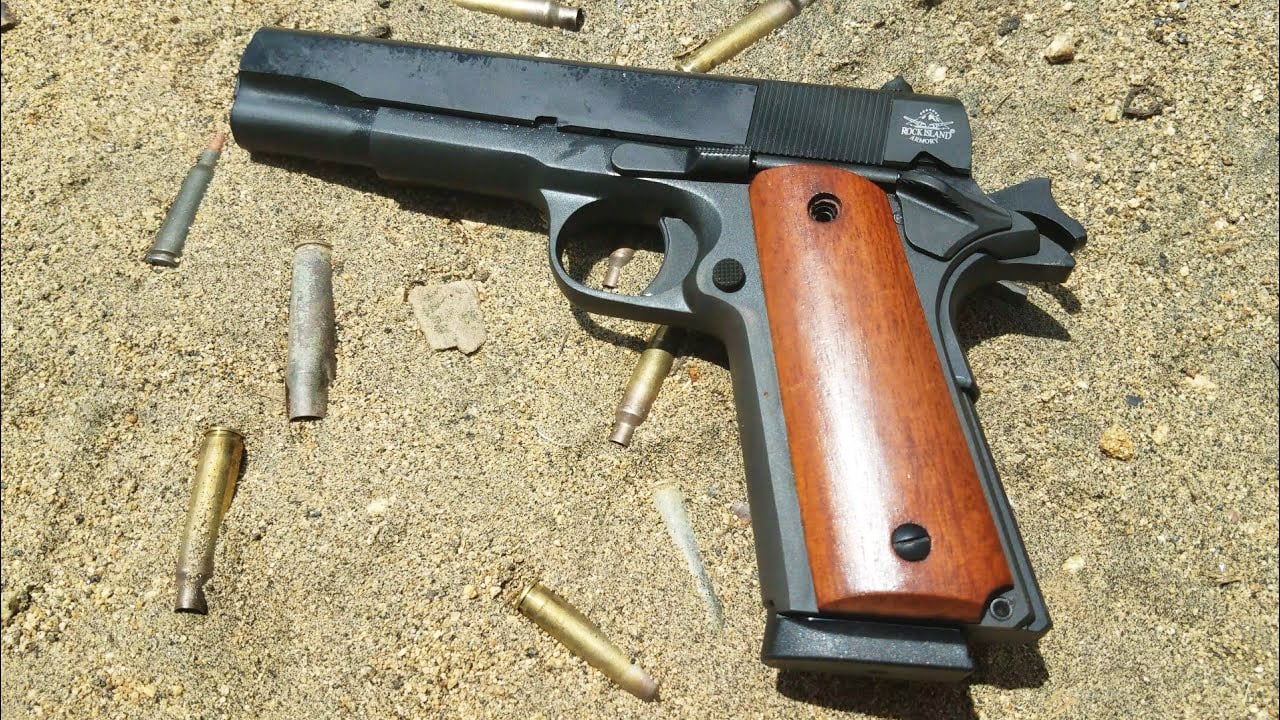
Rock Island 1911s are honest guns for the money, but their finish protection is not what you’d call premium. The parkerizing or basic blue will show wear and spots sooner if it’s a carry piece or if it lives in a foam-lined case.
The slide flats might look fine while the small parts—screws, pins, grip safety—start to spot. That mix of metals and finishes is where a lot of folks first notice it.
10. Colt Series 70 Government Model (traditional blued)
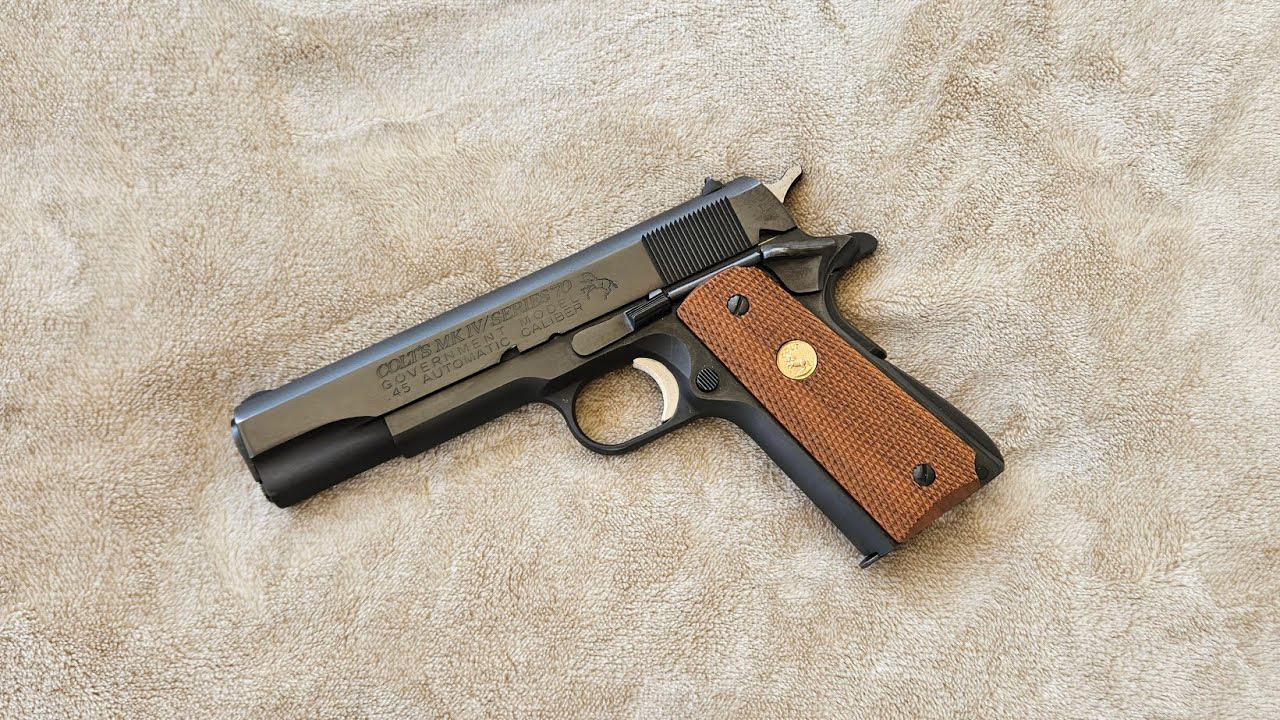
Real bluing is classy. It is also not magic. A classic blued Government Model can pick up rust prints if you handle it and put it away without wiping it down, and that hurts because those pistols tend to be “nice gun” territory.
Rust likes the edges: front strap, mainspring housing, and around the sights. If you baby it, it stays pretty. If you carry it in summer, accept that it’s a working finish and treat it like one.
11. SIG Sauer P238 (Nitron)

The P238 is a slick little carry pistol, but the compact size means it’s always close to sweat and always getting handled. I’ve seen them develop small rust spots on the slide and around the controls if they’re carried daily and not wiped down.
Also watch the magazines. Magazine bodies and baseplates can get crusty fast when they’re living in a pocket or against a beltline.
12. SIG Sauer P938
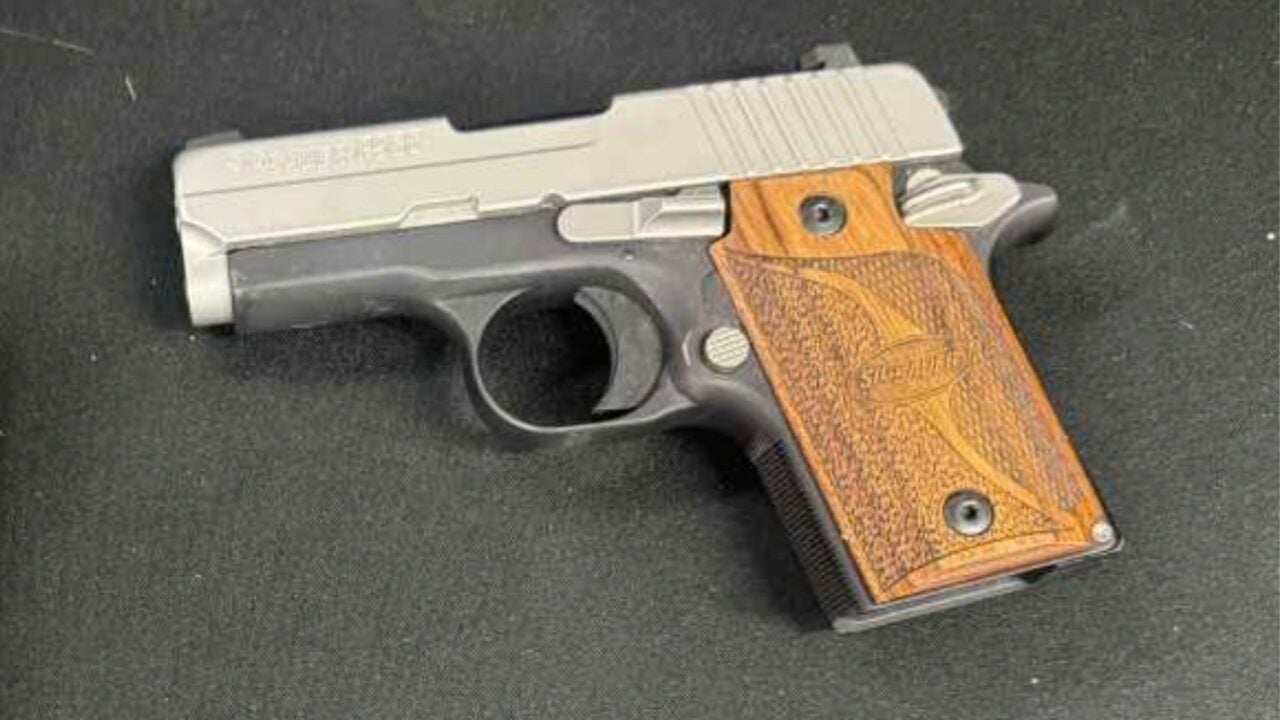
The P938 is the same story as the P238, just in 9mm. It’s a great size, points well, and the trigger can be surprisingly good for such a small gun. But the finish and the way these get carried hard can lead to early spotting.
Check around the rear sight dovetail and the safety levers. Those little seams and edges are where moisture hangs on.
13. CZ 75B (polycoat wear points)

CZ polycoat holds up well in general, but the CZ 75 design has lots of rails and tight contact surfaces. Holster wear can break through at the high spots, and once the coating is gone, rust can start in those thin exposed lines.
It’s especially noticeable on guns that live in leather and get carried for range days, property work, and truck time. The 75B is still a keeper—just don’t ignore the wear.
14. CZ P-01 (alloy frame, steel slide)

The P-01 is one of the best “do everything” pistols out there, but it’s also the kind of gun folks actually use. Sweat and rain don’t care about your good taste, and the slide and small parts can show spots if you run it hard and store it wet.
I’ve also noticed that some owners clean the barrel and call it good, then skip the external wipe-down. The outside is what rust sees first.
15. Beretta 92FS (older blued/Bruniton variations)
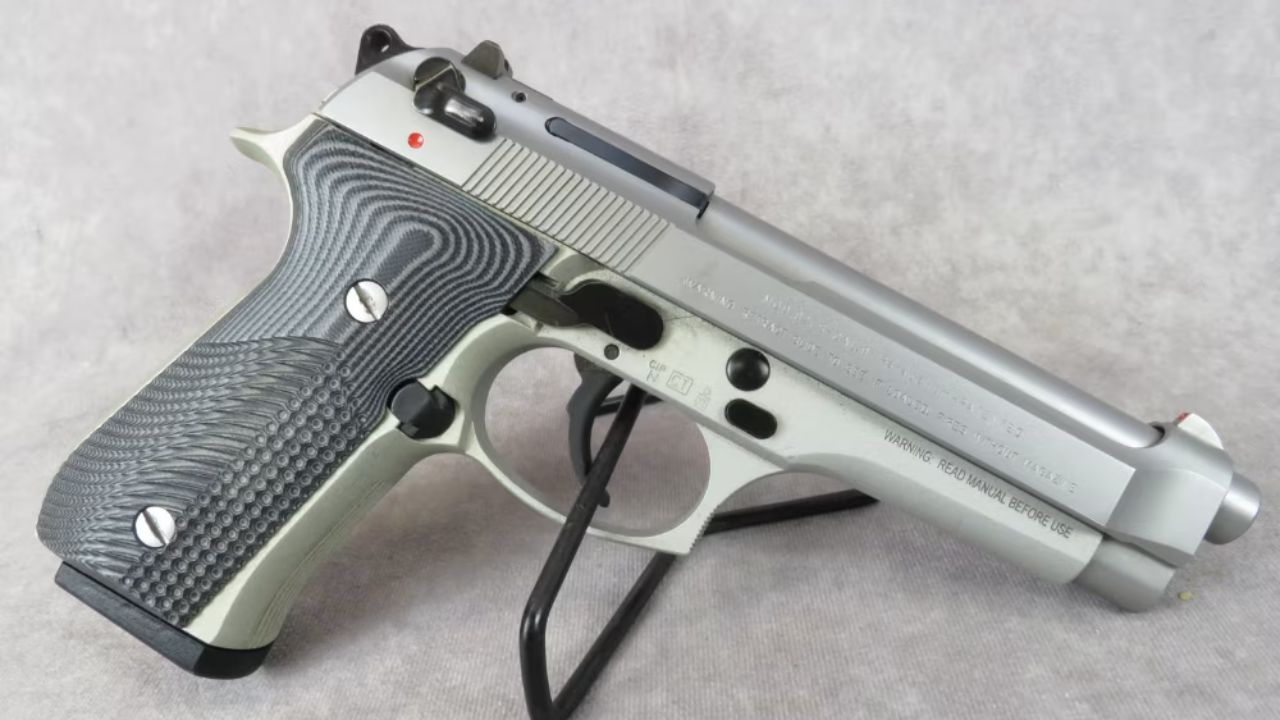
The 92FS has a big open slide and lots of exposed metal edges. Depending on the era and finish, wear can show up around the muzzle, along the slide flats, and on controls. It’s not that the 92 “rusts easy,” it’s that it has a lot of real estate for sweat and fingerprints.
The locking block area and exposed barrel section are worth checking if the gun rides in a duty holster or a chest rig during wet seasons.
16. Beretta Tomcat 3032 (blued)
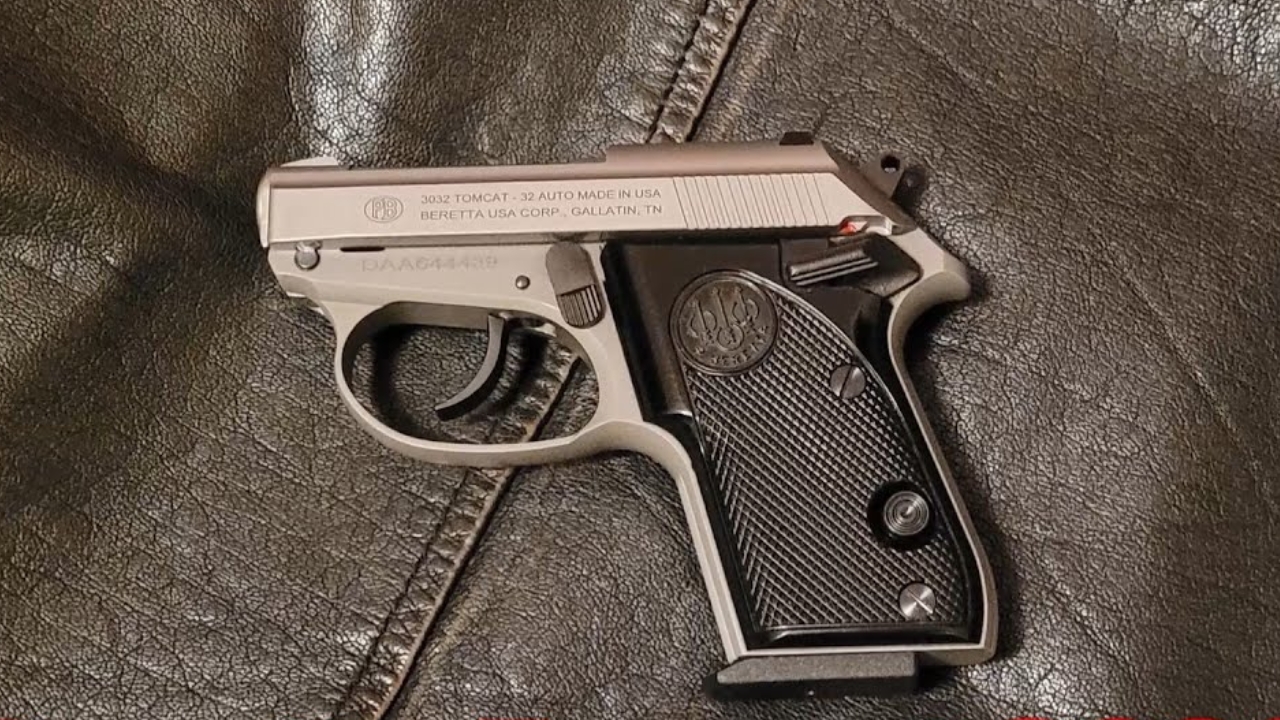
The Tomcat is a neat little woods-and-truck pistol, but the blued versions can spot fast if they live in a pocket or tackle bag. Small guns get neglected, and the Tomcat tends to be a “grab it and go” piece.
That tip-up barrel setup also means folks handle it a lot at the muzzle end. Skin oils and sweat plus thin bluing equals freckles.
17. Walther PPK/S (blued)
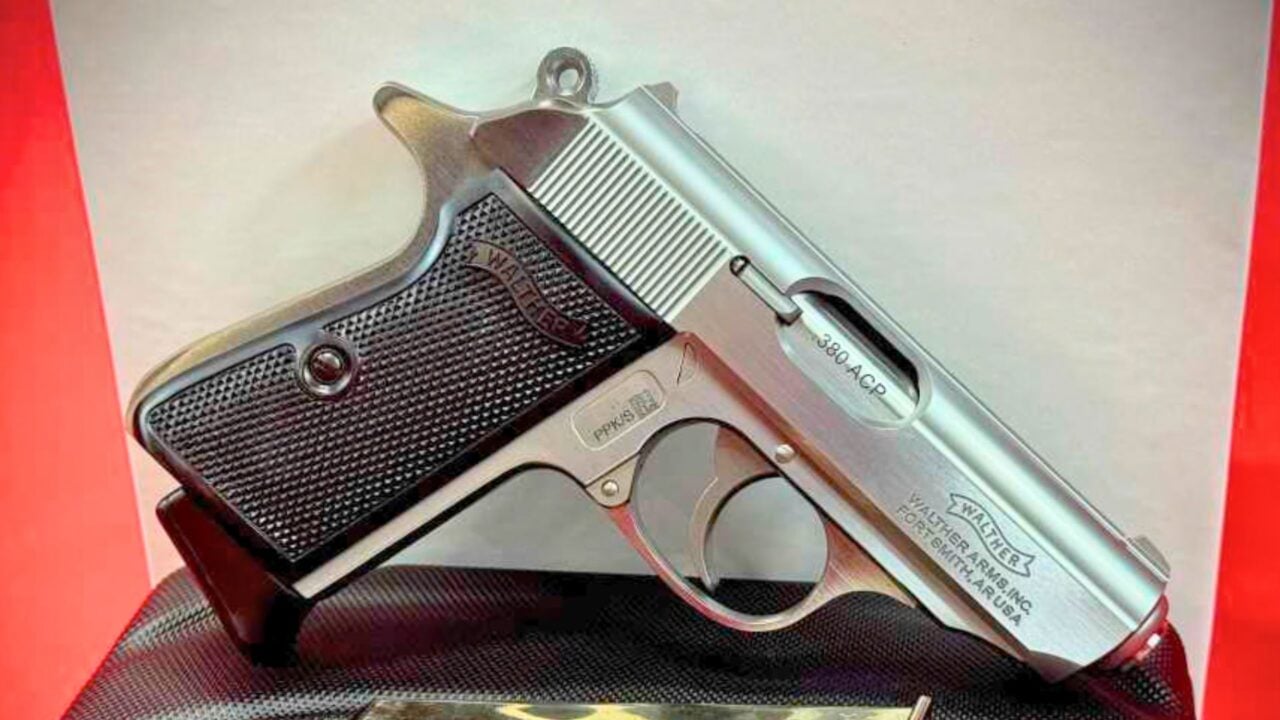
There’s nothing fancy about a blued PPK/S finish when it comes to corrosion resistance. It’s a handsome pistol, sure, but it’ll show fingerprint rust if you handle it and set it down in humid air.
It’s also a gun that ends up in drawers, nightstands, and old holsters. That kind of storage is where rust gets a head start.
18. Kimber Custom II (blued and some “black” finishes)
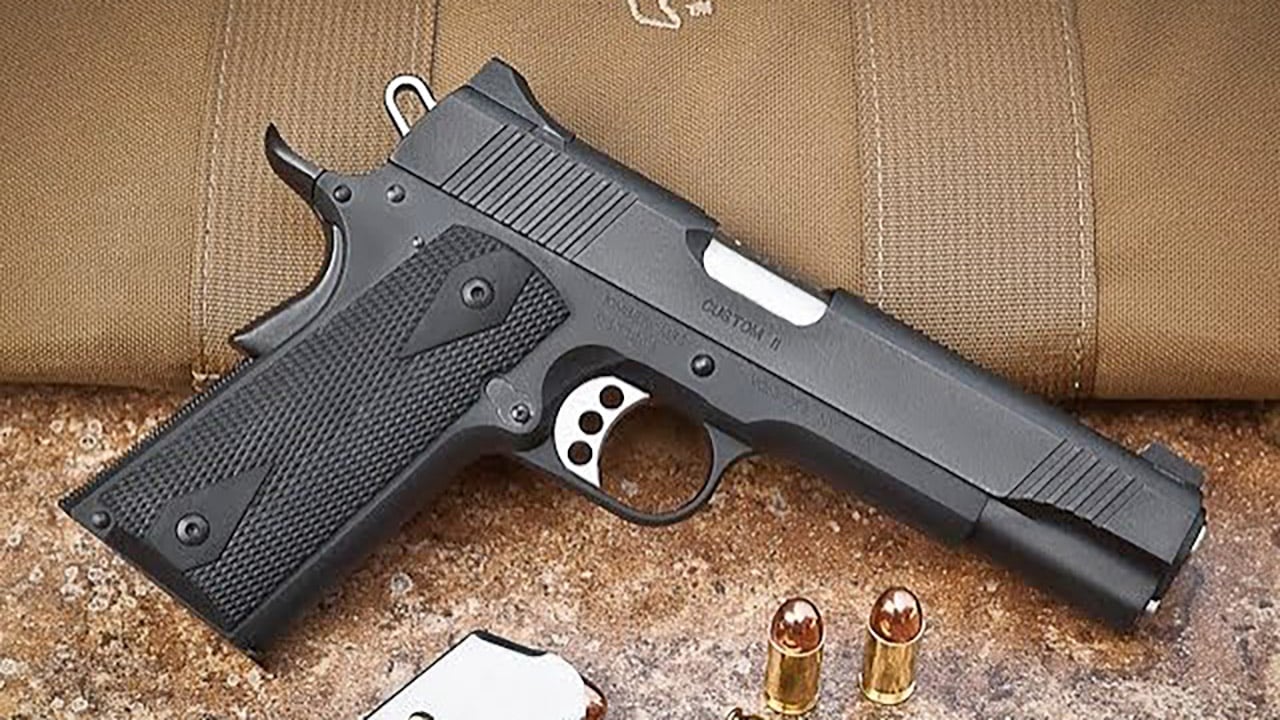
Kimber makes sharp-looking 1911s that carry well, but a lot of them get bought as “my nice 1911” and then carried like a tool. Some owners have been disappointed by how fast the finish can wear on corners and how quickly that can lead to small rust spots.
On a 1911, check the grip screws, the thumb safety, and the slide stop. Those little parts can rust first and make the whole gun look worse than it is.
19. Taurus 1911 (blued)

Taurus 1911s can be decent shooters, but the blued finish on many of them isn’t what I’d pick for a humid climate or a constant carry gun. Once holster wear breaks the surface, it doesn’t take long for rust to start on the sharp edges.
If you’re going to run one as a beater, treat it like a beater and keep a rag with a little oil handy. A 30-second wipe is cheaper than refinishing.
20. Hi-Point C9 (powder-coated slide, neglected storage)
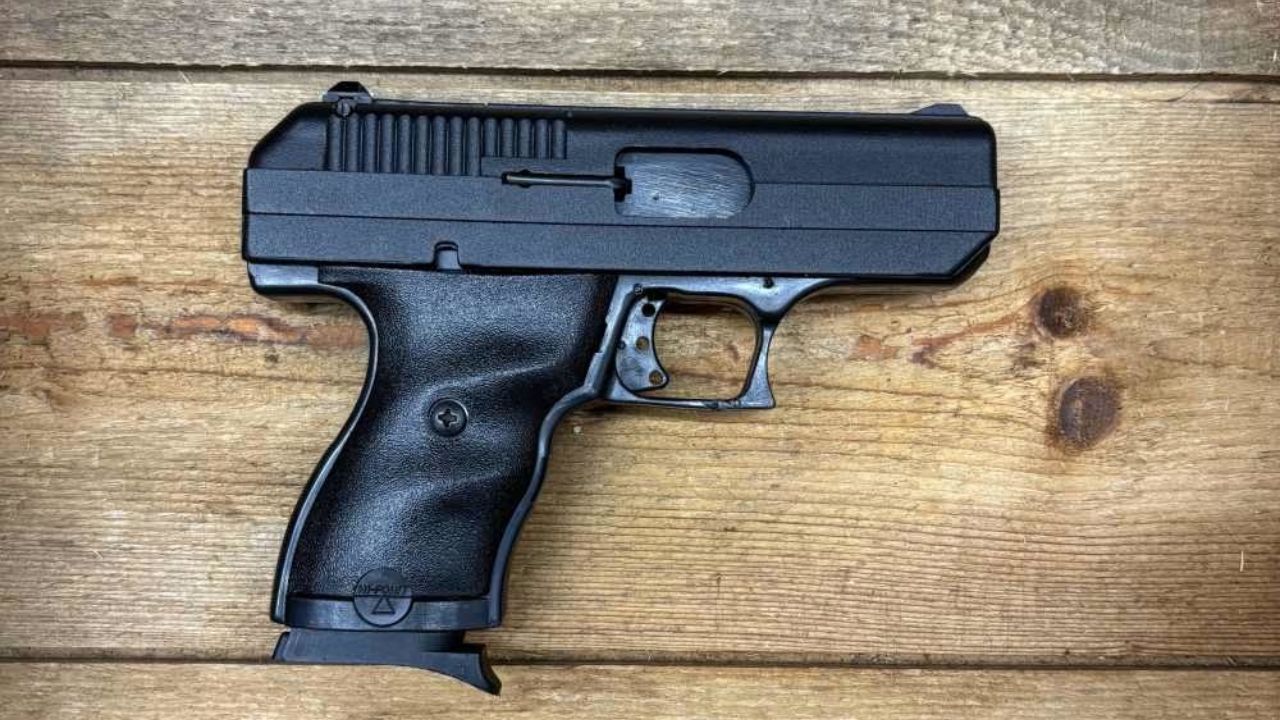
I’m not here to insult the Hi-Point crowd. They do what they do, and they’re often bought for nightstand or truck duty. That’s exactly why they end up rusting: they get stored in bad places and never checked.
The finish can chip, and the exposed areas—pins, small parts, edges—can start corroding if it rides in a console with condensation or sits in a soft case after a rainy range day. It’s not the gun’s fault as much as the lifestyle it usually gets.
If you carry a pistol, you’re doing corrosion testing whether you mean to or not. The fix is boring: wipe the gun down, don’t store it in foam, let holsters dry out, and actually look at your magazines once in a while. A little prevention keeps a good pistol from turning into a speckled mess right when you need it to be boring and reliable.
Like The Avid Outdoorsman’s content? Be sure to follow us.
Here’s more from us: