Photo credit: Isaac Bruck/Youtube
Every season I watch the same thing happen in camp and at the range. A guy shows up with a rifle that looks like it was built to win a match, then tries to use it for a normal walk-and-stalk deer hunt, a day of still-hunting timber, or a quick coyote stand where you’re in and out. By lunchtime the rifle is riding in the truck, and he’s borrowing somebody’s beat-up sporter that weighs half as much.
Heavy rifles have a place. Recoil management, spot-your-own-hits, and long strings of fire all favor weight. But plenty of rifles are built heavy for reasons that don’t help the average hunter, and once you hang a scope, rings, bipod, and a full magazine on them, the “it’s not that bad” turns into “why did I do this?” Here are 20 real models that tend to be more rifle than the hunting they’re usually bought for.
1. Ruger Precision Rifle

I get why this one ends up in deer camps. It looks serious, it shoots, and it gives folks confidence when they’re thinking about longer shots across fields or cutovers. The problem is it’s a whole lot of gun for walking. Once you add a decent scope and a bipod, it becomes a fence-post you’re trying to carry like a hunting rifle.
From a blind or a fixed position, it’s fine. But if your “hunt” involves hills, creek crossings, or slipping through timber, the bulk catches on everything and the weight wears you down fast. It’s a great range rifle that too many guys try to make into an all-around woods rifle.
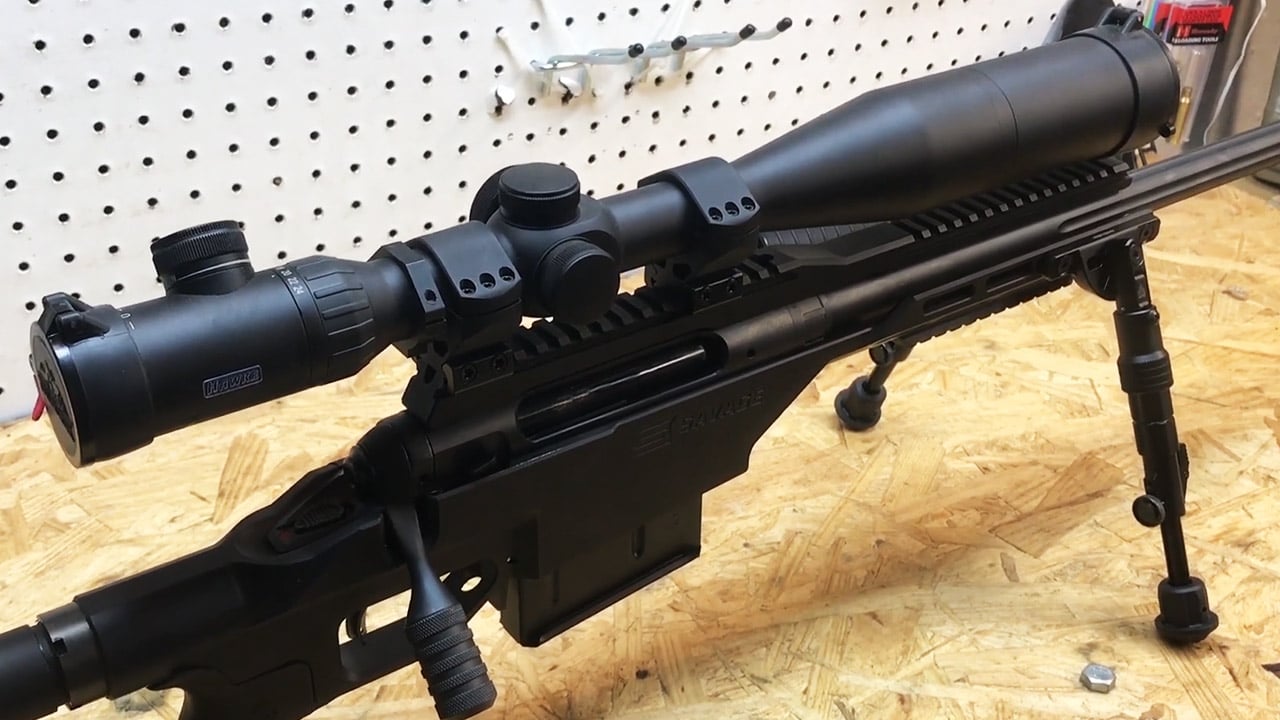
2. Savage 110 BA Stealth
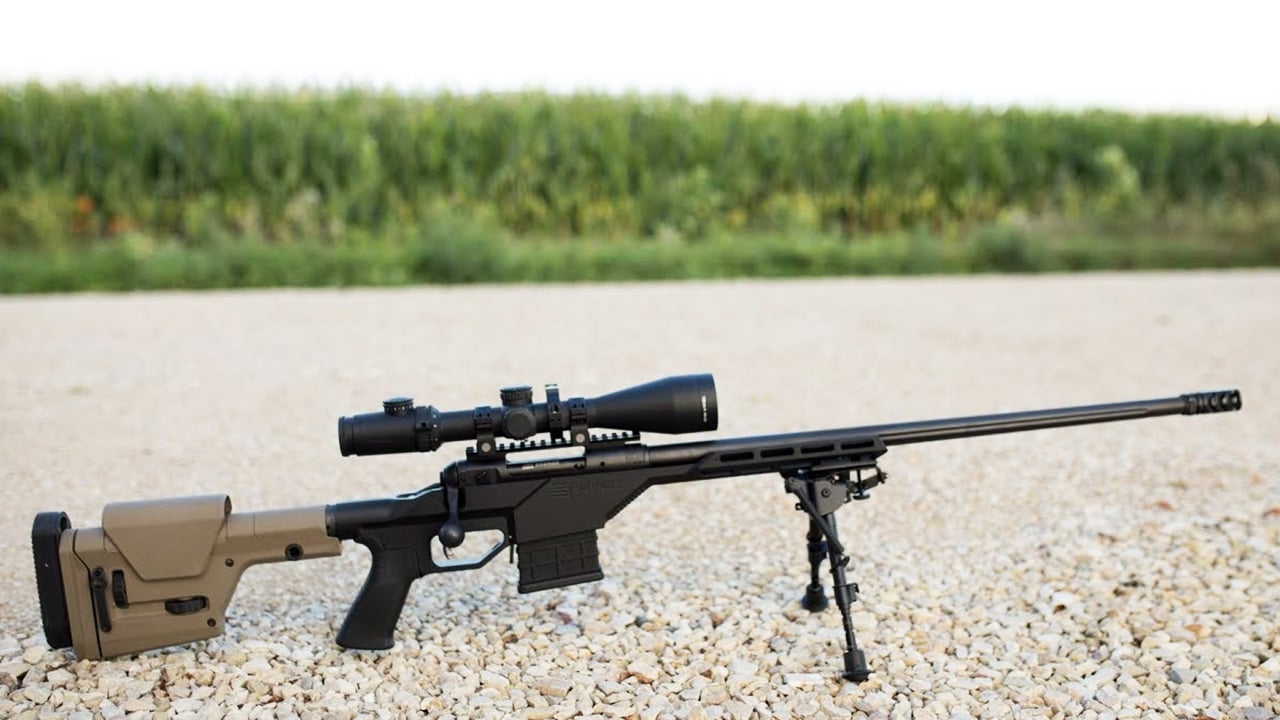
This rifle was never pretending to be a featherweight, and that’s kind of the point. Big barrel, chassis, heavy profile—built to shoot, not to hike. Still, I’ve seen more than one hunter buy it in .308 or 6.5 Creedmoor thinking they’re just getting a “more accurate” deer rifle.
Accuracy isn’t the issue. The issue is you don’t need a semi-truck to haul a bag of feed. If you’re walking ridgelines or doing spot-and-stalk, you’ll feel it in your shoulders and lower back before you ever see a buck.
3. Remington 700 SPS Tactical (20-inch heavy barrel)

There’s nothing wrong with this rifle on paper: 700 action, heavy barrel, decent potential. But a tactical heavy-barrel setup is an odd fit for most deer hunting east of the Mississippi. It carries like a pipe wrench and loves to dig the muzzle into the dirt when you sling it.
It shines on a bench or shooting sticks where you’re taking your time. If you’re still-hunting through brush, that thick barrel and overall balance start feeling clumsy. A standard sporter 700 will do the same job with a lot less misery.
4. Tikka T3x TAC A1
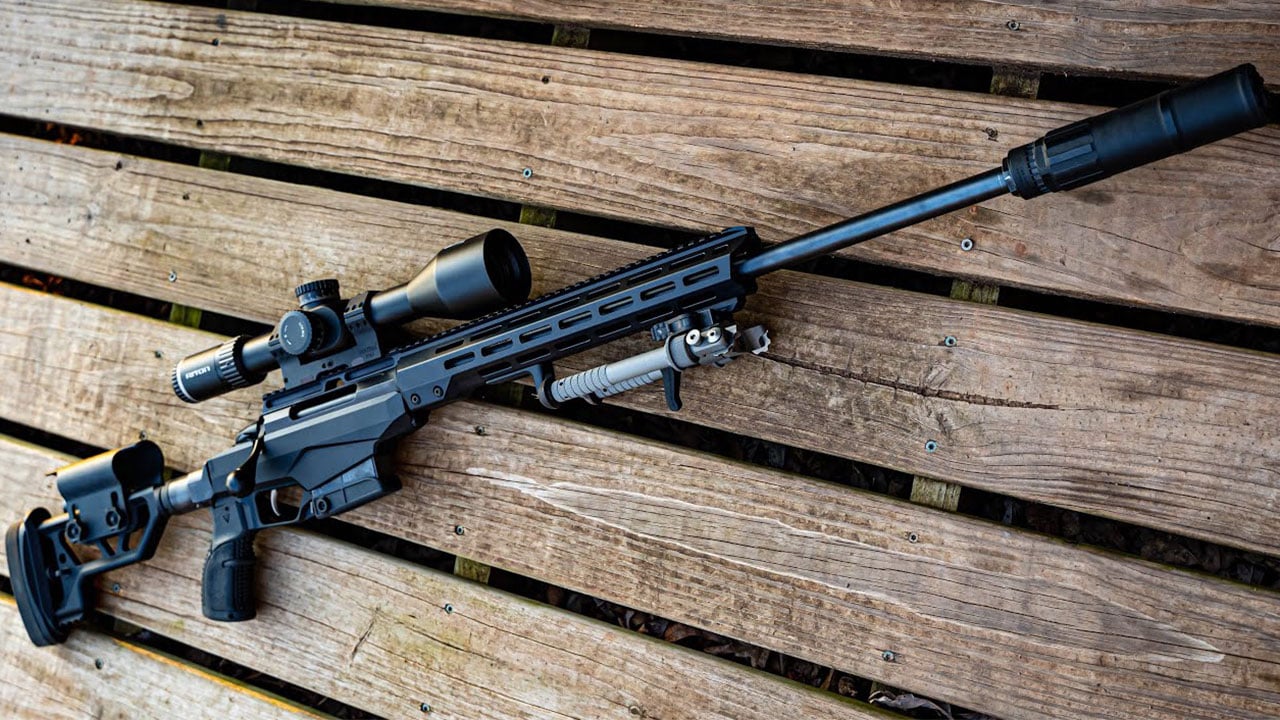
This is a sweet rifle if you want a refined chassis gun. Smooth action, good triggers, and it flat-out shoots. But taking it hunting for typical deer ranges is like wearing mountaineering boots to mow the yard.
It’s long, it’s heavy, and it wants a bipod and a big optic. For a western hunt where you’re glassing and setting up prone with a pack, okay. For tree-stand climbing or quick shots in the timber, it’s just extra.
5. Bergara B-14 HMR
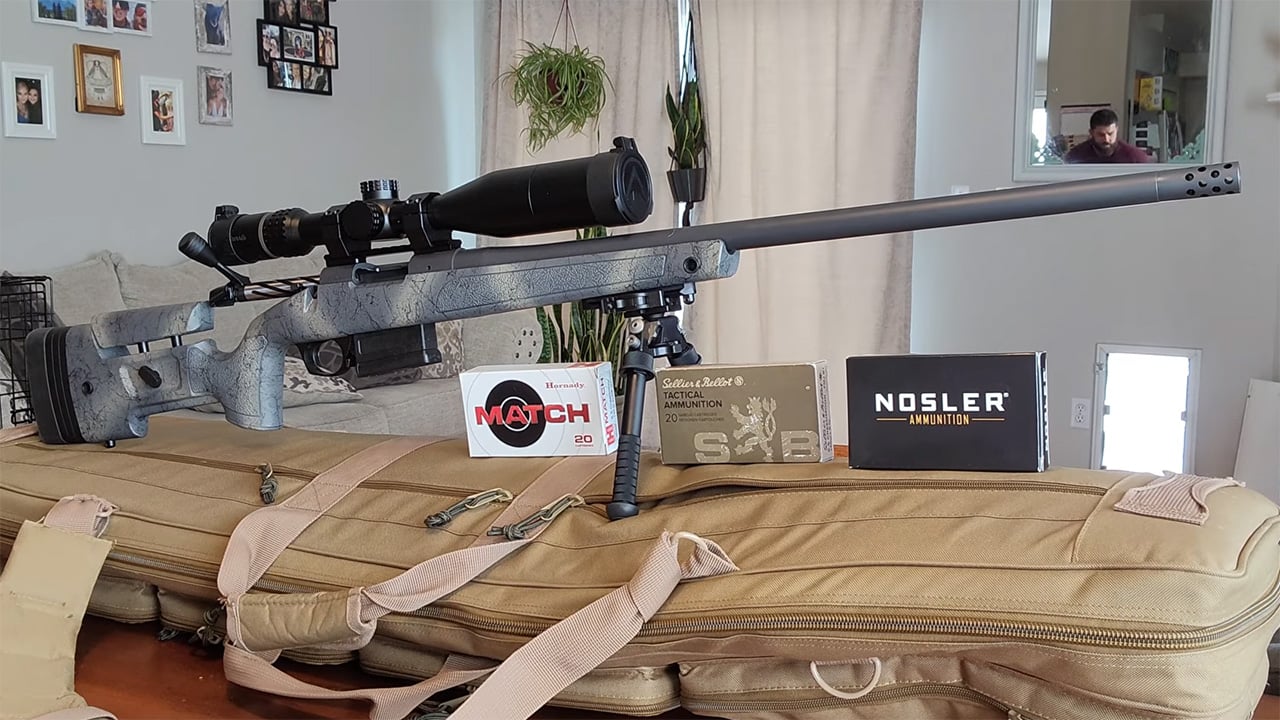
“HMR” is right in the name, and it is a killer crossover rifle for the guy who hunts and shoots steel. But it’s also one of those rifles that lures folks into thinking it’s going to feel like a normal sporter. It doesn’t.
The weight is manageable until you start hanging accessories. Throw on a 4-16x scope, steel rings, and a bipod, and now it’s a different animal. Great for prone work and steady field shots, not as fun for long days still-hunting.
6. Howa 1500 HCR (chassis rifle)

Howa actions are solid. This particular setup is built like a workbench. If you want a rugged chassis rifle that can take abuse and shoot well, it checks boxes.
But the average hunter doesn’t need chassis rigidity to kill a whitetail at 80 yards. Where I see the regret is when guys realize the extra pounds don’t buy them anything in real hunting situations, except fatigue and a sore shoulder from carrying it wrong.
7. Christensen Arms MPR (Modern Precision Rifle)

Carbon fiber makes people think “light,” and some of these are lighter than full steel-barrel chassis rigs. But the MPR is still a big, precision-leaning platform with a lot of front-end presence, and it tends to get paired with big glass.
It’s also the kind of rifle that makes you baby it more than you want to admit. If you’re busting brush, climbing into stands, or leaning it against trees all day, you start wishing you’d brought something you don’t worry about.
8. Springfield Armory M1A Loaded
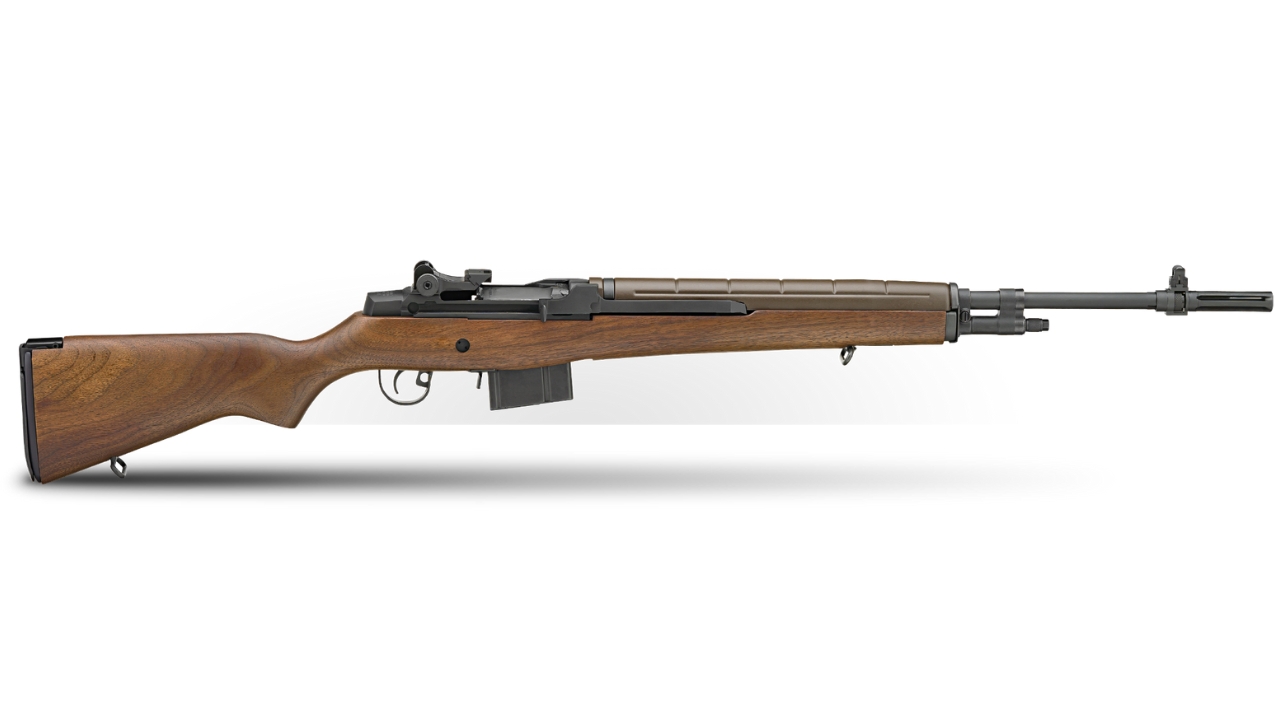
The M1A has a pull. It looks right, it feels like history, and it’s fun on the range. For hunting, though, it’s a long, heavy companion that wants to snag every branch in the county, and the balance is not friendly for carrying one-handed while you move.
Yes, it can absolutely take game where legal. But most hunters aren’t doing the kind of hunting that benefits from a full-size battle rifle. When you’re walking fence lines or easing through timber, you’ll notice the weight every minute.
9. FN SCAR 17S
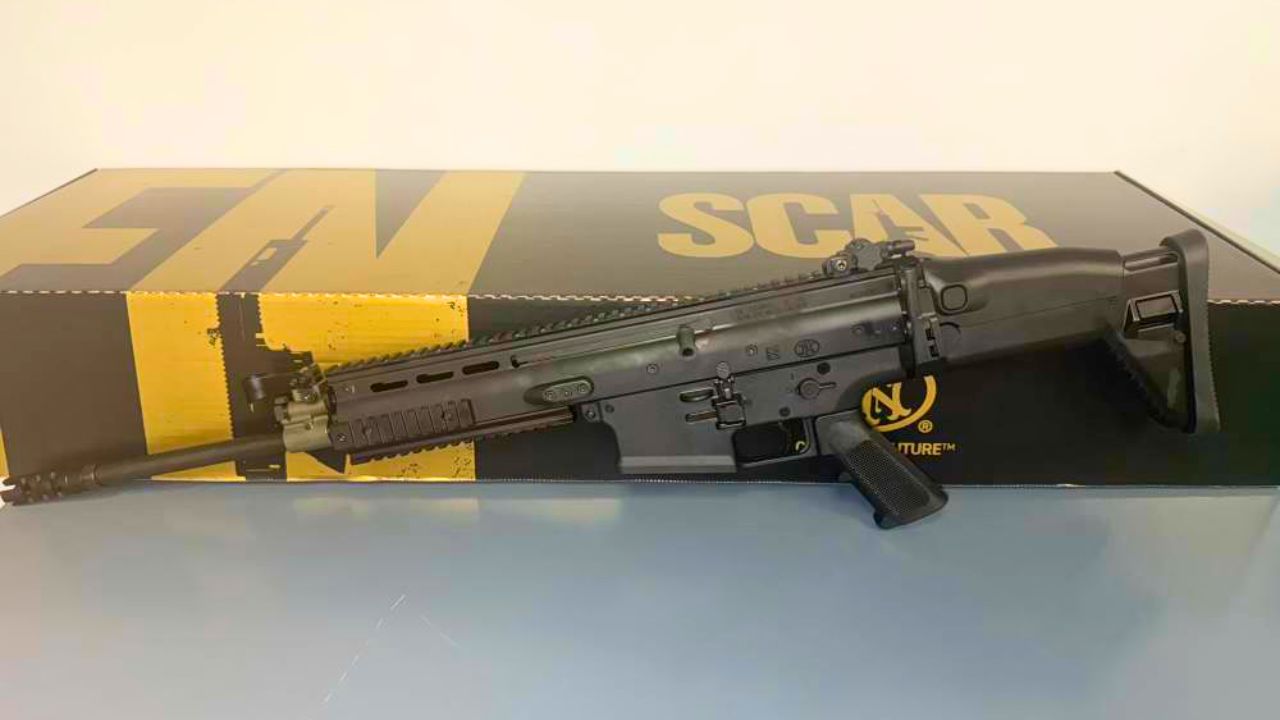
These rifles have a reputation, and they earn some of it. They run, they hit hard, and they’re cool. None of that makes them a great choice for a normal deer season where you might hike a mile or two, climb into a stand, and sit all day.
By the time you put a good optic on it and mount it properly, you’re carrying a pricey, chunky .308 that doesn’t do anything a lighter bolt gun won’t do better for hunting. I’d rather beat up a simple rifle than drag a SCAR through briars.
10. Daniel Defense DD5 V4
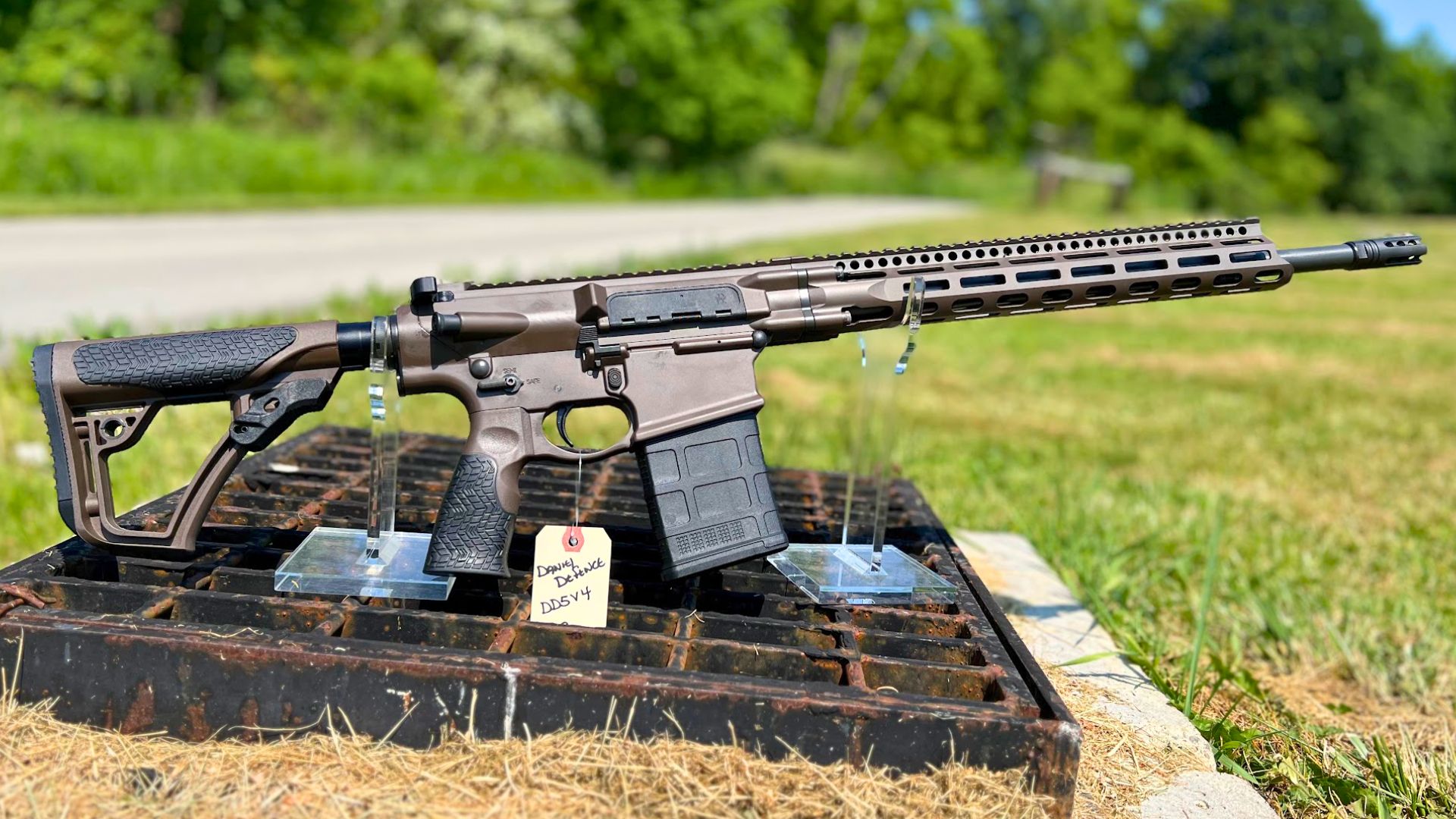
AR-10s are handy in the sense that you can get fast follow-ups and decent ergonomics. But they get heavy fast, especially the well-built ones with quality barrels and rails. The DD5 is a solid example of “built right” also meaning “not light.”
If your hunts are short walks to a blind, no big deal. If you’re packing it around all morning trying to cut tracks or still-hunt, an AR-10’s weight and bulk start to feel like a bad decision you made while watching videos.
11. LWRC REPR MKII

This one is a premium, hard-use .308 gas gun. It’s not pretending to be a mountain rifle. But plenty of hunters buy a top-tier semi-auto thinking they’re getting “the best” without thinking about what “the best” feels like at hour five.
It’s thick through the receiver, it wears accessories well, and it carries like a brick when it’s slung wrong. Fantastic rifle for what it is. Most whitetail hunting isn’t what it is.
12. Barrett MRAD
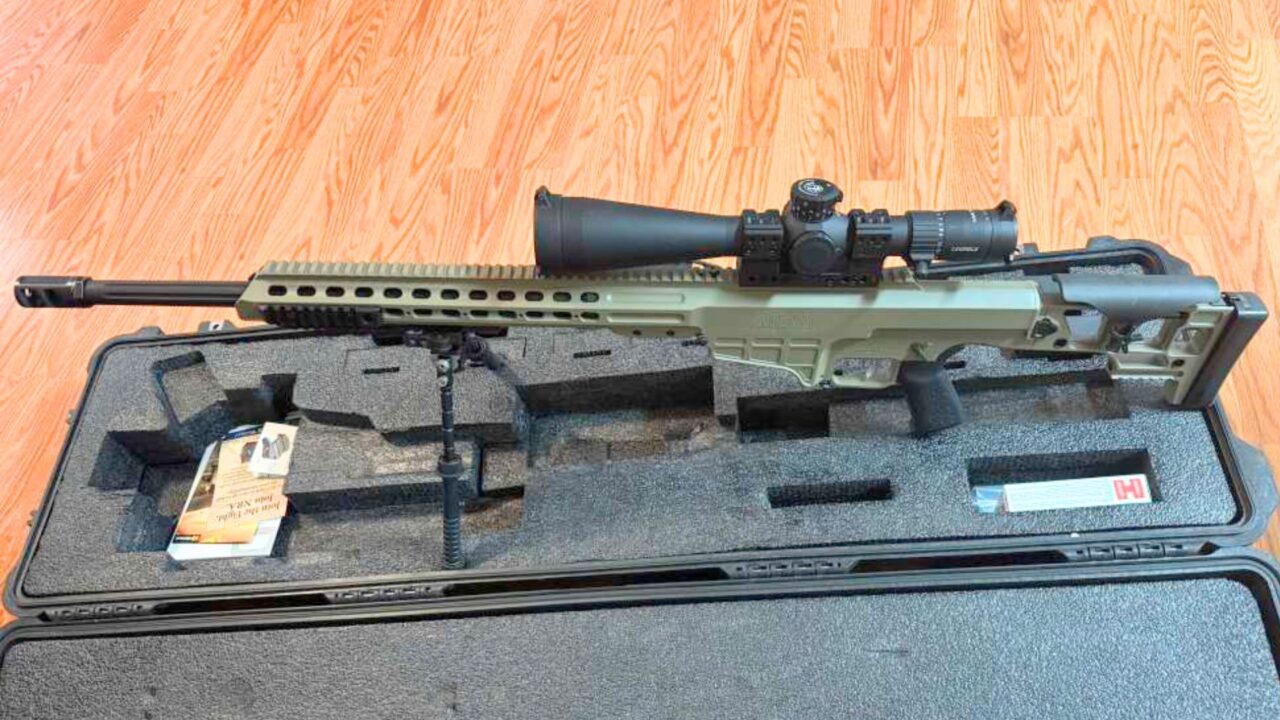
Every now and then you’ll see a guy with a true multi-role sniper-style bolt gun thinking it’s the ultimate hunting rig because it’s modular and accurate. The MRAD is a serious platform. It’s also serious weight.
If you’re hunting from a vehicle, a fixed hide, or you’re doing specialized long-range work, sure. But for the kind of hunting most of us actually do, it’s like carrying a toolbox instead of a rifle.
13. Accuracy International AT

AI rifles have a feel to them. The action is different, the build quality is obvious, and they shoot. They’re also not built to be carried all day in the woods like a classic sporter.
When you see these in hunting camps, it’s usually because someone wanted to “buy once, cry once.” The crying happens later, usually on a steep climb, when the reality of chassis weight and long barrels shows up.
14. CZ 600 MDT Chassis
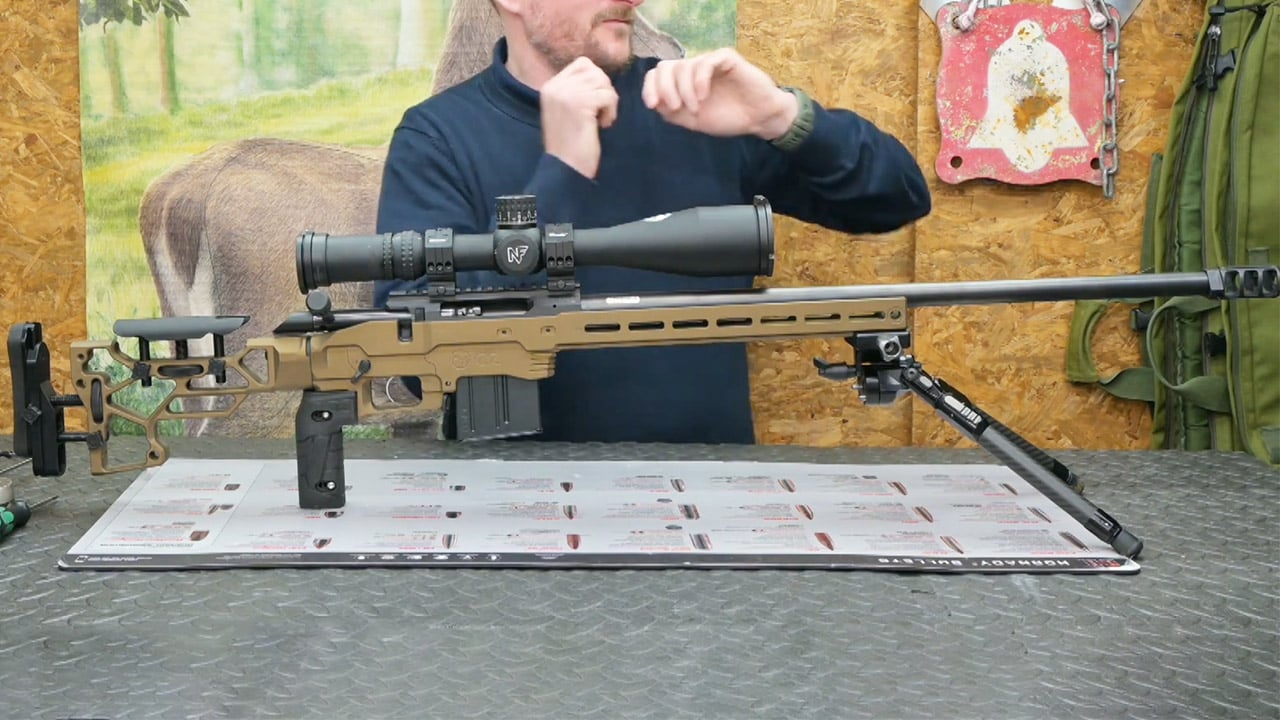
The CZ 600 line is interesting, and in a normal hunting stock it can make a lot of sense. Put it into a chassis, though, and it becomes another rifle that’s more about stability and accessories than getting from point A to point B quietly.
Chassis rifles shine when you’re dialing, spotting impacts, and shooting supported. Most hunting shots aren’t shot that way. If your hunting is “walk, stop, shoot quick,” this kind of setup is often too much.
15. SIG Sauer CROSS PRS

The original CROSS is meant to be packable, but the PRS version moves the needle back toward match use. Heavier, more adjustable, more at home on a bag than on your shoulder. It’s the kind of rifle that makes you want to carry it a short distance and then set it down.
For hunters who primarily shoot from prone in wide-open country, it can make sense. For the rest of us, it’s another example of buying a “precision” idea instead of a practical hunting tool.
16. Ruger American Predator (with a full chassis swap)

I’m not picking on the basic Predator here. In factory form, it’s a decent, affordable hunting rifle. The issue is what happens when someone turns it into a budget “tactical” build: chassis, heavy scope, bipod, maybe a muzzle device.
Now you’ve got a rifle that’s no longer light, no longer simple, and not necessarily more effective on game at normal ranges. It’s a common path: start cheap, add parts, and end up with something heavy you don’t actually enjoy carrying.
17. Savage Axis (aftermarket heavy barrel build)

Same story as the budget Ruger builds. The Axis can kill deer just fine as-is. Where it gets weird is when it becomes a project rifle with a heavy barrel and stock upgrades chasing benchrest vibes.
By the time it’s “done,” it’s often heavier than better hunting rifles that started life as hunting rifles. And the action still feels like an Axis action. That one hurts because the money spent doesn’t always translate to better hunting.
18. Marlin 1895 SBL
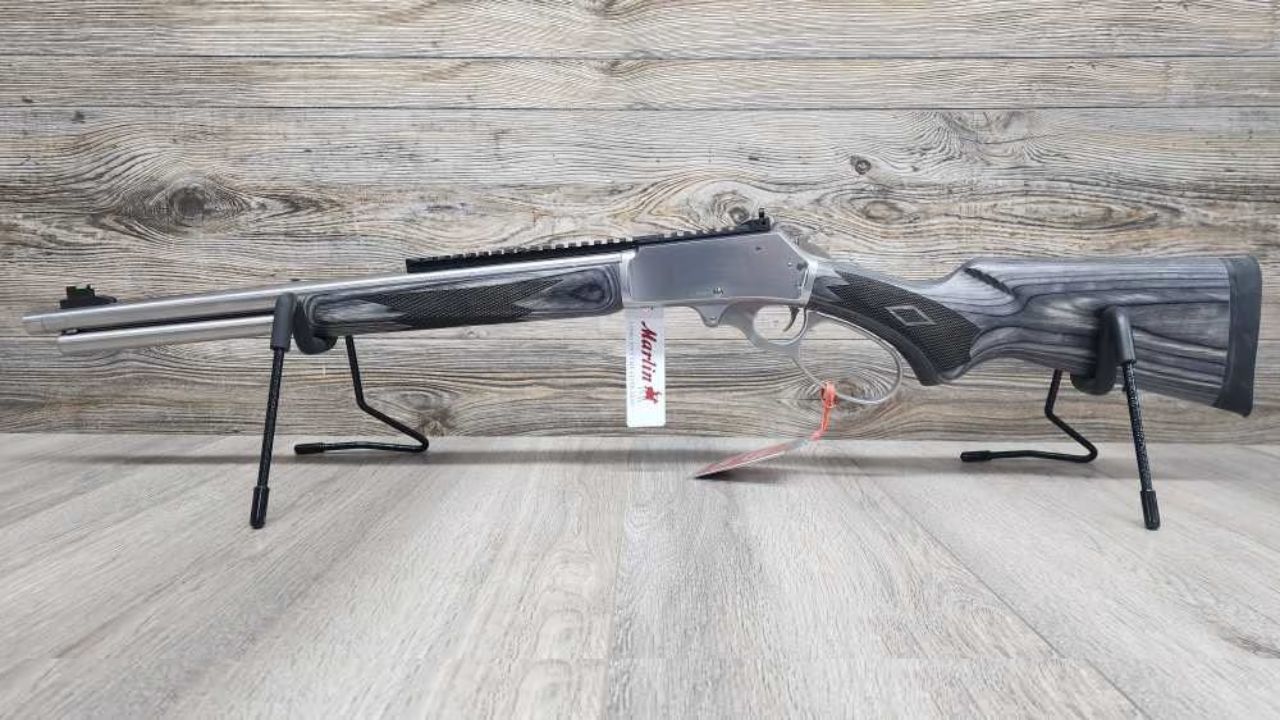
I like this rifle. I’ll say that up front. But with the big lever gun trend, a lot of folks buy an 1895 SBL as a “woods thumper” and then realize it’s not a lightweight carbine once you add a suppressor or a scout scope setup.
It carries okay for short loops, but it’s front-heavy once you dress it up. For still-hunting thick stuff all day, a lighter lever gun or a simple bolt gun starts to look smarter, even if it’s not as cool.
19. Henry X Model .45-70
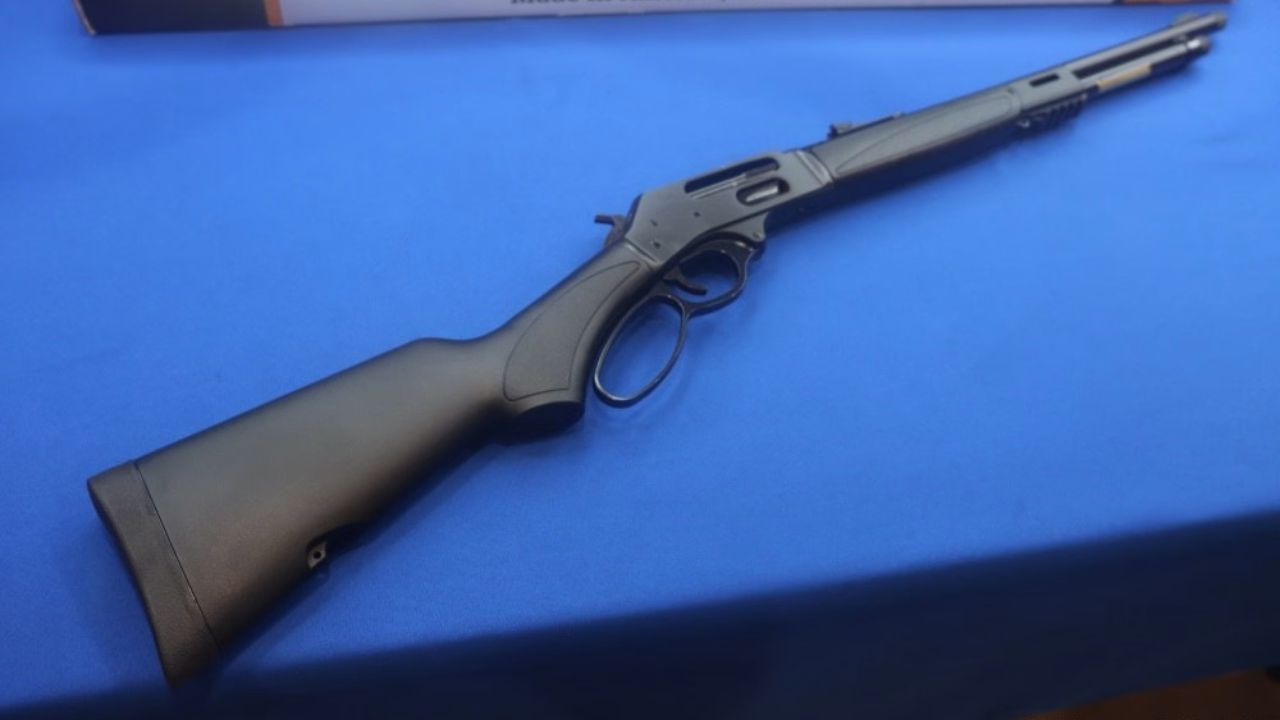
Another lever gun that gets bought for the vibe, then reality shows up. The X Model is handy, but it’s not dainty, and in .45-70 most guys end up adding recoil-friendly accessories and a sighting system that adds even more weight.
Also, .45-70 ammo isn’t something you “practice a lot” with unless you’ve got deep pockets and a tolerant shoulder. Heavy rifle plus limited practice is not a combo I love for hunting season.
20. Browning X-Bolt Max Long Range

Browning builds good rifles, and the X-Bolt is a strong hunting action. The Max Long Range version, though, is a purpose-built, heavier hunting rig that’s easy to overbuy. It’s designed for stability at distance, not for wandering hardwood ridges with a rifle in your hands.
If your hunting is mostly from a blind over a big field or a long sit where the rifle rests beside you, it can be a great tool. If you’re the guy who ends up carrying all day because you “might move to another spot,” you’ll start eyeing the lighter rifles in the safe.
None of this is meant to shame anybody for liking heavy rifles. A steady rifle is a confidence booster, and some folks genuinely hunt in places where prone, bipod-supported shots are normal. But for most deer, hog, and coyote hunting, ounces turn into pounds real fast. If you’re honest about how you actually hunt, you’ll usually end up with a rifle you carry more, shoot more, and hit with more when it counts.
Like The Avid Outdoorsman’s content? Be sure to follow us.
Here’s more from us: