Photo credit: travisp11/Youtube
I have handed plenty of guns across a tailgate or a shooting bench. Most of the time it’s just buddies swapping range toys, or a new hunter getting a feel for something before season. But there’s a different question entirely when somebody says, “This is what I’m going to depend on.” That’s when I stop thinking about what’s fun and start thinking about what won’t quit when it’s cold, dirty, under-lubed, loaded with whatever ammo is actually on the shelf, and handled by someone who might not be a gun person yet.
This isn’t a list of “worst guns ever made.” Some of these can run fine. Some are accurate. A few are even kind of lovable. But if someone needs one firearm to be their lifeline for carry, home defense, or a once-a-year hunt where a tag matters, these are 20 I’m not sliding across the counter with a “you’ll be fine.”
1. Remington 710
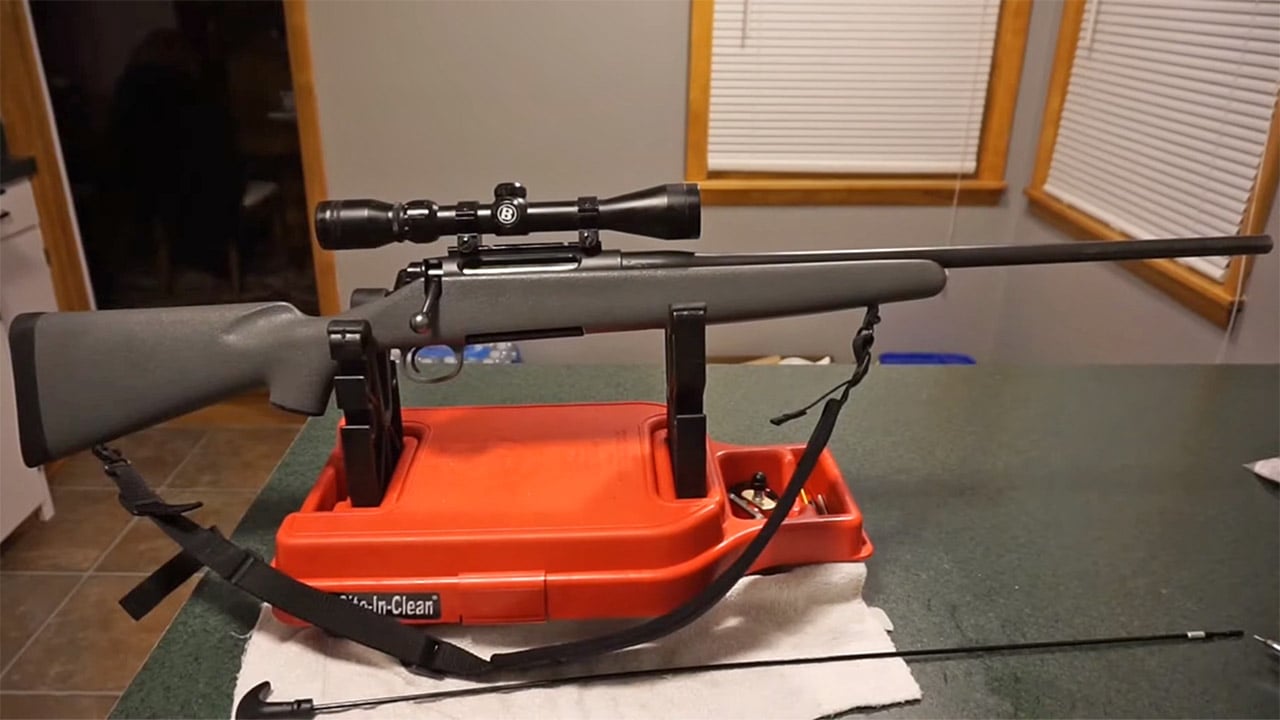
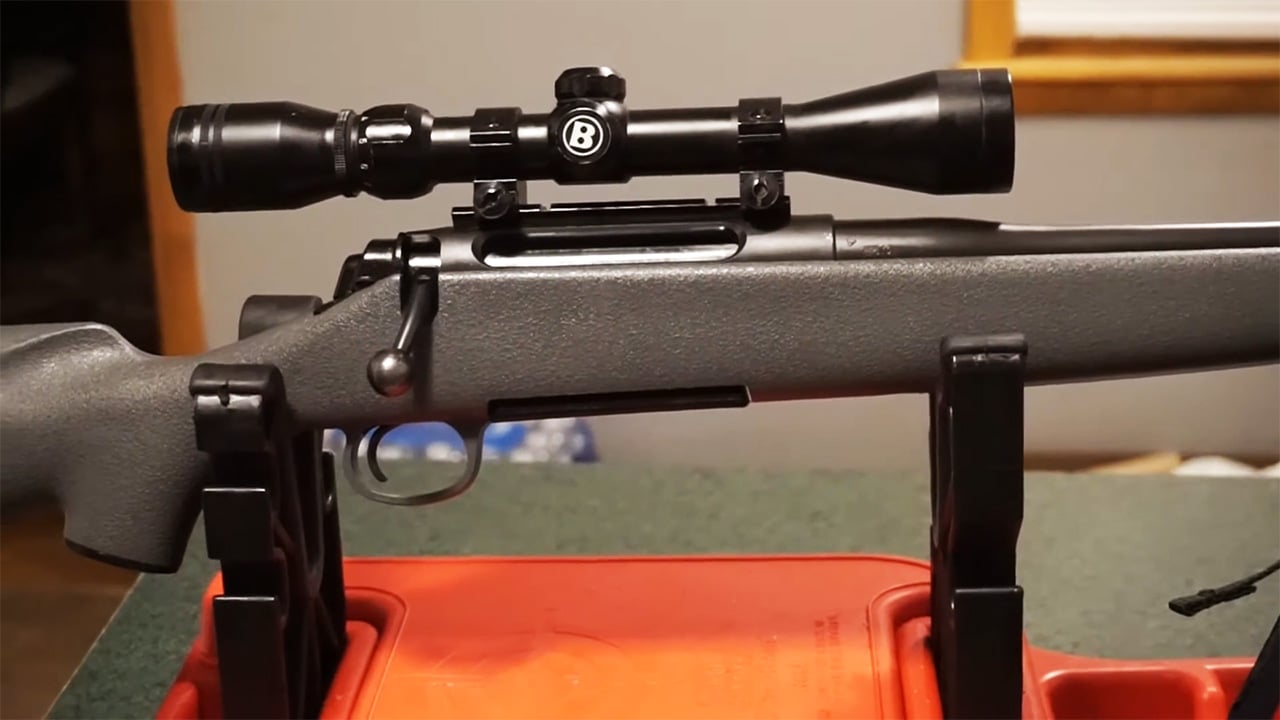
I’ve seen more than one of these show up as a “good deal deer rifle,” and I get the temptation. They were priced to move and they look like a normal bolt gun from ten feet away. The trouble starts when you run the bolt hard, especially with a cold hand and gloves, and it feels like it’s fighting you.
The bigger issue is long-term support. When something goes sideways, you don’t have the same parts ecosystem that keeps classic rifles alive. If I’m setting a new hunter up to succeed, I’d rather hand them an older 700, a Savage 110, or a Ruger American than gamble on a rifle with a reputation for being disposable.
2. Remington 770

The 770 is basically the 710’s follow-up, and it carries the same baggage. They’re common in closets because they were sold as packages with a scope, and that “all-in-one” pitch still catches folks who just want to be ready for opening morning.
They can shoot “good enough” until they don’t. The magazines and feeding can be finicky, and the whole rifle feels like it was built to meet a price point, not to last through a decade of wet seasons and dusty range days.
3. Taurus Curve
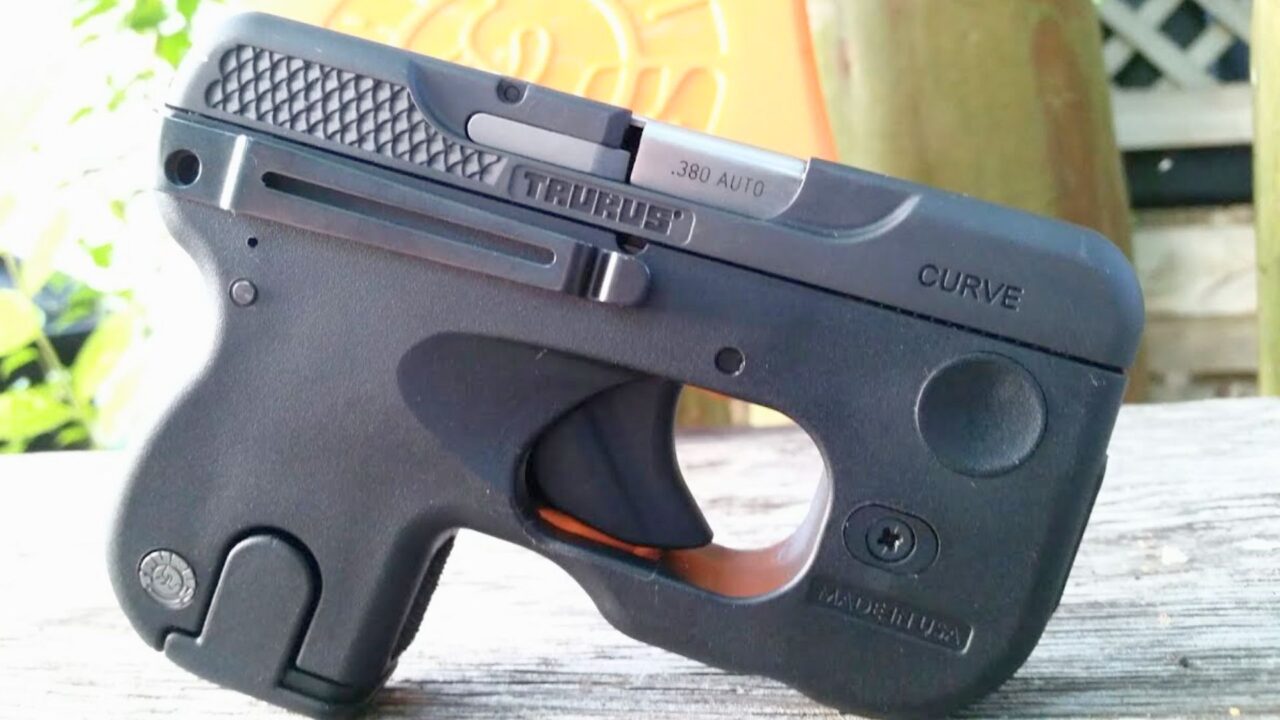
Every few years a “revolutionary” concealed-carry idea hits the market, and the Curve was one of those. Curved frame, built-in laser, built-in light, snag-free concept. On paper, it sounds like a slick answer for pocket carry.
In the real world, it’s a niche gun that asks you to adapt to it instead of the other way around. The trigger, the sights, the odd ergonomics, and the general track record are not what I want when someone’s betting their safety on a small handgun.
4. SCCY CPX-2

These are often bought for one reason: they’re affordable. And I’m not knocking anybody’s budget. But the “budget defensive pistol” lane is crowded now, and there are better options that don’t feel like a roll of the dice.
Heavy triggers, inconsistent feel from gun to gun, and a general sense that you’re always one range session away from discovering a new quirk isn’t where I want a brand-new shooter to start. Dependable doesn’t have to mean expensive, but it does need to mean proven.
5. Hi-Point C9
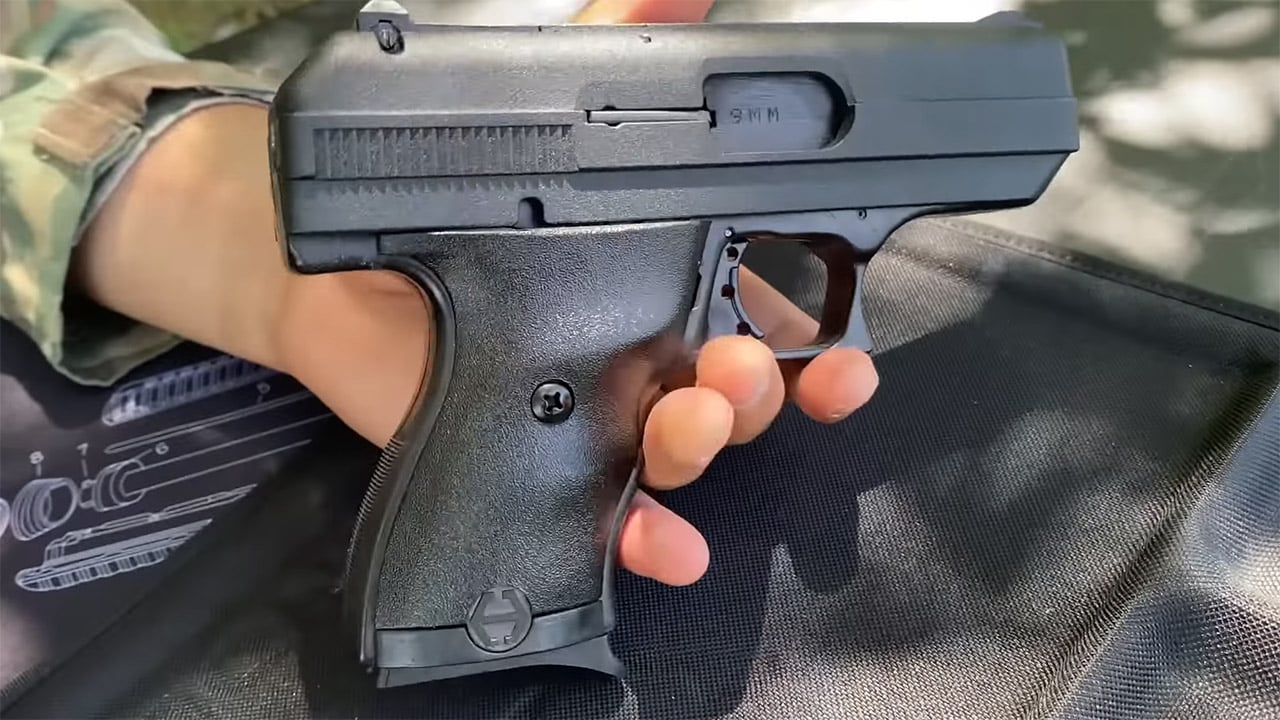
I’ve shot enough Hi-Points to say this: some of them do run, and they can surprise you. They’re also bricks. Big, chunky, awkward bricks. For a glovebox gun that never gets carried, that might sound fine.
But “depend on it” usually means you’re actually going to carry it, train with it, and maybe stake your life on getting it out quickly. The size-to-capability ratio is rough, the ergonomics are rough, and the overall experience discourages practice. That matters more than internet arguments.
6. Kimber Solo

The Solo is a good example of a premium-priced gun that doesn’t automatically equal premium reliability. It’s small, it looks sharp, and it has that “nice gun” feel when you first pick it up.
Then you learn it can be picky about ammo and the whole point of a small 9mm carry gun is that it should run on boring, common loads. If I’m helping someone choose a micro 9 for serious carry, I’m not starting with a pistol that has a history of being finicky.
7. Remington R51 (reintroduced models)

I wanted to like the R51. The concept is cool, the history is cool, and the idea of a slim carry pistol that shoots soft is something we can all get behind.
But “wanted to like it” doesn’t help you when something won’t run right. The R51’s reputation got messy fast, and I’m not handing a “project gun” to someone who needs simple and dependable.
8. SIG Sauer P250
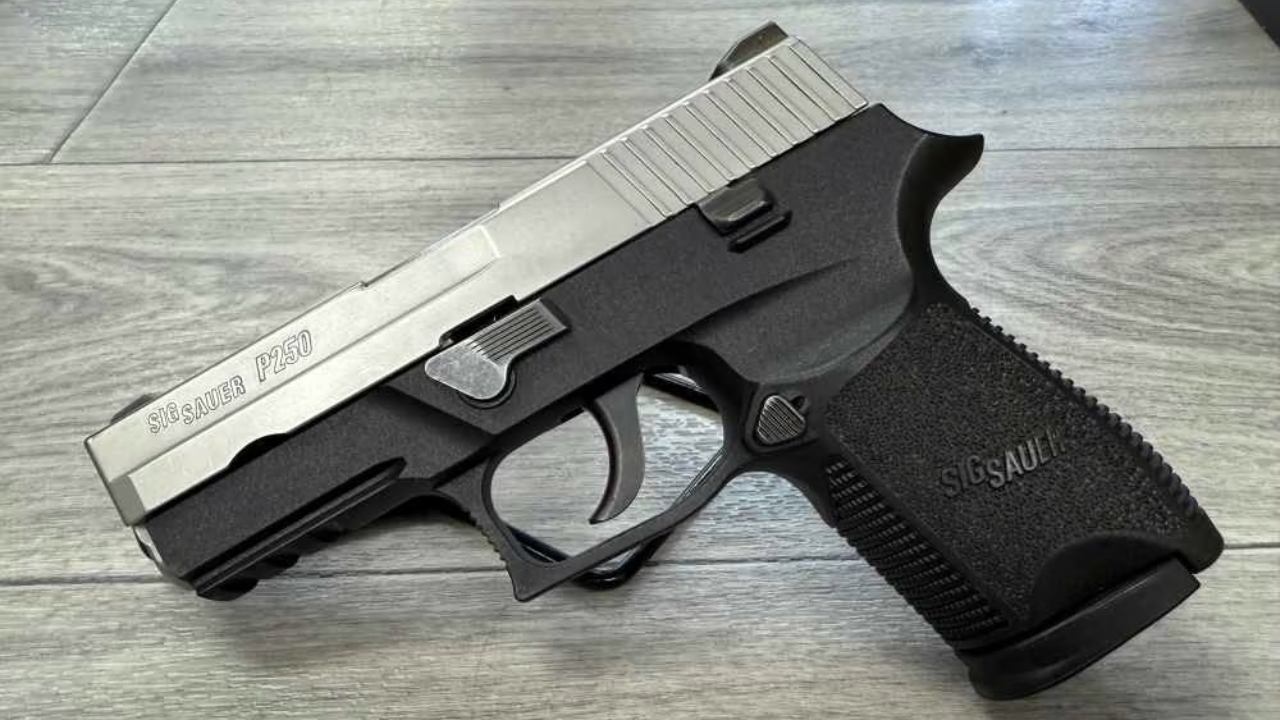
The P250 isn’t junk, but it’s not what I’d hand to someone counting on performance under stress. That long, smooth DAO trigger is a training commitment, and most folks don’t put in enough time to run it well.
There’s also the reality that the market moved on. Magazines, holsters, and support aren’t as effortless as more common SIG or Glock options. When you’re depending on a gun, commonality is a feature.
9. Beretta Nano
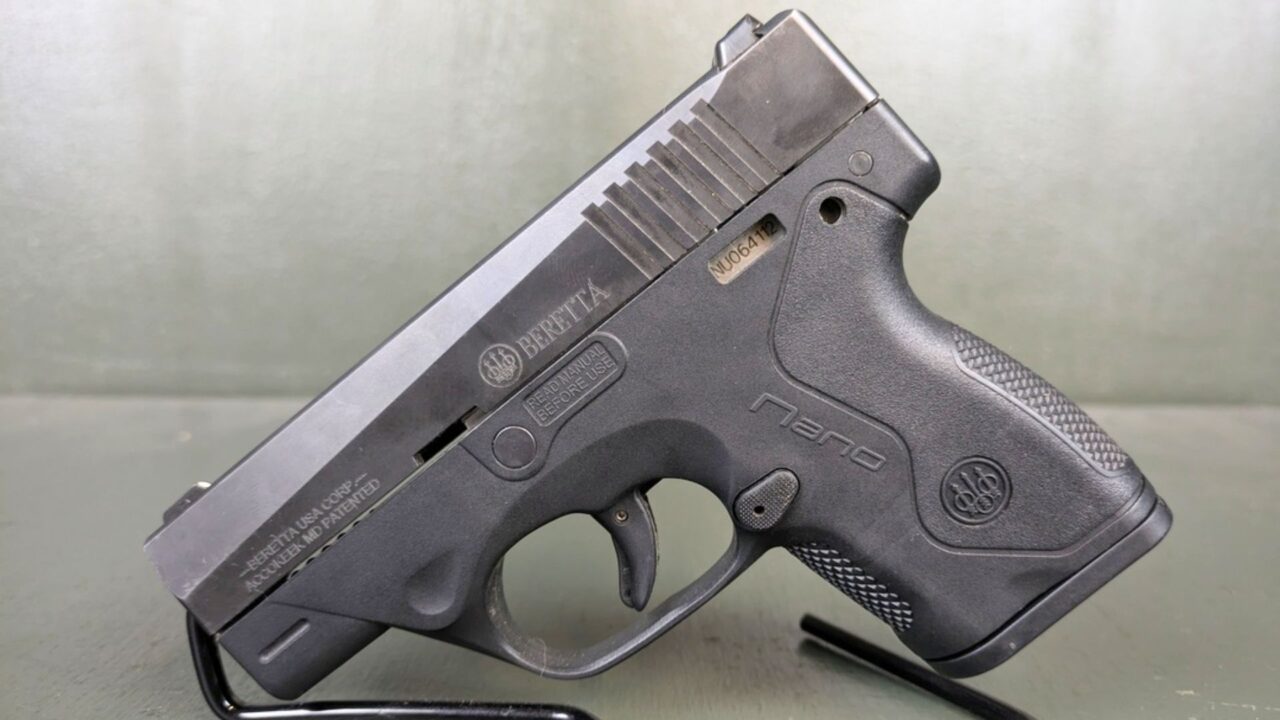
The Nano was Beretta’s early swing at the micro 9 world, and it’s not the worst idea they ever had. It’s just been leapfrogged hard by newer designs that shoot better, carry better, and have better triggers and sights.
If someone shows up with one and it’s proven, fine. But if they’re shopping for a “trust your life” carry gun today, I’m not steering them toward an older design with mediocre shootability when better options exist at the same price.
10. Glock 44
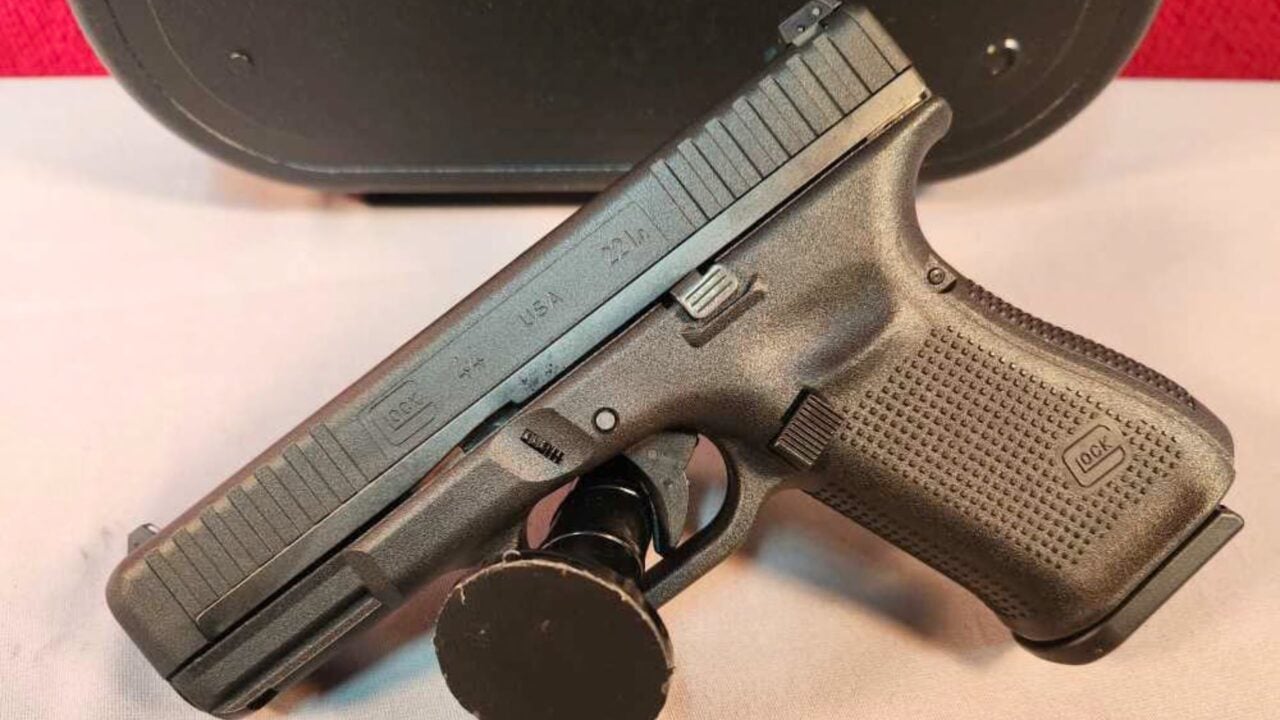
A .22 can absolutely be a serious training tool. The problem is when someone starts treating a rimfire pistol like it’s a centerfire defensive pistol. The Glock 44 is fun, familiar, and cheap to feed.
But rimfire reliability is its own animal, and .22 LR is not what I want in a “depends on it” conversation. If you want a trainer, great. If you want a defensive Glock, buy a 19 or a 17 and practice with a .22 on the side.
11. Rossi Circuit Judge
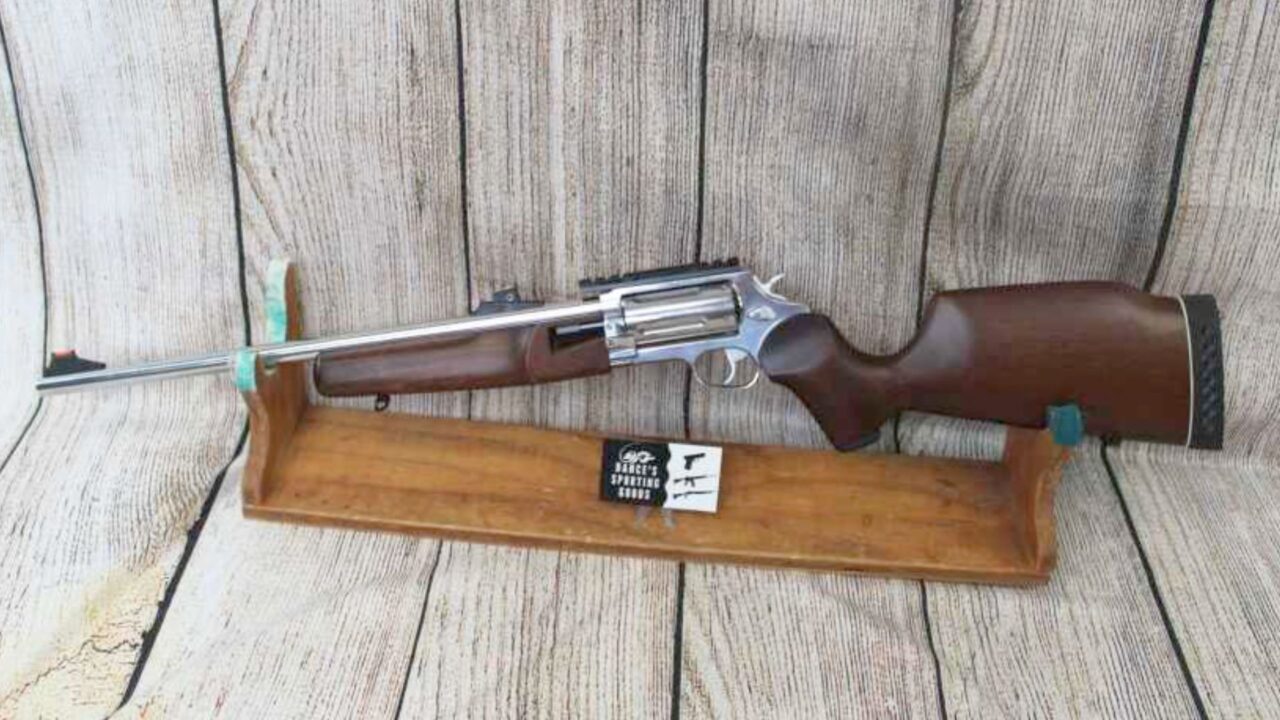
The Circuit Judge is one of those guns that makes sense for about 30 seconds. A revolving rifle that can shoot .410 or .45 Colt sounds like a do-it-all farm and woods gun.
In practice, it’s heavy, quirky, and it brings revolver problems into a long gun format. Cylinder gap blast, limited capacity, and the overall handling just don’t add up when you could have a simple lever gun or a basic shotgun that does the job cleaner.
12. Charter Arms Bulldog (lightweight .44 Special models)
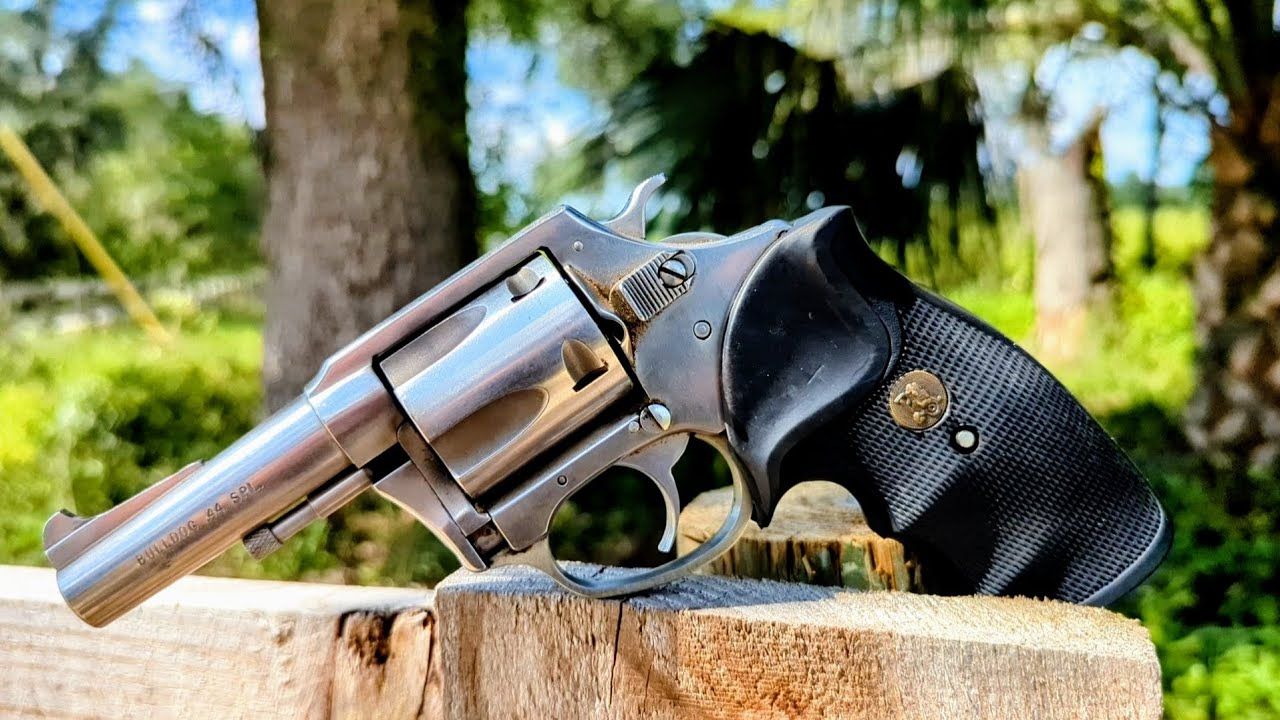
The Bulldog has a following because it’s a compact big-bore revolver. And .44 Special is a fine cartridge. But the lightweight versions can be snappy, and not “fun snappy,” more like “I’m not practicing with this” snappy.
Quality can also be inconsistent across production runs, and I’m not handing a revolver to a new shooter unless I’m confident it’ll stay tight and timed. A defensive revolver should be boringly reliable, not an adventure.
13. Taurus 605 (.357 snub)

A small-frame .357 looks like the answer for someone who wants power in a compact package. Then you actually shoot one with real .357 loads, and the conversation changes fast. Recoil and blast aren’t just uncomfortable; they can wreck follow-up shots.
Add in Taurus’s uneven reputation across models and years, and I’m not making it someone’s “dependable” tool. If they want a small revolver, I’d rather see a steel-frame .38 from Ruger or Smith that they’ll actually practice with.
14. Smith & Wesson Model 460XVR (as a “bear gun” for most folks)

This one’s going to make somebody mad because it’s an impressive revolver. It’s also huge, loud, and punishing. I’ve watched experienced shooters develop a flinch in one cylinder.
Depending on something means you can hit with it, draw it, and control it when your heart is in your throat. For most outdoorsmen, a more manageable revolver or a proven 10mm pistol makes more sense than a hand cannon you dread practicing with.
15. Desert Eagle Mark XIX

These are range magnets. Everybody wants to touch it off once, and I don’t blame them. It’s a spectacle.
But as a serious-use handgun, it’s a non-starter. Weight, bulk, ammo cost, and the fact that they can be ammo-sensitive makes it a poor choice when reliability and practicality are the point. Fun gun? Absolutely. Depend-on-it gun? No.
16. Kel-Tec Sub-2000 (early generations, especially)
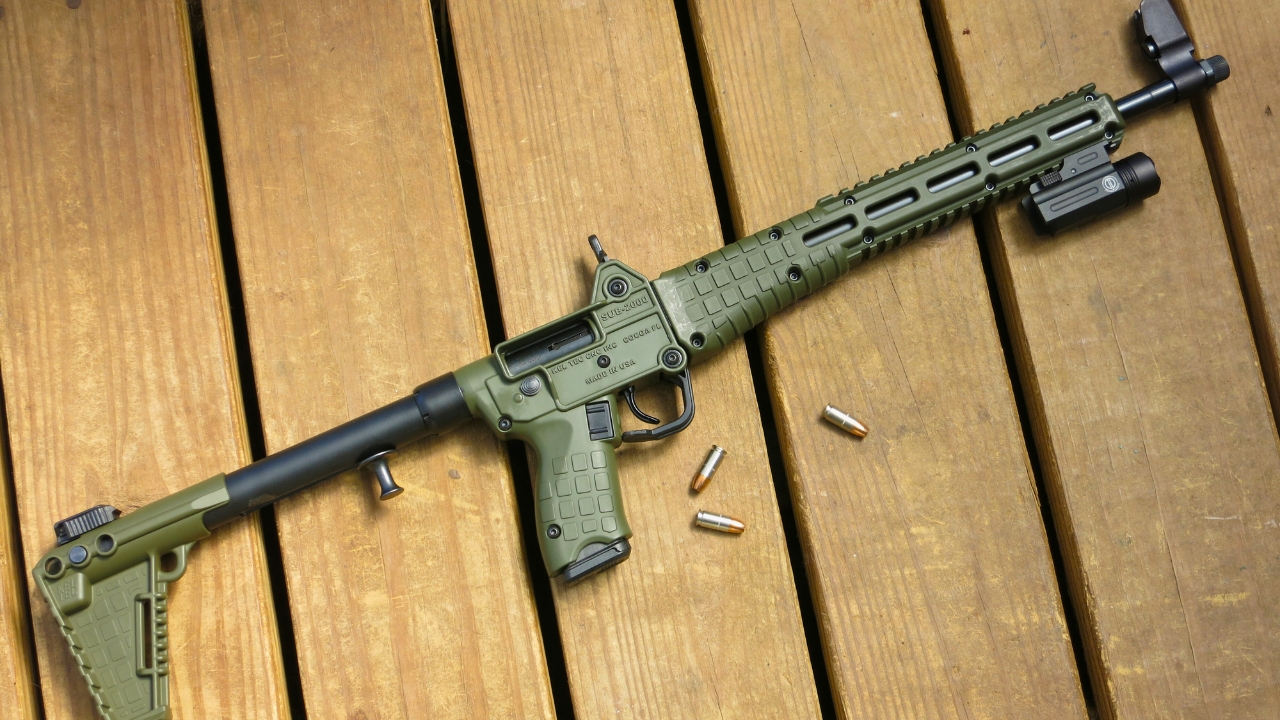
The folding carbine idea is handy, and the Sub-2000 has put a lot of rounds downrange for a lot of folks. The problem is that the ergonomics are weird, the sights can be a challenge, and some examples feel like they’re held together by hope and polymer.
If someone is buying a pistol-caliber carbine for defense, I’d rather see something that’s easier to run well and less finicky about setup. A gun that lives folded in a bag is neat, but it still has to be a gun you can shoot accurately and quickly.
17. Century Arms C39V2
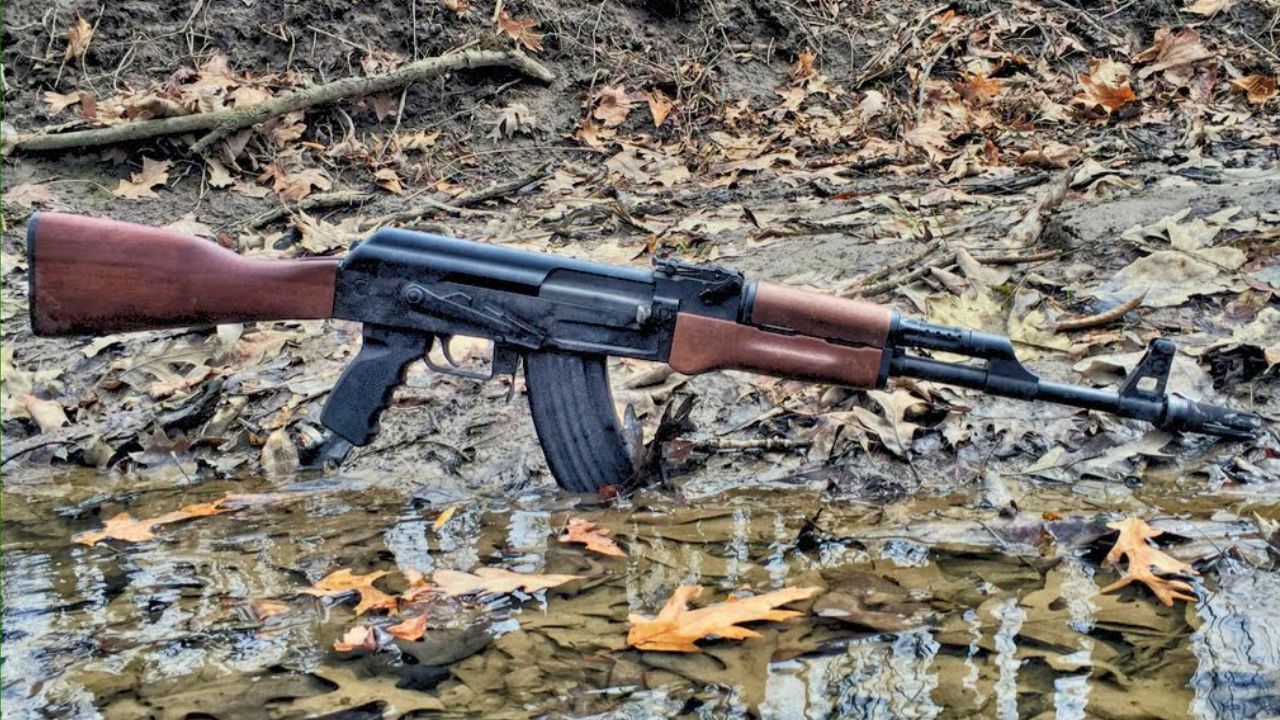
AKs can be wonderfully reliable when they’re built right. When they’re not, you get the kind of problems that make you distrust the whole platform. The C39V2 has had enough controversy around wear and durability that I’m cautious.
There are solid AK options out there, but you have to be picky. If someone wants an AK to depend on, I’m steering them toward proven imports and reputable builders, not a rifle with a mixed track record.
18. IWI Tavor TS12
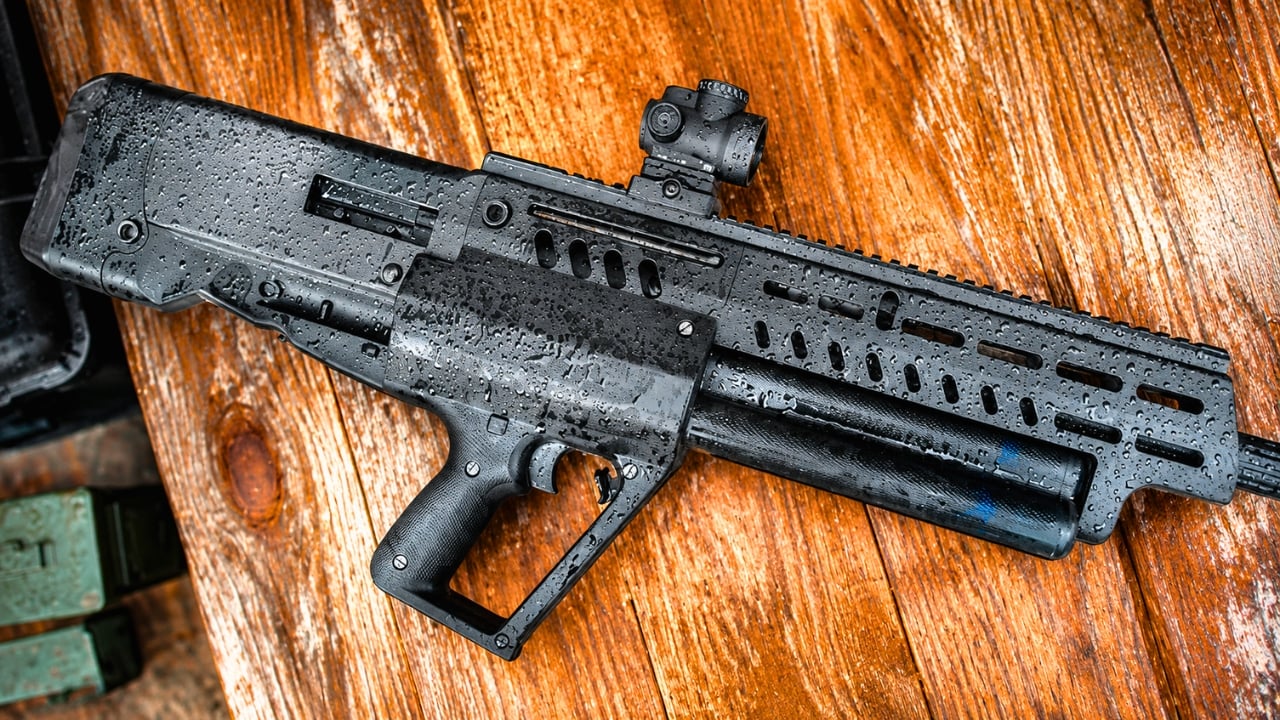
The TS12 is clever. High capacity, bullpup layout, and it feels like something out of a sci-fi movie. I’ve shot them, and I understand the appeal.
But depending on a shotgun means simple controls, easy loading, and easy problem-solving when something goes wrong. Bullpup shotguns tend to be more complex than they need to be, and complexity is not your friend at 2 a.m. when you’re half awake.
19. Winchester SXP (some examples, especially hard-used)
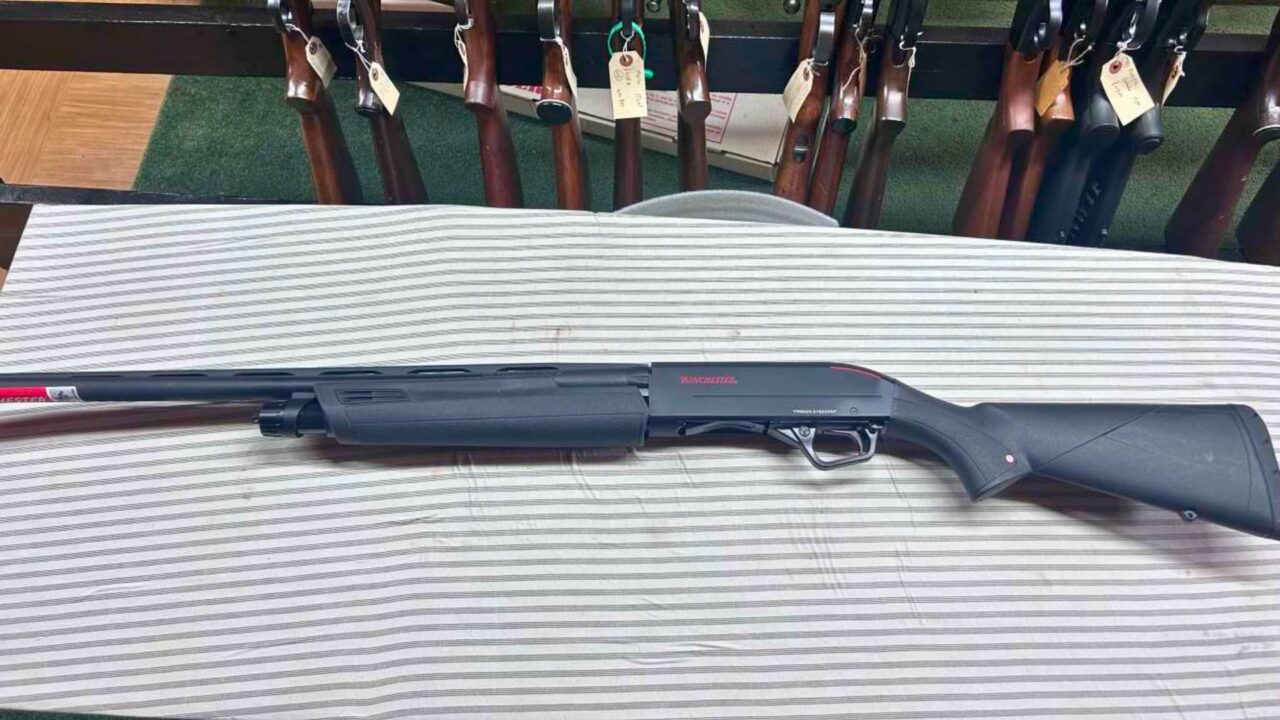
The SXP can be a fine budget pump, and plenty of them run. The issue is consistency and longevity when they’re ridden hard. I’ve handled some that felt slick and some that felt like they were full of sand even when they weren’t.
If I’m setting up a home-defense pump shotgun for someone who won’t tinker, I’d rather pick a Mossberg 500/590 or a Remington 870 variant that has a deeper bench of parts and support. A pump gun should feel like a hammer.
20. Savage B.MAG (in .17 WSM)

This one’s not about danger; it’s about disappointment when a hunt depends on clean hits. The .17 WSM is fast and flat for a rimfire, and the B.MAG was one of the first rifles most folks saw chambered for it.
Too many of them feel flimsy, and accuracy can be hit-or-miss depending on the rifle and the ammo lot. If someone needs a small-game or varmint rimfire they can count on, I’d rather hand them a solid .22 LR or .22 WMR with a track record and ammo you can actually find.
Every one of these has a place somewhere, even if that place is just “interesting safe resident” or “range toy.” But depending on a firearm is about more than the name on the slide. It’s about boring reliability, common magazines and parts, easy training, and a gun that doesn’t require excuses. If you’re buying for serious use, pick the thing that’s simple, proven, and easy to support, then spend the rest of your energy on practice and safe storage. That’s what keeps problems from turning into disasters.
Like The Avid Outdoorsman’s content? Subscribe to our newsletter so you never miss an article.
Here’s more from us: