Photo credit: Academy Sports
A pistol caliber can sound a lot better than it performs in real life. Some look powerful because the bullet is big. Some look fast because the velocity number is impressive. Some feel comforting because people have repeated the same old claims about them for decades. But none of that matters if the shooter cannot control the gun, place hits under stress, or get reliable penetration from the load they actually carry.
That is where false confidence comes from. It is not always that the caliber is useless. Many of these rounds can work in the right gun with the right load and the right shooter. The problem is when people trust the name on the box more than their own ability to shoot it well.
.25 ACP

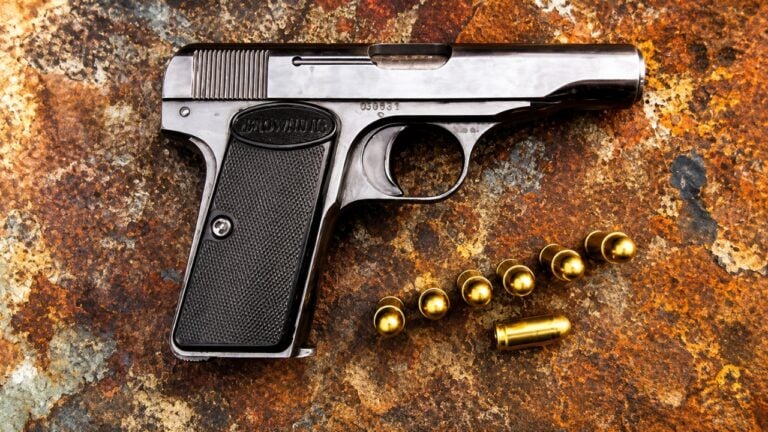
The .25 ACP gives people confidence because it usually comes in tiny pistols that are easy to hide. That makes it feel like a practical answer for someone who wants a gun in a pocket, purse, or glove box without thinking too hard about carry setup. The problem is that convenience can hide how little performance the cartridge brings.
A .25 ACP pistol is better than being empty-handed, but that is not the same as being well-armed. The bullets are light, the guns are often hard to shoot well, and defensive loads do not give much margin. Anyone carrying one should understand that the small size is the main advantage, not the stopping power.
.32 ACP
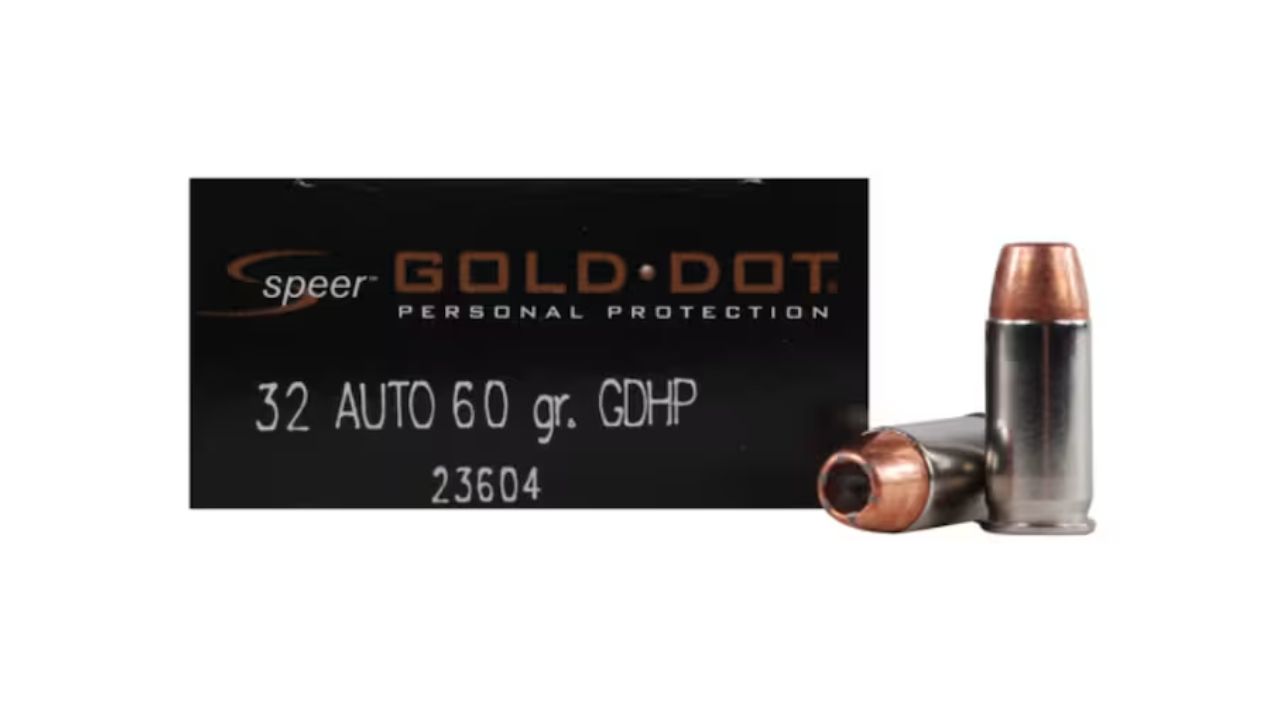
The .32 ACP is pleasant to shoot, and that is part of why it can fool people. In a small pistol, it feels manageable and civilized compared with harsher pocket calibers. It also has a long history in European police and civilian handguns, which gives it more credibility than some tiny cartridges.
The issue is that mild recoil does not automatically mean strong defensive performance. Some .32 loads can struggle with penetration or expansion, especially from short barrels. It can make sense for recoil-sensitive shooters, but it should not make someone feel like they are carrying the equal of a modern 9mm.
.380 ACP

The .380 ACP may be the most common false-confidence caliber in modern concealed carry. It is popular because the pistols are small, light, and easy to carry. That matters. A gun you actually carry is worth more than a bigger gun left at home. But too many people treat .380 like it performs just like 9mm from a smaller package.
That is where the confidence gets shaky. The .380 can work with good ammo and good shot placement, but it has less room for error than service calibers. In very small pistols, sights are worse, triggers are harder, and recoil can be snappier than expected. It is a useful caliber, but it is not magic pocket insurance.
.22 LR
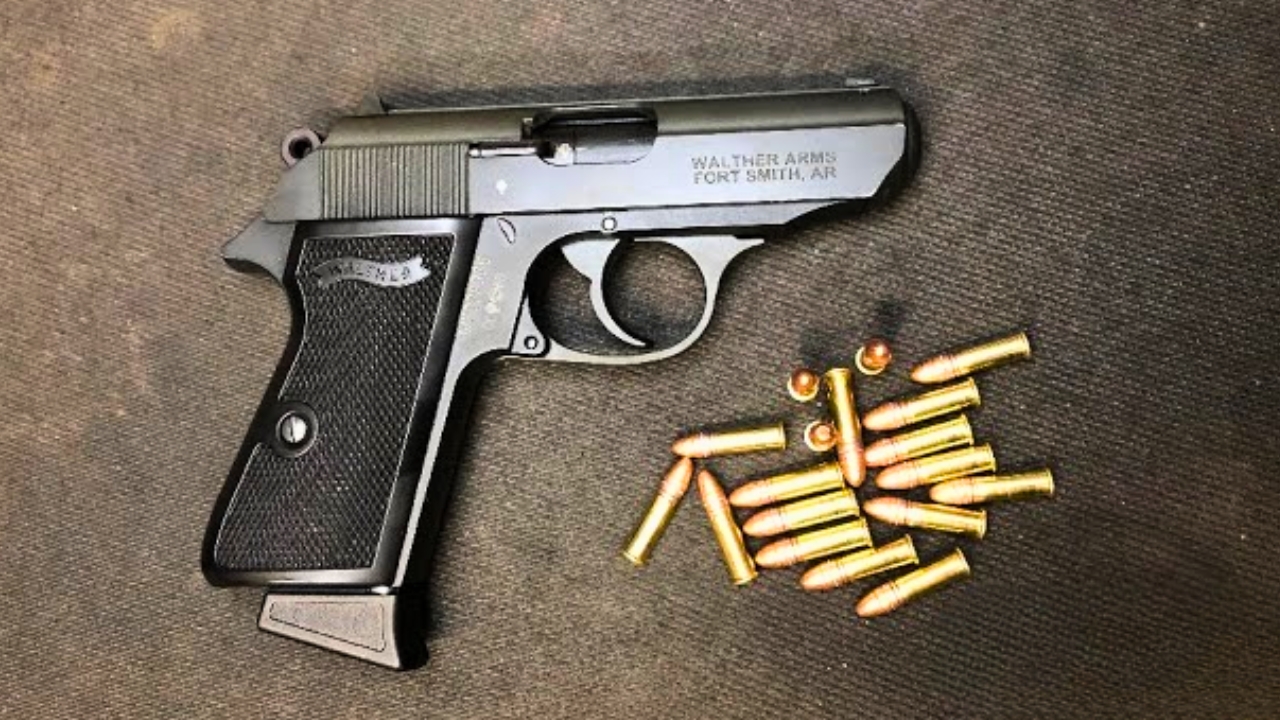
The .22 LR gives false confidence because almost everyone can shoot it. Low recoil makes it easy to hit with on the range, and that makes people feel comfortable. For training, practice, and small-game use, that is great. For defensive carry, it gets more complicated.
Rimfire ignition is less reassuring than centerfire ignition, and terminal performance is limited. A .22 can absolutely be dangerous, but defensive shooting is not about whether something can eventually kill. It is about stopping a threat quickly. A .22 pistol may be an option for people with serious limitations, but most shooters should not mistake easy shooting for strong defensive capability.
.22 WMR

The .22 WMR sounds like it solves the .22 LR problem because it is louder, faster, and more powerful. In small revolvers, it can feel like a clever carry choice. The low recoil also makes it easier for many people to shoot than tiny centerfire pistols.
The problem is that rimfire reliability concerns remain, and short barrels rob the cartridge of some of what makes it impressive from rifles. Muzzle blast can be sharp, especially indoors or from snubnose revolvers. It may be better than .22 LR in some carry setups, but it still should not make someone feel like they are carrying a full-powered defensive pistol.
.30 Super Carry
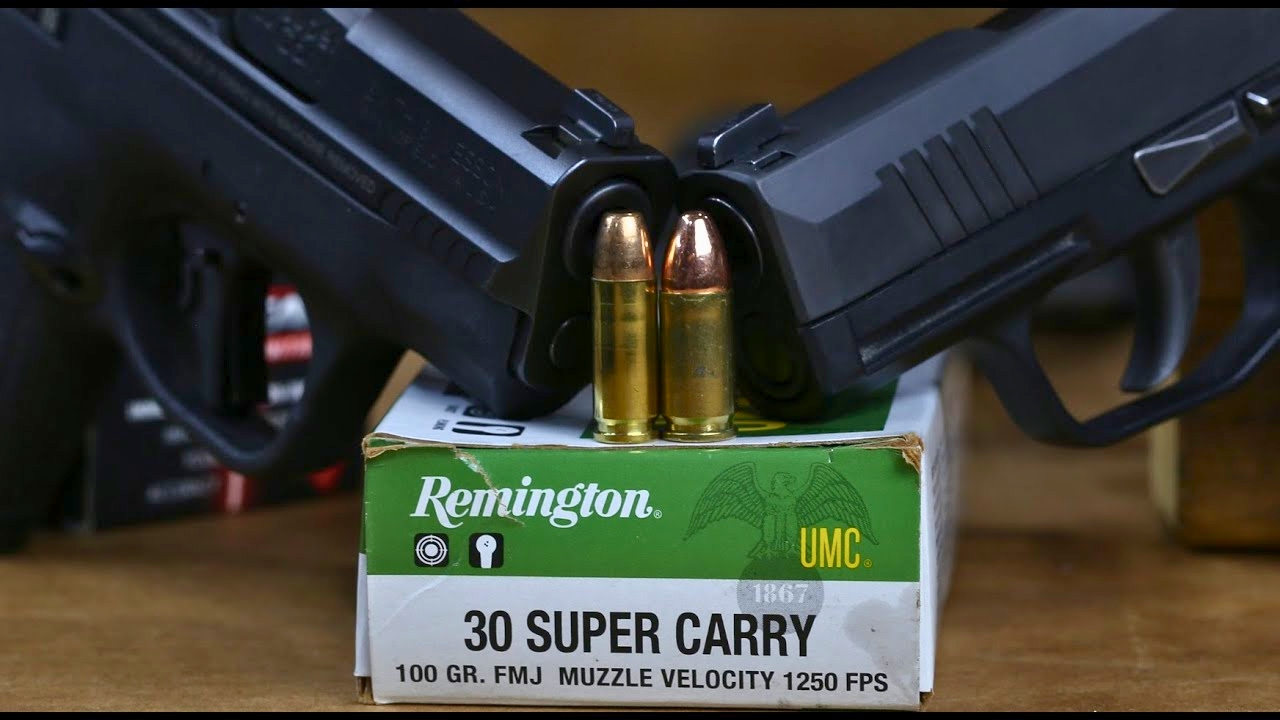
The .30 Super Carry gives confidence because the idea is smart. More capacity than 9mm, better performance than smaller pocket calibers, and less recoil than some traditional service rounds all sound appealing. On paper, it looks like a cartridge built to solve modern carry problems.
The catch is support. A defensive caliber needs broad ammo availability, proven loads, plenty of gun choices, and enough adoption that owners can practice without hunting for ammunition. The .30 Super Carry may be capable, but a lot of shooters will be better served by a boring 9mm they can find anywhere and shoot often.
5.7x28mm

The 5.7x28mm gives people confidence because it is fast, flat-shooting, and easy to control. It feels futuristic compared with traditional handgun rounds, and the low recoil makes quick shooting easier. That combination makes some owners believe they have found a superior defensive answer.
The reality is more complicated. Bullet selection matters a lot, and not every 5.7 load behaves the way people imagine. The guns can also be larger than typical concealed-carry pistols, and ammunition is not as cheap or common as 9mm. It can be a useful cartridge, but it is not automatically better just because it is fast.
.22 TCM

The .22 TCM is loud, fast, and fun, which makes it easy to overrate. It launches a small bullet at impressive velocity and makes a big impression at the range. That can create the feeling that speed alone equals defensive effectiveness.
But a carry caliber needs more than flash and velocity. It needs common ammunition, reliable defensive loads, practical gun options, and a proven track record. The .22 TCM is interesting, but it is more of a specialty cartridge than a default defensive choice. It can make a shooter feel better armed than the overall ecosystem really supports.
.38 Special from a snubnose
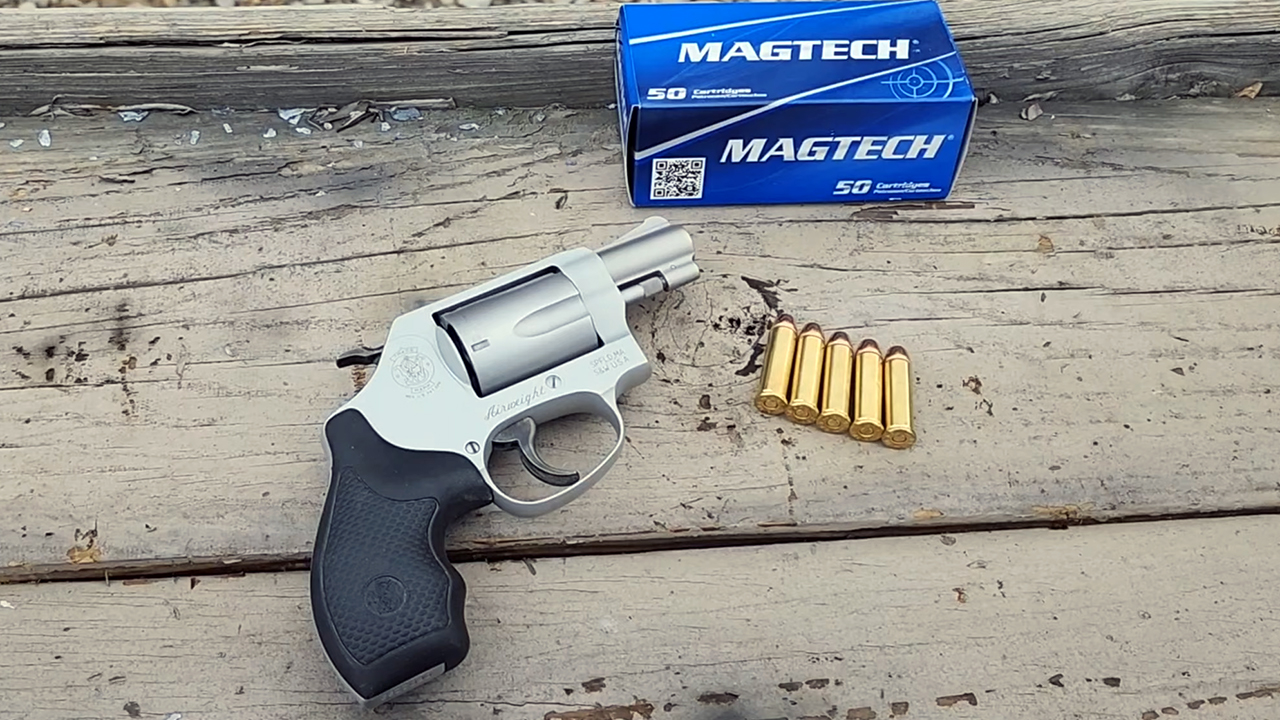
The .38 Special has a long defensive history, and that history gives people confidence. A small revolver feels simple, reliable, and easy to carry. Many people assume that because the cartridge served well for decades, a snubnose .38 is still an easy answer for personal defense.
The problem is that small revolvers are harder to shoot than they look. Heavy triggers, tiny sights, short sight radius, and low capacity all work against the shooter. The caliber can work, but the platform often demands more skill than beginners realize. A .38 snub can be a good carry gun, but it is not an automatic confidence machine.
.357 Magnum from a lightweight snubnose

The .357 Magnum has a powerful reputation, and that reputation can be dangerous in a very small revolver. People see the caliber and assume they have serious stopping power in a pocket-size package. Technically, they do. Practically, they may have a gun they hate shooting.
Full-power .357 Magnum loads from lightweight snubnose revolvers are loud, violent, and slow to recover from. Many owners buy the gun for magnum power and then practice very little because it hurts. If the caliber makes you flinch or avoid training, it is giving false confidence instead of real preparedness.
.357 SIG
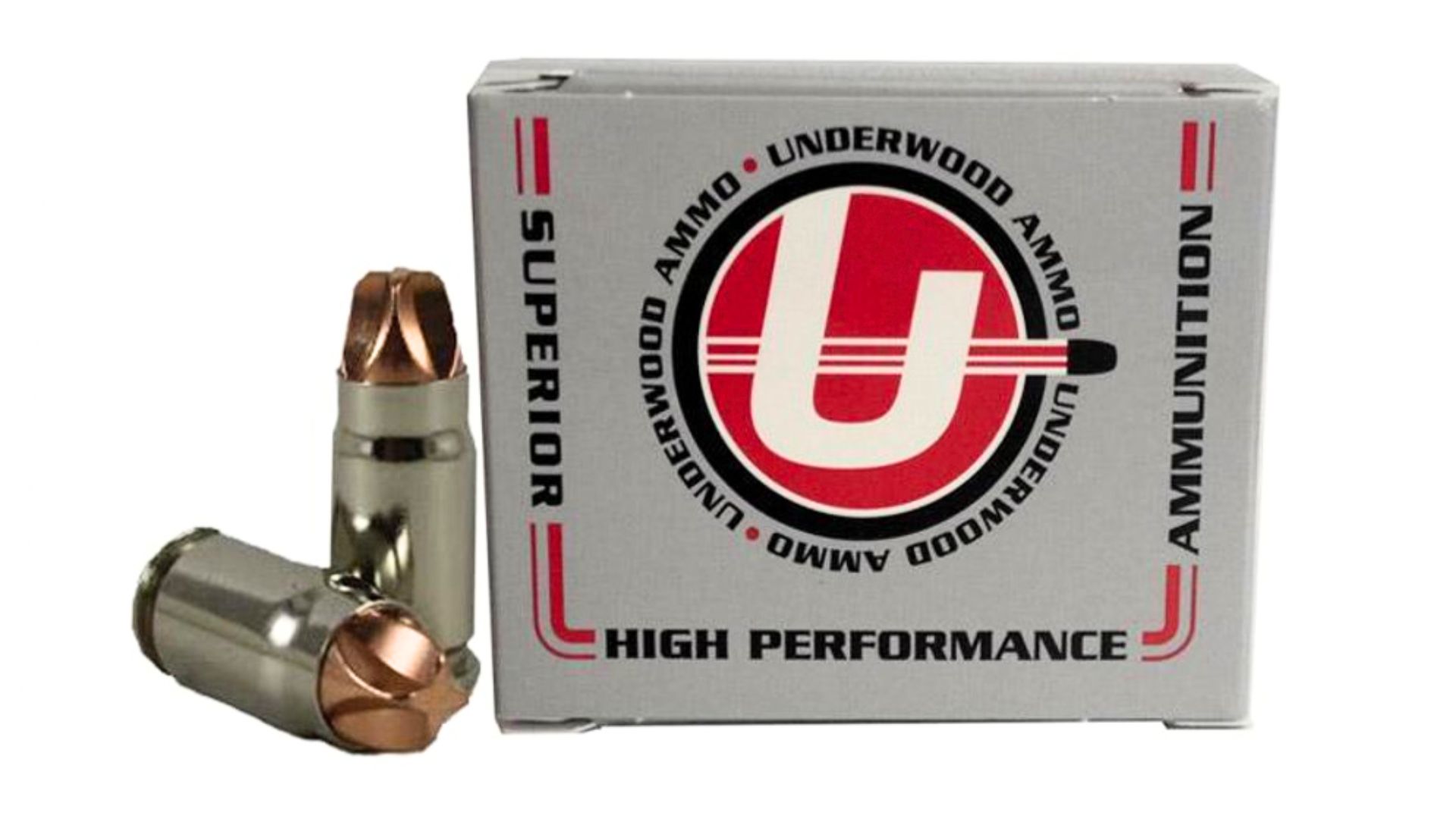
The .357 SIG built its reputation on speed, penetration, and law enforcement use. It sounds like a serious defensive cartridge because it is one. But that reputation can make some shooters assume it gives them a major advantage over more common options.
The downside is that it is louder, snappier, more expensive, and harder to find than 9mm. Modern 9mm defensive loads have narrowed the practical gap for most carriers. A shooter who practices less because .357 SIG costs more is not gaining much. The caliber can perform, but it does not replace training.
.40 S&W
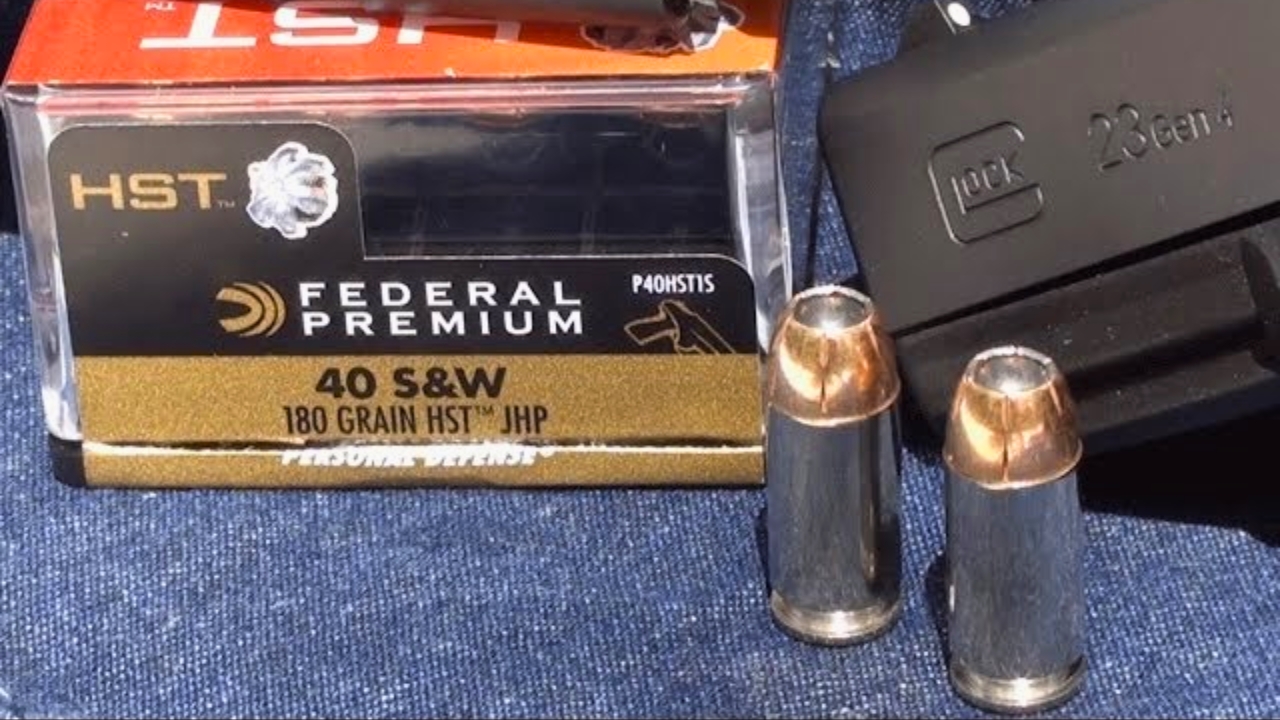
The .40 S&W gives false confidence because it sounds like the perfect middle ground. Bigger than 9mm, more capacity than .45, and backed by years of law enforcement use. For a long time, that argument sold a lot of pistols.
The problem is that many average shooters are slower and less accurate with .40 than they are with 9mm in the same size gun. Recoil is sharper, practice ammo often costs more, and the capacity advantage over .45 does not matter if the shooter is fighting the gun. The .40 works, but it does not make up for poor control.
10mm Auto

The 10mm Auto is powerful enough that people sometimes trust it too much. It is a great woods cartridge in the right handgun, especially for hogs, black bear, and animal-defense situations. That does not mean it is the best everyday concealed-carry choice for most people.
A full-power 10mm brings recoil, blast, larger pistols, and slower follow-up shots for many shooters. Light 10mm loads can start looking a lot like .40 S&W, which defeats part of the point. The caliber is capable, but carrying one does not automatically make someone more prepared if they cannot shoot it fast and accurately.
.45 ACP

The .45 ACP has probably created more false confidence than any pistol caliber in America. Its reputation is huge. Big bullet, long service history, 1911 legacy, and decades of “stopping power” talk all make people feel very well-armed with one.
The .45 ACP can absolutely work, but it is not a force field. Pistols chambered in .45 usually hold fewer rounds than similar-size 9mms, and some compact .45s are harder to control. A big bullet does not fix bad hits. Shooters who carry .45 need to train just as seriously as anyone else, because reputation does not stop threats.
.45 GAP

The .45 GAP was designed to give .45-style performance in a shorter cartridge, but it never became common enough to inspire much practical confidence. Some people still like it because it offers a big-bullet concept in a more compact grip size.
The problem is that a carry caliber needs long-term support. Ammo availability, gun variety, holsters, magazines, and practice cost all matter. The .45 GAP may work ballistically, but it leaves owners tied to a shrinking niche. That is not the kind of confidence most people need from a defensive caliber.
.44 Special

The .44 Special can feel comforting because it fires a large bullet without the violence of .44 Magnum. In the right revolver, it is accurate, controllable, and respected by people who know wheel guns. That makes it easy for revolver fans to trust.
But it is still a low-capacity revolver cartridge with limited modern defensive support compared with mainstream semi-auto calibers. Guns chambered for it are often larger than what most people want to carry, and reloads are slower. It can work for skilled revolver shooters, but it should not make anyone ignore the tradeoffs.
.44 Magnum
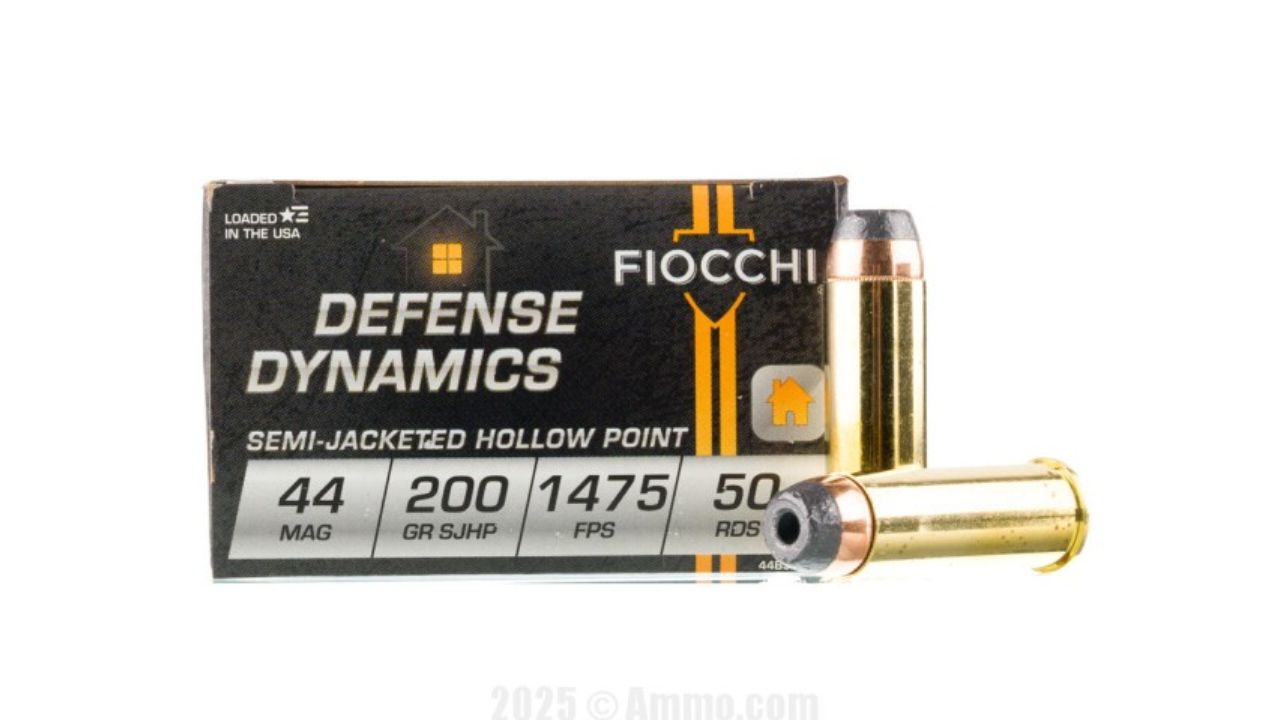
The .44 Magnum gives a huge amount of confidence because it is legitimately powerful. The problem is that defensive carry is not just about raw power. A handgun has to be controllable, concealable, and realistic to practice with.
For woods defense, hunting, or protection from animals, the .44 Magnum has a place. For everyday carry against human threats, it is usually too much. Heavy recoil, blast, overpenetration concerns, and bulky revolvers make it a poor default choice. Power that slows you down can become a liability.
.41 Magnum
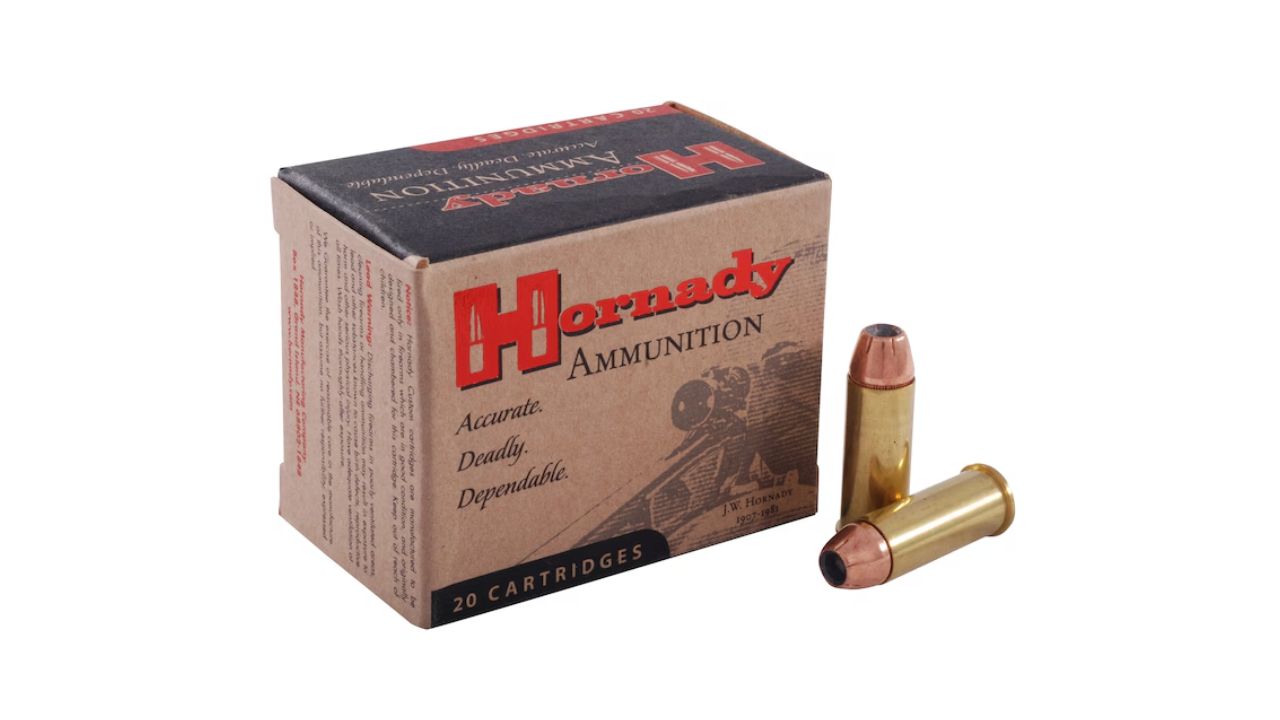
The .41 Magnum has always had a loyal following, and it is easy to understand why. It hits harder than .357 Magnum and shoots flatter than many expect. In the right revolver, it can be an excellent field cartridge.
For defensive carry, though, it gives many of the same false-confidence problems as other magnum revolver rounds. Ammo is less common, guns are larger, recoil is real, and few people train with it enough. It is a fine cartridge for someone who knows exactly why they carry it, but it is not a practical confidence boost for most people.
.410 shotshell handguns
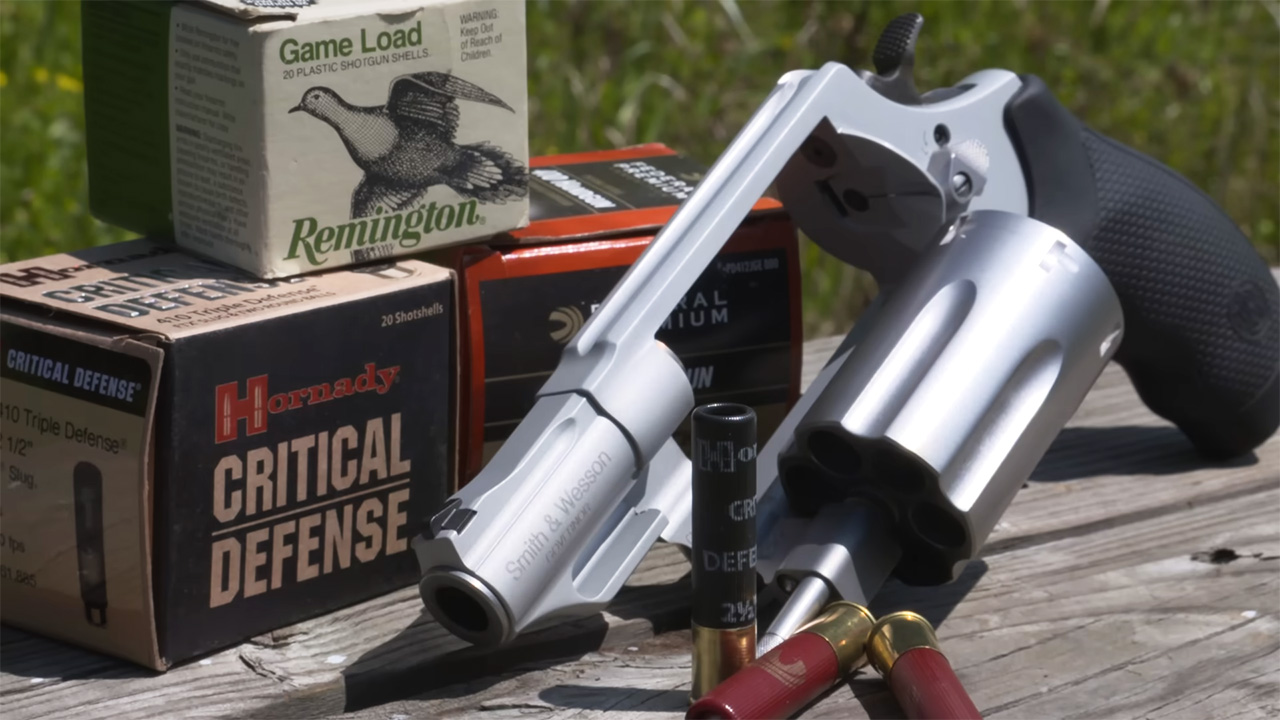
The .410 handgun idea gives people confidence because it looks simple. Load a revolver with shotshells, point it in the general direction of danger, and let the spread do the work. That sounds comforting to people who are nervous about aiming under stress.
The problem is that short-barreled .410 handguns do not perform like real shotguns. Patterns can spread unpredictably, penetration may be poor with some loads, and the guns are often large for what they deliver. They look intimidating, but intimidation is not the same as effectiveness.
9mm with bad defensive ammo

The 9mm is not the problem here. Bad ammo choices are. A modern 9mm pistol loaded with quality defensive ammunition is one of the most sensible carry setups available. But some people buy the cheapest hollow points they can find, ancient surplus ammo, or full metal jacket range ammo and assume the caliber name does all the work.
That is false confidence in its purest form. The bullet matters. Reliability in your specific pistol matters. Shot placement matters. A good 9mm setup is hard to beat, but a careless 9mm setup is still careless. The caliber is only as good as the load, the gun, and the shooter behind it.
Like The Avid Outdoorsman’s content? Subscribe to our newsletter so you never miss an article.
Here’s more from us: