Photo credit: Christopher J Barger/Shutterstock.com
A bad hit will make almost any caliber look worse than it is. That needs to be said first. Deer are not hard to kill with a good bullet through both lungs, but they are very easy to lose when the shot is rushed, the distance is stretched, or the cartridge is being asked to do more than it was built to do.
Some calibers leave hunters very little room for error. They might work fine on small deer at close range. They might work with perfect broadside shots. They might even have a pile of success stories behind them. But when the angle is bad, the buck is quartering away, the range is longer than expected, or the bullet choice is wrong, these are the cartridges that can turn a good hunt into a long blood trail with no deer at the end of it.
That does not mean every caliber here is useless. It means they need strict limits, careful shot placement, and the right bullet. Ignore that, and they can wound more deer than they recover.
.223 Remington
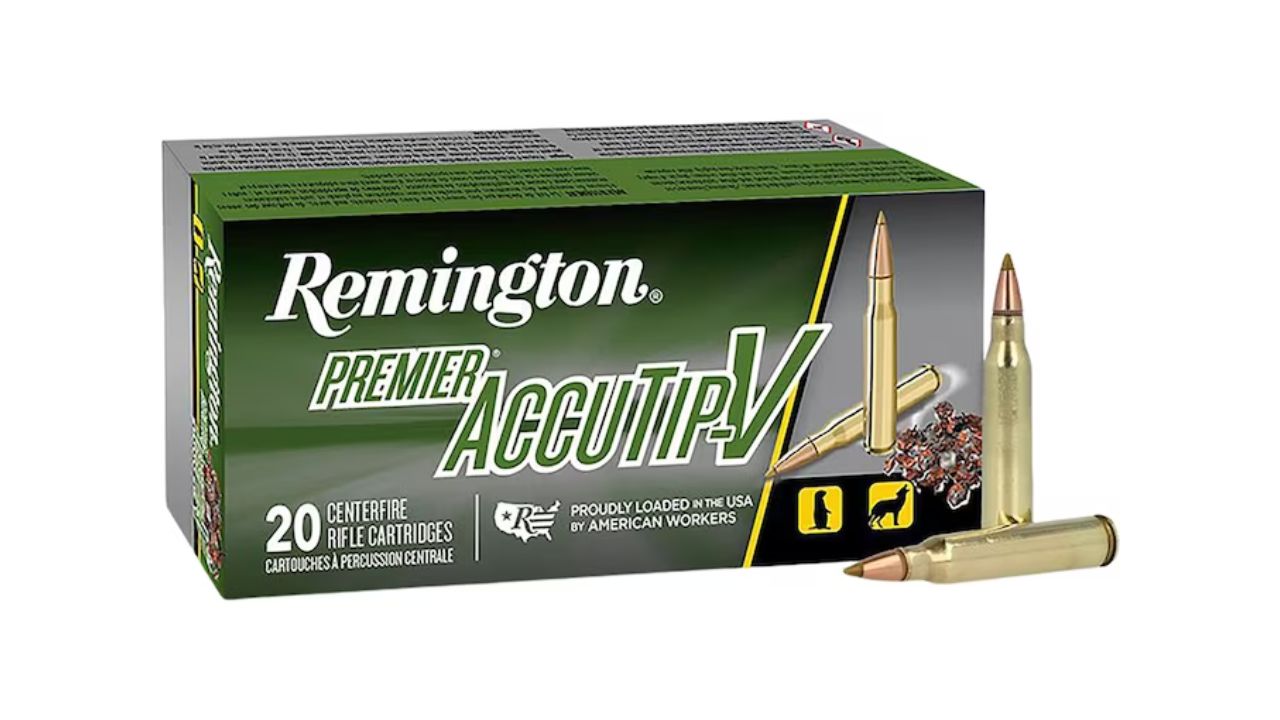
The .223 Remington is one of the most argued-about deer cartridges in America. With the right bullet, close range, and a disciplined shooter, it can kill deer cleanly. The problem is that too many hunters treat it like a normal deer rifle round instead of a small, fast cartridge that depends heavily on bullet construction.
Light varmint bullets are the big mistake. They may explode on impact, fail to drive deep, or come apart before reaching the vitals. Even with better bullets, .223 leaves less margin on quartering shots and larger-bodied deer. It is not the cartridge to use when you are guessing at distance, shooting through brush, or hoping speed will make up for poor placement.
.22-250 Remington

The .22-250 Remington is fast, flat, and deadly on varmints. That speed is exactly why some hunters trust it too much on deer. It can put a bullet exactly where it needs to go, but the wrong bullet can do too much damage too early and not enough damage where it matters.
A proper controlled-expansion bullet changes the story, but many .22-250 rifles are fed bullets designed for coyotes and prairie dogs. Those loads can make ugly surface wounds without reliable penetration. On deer, especially at close range where velocity is high, bullet choice matters more than most hunters want to admit.
.220 Swift

The .220 Swift has an old reputation for extreme speed, and it can still shoot flatter than many people expect. But on deer, speed alone is not enough. A small bullet hitting very fast can be impressive or it can be a disaster, depending on construction and impact angle.
The Swift is especially risky when hunters use thin-jacketed varmint bullets. Those bullets are built to open violently on small animals, not drive through a deer’s shoulder or reach the far lung on an angled shot. In careful hands with the right load, it can work. In casual hands, it can create the kind of wound that starts a bad tracking job.
.22 Hornet
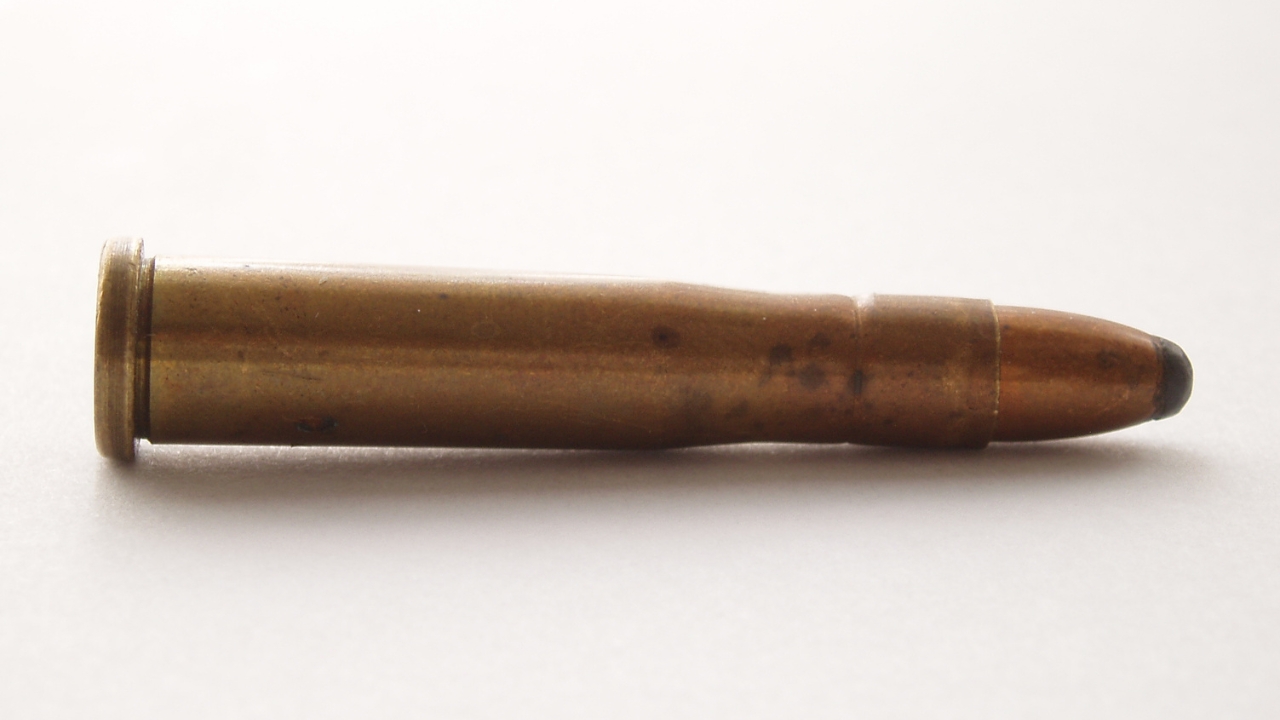
The .22 Hornet is mild, accurate, and charming in the right rifle. It is a great small-game and pest cartridge. Deer are a different matter. Even where legal, it gives the hunter very little power, very little bullet weight, and almost no forgiveness.
A perfect close-range shot can kill a deer, but that is not the same as being a good deer cartridge. If the deer moves, the angle is not perfect, or the bullet hits shoulder instead of ribs, the Hornet can fail badly. It belongs in the small-game conversation, not as a serious choice for whitetails.
.17 Hornet

The .17 Hornet is even more specialized. It is fast, light, and excellent for small varmints. On deer, it is badly out of place. The bullet is tiny, energy is low, and penetration is not built around big-game work.
This is the kind of cartridge that can make a hunter feel confident on paper because it shoots accurately. But deer hunting is not just about hitting a spot. The bullet has to destroy enough vital tissue and reach deep enough to matter. The .17 Hornet does not give much help there.
.17 HMR
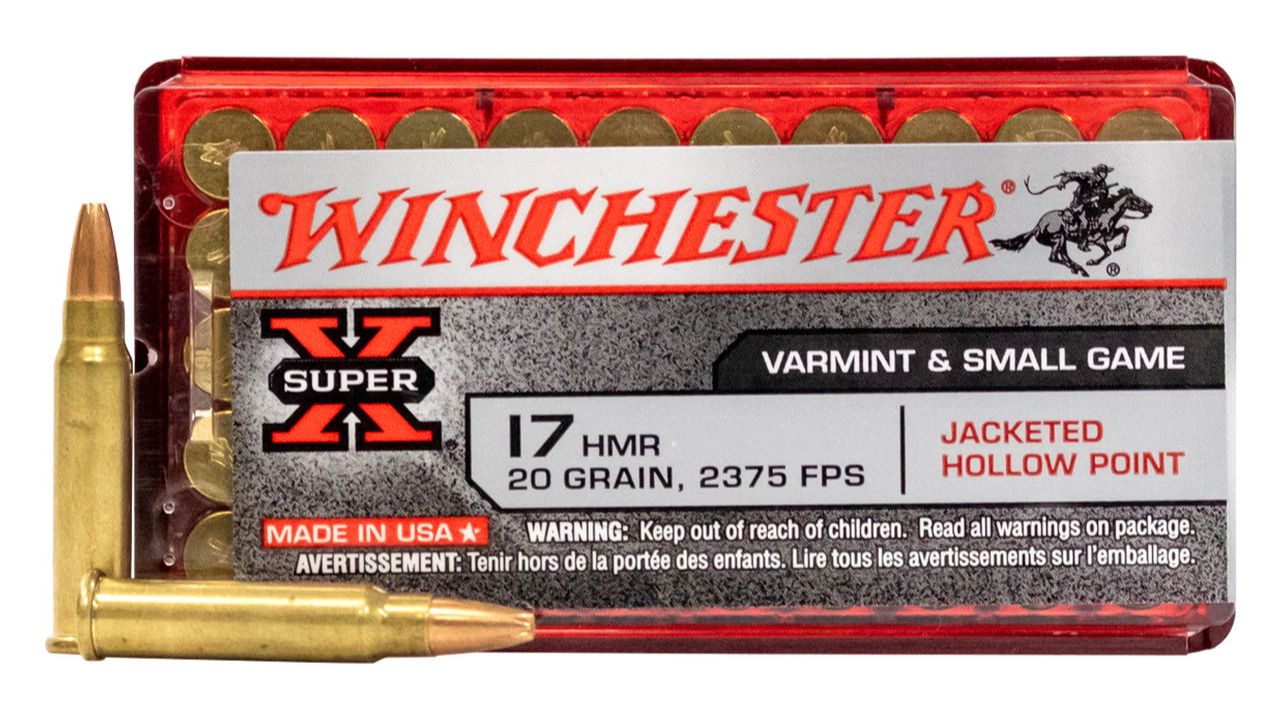
The .17 HMR is a terrific rimfire for small game and pests, but it should not be used for deer. It lacks the bullet weight, penetration, and energy needed for clean big-game kills. Even at close range, it is asking for trouble.
The worst part is that it can still wound. A tiny bullet can slip into a deer, cause injury, and leave very little blood to follow. That is exactly the kind of scenario hunters should be trying to avoid. Just because a cartridge is accurate does not mean it belongs in the deer woods.
.22 LR

The .22 LR has probably killed deer before, but that does not make it right for deer hunting. It is a small-game round. On deer, it does not offer enough power or penetration to be ethical in normal hunting conditions.
A hunter using .22 LR on deer is relying on perfect placement at very close range, and even then the margin is almost nonexistent. A rib, shoulder blade, bad angle, or slight pull of the shot can turn into a wounded animal with little sign. There are too many better options to justify it.
.22 WMR

The .22 Magnum is stronger than .22 LR, but it is still not a real deer cartridge. Out of a rifle, it has enough punch for pests and small game, and some people stretch it beyond that. Deer are where that stretch becomes irresponsible.
The round does not carry enough bullet weight or energy for consistent penetration through a deer’s chest from imperfect angles. It may work under perfect conditions, but ethical hunting cannot be built around perfect conditions only. The .22 Magnum is useful, but deer should not be on its job list.
.204 Ruger

The .204 Ruger is one of the great modern varmint rounds. It is fast, flat, and easy to shoot well. That does not make it a deer cartridge. Its tiny bullets are designed for explosive performance on small animals, not deep penetration on big game.
On deer, the .204 Ruger has the wrong kind of performance. It can make a dramatic entrance wound and still fail to reach the vitals reliably. Hunters who use it because it is accurate are missing the bigger point. Accuracy is only half the job. The bullet still has to be built for the animal.
.32-20 Winchester

The .32-20 Winchester has a long history as a small-game, farm, and light utility cartridge. It is pleasant to shoot and interesting in old lever guns and revolvers. But deer hunting has moved far beyond what the .32-20 was meant to handle.
It is underpowered for clean, consistent deer kills, especially beyond very close range. Even with careful shot placement, it gives little room for bone, angle, or error. In old rifles, with old sights and mild loads, it can turn into a wounded-deer problem fast.
.25-20 Winchester
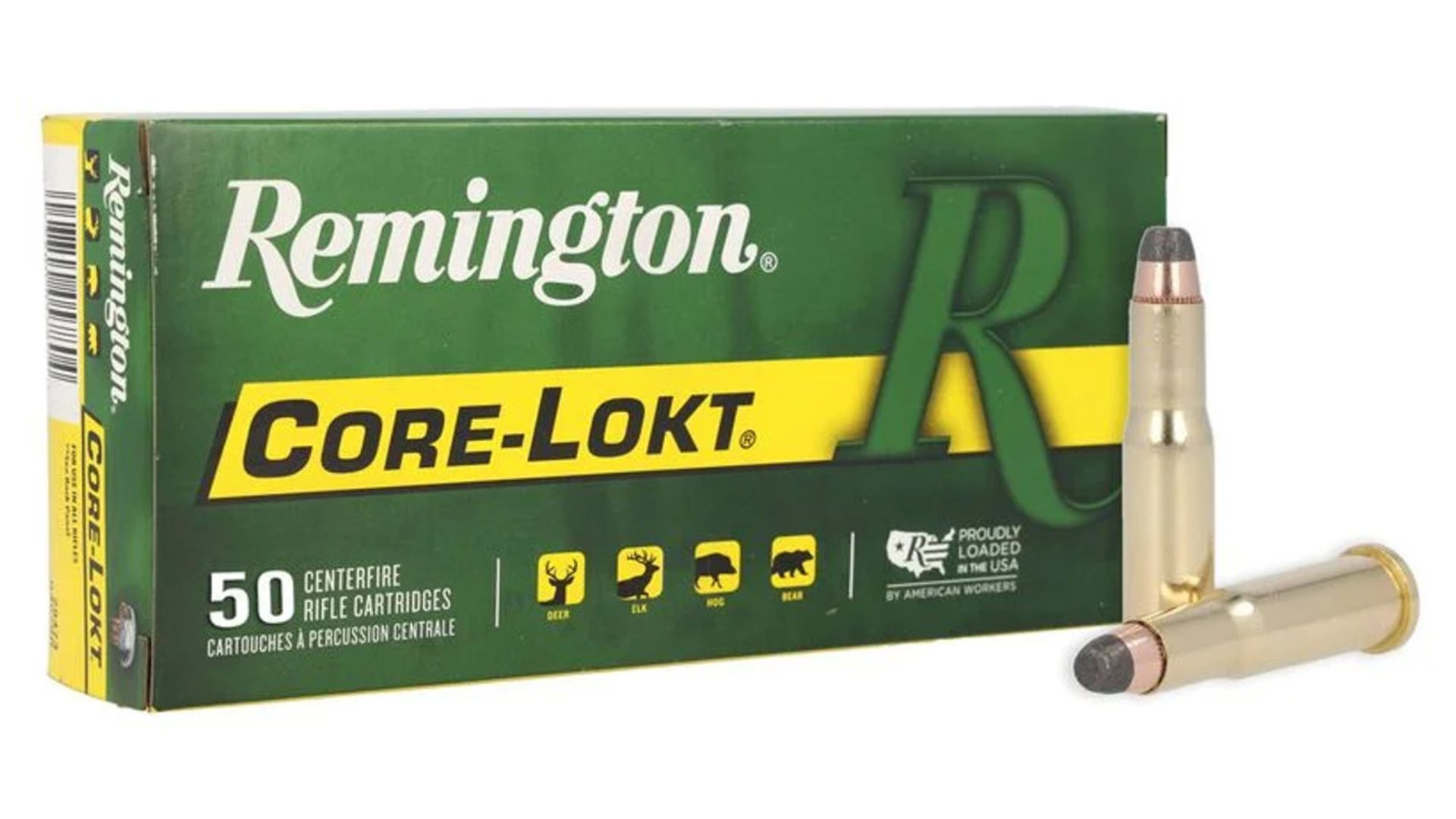
The .25-20 Winchester falls into the same old utility-cartridge category. It is neat, mild, and historically important, but it is not a cartridge that should be trusted for modern deer hunting. The bullet is too light, and the performance window is too narrow.
The real danger is treating nostalgia like capability. A cartridge can be old, interesting, and fun without being suitable for deer. The .25-20 may be fine for small game, but on whitetails, it asks too much from too little bullet.
.30 Carbine

The .30 Carbine is fun, handy, and historically important. In an M1 Carbine or modern reproduction, it is light and easy to carry. But as a deer cartridge, it is limited. It fires a light bullet at modest rifle velocity, and it does not hit like a true .30-caliber hunting round.
At close range with the right soft-point load, it can kill deer. The problem is what happens when the shot is not perfect. Penetration and expansion are not as reliable as real deer cartridges, and the round loses steam quickly. It is better enjoyed for what it is than forced into a role it barely fills.
7.62x39mm with FMJ or cheap soft points
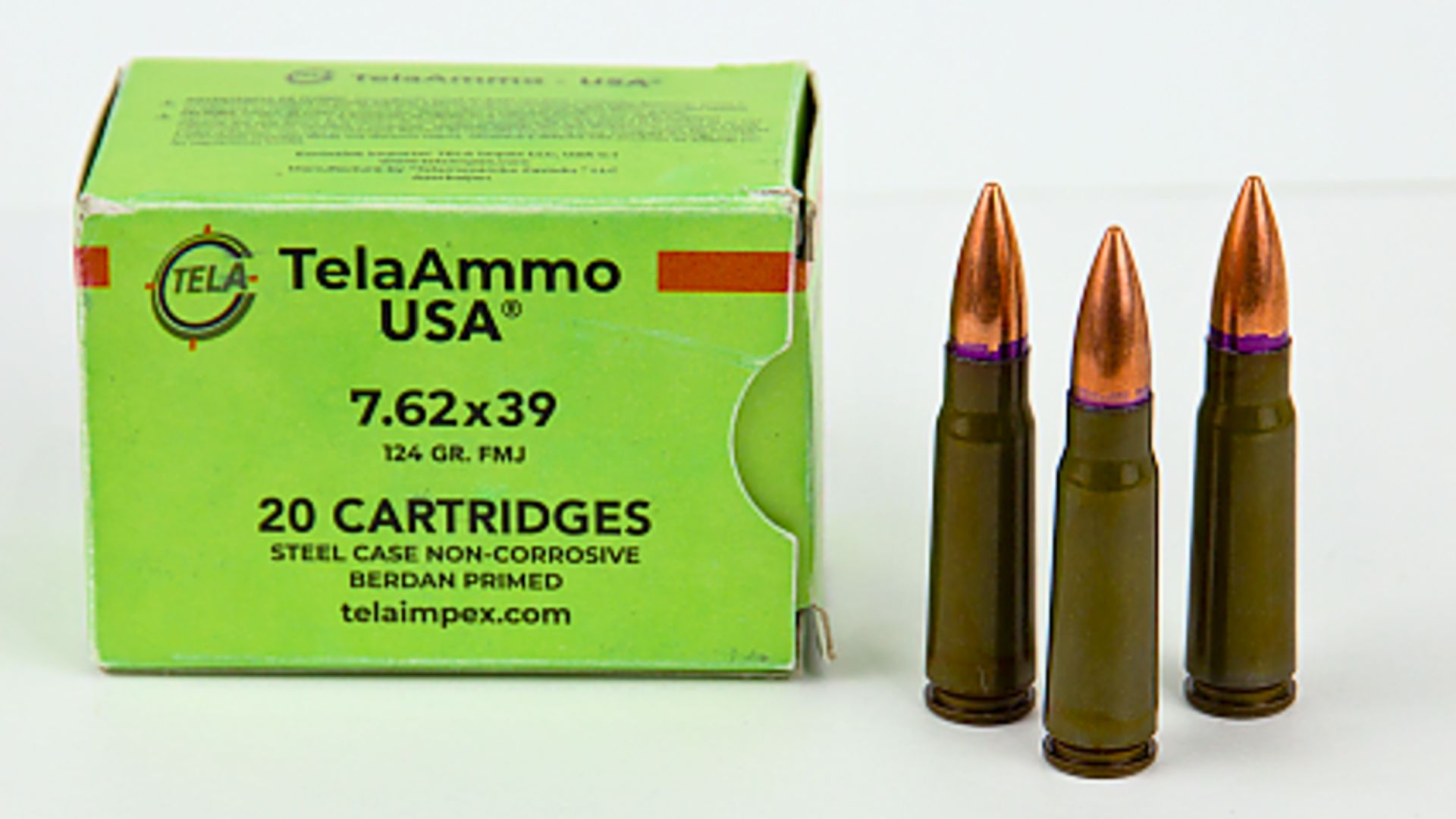
The 7.62x39mm can be a workable close-range deer cartridge with good hunting ammunition. The problem is that a lot of hunters feed it ammunition that was never meant for deer. Full-metal-jacket loads are a terrible choice, and some cheap soft points do not perform consistently.
When loaded properly, 7.62x39mm can act somewhat like a lower-powered .30-30 inside reasonable range. Loaded poorly, it can pencil through, fail to expand, or leave a weak blood trail. The cartridge itself is not the whole issue. The wrong ammo turns it into a wounding machine.
.300 Blackout subsonic
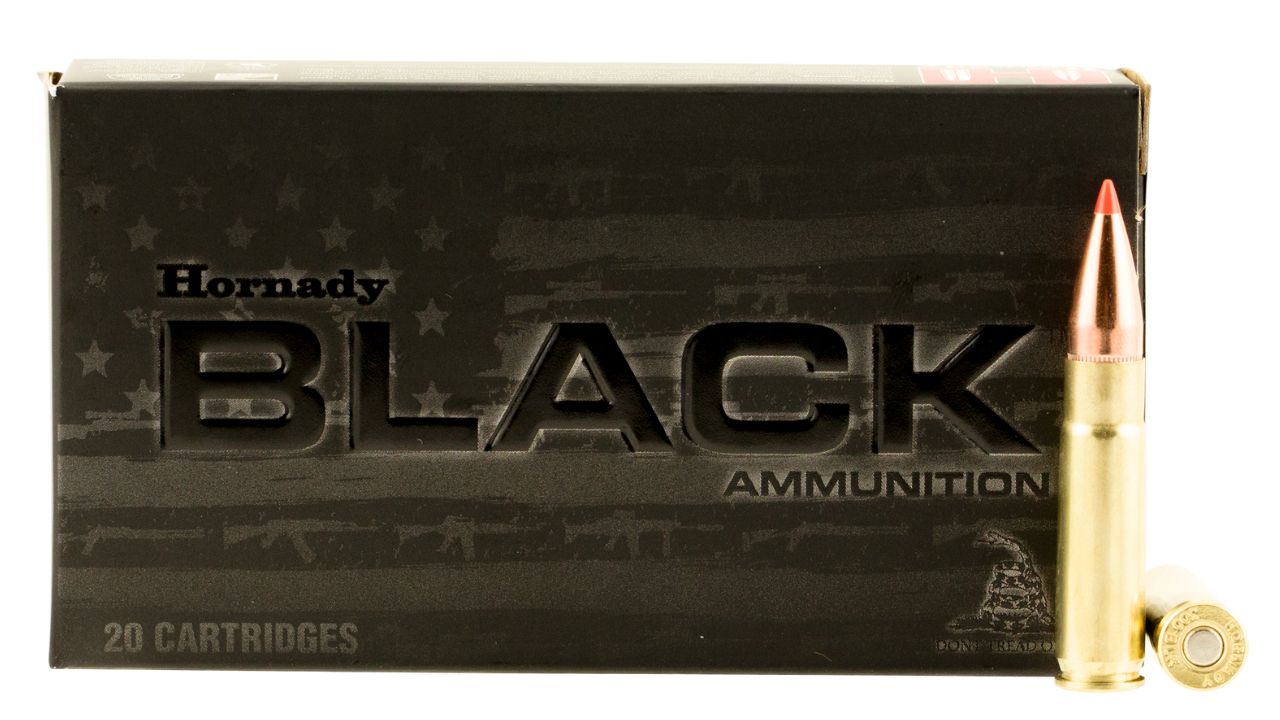
The .300 Blackout gets confusing because there are two very different versions of it. Supersonic hunting loads can be useful at close range. Subsonic loads are a different story. They are slow, heavy, and built around quiet shooting, not broad deer-hunting versatility.
Subsonic .300 Blackout can kill deer with very careful bullet selection and perfect placement, but the margin is thin. Expansion can be unreliable unless the bullet is specifically designed for low velocity. If a hunter grabs the wrong load or stretches the shot too far, the result can be a wounded deer that leaves very little sign.
.300 Blackout supersonic at longer range
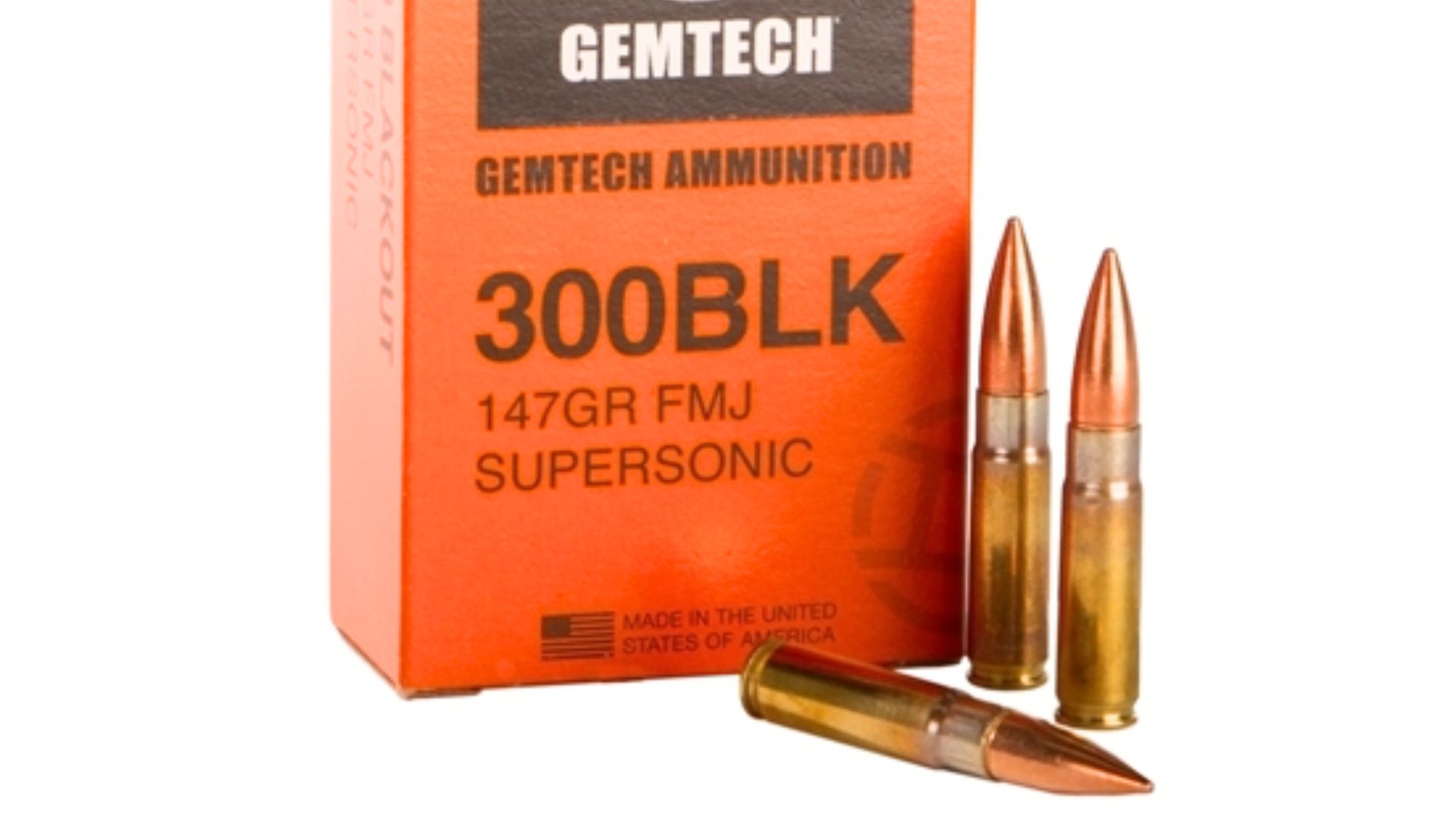
Supersonic .300 Blackout is much more useful than subsonic loads, but it still has limits. Inside its range, with a proper hunting bullet, it can work on deer. The trouble starts when hunters treat it like a .308 Winchester because the bullet diameter is the same.
It is not a .308. It gives up velocity and energy much sooner. Past moderate distance, expansion can become less certain, and trajectory becomes harder to manage. Used close, it can be fine. Stretched too far, it can turn a simple shot into a long tracking job.
.410 slugs from handguns

A .410 slug from a handgun or combo revolver looks like it should be more serious than it usually is. The bore is big, the gun is loud, and the idea sounds useful. But performance is not impressive compared with real deer rounds.
Velocity is limited, accuracy can be inconsistent, and the slug does not carry energy well. On deer, especially beyond very close range, this setup gives the hunter very little margin. It may be legal in some places and tempting in thick cover, but legal does not always mean smart.
.45 Colt standard-pressure loads

The .45 Colt can be a serious hunting cartridge when fired from a strong rifle or revolver with proper heavy loads. Standard-pressure loads are a different story. Many are built mild because old guns are still around, and those loads are not ideal for deer.
A big slow bullet can work at close range, but it does not automatically solve penetration or shot-angle problems. If the load is too soft, the bullet construction is wrong, or the range is stretched, the .45 Colt can disappoint badly. Hunters need to know exactly what load they are using and what their gun can safely handle.
.357 Magnum from short rifles at stretched range

The .357 Magnum from a rifle is more capable than people expect. Inside 100 yards, with a good bullet, it can be a clean deer cartridge. But once hunters start treating it like a general-purpose rifle round, problems show up.
The bullet is still a handgun bullet. It loses energy quickly, and some loads are built more for revolvers than rifles. At longer woods-field distances, expansion and penetration can become less predictable. It is a useful close-range deer option, not a cartridge to push just because the rifle is easy to carry.
.44 Magnum with poor bullet choice
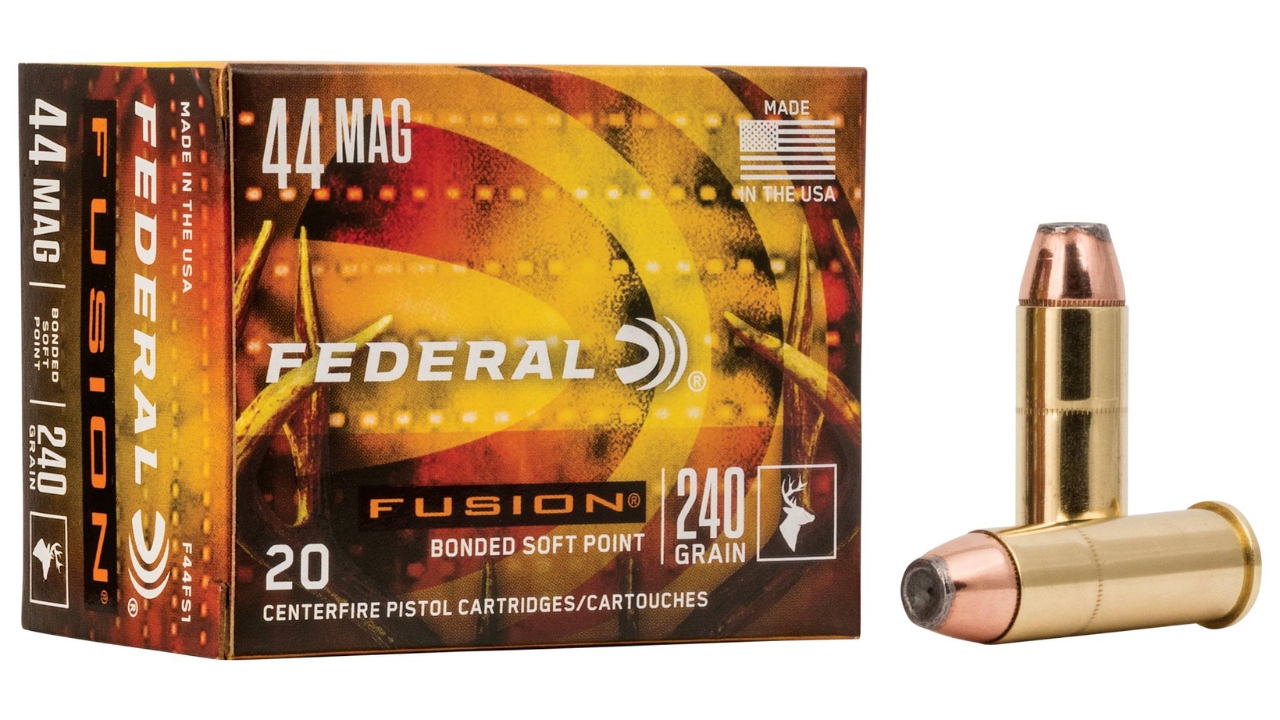
The .44 Magnum from a rifle can be excellent for close-range deer. A good soft point or controlled-expansion hunting bullet can hit hard and leave a strong blood trail. But bullet choice matters more than many hunters realize.
Some handgun bullets are too soft when pushed faster from a rifle. Others are too hard and do not open well at distance. Either mistake can lead to poor results. The .44 Magnum is not the problem when loaded correctly. The problem is assuming any .44 load is automatically a deer load.
.243 Winchester with varmint bullets

The .243 Winchester is one of the best mild deer cartridges ever made when loaded correctly. It is accurate, easy to shoot, and has taken piles of whitetails. But with the wrong bullet, it belongs on this list.
Light varmint bullets in .243 can come apart too fast on deer. They are made for coyotes, prairie dogs, and small targets, not shoulder bones and deep chest penetration. A proper 90- to 100-grain deer bullet changes everything. The wrong bullet can make a good cartridge look bad and leave a deer unrecovered.
6mm Creedmoor with match bullets

The 6mm Creedmoor is accurate, modern, and fully capable of clean deer kills with hunting bullets. The trouble comes when hunters use match bullets that were designed for targets, not controlled terminal performance. Paper accuracy does not guarantee clean kills.
Some match bullets can fragment violently. Others may not expand the way a hunter expects. On deer, especially when the angle is not perfect, that can lead to shallow damage or inconsistent penetration. The cartridge has plenty of potential, but the bullet has to match the job.
Like The Avid Outdoorsman’s content? Subscribe to our newsletter so you never miss an article.
Here’s more from us: