Photo credit: Kerry Hargrove/Shutterstock.com
Mule deer are tough. They cover ground fast, don’t leave a lot of blood, and can soak up a surprising amount of lead. If your shot placement isn’t perfect—or your cartridge is underpowered—you’ll spend more time trailing wounded game than tagging it. Here are 10 calibers that just don’t cut it when it comes to cleanly taking down muleys. Some are too small, others too slow, and a few just weren’t built for this kind of job.
.22 LR

This one shouldn’t even be a debate. The .22 LR might be great for squirrels and plinking, but it’s nowhere near enough for a mule deer. You’re not just undergunned—you’re being irresponsible.
Even with a perfectly placed shot, the odds of a clean kill are slim. There’s just not enough energy, and unless you want to track a wounded deer across miles of country, leave this one in the range bag.
.223 Remington

Some folks argue the .223 is “enough” with the right bullet and a close-range shot. Sure, it can work—but that’s a big gamble in real-world hunting conditions.
Mule deer aren’t thin-skinned like whitetail fawns. They’re built tougher, and the .223 just doesn’t have the weight or energy to give consistent performance. You might get lucky, but you’ll more likely end up chasing a wounded animal over ridgelines.
.17 HMR

The .17 HMR is fast and fun for varmints, but that tiny bullet has no business being used on big game. It’s extremely lightweight, and the energy falls off hard past 100 yards.
Even a broadside heart shot won’t guarantee a kill. Mule deer need something with deeper penetration and more trauma. Using a .17 on one is like trying to bring down a bull with a BB gun.
.204 Ruger

The .204 Ruger is another varmint round that some hunters try to stretch too far. It’s blisteringly fast but throws a tiny pill, and that’s not going to cut it on a 200-pound muley buck.
Energy transfer just isn’t there. Even well-placed shots might not break through the vitals effectively. If you’re hunting deer with this, be prepared for a long and frustrating blood trail—if there’s one at all.
.30 Carbine

Originally built for the M1 carbine, the .30 Carbine sits in an odd gray area. It’s more than a handgun round, but not quite a proper rifle cartridge either.
It just doesn’t deliver enough velocity or bullet weight to be reliable on mule deer. Shots might look good, but the limited penetration often leads to poor internal damage—and long hours spent tracking.
5.7x28mm
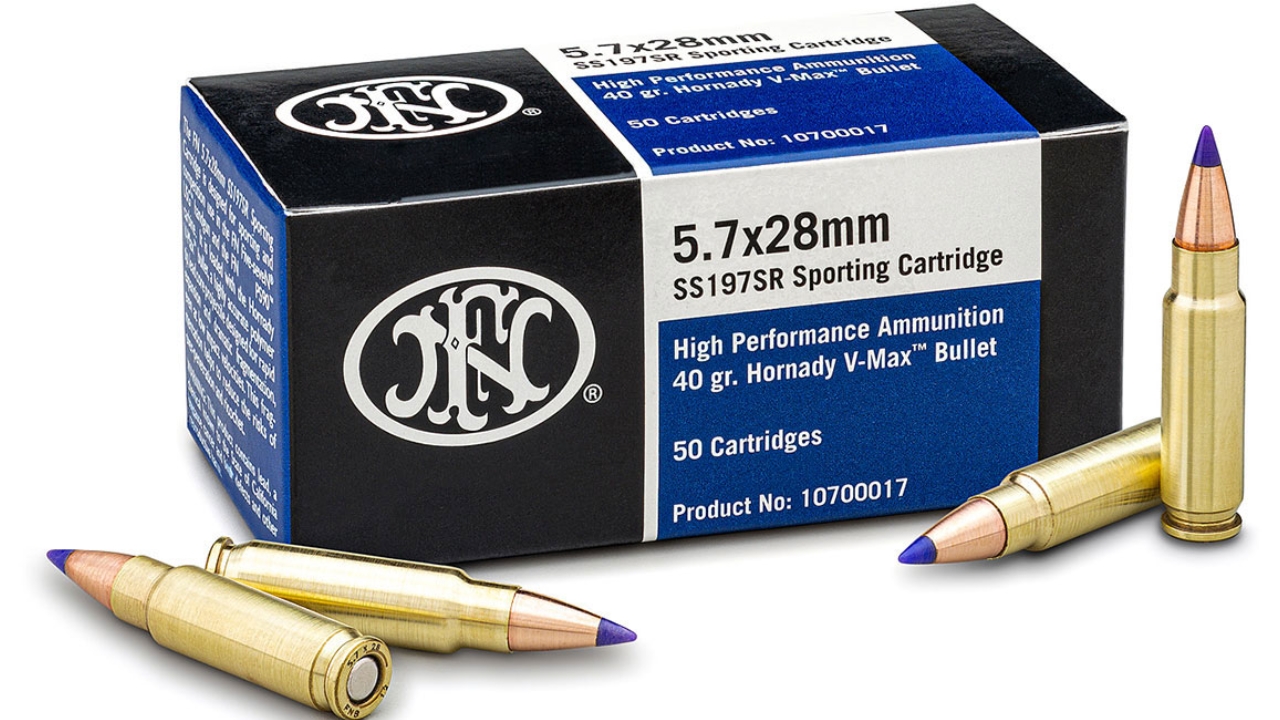
Designed for PDWs and pistols, the 5.7x28mm is not a hunting round, period. It’s zippy but too light, too small, and totally inadequate for taking a muley down cleanly.
Even with fancy hunting loads, it’s not going to penetrate deep enough or cause the kind of internal trauma needed. This round was built for soft targets—not game animals with thick hides and big lungs.
.300 AAC Blackout (Subsonic)

Supersonic loads might scrape by for deer, but subsonic .300 Blackout rounds are a terrible choice. At low velocity, they act more like pistol bullets—slow, heavy, and prone to just punching holes.
You might see the appeal for suppressed setups, but you’re sacrificing too much performance. Without a perfect shot, you’re almost guaranteed to be tracking into the night—or worse, losing the deer entirely.
9mm Luger

You’d be surprised how often this comes up in forums. Just because you can shoot a deer with a 9mm doesn’t mean you should. It’s a handgun round made for two-legged threats, not four-legged game.
Ballistically, it doesn’t hold up at distance and lacks the punch to break shoulders or reach vitals reliably. It might take down a deer in rare cases, but ethical hunters should steer clear.
.25 ACP

If the .22 LR is too small, the .25 ACP is laughable. It’s barely strong enough for self-defense at close range, let alone for harvesting big game like mule deer.
Even point-blank, this caliber can’t punch through anything vital. Using it in the field would be reckless and pretty much guarantees a wounded animal, not a successful harvest.
.32 ACP

The .32 ACP falls into that same pocket-pistol category. It’s underpowered, short on velocity, and throws a light bullet. None of those qualities help when you’re hunting mule deer.
There’s not enough energy to make an ethical shot. If you’re serious about tagging a buck, leave the .32 at home. It’s better suited for deep concealment than deep-woods hunting.
*This article was developed with AI-powered tools and has been carefully reviewed by our editors.