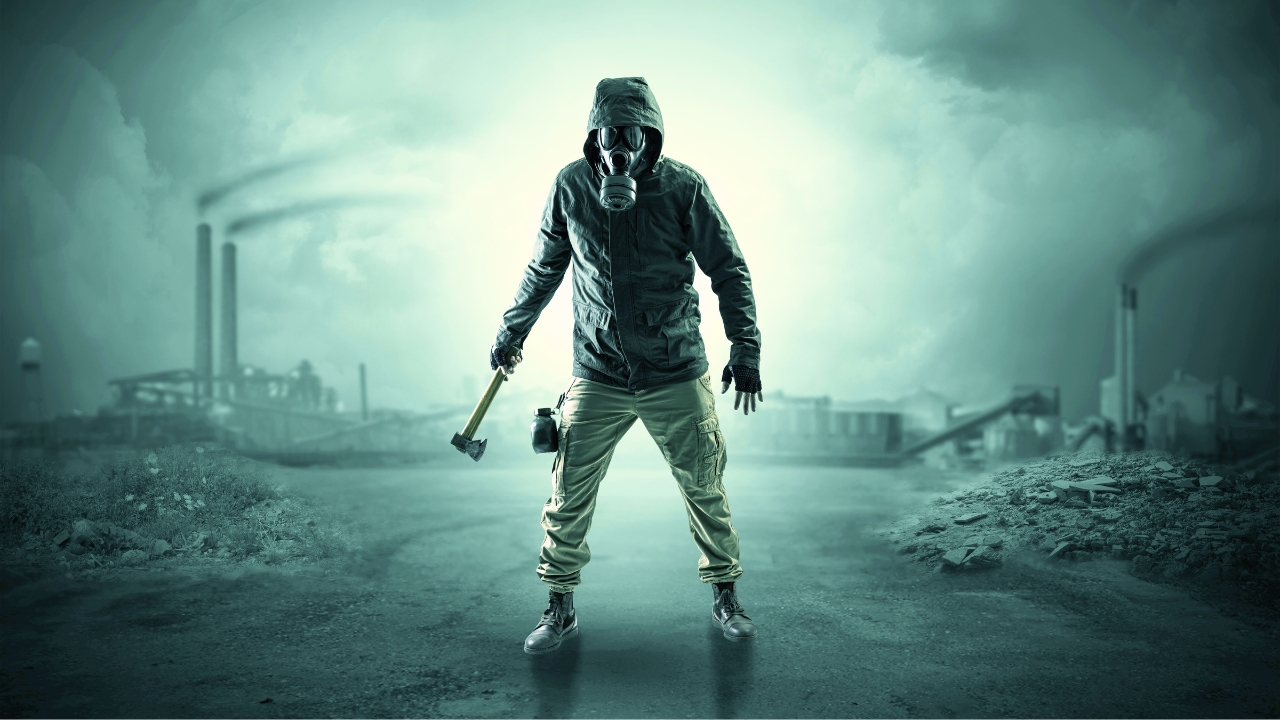
Photo credit: ra2 studio/Shutterstock.com
Hollywood makes emergency survival look like a mix of adrenaline, cool gear, and a tough loner who solves everything by moving fast and acting fearless. Real emergencies don’t work like that. Most people who get hurt in disasters don’t get taken out by some dramatic “event.” They get taken out by normal mistakes made under stress: bad decisions, poor information, exposure, preventable injuries, and trying to improvise with stuff that isn’t safe. Survival experts watch movies the same way mechanics watch car chase scenes. It’s entertaining, but if you copy it, you’re going to pay for it.
The most damaging thing Hollywood sells is the idea that survival is a personality trait instead of a set of behaviors. Real survival is less about being brave and more about being disciplined when you’re tired and uncomfortable. It’s boring on purpose. It’s not rushing. It’s not separating from your people. It’s not burning resources because you “feel like you should be doing something.” A lot of movie survival would get you killed in the first day, not because the character isn’t tough, but because the choices are wrong for how emergencies actually unfold.
Hollywood acts like the first move is always “leave” and that’s often backwards
Movies love the dramatic departure. The hero grabs a bag, walks away from civilization, and heads into the unknown because “the city isn’t safe.” In real life, leaving is one of the highest-risk moves you can make, especially in the first hours. Travel is where you crash, get stranded, run out of fuel, get injured, or end up stuck in crowds doing dumb stuff. In a real infrastructure failure, roads clog fast and people get unpredictable. If conditions are bad, you can turn a manageable situation at home into a dangerous situation on the highway with no good options and no clean information.
Survival experts don’t say “never leave.” They say you leave early, intentionally, and with a clear destination, or you shelter in place until you have a better picture. Movies skip that part because it’s not exciting. In reality, staying put is often safer when you still have shelter, supplies, and a known environment. The first day is usually about stabilizing where you are, not sprinting into chaos. Leaving without a plan because you’re scared is one of the most common ways people end up worse off than they started.
Movies make fire look easy and safe, and it’s neither
Hollywood treats fire like a magical solution. Need warmth? Fire. Need water safe? Fire. Need light? Fire. In real emergencies, fire is one of the fastest ways to create a disaster inside your disaster. Improvised indoor fires, poorly ventilated fuel heaters, makeshift stoves, and “we’ll just burn something” thinking leads to house fires and carbon monoxide poisoning all the time. If you’ve ever seen how quickly a room fills with smoke when something burns wrong, you understand why pros treat fuel and ventilation like life-and-death details, not background noise.
Even outside, fire takes time, fuel, and attention. Wet conditions, wind, bad tinder, and fatigue can make it a pain, and if you’re already cold or hurt, you may not be able to do it the way the movie character does. Experts prioritize safe warmth and safe light first—headlamps, lanterns, extra layers, wind protection—because those don’t risk killing you. If you do need fire, it’s controlled, protected from wind, and managed like an actual hazard. Hollywood turns it into a comfort scene. Real life turns it into a decision you make carefully.
Hollywood skips the “boring” killers like carbon monoxide and dehydration
Movies don’t show the stuff that actually drops people early because it’s not cinematic. Carbon monoxide is silent. Dehydration is slow. Hypothermia looks like someone getting tired and confused, not like someone freezing dramatically. Heat stress looks like someone getting weak and making bad decisions, not like a big heroic collapse. Those are the real threats survival experts worry about because they’re common, sneaky, and they hit when people think they’re fine.
In a home outage, carbon monoxide and fire are constant risks when people use generators too close, run grills in garages, or use heaters that aren’t meant for indoor spaces. In a field situation, dehydration and exposure can hit faster than people expect, especially if they’re pushing hard, sweating, and not replacing fluids. Movies make survival look like you can power through discomfort indefinitely. Experts know discomfort is an early warning sign, not something to ignore for dramatic effect.
Hollywood makes it look like gear replaces judgment
The movie hero always has the right tool at the right time. A perfect knife. A perfect bag. A perfect weapon. Real emergencies don’t care what brand name you bought. If your plan is “my gear will save me,” you’re setting yourself up for failure. Gear helps, but the biggest survival tool is judgment: knowing what risks are worth taking, when to stop moving, how to conserve energy, and how to manage your people. The best gear in the world doesn’t fix panic, poor planning, or dumb improvisation.
Experts also know that most people aren’t operating alone. You have kids, a spouse, older family members, pets, neighbors. Movies love lone wolves because it’s clean storytelling. Real emergencies involve people who get scared, get tired, and need leadership. If your survival plan doesn’t account for other humans, it’s not a plan. Hollywood survival is often “me versus the world.” Real survival is “keep the group safe and functional,” which changes everything from travel decisions to food planning to how you handle conflict.
Movies pretend sleep isn’t a factor, but it’s one of the biggest ones
Hollywood characters go days without real sleep and still fight, run, and think clearly. In real life, lack of sleep turns good people into bad decision-makers fast. Survival experts prioritize sleep and routines because tomorrow matters. If you burn yourself down on day one, you’re going to make worse choices on day two when the situation hasn’t improved. That’s when people start taking risks that don’t make sense, getting short-tempered, and neglecting basic safety steps.
In real emergencies, the first night is often when problems show up: the temperature drops, the house gets colder than expected, batteries run low, kids get anxious, and people start making “quick fixes” that are unsafe. Experts stage light, plan warmth, and create a simple routine so the night doesn’t turn into chaos. Hollywood treats night as a dramatic scene. Pros treat it as a predictable risk window.
Hollywood makes violence look inevitable and constant, which can get you hurt
Movies love the idea that the moment infrastructure fails, society collapses into nonstop violence. That story sells tickets, but it can lead people to make aggressive decisions that create conflict where there wasn’t any. Most real disasters don’t turn everyone into a criminal overnight. What you see more often is confusion, stress, and opportunism, not constant firefights. Survival experts prioritize security, yes, but they also prioritize not escalating situations unnecessarily because conflict is risky and unpredictable.
Basic security looks like locking doors, lighting entry points, being aware after dark, coordinating with trusted neighbors, and staying out of dumb situations. It’s not wandering around looking for trouble, and it’s not treating everyone like an enemy. Hollywood survival often turns the hero into the problem because they assume the worst about everyone and act accordingly. In real life, your best outcomes often come from calm coordination, not intimidation.
The real lesson: survival is mostly avoiding avoidable problems
If you strip Hollywood survival down to what actually works, the common thread is simple: control risk, conserve resources, and stay functional. Real survival is preventing injury, staying dry and warm, keeping your head clear, and making decisions that still work when you’re exhausted. It’s water and sanitation, not dramatic hunting scenes. It’s communication and planning, not lone-wolf hero moments. It’s discipline, not vibes.
Like The Avid Outdoorsman’s content? Subscribe to our newsletter so you never miss an article.
Here’s more from us: