Photo credit: Tony LePrieur Photography/Shutterstock.com
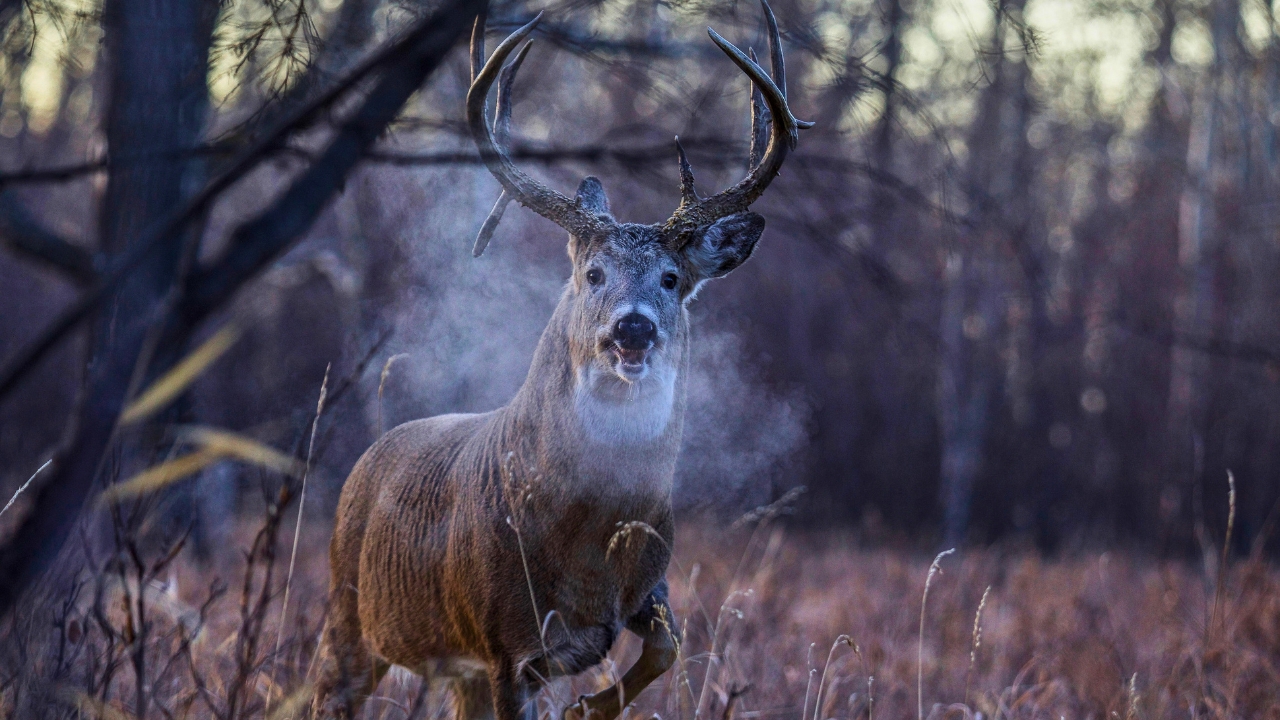
Most hunters imagine that big buck slipping through the woods like a ghost—but he’s usually not as far off as you think. The key is learning how to read the little signs that give him away. Deer rarely charge into view out of nowhere. They leave a trail of clues if you’re paying attention. Whether it’s the flick of a tail or the crack of a branch, here are seven subtle signals that a buck might be right on top of you.
You Hear a Single, Heavy Step

It’s not always a steady trot. Sometimes it’s just one sharp crunch of leaves, then silence. Bucks are cautious and often move a step at a time, scanning for danger. That single thud can be all the warning you get.
Younger deer tend to walk more casually. When you hear a step that sounds deliberate and heavy, it’s time to freeze. He’s not far, and you’ll only get one chance if he catches you shifting in your seat.
Squirrels Suddenly Go Silent

Yeah, they’re annoying—but squirrels are great alarms. When the woods go quiet all at once, that’s usually not a coincidence. Something bigger just stepped into their space.
Old-timers will tell you they’ve shot more bucks right after the woods got still. If the birds stop chirping or the chatter dies down, it’s time to get ready. Something has everyone’s attention, and it’s not you.
You Smell Him Before You See Him

A rutting buck has a musk that’s hard to mistake once you know it. It’s strong, sharp, and completely different from the normal forest scent. When it hits your nose, don’t ignore it.
Most hunters overlook scent coming to them. But if you catch a whiff of that funky, gamey smell while sitting still, there’s a good chance the source is nearby and on the move.
Fresh Rubs With Sap Still Dripping

If you stumble on a rub that looks wet or has bark flakes on the ground, you might be closer than you think. Bucks often make fresh rubs just ahead of where they’re headed—or as a way to blow off steam.
Don’t hang around admiring it. Take a knee, glass the area, and get set up downwind. The buck may still be in the area, especially if he’s working a line of rubs in daylight.
Birds Start Flaring Low to the Ground
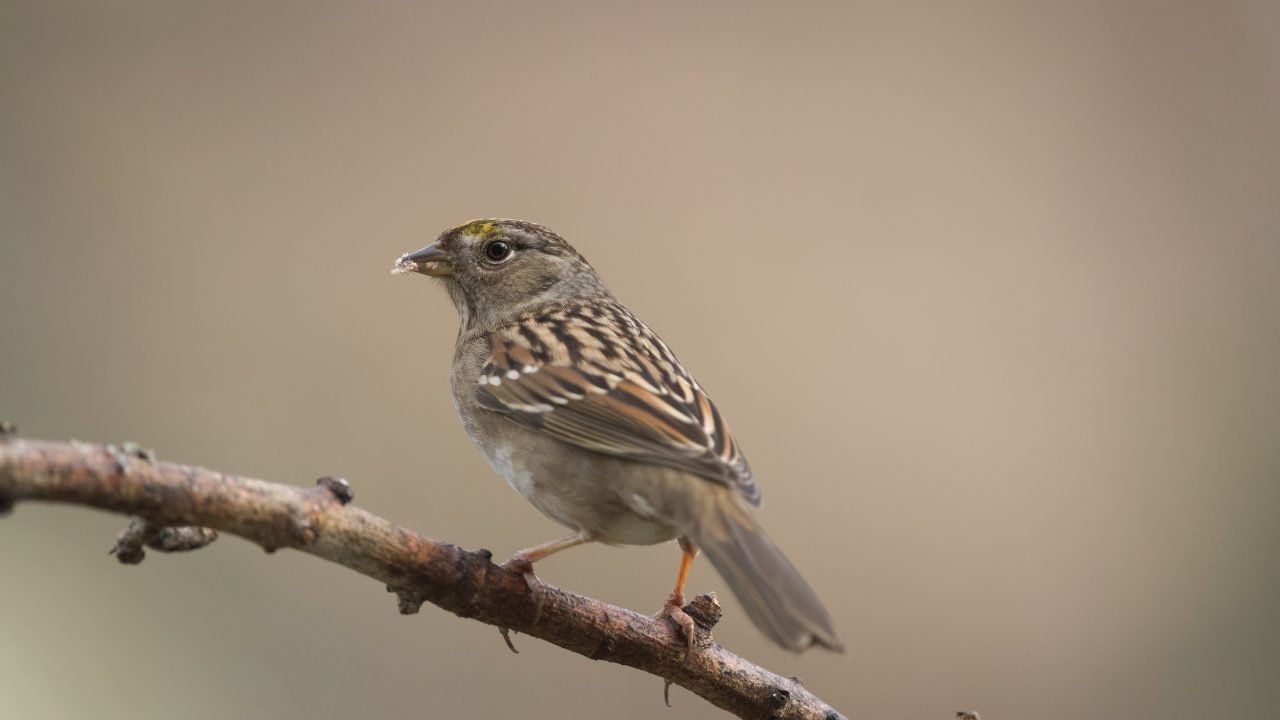
Watch how the birds behave, especially ground-huggers like juncos or sparrows. If they suddenly shoot up in a panic, something likely pushed them. Deer moving through thick cover can do that.
It’s not a sure thing, but it’s one of those little cues seasoned hunters don’t ignore. If it happens in a spot you’ve been watching all morning, you might want to click your safety off.
You Hear Antlers Ticking Branches

It’s subtle, but unmistakable. That faint rattle of bone brushing against twigs can mean a buck’s moving through cover with his head down. It’s not as loud as a full-on antler clash—just a light tick-tick.
Most bucks don’t walk around bugling their presence, but they’re not always perfectly quiet either. If the noise sounds “off” or too consistent for a squirrel, there’s a good chance it’s him.
You Catch a Flicker of White

A deer’s tail or ear can flash white for just a second—and that’s often the only warning you get. A buck standing still in cover might only twitch once, but that flick can give him away.
Train your eyes to catch movement, not shapes. You won’t always see the whole deer first. A flickering tail in the thick stuff often means he’s stopped, scanning, and deciding whether to step into the open.
*This article was developed with AI-powered tools and has been carefully reviewed by our editors.