Photo credit: BLE Firearms/YouTube
Henry Repeating Arms is one of those brands that feels older than it actually is. The name sounds like it should go straight back to the Civil War, brass-framed repeaters, frontier rifles, and black-powder smoke. But the modern company is much newer than a lot of shooters realize.
That does not make Henry fake. It just means the story is different from what some buyers assume. Modern Henry Repeating Arms was founded by Louis and Anthony Imperato in Brooklyn, New York, in 1996. The company takes its name from Benjamin Tyler Henry, who invented the original Henry rifle in 1860, but Henry Repeating Arms says plainly that the modern company has no direct affiliation or lineage to Benjamin Tyler Henry or the New Haven Arms Company that made the original Henry rifles from 1862 to 1864.
1. The Modern Henry Company Started in 1996

A lot of shooters assume Henry Repeating Arms is a direct continuation of the Civil War-era Henry rifle company. It is not. The modern company was started in 1996 by Louis and Anthony Imperato in Brooklyn, New York. That makes it a modern company using a historic name, not an unbroken 19th-century manufacturer.
That distinction matters because Henry has built its reputation in a relatively short time. It did not inherit 150 years of continuous production. It had to earn its modern customer base with affordable rimfire lever guns, strong service, American-made branding, and later centerfire rifles. The name opened the door, but the company still had to prove itself.
2. Henry Has No Direct Link to the Original 1860 Henry Rifle Company

The original Henry rifle was connected to Benjamin Tyler Henry and the New Haven Arms Company. Modern Henry Repeating Arms takes its name in honor of that history, but the company is clear that there is no direct affiliation or lineage to Benjamin Tyler Henry or the New Haven Arms Company.
That does not hurt the brand as long as readers understand it. Henry is not pretending every modern Big Boy or Golden Boy rolled out of the same 1860s lineage. It is a modern American company building lever guns inspired by that heritage. For a lot of buyers, that is enough. They care more about how the rifle shoots and how the company treats customers now.
3. The First Henry Was a .22 Lever Action

The first modern Henry model was the H001 Classic Lever Action .22. Henry says the first shipments were made in March 1997. That rifle became the foundation of the company’s early success.
That makes sense when you think about it. A .22 lever action is affordable, fun, easy to shoot, and approachable for new shooters. Henry did not start by trying to build a premium big-bore rifle. It started with a rimfire lever gun regular families could enjoy. That helped the company build loyalty from the ground up.
4. The H001 Is Still a Huge Part of Henry’s Identity

The H001 Classic Lever Action .22 remains one of Henry’s most important rifles. Guns & Ammo reported in 2022 that the H001 was still Henry’s best-selling model after 25 years, even as the catalog had expanded to more than 200 rifles and shotguns.
That tells you something important about the brand. Henry may get attention now for Big Boys, X Models, .45-70s, and side-gate rifles, but the humble .22 lever action is still the heart of the company for a lot of buyers. It is the rifle people buy for kids, grandkids, plinking, small game, and pure fun.
5. The Golden Boy Helped Build the Brand’s Image

The Golden Boy is one of Henry’s most recognizable rifles. With its brasslite receiver cover, octagon barrel, walnut stock, and classic lever-gun look, it helped give the company a stronger visual identity than the plain H001 alone could carry.
That rifle matters because Henry understood something smart: a .22 can still feel special. The Golden Boy gave buyers a rimfire lever action that looked like a keepsake without jumping into centerfire cost or recoil. For many families, it became a graduation gift, birthday gun, or heirloom-style rifle that was still affordable enough to actually shoot.
6. Henry’s “Made in America” Branding Is Central to the Company

Henry’s motto, “Made in America, Or Not Made At All,” is one of the strongest parts of the brand’s identity. The company leans hard into American manufacturing, and that message has clearly connected with buyers.
That branding works because lever guns already carry a strong American image. A Henry rifle looks and feels like something that belongs in that tradition. The company’s American-made promise gives buyers another reason to feel good about the purchase. It is not only about the rifle. It is about what the rifle represents to them.
7. Henry Grew From Brooklyn to Multiple Facilities

Henry started in Brooklyn, but it did not stay a small shop forever. The company now operates major facilities tied to Wisconsin and New Jersey. Public summaries of the company list headquarters in Rice Lake, Wisconsin, with other manufacturing facilities in Bayonne, New Jersey, and Ladysmith, Wisconsin.
That growth surprises people who still think of Henry as a small niche lever-gun company. It has become a major American long-gun manufacturer. Henry’s catalog now stretches across rimfires, centerfire lever guns, single-shots, shotguns, pistol-caliber carbines, revolvers, and modernized lever actions.
8. The Big Boy Put Henry Into Centerfire Lever Guns

The Big Boy line was a major step because it moved Henry beyond rimfire nostalgia and into centerfire pistol-caliber lever guns. Guns & Ammo notes that Henry’s catalog expanded into centerfire designs with the H006 Big Boy in 2003.
That mattered because .357 Magnum, .44 Magnum, and .45 Colt lever guns are useful and fun. They can pair with revolvers, work for hunting inside their limits, serve around rural property, and make great range rifles. The Big Boy helped Henry reach shooters who wanted more than a .22 but did not necessarily need a .30-30 or .45-70.
9. Henry Was Slow to Add Side Loading Gates
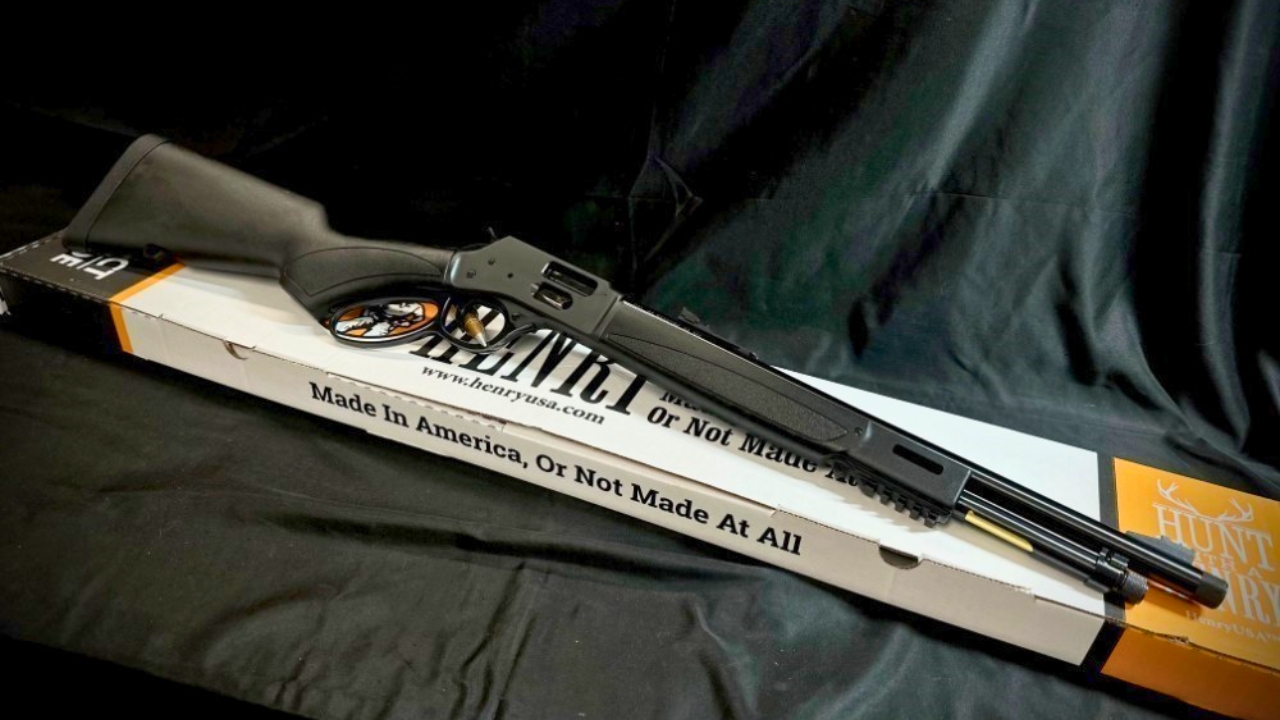
For years, one of the biggest complaints about Henry lever guns was the lack of side loading gates on many models. Traditional lever-gun fans liked being able to top off through the receiver, while Henry’s tube-loading system made loading and unloading simpler in some ways but less convenient for topping off.
Henry eventually listened. The company introduced side-gate models, and that move helped quiet one of the loudest criticisms. Henry’s own 2019 announcement described new Side Gate Lever Action models in .45-70 Government and .410 bore shotgun configurations. Adding side gates was one of the smartest modern moves the company made.
10. Henry Kept the Tube Loading Option Too

One thing Henry did well was add side gates without completely abandoning tube-loading convenience. Many side-gate Henry rifles still allow loading through the gate and unloading through the removable tube, depending on model. That gives shooters both options.
That is more useful than people realize. A side gate lets you top off in the field. The tube lets you unload without cycling every round through the action. That combination helped Henry keep its own identity while giving traditional lever-gun buyers the feature they wanted. It was a smart compromise.
11. The X Model Changed How People Saw Henry

The Henry X Model line gave the brand a more modern edge. These rifles added features like synthetic furniture, threaded barrels, fiber-optic sights, M-LOK accessory slots, and optics-ready receivers depending on model. That was a big shift from brasslite receivers and polished classic looks.
That line mattered because lever guns were changing. Suppressors, red dots, lights, rails, and weather-resistant furniture became more common on lever actions. The X Model showed Henry was willing to modernize instead of only selling nostalgia. It helped the company reach younger shooters and practical-minded buyers who wanted a lever gun they could set up for real use.
12. Henry Built a Reputation for Customer Service

Henry’s customer service reputation is one of the biggest reasons people stay loyal. The company’s founder, Anthony Imperato, promotes a personal satisfaction guarantee and lifetime warranty for the life of the product, saying customer satisfaction is of utmost importance.
That kind of promise matters. Lever-gun buyers often keep rifles for decades and pass them down. They want to know the company will stand behind the gun. Henry has made customer care part of the brand identity, and that is one reason buyers are willing to recommend the rifles even when competitors offer different features.
13. Henry Gives Back in a Very Visible Way

Henry has leaned heavily into charity and community support. For its 25th anniversary, the company donated more than $1 million to 30 different organizations across several categories.
That does not change how a rifle cycles, but it absolutely affects how people feel about the brand. Henry has built an image around patriotism, family, customer service, and charitable giving. Some companies avoid emotional branding. Henry runs straight into it. For many buyers, that is part of the appeal.
14. Henry Is Not Only a Lever-Gun Company Anymore

Henry is still best known for lever actions, but the catalog has grown. The company has offered single-shot rifles and shotguns, the Homesteader 9mm carbine, revolvers, and other designs. The Homesteader, for example, gave Henry a pistol-caliber carbine that could use Henry magazines or adapters for certain Glock, SIG Sauer, and Smith & Wesson M&P magazines depending on setup.
That matters because Henry is trying to grow without losing its old identity. Not every new model will appeal to lever-gun traditionalists, but the company clearly understands that it cannot live forever on .22s and brasslite receivers alone. It is branching out while still keeping lever guns at the center.
15. Henry’s Real Strength Is Emotional Loyalty
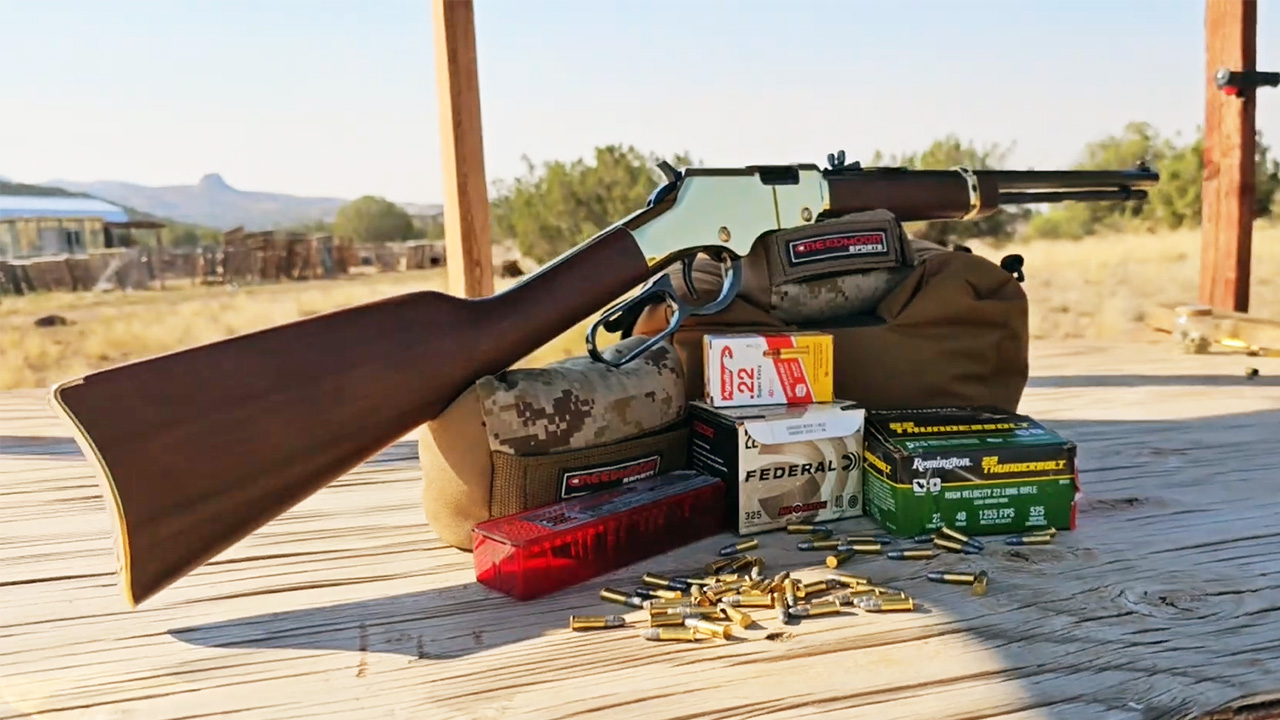
The biggest thing most shooters do not know about Henry is that its strength is not only mechanical. It is emotional. Henry sells rifles that people buy for sons, daughters, grandkids, retirement gifts, memorials, anniversaries, first hunts, and family safes. That is a powerful lane.
Plenty of rifles shoot well. Plenty of companies make lever guns. Henry built a brand around American manufacturing, customer service, approachable rimfires, good-looking centerfires, and rifles that feel giftable. That emotional connection is why the company has grown so fast. Henry may be a modern company wearing a historic name, but it has built a loyalty all its own.
Like The Avid Outdoorsman’s content? Subscribe to our newsletter so you never miss an article.
Here’s more from us: