Photo credit: Ashley-Belle Burns/Shutterstock.com
A home-defense shotgun is easy to buy and hard to buy right the first time. In the shop, everything feels solid. The safety clicks, the action cycles, and the price tag tells you what you want to hear. The regret shows up later—when you run real practice, when you try to mount a light that stays put, when you discover your “tactical” furniture makes the gun harder to control, or when the shotgun is picky about the exact loads it will cycle.
Most first-time regrets come from the same handful of traps: going too cheap on a semi-auto, buying something awkward to run under stress, chasing capacity with magazines, or choosing a compact “package” that punishes you with recoil and poor control. These are the home-defense shotguns people often buy first, then wish they’d skipped.
Mossberg 500 Cruiser

The Cruiser sells the idea of a compact, maneuverable shotgun that’s still a “real” 12-gauge. In your hands at the counter, it feels handy and aggressive. The regret comes when you actually shoot it. A pistol-grip-only setup makes recoil management harder, slows follow-up shots, and makes it tougher to keep the gun indexed where you need it.
You also learn quickly that practice with a Cruiser is less pleasant, which means many owners practice less. That’s a rough trade for a defensive gun. A standard stock gives you far more control, faster recovery, and better consistency without changing the core reliability of the platform. The Cruiser can work, but it often becomes the shotgun that sits loaded and barely trained with.
Remington 870 Tactical (budget-era builds)

The 870 name carries weight, so a lot of first-time buyers assume any “tactical” 870 is a safe bet. The regret shows up when you end up with one of the rougher budget-era guns—sticky extraction, uneven fit, or a finish that seems eager to rust if you live anywhere humid.
Even when the gun runs, many owners end up spending money chasing what they thought they already bought: smoother cycling, better sights, better corrosion resistance, better quality control. An 870 can be excellent, but the lesson is that the rollmark isn’t a guarantee. If you buy one without paying attention to build quality and finish, you can end up with a shotgun that looks the part and still feels like it needs babysitting.
Winchester SXP Defender
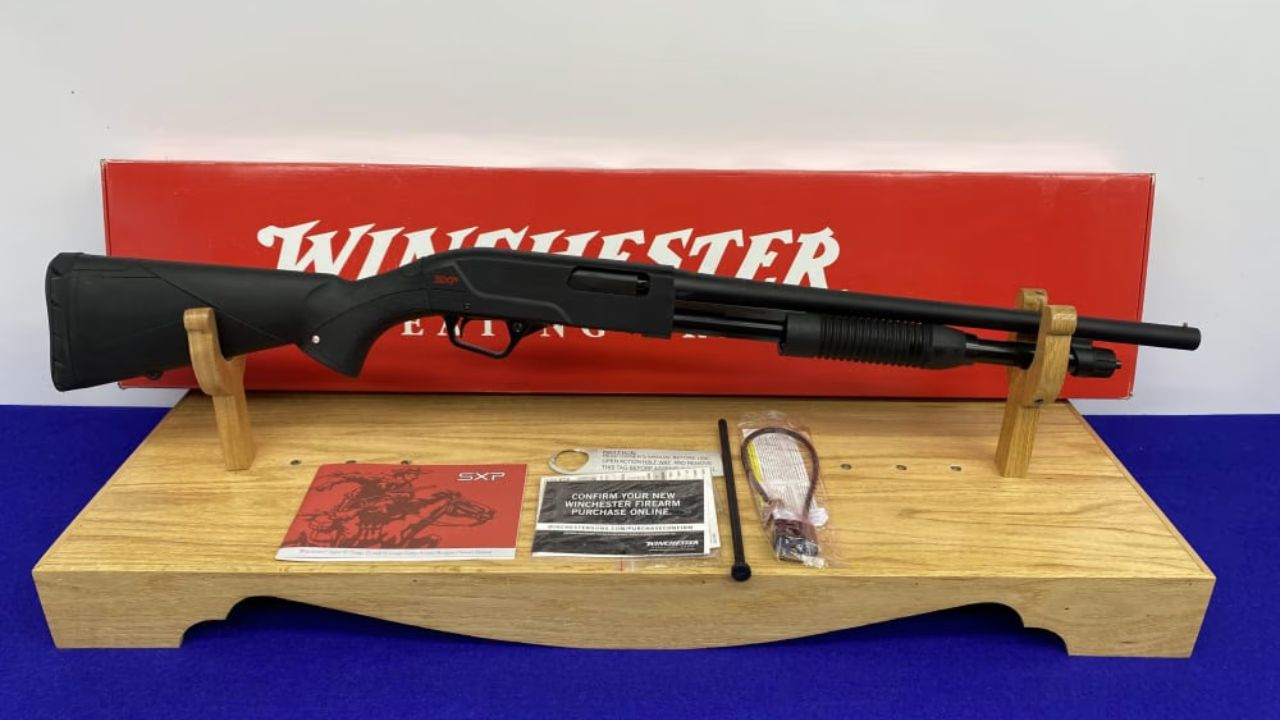
The SXP Defender looks like a great deal: modern styling, solid capacity, and a pump action that feels fast when you run it in the shop. A lot of regret comes from expectations. People buy it thinking it’ll feel like a higher-end duty pump and then discover the fit, finish, and long-term “feel” can be less satisfying than they hoped.
It can function fine, but many owners end up noticing little things that bug them over time—how it cycles when dirty, how it holds up to heavy practice, and how it accepts accessories compared to more common pump platforms. That turns into a familiar outcome: you buy it to save money, then spend more upgrading or replacing it later. It’s rarely a disaster, but it’s often a stepping-stone purchase.
Turkish “tactical” semi-autos (Tokarev, Panzer, Charles Daly, etc.)

These shotguns sell hard: rails, ghost rings, oversized controls, and a price that makes you feel clever. The regret usually arrives at the range. Many budget imported semi-autos can be picky about ammo, sensitive to lubrication and cleanliness, and inconsistent in long-term durability once you start running real round counts.
The bigger issue is confidence. A defensive shotgun has to run when you aren’t in the mood to troubleshoot. When you find yourself testing load after load to see what it likes, or dealing with parts and support that aren’t always easy, you start wishing you’d bought a more proven design. Some individual guns run well, but as a “first shotgun” category, these are the ones that most often turn into doubt and second-guessing.
Black Aces Tactical semi-autos

Black Aces Tactical shotguns show up in a lot of “best home defense” lists because they look tough and they hit a tempting price point. The regret tends to come from inconsistency. Some owners get a decent runner, others end up with a shotgun that feels rough, needs break-in, or becomes unreliable once it gets hot and dirty.
Another common complaint is that the gun encourages ownership without real practice. When the gun feels finicky or unpleasant to shoot, range time drops off. Then the shotgun becomes a closet gun you hope will run if it ever matters. Defensive gear doesn’t work well on hope. If you want a semi-auto for defense, you’re better off with something that has a deeper track record for cycling across loads and staying dependable with routine maintenance.
Rock Island Armory VR80

The VR80 is one of the most common “AR-style shotgun” buys, and it’s easy to understand why. It looks modern, accepts detachable magazines, and feels like it belongs in the same mental category as an AR-15. The regret comes when you realize it behaves like a competition toy that demands attention, not a plug-and-play defensive tool.
Magazines introduce their own problems—fit, feeding, reliability variation, and the need to confirm every mag works with your exact gun. On top of that, many owners find these guns can be load-sensitive and maintenance-sensitive. You can make them run, and plenty of people do, but the learning curve is steeper than most first-time buyers plan for. That gap between expectation and reality is where regret lives.
Kalashnikov USA KS-12 and other mag-fed “Saiga-style” guns

The Saiga-style shotgun concept is appealing: detachable mags, a familiar layout for AK shooters, and a tough look that screams durability. The regret for first-time buyers often comes from the same place it does with other mag-fed shotguns—magazines become the weak link, and reliability can vary depending on ammo, gas setup, and how broken-in the gun really is.
These shotguns can run well, but they often require more sorting than a typical pump or mainstream semi-auto. That sorting is fine if you enjoy platforms and tinkering. For a first home-defense shotgun, it can feel like you bought a system that demands constant validation. If your goal is boring reliability with minimal fuss, most people end up wishing they’d started with a proven pump or a mainstream semi-auto instead.
Kel-Tec KSG

The KSG looks like a capacity monster in a compact package, and it has a real following. The regret usually comes from ergonomics and shootability. Bullpup balance, a shorter sight radius, and a different manual of arms can make it harder to run smoothly under pressure—especially if you don’t practice a lot.
Recoil can also feel more abrupt than people expect, and the pump stroke can punish sloppy technique. Many owners buy it because it looks like the ultimate solution, then realize it’s a specialist tool that demands familiarity. If you’re already a strong shotgun shooter, you can run it well. As a first home-defense shotgun, it often turns into the gun you show friends, then reach past when you want something that feels natural and consistent.
Mossberg Shockwave

The Shockwave is compact, it looks intimidating, and it fits into spaces that feel tight and “indoor friendly.” The regret usually comes after the first range trip. Without a shoulder stock, controlling recoil and staying consistent becomes harder, and many shooters find follow-up shots and accuracy at speed are not where they expected them to be.
A second regret is that it discourages practice. If the gun is unpleasant to shoot, you shoot it less. Then you’re left with a defensive firearm you don’t run often, which is the opposite of what you want. The Shockwave has a place for experienced shooters who understand its limits, but as a first buy, it’s often chosen for compactness and vibe instead of performance you can repeat.
Remington TAC-14

The TAC-14 lives in the same world as the Shockwave: compact, aggressive, and marketed as a defensive answer. The regret pattern is also similar. The platform can be reliable, but the configuration makes it harder to control, harder to aim consistently, and harder to shoot quickly with confidence.
A lot of owners find that the “handy” feeling in the store doesn’t translate once recoil starts stacking up. You also run into the reality that accessories don’t fix fundamentals. Lights, sights, and fancy fore-ends won’t replace the stability of a proper stock and a setup you can shoot well under stress. For many first-time buyers, the TAC-14 becomes a lesson: compactness is nice, but controllability is what keeps you effective.
Stoeger M3000 Defense models

Stoeger’s inertia guns can be solid values, and plenty of them run well. The regret shows up when people buy one expecting it to behave like a higher-end inertia shotgun without any of the quirks. Inertia systems can be more sensitive to how the gun is held, how it’s lubricated, and what loads you feed it—especially for new shooters who haven’t built consistent technique.
If you don’t practice much, you may never notice. If you practice a lot, you’ll quickly learn what the gun likes and what it refuses. That’s not necessarily a problem, but it can be frustrating for a “first defensive shotgun” purchase. Many owners end up wishing they’d either gone pump for maximum forgiveness or spent more on a semi-auto with a broader reputation for cycling across conditions and loads.
Hatsan Escort tactical variants

The Escort line is widely available, and the tactical variants look like they’re built for defense. The regret tends to come from the same place as other budget semi-autos: inconsistency between individual guns, load sensitivity, and long-term durability that can feel uncertain once you start shooting more than a box or two a year.
Owners often realize they bought features instead of a track record. Rails and ghost rings look great, but they don’t matter if the shotgun becomes picky or starts feeling rough as it wears in. Support, parts, and service can also be hit-or-miss compared to larger mainstream brands. If your goal is confidence, these can end up feeling like a gamble. That’s a tough feeling to live with on a defensive firearm.
Stevens 320 “tactical” models
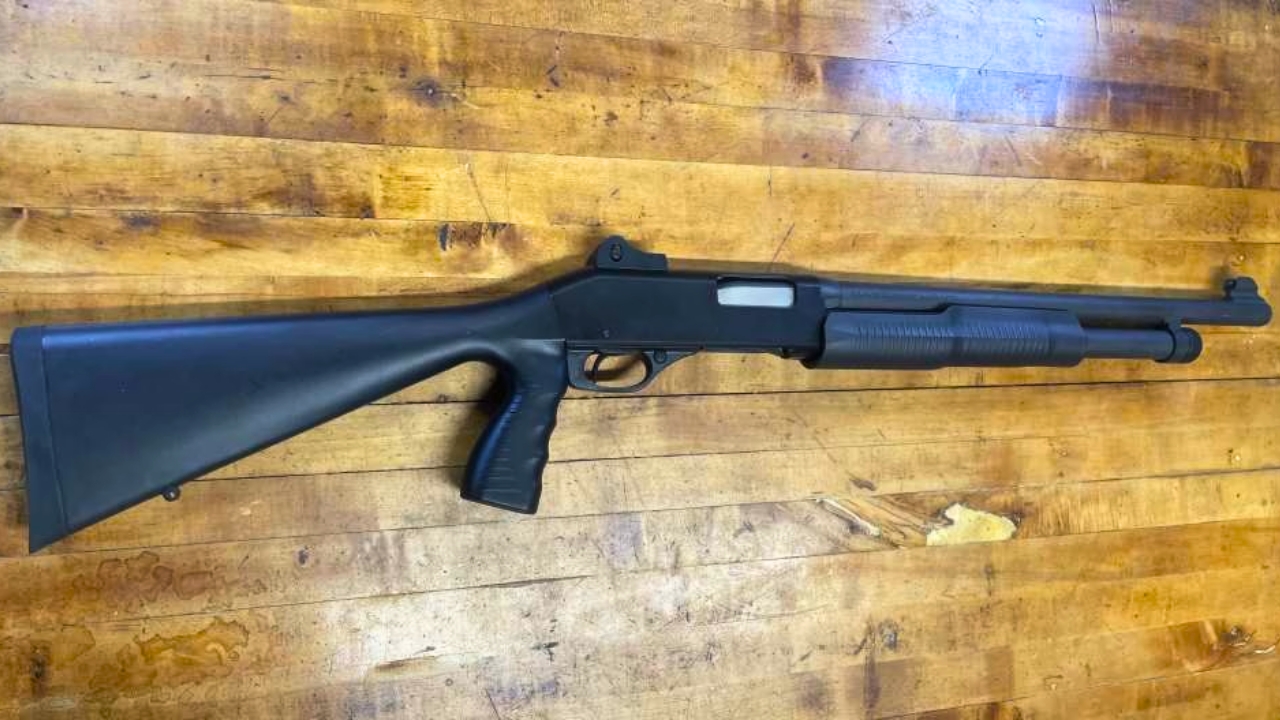
The Stevens 320 gets bought because it’s cheap, it’s a pump, and it looks ready. The regret often comes from how it feels over time—rougher action, less satisfying controls, and an overall experience that can make practice feel like more work than it should be. A pump depends on the shooter, and a rough pump can punish you for being slightly off.
Many owners also discover accessory compatibility and long-term durability aren’t on the same level as more common pump platforms. That means your “budget” buy can turn into a replacement buy sooner than you planned. The 320 can do the job, but it’s frequently purchased as a shortcut. When people later handle a smoother, more proven pump, they realize what they were trading away.
Winchester SXP and Turkish pumps dressed as “combat” guns

This regret isn’t about one specific model—it’s about the whole category of “combat-looking” pumps that chase a style. They often arrive with tall sights, rails, heat shields, and furniture that looks great online. The regret is that many of these guns aren’t smoother, tougher, or more functional than a basic field pump from a proven brand.
A lot of buyers end up learning that the core matters more than the costume. A dependable pump with a normal stock and a solid light setup tends to serve you better than a flashy pump with questionable ergonomics. When the novelty wears off, you’re left with a shotgun that feels awkward, shoots awkward, and doesn’t inspire the kind of confidence you were shopping for in the first place.
Overbuilt “tactical” over-unders

Every so often, someone buys an over-under for home defense because it feels straightforward: two triggers or one trigger, two shots, no cycling. The regret comes fast when you start thinking about capacity, reload speed, and how unforgiving two shots can feel if you ever needed more. Even if the gun is reliable, it’s a hard platform to defend as a primary defensive choice.
The other problem is training realism. Over-unders are great sporting tools, but they aren’t built around defensive accessories, lights, or practical reload solutions. Most people who go this route eventually realize they bought a comfort idea, not a defensive system. It’s not that the gun won’t fire. It’s that the whole setup leaves you with too little margin and too few options, which is exactly what you’re trying to avoid.
“Tactical” .410 defensive shotguns

.410 defensive shotguns get bought by people who want less recoil and an easier shooting experience. The regret usually comes from performance expectations and the reality of patterning. .410 can work, but it tends to be less forgiving, and it asks more of you in shot placement and load selection than many first-time buyers realize.
A lot of new owners also learn that recoil management isn’t the only factor that matters. A defensive gun should give you confidence in repeatable hits and reliable function, and .410 options can vary widely in how they behave with different loads. Many people end up selling the .410 and moving to a 12 or 20 gauge they can actually train with and trust. The recoil trade can look smart at the counter, then feel limiting when you take it seriously.
Like The Avid Outdoorsman’s content? Subscribe to our newsletter so you never miss an article.
Here’s more from us: