Photo credit: MyImages – Micha/Shutterstock.com
Squirrel hunting rewards the hunters who move with purpose, not the ones who just wander the woods hoping for a glimpse of a tail. When you break your approach into a few reliable moves, you stop “getting lucky” and start stacking consistent results. The three tactics below, used together, are built to put squirrels on the ground on most legal days you head out.
You will still need patience, safe gun handling, and a decent patch of woods, but the core strategy is simple: find concentrated food, set up where squirrels feel secure, and then move like a predator instead of a hiker. Dial those in and your odds jump fast.
Move 1: Hunt the groceries, not the scenery
If you want steady action, you start where squirrels eat, not where the woods look pretty. Gray squirrels gravitate to denser hardwoods, while fox squirrels lean toward more open timber and field edges, so your first move is matching the habitat to the species you are seeing. Once you are in the right neighborhood, you are looking for mast, especially acorns, hickory nuts, and around productive pines where partially or fully stripped pinecones litter the ground. Those chewed cones and cut shells are like neon signs that squirrels have been feeding there, and when you find several active trees close together, you have a natural hotspot that can carry a whole morning.
Food focus matters even more as the year rolls on. Early in the season, scattered mast lets squirrels spread out, but as fall shifts toward Late Fall and Winter and natural groceries thin, they pile into the remaining oaks, hickories, and any standing corn or edge cover that still holds calories. That is when you look for concentrated areas of tracks, droppings, and fresh cuttings under a handful of trees, then slip in and set up downwind with good visibility into the canopy. Paying attention to these feeding clues, from mast sign to pine cone cuttings, is the difference between sitting in dead woods and parking yourself where squirrels are almost guaranteed to cycle through.
Move 2: Still-hunt like a statue with a plan
Once you know where squirrels are feeding, your next move is to work through that cover with a still-hunting rhythm that is slow enough to feel almost ridiculous. Instead of strolling, you Pick a spot, a tree, or another landmark within 75 yards and see how quietly you can reach it, taking a few careful steps, then stopping to listen. Hunters who have done this for years talk about simply standing still and letting the woods reveal them, because Squirrels will make noise as they cut, dig, or chase, and when you hear it you ease toward the sound instead of charging in. If you bump one and it bolts up a trunk, freezing in place often makes it pause or circle the tree, giving you a shot window you would never get if you kept moving.
Timing and patience make this move work. Early Morning and Late Afternoon are prime, since Squirrels are usually most active when the air is cooler and they are hustling to feed. Before the leaves fall, you can still-hunt the edges of hardwoods and pines, using shadows and trunks to break up your outline and keeping your movements slow and deliberate until you spot a target. When you do, use the terrain to your advantage, easing into a shooting lane instead of trying to thread a rushed shot through brush. If you are carrying a pellet rifle, pay attention to Caliber Choices and effective range so you are not stretching shots past what your setup can cleanly handle, and always keep your muzzle pointed in a safe direction as you creep and pause your way through the timber.
Move 3: Sit tight on a hot tree and let them come
There are days when the smartest move is to stop moving at all. Once you have located a cluster of mast trees that are clearly being hammered, your third go-to tactic is to slip in quietly, get into a good position, and simply sit. Ideally, you set up where you can see multiple trunks and limbs, with the sun at your back so it does not blind you, and you stay put long enough for the woods to settle down. Squirrels that went silent when you arrived will start to move again, barking, cutting, and hopping along branches, and you can pick them off one by one as they expose themselves. Many experienced hunters treat this as their default method because it lets them watch several trees at once and take higher percentage shots.
Good shooting discipline turns that sit into meat in the game bag. With a rifle, the classic advice is to Aim right behind the ear, which gives you a little room for error while still anchoring the animal quickly. A shotgun with light birdshot is forgiving in thicker cover, especially before leaf drop when branches can deflect a single pellet. Either way, using a solid rest, from a knee to a backpack to a make-shift gun rest against the side of the tree, steadies your sight picture and keeps you from yanking shots. If the action slows, a few soft squirrel calls or even a sharp whistle can make They perk their little heads up, exposing a shoulder or head that was hidden behind bark. Combined with a patient sit on a proven food source, that is often all it takes to turn a quiet patch of woods into a steady trickle of shot opportunities.
Bonus move: Stalk smart and use the cover like a predator
When squirrels are scattered or the woods are too open for a pure sit, you shift into a true stalk, using every bit of cover to close the distance. Instead of walking straight at the sound of cutting or barking, you angle in, keeping trees between you and the squirrel until you are inside your comfortable range. Movement should be slow and deliberate, with your feet rolling from heel to toe to keep noise down, and you pause often to scan the canopy for a flicking tail or a silhouette against the sky. If a squirrel spots you and pins itself to the far side of the trunk, you can sometimes circle in tiny arcs, using other trees as visual breaks, until it makes the mistake of peeking around the bark.
Wind and background matter here. Try to keep the breeze in your face so your scent drifts away from the action, and avoid skylining yourself on ridges where your outline pops. In thicker timber, you can blend this stalk with short sits, working from one promising mast tree to the next and parking for ten or fifteen minutes at each. That hybrid approach mirrors the Hunting Methods that combine still-hunting, stand hunting, and short stalks into one fluid style. Over time, you will learn how different spots hunt: some ridges are better for slow, methodical stalks, while tight creek bottoms reward you for slipping in, sitting down, and letting the squirrels forget you are there.
Gear and shot placement that make every move count
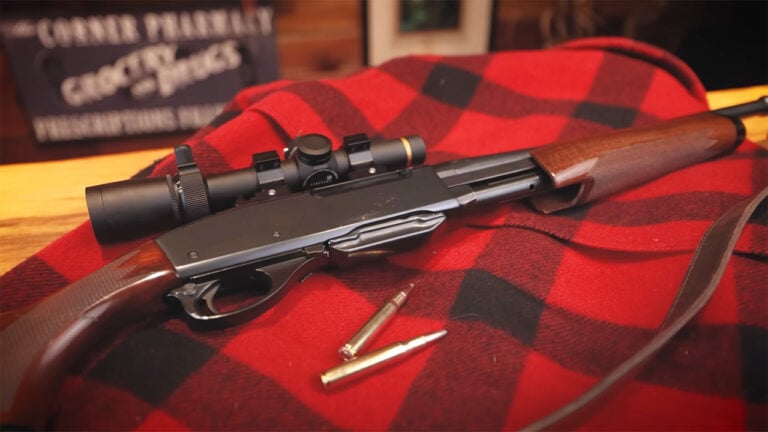
All three moves work better when your gear matches your style and you know exactly where to put the bullet or pellets. A .22 rifle or a well set up Pellet rifle is ideal for precise head shots, especially when you are sitting on a hot tree or still-hunting with clear lanes. If you prefer a pellet setup, pay attention to Caliber Choices and realistic energy at distance so you are not asking too much of the gun. A shotgun shines in thicker cover or when you are stalking and expect fast, close shots at moving squirrels, and light birdshot is a good choice when leaves and twigs can easily deflect a single projectile. Whatever you carry, keep it shouldered or at least ready as you move, so you are not fumbling when a squirrel suddenly appears on an open limb.
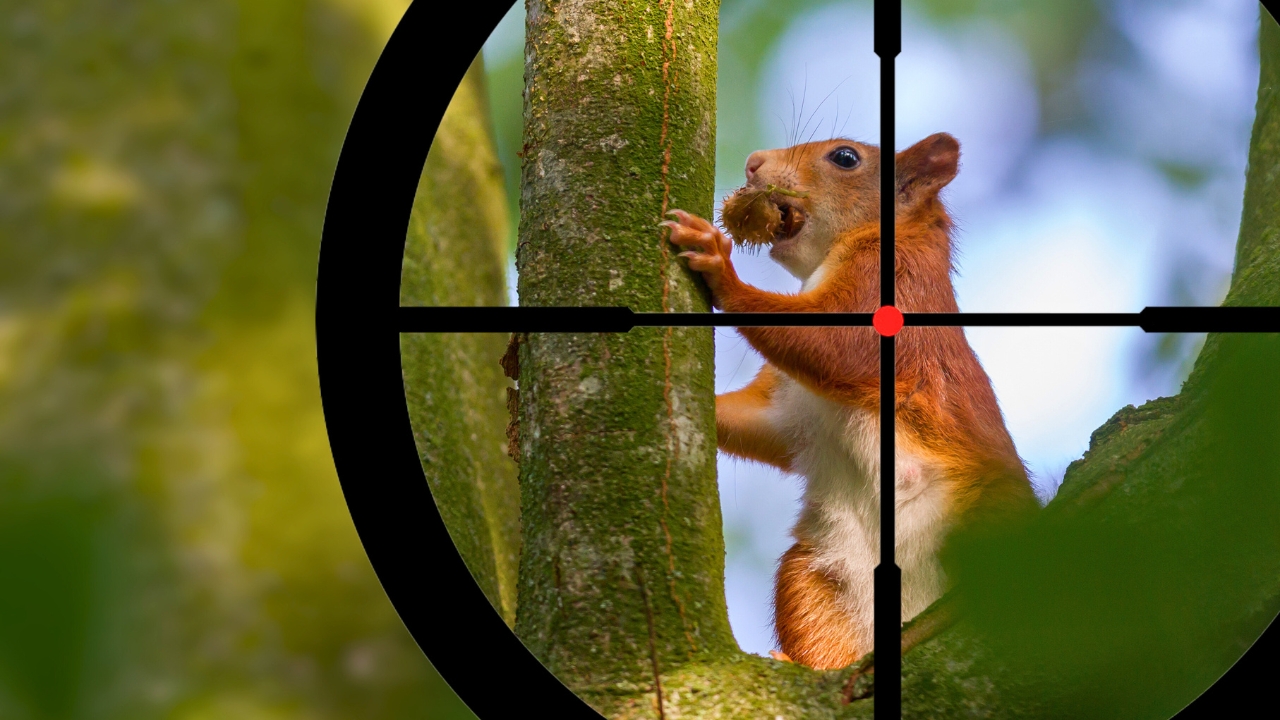
Shot placement is where consistency really shows up. With a rifle, Aiming right behind the ear or at the base of the head gives you a clean, ethical kill and protects most of the meat. If the angle is not perfect, waiting a few seconds for the squirrel to turn or climb often opens a better window, especially when you are patient on a stand or during a slow still-hunt. When you are using a shotgun, centering the bead on the front half of the squirrel and letting the pattern do the work keeps cripples to a minimum. Combine that discipline with the three core moves, and you are no longer just “out squirrel hunting.” You are running a simple, repeatable system that finds the food, uses the cover, and turns every encounter into a high percentage shot.
Like The Avid Outdoorsman’s content? Be sure to follow us.
Here’s more from us: