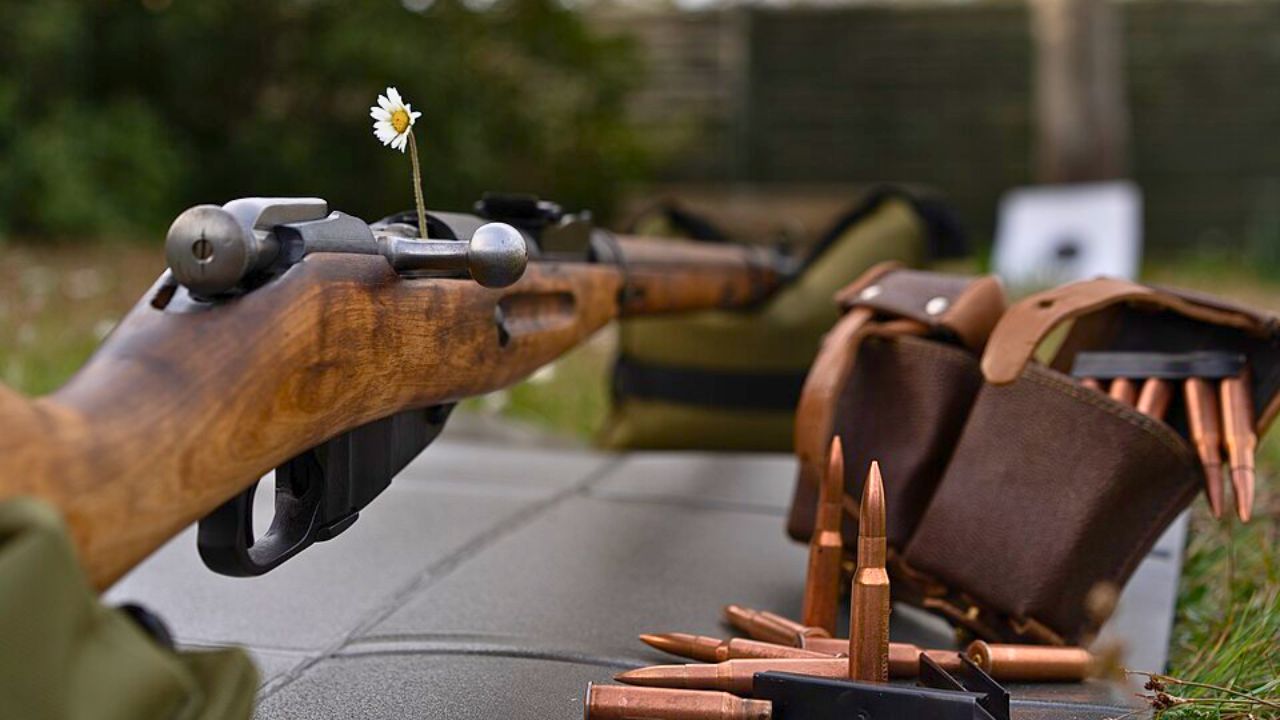
Photo credit: By Falcon® CC BY-SA 2.0, /Wikimedia Commons
Collectors don’t usually regret passing on the flashy stuff. You regret the gun that felt “too common” at the time, the one you handled at a show and put back because you figured there’d be another. Then ten years go by, that model dries up, and suddenly the same gun is selling for real money—especially if it’s clean, original, and still has the box.
A lot of this comes down to timing. Imports get cut off. A manufacturer changes hands. A classic design gets “updated” into something that doesn’t feel the same. Police trade-ins vanish. Military surplus stops coming. And the versions you used to see everywhere become the versions guys hoard.
Here are 15 firearms collectors still kick themselves for passing on. Not because they were rare at the time—but because they were right there, within reach, and now they’re harder to find in the condition you’d actually want.
Colt Python (original production)

If you ever handled an older Colt Python and thought, “I’ll grab one later,” you’re not alone. Original Pythons were once the kind of revolver you’d see in pawn cases and gun shops without much ceremony. The mistake was assuming that supply would stay steady forever.
What collectors chase now is condition and originality—finish, timing, lockup, and grips that haven’t been swapped a dozen times. The Python sits in that sweet spot where serious craftsmanship meets mainstream demand. Even folks who don’t normally collect revolvers want one, and that pushes prices in a way you feel in your gut when you remember what they used to cost.
Heckler & Koch P7M8
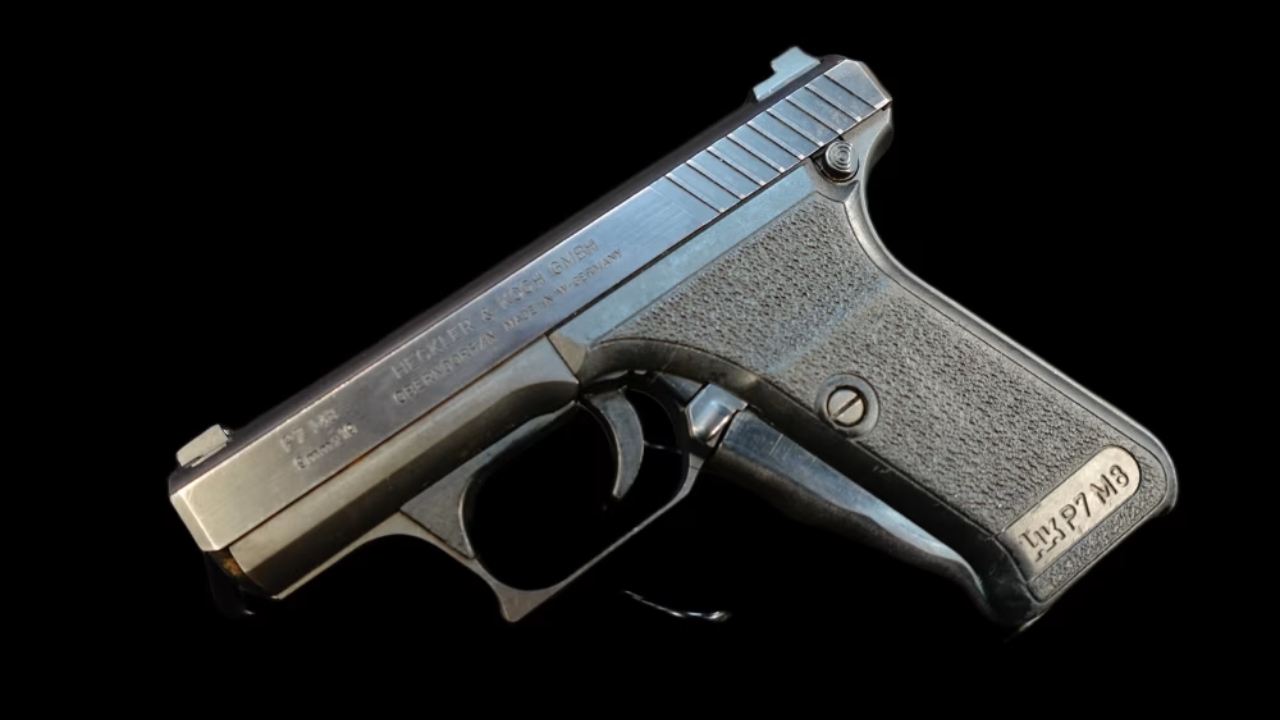
The HK P7M8 is the classic example of a “weird” pistol that later becomes a cult favorite. Back when they were more available, a lot of shooters passed because the squeeze-cocker felt unfamiliar, the gun got hot during long strings, and magazines weren’t cheap.
Collectors look at it differently. The P7 is compact, accurate, and engineered like it came from a different era—because it did. Police trade-ins used to be a real opportunity, and that window closed fast. If you skipped one because it didn’t fit the trends of the moment, you probably still remember the first time you saw what clean examples started selling for.
Browning Hi-Power (Belgian-made)

The Belgian-made Browning Hi-Power is one of those pistols people treated like a “classic shooter” until it started becoming a “classic collectible.” When they were easy to find, it was tempting to say you’d buy one later, or to grab a rough one and plan a refinish.
The regret comes from realizing what collectors actually want: originality, finish, matching parts, and the right markings. The Hi-Power has history, a timeless profile, and a fan base that never really shrank. Once production ended for the traditional versions, the market got serious. If you handled a clean Belgian example and talked yourself out of it, you probably still remember that decision every time you see current asking prices.
SIG Sauer P210 (Swiss)

A Swiss SIG P210 is the kind of handgun you talk yourself out of because it feels like a luxury. It’s not cheap, it’s not high capacity, and it doesn’t match the modern “duty pistol” mindset. That’s exactly why collectors keep kicking themselves for letting them slip by when they were merely expensive instead of borderline unreachable.
The P210 has a reputation for precision that isn’t marketing fluff. The fit, the trigger, and the way it shoots make it feel like a serious piece of work. Add limited supply and strong demand from both shooters and collectors, and you’ve got a perfect storm. If you ever saw one with the right markings and condition and decided to wait, you already know how that story usually ends.
Colt Diamondback
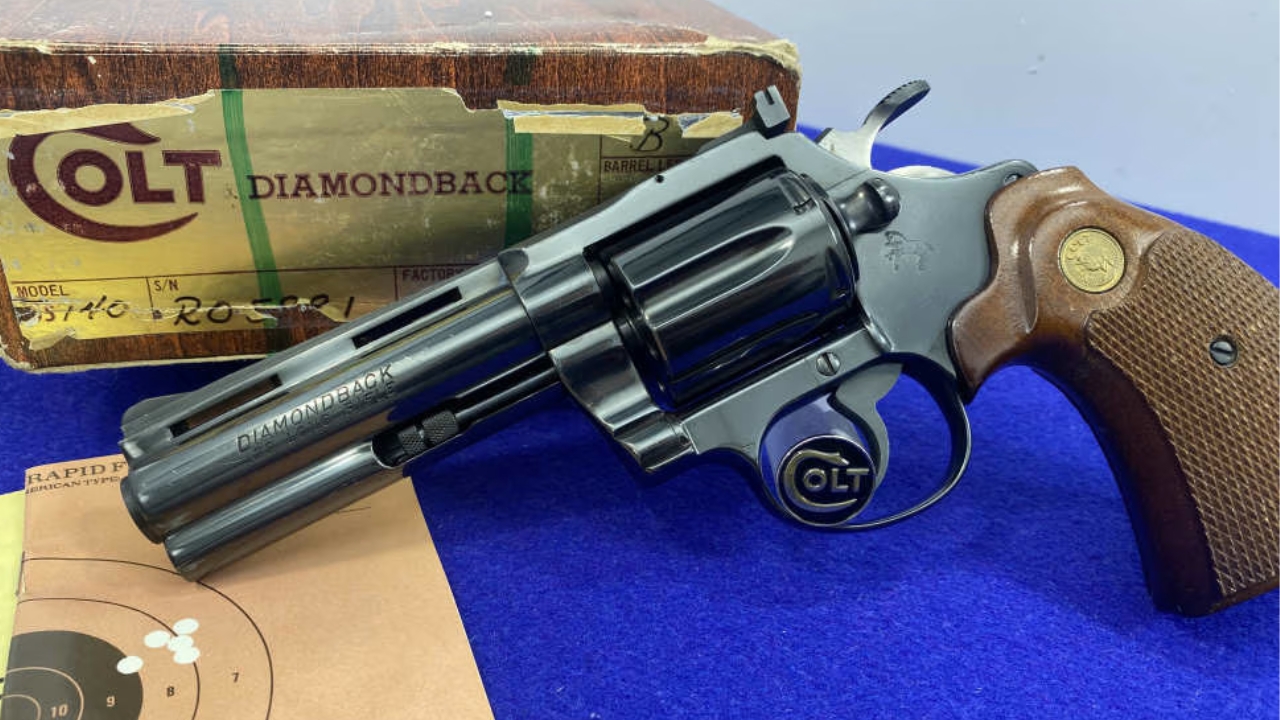
The Colt Diamondback used to be the revolver people called “a nice .22” or “a slick .38,” like it was a step below the Python. Plenty of folks passed because they wanted the bigger name, or they assumed Diamondbacks would always be floating around in used racks.
Now you see why collectors chase them. They have that Colt look and feel, they balance well, and they sit right in the center of the vintage revolver market where demand stays high. Clean Diamondbacks—especially the ones that haven’t been modified—don’t last long when they show up. If you passed on one because it didn’t feel like a headline gun at the time, it probably turned into a regret you still feel when you scroll listings.
Smith & Wesson Model 41

The Model 41 is one of those pistols that collectors regret ignoring because it’s “only a .22.” Then you spend time behind one and realize it’s not a casual plinker. It’s a purpose-built target pistol with a reputation that’s been earned over decades, and it’s been respected by serious shooters for a long time.
The regret usually starts with a clean, older example you didn’t buy because you figured you’d stumble into another later. The problem is that condition rules everything with guns like this. A pristine Model 41 with correct parts, finish, and magazines is a different animal than a well-used range gun. Collectors chase the good ones, and they don’t come back around often once they disappear into a safe.
Winchester Model 70 (pre-64)
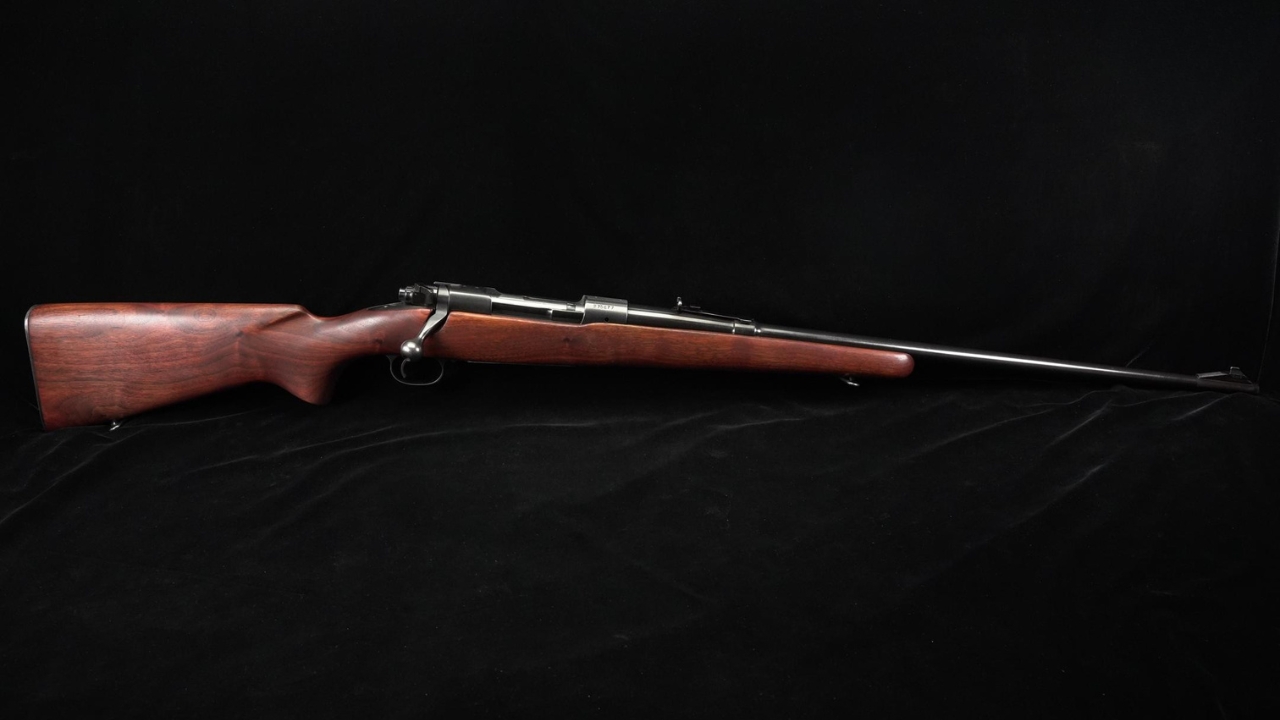
A pre-64 Winchester Model 70 is one of the most common “I should’ve bought it” stories in gun shops. For years, you could find them in honest hunting condition and talk yourself into waiting because they were everywhere. Then “everywhere” turned into “where’d they all go?”
Collectors care about details—stock condition, original finish, correct sights, and chambering. But even beyond collecting, the pre-64 Model 70 carries a reputation that keeps demand high across generations. If you passed on one because it showed a little wear, you probably understand now that honest wear is normal and clean originals don’t get cheaper with time. It’s the definition of a rifle that got away.
Marlin 336 (JM-stamped)
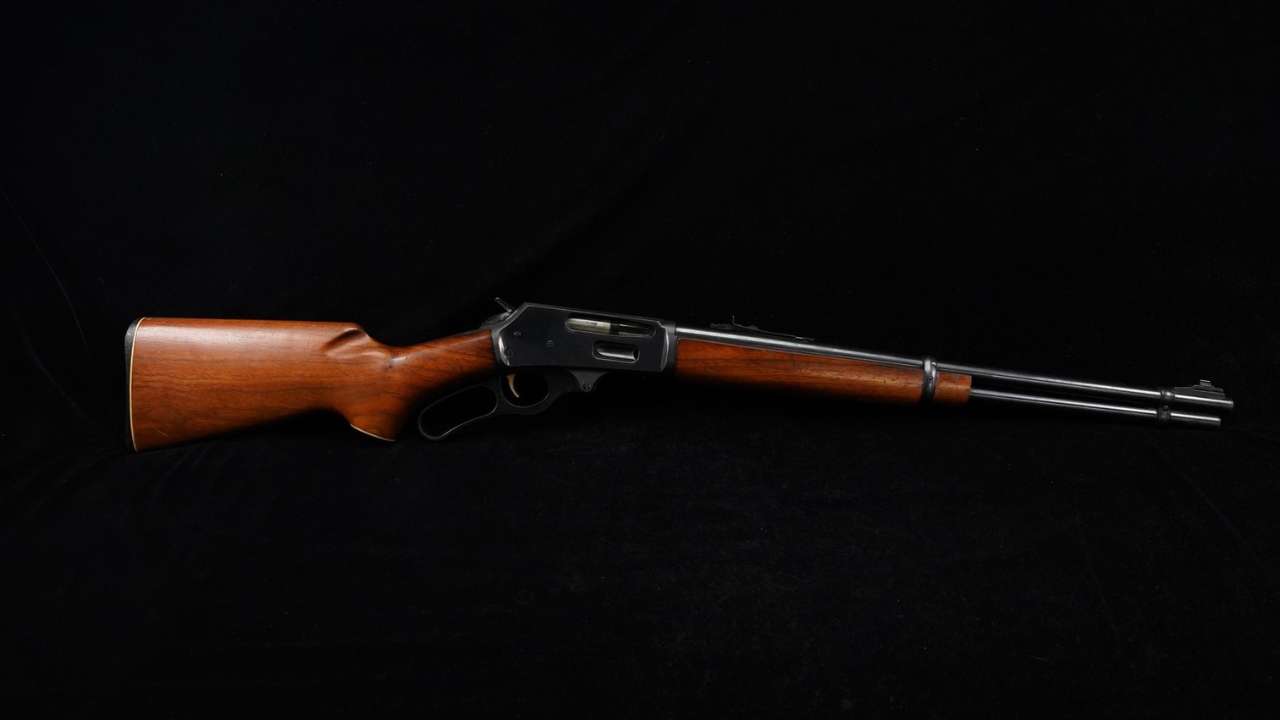
JM-stamped Marlin 336 rifles used to be working guns you’d find in closets, trucks, and racks behind doors. Then production changes hit, and suddenly everyone started paying attention to roll marks and build eras. That’s when the regret started.
Collectors chase the older Marlins because they want the feel and fit many shooters associate with the “classic” years. The 336 also sits in a cartridge family that stays useful, and lever guns have a way of staying popular even when trends shift. If you ever saw a clean 336 with the right stamp, good wood, and a straight sight picture and decided you’d come back for it, you probably learned the hard way that someone else was already eyeing it.
Colt SP1 (early AR-15)
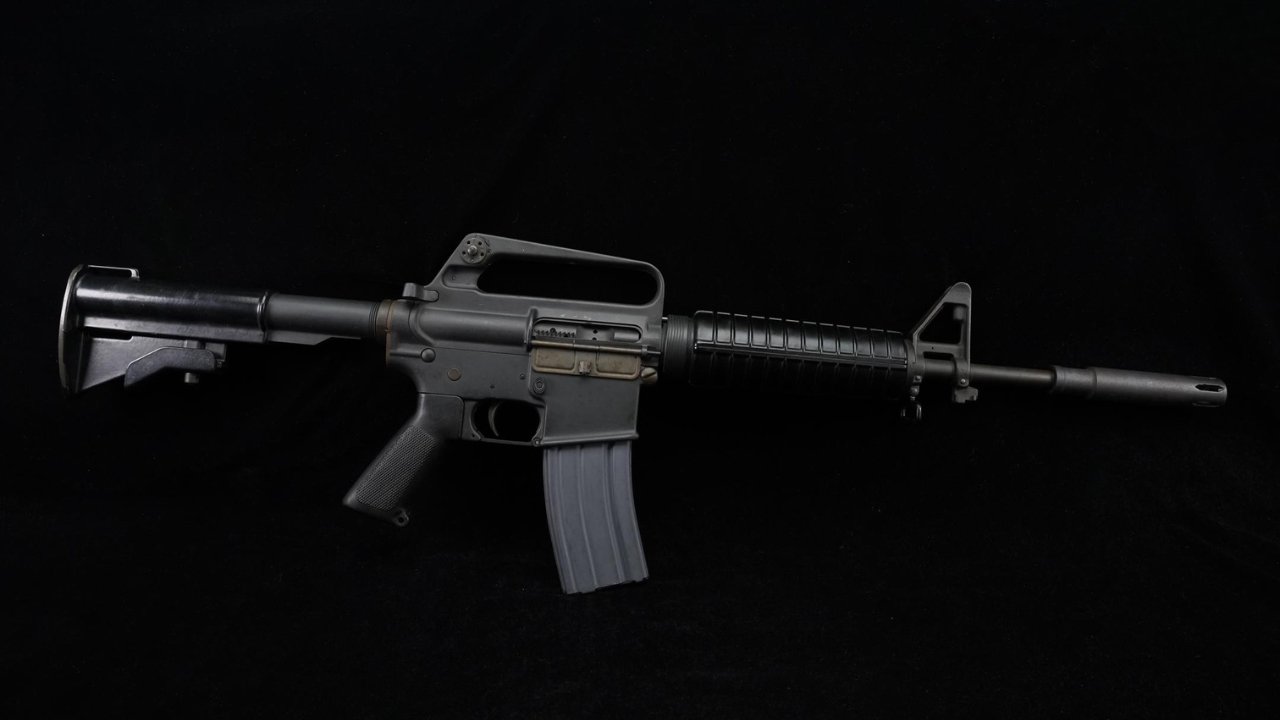
Early Colt SP1 rifles were once the AR you bought when you wanted something light, clean, and close to the early pattern. A lot of shooters treated them like “old ARs” rather than collectible Colts. Plenty got passed over, modified, or used hard because nobody thought the early configurations would matter the way they do now.
Collectors want originality: correct furniture, markings, finish, and parts that haven’t been swapped out to chase modern features. The SP1 sits right in the middle of American rifle history, and the market reflects that. If you ever saw one at a price that felt high at the time, you probably remember that number now as the kind of deal you wish you could find again.
Remington Nylon 66

The Remington Nylon 66 is the kind of rifle people used to dismiss as a “kid’s .22” until they realized how well it holds up and how hard it is to replace with anything that feels the same. They were affordable, they ran, and they got used hard—which is exactly why clean ones are harder to find now.
Collectors chase original condition and the right color variants, but the bigger story is that the Nylon 66 became a time capsule of a particular era. It’s lightweight, reliable for what it is, and tied to a lot of people’s first real shooting memories. If you passed on one because it didn’t feel fancy, you probably understand now that “not fancy” doesn’t mean “not collectible.”
Ruger Red Label

Ruger’s Red Label shotgun is a classic “buy it when you see it” gun, and a lot of people didn’t. For years, it was a solid American over/under that showed up used at reasonable prices, especially if it had a few hunting marks on it. Then availability shifted and the market tightened.
Collectors value clean examples because over/unders get carried, bumped, and hunted hard. A Red Label that still looks right—good wood, unmodified parts, clean bores—doesn’t sit long. It’s also tied to a period when an American-made over/under at that price point meant something. If you ever handled one and told yourself you’d grab it later, you’ve probably noticed that “later” costs more and offers fewer good options.
Winchester Model 12

The Winchester Model 12 is one of those shotguns you could once find in almost any condition and any price range, and that abundance made people lazy. You’d see a clean one and assume it would still be there next month. Then the clean ones started disappearing first.
Collectors want originality and condition, but they also chase specific variations and gauges. The Model 12 has history, it has a feel modern pump guns don’t replicate, and it carries a reputation that keeps demand steady. A lot of regret comes from passing on a tight, clean example because you focused on something newer. When you circle back later, you realize the remaining ones are either worn out, altered, or priced like someone else already learned the lesson.
CZ 75 Pre-B
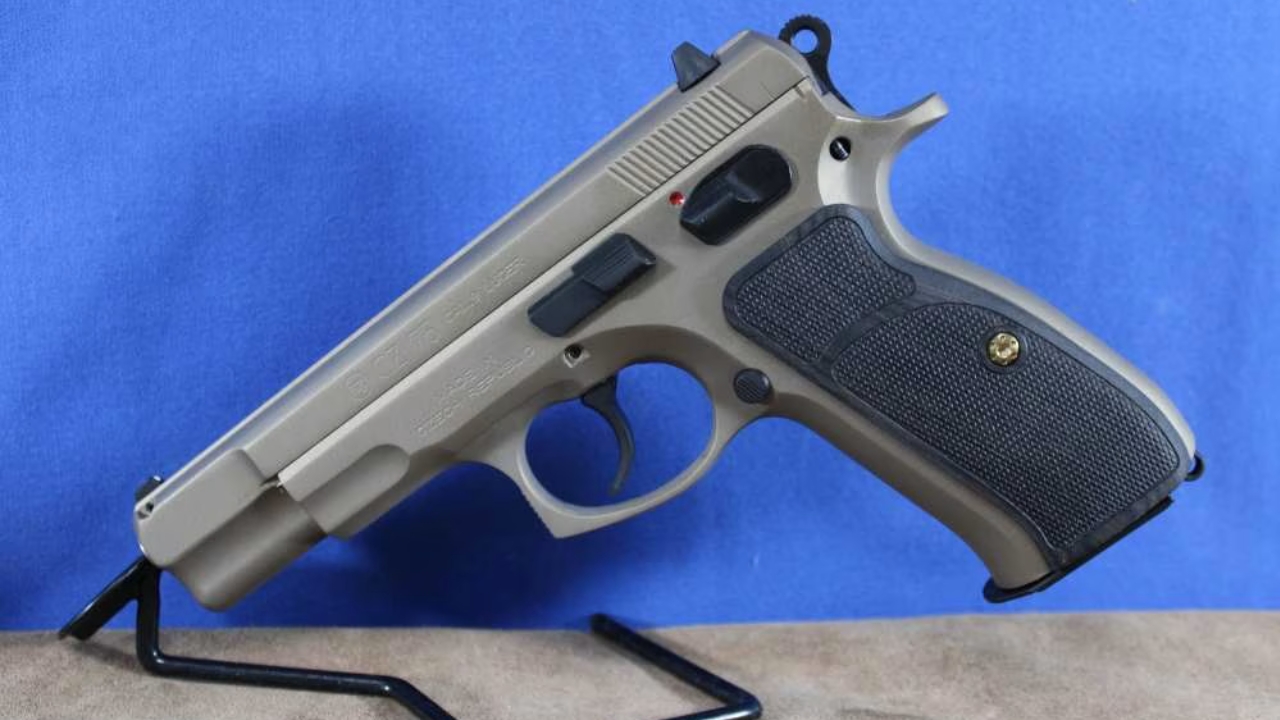
A CZ 75 Pre-B is a pistol many shooters used to treat like “a cool old CZ,” nothing more. They were affordable compared to other classics, and you could find them without hunting too hard if you paid attention. Then the collector market started noticing the early features and the clean, original examples.
The regret usually comes from passing on one because you didn’t think the exact variant mattered. Pre-B guns have their own appeal, and collectors tend to be picky about markings, finish, and originality. The CZ 75 also has a reputation as a shooter, so demand isn’t limited to collectors who never fire their guns. If you let a clean Pre-B go because you thought you’d find another, you already know how that search tends to go now.
Ruger No. 1
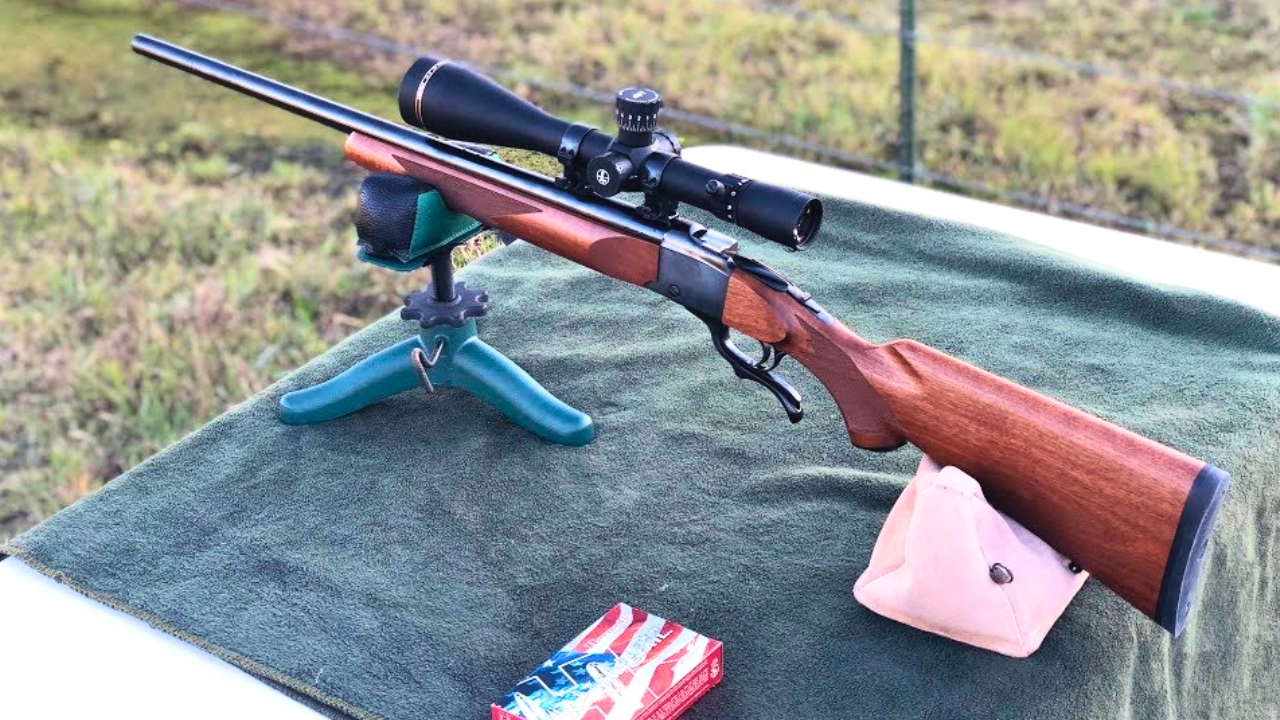
The Ruger No. 1 is a rifle people pass on because it doesn’t fit their practical brain. It’s a single-shot, it’s not fast, and it’s not what most folks carry when they’re thinking about maximizing options. Then you shoulder one, feel the balance, and realize it offers something modern rifles don’t.
Collectors chase certain chamberings and configurations, but the broader regret comes from ignoring them when they were easier to buy. No. 1 rifles have a look and feel that attract both hunters and collectors, and they didn’t get treated gently in the field. Clean examples and desirable calibers don’t sit. If you ever had a chance at a good one—especially in a harder-to-find chambering—and told yourself it wasn’t practical enough, you’ve probably felt that decision since.
Smith & Wesson Model 19 (pinned and recessed era)

Older S&W Model 19 revolvers were once the “buy it used and carry it” K-frame .357 that you could find without much effort. A lot of people passed because they assumed there would always be another, or they were chasing bigger-frame magnums and ignoring the revolvers that actually got carried and used.
Collectors value the earlier production details and overall condition, and that’s where regret lives. These guns got holster wear, got shot, and often got modified. A clean, correct Model 19 with good timing and original finish is harder to find than most people expect. The Model 19 also hits a real balance—easy enough to carry, serious enough to matter—which keeps demand high. If you passed on a clean one for a “better deal later,” you probably learned how rare later can be.
Belgian FN FAL (pre-ban imports)

The FN FAL is one of those rifles people used to see as “cool military stuff” without realizing how quickly the import landscape can change. Pre-ban and higher-quality imports became harder to find, and once supply tightened, collector interest didn’t fade—it got sharper.
Regret usually comes from passing on a clean example because it felt like a lot of money at the time. Then you watch the market and realize the rifles that stay desirable are the ones with the right markings, build quality, and originality. The FAL also has a reputation that keeps it relevant beyond collecting. It’s a historic rifle with a serious following, and good examples don’t grow on trees. If you ever had a shot at a clean FN-marked or high-quality import and walked away, you probably still remember that moment clearly.
Like The Avid Outdoorsman’s content? Subscribe to our newsletter so you never miss an article.
Here’s more from us: