
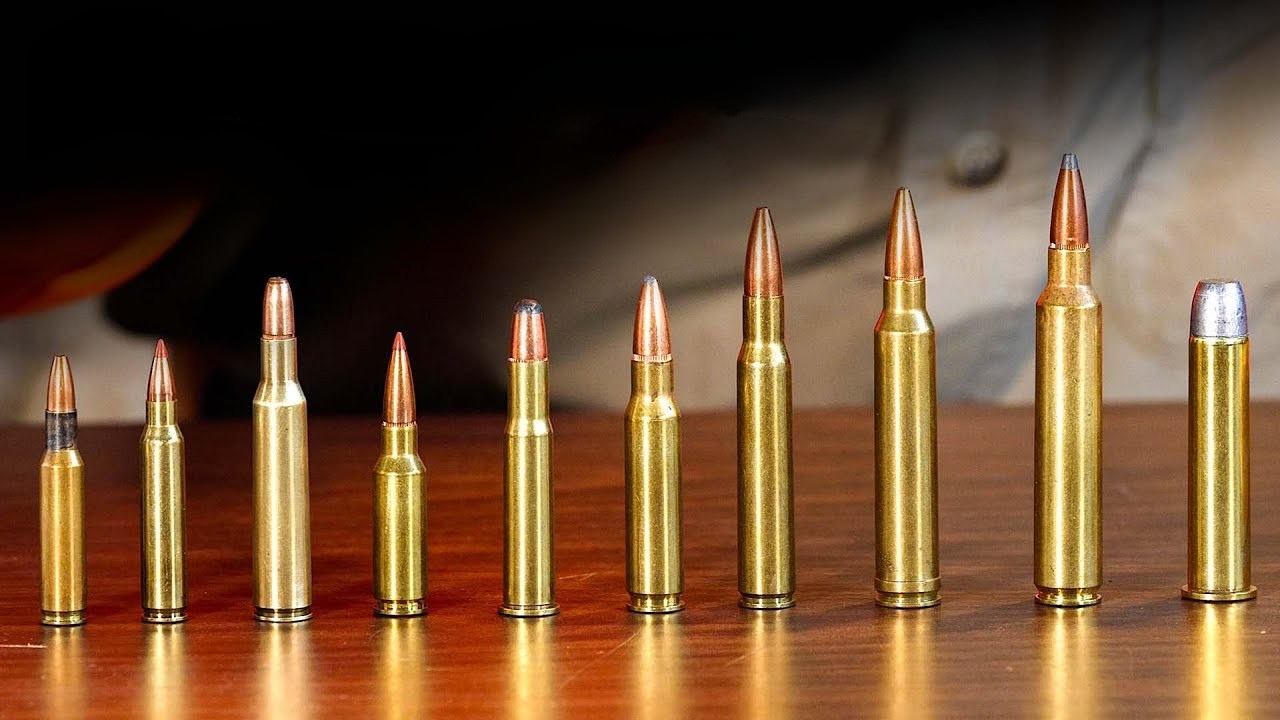
Photo credit: Ron Spomer Outdoors/YouTube
A lot of cartridge talk gets pulled toward the edges now. People want flatter trajectories, more speed, more energy, and more performance at distances many hunters will never actually shoot in the field. There is nothing wrong with capable long-range cartridges, but normal hunting distances still matter a lot more than internet conversations sometimes admit. In woods, broken country, crop edges, senderos, and most practical field setups, hunters are still taking game at ranges where good shot placement matters more than chasing every last ballistic advantage.
That is exactly why some rifle cartridges keep hanging around and keep earning trust. They are not exciting because they are extreme. They are useful because they are enough. They give hunters practical recoil, dependable terminal performance, broad rifle and ammo availability, and real confidence inside the ranges where most animals are actually shot. A cartridge does not need to dominate a 500-yard debate to remain valuable. It only needs to keep working where real hunters keep using it.
.30-30 Winchester

The .30-30 still works at normal hunting distances because it was practically built around them. In woods, creek bottoms, thickets, and other places where shots happen quickly and inside sensible yardage, it remains one of the most straightforward deer cartridges a hunter can carry. It offers enough authority to handle deer and hogs cleanly, and it does it in rifles that tend to carry well and come to the shoulder fast when time is short.
That is why the cartridge never really needed to win long-range arguments. It only needed to keep doing the kind of work many hunters actually ask of a rifle each fall. Lever guns chambered in .30-30 remain handy, dependable, and easy to trust inside their lane. At ordinary ranges, that combination still makes a lot of practical sense, and a lot of experienced hunters know it.
.308 Winchester
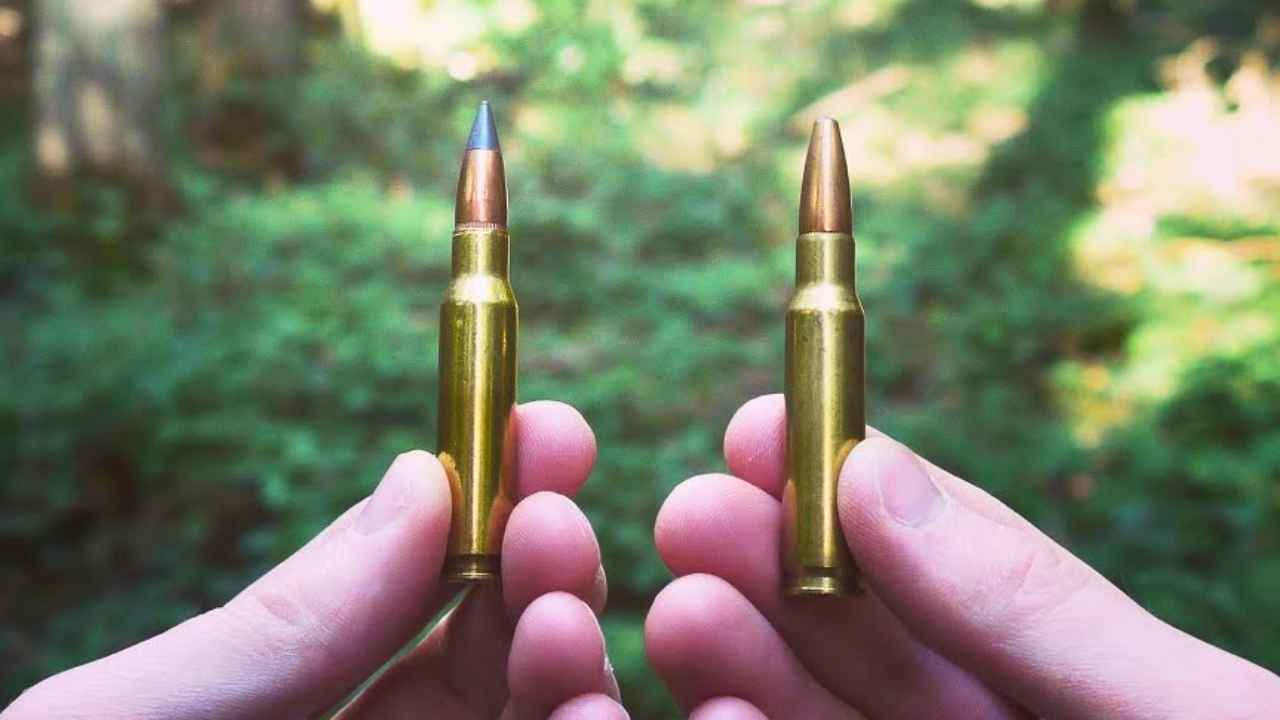
The .308 still works at normal hunting distances because there is very little mystery left in what it does well. Deer, hogs, black bear, and larger game with the right bullet are all firmly inside its comfort zone, and the cartridge handles those jobs without needing a long explanation. It offers practical recoil, broad rifle availability, and the kind of dependable field performance that makes a hunter’s life easier instead of more complicated.
At typical distances, the .308 feels especially useful because it does not ask for much in return. Most hunters can shoot it well, factory ammo is easy to find, and results on game have been proven for years. It may not be the flattest or flashiest option in the rack, but inside the ranges where most real hunting happens, it still behaves like one of the smartest all-around answers available.
.30-06 Springfield

The .30-06 still works at normal hunting distances because it remains one of the broadest practical hunting cartridges ever built. For deer, hogs, elk, and more, it still offers enough flexibility that most hunters never feel under-equipped. At ordinary field ranges, it has more than enough authority, and that extra margin can give people confidence without forcing them into an oddball or specialty cartridge they have to explain every time it comes out of the case.
It also remains useful because the tradeoffs are still manageable for most experienced shooters. Recoil is real, but not out of hand, and rifle options are everywhere. At normal hunting ranges, the .30-06 does not need to prove anything dramatic. It simply keeps doing the same solid work it has done for generations. That kind of repeated usefulness is exactly why it still belongs in camp.
.270 Winchester
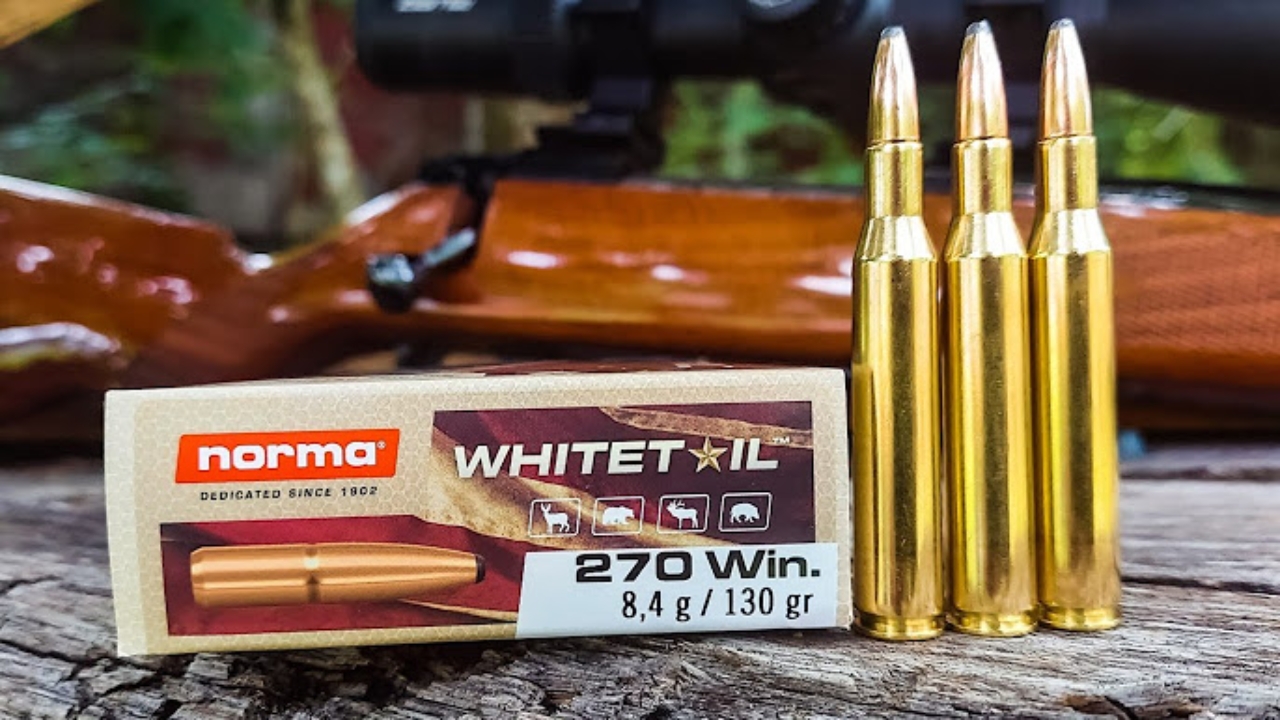
The .270 still works at normal hunting distances because it brings a very practical balance to deer and open-country hunting without demanding too much from the shooter. It offers enough reach to feel comfortable when fields open up, but it is just as capable inside ordinary yardage where many deer are actually taken. The recoil is manageable for a lot of hunters, and the cartridge has been proving itself long enough that nobody really has to guess how it behaves.
What helps it hold its ground is that it feels useful without being dramatic. A lot of people hear “flat shooting” and immediately think long range, but the .270’s real value at normal hunting distances is that it stays easy to trust. You zero it, learn it, and take it hunting. When a cartridge remains that straightforward while still hitting with real authority, it tends to stay relevant for a very long time.
.243 Winchester
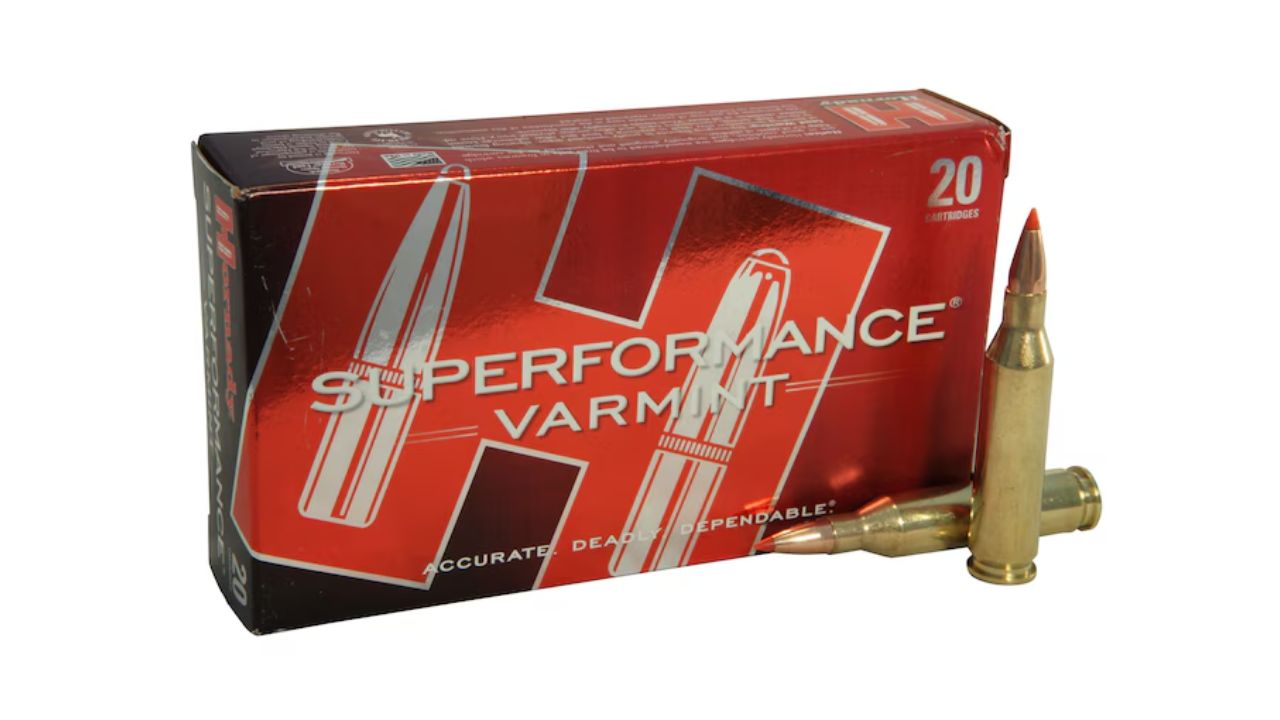
The .243 still works at normal hunting distances because deer-sized game does not demand punishment at the shoulder to be hunted effectively. For younger hunters, smaller-framed shooters, and anyone who values comfort and confidence, the .243 remains one of the most practical choices around when paired with the right bullet and sensible shot placement. It offers mild recoil, useful accuracy, and enough performance to handle common hunting situations cleanly.
At ordinary ranges, that shootability becomes a major advantage. Hunters who are not flinching usually place shots better, and cartridges that encourage better shooting tend to survive. The .243 may not be the answer to every species or every hunting style, but inside its role it still works extremely well. Normal distances are exactly where it continues to make the most sense.
7mm-08 Remington

The 7mm-08 still works at normal hunting distances because it sits in a very smart middle ground. It carries enough performance for deer, hogs, and even larger game with proper bullets, while keeping recoil at a level many hunters find easy to manage. That alone makes it practical. A cartridge that lets people shoot comfortably and still hunt seriously tends to keep its place no matter what newer rounds are trying to sell.
At typical field distances, the 7mm-08 often feels like more than enough without feeling excessive. It works well in short-action rifles, handles cleanly on game, and usually gives hunters the sense that they are carrying a very efficient tool. That kind of balance is hard to improve on in a meaningful way, which is why the cartridge still has loyal support from people who actually spend time using it.
.35 Remington
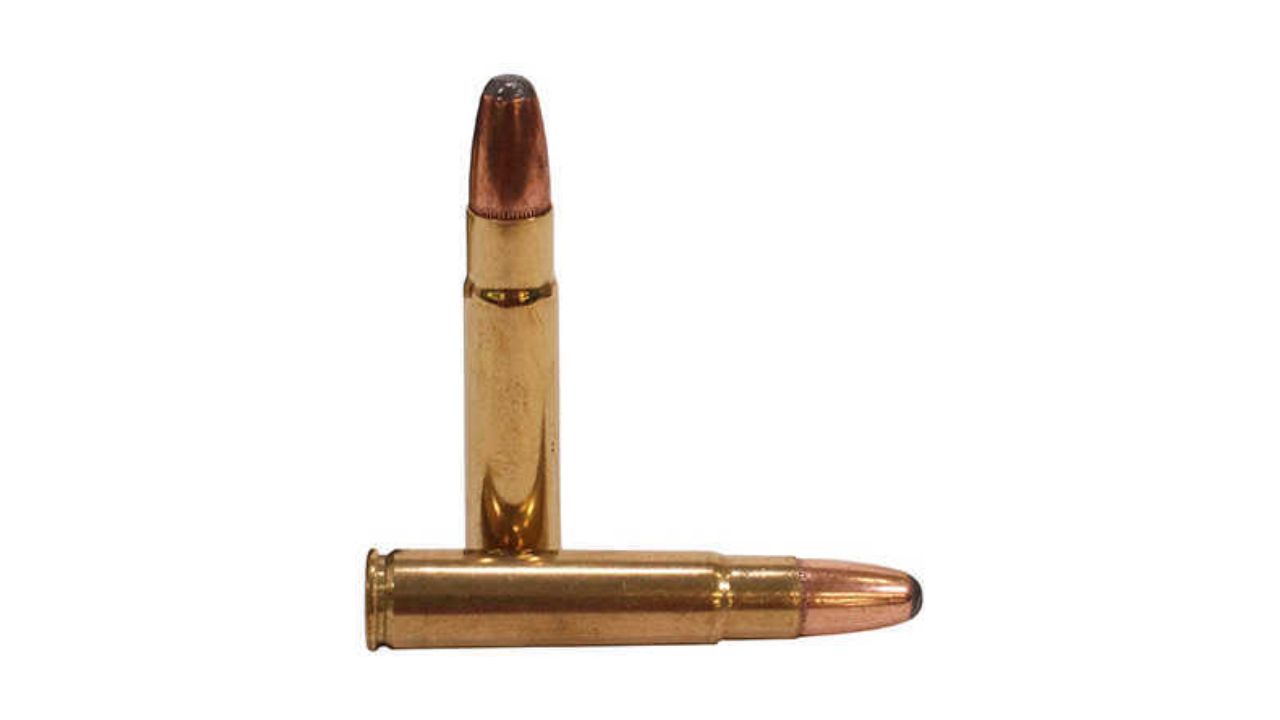
The .35 Remington still works at normal hunting distances because its lane remains very real. In thick country, on moving deer, and in places where shots stay close and quick, the cartridge keeps doing what it always did well. It throws a heavier bullet with real authority, and in the right lever gun it gives a hunter a rifle that feels made for ordinary woods hunting instead of for range-day discussion.
That is why it still deserves respect. It was never supposed to be a long-range round, and holding it to that standard misses the point. At the distances where a lot of woods deer are actually taken, the .35 Remington remains direct, effective, and easy to trust. Cartridges like that stay useful because the hunting conditions they were designed for still exist all over the place.
.45-70 Government

The .45-70 still works at normal hunting distances because there are still many hunting situations where a big, heavy bullet at moderate range makes excellent sense. Thick timber, brushy hog country, black bear cover, and short-to-moderate range deer hunting all keep this old cartridge very much alive. It is not a broad solution to every field problem, but inside ordinary ranges in the right environment, it remains extremely capable.
Hunters who carry a .45-70 are usually not confused about why they chose it. They want close-range confidence, a rifle that handles quickly, and a cartridge that settles things in a very direct way. That role has not disappeared. In fact, at normal distances, the .45-70 still feels more useful than a lot of supposedly more advanced cartridges built around problems many hunters do not actually have.
.25-06 Remington

The .25-06 still works at normal hunting distances because it combines mild-to-moderate recoil with speed and accuracy in a way that still makes deer hunting very straightforward. It is often talked about for its flatter trajectory, but even when you set that aside, it remains a highly practical cartridge inside ordinary ranges. Deer, antelope, and similar game are all handled very well by a cartridge that still encourages good shooting habits.
That matters because a lot of hunters do their best work with rounds that do not beat them up. The .25-06 continues to feel useful because it gives them a little extra reach without making range practice unpleasant. At normal distances, it stays precise, effective, and very easy to justify. There is a reason people who know the cartridge tend to stay loyal to it once they spend enough time with it.
.280 Remington
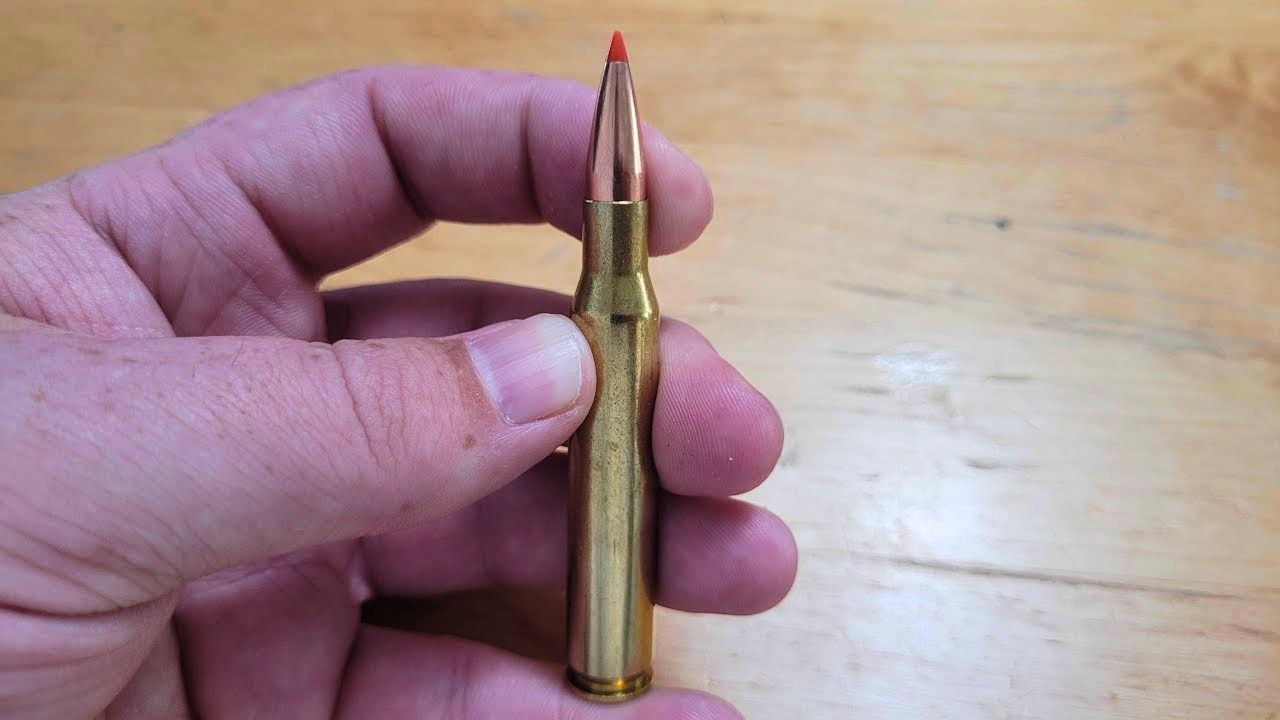
The .280 still works at normal hunting distances because it remains one of those cartridges that quietly does almost everything a practical hunter could ask without creating much drama. It gives deer hunters plenty of performance, offers enough versatility for larger game with the right bullets, and keeps recoil in a range many shooters handle well. That all-around usefulness helps it hold on even when it does not get pushed as hard as some bigger-name rounds.
At ordinary distances, the .280 feels especially sensible because it gives very little up while asking very little in return. It is not trendy, and that may actually help it. Hunters who use it tend to value what it does instead of what it is supposed to symbolize. A cartridge with that kind of honest field performance usually sticks around because it keeps proving there was never much wrong with it in the first place.
.44 Magnum

The .44 Magnum still works at normal hunting distances because deer hunting is not always done with bolt guns and centerfire rifle cartridges built for flatter flight. In carbines and lever guns, the .44 Mag remains very capable inside the ranges where many hunters still take deer every year. It offers strong close-range authority and fits well in rifles that are easy to carry, quick to shoulder, and very natural in thick cover.
That kind of use case is not going away. Plenty of hunters still operate in environments where 75 to 125 yards is more realistic than 300, and in those settings the .44 Magnum makes excellent sense. It is one more reminder that normal hunting distances often favor practical handling and dependable performance over high-speed theory. The .44 keeps working because the kind of hunting it suits still happens constantly.
.350 Legend

The .350 Legend still works at normal hunting distances because it was designed around a very practical set of needs. It offers mild recoil, respectable field performance, and a format that works especially well in straight-wall states where hunters needed something useful that did not punish them or complicate the season. That role alone would keep it relevant, but the cartridge also makes good sense for everyday deer distances even outside those regulations.
Inside normal ranges, it behaves like what many hunters actually need: enough power, enough control, and enough simplicity to stay easy to trust. It is not trying to dominate every category. It is trying to offer a practical deer cartridge for realistic field conditions. That tends to be a winning formula, especially when paired with rifles that are easy to carry and easy to shoot well.
.257 Roberts

The .257 Roberts still works at normal hunting distances because it remains one of those cartridges that rewards thoughtful hunters more than trend-chasers. Light recoil, useful speed, and very good deer performance keep it relevant in the places where ordinary shots happen and good placement matters most. It is not the loudest name in camp, but that never meant it lacked practical value.
At typical hunting distances, the Roberts still feels smooth, capable, and easy to live with. Hunters who spend enough time with cartridges like this often discover that they do not need as much speed or hype as the market keeps suggesting. They need a round they can shoot well and trust on game. The .257 Roberts continues to fit that description better than many people remember.
.300 Savage

The .300 Savage still works at normal hunting distances because it remains an honest deer cartridge built around practical field use rather than extremes. It has enough power for deer and similar game, works especially well in classic rifles, and still handles ordinary woods and field-edge hunting with very little complaint. It may not get mentioned as often today, but usefulness does not disappear because a cartridge got less fashionable.
Inside everyday hunting ranges, the .300 Savage still delivers the kind of performance that made it respected in the first place. Hunters familiar with it understand that it never needed to be something else. It needed to be dependable, manageable, and effective where deer are actually hunted, and it still does that. Old cartridges keep proving a simple point: normal distances do not require extraordinary solutions.
.32 Winchester Special

The .32 Winchester Special still works at normal hunting distances because it lives in much the same practical world as the .30-30, and that world remains very real. In lever guns, in woods hunting, and at ordinary ranges where shots happen without much warning, it still offers the kind of field performance that makes a hunter feel well equipped without carrying more rifle than the job requires.
Its staying power comes from the fact that it never needed to impress people outside its role. It only needed to work within it, and it still does. Hunters who use cartridges like the .32 Winchester Special often care less about what is trending and more about whether the rifle in their hands feels right in the places they actually hunt. At normal distances, that matters a great deal, and this cartridge still holds up.
Like The Avid Outdoorsman’s content? Subscribe to our newsletter so you never miss an article.
Here’s more from us:


