Photo credit: Chris F/Pexels.com
A lot of bad wildlife encounters start the same way: the animal didn’t look like a problem at first. It was calm, slow-moving, small, or just familiar enough that people didn’t take it seriously. That’s where mistakes happen. Distance gets cut, escape routes get blocked, people lean in for a better look, and suddenly the situation flips.
Wildlife agencies repeat this constantly—most animals don’t want trouble, but they will defend themselves, their young, or a food source if they feel pressured. And when that switch flips, it usually happens fast. The animals on this list aren’t always aggressive by default, but they’re the ones most likely to go from “no big deal” to “this was a bad idea” in a matter of seconds.
Deer

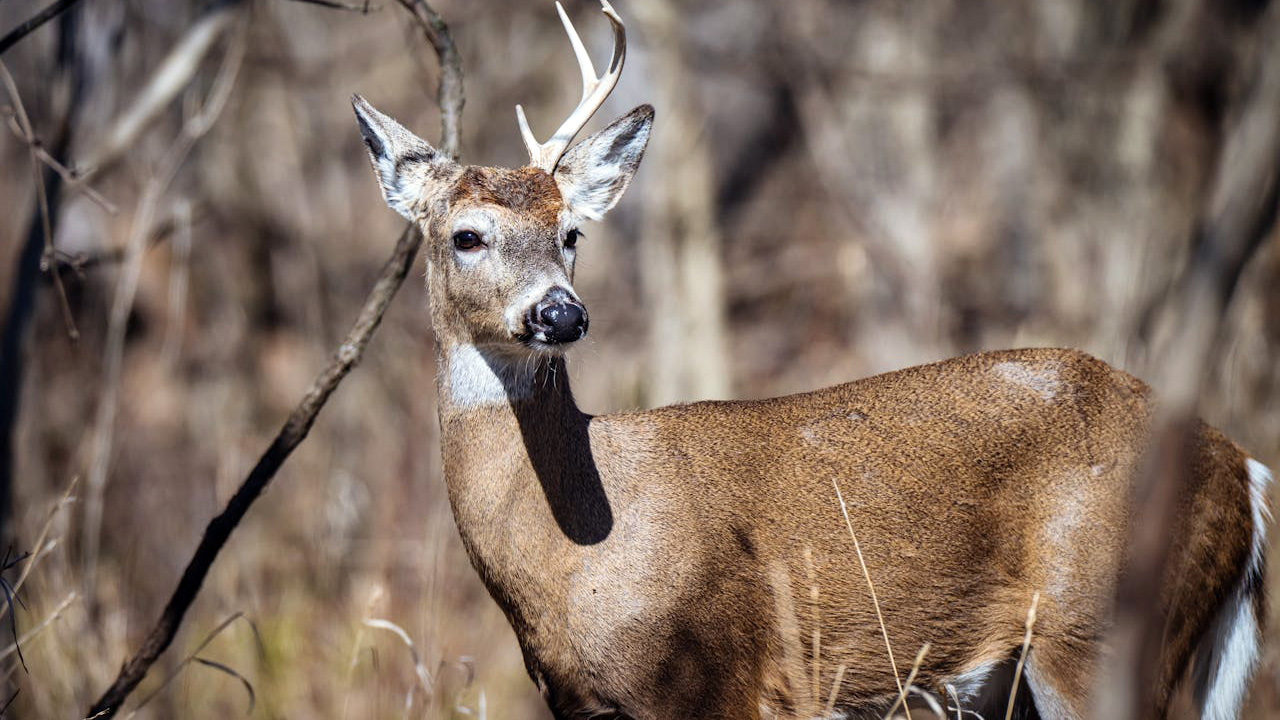
Deer are one of the most underestimated animals out there because people see them constantly and associate them with calm, quiet behavior. But a deer that feels cornered, especially a buck during rut or a doe protecting a fawn, can turn aggressive fast. They don’t need much of a reason if they think you’re too close.
What makes deer dangerous is their size and hooves. They can strike, stomp, and bolt through people without hesitation. Wildlife officials regularly warn that deer that appear tame can still be unpredictable. People forget that just because something is common doesn’t mean it’s safe up close.
Elk

Elk carry that same “it’s just a big deer” misunderstanding, and it gets people into trouble every year. They look slow and manageable at a distance, especially when they’re grazing, but that changes quickly if they feel crowded or irritated.
During rut or calving season, elk can be extremely defensive. They have the size to knock someone down and the temperament to do it if needed. A calm elk standing still doesn’t mean a safe elk. It just means nothing has triggered it yet.
Moose
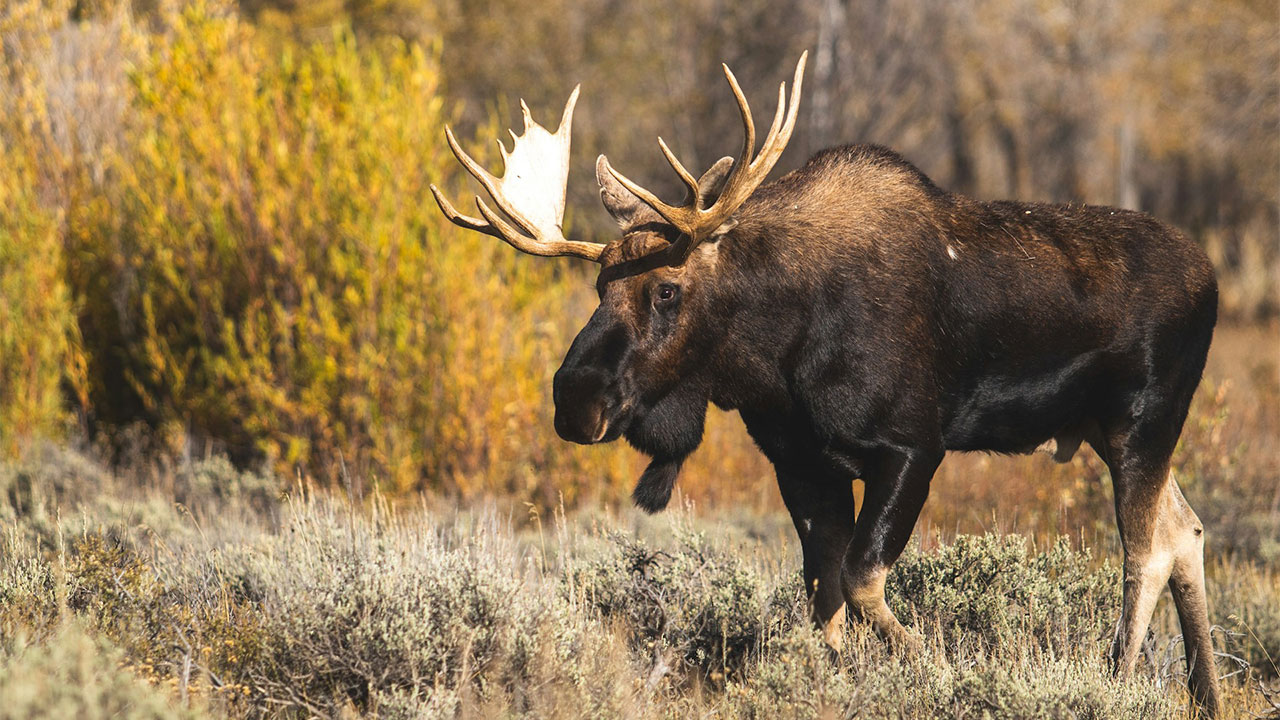
Moose might be one of the best examples of this whole category. They often look awkward and slow, almost like they’re not paying attention. That’s exactly why people get too close.
In reality, moose are fast, strong, and extremely willing to charge if they feel threatened. Cows with calves are especially aggressive. They don’t bluff much. If they decide you’re too close, they go straight to action. That’s where people get blindsided.
Bison

Bison look calm until they don’t. People treat them like oversized livestock, especially in places where they’re used to seeing them near roads or trails. That’s a mistake that keeps sending people to the hospital.
They can run much faster than most people expect and don’t need a long warning sequence. If you’re in their space, they’ll clear it. That switch from standing still to charging is what makes them dangerous to people who underestimate them.
Swans

Swans don’t look threatening at all, which is why they catch people off guard. Around parks, ponds, and neighborhoods, people treat them like decorative animals instead of territorial wildlife.
But a swan protecting a nest or young can come straight at you with wings, beak, and full commitment. They don’t hesitate once they decide you’re too close. It’s not about size—it’s about how fast they escalate when they feel pressured.
Geese
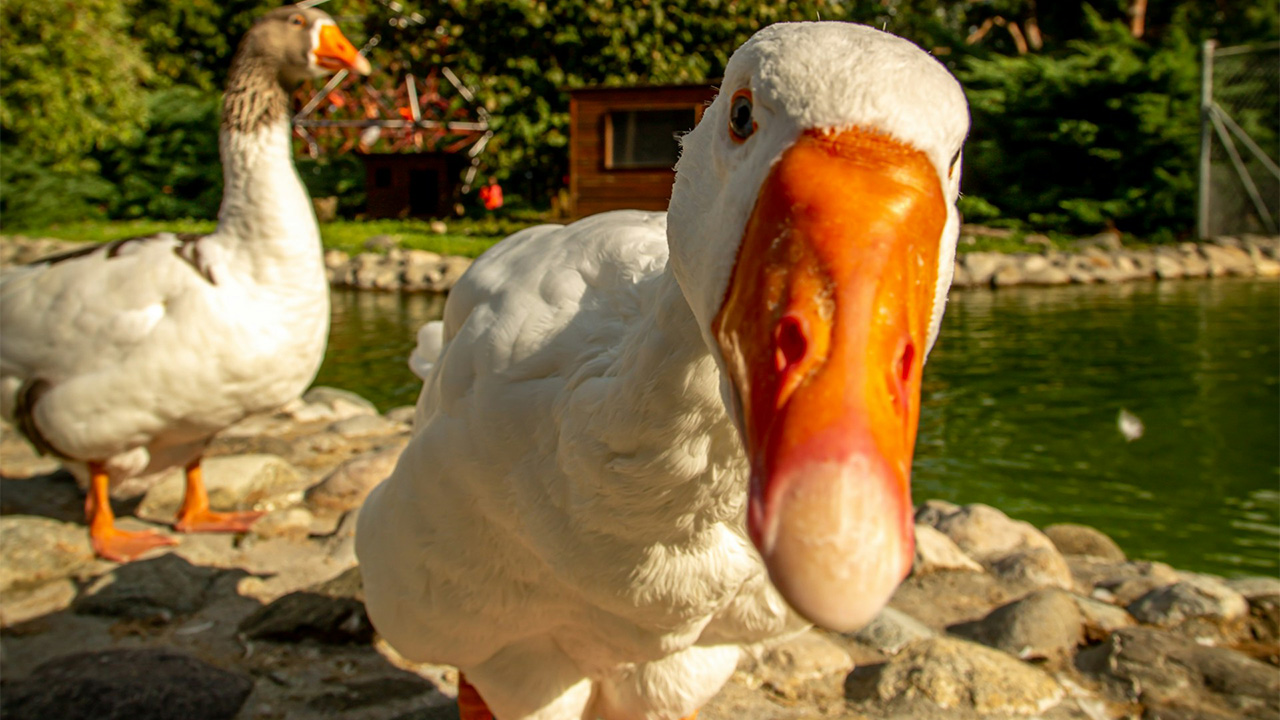
Geese fall into the same category, just more common and often more aggressive in developed areas. People get used to walking past them, feeding them, or ignoring them, and that builds a false sense of safety.
When they feel threatened, especially during nesting season, they can charge, bite, and knock people off balance. It doesn’t take much for them to go from background noise to a full-on problem, especially around kids or pets.
Raccoons
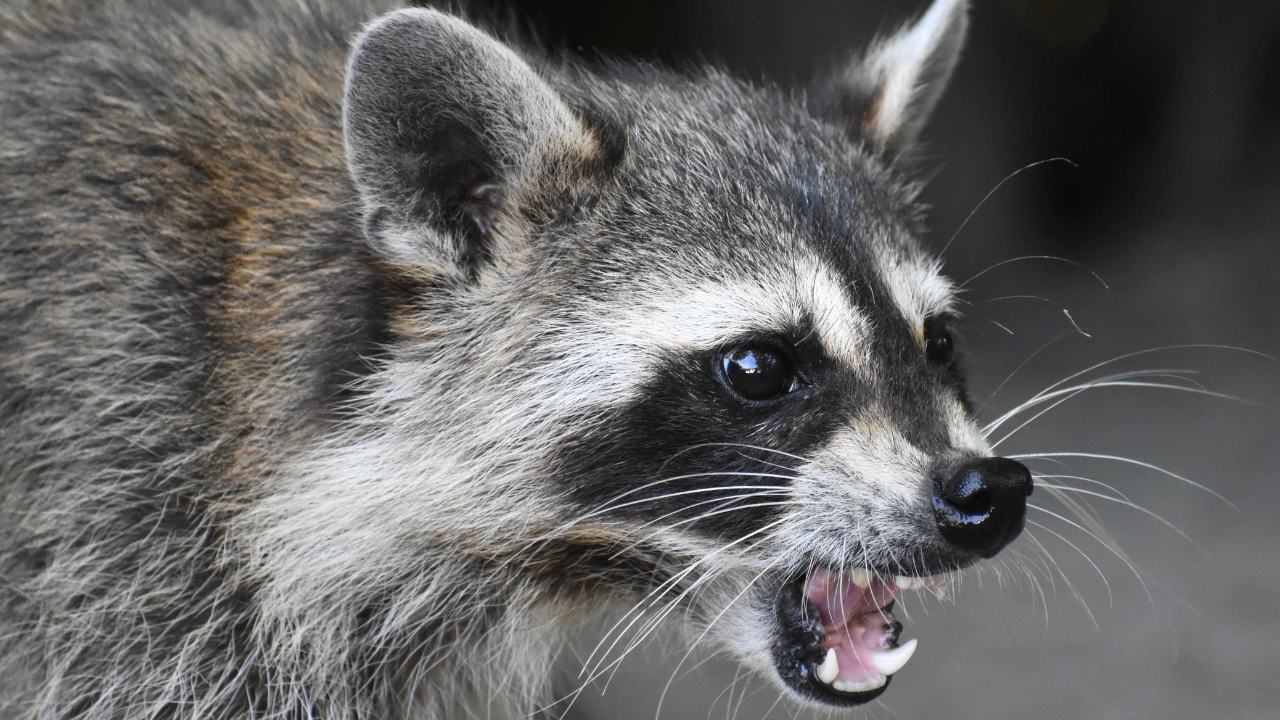
Raccoons look almost playful, especially around porches and campsites. That’s part of the problem. People get too close or try to scare them off without realizing how quickly they can turn defensive.
A cornered raccoon can be aggressive, fast, and unpredictable. They have sharp teeth and strong claws, and they don’t need much space to do damage. The shift from “just a raccoon” to “get away from me now” happens faster than people expect.
Opossums
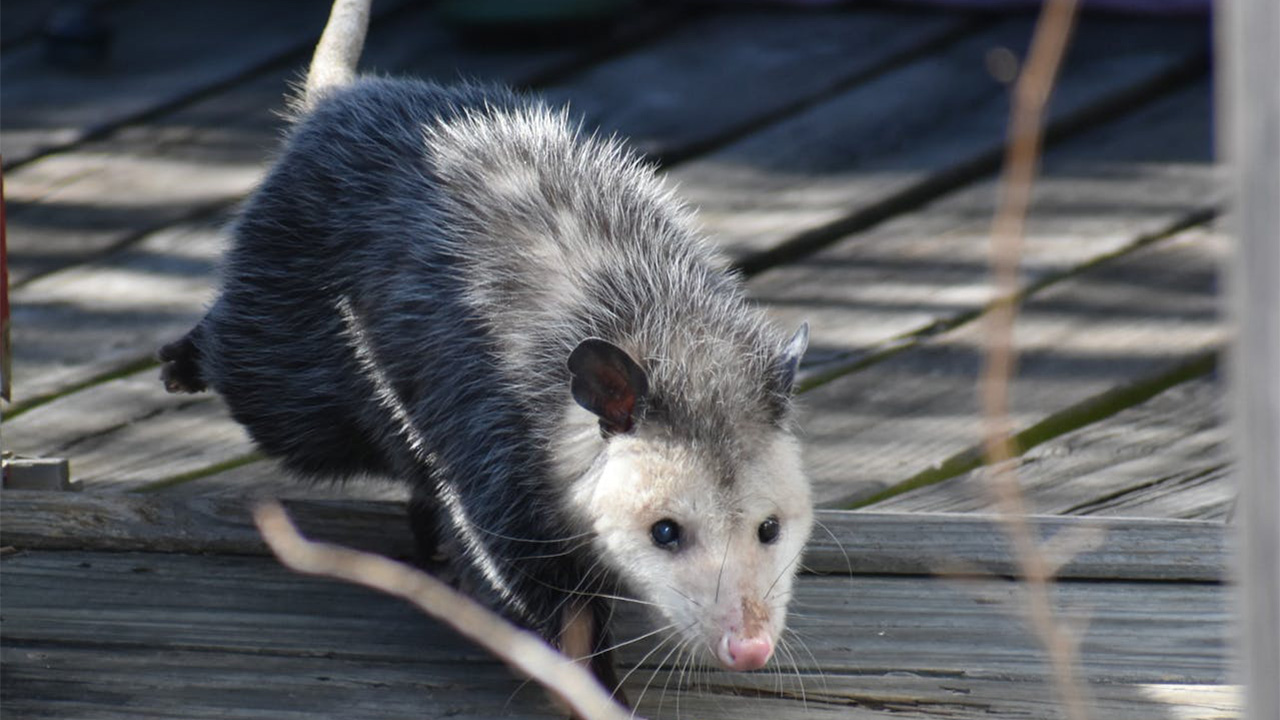
Opossums don’t look intimidating at all. They move slowly, freeze up, or play dead, which makes people think they’re harmless.
But if one feels trapped with no way out, it can hiss, bare teeth, and bite. They’re not looking for a fight, but they’re not defenseless either. People get too comfortable because of how they look, not how they react under pressure.
Coyotes
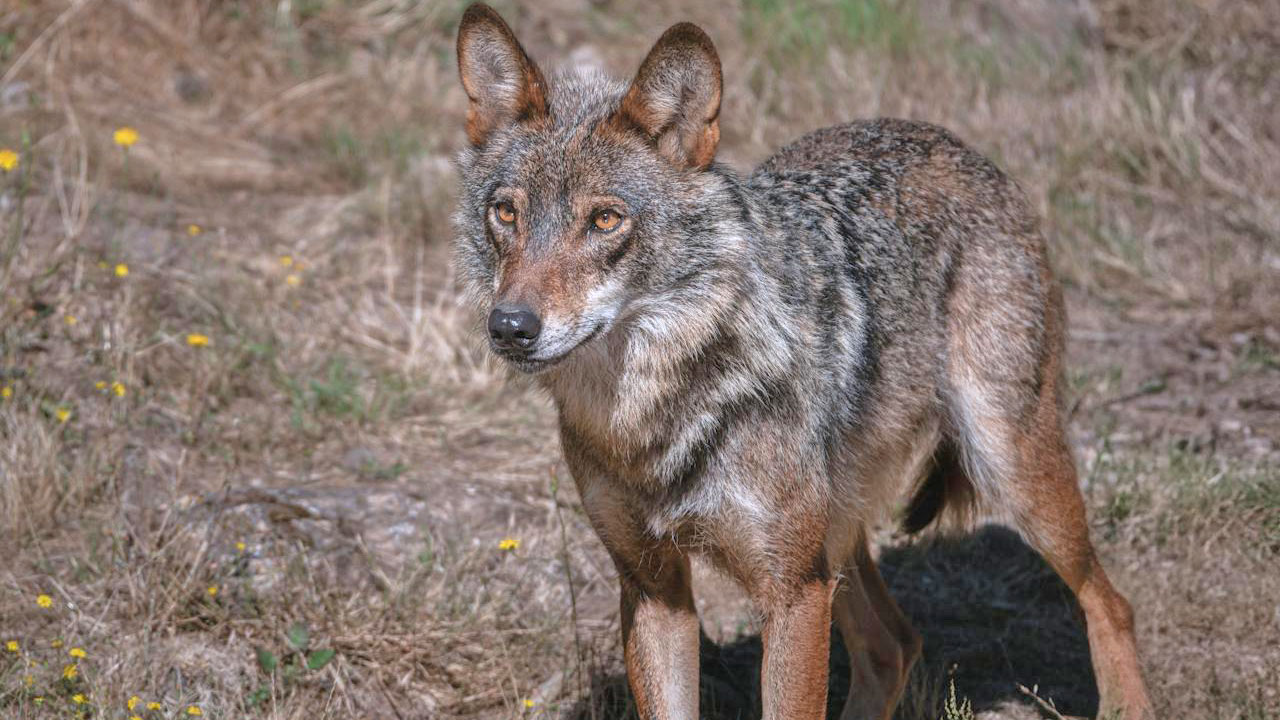
Coyotes often keep their distance, which leads people to underestimate them. When one shows up in daylight or near a home, people sometimes assume it’s harmless or just passing through.
But a coyote that feels cornered, or one that’s become too comfortable around people, can close distance quickly. Around pets or food, that shift can happen without much warning. They don’t need to posture for long before acting.
Bobcats

Bobcats are rarely seen up close, which adds to the misconception. If people do see one, it often looks small, quiet, and non-threatening.
That’s misleading. A bobcat is built for quick, decisive movement. If it feels trapped or pushed, it doesn’t waste time. It reacts fast, and that’s what makes close encounters dangerous even if they’re uncommon.
River otters
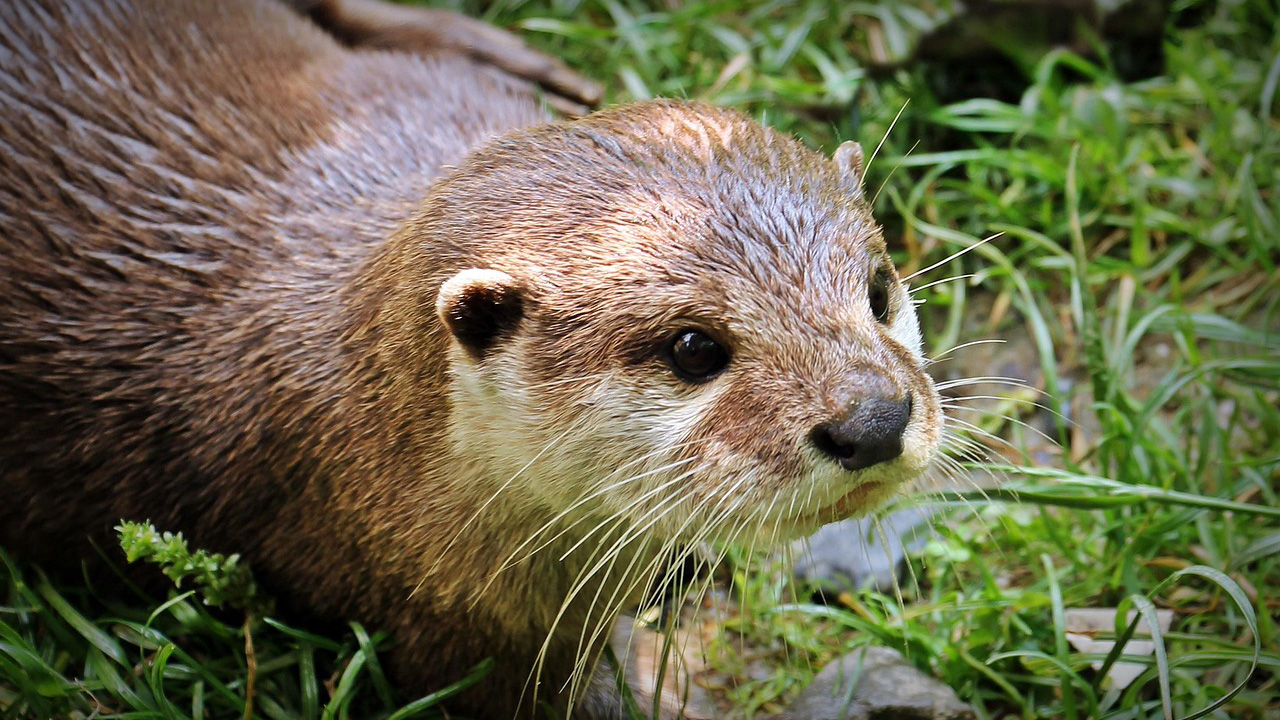
Otters look playful, and most of the time they are. But that reputation causes people to ignore the fact that they’re still wild predators.
If an otter feels threatened, especially near pups or a den, it can bite hard and fast. They’re strong, quick, and not something you want to corner or handle. The “cute factor” hides how serious they can be at close range.
Javelinas

Javelinas don’t look like much at first glance—small, almost pig-like, and often moving in groups. People underestimate them all the time.
But they can be aggressive when surprised or protecting young. They have sharp teeth and can charge quickly in tight spaces. Around walls, cars, or fences, they can feel cornered fast, and that’s when they become a real problem.
Badgers

Badgers are another animal people don’t take seriously until it’s too late. They’re low to the ground and not very flashy, which makes them easy to dismiss.
But they’re built for fighting. Strong claws, powerful jaws, and a bad attitude when threatened. If one feels trapped, it doesn’t hesitate to defend itself. That’s not something you want to test up close.
Alligators

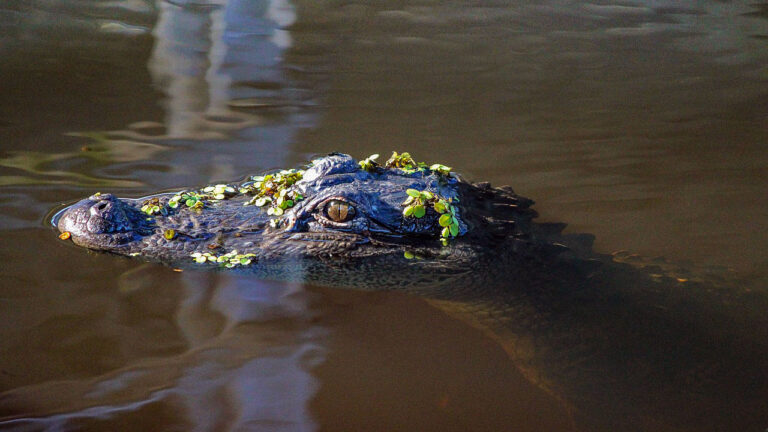
Alligators are often treated like background scenery, especially in areas where people see them regularly. That’s where the danger creeps in.
They can stay still for long periods, which makes people think they’re not a threat. But they can close distance fast over short range, especially near water edges. If someone gets too close, there’s usually no time to react.
Snapping turtles
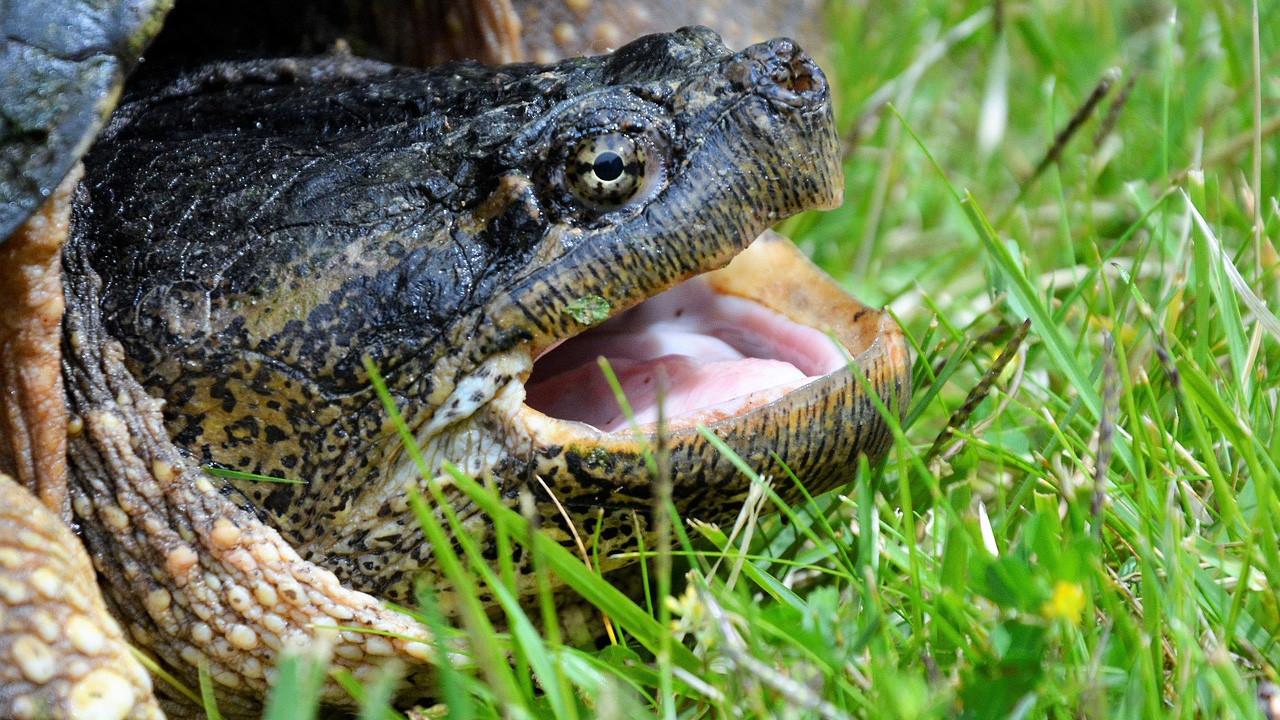
Snapping turtles look slow and harmless when they’re just sitting there, especially on land. People get curious, try to move them, or get too close.
That’s when things go wrong. They can strike fast with a powerful bite if they feel threatened. It’s not an animal looking for trouble, but it doesn’t need much pressure to defend itself.
Like The Avid Outdoorsman’s content? Subscribe to our newsletter so you never miss an article.
Here’s more from us: