Photo credit: hikersbay/Pixabay.com
A lot of people walk into national parks assuming the rules are basically common sense plus “don’t be stupid.” That is how they end up getting corrected by rangers, yelled at by other visitors, or fined for something they genuinely thought was fine. The National Park Service uses both systemwide regulations and park-specific superintendent’s compendiums, and those compendiums can add closures, permit requirements, and local restrictions that change what is allowed from one park to the next. In other words, “I did this in another park” is not a reliable defense.
That is the real reason people get park rules wrong so often. They assume the parks all work the same, or they mistake travel habits for legal habits. A national park is not a free-for-all with prettier scenery. It is federal land with resource-protection rules, safety rules, and local restrictions that can be stricter than visitors expect. Here are 15 rules people misunderstand all the time.
Pets are not automatically allowed everywhere
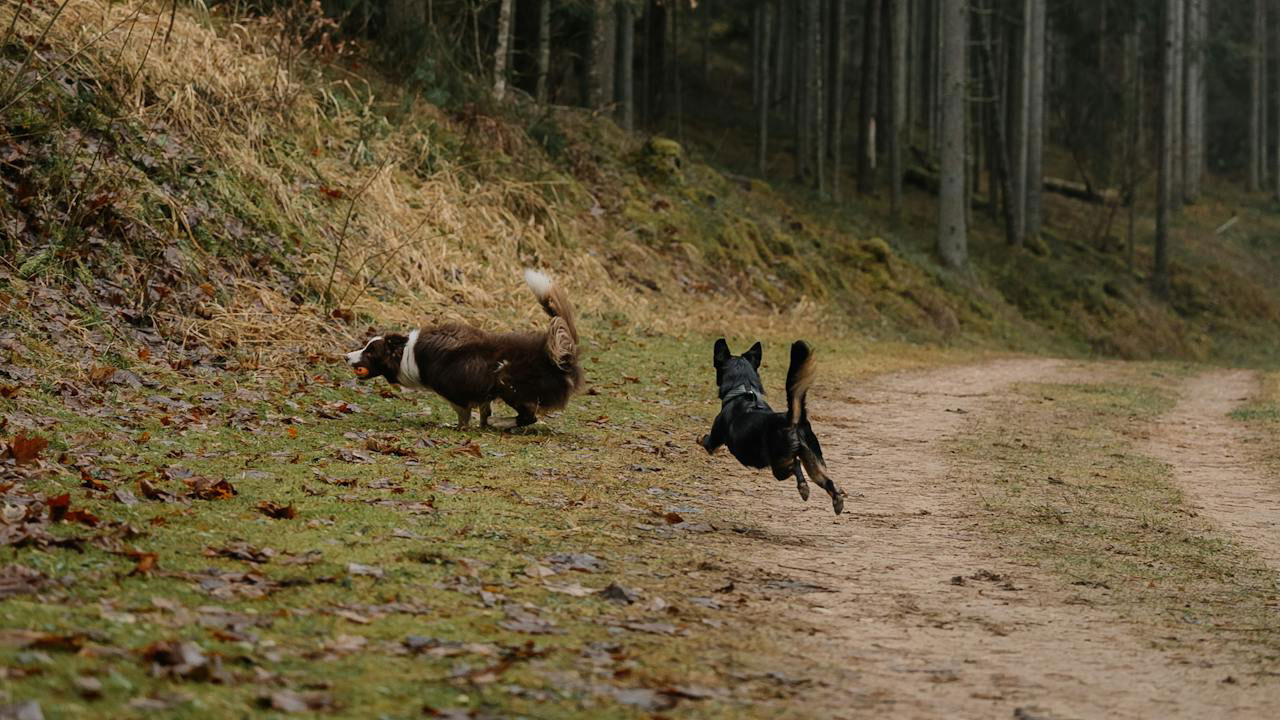
A lot of people hear “national parks are pet friendly” and stop reading right there. The NPS pets guidance says many parks allow pets in developed areas, on some trails and campgrounds, and in some lodging facilities, but it also says different parks have different rules and visitors need to check park-specific information before they go. That is a big difference from assuming your dog can go wherever you can.
This is one of the easiest ways people get caught off guard because one park may allow dogs on a lot of trails while another may keep them almost entirely in developed areas or paved zones. The B.A.R.K. Ranger rules also make clear that pets need to be leashed, waste needs to be bagged, wildlife has to be respected, and owners need to know where pets can go. So the rule people get wrong is not “pets are banned everywhere.” It is “pets are allowed unless a sign says otherwise.” In national parks, it often works the other way around.
Drones are basically off-limits in most parks
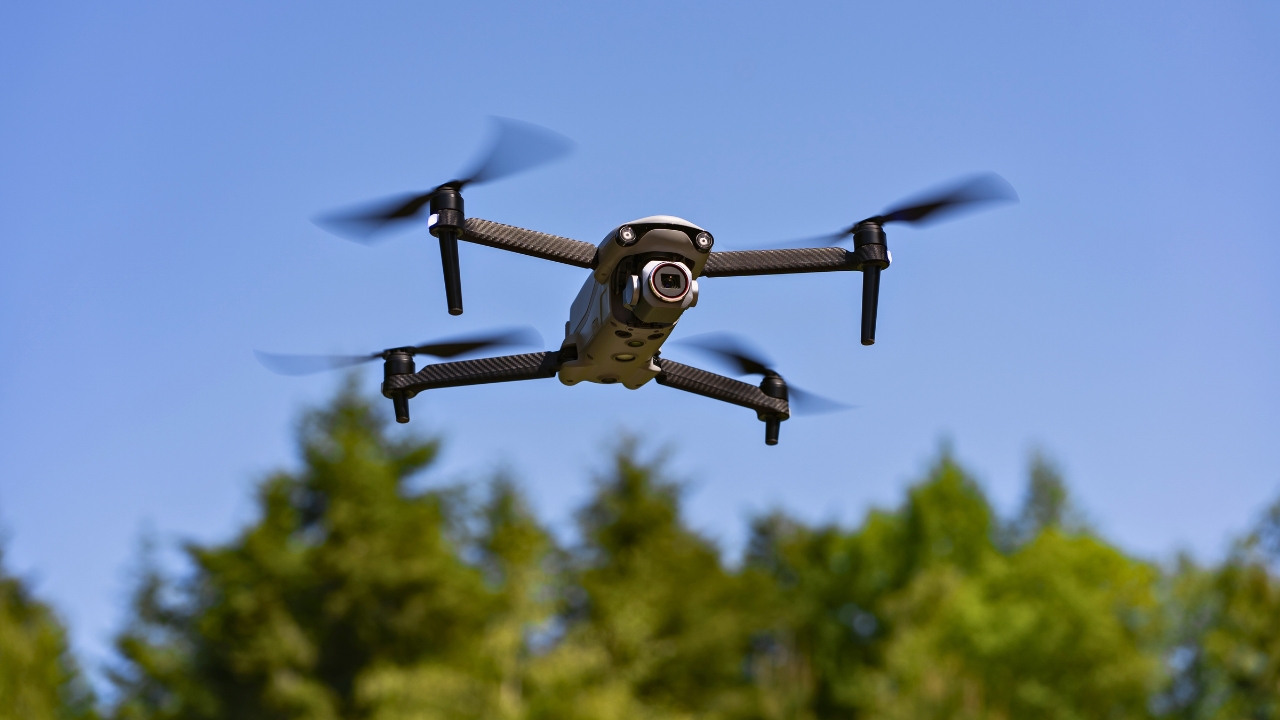
People still act like launching a drone for a quick scenic clip is a harmless travel move. The NPS says Policy Memorandum 14-05 directed superintendents to prohibit launching, landing, or operating unmanned aircraft on lands and waters administered by the NPS, and that restriction remains in force with only a few exceptions. The agency’s older announcement said the same thing back in 2014 when the policy was first rolled out.
The part people miss is that FAA airspace authority does not cancel out NPS land-management authority. You might know drone rules generally and still be wrong inside a national park because the park can prohibit launch, landing, or operation from park lands and waters. So no, “I’m a licensed drone operator” or “I’ll just take it up for a minute” does not make it okay. This is one of the cleanest examples of a rule people keep breaking because social media trained them to think the shot matters more than the regulation.
Feeding wildlife is not a cute exception
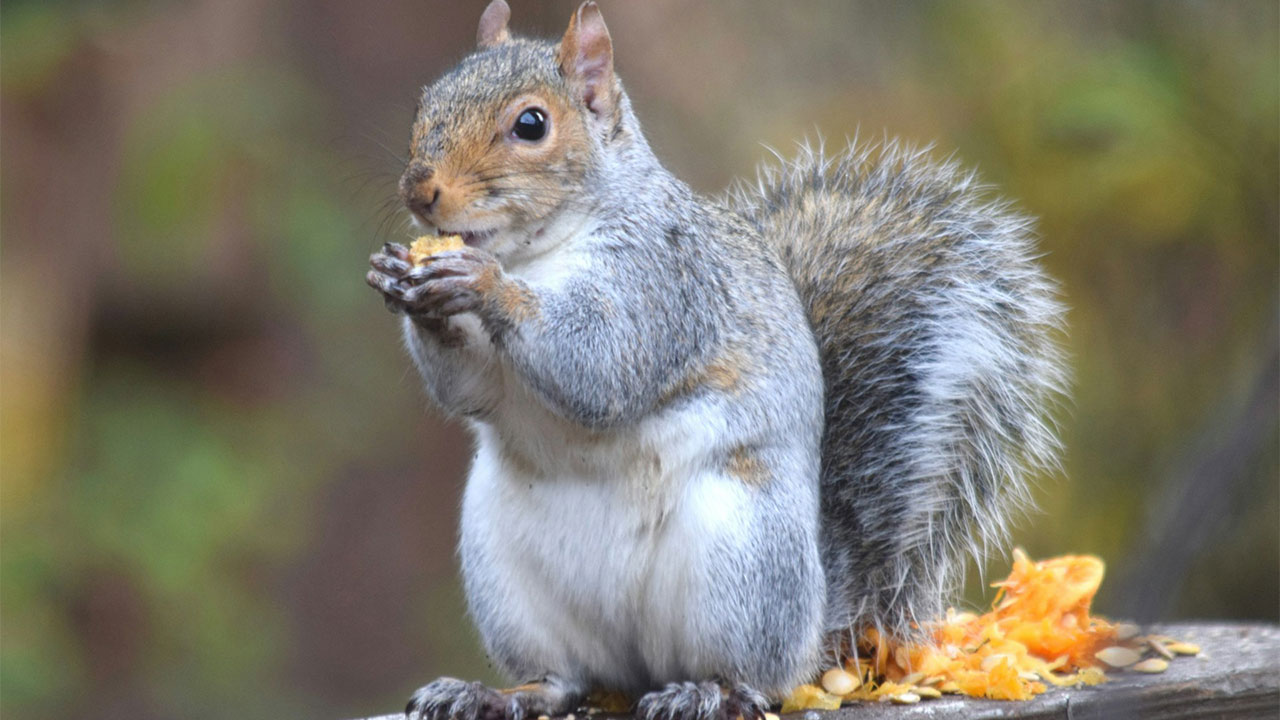
People still treat feeding wildlife like a minor etiquette issue instead of what it is: a prohibited act that can get animals hurt and visitors fined. An NPS wildlife-feeding notice says feeding wildlife is illegal under 36 CFR 2.2(a)(2). Olympic National Park says feeding or harassing wildlife, even unintentionally, is strictly prohibited and subject to fines.
The “even unintentionally” part matters more than people think. Leaving food out, trying to get an animal closer for a photo, tossing scraps, or letting wildlife learn that people equal snacks all count toward the same bigger problem. Animals that lose their fear of humans become dangerous to visitors and often pay for it later. So this is not one of those rules where a ranger is being fussy over a squirrel. It is one of the rules that protects both wildlife and the park from predictable human stupidity.
Getting close to wildlife is not just “bad judgment”
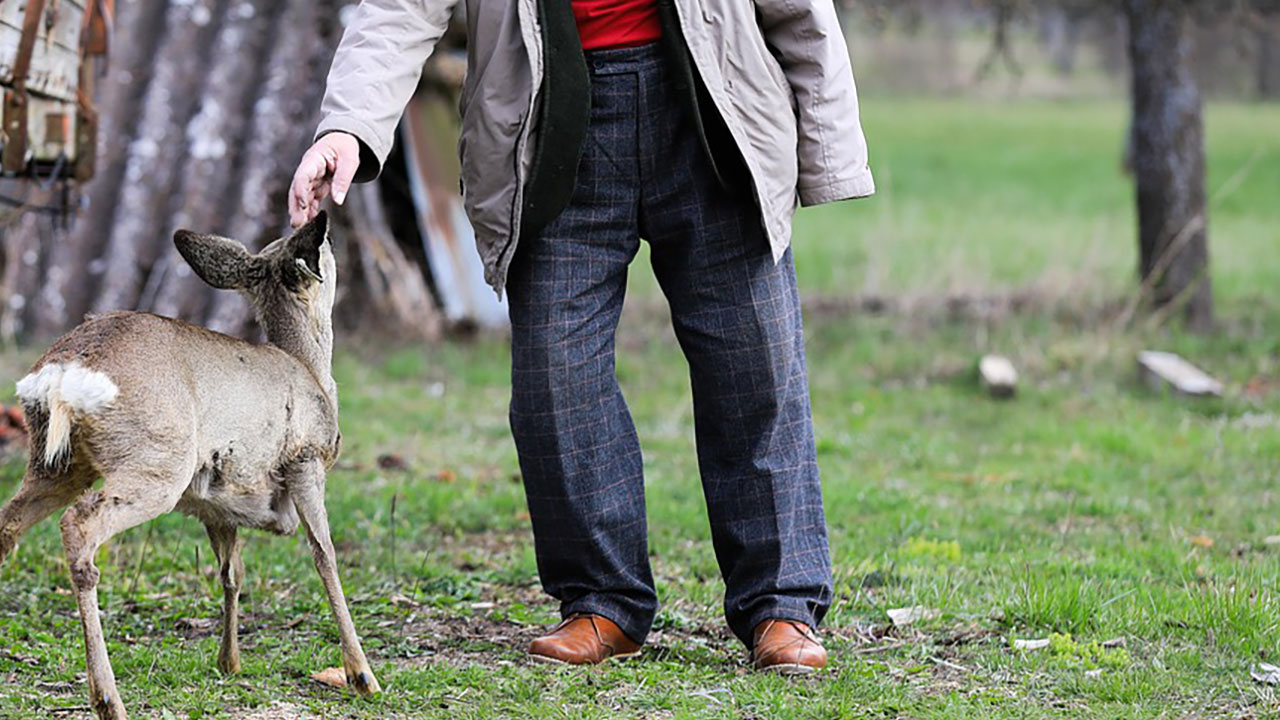
A lot of visitors think wildlife distance is more of a recommendation than a real rule until they are already too close. NPS wildlife-safety guidance says people should not approach, startle, or feed animals, and Yellowstone repeatedly warns visitors about dangerous wildlife encounters in its safety materials. The basic point is simple: if your presence changes the animal’s behavior, you are already too close.
This is where people confuse “I didn’t touch it” with “I didn’t do anything wrong.” No, crowding wildlife, pushing closer for pictures, or letting your kids drift toward animals is exactly the kind of behavior parks are trying to stop. Some parks publish minimum distance rules for specific species, but even where a visitor does not remember the number, the larger rule still applies: wildlife is not there for staged intimacy. A photo is not worth training an animal to tolerate people or provoking one into acting defensively.
You usually cannot take “just one” rock, antler, flower, or arrowhead
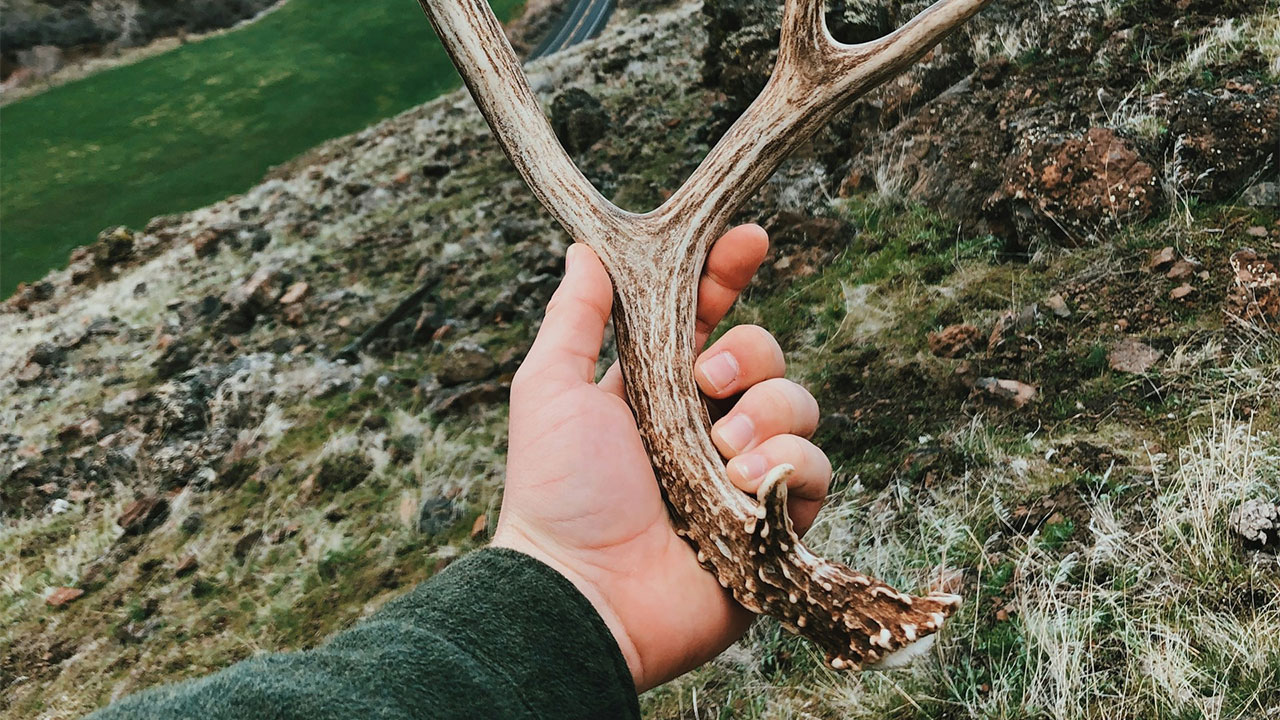
Visitors love to act like a tiny souvenir somehow does not count. Yellowstone’s laws-and-policies page specifically says 36 CFR §2.1(a)(1) prohibits removing or possessing natural or cultural resources such as wildflowers, antlers, rocks, and arrowheads. Fossil Butte also reminded visitors in 2025 that collecting antlers is a violation of 36 CFR 2.1(a)(1)(i).
The misunderstanding usually comes from people thinking the rule is about commercial-scale looting, not small personal keepsakes. But that is exactly how parks end up getting stripped a little at a time. “Just one rock” multiplied by millions of visitors is still a real impact. There are a few narrow exceptions in special park units or under specific regional regulations, but those are exceptions, not the norm. For most national park visitors, the rule is brutally simple: leave the stuff where it is.
Boardwalks and designated trails are not optional suggestions
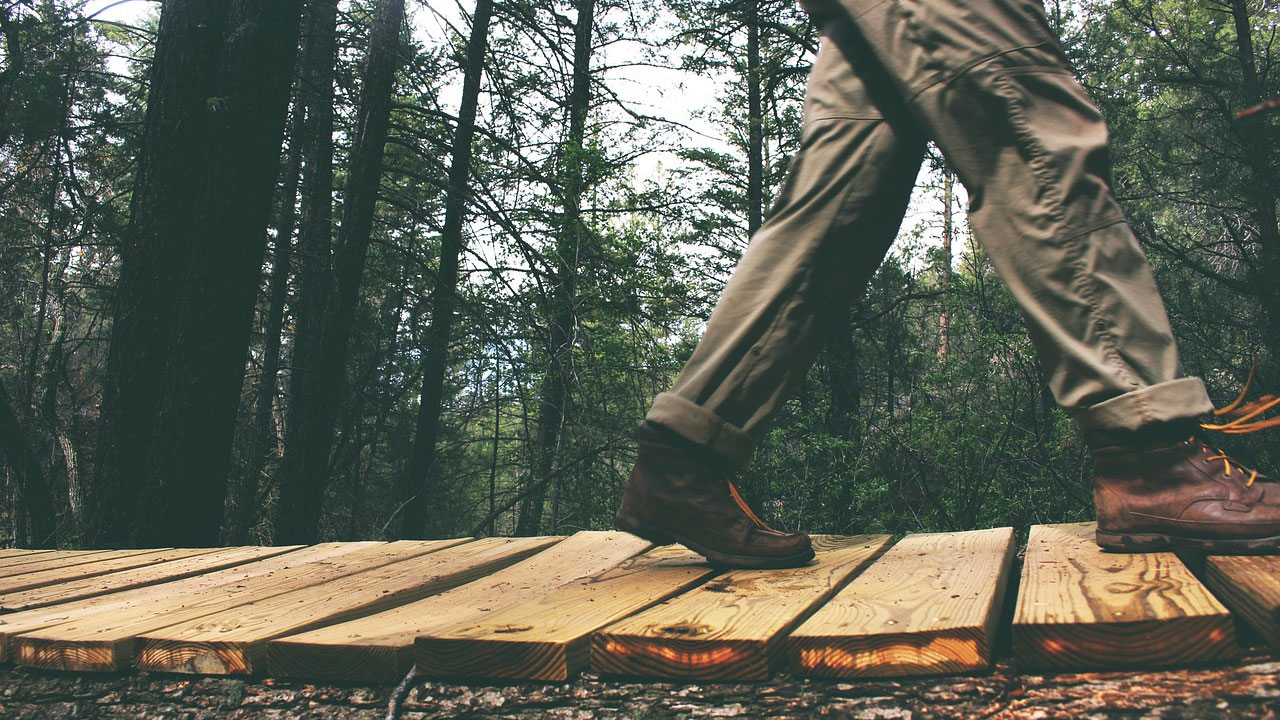
People love to treat established paths like they are for tourists, not for them. Yellowstone’s safety guidance says to always walk on boardwalks and designated trails in thermal areas and warns that the ground may look solid while actually being a thin crust over superheated water. A Yellowstone place page repeats the same point and adds that visitors should never run, push, or shove in hydrothermal areas.
Even outside thermal zones, NPS hiking-safety guidance tells visitors to stick to their intended route and stay on trail. So when someone cuts switchbacks, wanders off-trail for a photo, or lets kids step off a boardwalk because “it’s just for a second,” they are not breaking some fake scenic rule. They are ignoring one of the most basic safety and resource-protection rules in the system. Some places punish that mistake with erosion. Yellowstone can punish it with life-changing burns or worse.
“National park” does not mean the same rules in every park
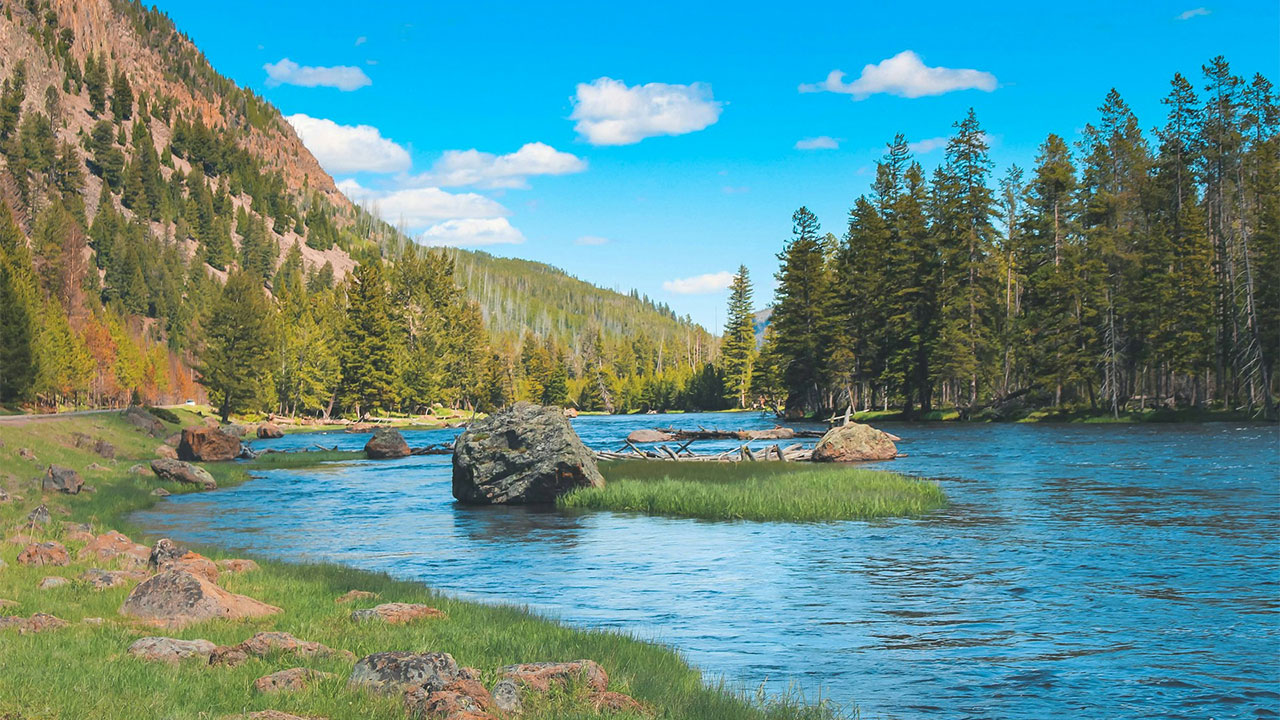
This one causes all kinds of dumb arguments at gates and visitor centers. The NPS says the superintendent’s compendium is the written compilation of park-specific closures, permit requirements, and other restrictions, and that violating those provisions can lead to penalties. In short, the nationwide regulations are only part of the story.
That means one park may allow bikes on certain trails while another does not. One may be pet-friendly on many miles of trail while another barely allows pets outside developed areas. One may require wilderness permits for overnight backcountry use, while another may regulate camping, fires, or boating differently. Visitors get this wrong because they want one clean national-park rulebook that covers everything. What they actually get is a federal baseline plus a local rule layer, and the local layer matters a lot.
“I’m only camping one night” does not get you out of permit rules
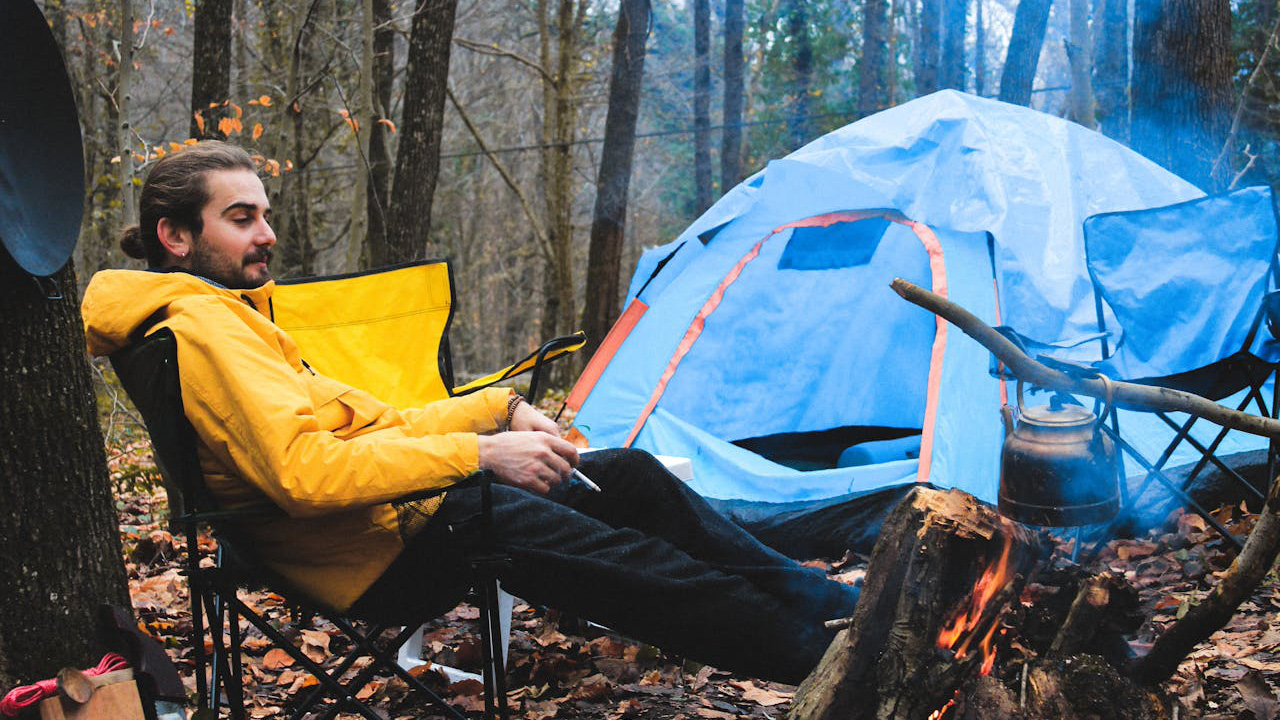
Some visitors think permits only matter for major expeditions or technical wilderness trips. That is not how many parks work. NPS park guidance regularly notes that overnight camping in wilderness or backcountry areas may require permits, and the National Park Foundation’s safety advice also tells visitors to check permit requirements, food-storage rules, group-size limits, and closures before a trip.
The misunderstanding here is that people treat backcountry camping like a personal choice instead of a managed activity. If the park says permits are required, then “we’re just going in a little ways” is still a violation. Permit systems exist to control use, reduce conflict, track occupancy, protect sensitive areas, and improve safety. In other words, the fact that your trip feels small to you does not make it administratively small to the park.
Food storage rules apply even when you think wildlife is not around

People still treat food-storage rules like bear-country overkill until they have a problem. NPS bear-safety guidance says not to store food in your tent or backpack, to secure food, garbage, and other scented items immediately on arriving at camp, and not to try burning excess food in a fire because partially burned matter still attracts wildlife.
The rule people get wrong is thinking they only need to be careful after they personally spot a bear. That is backwards. Clean camps and proper storage are supposed to happen before wildlife shows up. It is also not just about snacks in a cooler. “Scented items” can include garbage, dirty dishes, toiletries, and other items people lazily leave out because they do not think of them as wildlife attractants. Parks push these rules so hard because one sloppy campsite can create a recurring problem for everyone else.
Campfire behavior is more regulated than people think
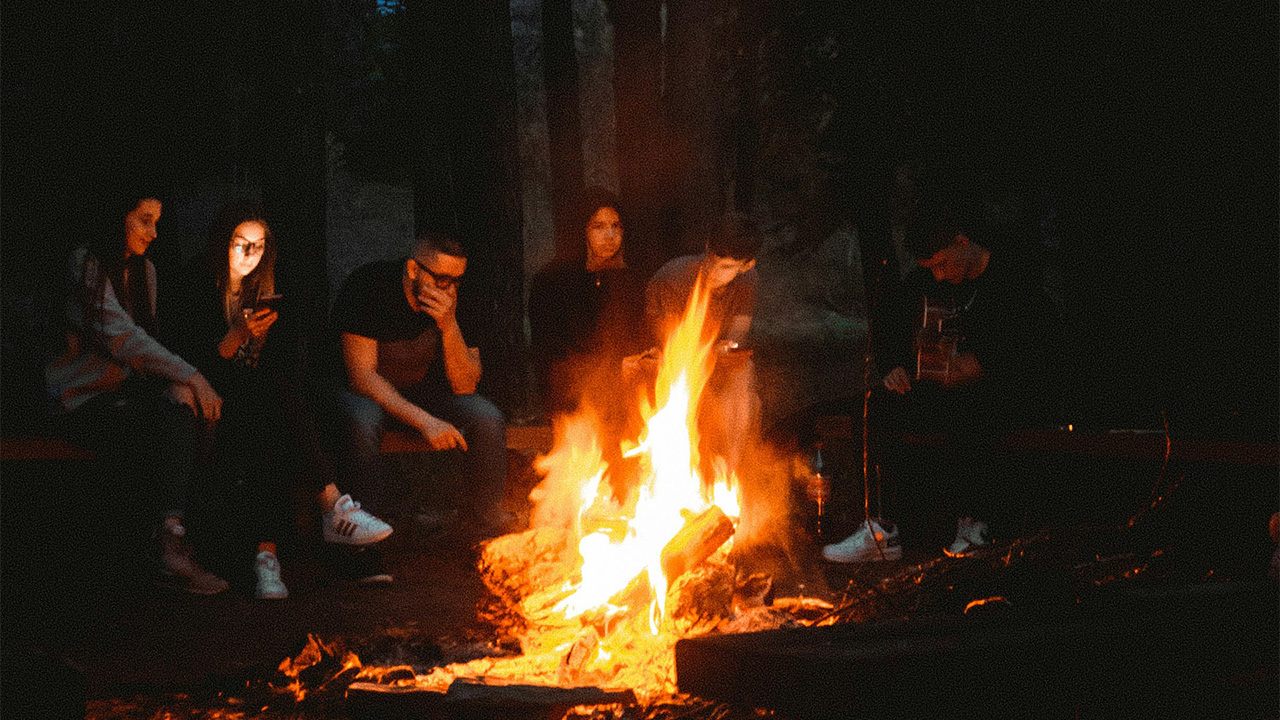
A lot of visitors think once a campfire ring exists, anything fire-related is fair game. That is not true. NPS bear-safety guidance specifically says not to attempt to burn excess food, tea bags, or coffee grounds in a fire because most campfires are not hot enough to destroy those attractants. Yellowstone’s current laws-and-policies page also notes that smoking is prohibited in geyser basins or on trails and restricted around buildings.
This matters because “fire rules” in parks are not just about whether flames are allowed that day. They are also about what you burn, where you smoke, and how your behavior affects wildlife and wildfire risk. People often think a fire magically erases bad decisions. In reality, burning trash badly can attract animals, and smoking in the wrong place can violate park rules even if you are outdoors. A fire ring is not a loophole that turns every camp habit into a legal one.
Thermal features are not places to toss coins, sticks, or anything else
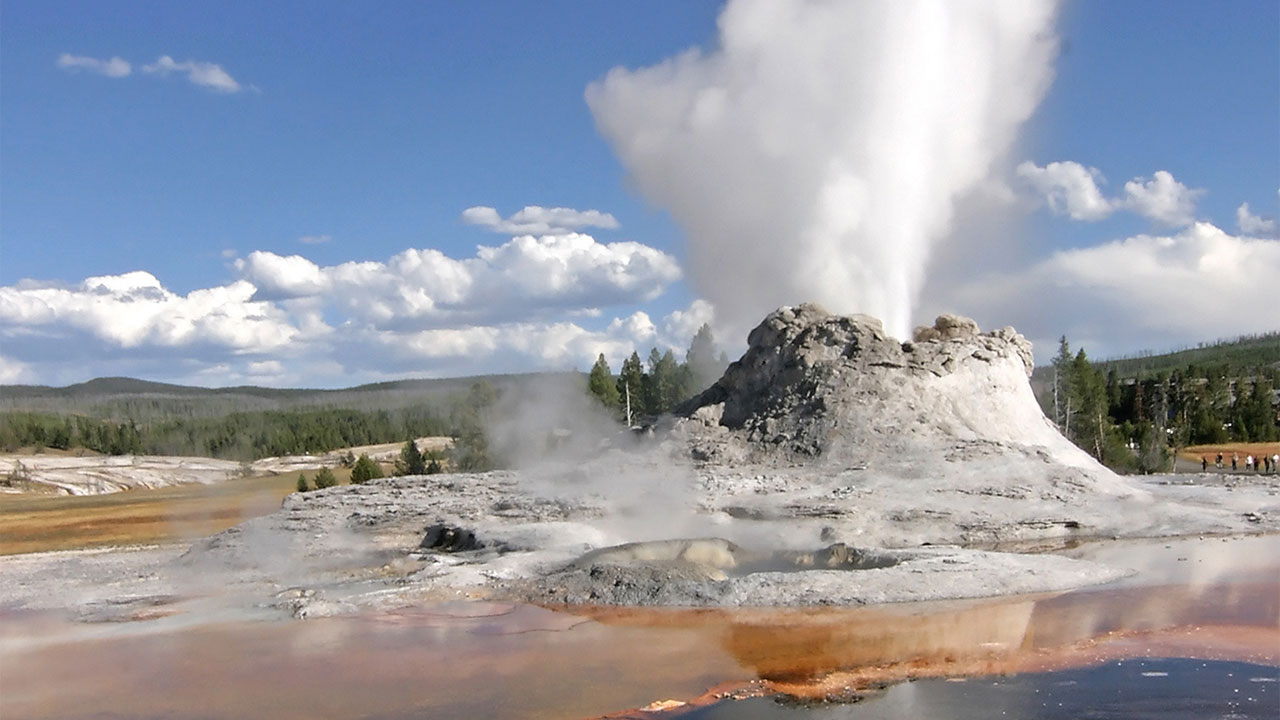
People keep treating thermal features like decorative fountains, which is wild considering how much NPS has had to repeat itself on this. Yellowstone’s laws-and-policies page says 36 CFR §2.1(a)(3) prohibits throwing anything into thermal features. Yellowstone also warns visitors not to touch thermal features or runoff.
This rule gets broken by people who think small objects do not matter or that coins are somehow a harmless tradition. They are not. Thermal features are fragile geologic systems, not tourist wishing wells. Throwing objects in can damage features, alter how they function, and create ugly cleanup or resource-management problems. It also tells you something depressing about how many visitors still arrive at a national park and immediately start looking for a way to leave a trace.
Service animals and pets are not the same thing
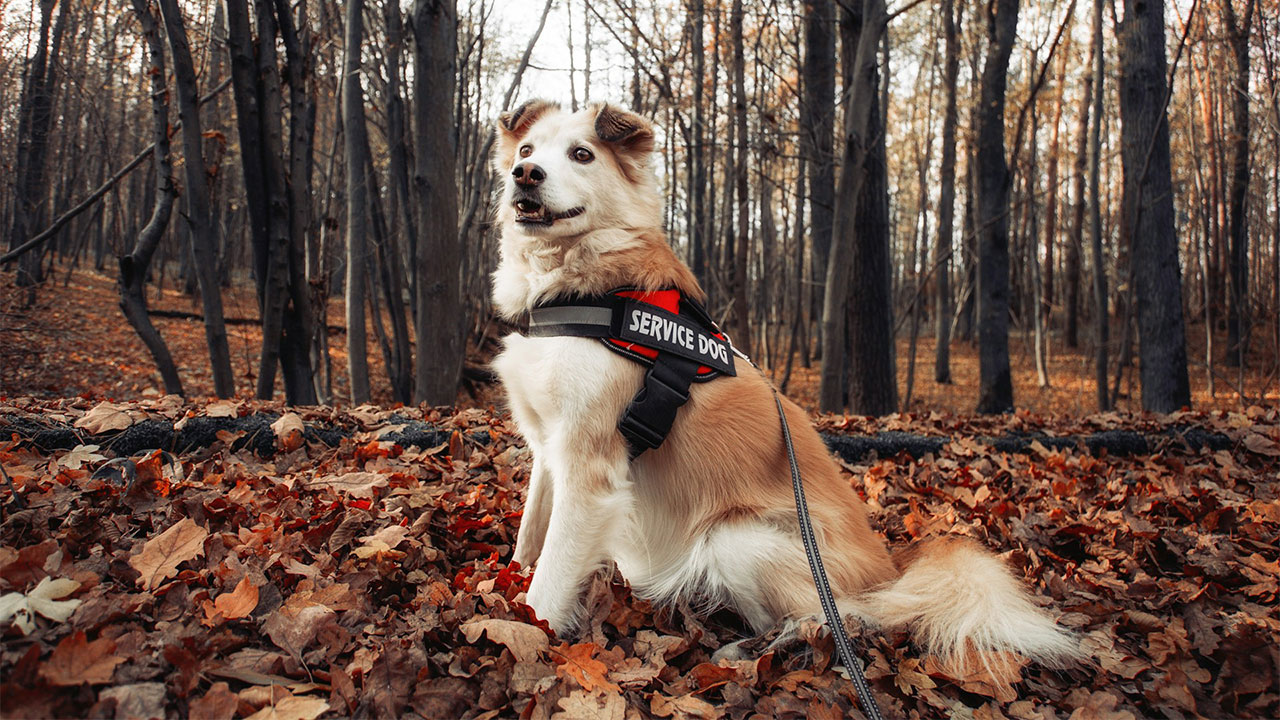
This one creates a lot of angry, sloppy online advice. NPS pet pages make clear that many parks allow pets only in certain places and under specific rules, while working service animals are treated differently under law. At the same time, park-specific rules can still determine where ordinary pets are allowed.
The misunderstanding comes when people treat “my dog is well-behaved” like it is legally interchangeable with “service animal,” or they assume a pet-friendly park must be pet-friendly everywhere. Neither is true. Even in parks that welcome pets more than average, owners still have to follow leash, cleanup, wildlife-respect, and access rules. So no, calling a dog emotional support or saying it hikes great does not automatically unlock closed trails or restricted areas.
Photography does not automatically excuse restricted behavior
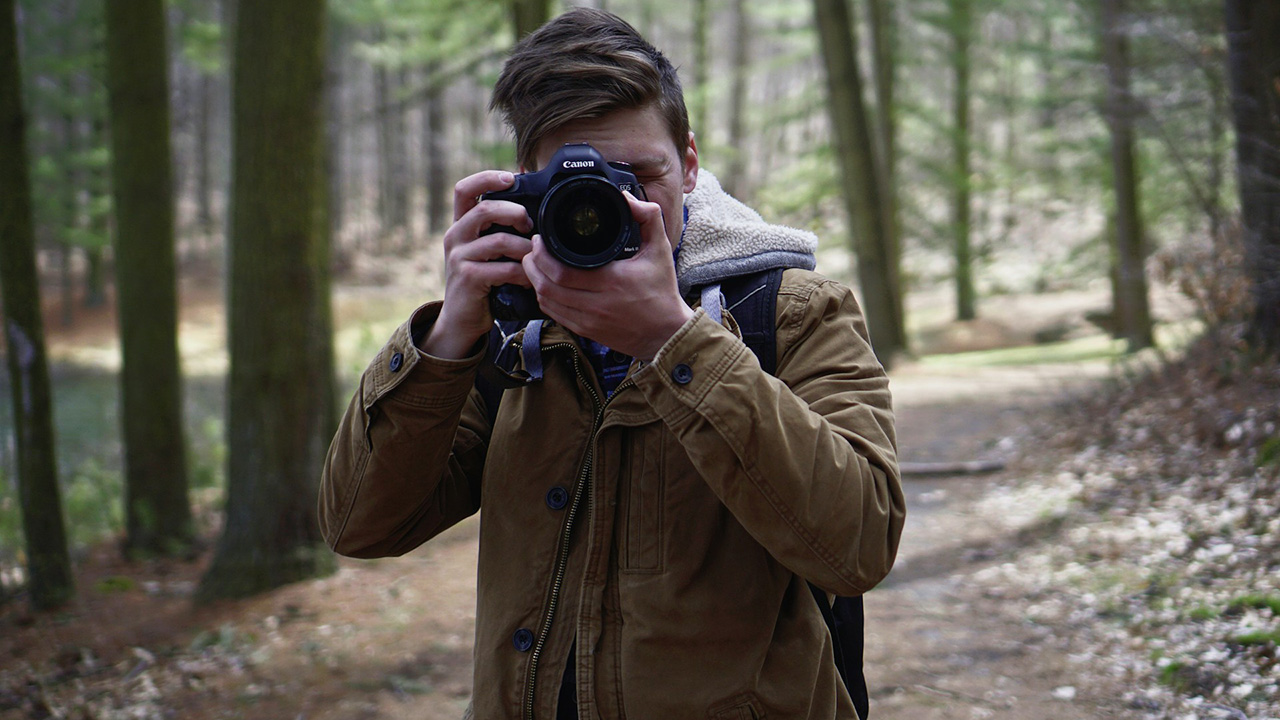
A lot of people act like cameras turn rule-breaking into creative work. They do not. NPS compendiums routinely spell out permit requirements or activity restrictions for certain filming, still photography, and audio-recording situations, and some 2026 compendiums explicitly note that violating permit terms can bring penalties.
Even when a permit is not required for basic casual photography, the normal park rules still apply. You do not get to step off a closed area, crowd wildlife, launch a drone, or ignore thermal-area warnings because you are “just getting content.” This is one of the more annoying modern rule misunderstandings because people confuse creative intent with legal exemption. The shot does not outrank the regulations. The regulations are still the regulations.
“I didn’t know” is weak when the park tells you to check current rules
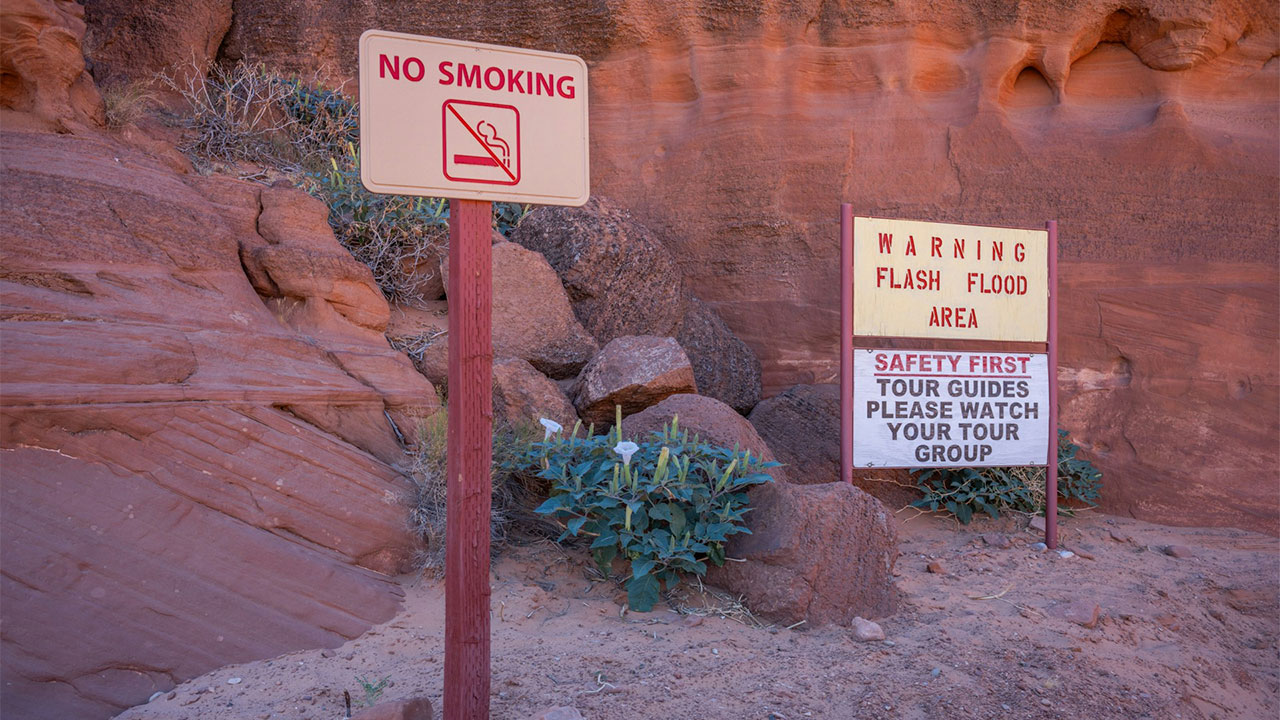
The NPS repeatedly tells visitors to know before they go. Park pages and pet pages say rules vary and that visitors should check specific park information before traveling. Superintendent’s compendiums are updated annually and serve as the public notice for many of those local restrictions.
That is why ignorance is usually a bad excuse here. National parks are not hiding the fact that local rules exist. They are pushing that fact pretty hard. If a park has a closure, seasonal restriction, permit rule, or activity-specific limitation, the expectation is that you look it up. People get this wrong because they still approach national-park travel like a casual roadside stop instead of a regulated public-land visit. That mindset is exactly what causes a lot of preventable rule violations.
The rules are not there just to ruin your trip
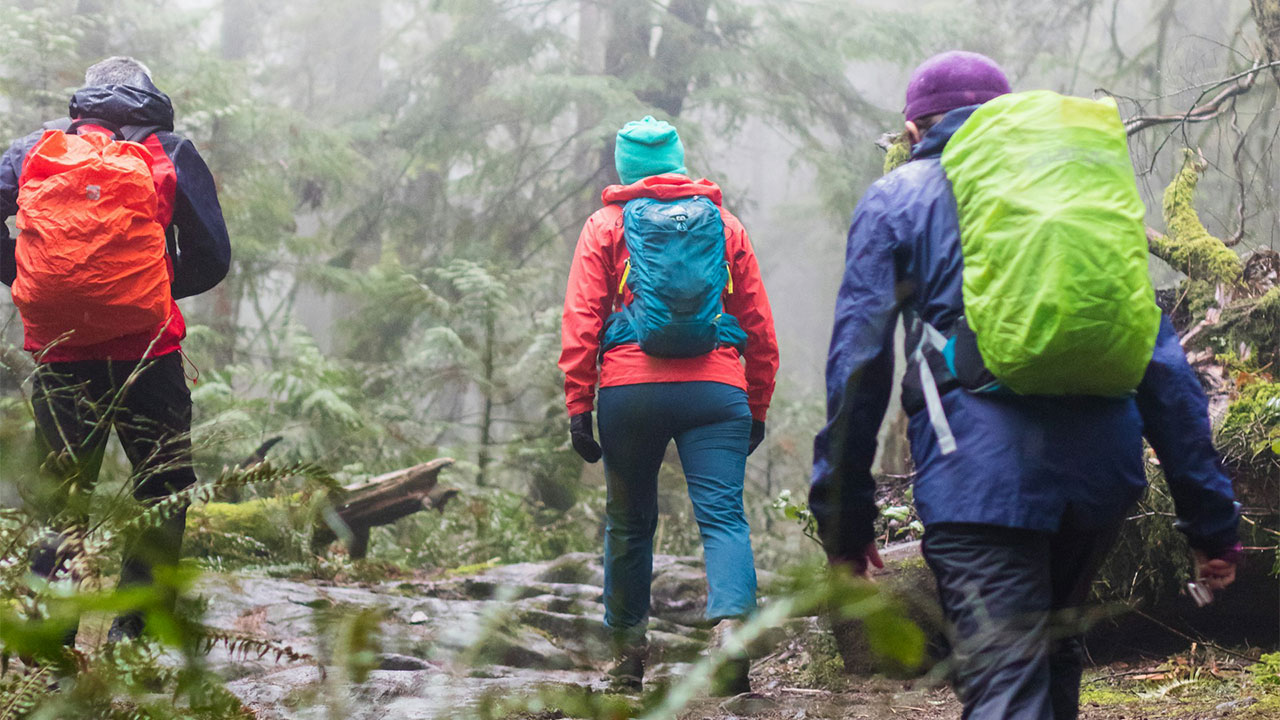
A lot of visitors treat park rules like arbitrary overreach until they see what happens without them. Yellowstone’s thermal safety rules exist because people are seriously injured and killed there. Wildlife-feeding rules exist because habituated animals become dangerous and often end up destroyed. Food-storage rules exist because one sloppy campsite can train bears and other animals to raid human areas. Resource-collection rules exist because millions of “small” souvenirs are not small anymore.
That is the part people usually miss when they say a rule is too strict. National parks are trying to preserve fragile places while letting huge numbers of people use them. That is already a tough balancing act. The rules are there because visitors keep proving exactly what happens when they are not followed: animals get habituated, habitats get trampled, thermal areas get damaged, and people get hurt doing things they thought would be fine for “just a second.”
Like The Avid Outdoorsman’s content? Subscribe to our newsletter so you never miss an article.
Here’s more from us: