Photo credit: Linda Tatler/Unsplash.com
Most barn problems do not start in the big obvious places. They start in the edges. The corners. The spots people walk past every day without really seeing anymore. A barn can look fine from ten feet back and still have half a dozen trouble zones already drawing rodents, snakes, raccoons, loose dogs, or bigger predators closer than they ought to be. By the time something gets bold enough to make a mess in plain sight, it usually tested the quieter parts first.
That is why barns tell on themselves early if you know where to look. Feed, shade, warmth, moisture, clutter, weak access points, and low-traffic hiding spots all stack together fast around a working barn. Once those things line up, trouble rarely starts in the middle of the aisle with an audience. It starts where something can check the place without much pressure. Here are 15 spots around a barn where trouble usually starts first.
Behind the feed bins
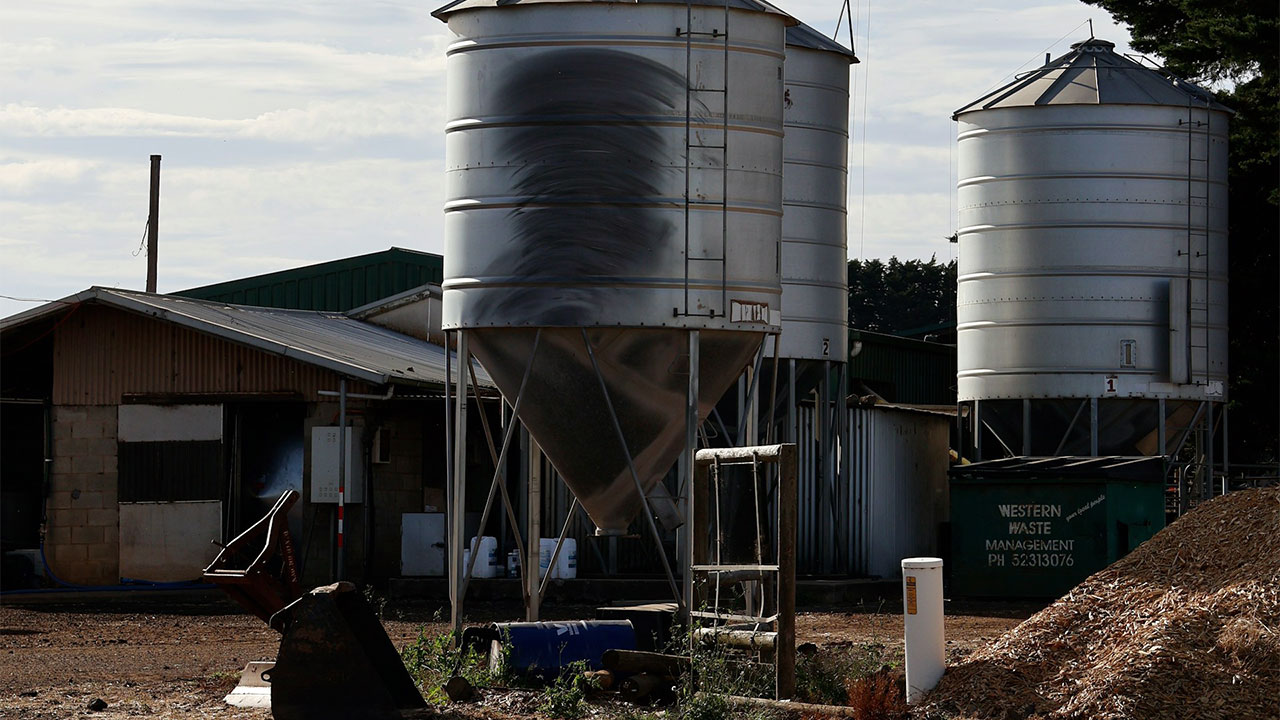
If something is going to start using a barn regularly, behind the feed bins is one of the first places I would check. Feed dust, spilled grain, dark cover, and low disturbance make that space attractive fast. Mice get in there first, then rats, then the animals that follow rodents. Even if the bins themselves are solid, the ground around them often tells a different story. Little trails, droppings, chewed corners, husks, and disturbed dust start showing up there before people realize the barn has become active after dark.
The reason this spot gets overlooked is simple: it feels too obvious. People assume they would notice a problem near the feed. But most of the real activity happens behind, beneath, and along the edges where no one is staring during chores. That makes feed-bin backsides one of the earliest pressure points in the whole barn setup.
Under pallets and stacked supplies
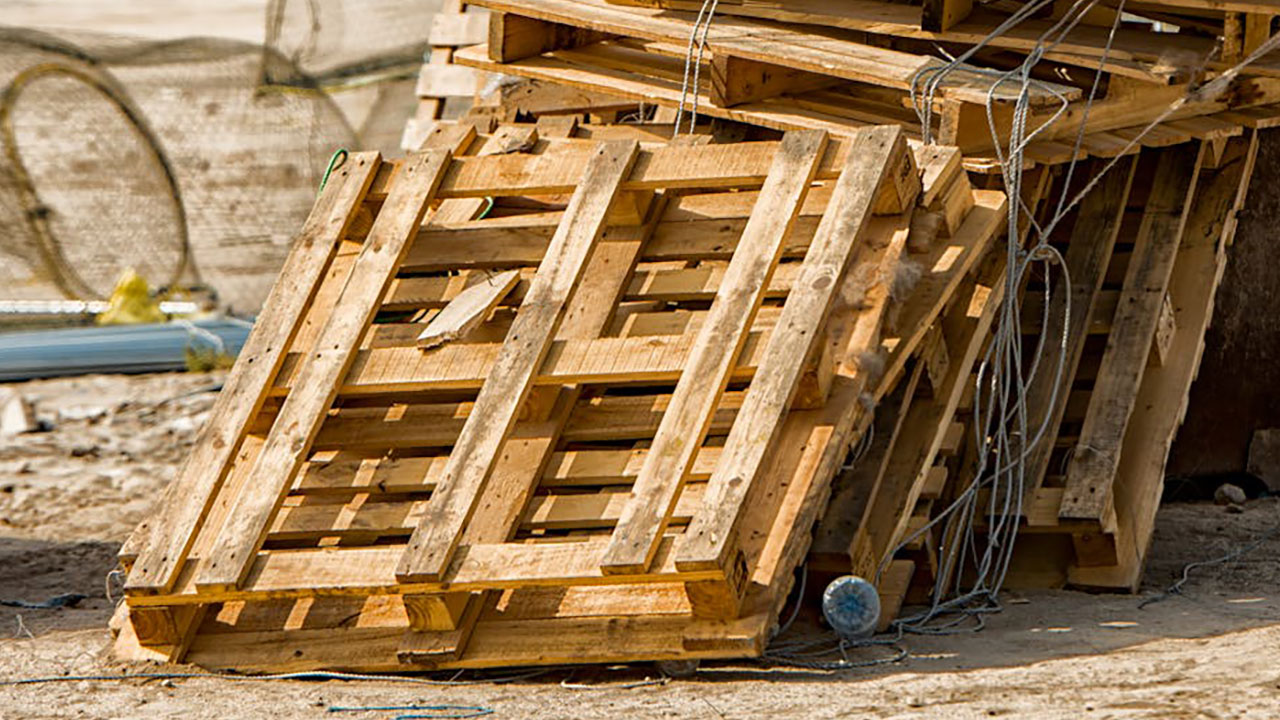
Pallets holding bedding, feed, tools, buckets, fencing, or random barn extras create instant low cover, and animals know it. Mice and rats love the protected run underneath. Snakes follow those rodents. Raccoons, opossums, and other problem animals may use the shadows nearby when traffic dies down. A pallet only has to sit in one place a little too long before it starts functioning like habitat instead of storage.
This is one of the most common trouble starters because it looks tidy enough from above. The mess is underneath. Once the lower space gets ignored, it becomes a safe lane for movement, nesting, and hiding. Around barns, the first sign is often not the animal itself. It is the fact that one pallet corner suddenly feels busier than it should.
The gap under the sliding door
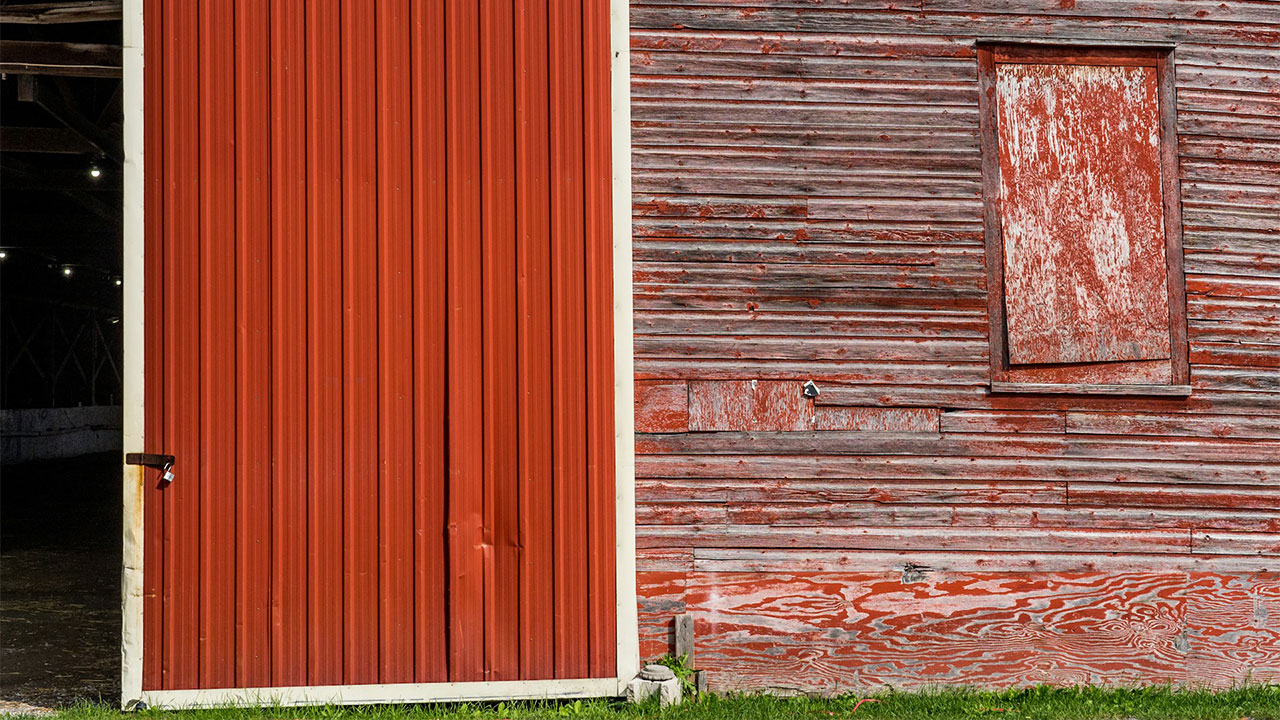
Barn doors almost never seal as tightly as people think they do. The bottom edge of a sliding door, especially on an older barn, can become a major access point for small animals and a major scent line for bigger ones. Rodents use it first. Then snakes. Then anything that notices feed, poultry, cats, or other attractants inside. Even if a bigger animal cannot fit through, it may still work that gap repeatedly if it smells opportunity.
This spot matters because it combines access with familiarity. Every animal that circles a barn eventually checks the base of the door. If the gap is wide, shaded, and lightly disturbed, it starts getting used. A lot of barn trouble begins with something slipping under or nosing at the one opening everybody got used to seeing and stopped questioning.
The dark back corner nobody uses much
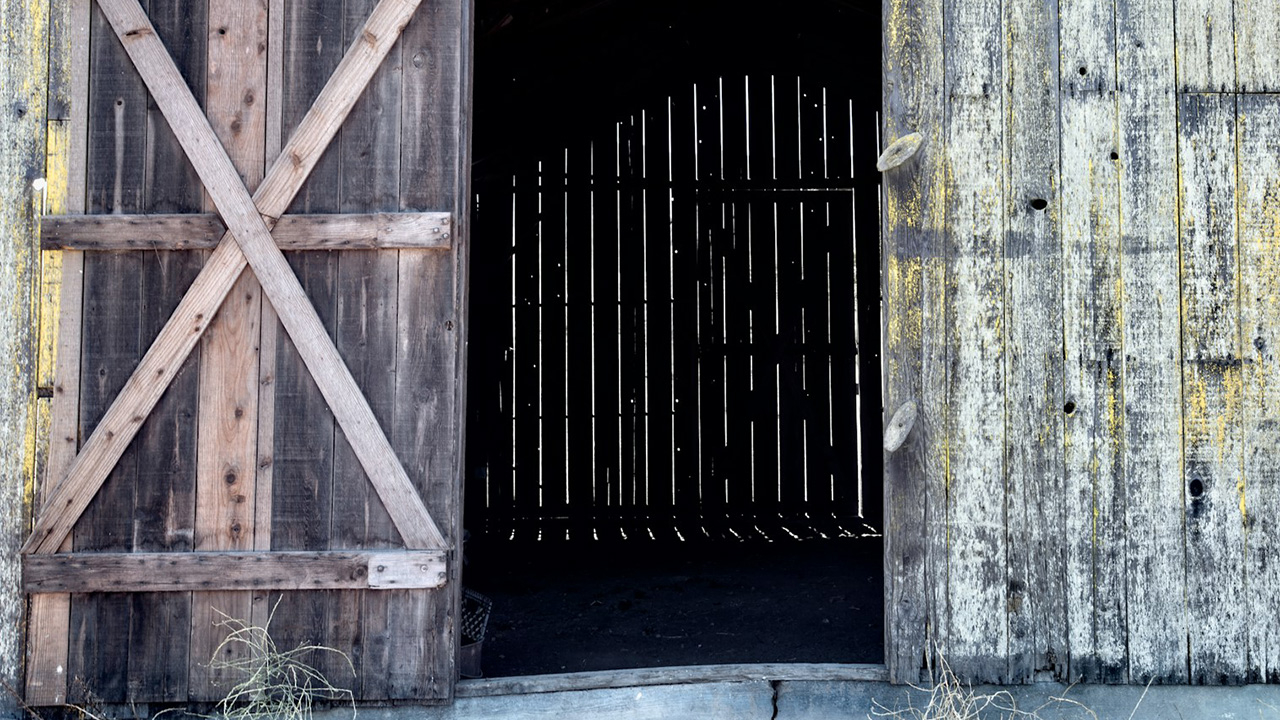
Every barn has at least one dead-feeling corner where old stuff gets set down and forgotten. That is where trouble gets comfortable first. Low light, less foot traffic, dust buildup, extra clutter, and often a little insulation from weather make these corners ideal for rodents, snakes, and nesting animals. If there is old burlap, cardboard, loose hay, broken boards, or a pile of unneeded supplies there, even better from their point of view.
The reason this area matters is that it gives animals time. The more time they have without disturbance, the bolder they get. A back corner is often where a “passing through” problem turns into a living-here problem. By the time someone finally cleans it out, they are usually not the first thing to reach back there.
Along the wall behind hay bales
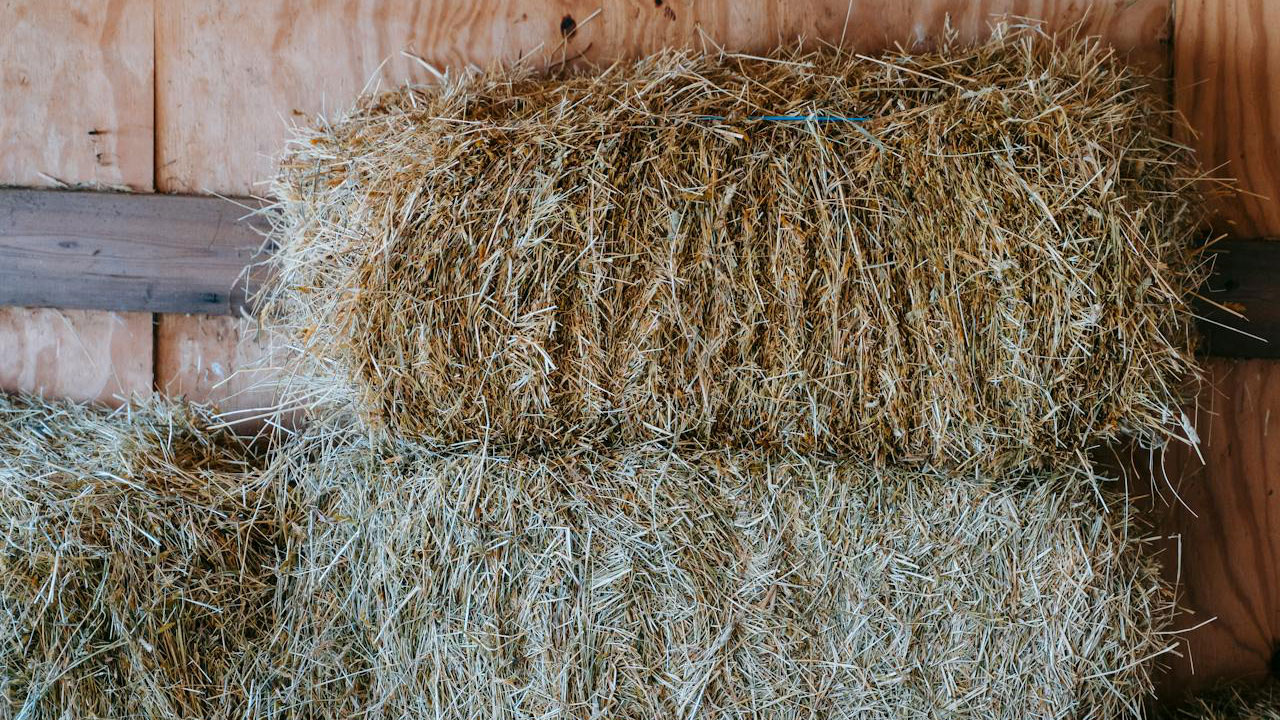
Hay storage creates all kinds of trouble if it is not watched closely, but the space behind the bales is often where it starts. Loose hay, seed heads, warm pockets, mouse activity, and low visibility make that strip along the back wall attractive fast. Animals do not need the whole hay stack. They need the hidden lane behind it where no one is looking every day.
This is one of those places that gets more dangerous the longer the arrangement stays unchanged. A barn owner may move hay from the front for weeks and never realize what is building behind it. If a snake is going to set up in a hay area, or rodents are going to start multiplying quietly, that rear wall zone is a strong bet for where it began.
Around the water spigot or hydrant
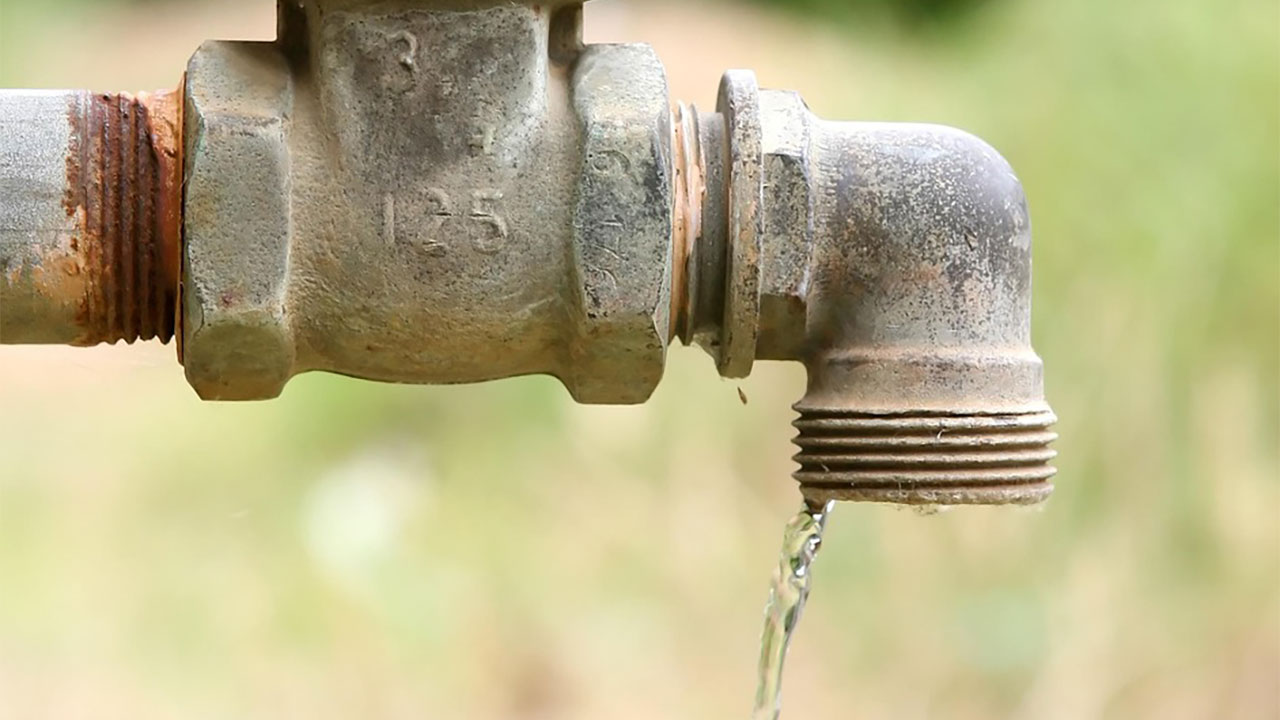
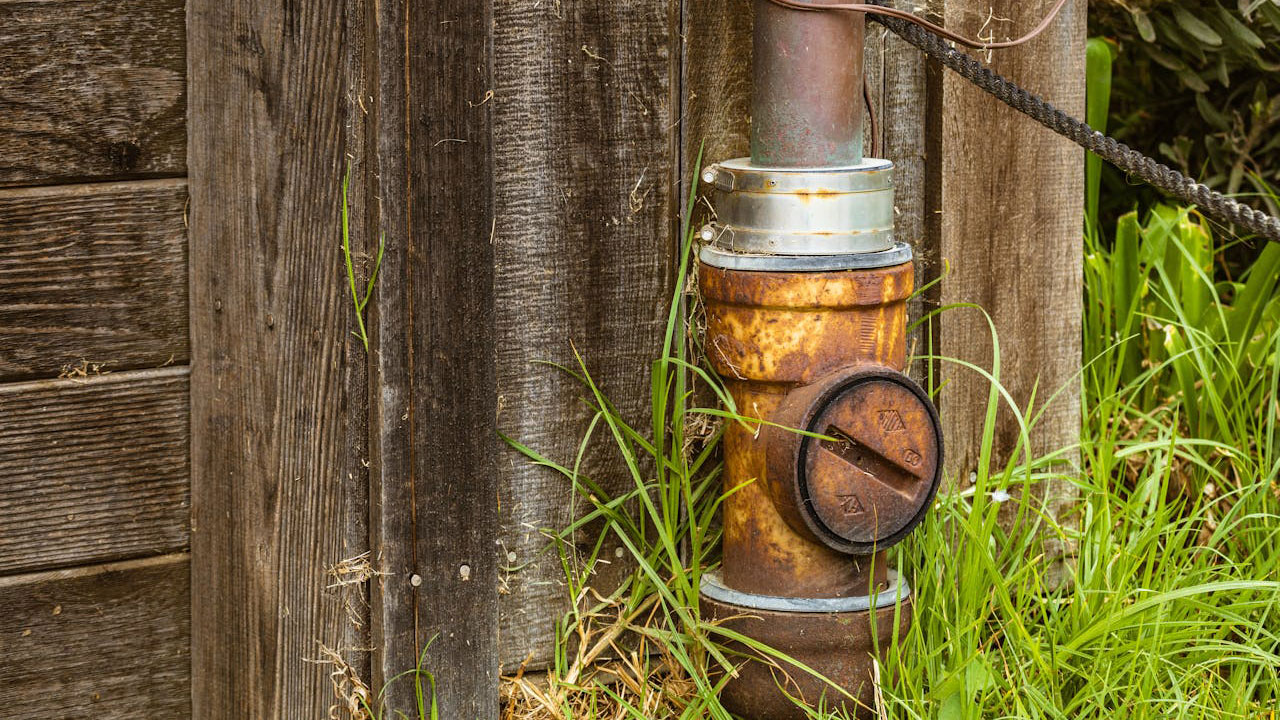
Anywhere a barn holds consistent moisture becomes more active than people think. A dripping hydrant, damp ground around a spigot, overflow from buckets, or a wet patch near the wash area pulls in insects, rodents, frogs, and whatever hunts them. It also softens the soil, which makes tracks and small burrowing activity easier to miss unless someone is really paying attention.
This becomes trouble fast because water points feel normal. They are used constantly, so people stop seeing them as wildlife magnets. But combine moisture with feed, shadows, and structure, and the area around the barn water source often turns into one of the first places animals start checking after dark.
Under the tack room shelf
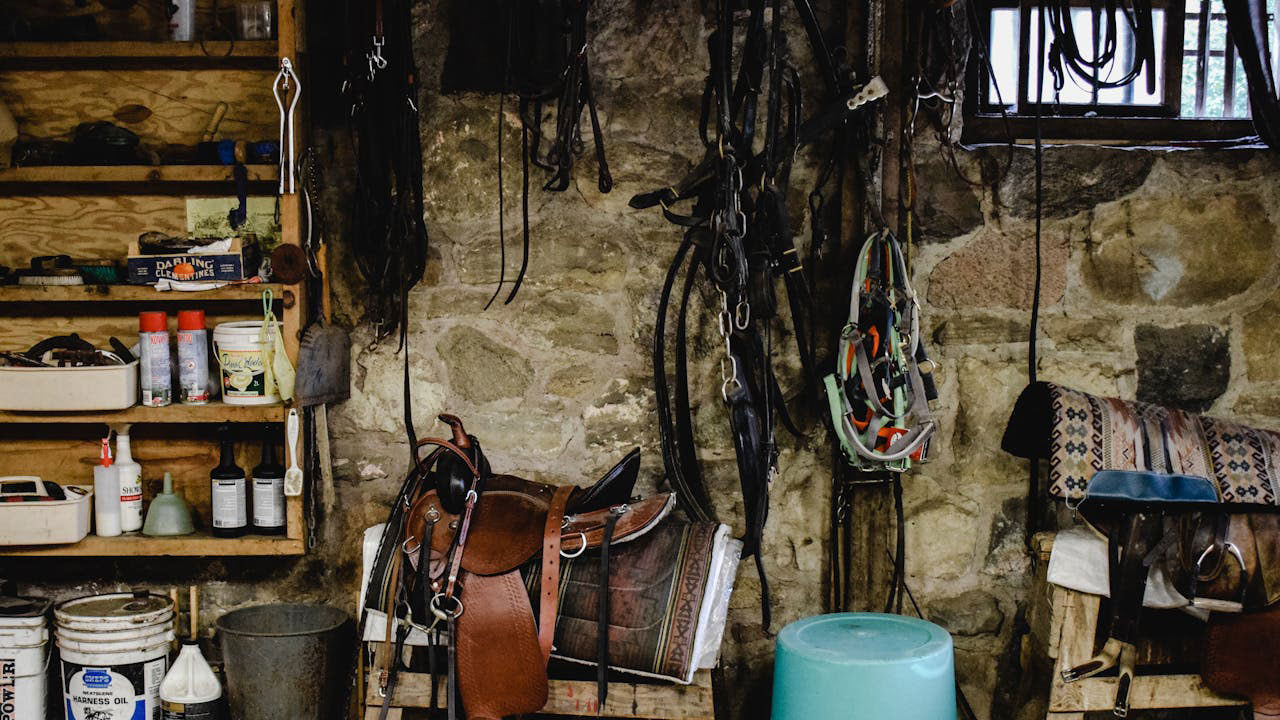
Tack rooms can look clean and still have one messy hidden strip that does all the damage. Under the lowest shelf is a classic example. Dropped grain, leather smell, dust, pet food, barn cat bowls, mouse droppings, and general low visibility make that area a quiet hotspot. It is usually just deep enough to be awkward to inspect well and just hidden enough to stay active after hours.
The problem here is that people spend time in tack rooms without really checking the floor line. They reach for bridles, halters, sprays, and tools, but they do not always get down low and look under the storage edge. That makes the tack room one of those places where trouble can grow in plain sight without being noticed soon enough.
Around old equipment parked inside
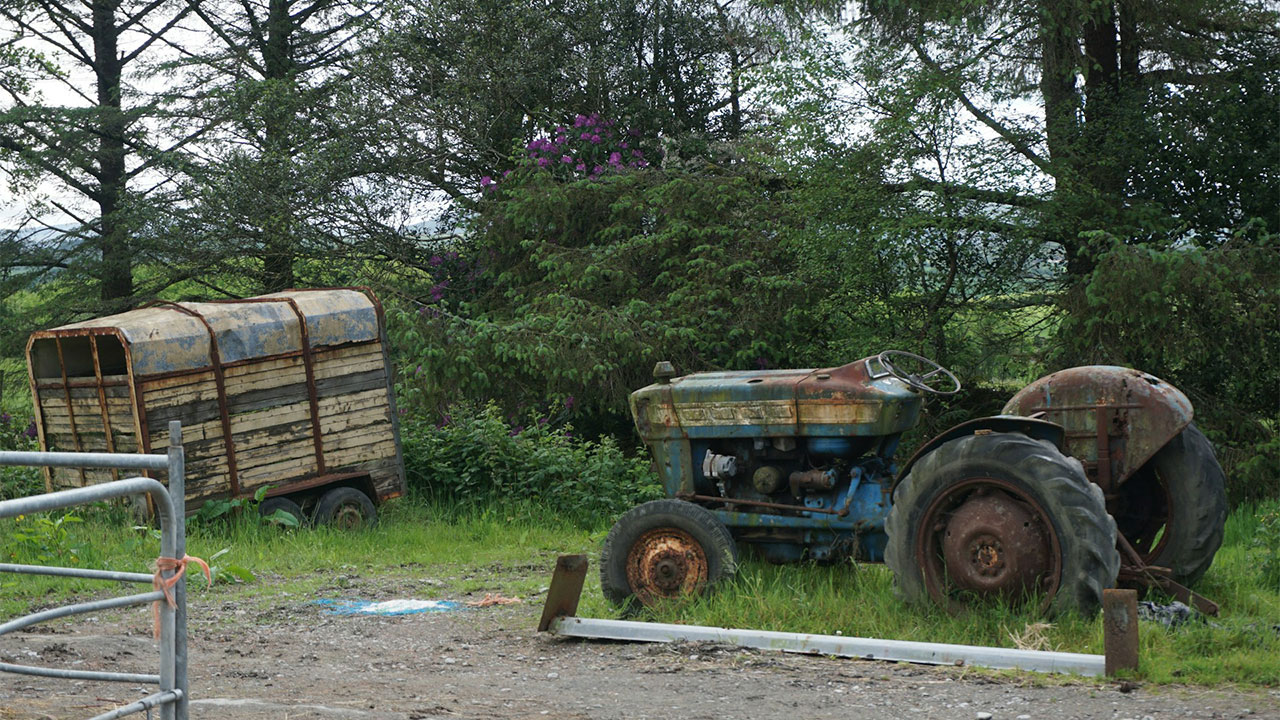
A mower, tiller, spreader, generator, or old attachment parked in the barn becomes a shelter the second it sits still long enough. Tires, frames, belts, housings, and shadow lines all create hiding spaces. If dust has settled around it and no one has moved it in a while, animals have probably already checked it. Rodents especially love parked equipment because it stays quiet, protected, and close to everything else they need.
This is one of the first places trouble starts because it blends right into the barn’s purpose. Stored equipment feels normal. But once a machine goes from regularly used to mostly forgotten, it starts functioning like a den site and travel cover. The same thing applies to trailers, carts, and rusting tools leaning where they have leaned too long.
The outside wall where grass grows high
Trouble around a barn often starts outside before it shows itself inside, and tall growth along the outer wall is one of the biggest giveaways. Grass, weeds, volunteer brush, and stored materials against the siding create a protected edge that animals use to move without being seen. Rodents use it as cover. Snakes follow them. Predators check it because it hugs the structure and carries scent.
The danger here is that this strip gets normalized fast. It is “just grass by the barn” until something starts living in it or using it as a route to the door, feed room, or coop. The base of the wall tells a bigger story than most people think, especially once growth gets thick enough to hide movement close to the building.
Beneath the lean-to
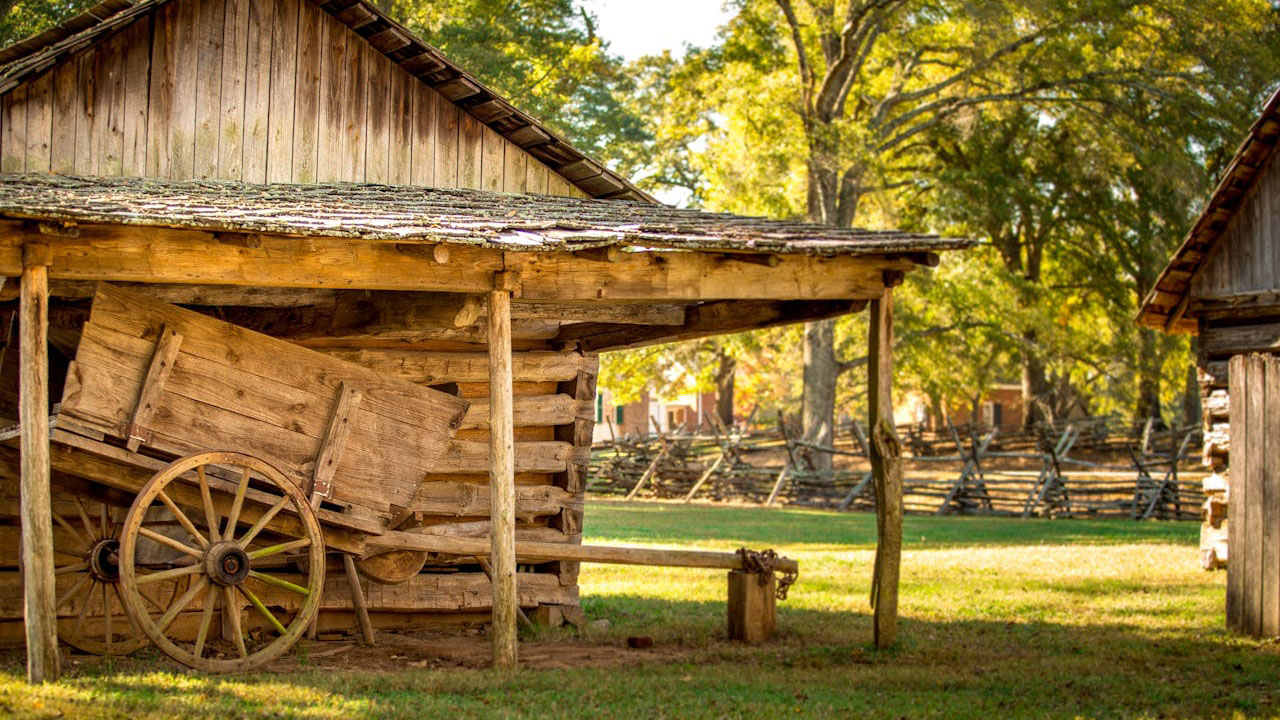
A lean-to off the side of the barn may feel like extra useful space, but underneath it is often where animal trouble gets its first foothold. There is shade, often cooler soil, protection from rain, and just enough stored junk or extra materials to create hiding cover. If bedding, feed, or tools get shoved under there temporarily and forgotten, it gets even better for pests and predators alike.
This spot is bad because it feels semi-outside and semi-inside, which means it often gets maintained like neither. That in-between status makes it one of the easiest places for wildlife to start using without attracting much notice. A lot of barn problems start under the lean-to and only later graduate into the main structure.
The corner by the trash barrel
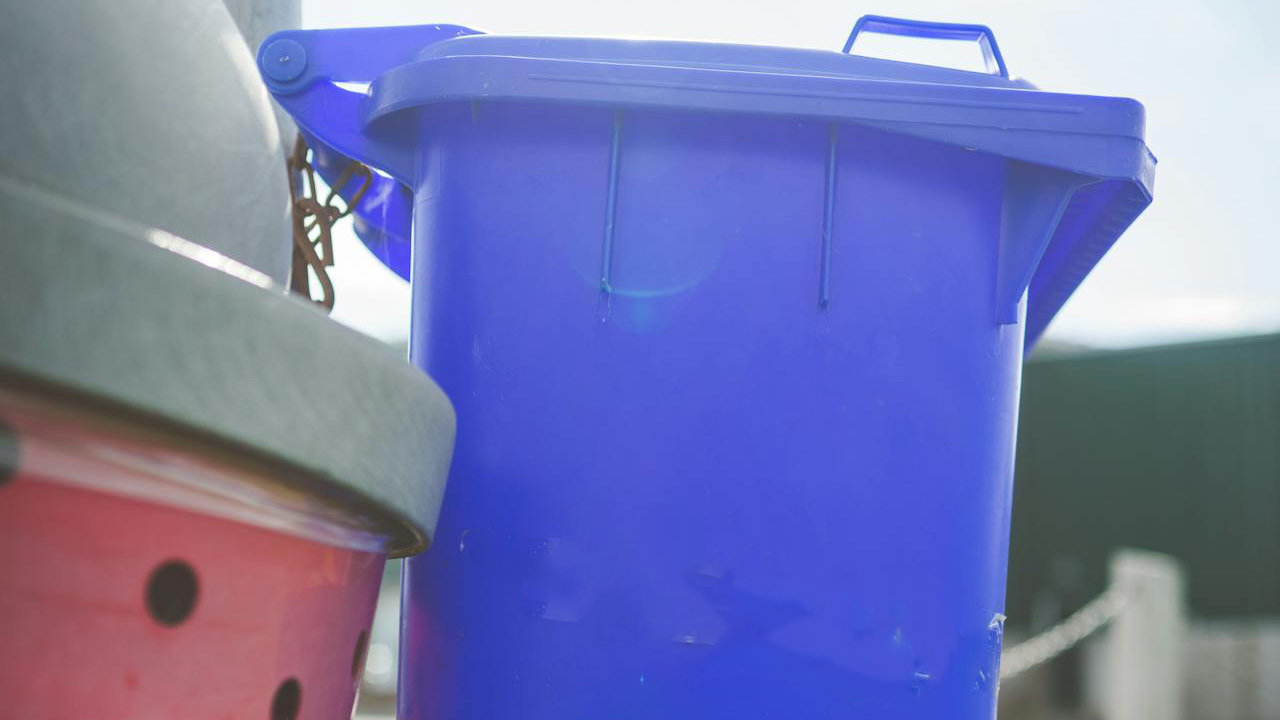
Barn trash attracts more than people think. Twine, feed sacks, wrappers, grain dust, old produce, paper, and leftovers tossed into or around a barrel all create scent and opportunity. The ground around a barn trash spot often ends up with bits of spilled feed, loose debris, and cover nearby, which makes it one of the first nighttime check-in points for raccoons, rats, opossums, and loose dogs.
This area usually gets treated like a side detail, but animals treat it like information. They learn quickly whether there is anything worth returning for. If the barrel does not seal well or the area around it stays messy, trouble often starts there before moving deeper into the barn footprint.
Inside the empty stall used for storage
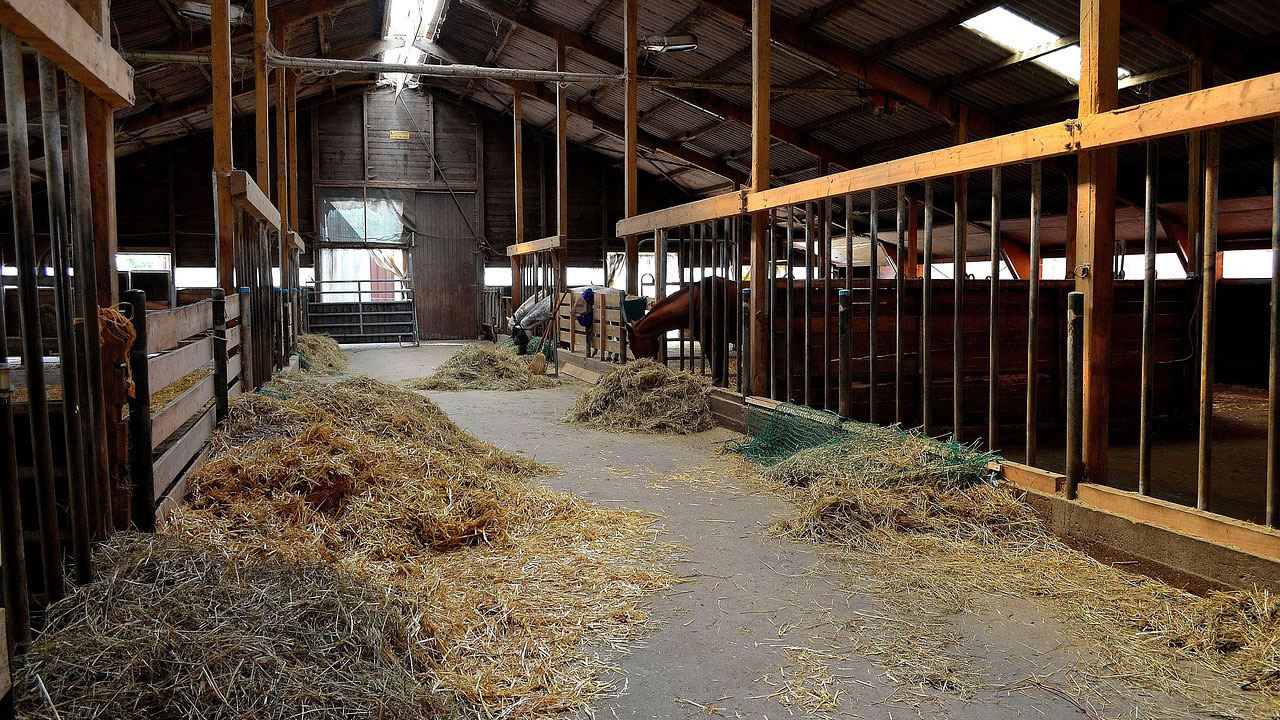
A stall that no longer holds animals but still holds stuff becomes prime trouble ground. It is enclosed, quiet, and usually full of stacked or leaning items that create perfect cover. If it is half storage room, half forgotten catch-all, it is almost guaranteed to be more attractive to pests than the active stalls nearby. There is just less pressure there.
This is one of the spots where a barn starts lying to its owner a little. The main aisle looks active. The animals seem fine. Meanwhile, the unused stall has become a little ecosystem of hiding places, chewables, nesting material, and shadow. If something is going to get comfortable on the property before anybody realizes it, the storage stall is high on the list.
Around the barn cat food dish
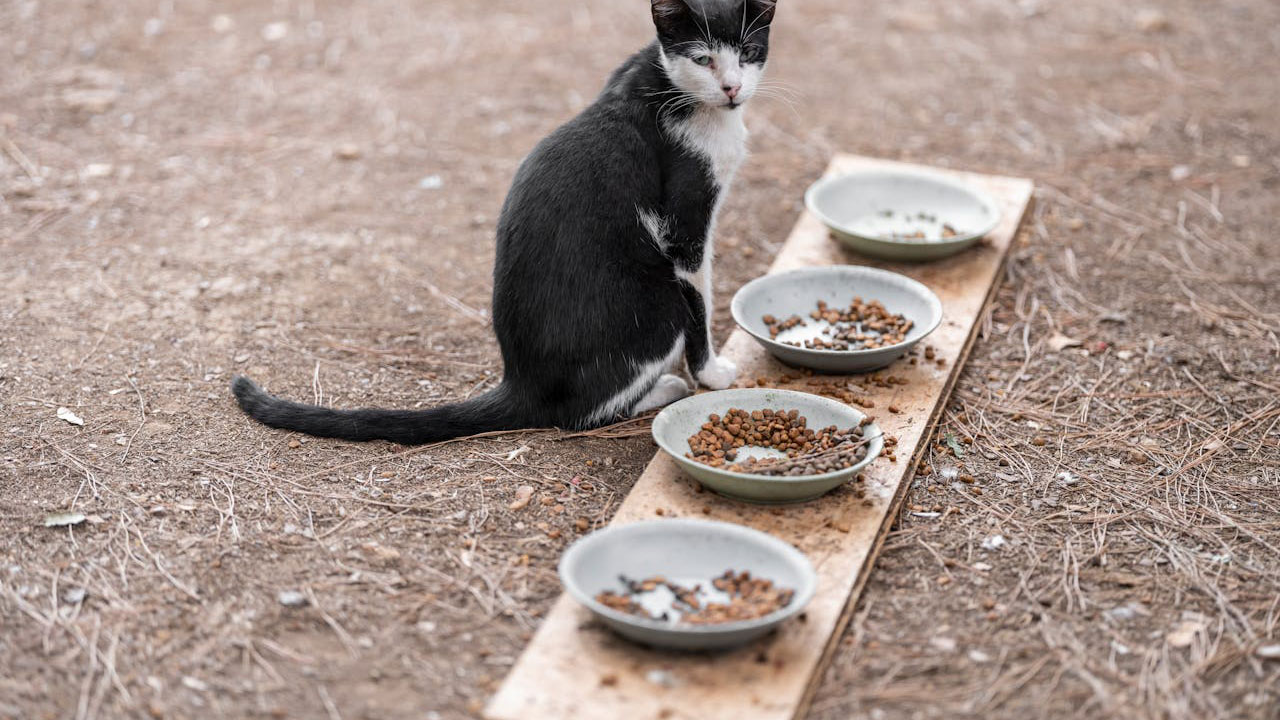
Barn cats are useful, but the food dish can create its own problems the second the routine around it gets loose. Cat food left out overnight pulls in raccoons, opossums, rats, skunks, and anything else willing to work for an easy meal. The cats may help with rodents, but the food can also start feeding the exact trouble you do not want hanging around the building.
This becomes an early problem spot because it stays consistent. Animals learn quickly where food appears on schedule. A barn cat feeding area can turn into a nighttime meetup point if it is not managed tightly. Once that happens, the trouble is no longer random. It is routine.
The spot where fencing, panels, or boards lean
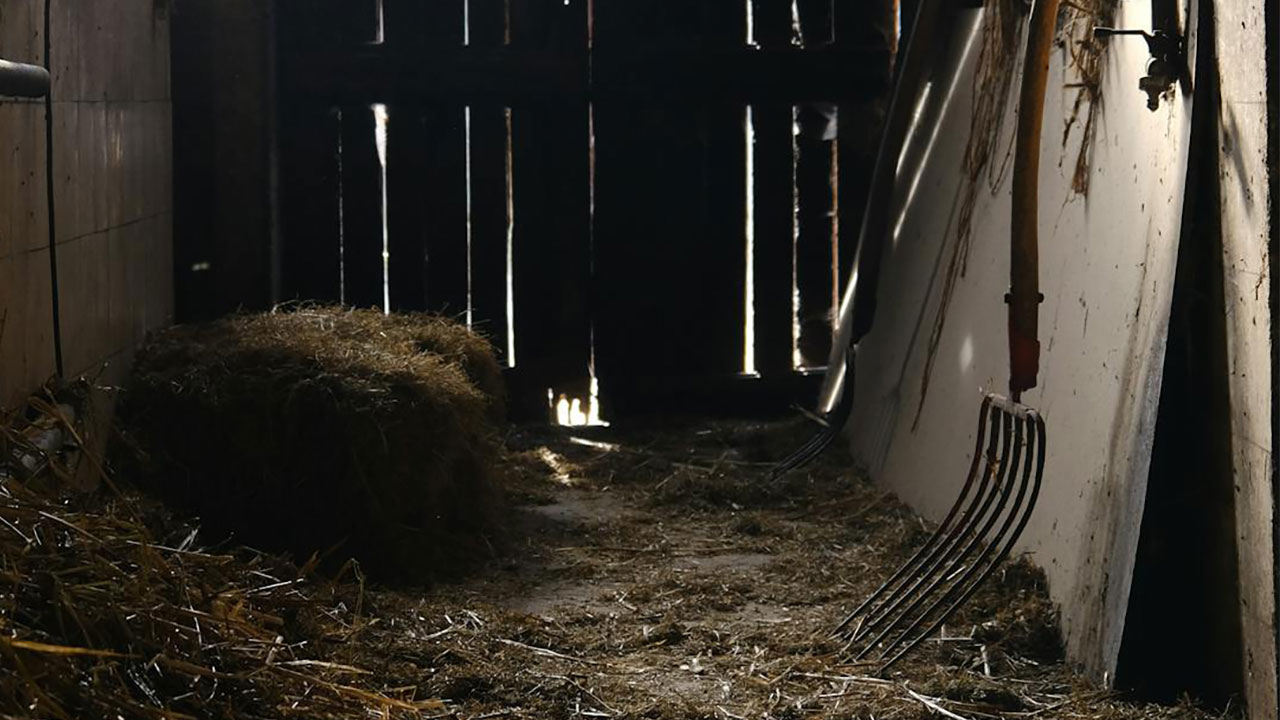
Anything leaned against a barn creates a pocket behind it, and animals love pockets. Fence panels, plywood, old gates, posts, tin, and boards all make instant cover when they sit in one place too long. The space behind them stays shaded and lightly used, which is exactly what rodents, snakes, and certain nesting animals want.
This is one of those classic trouble starters because it looks like storage, not habitat. But functionally it is the same thing as a mini junk pile up against the structure. If the barn has a leaning-material zone, that area deserves a lot more suspicion than it usually gets.
The doorway between the barn and everything else
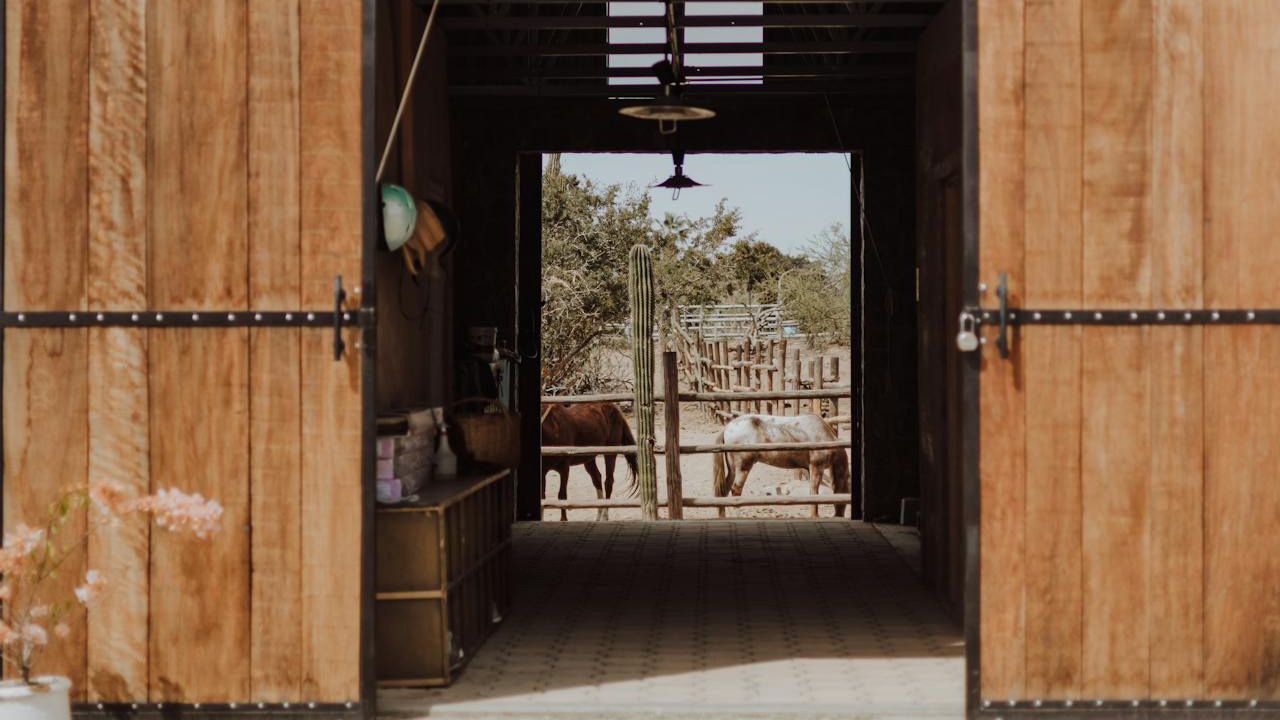
The side door, back door, tack-room door, feed-room door, and any threshold that connects the barn to a run, lot, coop, or yard is where outside trouble starts pressing inward. Dirt tells on these places first. Tracks, droppings, rub marks, scattered feed, and repeated traffic patterns tend to build at thresholds before they build deeper inside. Animals test door zones because that is where scent, access, and opportunity all meet.
That is why doorway edges matter so much. They are not just openings for people. They are reading points for animals. If something is starting to take an interest in the barn, the threshold usually knows first. Most people are looking at eye level when they pass through. The story is almost always at boot level.
Like The Avid Outdoorsman’s content? Subscribe to our newsletter so you never miss an article.
Here’s more from us: