Photo credit: Leandro Da Silva Gomes/Pexels.com
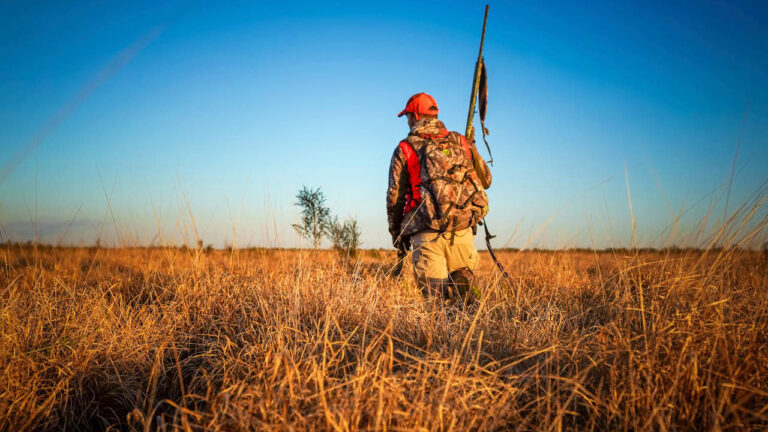
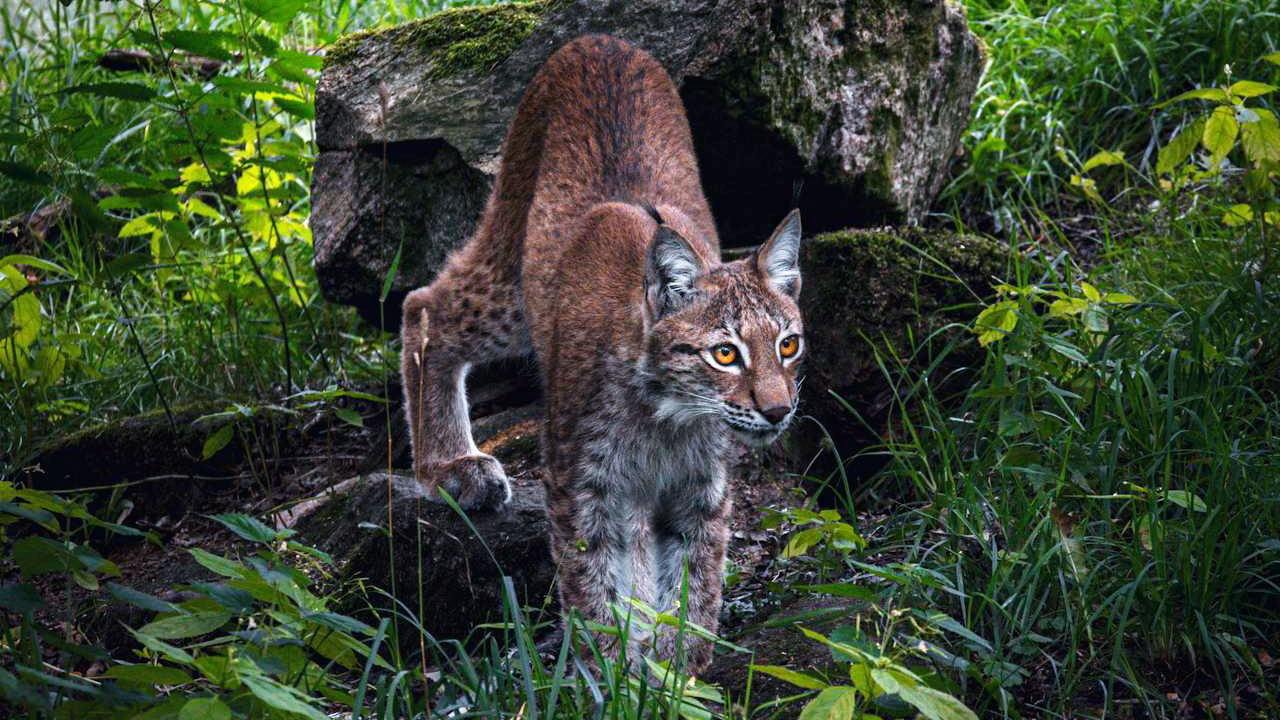
The woods have a way of warning you before you ever see teeth, fur, or movement. A lot of the best predator sign is not tracks or scat. It is behavior. Prey animals and smaller birds constantly react to danger, and if you pay attention to those reactions, you can often tell something is wrong before the predator ever shows itself. Deer, songbirds, livestock, and even squirrels all change the way they move and sound when the pressure changes. Wildlife agencies and birding sources consistently note that prey species rely heavily on freezing, alarm calls, mobbing behavior, and other defensive responses when predators are near.
That matters whether you hunt, hike, work land, or just spend enough time outside to notice patterns. None of these signs is a magic guarantee on its own. Wind, weather, people, and other disturbances can affect behavior too. But when several of these things stack up in one place at one time, you should start assuming a predator may be close.
Deer suddenly freeze and stare instead of feeding
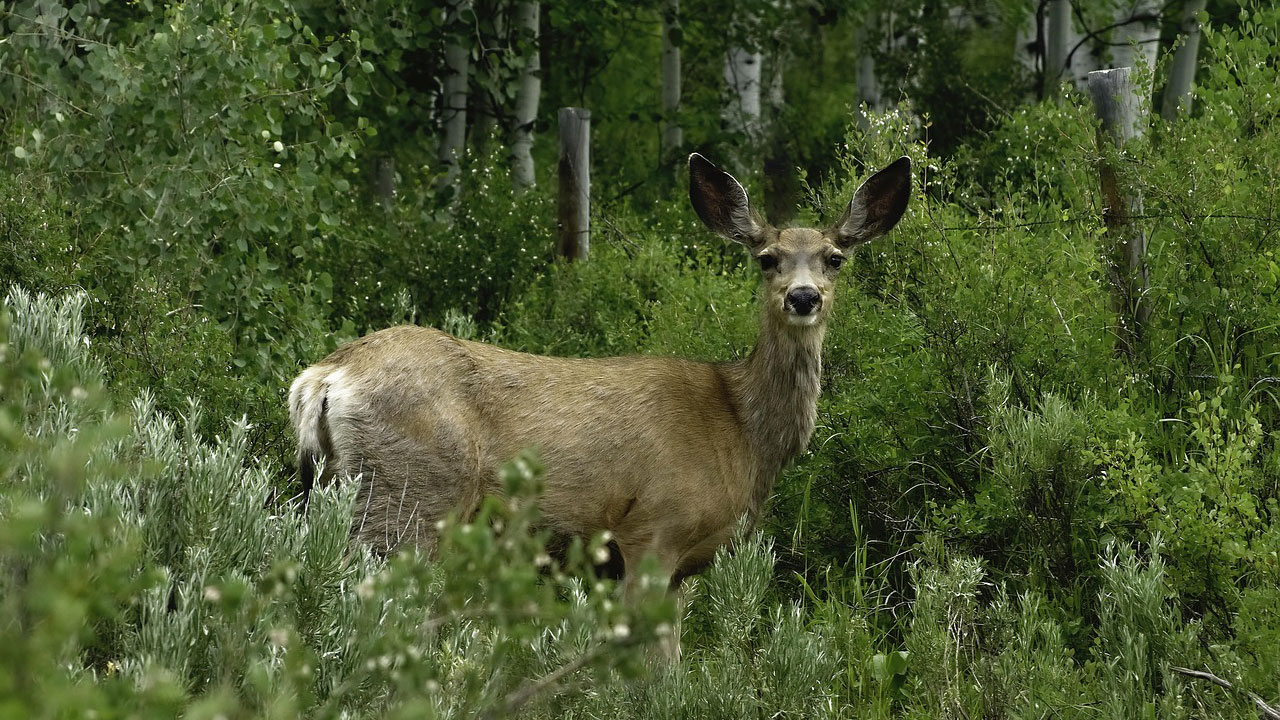
One of the most reliable tells in the woods is a deer that stops acting like a deer should. The National Park Service notes that mule deer freeze when danger is nearby because movement attracts predators. That is a big clue. A relaxed deer usually feeds, walks, flicks its ears, and generally acts occupied. A deer that locks up and stares hard into one patch of cover is often telling you it has picked up something it does not like.
That frozen posture matters even more when the deer is not looking at you. If its body goes rigid, its head stays fixed, and it seems mentally locked onto one area, that is often a sign the pressure is in that direction. A predator does not always need to be visible to create that kind of reaction. Sometimes scent, faint movement, or just the outline of danger is enough.
Songbirds start throwing sharp alarm calls
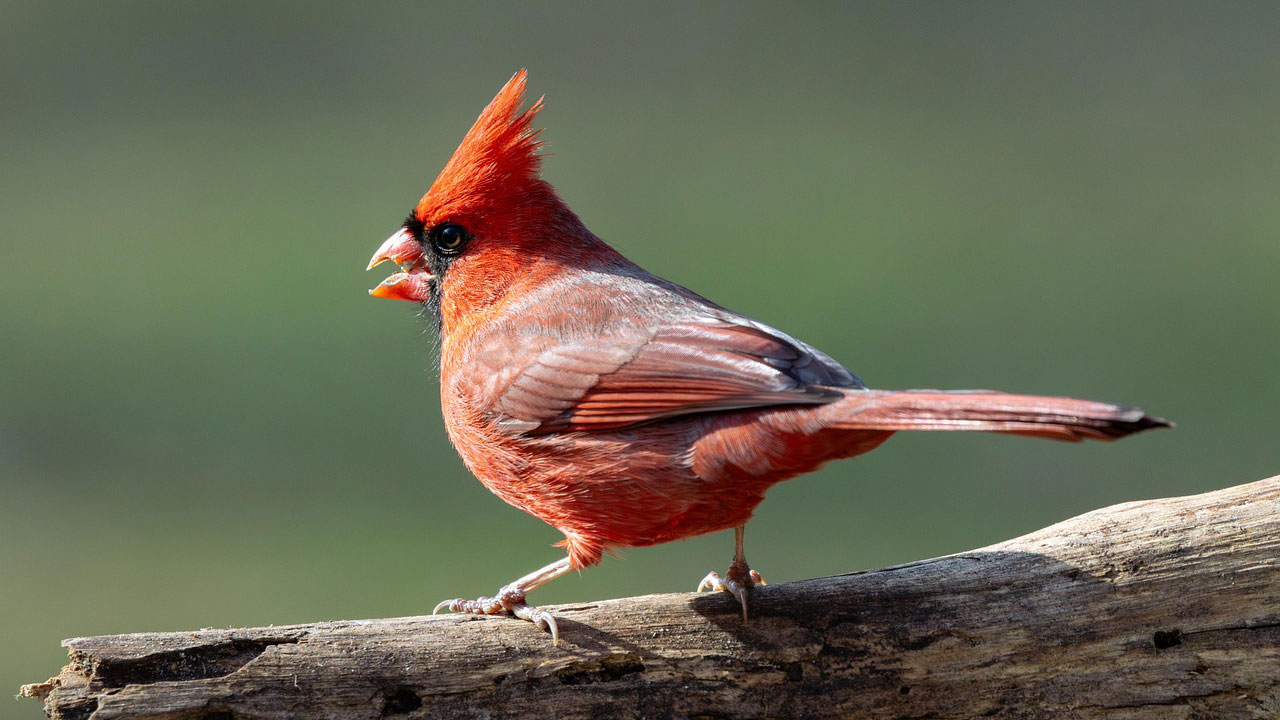
Birds are some of the best early-warning systems in the outdoors. Audubon explains that birds use different alarm calls for different threats, including aerial predators and perched predators. If the little birds around you suddenly start firing off sharp, urgent notes instead of normal chatter, pay attention. They may be reacting to a hawk, owl, cat, snake, or other predator in the area.
The big thing is the change in tone. Normal bird noise has a casual rhythm to it. Alarm calling sounds tight, repetitive, and serious. If it is concentrated in one direction or starts moving across a woodline, the birds may be tracking a predator’s movement through the area.
Small birds mob one tree or one patch of cover
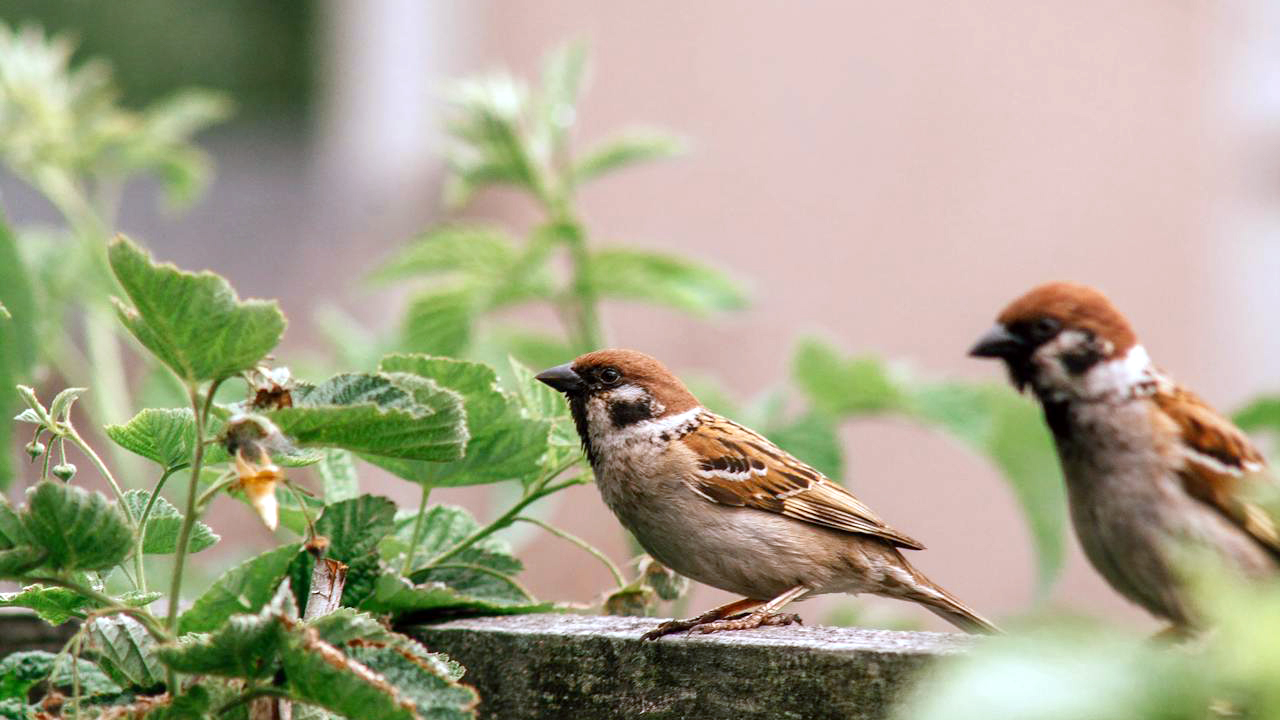
Audubon also notes that when a raptor is perched, smaller birds may call loudly and rally others to mob the intruder. That is one of the clearest predator tells you will ever get. If a bunch of smaller birds are all focused on one limb, one snag, one cedar, or one brush pocket, there is a good chance they are trying to harass or expose something they consider dangerous.
This can happen with hawks, owls, snakes, cats, and sometimes even mammals that birds know to distrust. You may not see the predator right away, but if the birds are all piling pressure onto one spot, it is worth slowing down and glassing carefully before you move on.
The woods go quiet all at once

A sudden hush can mean plenty of things, but it often deserves respect. Birds and other small animals rely on sound to detect and communicate about danger, and the National Park Service notes how important acoustic conditions are in predator-prey relationships. When the normal chatter drops hard and stays down, it can mean nearby animals have switched from routine behavior to caution mode.
This sign is not as specific as an alarm call, but it is still useful. If a lively patch of woods suddenly feels muted, especially with no obvious human disturbance, it can mean something has everyone uneasy. A predator moving quietly through the area can create exactly that kind of uneasy stillness.
Squirrels bark from one fixed direction
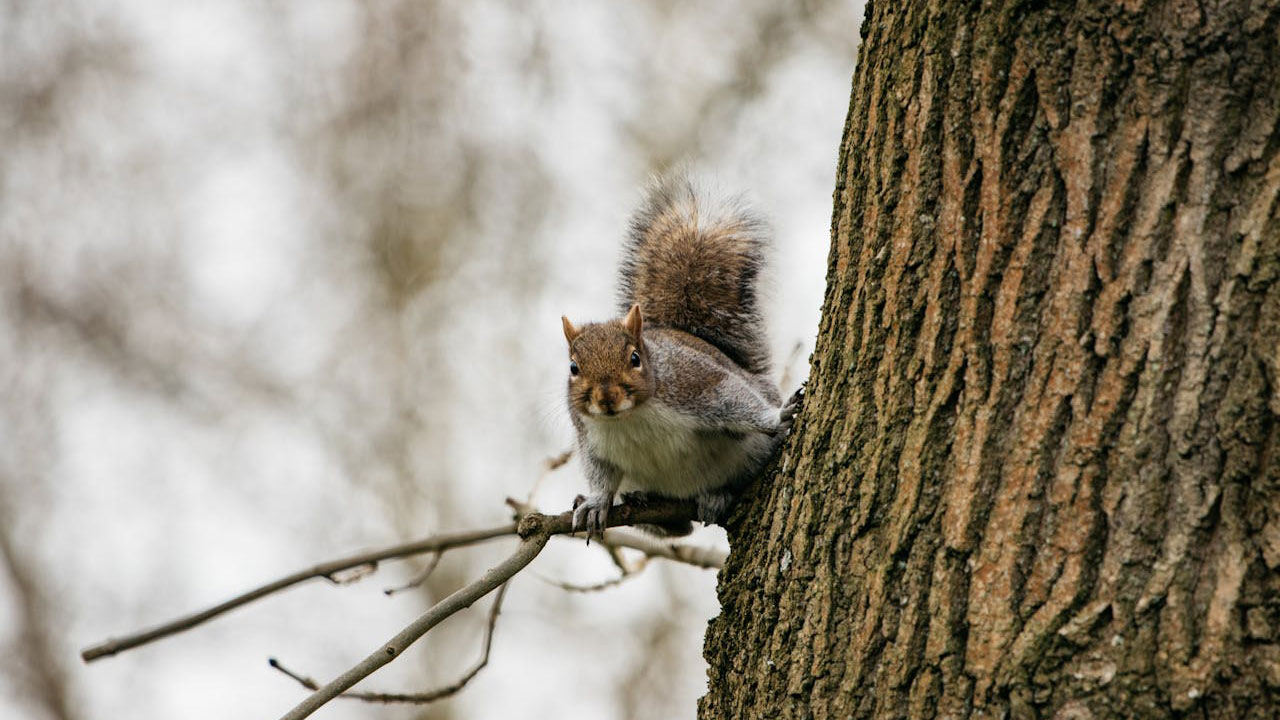
Squirrels are not subtle, and that is part of what makes them useful. When a squirrel starts barking, scolding, or tail-flicking repeatedly at one patch of cover, it often means it has keyed in on danger. While squirrels may react to people too, a persistent scold directed into thick brush or up a tree often suggests a hawk, owl, snake, bobcat, fox, or similar predator is close. This fits the same broader alarm behavior that birding and wildlife sources describe in prey species reacting to threats.
The key is focus. A squirrel just being noisy is one thing. A squirrel that keeps circling a trunk, staring into one spot, and barking with purpose is worth noticing. Prey animals do not waste that kind of energy for no reason.
Rabbits vanish from open feeding spots fast

A rabbit feeding casually in low light can disappear for plenty of reasons, but when several prey animals suddenly clear out of easy feeding ground, it often means the risk level changed. Prey species survive by reading danger quickly, and wildlife sources repeatedly emphasize behavioral adaptations like freezing, fleeing, and avoiding risky exposure when predators are present.
If an area that should hold visible small prey suddenly looks empty and dead, especially after showing activity moments earlier, something may have pushed them under cover. That “something” is often not random. Predators change the comfort level of open ground in a hurry.
Livestock bunch up and watch the same edge

On rural ground, livestock often tell the story before people do. Cattle, goats, sheep, or even horses that group tightly, face one direction, and refuse to settle may be reacting to a predator on the edge of the field or timber. USDA and APHIS materials on predator damage management note the real conflict predators can create around livestock and ranching landscapes.
This does not mean every uneasy herd is staring at a coyote or wolf, but when animals that usually spread out suddenly compress and monitor one edge, it deserves a closer look. Prey behavior often shifts from casual feeding to group vigilance when danger feels close.
Ground-nesting birds raise a loud fuss
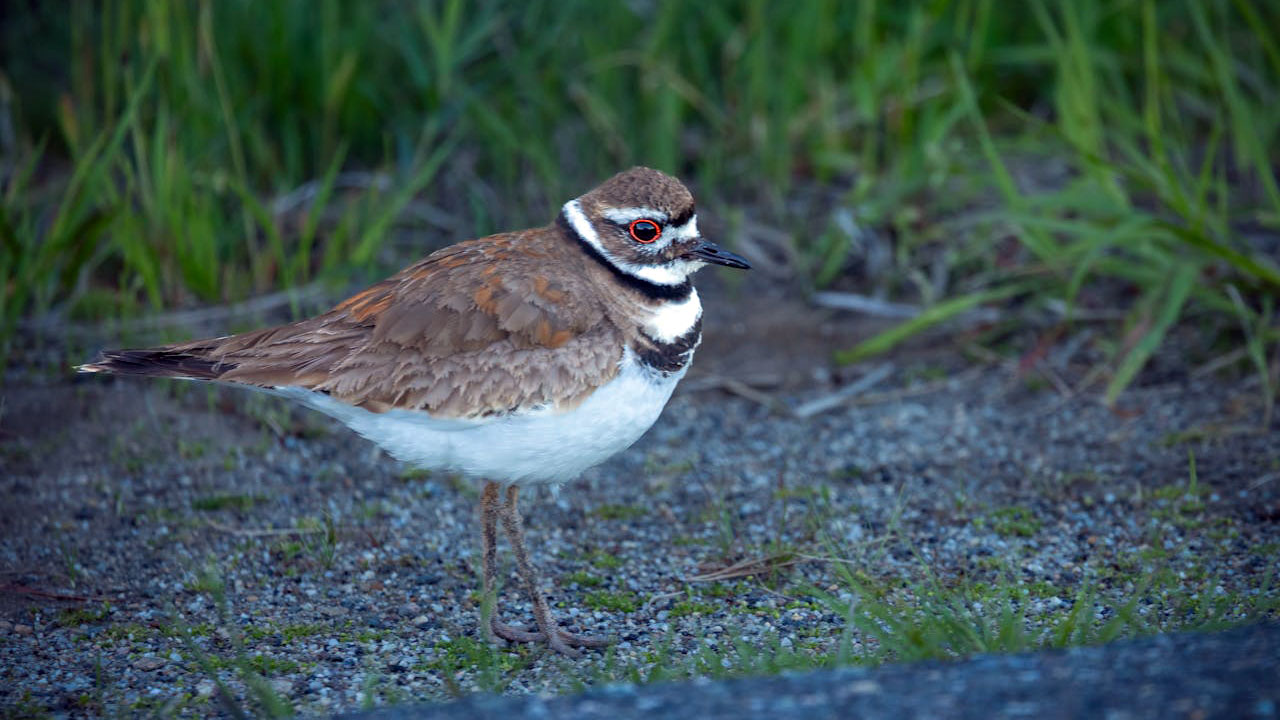
Bird colonies and nesting birds can be some of the loudest witnesses in the outdoors. National Park Service guidance warns that nests and rookeries are vulnerable to predators, and birds often react strongly when threats approach nesting areas. If ground birds or nesting birds suddenly erupt with sharp calls, circling, or frantic agitation, they may be sounding off on a nearby predator.
This is especially useful around marshes, field edges, shorelines, and brushy nesting cover. Birds do not just panic for the sake of it around nests. If they are making a scene, they are often trying to expose, distract, or drive off something dangerous.
Birds perform distraction displays near the ground
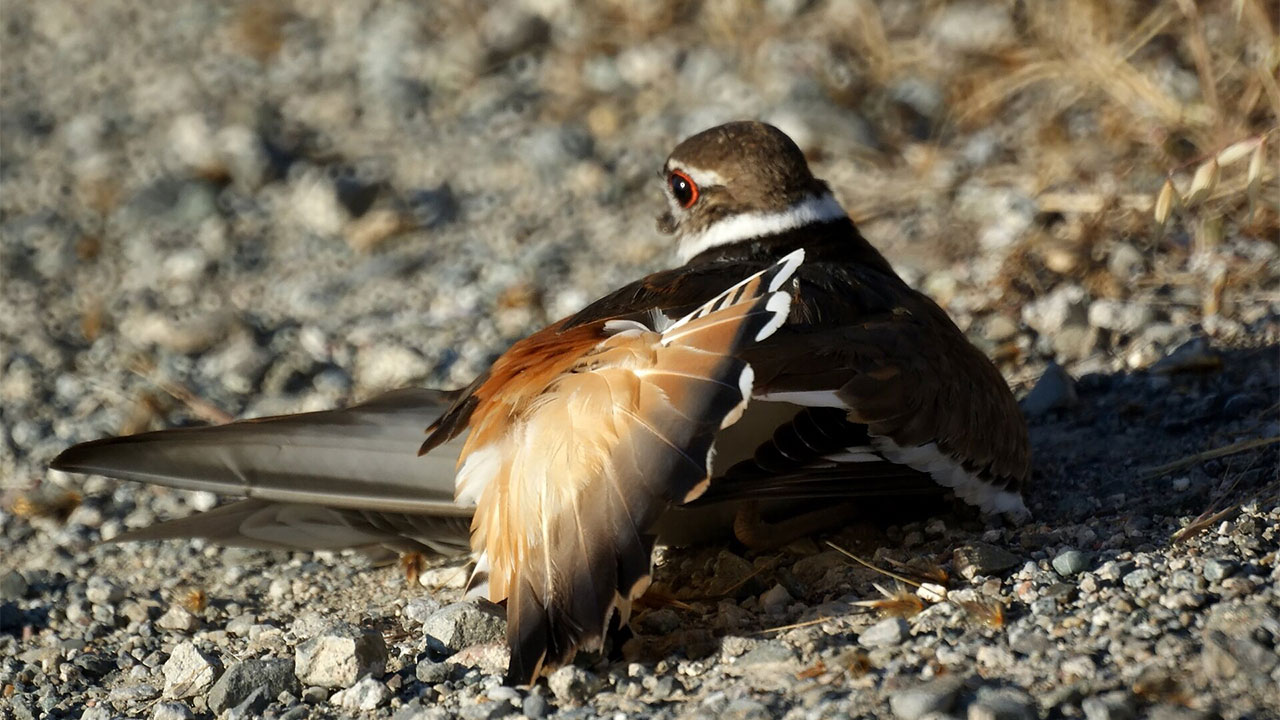
The National Park Service notes that some birds feign injury to deter predators. That means if a bird suddenly starts acting “wounded,” fluttering awkwardly, dragging itself, or trying to pull attention in a certain direction, it may be reacting to a predator threat near a nest or young.
A lot of people mistake that as random strange behavior, but it is a defensive move. If you see it, assume there is vulnerable nesting activity nearby and that the bird perceives danger. Sometimes that danger is you. Sometimes it is another predator working the same area. Either way, the bird is telling you the pressure is real.
Deer blow, stomp, and refuse to relax
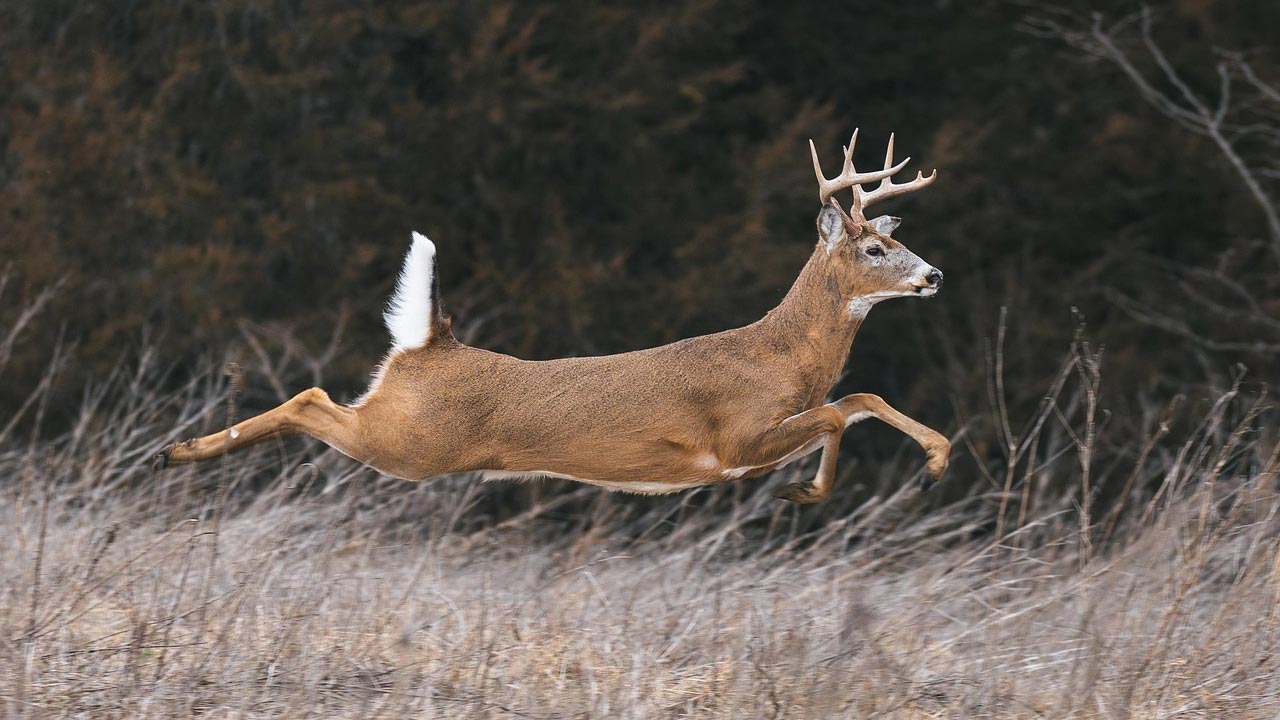
The freeze is one stage. The more obvious stage is when deer start blowing, stomping, and staying wound tight. NPS deer behavior notes focus on freezing and escape adaptations, but that broader pattern of high-alert vigilance is exactly what you see when deer have moved past suspicion and into active warning mode.
If a deer keeps flagging danger instead of drifting off and calming down, there is usually a reason. One deer being skittish can be nothing. Several deer staying agitated and focused on one thicket, draw, or ridge finger can mean a predator is holding there or moving through slowly.
Prey trails start angling toward thicker cover
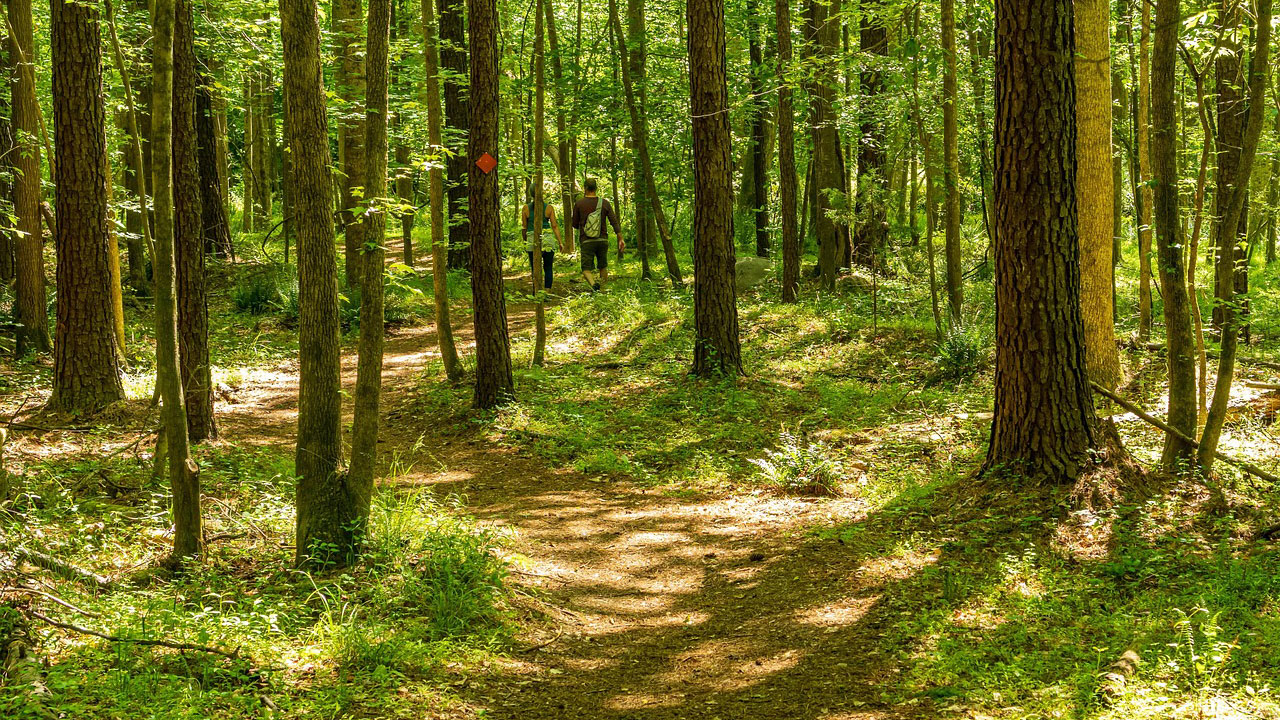
When pressure changes, movement changes. Mule deer research from the National Park Service explicitly focuses on how deer avoid predators and how they use habitat in response. That matters because prey animals often shift routes when they feel hunted. If movement that should cross open ground starts hugging brush, creek bottoms, thicker timber, or steeper escape cover, a predator may be influencing how animals are using the area.
This is more of a pattern sign than an instant sign, but it still counts. Animals that suddenly get cautious about open exposure are usually reacting to something. If that pattern lines up with alarm calls or visible tension, the odds go up that a predator is nearby and changing the traffic flow.
Ravens, crows, or jays start keying on one spot
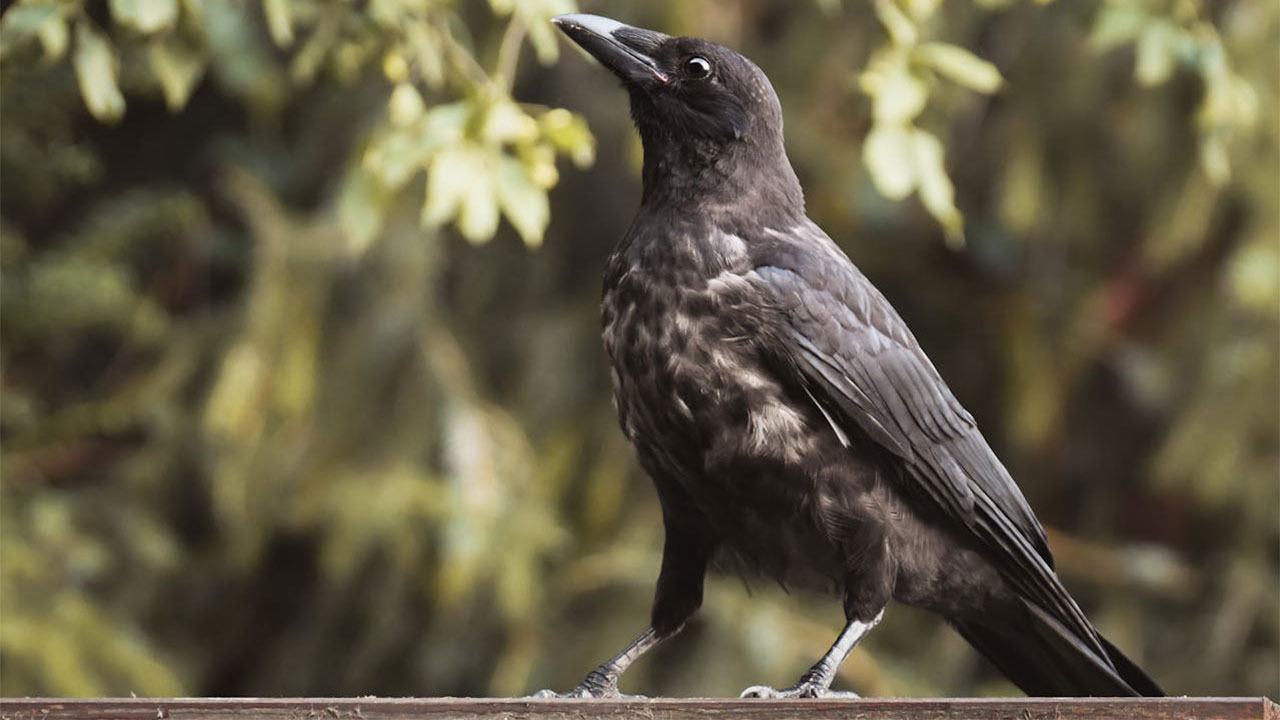
Corvids are loud, smart, and nosy, which makes them useful. Audubon has even highlighted an example of a raven effectively warning hikers about a bear on a trail. While that was a story piece, it lines up with the well-known tendency of crows, ravens, and jays to react strongly to predators and unusual threats.
If crows or jays are making a racket over one patch of timber, one carcass site, one ridge point, or one tree line, there is often a reason. It might be a hawk, owl, bobcat, bear, or another predator they do not like sharing space with. These birds are often some of the best tattletales in the woods.
Small birds switch to thin, high warning notes
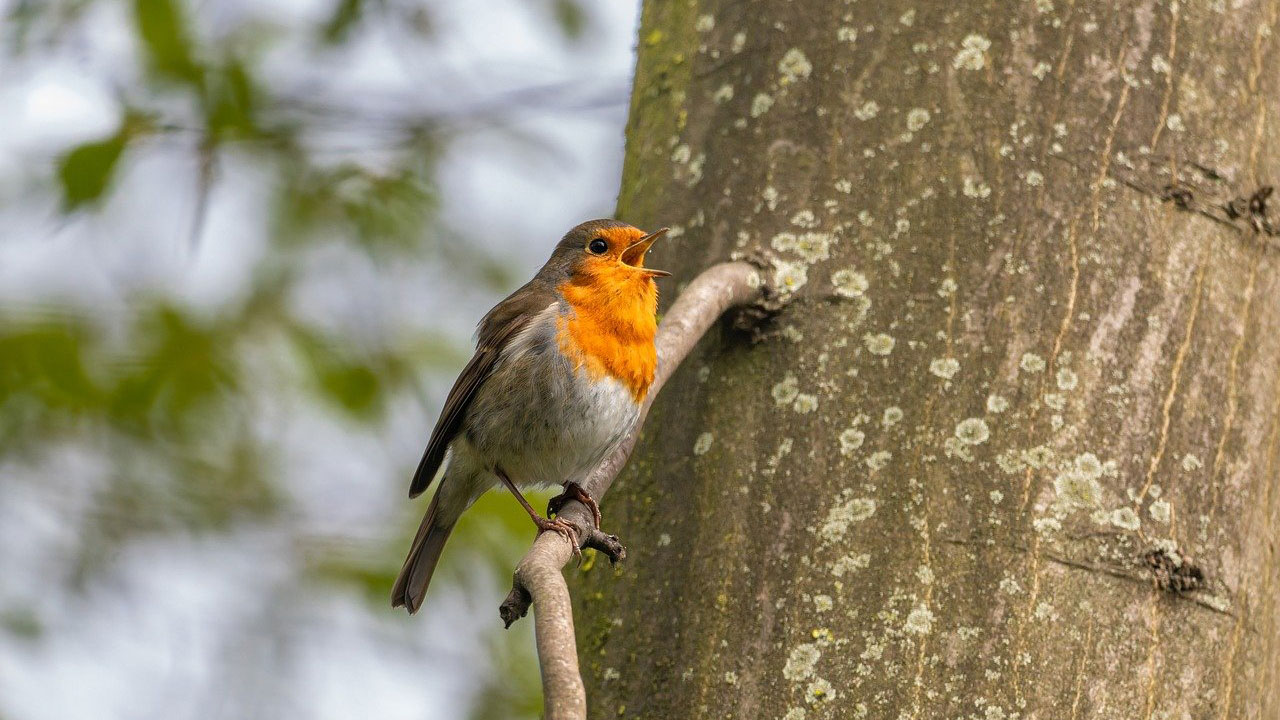
Audubon notes that birds can make short, quiet, high-pitched calls when an aerial predator is overhead, in part because those calls do not carry as far and do not reveal the caller’s location as easily. That is a very useful field clue. If the usual bird sound suddenly turns into thin, tight, high notes, the danger may be above rather than on the ground.
That can point to hawks and other aerial predators, but it still matters in the broader predator conversation. A lot of people only watch the ground. The birds can tell you when the problem is overhead.
Prey animals start looking back over their shoulder repeatedly
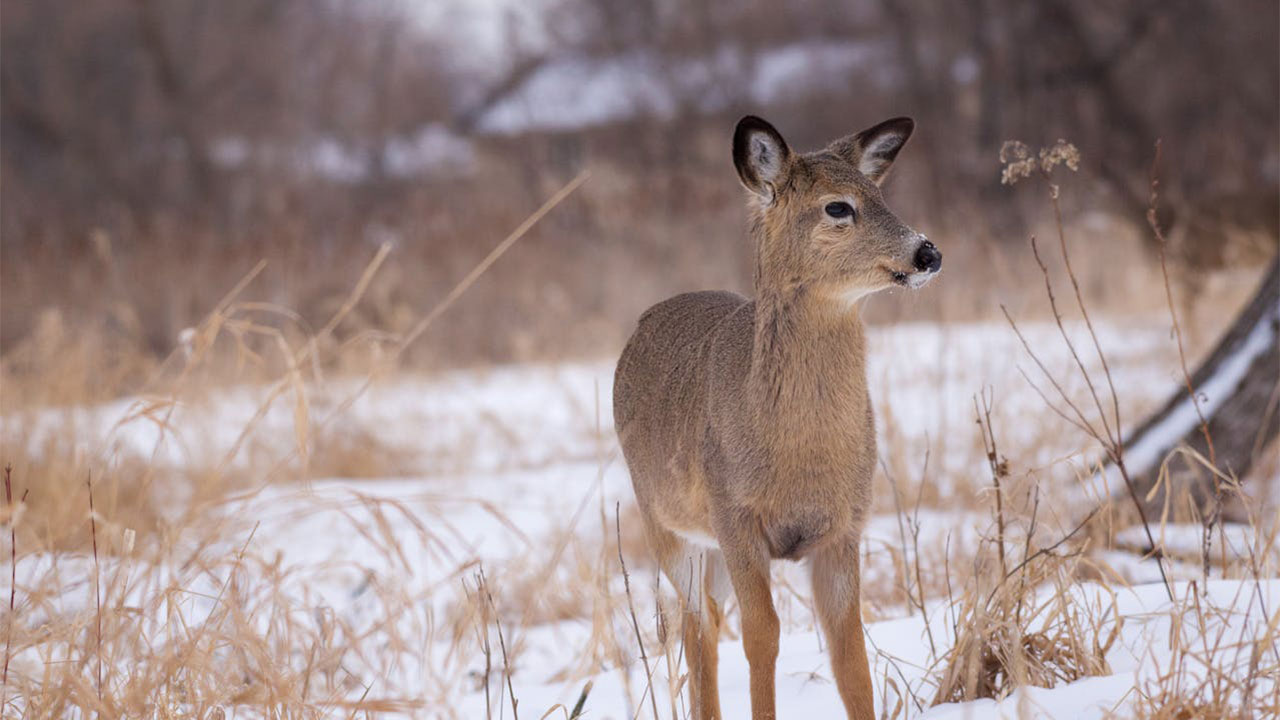
A relaxed animal scans casually. A pressured animal keeps checking the same angle over and over. Research and wildlife behavior summaries on deer emphasize avoidance behavior and how predators shape prey movement and vigilance. If an animal cannot commit to feeding or traveling because it keeps checking behind, circling its gaze back, or hesitating before entering open ground, something may be tracking or shadowing the area.
This is one of those subtle signs that gets easier to read with time. It is less about one dramatic motion and more about the mood of the animal. If it looks like it wants to move but does not trust the ground behind or beside it, that distrust may be earned.
Suddenly abandoned water or feeding spots
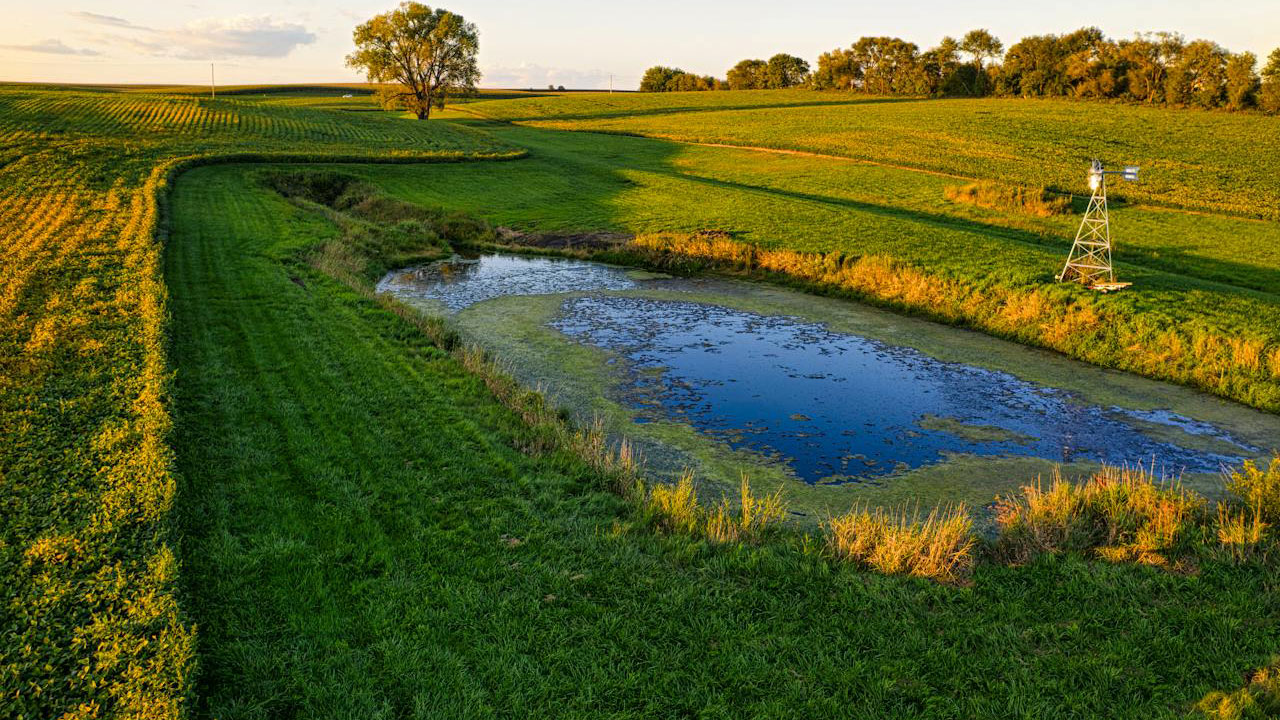
Predators concentrate around resources too, and prey animals know that. If a water source, feeder edge, or feeding flat that normally holds casual activity suddenly feels empty or tense, that can be a clue. Predator-prey studies and management materials regularly revolve around how predators influence where prey feel safe using the landscape.
This is especially worth noticing in dry country, around stock tanks, or anywhere game has limited options. If animals are approaching carefully, circling, or avoiding a place they normally use freely, a predator may have been working that spot recently or may still be close by.
Like The Avid Outdoorsman’s content? Subscribe to our newsletter so you never miss an article.
Here’s more from us: