Photo credit: Blade HQ
Some knives look perfect in specs and reviews: premium steel, crazy thin grind, lightweight build, laser-sharp out of the box. Then you actually use them like an outdoors knife — wet hands, awkward angles, a little twist in the cut, maybe a light pry you shouldn’t have done — and you find the limits fast. None of these are “bad knives.” Most are excellent cutters. They just aren’t built for rough work, hard batoning, bone contact, or any kind of side-load. If you treat them like slicers, they shine. If you treat them like do-it-all field tools, they can disappoint.
Benchmade Bugout

The Bugout is a classic example of a knife that makes total sense on paper: light, carry-friendly, and easy to live with every day. It’s a great cutter for normal use, and a lot of hunters carry one because it disappears in the pocket. The problem is when you start asking it to do hard work. The thin blade and lightweight build aren’t made for twisting cuts, prying, or hammering through stubborn material.
Where people get frustrated is expecting it to feel like a hard-use outdoor knife. If you’re careful, it’ll dress animals and handle camp chores fine. But if you’re rough on gear or you want a folder you can lean on like a fixed blade, the Bugout can feel too flexy and too “light duty” once real pressure shows up.
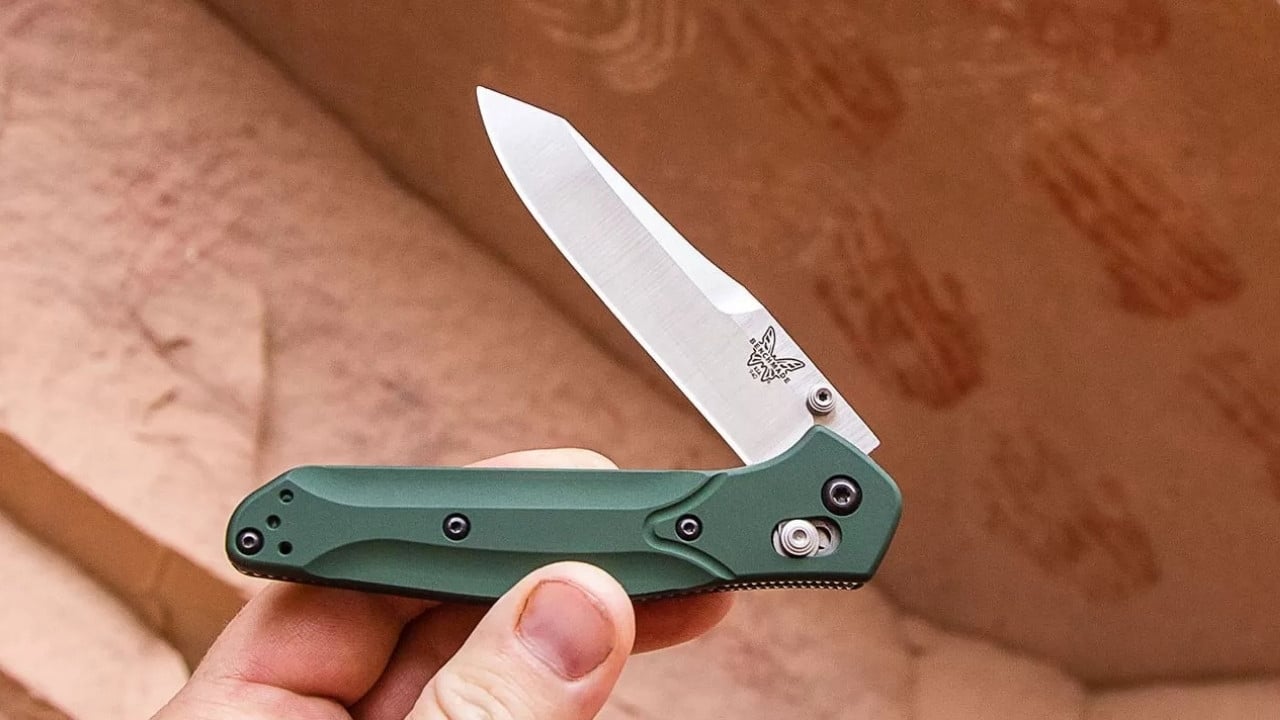
Benchmade 940 Osborne
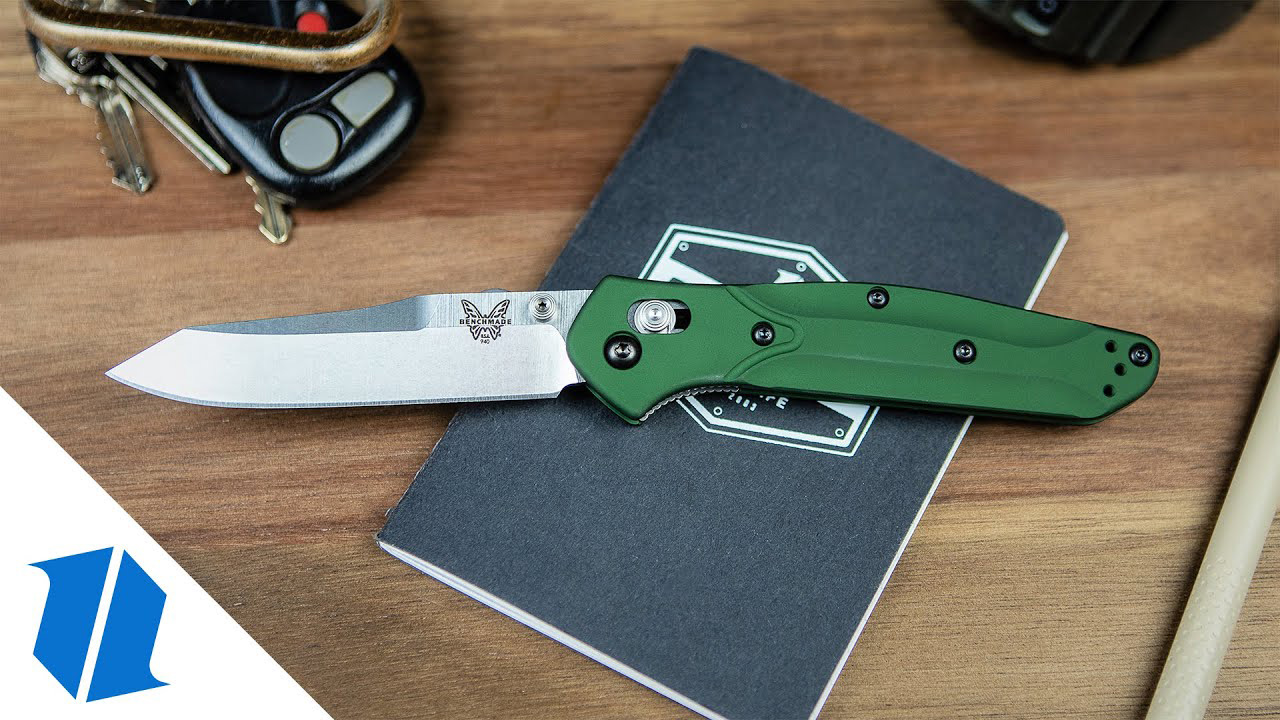
The 940 carries like a dream and has a ton of fans for good reason. It’s slim, it’s fast, and it’s a solid everyday tool. But that blade shape and geometry can be a little deceiving for rough work. You’ve got a narrower tip and a profile that excels at controlled cutting, not brute-force abuse. When you start torquing the blade in hard material, that’s where you can get into trouble.
In the field, it’s fine for normal slicing, opening, light processing, and detail work. Where it loses people is when they treat it like a pry tool or try to bully it through tasks that really call for a thicker fixed blade. It’s a great “carry knife,” not a “beat me up” knife.
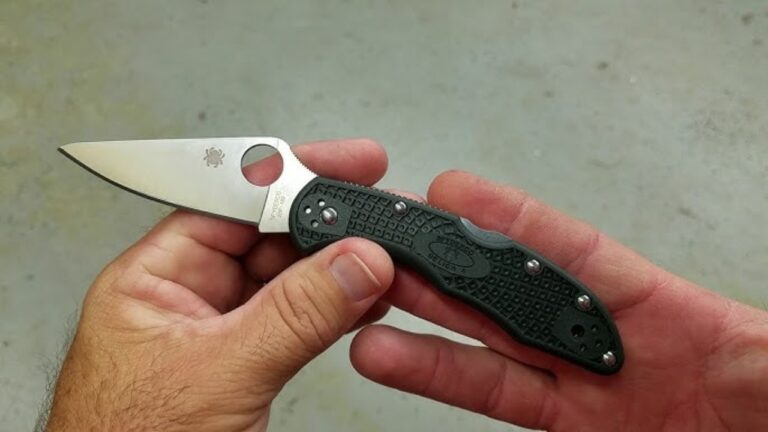
Spyderco Delica 4

The Delica is a fantastic cutter for its size. The blade geometry is efficient, it bites into material, and it feels sharper than a lot of thicker knives because it’s built to slice. But that same slicing-friendly build is exactly why it’s not the best choice for rough outdoor work. It’s a lightweight folder with a thinner blade that doesn’t love side pressure.
If your “hard use” includes digging, prying, twisting through knots, or forcing the blade in ways it wasn’t meant to go, the Delica can feel outgunned. It’s awesome for controlled cutting and everyday carry. It’s just not the knife you want to rely on when you know you’ll be doing rough tasks all day.
Spyderco Chaparral

On paper, the Chaparral looks like a high-performance slicer: thin, refined, and designed for clean cutting. That’s exactly what it is. The tradeoff is durability under abuse. The blade is thin, the whole knife is built to be light and precise, and it’s not built for torque. If you treat it like a scalpel, it’s impressive.
But outdoors, people tend to get impatient. You’re cutting at odd angles, your hands are cold, things are slick, and you naturally start applying side load without meaning to. That’s where a knife like this feels fragile. It’s a great “nice knife” that cuts extremely well, but it’s not something you want to baton with or muscle through stubborn chores.
Civivi Elementum (thin D2 versions)

The Elementum is popular because it feels good in hand, looks clean, and cuts well for the money. The problem is that a lot of the “great on paper” hype comes from it being a smooth, easy EDC — not a rough-work tool. With thinner grinds and certain versions in D2, you can run into chipping if you’re careless around hard contact, plus D2 can be a little unforgiving if you hit bone or staples and then twist.
It’s a strong budget pick for normal carry and light field work. But if you’re buying it thinking it’s a beater you can punish, it can let you down. It’s better as a slicer that you maintain than as a knife you treat like a mini pry bar.
Kizer Feist

The Feist is sleek and fun, and on paper it checks boxes: good steel options, light weight, simple design. In use, it’s more of a gentleman’s cutter than an outdoors bruiser. The blade and tip are often fairly thin, and the overall build prioritizes carry and slicing, not heavy-duty cutting under stress.
This is the kind of knife that will impress you cutting clean, controlled stuff. But the moment you start doing rough work — twisting through thick material, cutting dirty rope, scraping, digging, or bearing down at bad angles — it starts to feel like the wrong tool. Great for pocket time. Not great for field abuse.
CRKT CEO

The CEO is basically built to disappear in a pocket and look sharp doing it. And for boxes, tape, and daily light cutting, it does its job. But it’s a prime example of “great on paper, fragile in real work.” The long, slim blade is not something you want to torque, pry, or use for rough tasks. The tip is especially easy to stress if you’re doing anything other than straight-line cuts.
A lot of people buy it thinking it’ll be a neat “do everything” folder. Then they take it outdoors and realize it’s a specialist. It’s a fine tool for what it is — but it’s not a hunting/camp knife, and it’s definitely not a rough-work knife.
Opinel No. 8

Opinels cut ridiculously well. They’re thin, they slice like a kitchen knife, and they’re hard to beat for food prep and simple camp cutting. On paper, they look like the ultimate budget woods knife. In real-world rough work, that thin blade and simple lock aren’t meant for abuse. Twist the blade in a cut, pry even a little, or start pushing it into stuff it shouldn’t do, and you can damage it.
Where an Opinel shines is controlled slicing: meat, fruit, cordage, light carving. If you treat it like a bushcraft beater, it won’t love you back. It’s a fantastic cutter, but it demands a little respect.
Havalon Piranta (replaceable-blade style)

If you judge by performance on hide, Havalon looks like the best knife in the world. It’s insanely sharp, effortless, and clean. That’s the “on paper” perfection: scalpel-level cutting with no sharpening worries. The fragility is built in, though. Replaceable blades are thin for a reason, and they can snap if you twist, pry, or hit hard contact.
Hunters who love Havalon usually also carry a second knife. That’s the tell. Use it for skinning and caping, and it’s outstanding. Use it like a general-purpose camp knife, and you’ll break blades and get irritated fast. It’s a specialist tool, not a do-it-all knife.
Victorinox Swiss Army Knife blade (classic models)

A Swiss Army blade is incredibly useful, and the overall tool can save a hunt with all the extras. But that main blade is still a thin, simple cutter. It’s meant for clean cutting, not rough work. People get into trouble when they start treating it like a heavy-duty knife and forget it’s basically a compact slicer attached to a multi-tool.
It’s excellent for controlled tasks: trimming, cutting cord, food prep, small repairs. But if you bear down hard, twist in a cut, or try to force it through tough material, it can flex and feel sketchy. It earns its keep, but it’s not built for the same abuse a thick fixed blade can take.
Japanese-style kitchen knives used at camp (Santoku/Gyuto types)

Plenty of folks bring a nice kitchen knife camping because food prep is easier, and on paper it makes sense: better cutting, less effort. The problem is rough work. Thin kitchen blades are not meant for bone, dirty cutting boards, hard contact, or outdoor “oops” moments. Hit a joint, twist wrong, or cut on a rock because you’re in a hurry, and you’ll chip an edge fast.
If you keep it for slicing meat and veggies and treat it gently, it’s awesome. But most camp environments aren’t gentle. If you’re going to bring a kitchen-style blade outdoors, it needs protection, a proper surface, and a plan — otherwise it turns into a fragile headache.
Like The Avid Outdoorsman’s content? Subscribe to our newsletter so you never miss an article.
Here’s more from us: