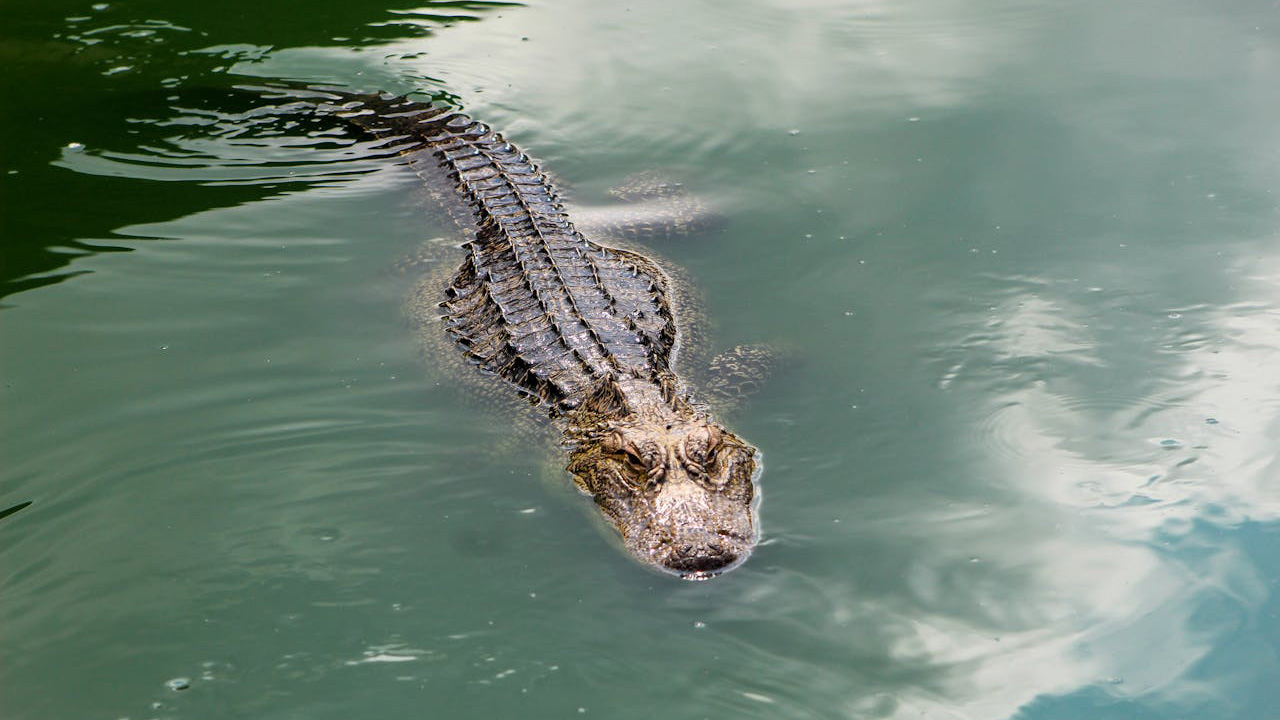
Photo credit: Grace Wojciechowski/Pexels.com
Quick reality check before the list: breeding, native alligator range still centers on the Southeast, with the northern edge traditionally brushing into places like coastal North Carolina. What’s changing is (1) more “edge-of-range” habitat becoming suitable as winters moderate, and (2) more surprise sightings farther north that are often tied to released/escaped pets or transported animals, not established wild populations. Research has specifically projected northward expansion of suitable habitat under future climate scenarios.
With that in mind, here are 15 states where the “northward” story shows up in the real world—either through established populations at the northern edge or repeat sightings that keep making headlines and agency reports.
Florida
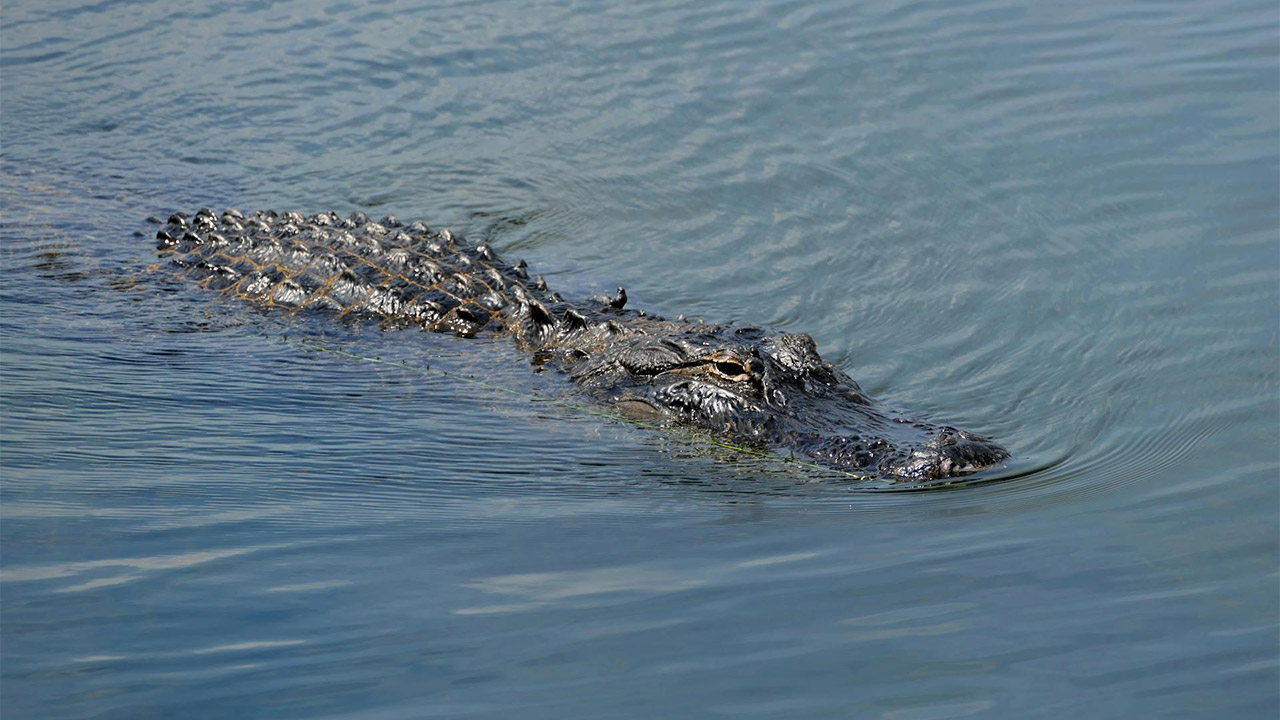
Florida is still the anchor. If you want to understand “northward pressure,” you start here because Florida is both the population engine and a major source of displaced/relocated/re-homed animals. Florida also shows what happens when gators learn human landscapes—canals, retention ponds, golf courses, suburban lakes—are basically permanent habitat. That overlap is why people elsewhere are shocked when gators turn up in neighborhoods: Florida is the template, and similar suburban water systems are getting built all over the South. When warmer winters line up with that kind of habitat, gators don’t need much encouragement to hold ground farther north.
Georgia
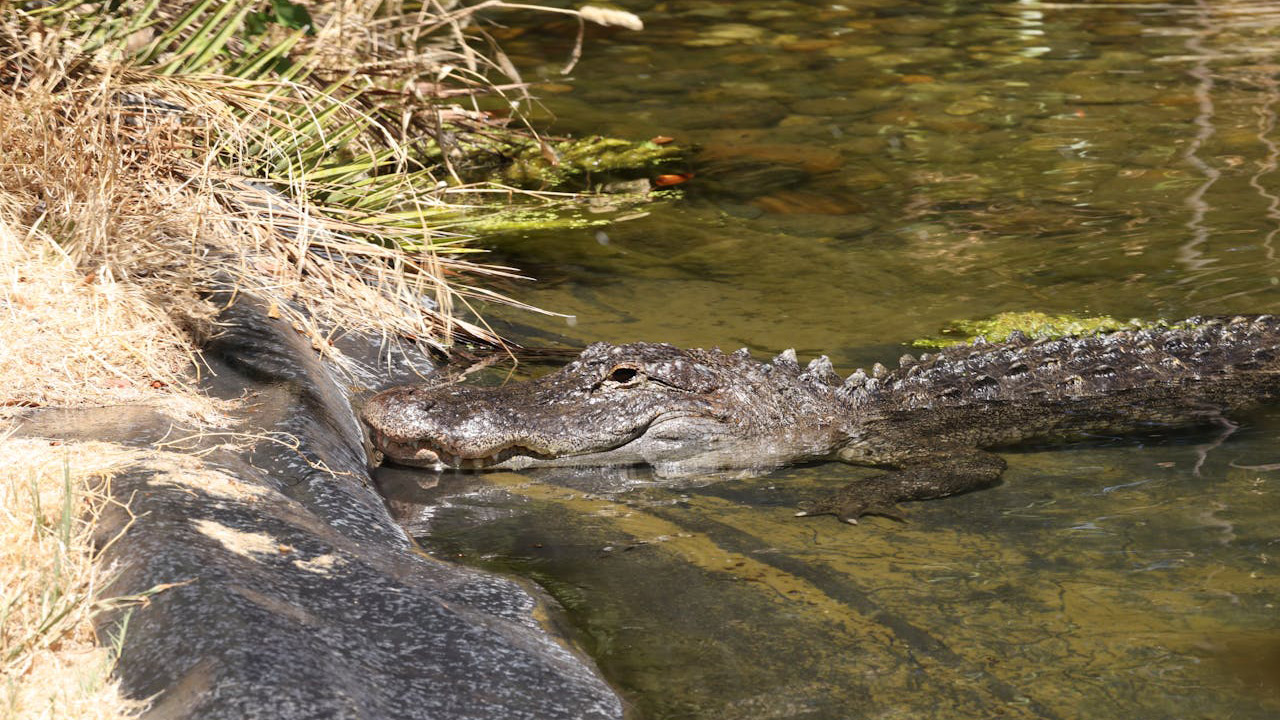
Georgia has plenty of established gator habitat across the southern half of the state, and the more development pushes into wet edges, the more “gator in a place people didn’t expect” stories happen. The northward surprise in Georgia usually isn’t “mountain gators” — it’s gators showing up in man-made ponds and connected waterways in places that don’t feel like classic swamp country. The bigger point: once gators have consistent water, food, and milder winters, they can persist in pockets that surprise newcomers. In Georgia, that’s often tied to human-built water features plus a steady prey base.
South Carolina
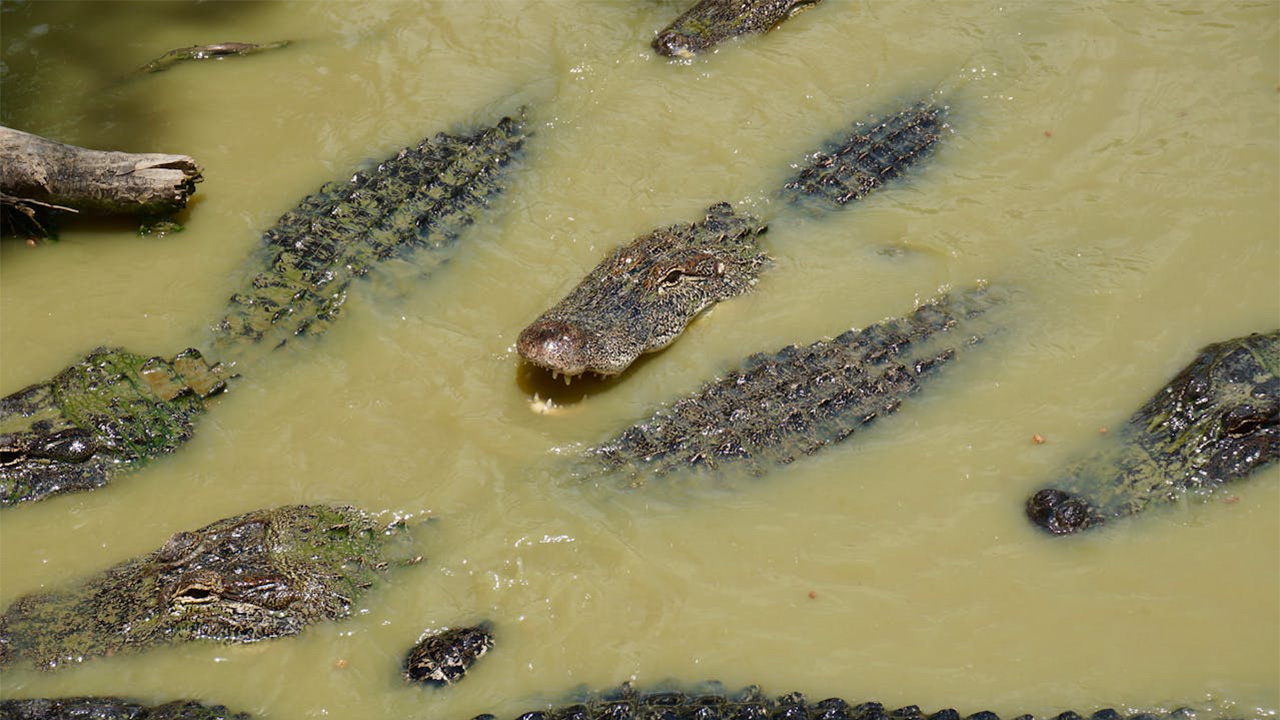
South Carolina’s coastal plain has long been gator territory, and the “moving north” conversation shows up as sightings creeping into more developed edges and inland water systems that stay warm enough. People who only associate gators with Florida get caught off guard here, especially around golf-course ponds, marsh edges, and slow rivers that run right behind neighborhoods. South Carolina is also one of those states where a gator doesn’t need to be “deep wilderness” to be established—quiet backwaters and low human pressure pockets are enough. So you get a steady drip of sightings that feel “new” even though the habitat has been there.
North Carolina
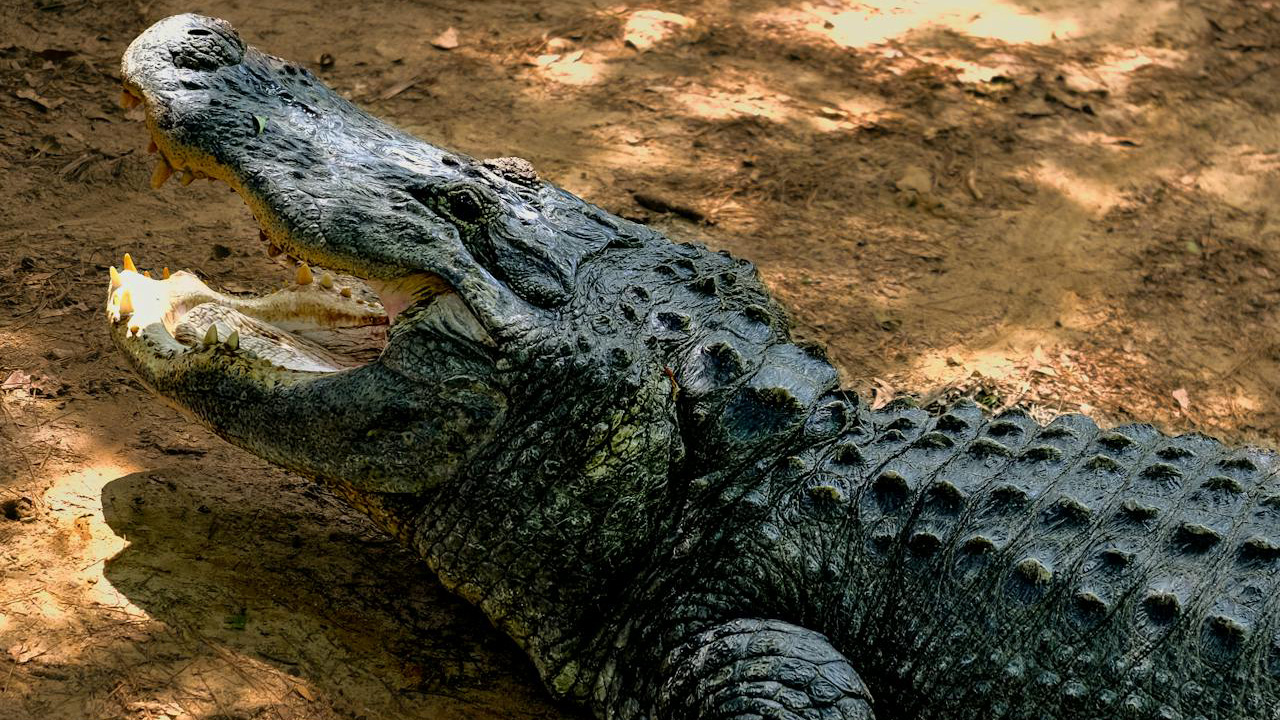
North Carolina is one of the most important states in this conversation because it sits near the northern extent of where wild alligators are expected to persist, especially on the coastal plain. North Carolina references note alligators concentrated in lower river valleys and roaming across coastal plain areas around Albemarle Sound. Research on alligators at the northern edge also explicitly discusses how warming trends could support northward expansion. In practical terms: NC is where “edge habitat + mild winters + human water features” combine into regular gator presence that still surprises people who think the Carolinas are “too far north.”
Alabama

Alabama’s gator presence is well-established in the southern part of the state, but the “northward surprise” happens when animals show up farther inland along connected waterways and reservoirs, especially during warmer stretches. Alabama has a ton of river systems that act like corridors, and corridors matter because gators don’t need to march straight north over land—they can slowly expand via water networks that keep them fed and concealed. Add in longer warm seasons and fewer hard freezes, and it becomes easier for gators to survive in pockets outside the places locals used to consider “gator country.”
Mississippi

Mississippi has long had gators in the south, but like the other Gulf states, the surprise factor comes from where people start seeing them: not just remote wetlands, but ponds, ditches, and backwaters near development. The delta and coastal systems create natural habitat, but man-made water holds them too. Mississippi also sits in that belt where shifting weather patterns can change how far animals can roam and still make it through winter. So while Mississippi isn’t “new,” it’s part of the northward story because it’s one of the states where gators can keep pushing into new inland pockets without having to “invent” habitat.
Louisiana
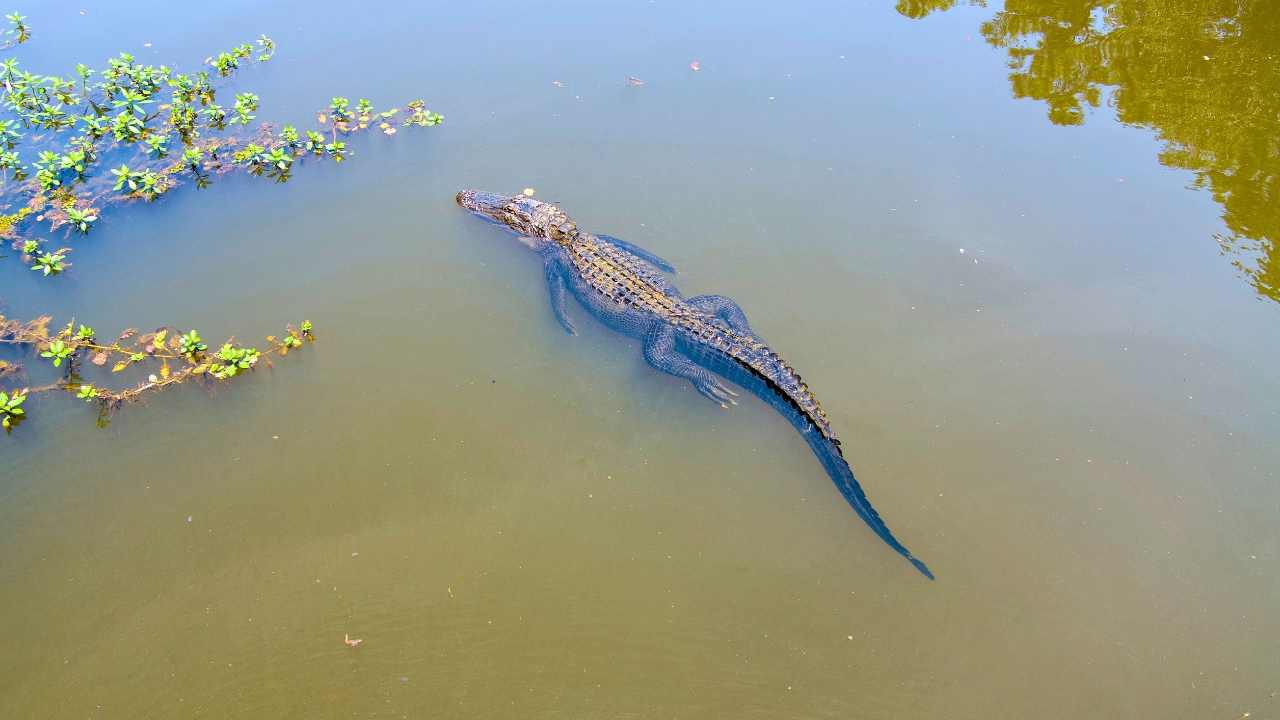
Louisiana is still peak gator country, and it matters here because Louisiana is one of the places that shows how resilient gators are when the habitat is right. Warm water, abundant prey, and endless wet edges make it easy for gators to thrive—and when you have thriving populations, you get more dispersal. That dispersal is part of why neighboring states keep seeing increased gator encounters. Louisiana also has huge human-water overlap (canals, bayous, drainage systems), which is the same kind of infrastructure that exists farther north now. When those systems meet milder winters, gator range pressure doesn’t stay neatly “down south.”
Texas

Texas has gators primarily in the eastern half, but it’s a good example of how quickly “not gator country” becomes “gator conversations” once you have connected waterways and people living on them. The surprise sightings often happen around ponds and subdivisions near creeks and rivers—places where a gator can travel, settle, and be hard to spot until someone’s dog finds it first. Texas is also huge, so you get a lot of regional misunderstanding: folks in one part of the state think gators are a myth, while folks in another part deal with them as a normal part of life.
Arkansas

Arkansas is one of the clearest examples of gators persisting farther north than many people assume because the state has an established management structure and regulated hunts. Arkansas Game & Fish notes the American alligator is native to Arkansas and describes restoration/restocking history in its original range, with stable populations. If you’re thinking “Arkansas is too far north for gators,” the existence of alligator management zones and consistent hunting programs is your wake-up call. This is not just a random pet story state—Arkansas has real, maintained gator presence.
Oklahoma

Oklahoma is another state that surprises people, because it’s not where most folks picture alligators. Oklahoma’s wildlife department says American alligators can be found in remote marshy areas in the far southeastern corner of the state—basically the western edge of their natural range. That “corner of the state” detail is important: this isn’t statewide gator coverage, but it is real gator habitat, and it shows how far the edge of range already reaches. And as habitat suitability shifts, that edge is exactly where you’d expect slow expansion and more sightings.
Tennessee

Tennessee is a big “wait, what?” state, and the reason is that Tennessee’s wildlife agency has documented confirmed sightings in multiple counties since 2018, including a notable 2024 confirmed catch in East Tennessee (Norris Lake). Here’s the nuance: some Tennessee gators may be transient or tied to people dumping pets, but the confirmed sightings are real enough that the state maintains public guidance about them. That alone tells you this isn’t just an internet rumor. Tennessee is one of the best examples of “farther north than people expect” even if not every animal represents a breeding population.
Kentucky

Kentucky is a clean example of the “northward surprise = often human-caused” side of the story. Kentucky Fish & Wildlife has reported enforcement cases tied to illegally transported/possessed alligators after sightings. There have also been reports of alligators found and removed in western Kentucky. So when someone says “gators are moving into Kentucky,” the accurate answer is usually: you’re seeing sporadic appearances, and people are often part of the reason. But it still matters for outdoors folks and homeowners because the risk is the same if one is in your waterway.
Virginia

Virginia is another “surprise” state where the most credible explanations tend to be transport/escape/release, not wild range expansion. Virginia law explicitly treats many non-native reptiles—including alligators—as unlawful to keep without authorization. And high-profile incidents in Virginia have involved gators connected to human movement rather than native populations. Bottom line: if you hear a Virginia gator story, don’t assume a breeding population. Do assume it’s serious if it’s real—because a released animal can still end up in a pond where kids fish and dogs swim.
Missouri
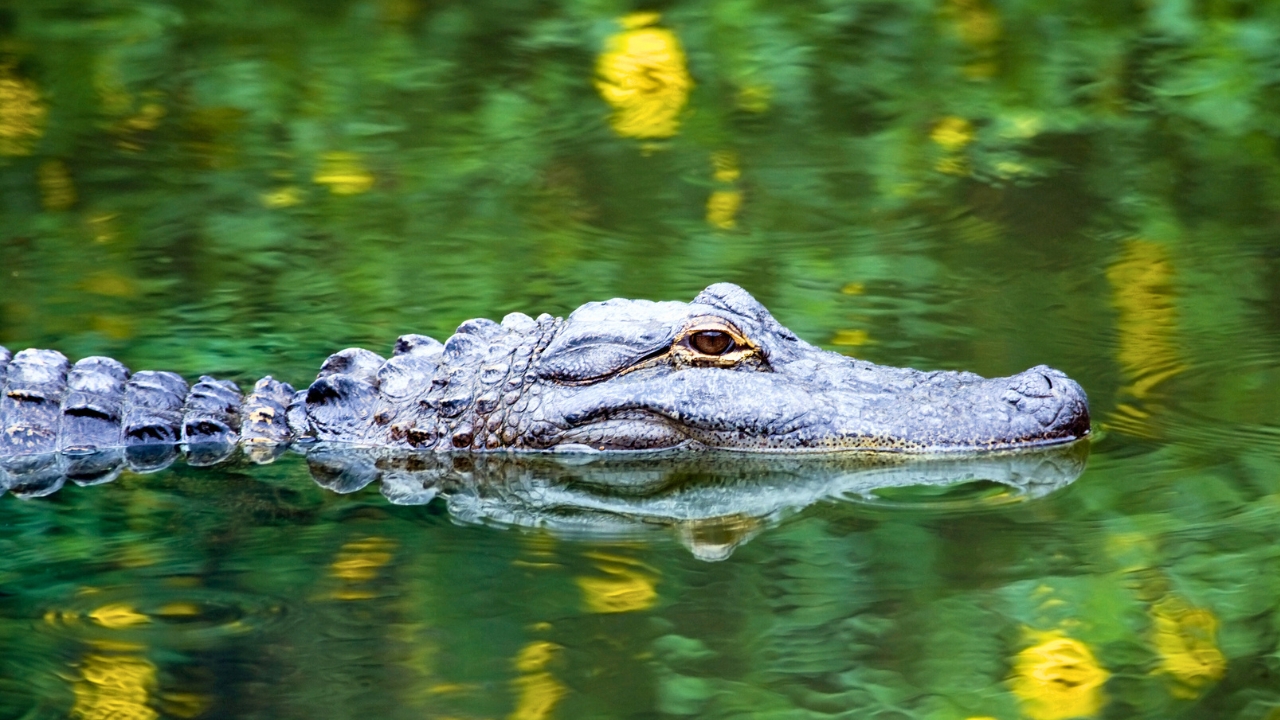
Missouri sits in that same “not supposed to be here” band, and when gators show up, it’s usually treated as a dumped/escaped exotic issue rather than a natural range shift. The reason Missouri belongs in this list is the frequency of surprise reports across mid-South states: as people keep exotic reptiles (legally or not), you’ll keep seeing one-off gator appearances north of the expected range. For outdoors readers, the practical takeaway is: don’t treat every photo as fake, but do treat it as likely non-native unless state wildlife confirms otherwise.
South Carolina (Upstate/inland pockets)

Yes, South Carolina is already on the list—but it’s worth calling out a second time in a different way: inland surprises. Coastal gators make sense to most people; inland pond and lake gators are what catch folks off guard. This is where the “moving north” feeling gets amplified. Even when the overall range hasn’t dramatically shifted, the places people are seeing gators have shifted—more man-made water, more development near wetlands, more “perfect habitat” that didn’t exist 40 years ago. That’s why a gator in a subdivision pond feels like a brand-new phenomenon even in a state that has always had them.
Like The Avid Outdoorsman’s content? Subscribe to our newsletter so you never miss an article.
Here’s more from us: