Photo credit: Andris Locmelis/istock.com
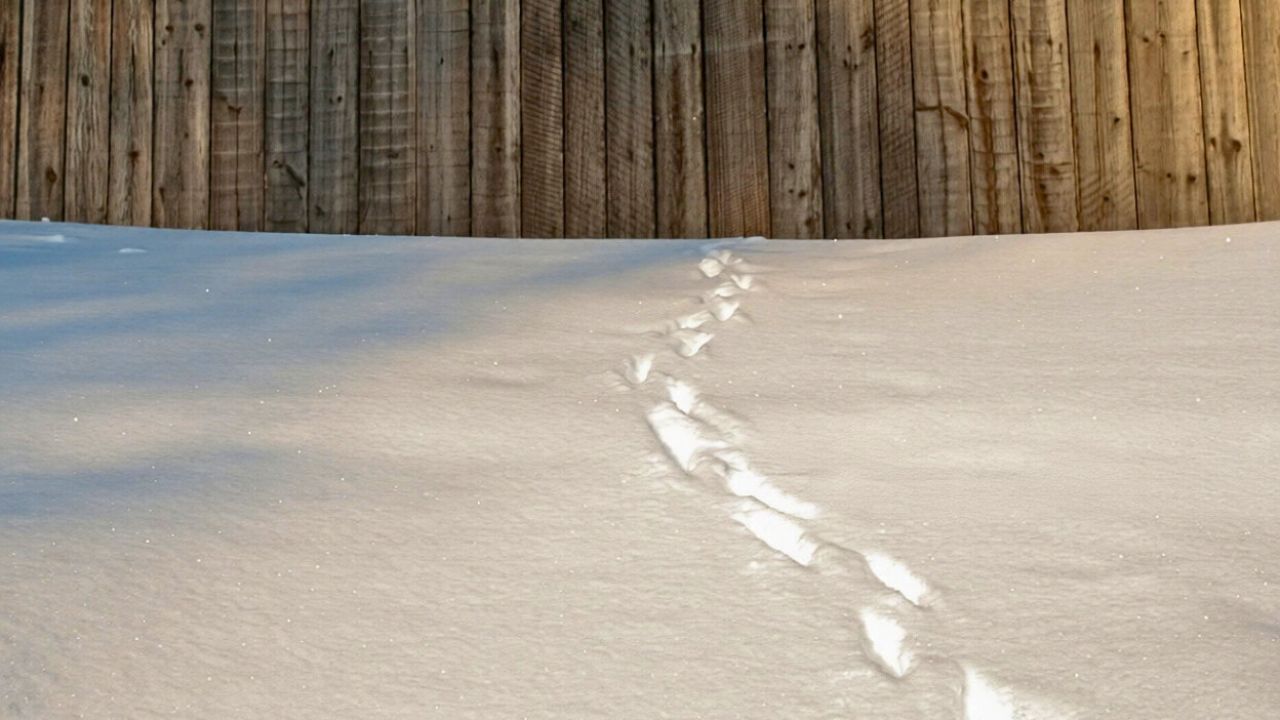
Most folks step outside, see a few marks in soft dirt, and shrug it off as “probably a raccoon.” But tracks can tell you a whole lot more than the animal name if you know what you’re looking at. In a yard, you’re basically reading a little story: what time of night something moved, if it was relaxed or spooked, if it was hunting, traveling, or just wandering from one food source to the next. Once you start paying attention, you’ll realize your property gets used like a highway, especially after rain, a cold snap, or a windy front that shakes acorns and seed down.
The trick is learning a handful of patterns instead of trying to memorize every track chart on the internet. You don’t need to be a biologist to get value out of it. You just need to notice a few details: how many toes show up most clearly, whether you see claw marks, the overall shape of the “pad” area, and the way the tracks line up as the animal walks. The dirt in a yard is forgiving, so you’ll often get clean prints in mud around spigots, in flowerbeds, beside AC pads, near a feeder, or where pets pace the fence line. Start there, and you’ll get answers fast.
Start with the stride before you obsess over the print
Before you stare at the toes, look at the pattern the tracks make as they travel. Deer, coyotes, and bobcats can leave prints that get smeared or partial, but their “travel signature” still shows. Deer often look like a steady, straight walk with an even rhythm, and you’ll usually find them cutting corners along tree lines or fence gaps. Coyotes and foxes tend to travel with purpose, often in a straighter line than dogs, and you’ll see a clean “single track” look where the back foot lands close to where the front foot was. Rabbits and squirrels usually look chaotic until you realize it’s a hopping pattern with two bigger rear prints landing ahead of the smaller front prints, which is a dead giveaway even when the individual prints aren’t perfect.
Raccoon tracks look like tiny hands for a reason
If you see what looks like a little handprint, that’s not your imagination. Raccoons have long, finger-like toes and they use them like hands, so their tracks often show five toes clearly, especially in mud. The rear track can look longer, almost like a narrow foot, and you’ll often find them near water sources, trash cans, pet food bowls, and downspouts. A raccoon’s track trail also tends to wander and investigate, like it can’t resist checking everything. If you’re seeing those tracks on a patio, around a grill, or by a shed door, don’t ignore it, because raccoons will poke and pry at weak spots, and they’ll come back to the same place if they find something easy.
Opossum tracks are the “weird thumb” giveaway
Opossum tracks confuse people because they look kind of like a small raccoon, but the big tell is that their hind feet have an opposable “thumb” that sticks out to the side. In a decent print, it’s obvious and it looks wrong in a way that’s hard to unsee once you know it. Opossums also tend to shuffle, so their trails can look a little sloppy compared to a raccoon that’s moving with more confidence. If you’re seeing opossum tracks, you’ve likely got easy calories on the property: fallen fruit, open feed, cat food, or a spot where bugs gather under lights. They’re not the worst visitor in the world, but they can attract bigger problems because predators know opossums are around.
Coyote and fox tracks are “dog-like,” but the story is in the details
Coyotes and foxes both leave tracks that resemble a medium dog, and that’s where people get tripped up. The difference is usually in how tight and clean the track looks, plus how the animal moves. Coyotes often leave an oval, narrow print with the two middle toes leading slightly, and you’ll sometimes see claw marks, especially in firm soil. The trail usually has a straight, efficient vibe, like the animal is going from point A to point B. Fox prints can be smaller and a little daintier, and fox trails can wander more, especially if they’re mousing. A loose, messy dog trail often shows side-to-side sniffing and random loops, while a coyote’s route usually looks like it has a plan, even when it’s cutting through a yard.
Bobcat tracks don’t show claws most of the time
If you’ve got a cat track with four toes and a rounder shape, you’re probably looking at a bobcat, especially if it’s bigger than a house cat and showing up in places you wouldn’t expect. Most cats retract their claws when they walk, so you usually won’t see claw marks in a clean bobcat print. The pad shape also tends to be more “cat-like” compared to canine tracks, and the overall print can look wider than it is long. What matters with bobcats is where you’re finding them and what else you’re seeing. If the tracks are near brushy edges, creek bottoms, or thick cover, that’s normal travel. If they’re circling a coop, moving along a fence line, or repeatedly showing up near a rabbit hutch, you should take it seriously, because bobcats are opportunists and they learn routines fast.
Deer tracks are easy, but you can still learn a lot from them
Deer tracks are the classic split-hoof print, and in soft dirt you can sometimes see dewclaws if the animal was moving fast, jumping, or sinking into mud. The size can tell you a rough story too. Bigger, more rounded tracks can be a heavier deer, but don’t overcommit to “that’s a monster buck” from a track alone, because soil conditions change everything. What you can learn quickly is travel direction and habits. Deer like edges, they like cover, and they love the path of least resistance. If you’re seeing tracks crossing the same gap in the fence, the same corner of the yard, or the same line between two brush patches, you’re basically seeing a routine route. That matters if you’re protecting a garden, figuring out why ornamentals are getting chewed, or deciding where to put a camera.
Hog tracks look like deer… until they don’t
Wild hog tracks can resemble deer at a glance, but they tend to look rounder and wider, and the toes often splay differently in soft ground. In many cases, you’ll see more bluntness to the overall shape, and in a heavy track you can catch dewclaws more often than you would with deer, especially if the ground is soft and the hog is rooting and pivoting. The bigger giveaway is usually the damage around the tracks. If you’ve got churned soil, rooting marks, shallow trenches, and grass peeled back like someone took a rototiller to it, and then you see hoof prints in the mess, you’re not dealing with deer. If hogs are on your property, the tracks are only the first clue, because they don’t just pass through; they change the place.
When you find predator tracks near pets, treat it like a real situation
This is where I stop being “track nerd” and get practical. If you’re seeing coyote, bobcat, or even big fox tracks close to the house, near a dog run, or right along a fence line where your pets go out, don’t talk yourself into ignoring it. Predators test boundaries. They learn what lights come on, what doors open, what times a dog gets fed, and whether a small animal gets left out without supervision. Tracks mean the animal already felt comfortable enough to cross that space, and comfort is what turns a “once in a while” visitor into a routine. The right move is tightening up attractants first—trash, feed, pet food, fallen fruit, compost—and then looking at lighting, fencing weak points, and how long animals are left outside at night.
A quick way to “confirm” without guessing
If you want to stop guessing, pick one muddy spot that always holds prints—near a hose spigot, under a bird feeder, or beside a gate—and make it your track station. Smooth it with a rake, mist it lightly if it’s bone dry, and check it the next morning. You’ll be shocked how fast you get clean prints. If you want an even better trick, place a cheap trail cam looking at that area for a week. Tracks tell you what happened; a camera tells you what’s happening and how often. Once you match tracks to actual animals a few times, you’ll get good at it fast, and you’ll stop blaming the wrong critter for the mess.
Like The Avid Outdoorsman’s content? Subscribe to our newsletter so you never miss an article.
Here’s more from us: