Photo credit: The Avid Outdoorsman
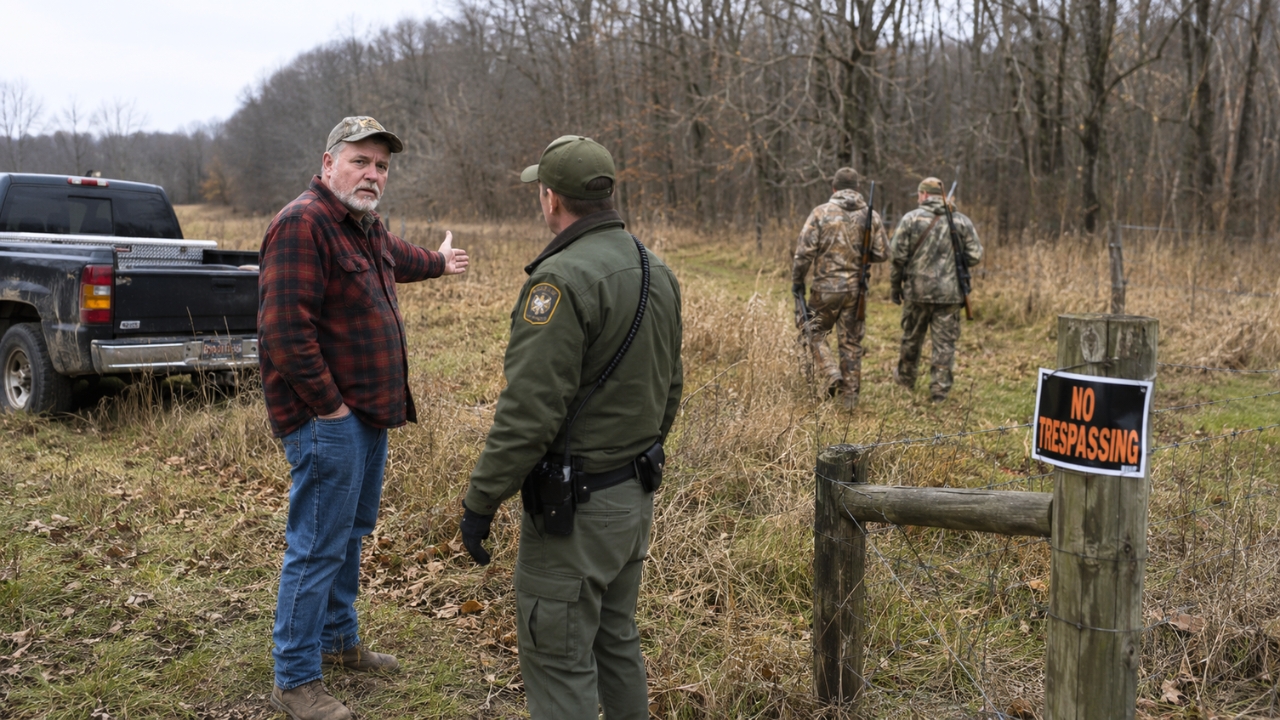
A rural landowner’s frustration boiled over after he said hunters kept coming onto his property without permission, leaving him wondering how to stop it before someone got hurt or the situation escalated.
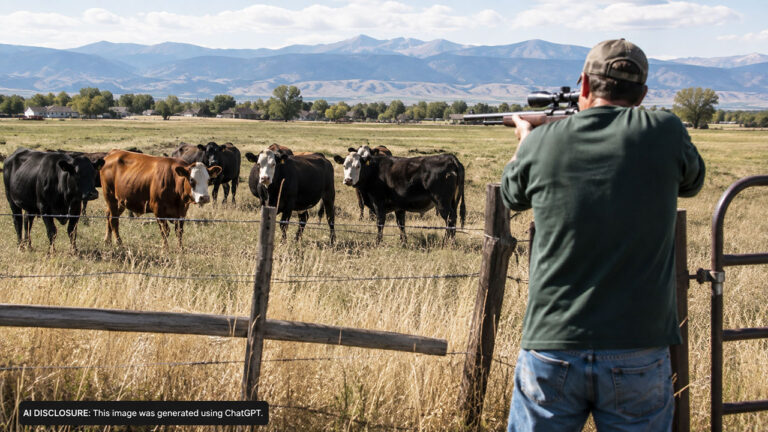
According to the Reddit post, the property owner was dealing with repeated trespassing from hunters. It was not described as one confused person crossing a line one time. The concern was that people were continuing to access the land, apparently treating it like a place they could hunt even though the owner had not given them permission.
The poster explained the problem on Reddit and asked what he could do to keep hunters off the property: https://www.reddit.com/r/legaladvice/comments/17zxxlk/ward_off_hunters_trespassing_and_hunting_on_our/
For a rural landowner, that is not just annoying.
It can feel dangerous.
The problem was bigger than people walking across a field
Trespassing is already frustrating when someone cuts through private land.
But hunting adds another layer.
Now the issue is not just footprints, tire tracks, or someone ignoring a boundary. It can involve firearms, bows, wounded animals, strangers in the woods, and people moving around before daylight or after dark.
That changes the whole feel of the problem.
A landowner might not know who is out there. He may not know whether they are careful, sober, licensed, or even aware that a home, livestock, children, or workers are nearby. He may not know whether they are shooting toward safe backstops or across property lines.
And if the land is rural, police response may not be immediate.
That is why the poster’s question carried more weight than a normal neighbor complaint. He was not just asking how to stop someone from being rude. He was trying to figure out how to protect his property and avoid a confrontation with armed strangers.
Rural boundaries are not always obvious to outsiders
One of the tricky parts of these situations is that rural property lines are not always clear to people who do not own the land.
A hunter may claim he thought he was on public land. He may say he had permission from a neighbor. He may follow a deer across a boundary and tell himself it is only temporary. Or he may know exactly what he is doing and hope nobody catches him.
From the owner’s perspective, the explanation does not matter much.
Private property is private property.
Still, if a landowner wants enforcement to go anywhere, the details matter. Posted signs, fences, trail cameras, dates, photos, license plates, and clear boundary markings can help turn a vague complaint into something an officer can actually act on.
That is where the game warden came into the discussion.
Commenters said wildlife officers may be the better call
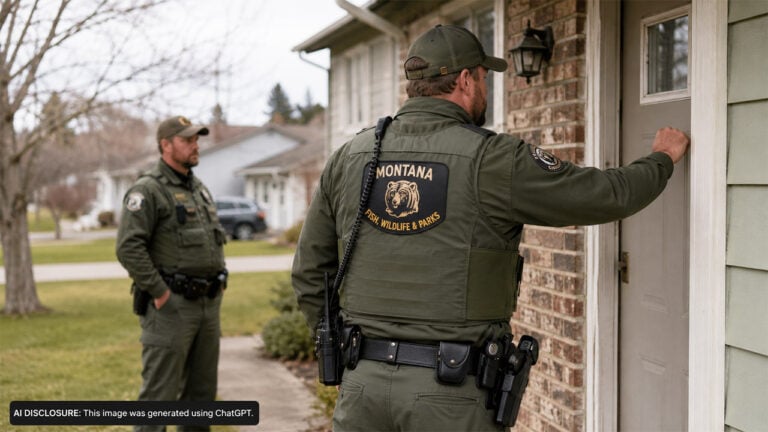
Commenters pointed the poster toward game wardens rather than treating the situation only like a standard trespassing complaint.
That makes sense because hunters who trespass may also be violating wildlife laws. If they are hunting without permission, hunting out of season, baiting illegally, crossing lines to retrieve animals, shooting too close to homes, or failing to tag properly, a game warden may take special interest.
Police or sheriff’s deputies can respond to trespassing, but game wardens often understand hunting-specific violations better.
Commenters also suggested practical steps: post the property clearly, document every incident, avoid direct confrontation when armed people are involved, and call the appropriate authorities instead of trying to scare hunters off personally.
That advice may feel unsatisfying to a landowner who is tired of being ignored, but it is usually safer.
A confrontation in the woods can go sideways fast.
The landowner needed a paper trail, not a showdown
The biggest lesson from the thread was that rural property problems are often solved with documentation.
A landowner may be tempted to confront trespassers directly, especially if he catches them in the act. But if the trespassers are armed, angry, or convinced they have a right to be there, that can become dangerous.
Cameras, signs, written reports, and repeated calls to law enforcement build a stronger case.
The more specific the owner can be, the better: where the hunters entered, when it happened, what they were carrying, whether shots were fired, whether animals were taken, and whether vehicles or license plates were visible.
That kind of information gives a game warden something to work with.
It also helps show that this is not a one-time misunderstanding. It is a pattern.
The uncomfortable part is that the landowner is stuck reacting
What makes this kind of story so frustrating is that the burden often falls on the person who already owns the land.
The owner has to post the signs. The owner has to check cameras. The owner has to call authorities. The owner has to worry about armed strangers near the property.
Meanwhile, the trespassers may only show up when they think nobody is watching.
That is why these cases hit a nerve with rural readers. Property lines are supposed to mean something. Permission is supposed to matter. And hunting, because it involves weapons and wildlife, should carry an even higher level of responsibility.
If someone wants to hunt private land, the answer is simple: ask first and get clear permission.
If they do not have that permission, they are not just bending etiquette.
They may be creating a legal and safety problem for everyone around them.
Like The Avid Outdoorsman’s content? Subscribe to our newsletter so you never miss an article.
Here’s more from us: