Photo credit: LifeSizePotato/YouTube
Collector guns don’t sell fast because the internet said they should. They sell fast because the demand is real, the supply is finite, and the people who know what they’re looking at have cash ready. When a clean example shows up, it doesn’t sit long enough for “maybe later” to turn into a decision. It gets bought by the guy who’s been hunting that exact variant for two years, or by the shop owner who knows it’ll be gone by lunch.
Condition and originality drive everything. Matching numbers, correct parts, sharp markings, honest finish, and the right box or papers can turn a good gun into a “buy it now” gun. The models below have earned that kind of market gravity. When they appear in clean shape, priced anywhere close to fair, they tend to disappear fast.
Colt Python (older blued guns)
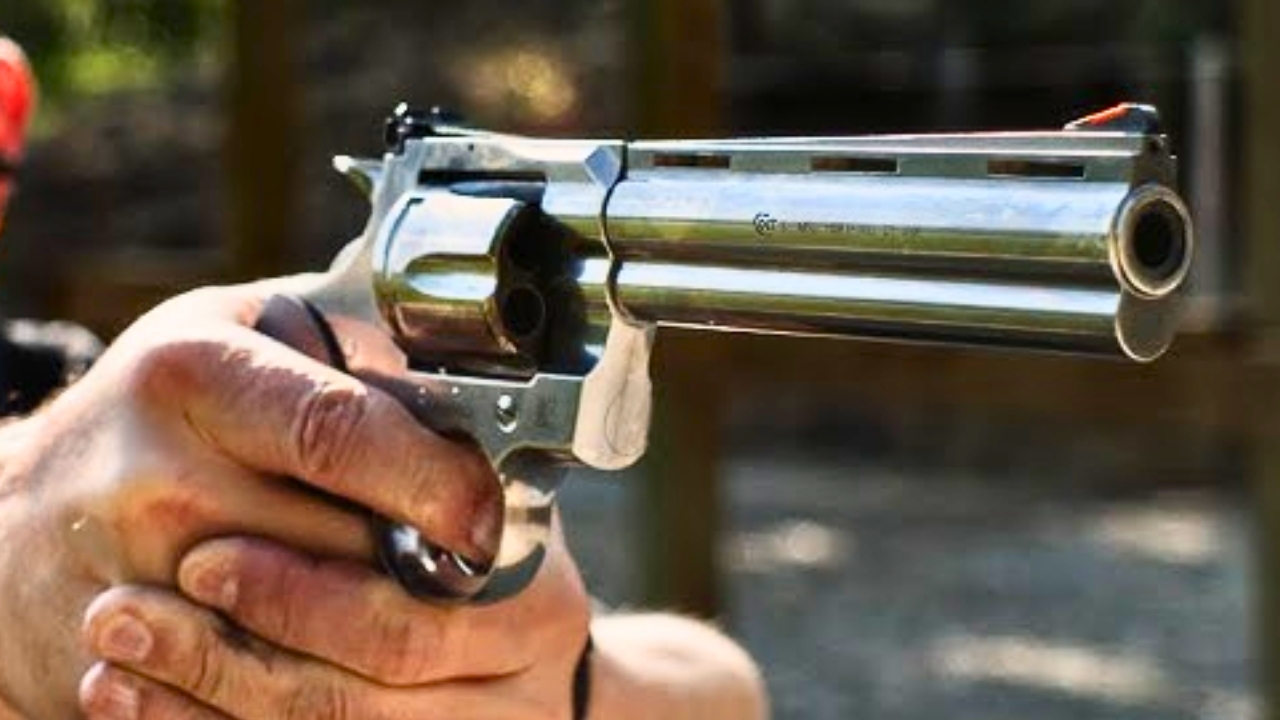
An older blued Python in clean condition rarely lasts long because the demand comes from multiple directions. You’ve got revolver collectors, Colt collectors, and shooters who grew up seeing the Python as the benchmark. When the finish is strong and the gun hasn’t been “cleaned up” with a bad refinish, it checks a lot of boxes at once.
What sells instantly is a Python that’s still correct. Sharp roll marks, good timing, and an action that hasn’t been abused by amateur work matter more than fancy stories. The box and papers can speed things up even more, especially on desirable barrel lengths. When a real-deal Python shows up looking right, you’re competing with buyers who already know the telltales and aren’t waiting around.
Colt Detective Special (early, clean examples)
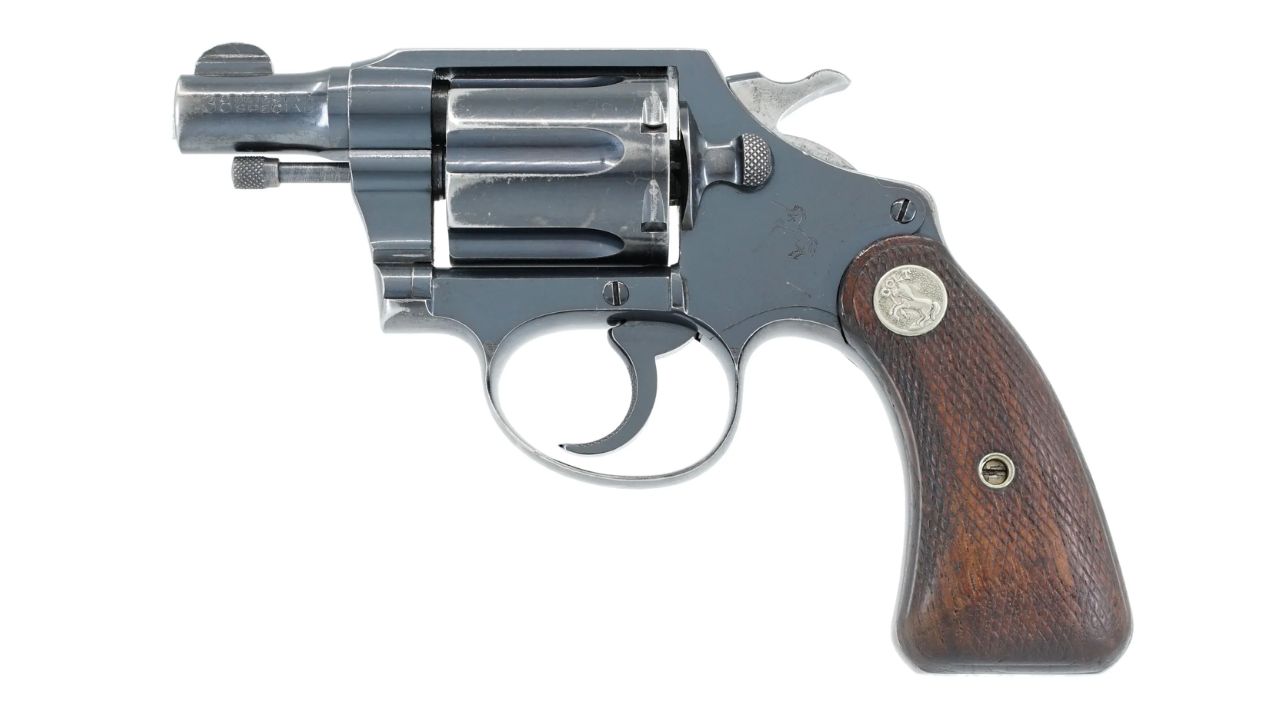
The Detective Special sits in that sweet spot where it’s historically important, easy to carry, and tied to a whole era of American law enforcement. Clean examples don’t pop up constantly, and when they do, they get snapped up by people who want a classic snub that still feels like a real service revolver.
The fast sellers are the ones that haven’t been messed with. Original finish, correct grips, and a tight action go a long way, especially if the gun hasn’t been reblued or “improved” with questionable parts. You also see demand from buyers who missed the boat when these were cheaper and more common. A clean Detective Special feels like a time capsule, and that’s exactly what collectors pay for.
Colt Single Action Army (1st and 2nd Gen)
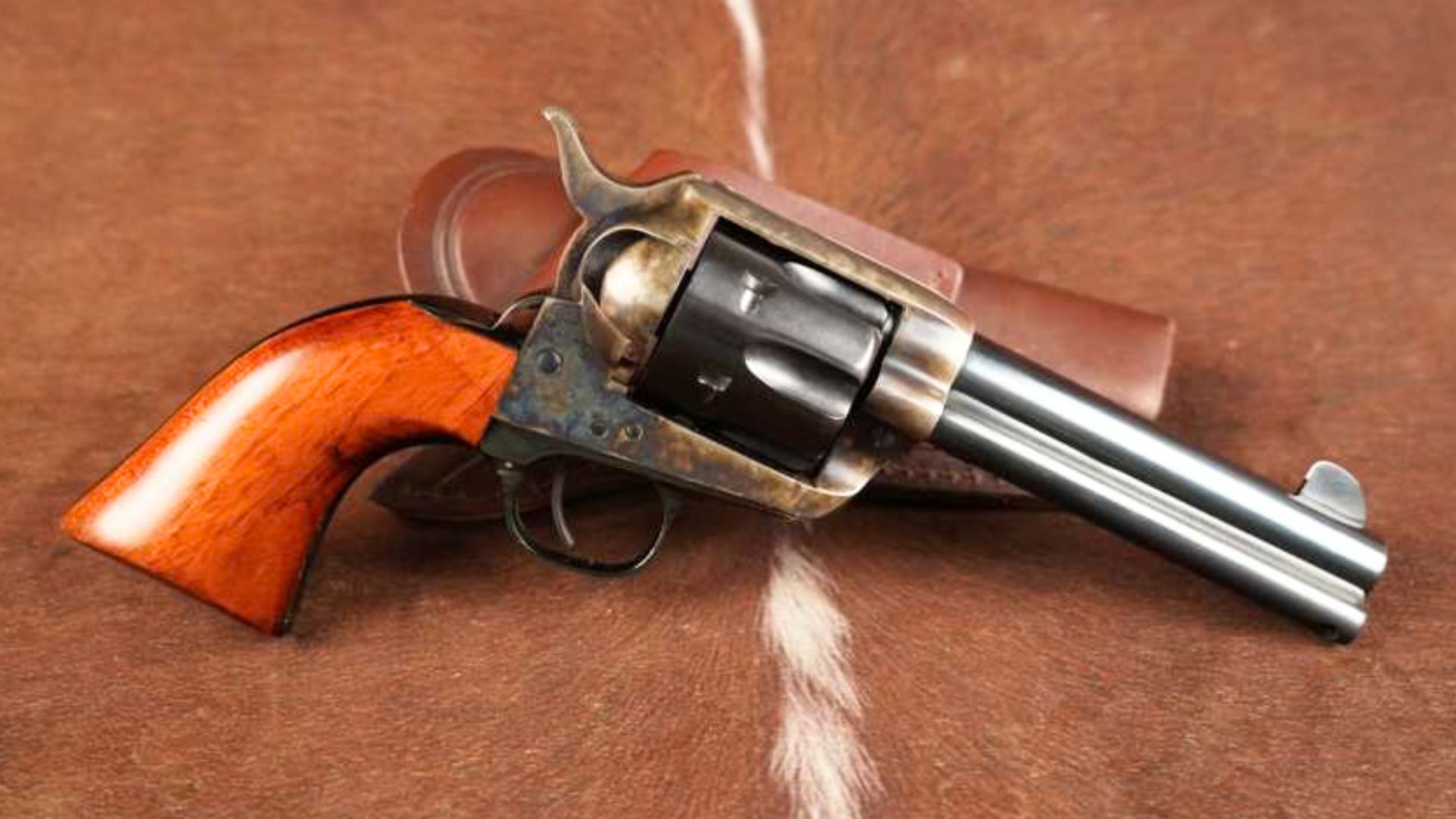
A legitimate Colt Single Action Army tends to move fast because it’s one of those guns that’s always on someone’s wish list. Even people who don’t collect revolvers understand what it is and what it represents. The supply is limited, the variations are endless, and serious collectors keep lists of what they still need.
Condition and authenticity are everything here. Original finish, matching numbers, correct barrel and frame markings, and an untouched screw set make buyers act quickly. A gun with factory letters or strong provenance can disappear even faster, but it doesn’t need a dramatic backstory to sell. When a real SAA shows up in a configuration collectors want, it’s not unusual for it to be spoken for before the listing has time to go stale.
Browning Hi-Power (Belgian-made, clean)
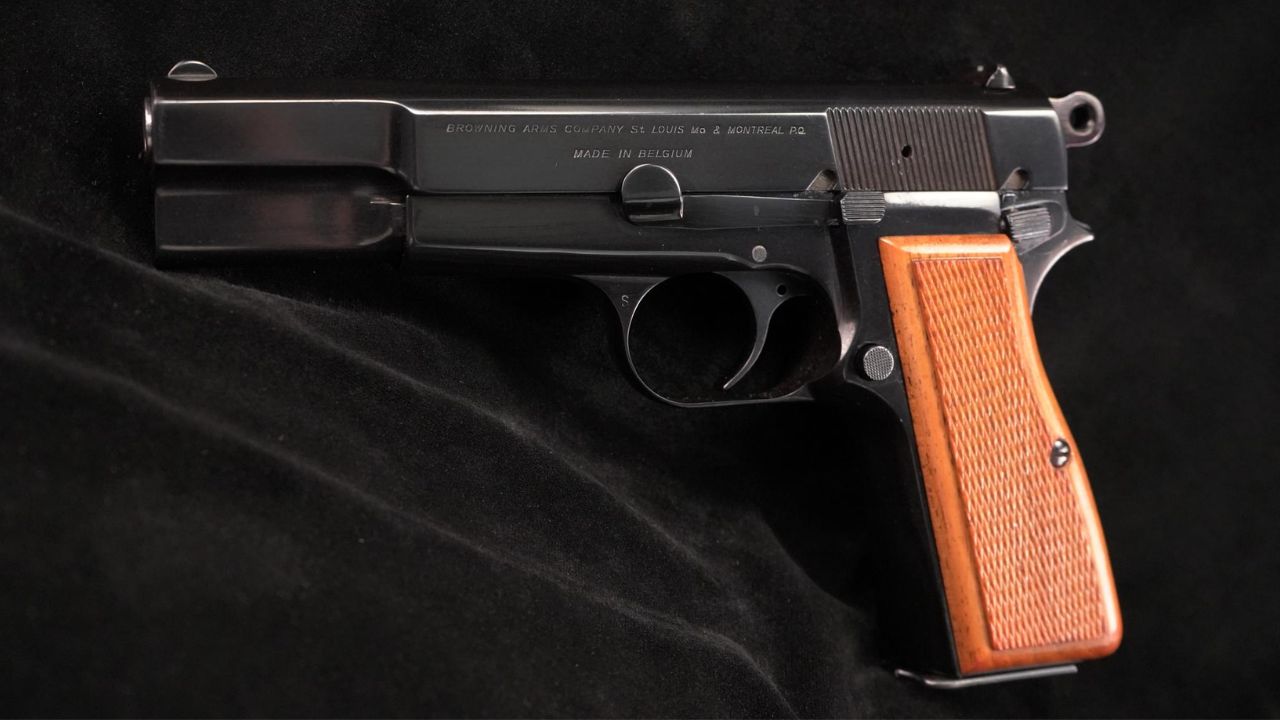
A clean Belgian Hi-Power sells quickly because it hits both the collector and shooter crowd. It’s historically significant, it’s still a very shootable pistol, and it’s tied to decades of military and police use around the world. When you find one that hasn’t been rebuilt, refinished, or modified, it feels like a piece of living history you can still run at the range.
The quick movers are the ones that are correct and clean. Factory finish, proper markings, and original parts matter because so many Hi-Powers were customized over the years. Collectors also pay attention to small details that separate desirable examples from parts guns. If you put a sharp, unmodified Belgian Hi-Power on the table at a fair price, the buyers who understand it tend to waste zero time.
HK P7 (P7M8 and PSP)

The HK P7 sells fast because it’s weird in the best way, and it’s not getting any more common. The squeeze-cocker system, the build quality, and the way it shoots give it a cult following that’s backed by real demand. When a clean P7 shows up, collectors know exactly what they’re looking at and they don’t assume another one will appear next week.
Condition is a big deal, especially with pistols that saw police service. You want crisp markings, intact finish, and magazines that aren’t beat to death. Original accessories and the correct case can push it into “gone today” territory. A P7 also pulls in buyers who don’t usually collect HK, because it’s a one-of-one design that feels like a different branch of handgun evolution.
SIG Sauer P210 (Swiss-made)

A Swiss-made SIG P210 has a reputation for fit and precision that still makes people stop and stare. Collectors want them because they’re iconic, scarce compared to mainstream service pistols, and tied to Swiss military history. Shooters want them because they’re accurate and refined in a way you don’t see often in modern duty pistols.
The clean ones vanish because serious buyers know what condition looks like on these. Sharp edges, correct markings, and an untouched finish matter, and the right accessories can seal a deal fast. P210 buyers also tend to be the type who have cash ready because they already know the market and the variants. When a true Swiss P210 shows up clean and priced reasonably, it attracts attention from people who don’t haggle much.
Pre-64 Winchester Model 70

Pre-64 Model 70 rifles sell quickly because they represent a level of craftsmanship and classic American hunting rifle design that people still chase. Plenty were used hard, which is why clean examples don’t linger. Collectors and hunters both want them, and that overlap creates constant demand.
The ones that disappear fastest are original and unaltered. Factory finish, correct sights, no extra holes, and a stock that hasn’t been sanded or sealed within an inch of its life. Caliber matters too, but condition is what makes someone commit on the spot. A clean pre-64 feels like something you can hunt with and still be proud to own as a collector piece. That combination makes buyers move fast when one shows up.
Winchester Model 94 (older, unmodified rifles)

An older Winchester 94 sells quickly when it’s clean because most of them aren’t. They were carried, knocked around, and often drilled for scopes or “updated” in ways collectors don’t love. When you find one with strong original finish and no extra holes, it stands out immediately.
Collectors also chase specific eras and configurations, and that creates pockets of demand that don’t go away. A clean carbine with correct sights and honest wood can get bought within hours, especially if it still looks like it did when it left the factory. The Model 94 is common as a name, but clean, correct examples are not endless. When one shows up looking right, it triggers the same reaction every time: buy it now, figure out the rest later.
Marlin 39A

The Marlin 39A is one of those .22s that people regret selling, which is why clean ones move fast when they reappear. It’s a classic lever gun with real history, real quality, and a feel that modern rimfires rarely match. A lot of 39As were used as camp guns and teaching rifles, so pristine examples don’t stack up in big numbers.
What sells instantly is a 39A that hasn’t been altered and still looks sharp. Good bluing, clean wood, and a bore that wasn’t abused by poor cleaning habits matter. Many buyers also want the earlier look and feel, which pushes demand even higher for certain years. When a clean 39A is priced like a normal used .22, it gets bought by the person who knows exactly what it is.
Marlin 336 (JM-stamped, clean and correct)

A clean JM-stamped Marlin 336 tends to sell fast because it hits a modern nerve: people want traditional lever guns, and they want them in original condition. Many 336s were hunting tools that lived in rough weather, so the clean ones get noticed immediately. Add the JM marking factor, and you’ve got buyers who show up ready to pay.
The fast movers are unmodified rifles with correct sights, no extra holes, and wood that hasn’t been sanded down. Once a lever gun gets chopped, threaded, or fitted with mismatched parts, it becomes a different kind of purchase. A clean, correct 336 still feels like a straight-shooting deer rifle you can hand to the next generation. That’s why they vanish quickly when they hit a rack.
Browning Auto-5 (Belgian-made)

A Belgian Browning Auto-5 sells quickly when it’s clean because it carries both nostalgia and real collector weight. These shotguns were used hard for birds and waterfowl, so high-condition examples don’t stay common for long. People also like them because they’re a classic that still functions as a real hunting gun, not a museum piece.
The key is originality and condition. Strong bluing, clean receiver markings, solid wood, and a correct setup that hasn’t been cobbled together from parts. Many A-5s show honest wear, but a truly clean one creates instant attention. You also see buyers chasing specific gauges and vintages, which keeps demand steady. When a clean Belgian A-5 shows up priced fairly, it often sells before you’ve finished thinking about it.
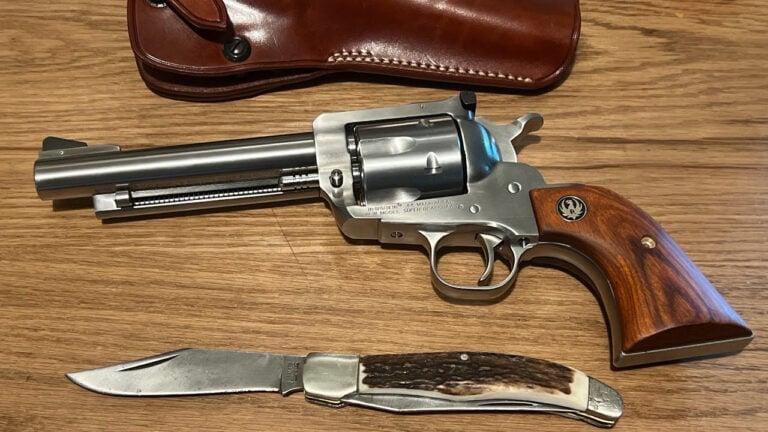
Ruger No. 1

The Ruger No. 1 sells fast because it scratches a collector itch that bolt guns don’t: a modern single-shot with style, quality, and endless variations. People chase certain chamberings and configurations, and once they’re gone, they’re gone. That creates a steady market where the right No. 1 can disappear immediately.
Condition matters because many were actually hunted. A clean rifle with sharp wood, good finish, and the correct factory setup brings out buyers who have been watching listings for months. The No. 1 also attracts people who aren’t full-time collectors but want one rifle that feels special without being delicate. When a desirable variant shows up clean and priced decently, it tends to get bought by someone who already knows exactly what it is.
USGI M1 Carbine (Inland, Winchester, etc.)
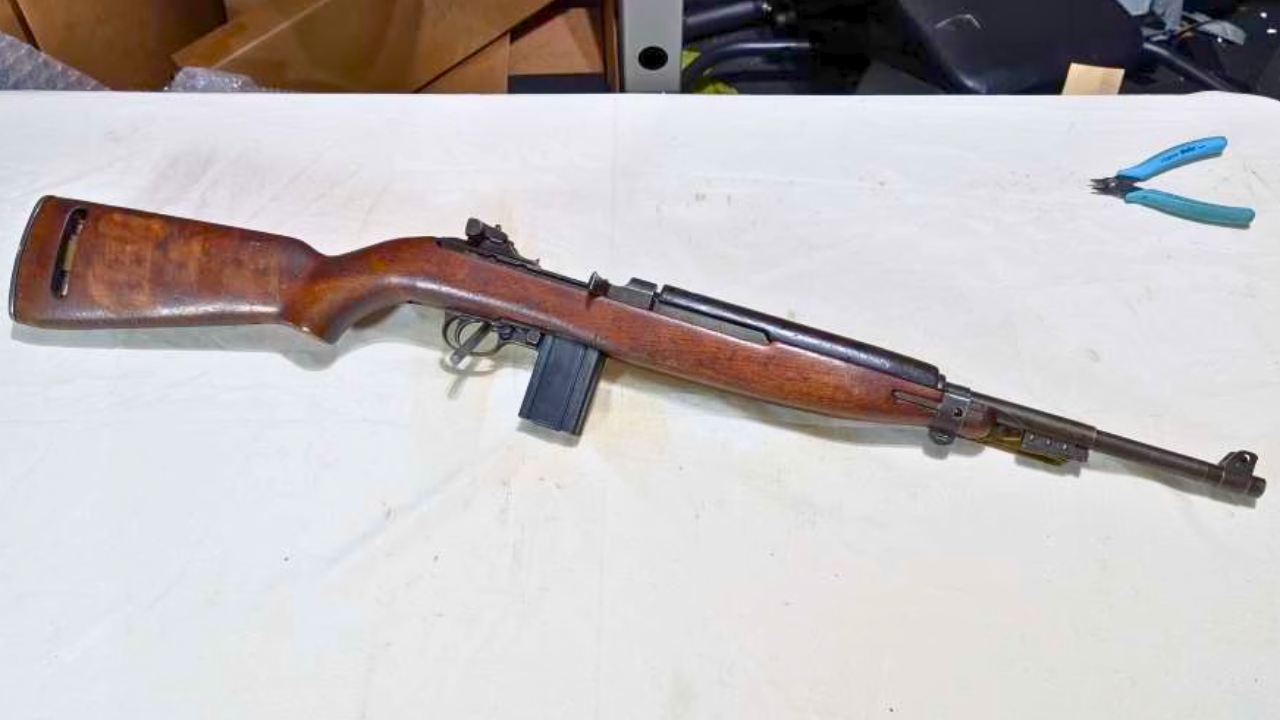
A real USGI M1 Carbine in clean condition tends to move quickly because it sits at the intersection of history and practicality. It’s light, handy, and tied to American service in a way that still matters to a lot of buyers. The supply isn’t infinite, and the market has learned to separate correct guns from mixmasters and commercial lookalikes.
What sells instantly is a carbine that’s honest and documented as USGI, with good markings and a clean overall presentation. Collectors pay attention to the maker, the parts, and the overall correctness, and they move fast when a good one appears. Even shooters who aren’t deep into collecting like the M1 Carbine because it’s fun and historically meaningful. Clean examples rarely wait around.
Springfield M1 Garand (correct, well-kept rifles)

A good M1 Garand sells fast because it’s one of the few military rifles that feels both collectible and deeply shootable. People want a rifle that connects them to history, and the Garand does that every time you pick it up. Clean examples attract collectors, but they also attract shooters who want a solid rifle that hasn’t been abused.
The quick sellers are rifles that present well and check out mechanically. Good barrel condition, clean metal, sound wood, and correct markings make buyers comfortable pulling the trigger on the purchase. A rifle with correct parts for its era or a desirable manufacturer can speed things up even more. When a clean Garand shows up at a fair number, it’s common for it to be gone before the average buyer even schedules a meet-up.
Smith & Wesson Model 29 (pinned and recessed era)

A clean older Model 29 sells quickly because it’s tied to a specific moment in gun culture, and the demand never really faded. People want them for collection reasons, for nostalgia, and because a good N-frame still feels like a serious revolver. The supply of clean, unmodified examples keeps tightening as more get shot hard or refinished.
Collectors look for correct features, condition, and originality. You want sharp markings, strong finish, and a gun that hasn’t been “improved” with questionable work. The box and tools can make the sale even faster, but even a bare gun in strong condition attracts attention. The Model 29 also has broad appeal beyond hardcore collectors, which means when one shows up clean, multiple buyers usually want it at the same time.
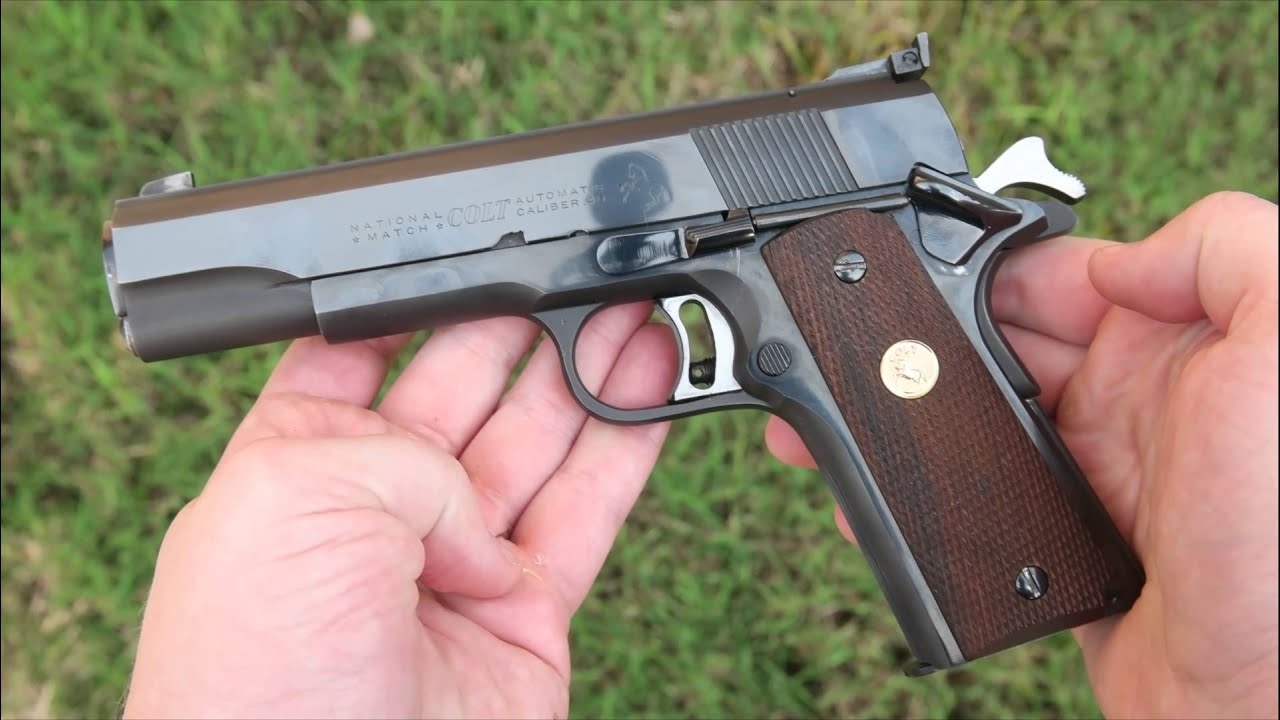
Colt Gold Cup National Match

The Colt Gold Cup sells fast because it’s a 1911 that sits in collector territory while still being a serious shooter. It has name recognition, it has a purpose-built identity, and it ties into match shooting history that collectors and 1911 fans care about. Clean examples don’t sit long because the audience is both wide and motivated.
The details matter. Correct parts, strong finish, sharp markings, and a gun that hasn’t been chopped up for modern sights or carry mods are what buyers jump on. A lot of Gold Cups were actually used, which means many show wear or have been altered. When you find one that’s clean and still looks factory-correct, it triggers fast decisions. It’s the kind of pistol that disappears while you’re still telling yourself you’ll think on it overnight.
Like The Avid Outdoorsman’s content? Subscribe to our newsletter so you never miss an article.
Here’s more from us: