Photo credit: NRApubs/YouTube
A lot of guns that used to sit on every pawn shop rack are still “common” in name only. They got carried hard, hunted hard, traded hard, and stored in ways that weren’t kind to bluing, wood, or bores. The clean ones didn’t disappear overnight—they got slowly filtered out. Some were chopped, drilled, cerakoted, “upgraded,” or fed a steady diet of bargain ammo and zero maintenance. Others simply lived a rough life behind truck seats and in damp closets.
That’s why the market feels weird right now. You can still find the model, but finding one that hasn’t been messed with—or one that hasn’t been worn down to the edge of tired—takes patience. If you want a clean example that still looks and runs like it should, these are the kinds of once-everywhere firearms that are getting harder to find in honest condition.
Remington 870 Wingmaster
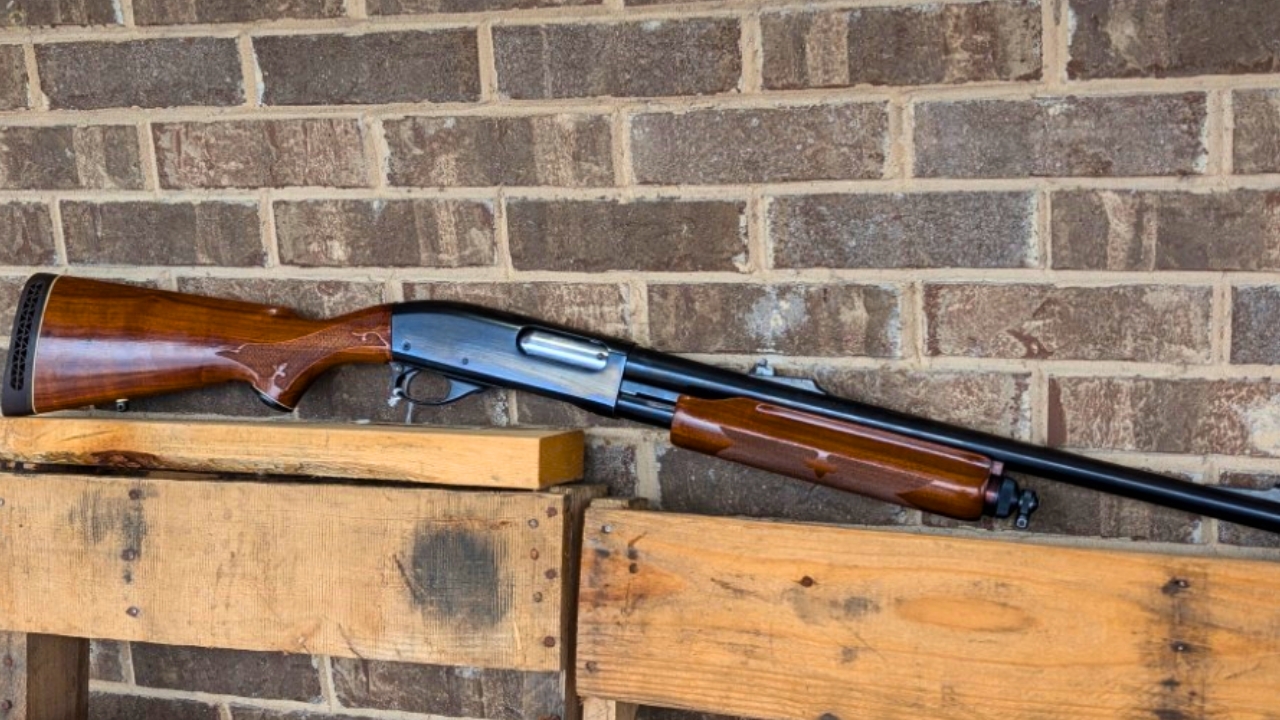
A Wingmaster used to be the shotgun you could count on seeing anywhere hunting was taken seriously. They got carried in the rain, leaned in corners, and thrown into duck boats. The bluing wears thin fast when a gun lives in a blind bag, and the walnut picks up dings like it’s supposed to. That’s normal, but it’s also why genuinely clean Wingmasters don’t sit around long anymore.
The other problem is “improvement.” Plenty were drilled for side saddles, fitted with bargain extensions, or had stocks swapped and lost. A Wingmaster that still has crisp checkering, a clean receiver, and a smooth action that hasn’t been rattled loose is getting tougher to stumble onto. You can still find 870s everywhere. Finding a clean Wingmaster is another story.
Winchester Model 94

The Model 94 is one of the most carried rifles in America, and it looks like it. Even in towns where lever guns are still normal, most 94s you see have thin bluing, worn receiver edges, and stocks that show a lifetime of saddle scuffs and truck rack time. That’s honest wear, but it means truly clean examples are getting scarcer by the year.
The bigger issue is alterations. A lot of rifles were drilled for scopes, swapped to aftermarket stocks, or had sights replaced with whatever was cheap at the time. Some were refinished in a way that erased the character and the value at the same time. A clean Model 94 with sharp markings, decent wood, and no extra holes is still out there—but you’re not finding it by accident very often.
Marlin 336
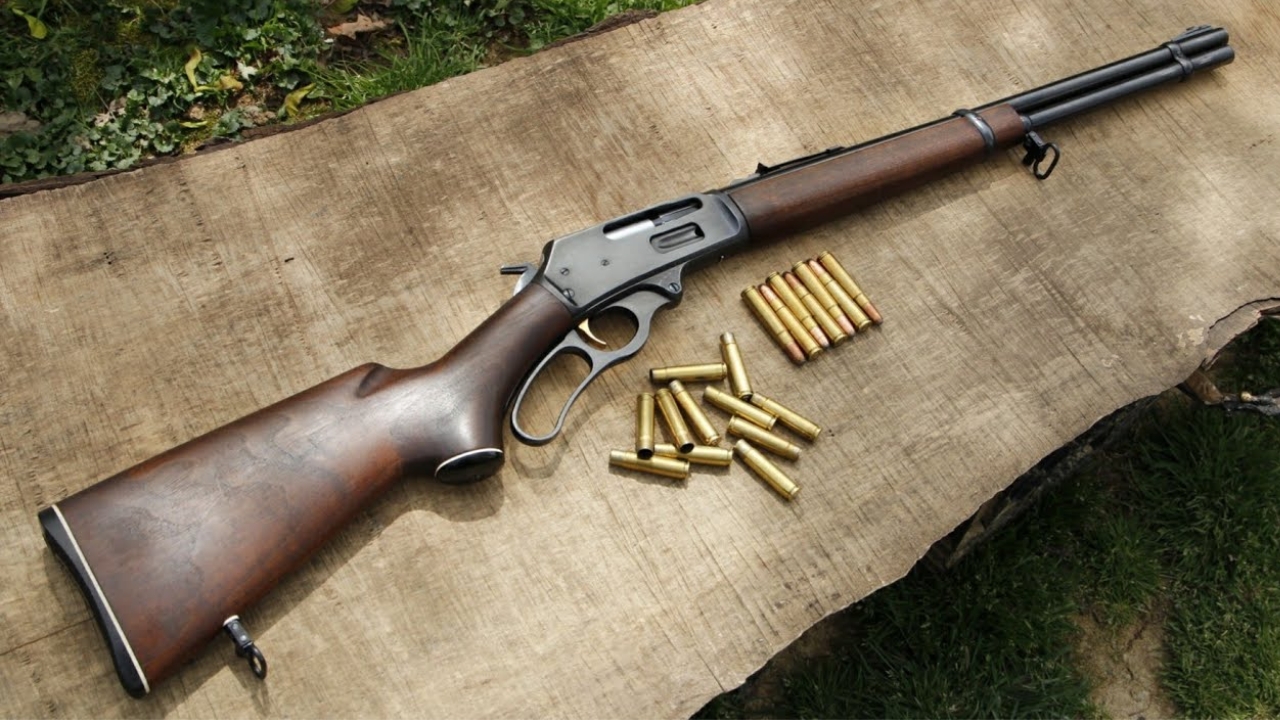
For decades, the Marlin 336 was the “do everything” deer rifle for people who didn’t want drama. Those rifles lived in wet deer camps, rode four-wheelers, and got cleaned with whatever rod was closest. The result is a lot of bores that look tired, a lot of stocks with cracks at the tang, and a lot of metal that shows the kind of freckling you only get from years of humidity.
Then came the era of “tactical” lever guns. Plenty of 336s were chopped, threaded, drilled, and turned into projects. If you want a clean, traditional 336—good wood, clean crown, original sights, no weird cuts—it takes more digging now. The rifle is still common. The clean, unbothered ones aren’t.
Ruger 10/22 (older, unmodified carbines)

The Ruger 10/22 might be the most modified .22 rifle ever made, and that’s exactly why clean, original carbines are getting harder to find. People swap barrels, stocks, triggers, bolts, pins—everything. They do it because it’s fun, and because the rifle invites tinkering. But once those original parts get separated, they don’t always come back together.
Add in the way these rifles are used. A 10/22 is a truck gun, a camp gun, a loaner gun, a “teach the kids” gun. That means dings, scratches, and plenty of rifles that never got wiped down after a wet day. If you’re hunting a clean, older carbine that still wears its factory stock and hasn’t been turned into a build, you’re going to look at a lot of tired rifles first.
Smith & Wesson Model 10

The Model 10 used to be the default police revolver, and that history is why clean examples are less common than you’d think. Many were carried daily for years, holstered in leather that rubbed finish away, and then sold off after decades of service. The mechanical bones can still be good, but exterior condition often tells the story of a hard-working gun.
The other thing that’s thinning the clean supply is amateur “tuning.” A lot of these revolvers got kitchen-table action jobs, lighter springs, and questionable parts swaps. Timing and lockup matter on an older K-frame, and a gun that was messed with can be more headache than bargain. A truly clean Model 10—sharp edges, decent blue, tight function, and no hack work—doesn’t sit long when one shows up.
Smith & Wesson Model 19

The Model 19 was carried and shot like it was meant to solve problems, not win safe-queen contests. A lot of them lived on duty belts and then got run hard at the range with whatever .357 load was popular at the time. That kind of use shows up as finish wear, scratched sideplates, and sometimes guns that are a little looser than you want.
On top of that, plenty of Model 19s got modified for carry—bobbed hammers, swapped grips, and sights changed out. None of that is evil, but it makes clean, factory-correct examples harder to find. When you do see one that still has its original configuration and hasn’t been “improved,” the price usually reflects it. The Model 19 isn’t rare. The clean ones are getting scarce.
Colt Detective Special

The Detective Special used to be a real working man’s revolver—carried a lot, shot enough to stay trusted, and often stored in pockets, glove boxes, and drawers without much ceremony. That kind of life is rough on bluing and rough on sharp edges. A lot of these guns show wear in the exact places you’d expect: muzzle, cylinder, and the high points that ride against fabric and leather.
Finding one that’s clean is hard for another reason: people held onto them and used them until they were truly worn. Many are still mechanically sound, but “clean” condition is a different standard. Add in the number that have been refinished, and it gets tricky fast. A Detective Special with crisp markings, good finish, and an action that hasn’t been messed with is getting genuinely tough to score.
Browning Hi-Power

The Hi-Power was once a very normal pistol to see in the used market, and a lot of them came in as police or military surplus. The problem is that surplus guns often lived hard lives, and plenty were rebuilt, refinished, or mixed-parts guns. That doesn’t make them bad shooters, but it does make truly clean, original-condition examples harder to find.
Then there’s the modification wave. A lot of Hi-Powers were customized—different safeties, sights, trigger work, beavertail cuts, refinishes. Some of that was done well, some of it wasn’t, and almost all of it removes the “clean and correct” appeal collectors and shooters now want. If you’re looking for a Hi-Power that hasn’t been chopped up and still looks sharp, you’ll pay for it—or you’ll hunt longer than you planned.
Colt Series 70 Government Model

A Series 70 Government Model used to be the kind of 1911 you’d find in a used case without a big speech attached. Not anymore. A lot of them were built into match guns back when that was the thing to do—beavertails, sights, checkering, trigger jobs, refinishes. Great shooters, sure, but not what most people mean when they say “clean.”
The other reality is carry wear. These pistols were carried, shot, and holstered in ways that polished blue right off the corners. Finding one with strong original finish, crisp roll marks, and no frame cuts is getting tougher because the clean ones got separated from the herd years ago. When you see a Series 70 that’s still straight, still sharp, and hasn’t been turned into somebody’s personal project, it stands out immediately.
Remington 700 BDL

The Remington 700 BDL was once the classic “nice” hunting rifle—glossy wood, glossy blue, and a rifle that lived in a deer camp for decades. That finish looks great when it’s clean, and it looks rough when it’s been through a few wet seasons. Most BDLs weren’t babied. They were used, which means sling studs pulled loose, floorplates scratched, and stocks showing plenty of honest scars.
The bigger issue now is the scope-mount and stock swap era. Plenty of BDLs got dropped into synthetic stocks, had bottom metal changed, and lost the very features that made them BDLs in the first place. Finding one that still has nice wood, clean metal, and a bore that wasn’t abused by bad cleaning rods takes time. The rifle is common. A clean BDL isn’t.
Savage 99

The Savage 99 used to be a normal deer rifle in a lot of regions, especially where people liked lever guns but wanted more reach than traditional cartridges. They got hunted hard for generations. That’s why so many show finish wear, cracked forearms, and stocks that have seen too many seasons riding behind a truck seat.
Clean ones are harder because the 99 is also a rifle people “adapted” over the years. A lot were drilled for scopes, fitted with replacement parts, or refinished in ways that don’t match original lines. And because many owners kept them forever, the ones that hit the market now often arrive after a long life of real use. A 99 with clean metal, strong wood, sharp markings, and a smooth action is still out there—but you don’t stumble onto it casually.
Winchester Model 70 (older hunting rifles)

Older Model 70s were built to be used, and people used them exactly that way. They got dragged through cedar thickets, leaned on barbed wire fences, and carried in scabbards that wore the finish down to the metal. It’s normal to see a rifle that’s mechanically fine but looks like it lived outdoors for twenty years.
What makes clean ones tougher now is the number that were altered. Many were bedded, restocked, drilled again, refinished, or had recoil pads installed that shortened the length of pull and changed the original lines. None of that makes the rifle worse for hunting, but it does make a clean, original example harder to find. If you want one that still looks right and hasn’t been “updated,” you’re competing with collectors and hunters who know what they’re looking at.
SKS (original, unbubba’d rifles)

The SKS used to be the cheap rifle people bought because it was cheap. That history matters. A lot of them got run hard with corrosive ammo and cleaned late—or not cleaned at all. That’s why bores and gas systems can be a gamble, and why exterior condition often shows storage wear from stacked crates and long years in less-than-ideal places.
Then came the bubba era. Stocks got cut, scopes got drilled on crooked, magazines got swapped, and bayonets disappeared. Finding an SKS that’s still in its original configuration, with a clean bore and no hack work, is getting harder because the supply of untouched rifles keeps shrinking. The model is still common enough. A clean, original one that hasn’t been messed with is a different kind of find.
Mosin-Nagant 91/30 (clean bores, matching feel)

Mosin-Nagants were everywhere in the surplus boom, and a lot of people treated them like disposable range toys. Many were fed corrosive ammo, stored without care, and cleaned with the kind of methods that don’t do a bore any favors. That’s why you see so many with dark bores, rough crowns, and stocks that look like they were dragged behind a truck.
The other thing that makes “clean” Mosins harder is sorting through what “clean” even means. Plenty were refurbished, which can look good but isn’t the same as an honest, well-preserved rifle. And once people realized the nicer examples weren’t endless, the good ones started getting picked off. You can still find Mosins. Finding one with a bright bore, crisp markings, and a tidy overall condition takes more work than it used to.
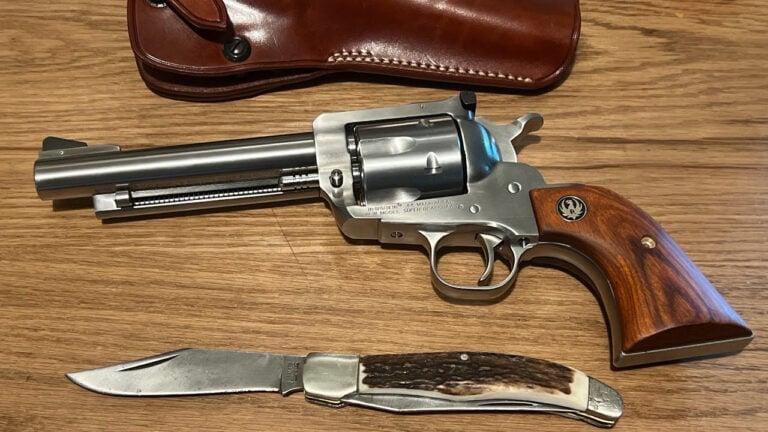
Ruger Blackhawk (older, unmodified examples)

The Ruger Blackhawk was once the everyday workhorse single-action revolver—carried for woods walks, shot on weekends, and often “improved” with whatever grips and parts an owner liked. That’s why so many you see now have swapped grip frames, changed sights, refinished metal, or mismatched grips that aren’t original to the gun.
Wear is part of it, too. These guns rode in holsters, got sweat on them, and lived in tackle boxes. A Blackhawk can still run fine with honest wear, but “clean” condition has become harder because the clean ones tended to get kept, while the rest got used hard. If you want an older Blackhawk that still looks right, hasn’t been tinkered with, and has clean screw heads and sharp edges, you’ll have to pass on a lot of rough ones to get there.
Ithaca Model 37

The Ithaca 37 used to be a very normal shotgun to see, especially in duck camps and in the hands of people who liked a slick pump and bottom ejection. The trouble is that waterfowl hunting is brutal on blued steel and older wood. A lot of Model 37s spent their lives wet, cold, and muddy, and you can see it in the finish and in the small rust freckles that love to hide in corners.
They also got used as working guns, which means cut stocks, added pads, and plenty of “field fixes” that weren’t pretty. A truly clean Model 37—strong finish, nice wood, smooth action, clean bore—feels like it came out of a different time when you finally handle one. The shotgun isn’t rare. A clean one is getting noticeably harder to spot.
Ruger Mini-14 (older rifles that weren’t ridden hard)

The Mini-14 used to be a common ranch rifle and truck rifle, which is exactly why clean ones are harder now. These rifles often lived behind seats, rode in scabbards, and got carried with zero concern for cosmetic condition. You see it as scratches, worn finish, and rifles that feel loose from years of hard handling.
The other thing thinning the clean supply is the modification habit. Minis got aftermarket stocks, cheap optics mounts, and homebrew “accuracy fixes” that didn’t always help. Some rifles were shot a lot with minimal cleaning, and while a Mini can be dependable, neglect shows up over time. Finding an older Mini-14 that still wears its original furniture, hasn’t been altered, and looks genuinely clean is getting tougher because the nice ones get snapped up fast by people who know what a good Mini feels like.
Like The Avid Outdoorsman’s content? Subscribe to our newsletter so you never miss an article.
Here’s more from us: