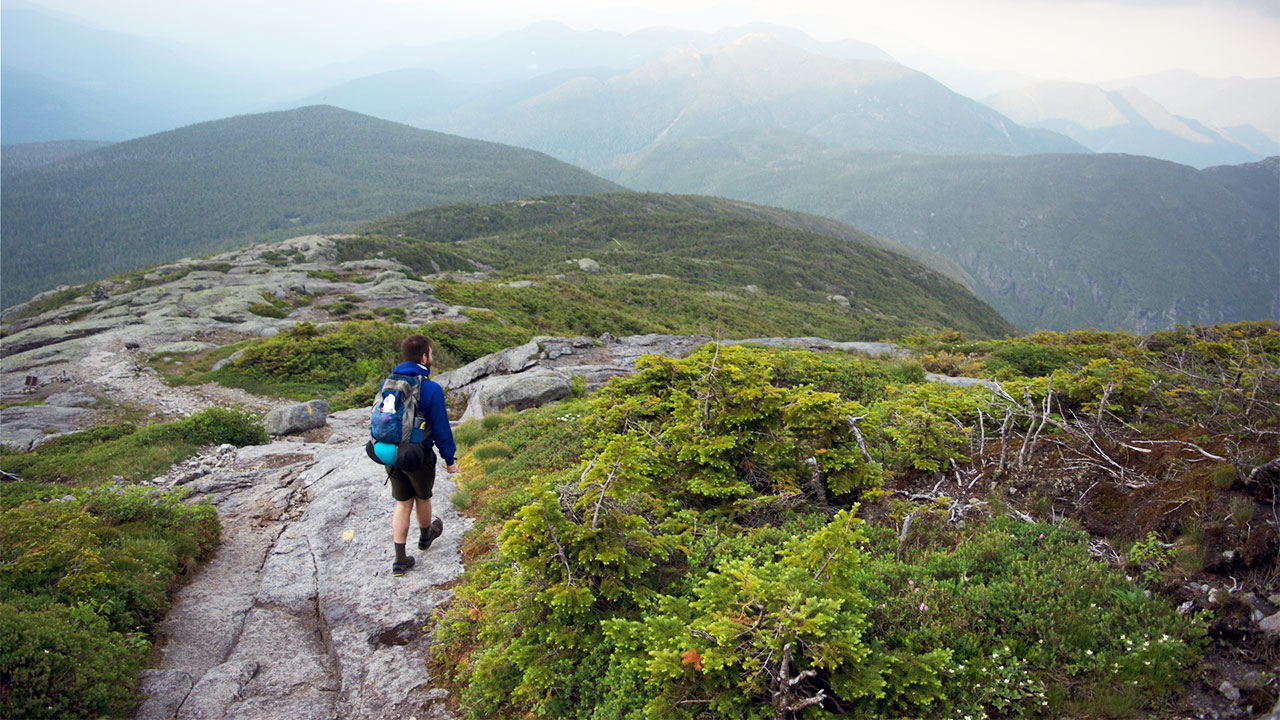
Photo credit: Alex Moliski/Unsplash.com
Tick country is not just a New England problem anymore, and it is not just about Lyme disease either. The CDC says Lyme is most frequently reported from the upper Midwestern, northeastern, and mid-Atlantic states, but the broader tick-borne disease map now includes anaplasmosis, babesiosis, ehrlichiosis, spotted fever rickettsioses, Powassan virus, and alpha-gal syndrome tied to different tick species in different parts of the country. CDC also says tick exposure can happen year-round, though it is highest in warmer months, which is bad news for hunters, hikers, turkey guys, shed hunters, and anybody else who spends long hours in grass, brush, timber edges, creek bottoms, and leaf litter.
For outdoors people, the states with the worst tick problems are not always the ones with the loudest headlines. Some have sky-high Lyme numbers. Some have multiple diseases moving at once. Some have aggressive lone star ticks expanding their range and bringing new risks with them. These 15 states stand out because of current disease burden, expanding tick activity, recent health advisories, or some ugly combination of all three.
Pennsylvania
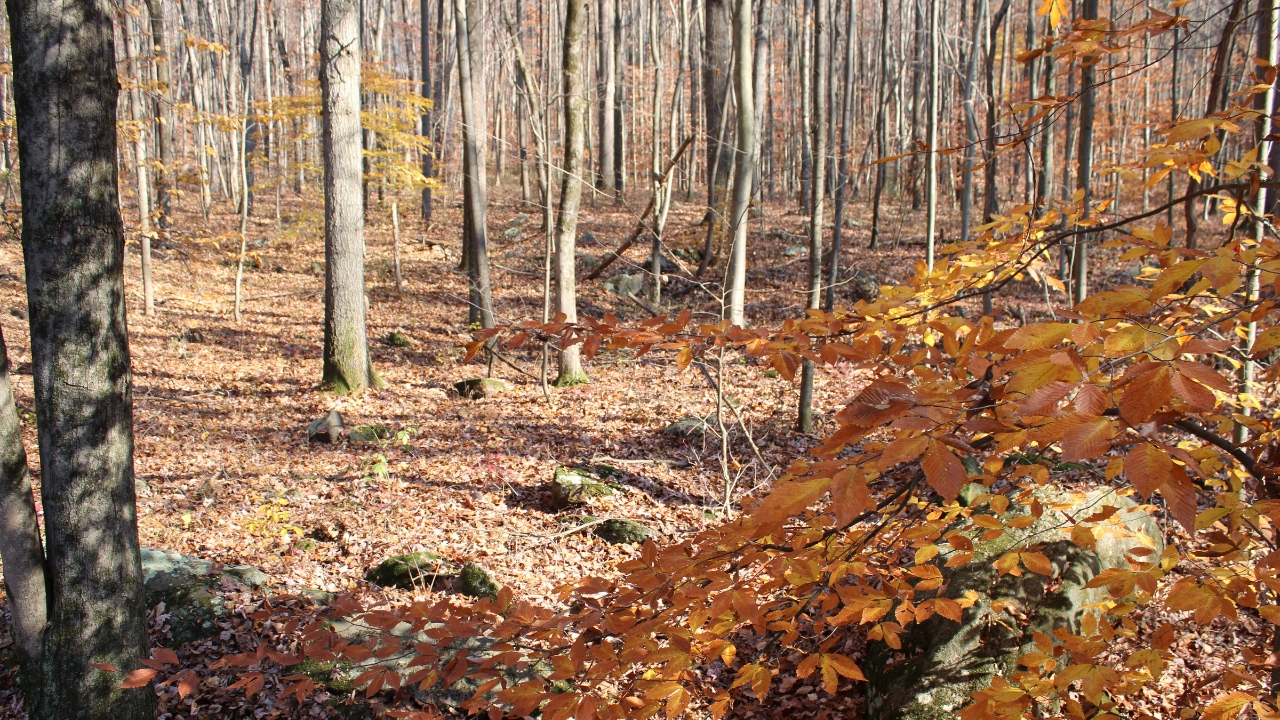
Pennsylvania is one of the first states that comes to mind any time tick trouble comes up, and that is not hype. The Pennsylvania Department of Health flagged sustained increases in tick bite-related emergency department visits in nearly all regions of the state in a 2025 advisory, which is exactly the kind of thing hunters and hikers should pay attention to. This is not a small pocket problem. It is broad enough that the state had to push out a statewide warning.
Pennsylvania also keeps a deep Lyme surveillance archive because the burden has been high for years, and it continues to report large annual case totals. For outdoors people, that matters because Pennsylvania has the exact kind of habitat ticks love: big hardwood country, brushy edges, deer-rich ground, and a lot of human recreation layered right on top of it. If you hunt, hike, mushroom hunt, or scout there, tick precautions are not optional gear.
New York
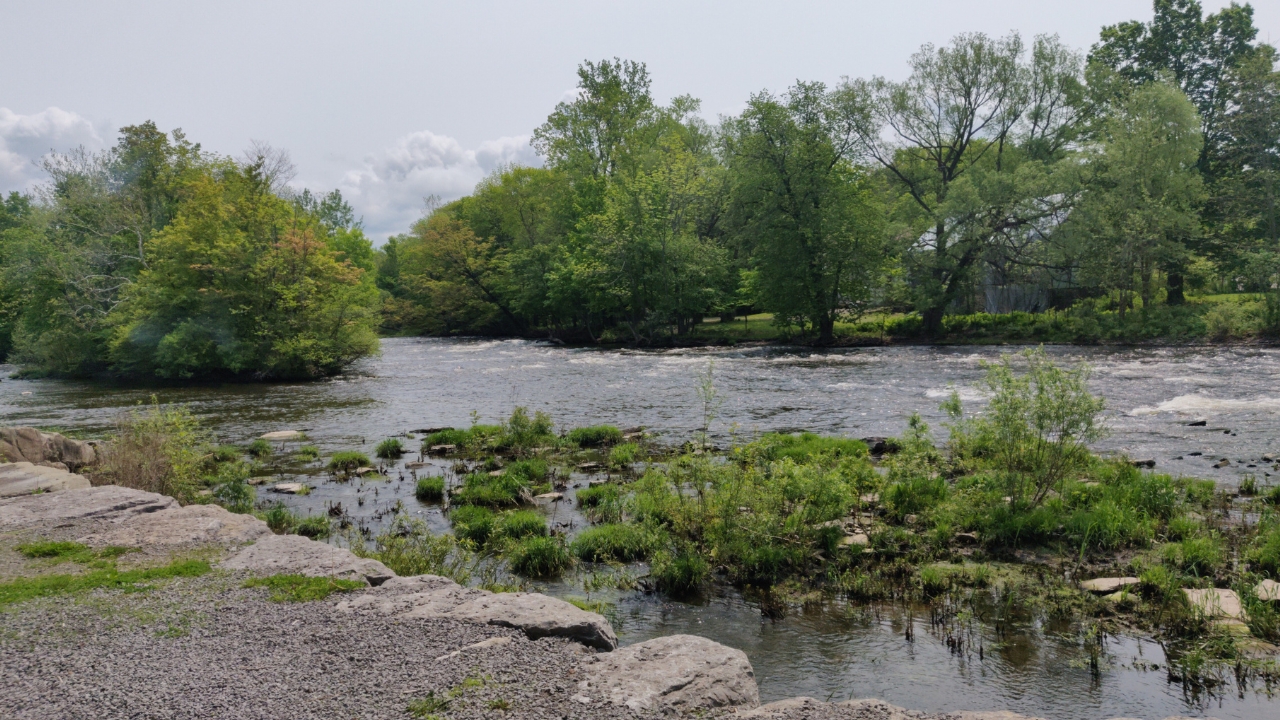
New York has a serious tick problem, and it is not confined to one disease. The New York State Department of Health’s 2025 surveillance report says Lyme disease occurs throughout the state, while anaplasmosis, babesiosis, and ehrlichiosis are also occurring in New York. That kind of multi-disease picture is what makes a state more than just “a Lyme place.”
For hunters and hikers, New York is especially rough because so much prime recreation ground overlaps with tick habitat. The Adirondacks, Catskills, Hudson Valley, Southern Tier, and a lot of suburban-wildland edge country all create chances for exposure. Even New York City’s 2025 health advisory reminded clinicians that New Yorkers are usually infected outside the city, which tells you where the risk really sits: the woods, trails, and outdoor ground where people actually spend time.
New Jersey
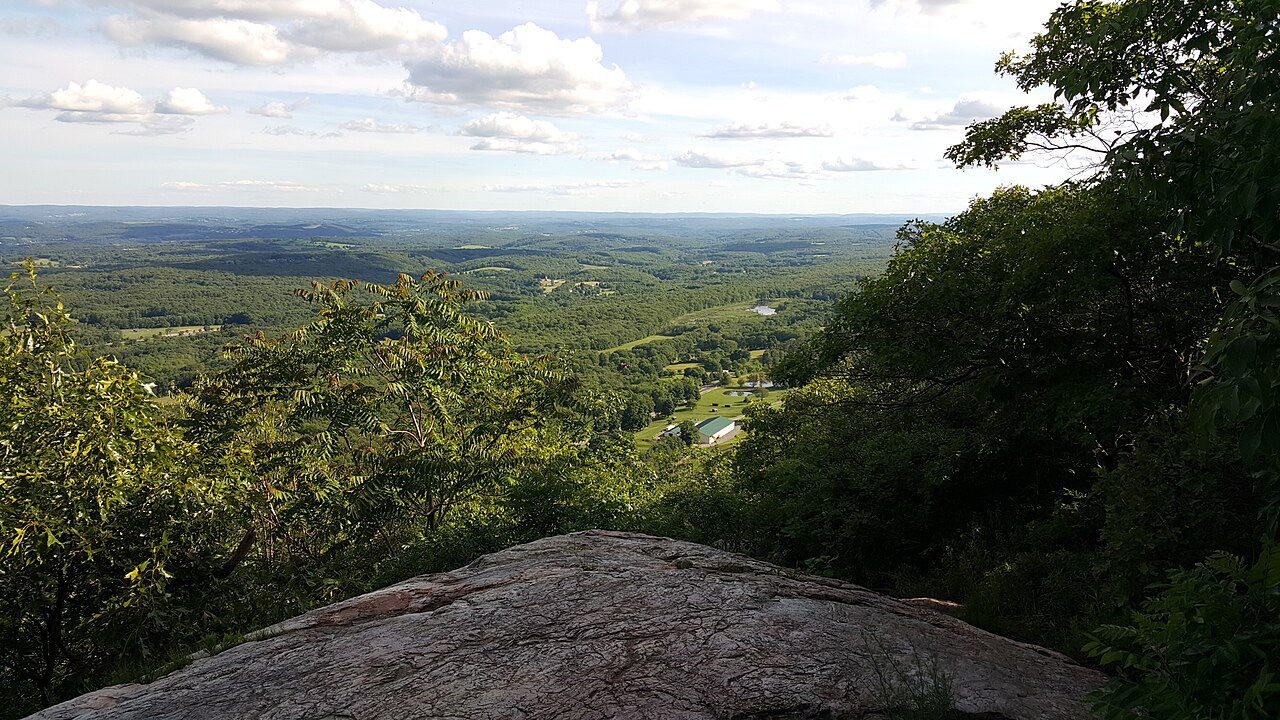
New Jersey deserves a spot here because it is dealing with more than one bad trend at once. Rutgers says lone star ticks are expanding spatially and increasing in abundance across New Jersey, and the state’s 2025 surveillance recommendations say the two tick species of greatest public health importance are the blacklegged tick and the lone star tick. That is a nasty combo because it means the state is dealing with both the classic Lyme vector and one of the most aggressive nuisance ticks in the country.
New Jersey’s same surveillance document says the state reported tick-borne diseases including anaplasmosis, babesiosis, ehrlichiosis, Lyme disease, Powassan virus, spotted fever group rickettsiosis, and more, along with 1,039 reported alpha-gal syndrome cases between 2022 and 2024. That is a big signal that this is not a single-lane problem anymore. For anyone running coastal woods, pine country, public land, or overgrown suburban edge habitat, New Jersey is fully in the thick of it.
Connecticut
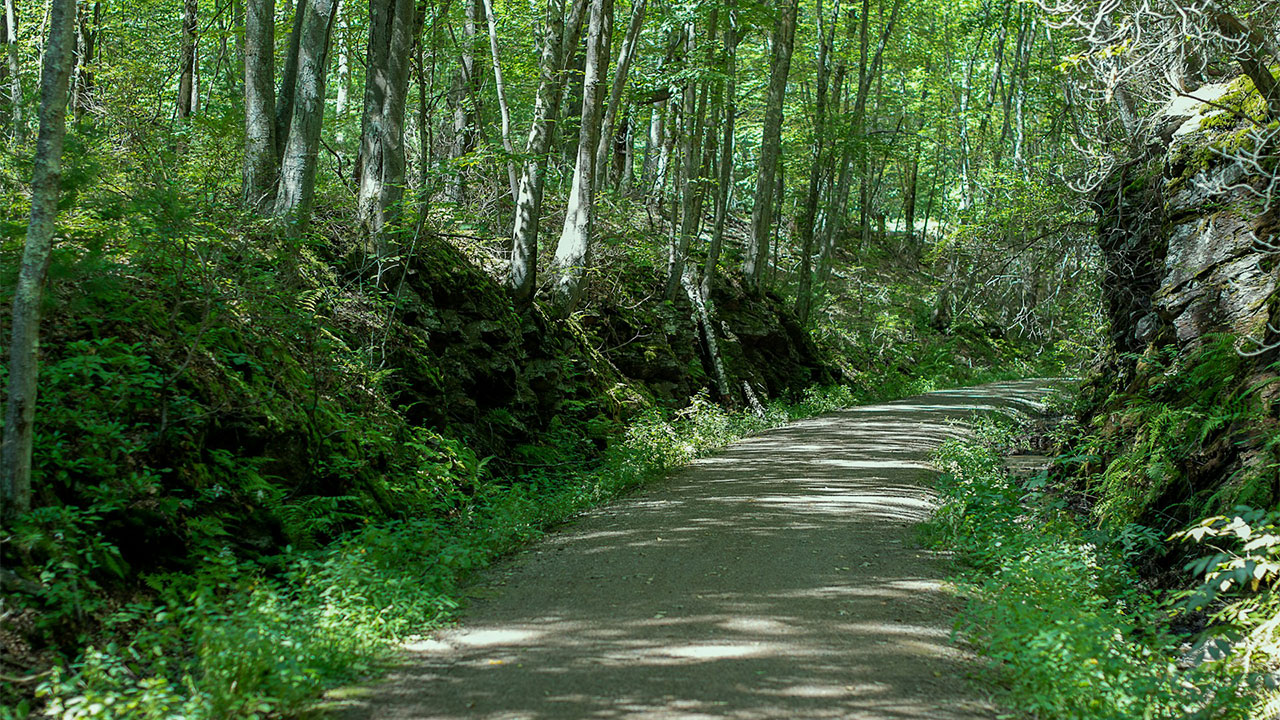
Connecticut keeps looking worse on ticks than a lot of people expect for a small state. In 2025, Connecticut’s statewide tick testing summary showed thousands of blacklegged ticks tested, and the latest surveillance found substantial infection rates for Lyme disease plus other pathogens including babesiosis, anaplasmosis, hard tick relapsing fever, and Powassan virus. That is the kind of pathogen mix that makes every bite feel like a bad roll of the dice.
The other issue is density. Recent Connecticut surveillance found very high deer tick densities in some counties, with strong infection percentages in both adult ticks and nymphs. For outdoors people, nymph season is especially ugly because those tiny ticks are easy to miss and active during prime spring and early summer hiking, scouting, fishing, and turkey time. Connecticut may not be huge, but its tick problem punches above its weight.
Rhode Island

Rhode Island is another small state with a very outsized tick reputation. RIDOH’s tick-borne disease data page tracks Lyme closely and continues treating it as a major public health issue, and the state’s Lyme guidance says blacklegged ticks are the vector and that exposure is most common in wooded or grassy areas during warm months. That description basically reads like a checklist of where outdoors people spend their time.
What makes Rhode Island rough is that the state is compact enough that people sometimes assume risk is limited or easy to avoid. It is not. Tick exposure follows habitat, not state size. In a place packed with brushy shorelines, woodlots, trail systems, deer habitat, and plenty of human outdoor use, the opportunities for contact stack up fast. Rhode Island stays firmly in the high-risk Northeast pattern for a reason.
Massachusetts
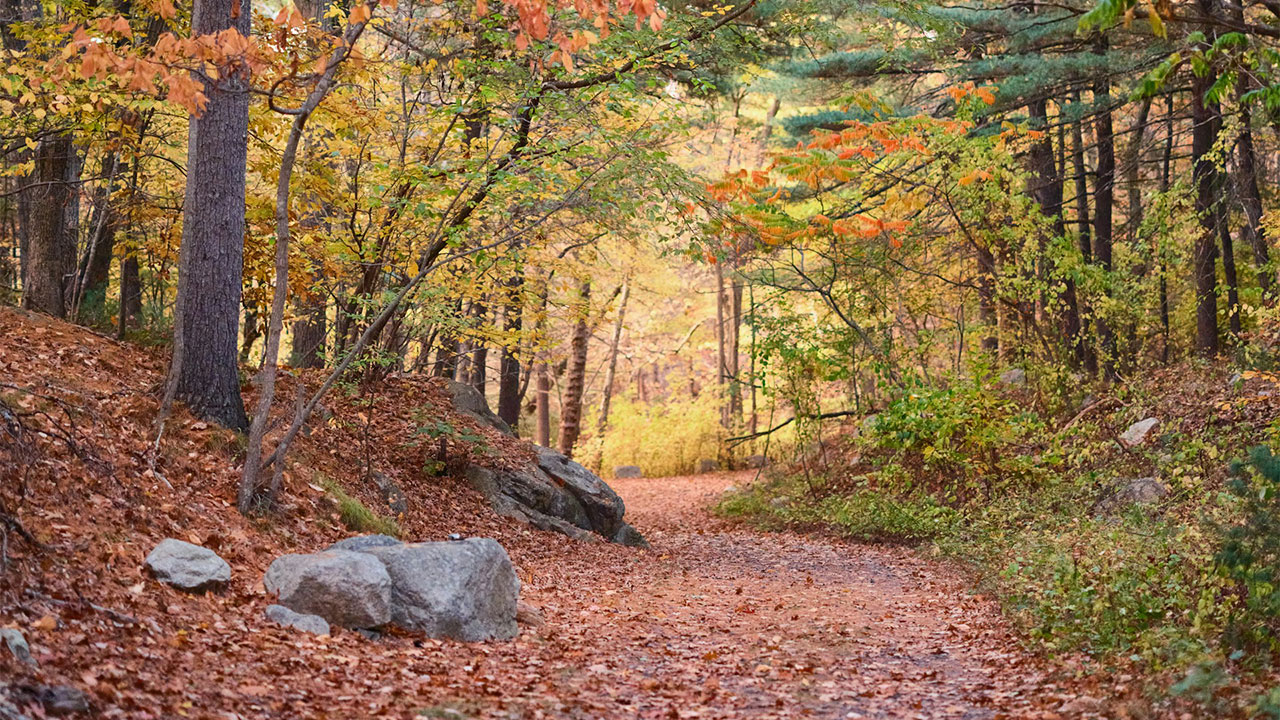
Massachusetts has enough tick activity that the state posts monthly tick-borne disease reports and says tick activity and diseases such as Lyme disease, anaplasmosis, babesiosis, Borrelia miyamotoi, and Powassan virus occur year-round. That is a broad list, and the year-round point matters because a lot of people still act like hard frost shuts the whole problem down. Massachusetts is basically telling people not to assume that.
The surveillance summaries also show that Massachusetts is consistently dealing with substantial reported counts of Lyme, babesiosis, and anaplasmosis. For hunters and hikers, that means the risk is not confined to Cape Cod vacation talk or one or two famous hot spots. It is a statewide issue tied to wooded cover, leaf litter, brush, deer movement, and people spending time outside across every season that matters.
Vermont
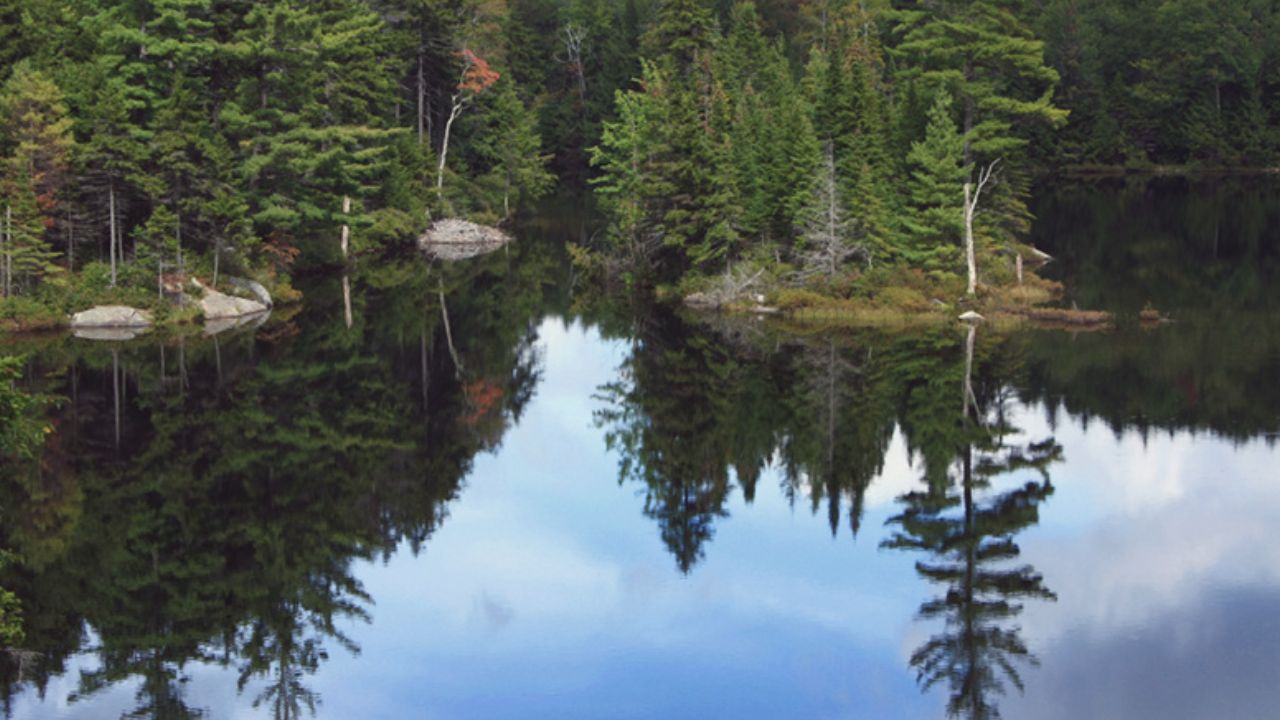
Vermont has quietly become one of the more serious tick states in the Northeast. The Vermont Department of Health says Lyme disease is the most common tick-bite illness in the state and that cases of anaplasmosis and babesiosis have increased over the last 10 years. That is exactly the kind of upward trend outdoors people should take seriously, because it means the problem is deepening, not just holding steady.
Vermont also says six tick species are known to bite humans there, with five capable of transmitting disease. Even though Lyme gets most of the attention, the state is also watching lone star ticks and rarer illnesses like hard tick relapsing fever and Powassan virus. For folks running ridgelines, deer woods, old farm country, or overgrown trail systems, Vermont is no longer a place where you can act like ticks are somebody else’s problem.
New Hampshire

New Hampshire belongs high on this list because state officials keep warning people about tickborne disease risk and the state specifically notes multiple tickborne illnesses are present. DHHS says tick exposure can occur year-round, though ticks are most active from April through November, and the governor’s 2025 Lyme awareness proclamation highlighted May through July as the highest-risk period when deer tick nymphs are active.
That lines up badly for hikers, turkey hunters, trout fishermen, shed hunters, and spring campers. New Hampshire’s outdoors culture puts people in the exact kind of shaded, brushy, damp habitat ticks like. When a state is emphasizing long seasonality and repeated prevention messaging, it usually means enough people are getting bitten, getting sick, or both. New Hampshire has been there for a while now.
Maine

Maine has turned into one of the clearest tick problem states in the country. Maine CDC said in May 2025 that ticks were already active following a record year in 2024 and warned that the state expected an increase in Lyme and other tickborne disease reports as the weather warmed. Then preliminary 2025 numbers went even higher, with Maine Public reporting roughly 3,653 Lyme cases in 2025, nearly 400 more than in 2024, plus record highs in babesiosis and anaplasmosis.
That is brutal news for anybody who spends time in Maine woods, cutovers, field edges, or coastal brush. Maine’s tick problem is not just a southern county issue anymore either. The state has kept warning residents and visitors that ticks remain active into fall as disease numbers climb. For outdoors people, that means the season is longer, the numbers are worse, and the “it’s too late in the year for ticks” excuse does not hold up.
Minnesota
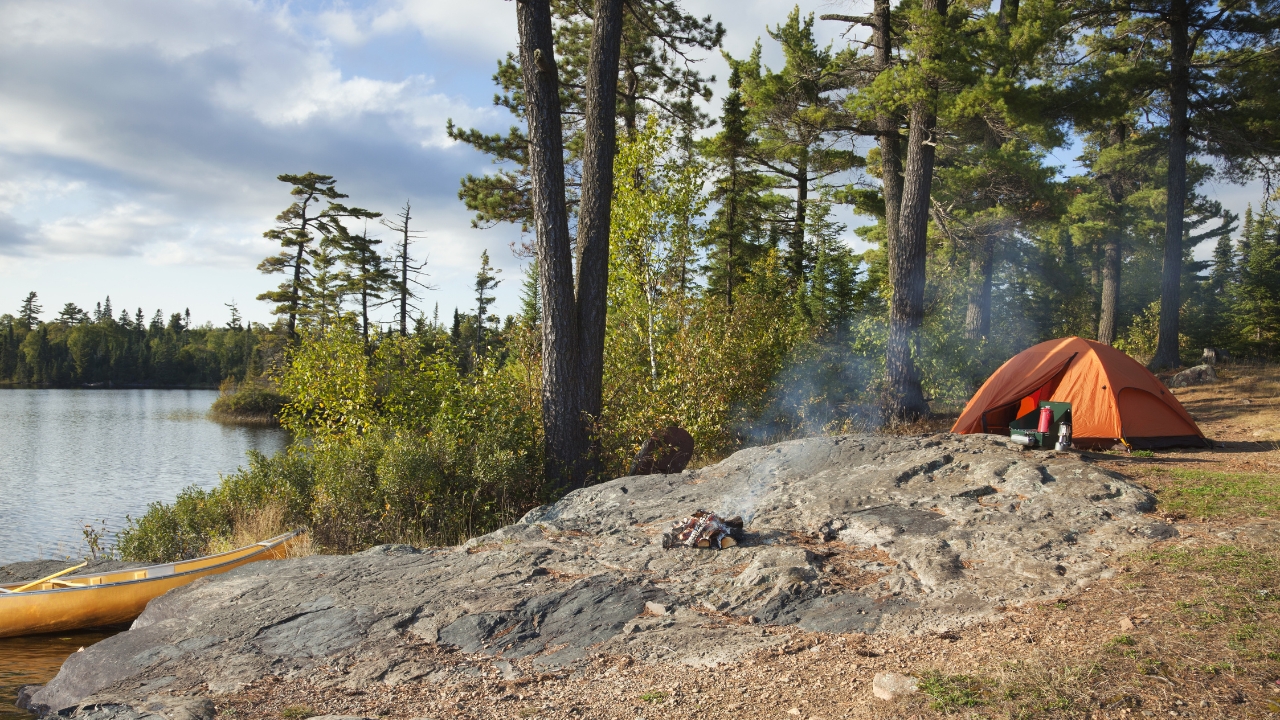
Minnesota is one of the upper Midwest states the CDC consistently flags for high Lyme burden, and the Minnesota Department of Health says the majority of the state’s tickborne diseases come from the blacklegged tick. That alone makes it a major concern for hunters, hikers, grouse guys, and anybody walking deer trails or brushy edges in the North Star State.
What makes Minnesota stand out even more is that state and university messaging keeps emphasizing more than Lyme. Minnesota DNR recently warned that alpha-gal syndrome is a growing concern as lone star tick range appears to be expanding, which matters a lot to deer hunters since the allergy can affect tolerance to mammal meat, including venison. That is the kind of outdoors-specific consequence people remember.
Wisconsin

Wisconsin has been a serious tick state for a long time, and the current data still back that up. Wisconsin DHS says anaplasmosis is the second most common illness spread by ticks in the state after Lyme disease, and it reported 780 confirmed and probable anaplasmosis cases in 2024, with concentrations especially in northern, western, and northeastern regions. That geographic spread covers a lot of exactly the kind of country hunters and hikers love.
Lyme is still the headline issue, but Wisconsin is another state where the broader disease mix matters. Madison-area public health officials noted in 2025 that Lyme remains the most commonly reported tick-borne illness in Wisconsin, and the state’s repeated public messaging shows this is still a major recurring issue. Thick woods, deer habitat, wet ground, and a strong outdoor culture make Wisconsin one of the easiest states in the country to come home from with a tick on you.
Maryland
Maryland might not always get mentioned in the same breath as Maine or Pennsylvania, but it belongs on this list. The governor proclaimed May 2025 Tickborne Disease Awareness Month in Maryland, and researchers and local health officials keep pointing to ongoing concern over Lyme and other illnesses. Garrett County, for example, issued a 2025 alert to residents and visitors about increased activity of adult blacklegged ticks as fall arrived.
That matters because Maryland has a mix of mountain country, suburban edge habitat, coastal plain, and heavy human outdoor use. The state is also dealing with concern over co-infection risk from deer ticks carrying more than one pathogen. For hunters, hikers, and public-land users, Maryland is one of those states where tick risk can sneak up on people because it sits between the classic Northeast Lyme belt and the broader Mid-Atlantic tick mess.
Virginia
Virginia is one of the states where the tick problem is broad, active, and not confined to one season. VDH says ticks have become common in Virginia and can be active on warm days at all times of the year because of factors including suburbanization, abundant deer, climate change, and land development. That is a pretty direct admission that the state’s tick problem is being driven by the exact conditions that are hard to reverse.
Virginia also matters because it is not just blacklegged ticks. The state tracks multiple medically important tick species and multiple reportable diseases. In practical terms, that means a person hiking the Blue Ridge, scouting oak ridges, working field edges, or running dogs in cutover country is dealing with more than one kind of risk. Virginia’s long tick season and broad species mix make it one of the rougher states in the East.
North Carolina
North Carolina’s tick trouble looks a little different from the Northeast model, but it is absolutely real. The state’s tickborne illness figures page says public health surveillance covers anaplasmosis, ehrlichiosis, Lyme disease, and spotted fever illnesses including Rocky Mountain spotted fever. Then the state’s 2025 clinician memo goes a step further and says ehrlichiosis is now the most reported tickborne illness in North Carolina and is transmitted statewide by infected lone star ticks.
That is a big deal for outdoors people because lone star ticks are aggressive and common in exactly the kind of brushy, low-cover, deer-rich habitat people move through while scouting, hunting, and hiking. North Carolina may not wear the Lyme crown the way Pennsylvania does, but it makes up for it with a broader southern-style tick problem that can catch people off guard if they assume all tick danger is a New England thing.
Tennessee

Tennessee is another state that deserves more respect in this conversation than it usually gets. The Tennessee Department of Health keeps active disease pages for ehrlichiosis and spotted fever rickettsiosis, and Vanderbilt experts said in 2025 that the four tick-borne illnesses most common in Tennessee are spotted fever rickettsiosis, ehrlichiosis, anaplasmosis, and Rocky Mountain spotted fever, while Lyme remains relatively rare in the state.
That matters because a lot of outdoors people think “low Lyme” means “low tick risk,” and Tennessee proves that is not true. Warm weather, long outdoor seasons, lots of brush, lots of game habitat, and lots of lone star ticks make the state rough on turkey hunters, hikers, shed hunters, and anybody walking hardwood ridges or creek drainages in spring and summer. Tennessee is a serious tick state, just with a different disease profile than the Northeast.
Like The Avid Outdoorsman’s content? Subscribe to our newsletter so you never miss an article.
Here’s more from us: