Photo credit: Jonathan Clark/Pexels.com
Some dogs love everybody. Others pick one person and quietly decide the rest of the world is optional. These breeds don’t spread affection evenly—they lock in. Once that bond forms, loyalty runs deep, attention narrows, and everyone else becomes background noise. For hunters, outdoorsmen, and people who spend serious time with their dogs, that kind of connection can be a good thing. It means focus, trust, and a dog that works with you, not just around you. The tradeoff is obvious too: these dogs don’t always care about guests, extended family, or strangers trying to make friends. These are 15 dog breeds known for bonding hard with one person and mostly ignoring everyone else.
Akita

Akitas are famous for loyalty, but it’s a very selective kind. They tend to choose one person early and stick with them for life. Everyone else is tolerated at best. This isn’t insecurity—it’s deliberate attachment. Once an Akita decides you’re their person, they’ll follow you, watch you, and quietly position themselves between you and anything unfamiliar.
They’re not clingy, but they’re deeply committed. Akitas don’t seek approval from crowds and rarely warm up to strangers quickly. In a working or rural setting, that single-person bond creates a calm, steady companion that doesn’t need constant reassurance. But if you expect a dog that greets guests with enthusiasm, this breed will feel cold. To their person, though, the bond is absolute.
German Shepherd
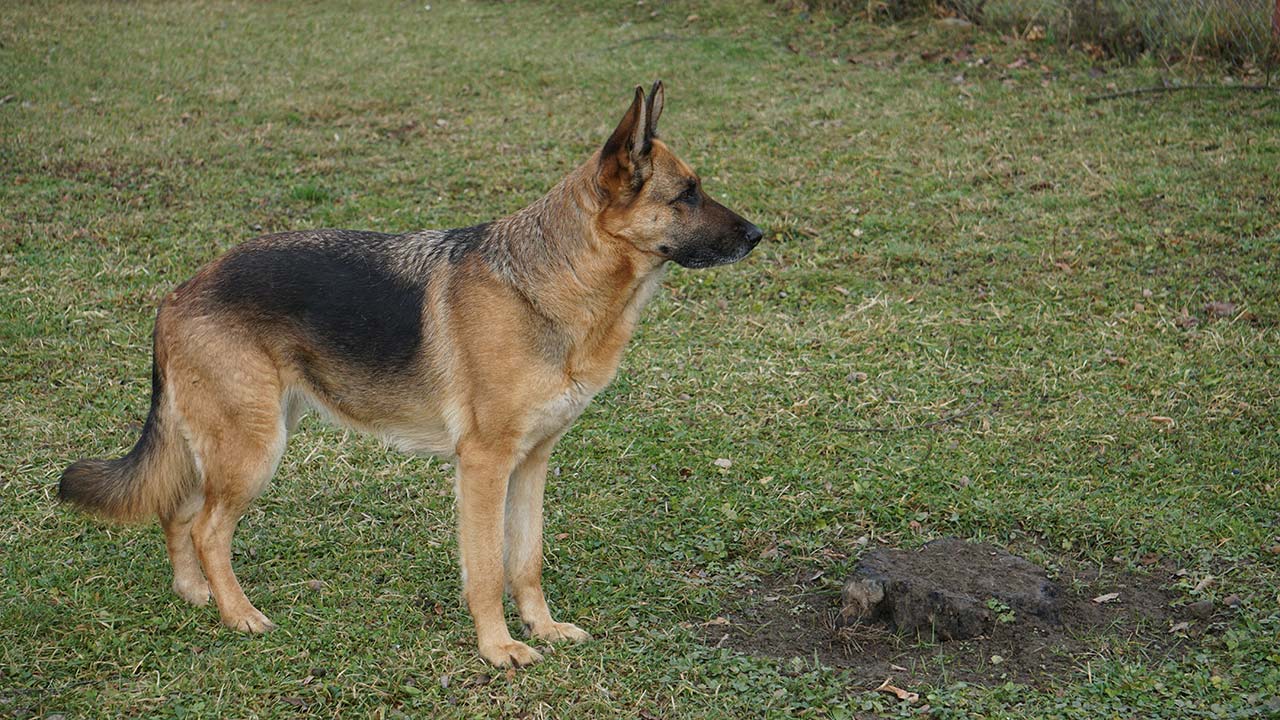
German Shepherds are wired for handler loyalty. They don’t just bond emotionally—they bond functionally. Once a shepherd locks onto someone as their leader, that person becomes the center of the dog’s world. Commands, body language, tone—all of it matters more from that one individual than from anyone else.
That’s why they excel in police, military, and working roles. Shepherds can be friendly, but their trust is selective and earned. They’ll often ignore or remain neutral toward people outside their circle, especially if their handler is present. For someone who wants a dog that watches them, reads them, and moves with them instinctively, the German Shepherd is hard to beat.
Belgian Malinois

Malinois take one-person bonding to another level. This breed doesn’t just prefer a handler—they fixate on them. Once bonded, a Malinois tracks their person constantly, waiting for cues and direction. Other people barely register unless they’re part of the work.
This intense attachment is what makes them elite working dogs and miserable pets for the wrong owner. They don’t want a family—they want a mission, and that mission usually involves one human. If you’re that person, the loyalty is unmatched. If you’re not, the dog may treat you like furniture. This isn’t a social breed. It’s a partnership breed.
Doberman Pinscher
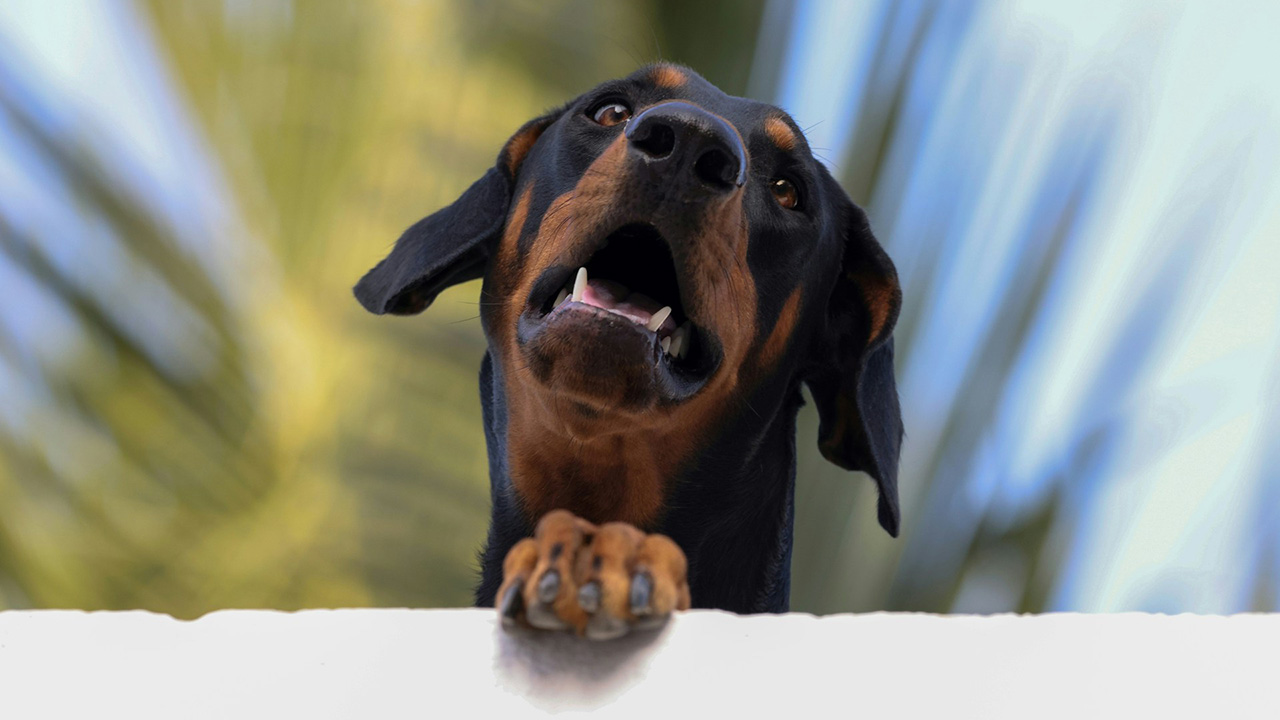
Dobermans are classic “one-person” dogs disguised as sleek companions. They bond fast and deeply, often choosing a primary person even in multi-person households. Once that bond is set, the Doberman becomes shadow-like—watchful, protective, and highly attuned to that individual’s mood and movement.
They’re capable of being polite to others, but their attention always snaps back to their person. Dobermans are known for positioning themselves physically close, often leaning or sitting near their chosen human. In a working or rural environment, that translates to a dog that stays keyed in without needing direction. Their loyalty isn’t loud—but it’s constant.
Australian Cattle Dog
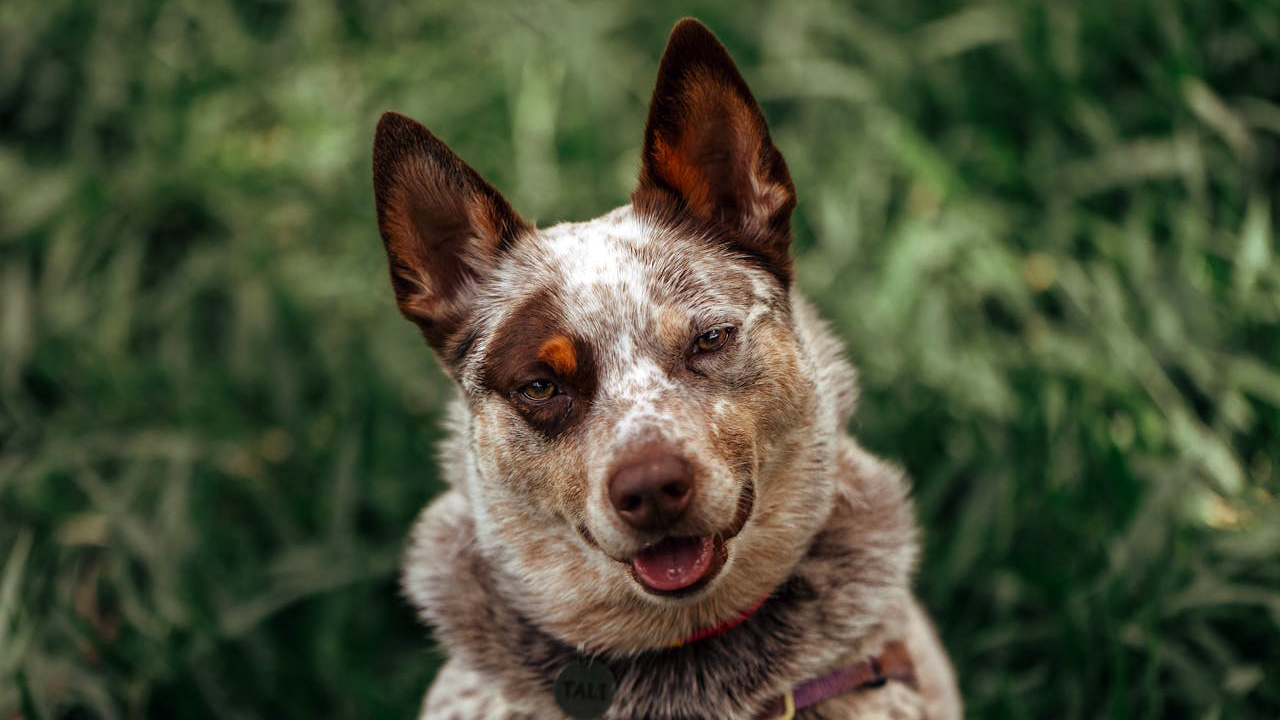
Australian Cattle Dogs don’t bond casually. They choose one person and work for them with relentless focus. This breed was designed to operate independently while still answering to a single handler, and that instinct hasn’t faded.
Once bonded, they’re laser-focused and often dismissive of everyone else. They don’t seek affection broadly and can be standoffish with strangers. Their loyalty shows through action, not attention-seeking. If you’re the one feeding, training, and working them, you’re the one that matters. Everyone else is just part of the scenery.
Great Pyrenees

Great Pyrenees bond quietly, but deeply. They tend to choose one person as their anchor, even while tolerating family and visitors. Their loyalty isn’t obvious until something feels off—then their attention and positioning make it clear who they’re protecting and listening to.
They’re independent thinkers, not obedient by default, which makes their selective attachment even more noticeable. When a Pyrenees listens, it’s usually to the person they trust most. They don’t crave interaction and often ignore attempts at attention from strangers. That calm distance is part of what makes them effective guardians and deeply loyal companions.
Rhodesian Ridgeback

Ridgebacks are reserved dogs with strong one-person tendencies. They often form a deep bond with whoever provides leadership and consistency, while remaining aloof with everyone else. This isn’t fear—it’s preference.
Once bonded, Ridgebacks stick close and observe rather than seek attention. They’re not overly expressive, but their loyalty shows through presence and awareness. In outdoor or rural settings, they stay tuned to their person and ignore unnecessary distractions. Guests may feel brushed off, but the Ridgeback doesn’t care. Their loyalty isn’t spread thin.
Shiba Inu

Shibas are independent, but when they bond, it’s personal. They don’t hand out trust freely, and once they choose someone, that person gets access to a side of the dog no one else sees.
They’re famously aloof with strangers and often uninterested in social interaction beyond their chosen human. Shibas don’t obey for praise—they cooperate because they want to. That makes their loyalty feel earned, not automatic. For people who respect boundaries and independence, that one-on-one bond can be surprisingly strong.
Cane Corso
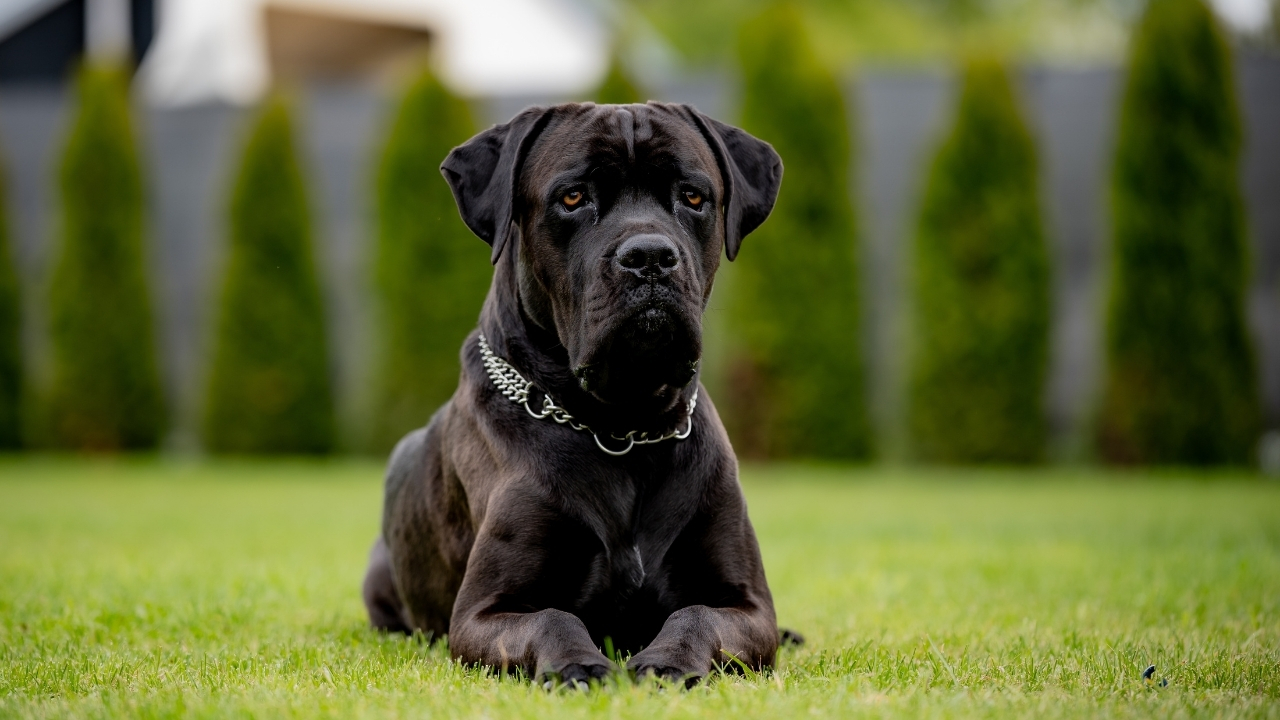
Cane Corsos are serious dogs that attach to one primary handler even within families. They’re observant, controlled, and deeply loyal once trust is established. That bond carries weight—Corsos take responsibility for their person’s safety whether asked or not.
They’re not social butterflies and don’t seek outside approval. Strangers are evaluated, not welcomed. When a Corso listens, it’s because the command comes from the person they respect most. That focused loyalty is powerful but demands responsible handling. This breed bonds deeply—and permanently.
Chow Chow

Chow Chows are known for acting more like cats than dogs, especially when it comes to attachment. They typically bond with one person and remain distant or indifferent toward others.
They don’t seek validation and rarely change allegiance once bonded. Affection is subtle and private. Owners often notice their Chow follows them quietly and positions itself nearby without demanding interaction. To everyone else, the dog may appear cold or uninterested. That’s not shyness—it’s selective loyalty.
Border Collie

Border Collies are often friendly, but their strongest bond is almost always with one handler. Their intelligence and sensitivity push them to key in on whoever works with them most consistently.
Once bonded, they track that person’s movements constantly and respond to subtle cues others miss. They may accept commands from others, but their real attention belongs to one individual. This deep focus is why they excel in demanding work and struggle in chaotic environments. They bond through shared effort, not affection alone.
Vizsla

Vizslas are often called “Velcro dogs,” but even within that reputation, they tend to attach most strongly to one person. That bond is emotional and physical—they want proximity, consistency, and reassurance from their chosen human.
While they’re friendly with others, their loyalty centers on one individual. In the field or at home, they stay close and tuned in. Vizslas don’t do well being passed around or handled inconsistently. When bonded properly, they’re devoted companions who measure everything against their person’s presence.
Alaskan Malamute

Malamutes are independent, but when they bond, it’s deliberate and lasting. They don’t attach quickly, but once they do, loyalty runs deep. They often pick one person as their primary point of trust.
They’re not obedient in the traditional sense, which makes their selective attachment obvious. Commands from others are optional. Direction from their chosen person carries more weight. They’re calm, watchful, and not particularly interested in strangers. The bond is quiet—but solid.
Bullmastiff

Bullmastiffs bond strongly with one person and express loyalty through calm presence rather than constant interaction. They’re observant dogs that choose a primary handler and monitor everything around that individual.
They don’t seek attention from others and may ignore attempts at engagement entirely. Once bonded, they’re steady, dependable, and deeply protective. Their loyalty is expressed through positioning and awareness rather than affection. For someone who values a grounded, low-drama companion, that one-person bond is exactly the appeal.
Basenji
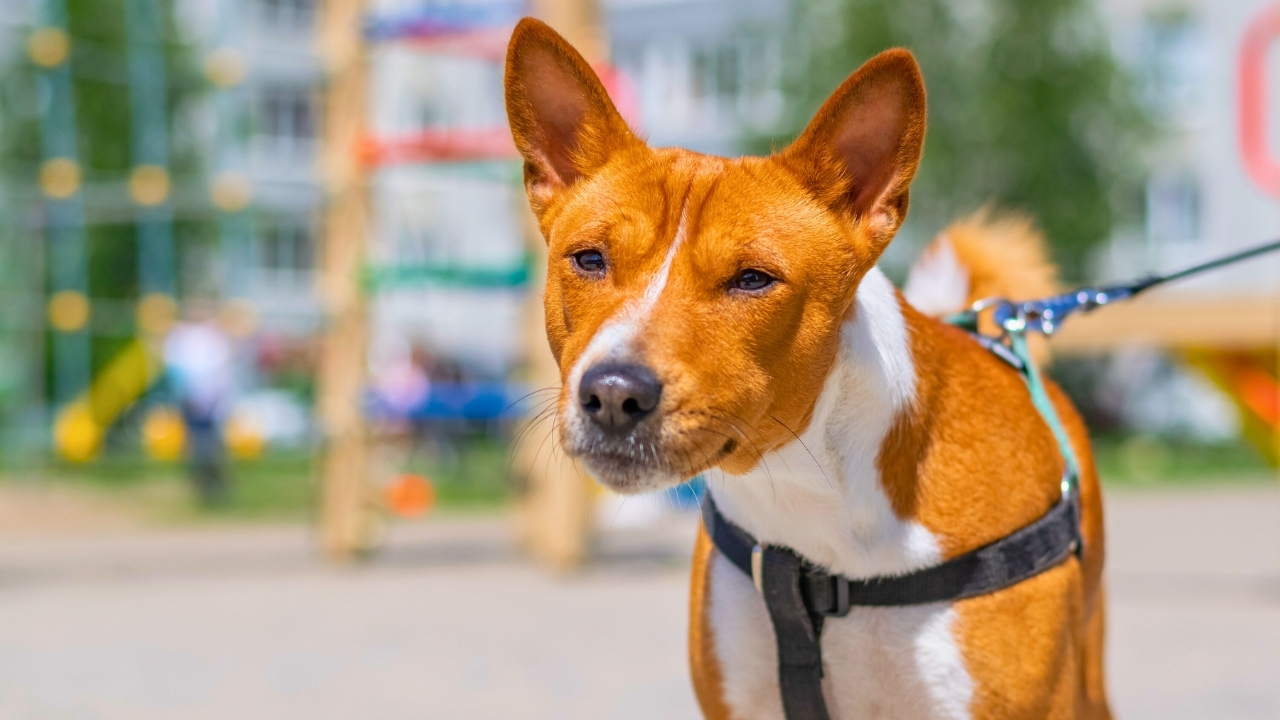
Basenjis don’t bond widely. They form selective attachments and often choose one person as their trusted partner. Once that bond is set, they remain loyal but independent—close without being needy.
They’re famously indifferent to strangers and uninterested in pleasing people they don’t trust. Affection is subtle and reserved. For owners who understand independence and don’t expect constant validation, the Basenji’s loyalty feels genuine and earned. They won’t bond with everyone—but with the right person, the bond is strong.
Like The Avid Outdoorsman’s content? Subscribe to our newsletter so you never miss an article.
Here’s more from us: