Photo credit: Theavidoutdoorsman.com
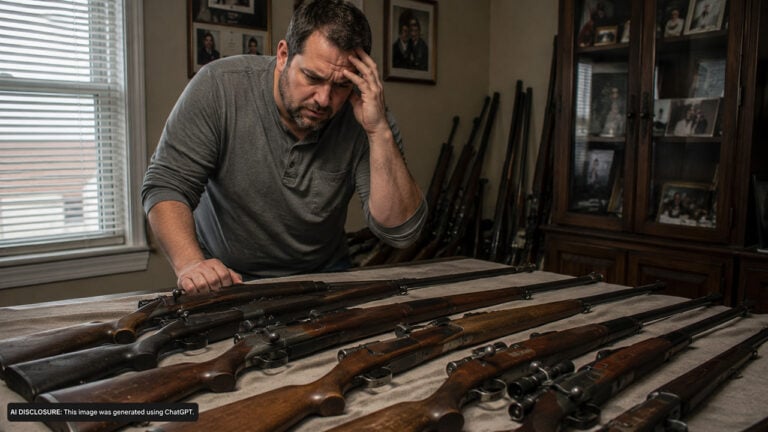
For a lot of hunters, the story doesn’t end at the shot. It ends months later when you finally hang that buck or bull on the wall and relive the season every time you walk past it. That’s why it hits different when a taxidermy shop goes dark without warning—especially when there are dozens of tags, capes, antlers, and whole memories sitting inside.
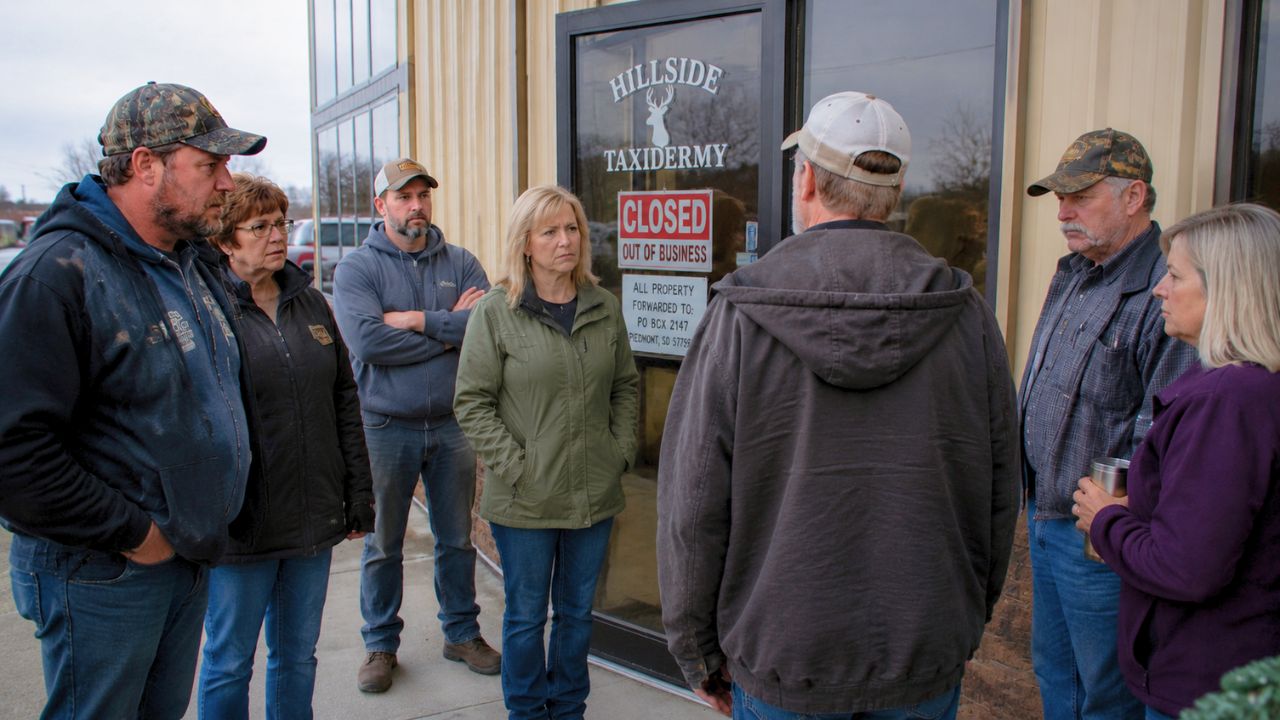
That’s what a group of sportsmen found themselves dealing with after a well-known local taxidermist closed up overnight while still holding dozens of customers’ trophies. Calls went to voicemail. Emails bounced back. Then a forwarding address popped up that wasn’t just across town—it was across state lines.
The shop was “behind schedule” until it wasn’t a shop at all
Most guys can handle a taxidermy delay. Deer season stacks up work fast, and a good taxidermist is usually buried from late fall through spring. In this case, customers said the usual excuses started piling up: waiting on forms, waiting on supplies, waiting on drying time, waiting on “one more detail” before clear coat.
Then the routine updates stopped. A few hunters drove by and saw lights off during normal business hours. Not long after that, the sign came down, the windows were covered, and the building looked like it had been vacated in a hurry.
Forty-seven trophies in limbo is a different kind of sick feeling
When a taxidermist disappears, it’s not like a mechanic who still has your truck. These are perishable parts of an animal that have already been skinned, salted, and prepped. Some pieces might be frozen. Some might be on forms. Some might be in a back room with nothing but a handwritten tag and a prayer.
Customers began comparing notes and realized the pile was bigger than anyone wanted to believe. By the time the dust settled, the number being passed around was 47 individual trophies—everything from shoulder mounts to European skulls to rugs and birds.
The money stung too. Most taxidermists take deposits, and some take payment when the work begins. A few hunters said they’d already paid in full because they were told the mount was “nearly finished.” If the shop is empty, all that cash and trust is gone with it.
The out-of-state forwarding address is where the alarm really went off
Plenty of businesses relocate. The difference here was how it happened: no notice, no pickup window, no call to customers to retrieve trophies, and then a forwarding address that pointed to a different state entirely.
That detail changed the conversation from “he’s behind” to “he’s gone.” Once an address jumps state lines, people start thinking about how hard it will be to get their property back, how expensive it will be to chase it, and whether the trophies are even intact.
Interstate moves also create a practical problem hunters don’t always think about: wildlife parts and finished mounts are regulated in a lot of places. Even when the animal was legally taken, states may have rules about transporting certain species, parts, and raw hides. If the taxidermist hauled a trailer full of customer trophies over a border without proper documentation, that can snowball fast.
Hunters started doing what hunters do: paperwork, photos, and a paper trail
Once the shop was clearly shut down, customers shifted into documentation mode. Guys dug out receipts, deposit slips, text messages, old voicemails, and the photos they took the day they dropped off their deer or elk. Those drop-off photos matter more than people realize—antler configuration, ear damage, unique scars, cape condition, even a specific tag tied to the antlers.
Several sportsmen also pulled up their harvest records and carcass tags, because proving the item is yours is half the fight when you’re trying to retrieve it. Taxidermy shops can be a mess behind the scenes, and when a shop closes suddenly, things get mis-labeled or piled together in ways that make it easy for the wrong person to walk away with the wrong trophy.
Some customers tried the “nice” route first—sending certified letters and offering to pick up unfinished work, even if it meant eating the deposit. Others started calling around to nearby taxidermists to ask what typically happens when a shop collapses. The consensus: it depends on whether trophies are still on-site and whether the business owner is willing to cooperate.
What people around town focused on: civil claims, criminal claims, and the reality in between
Whenever something like this happens, the same argument starts: is it theft, or is it a business dispute? In a lot of places, that line can be muddy. If you voluntarily handed property over for a service, and the provider fails to deliver, it often starts out looking like a civil issue—small claims, attorney letters, judgments.
But when a shop vanishes and customer property disappears with it, plenty of people see it differently. Hunters talked about fraud, deception, and theft by conversion—especially in cases where customers were told work was nearly complete right before the doors closed.
Others zeroed in on something even more basic: “Who has possession of the actual trophies right now?” If the items were left in a rented building, a landlord might end up changing locks and controlling access. If the taxidermist moved them into storage, the storage facility could have its own rules about releasing items to anyone but the account holder. If the trophies were hauled out of state, the logistics get ugly in a hurry.
The practical talk came too. A handful of old-timers said the same thing: always get a written work order with a clear description of the animal and antlers, always ask how capes are stored, and always make sure the shop has some kind of real scheduling system instead of a stack of sticky notes.
How to protect yourself before you ever leave a cape at a shop
This mess is exactly why I tell folks to treat taxidermy drop-off day like you’re documenting a firearm transfer—be polite, but be thorough. Take photos of the trophy from multiple angles on the shop counter. Get a clear shot of any ID tag the shop attaches. If there’s no tag, ask for one, or write your name and phone number on painter’s tape and stick it to the antler base.
Get a receipt that includes the date, the deposit amount, and a description that’s more than “one deer.” Include point count, approximate spread, and anything unique (brow tines busted, split ear, scar on nose). Ask where the cape will be stored and whether it’s being frozen or salted. That doesn’t make you difficult—it makes you smart.
On the money side, don’t let excitement push you into paying in full unless you’ve done business there for years and trust them completely. Deposits are normal. Full payment before completion is where a lot of guys get burned when a shop starts circling the drain.
And if communication starts getting weird—missed calls, constantly shifting stories, “come next week” over and over—go pick up your cape and antlers if you can. You can always take it to another taxidermist. You can’t remount a trophy that disappears.
At the end of the day, this is about more than a lost deposit. It’s about a hunter’s best memories sitting in someone else’s possession, with every passing week making recovery harder. If you’ve got a trophy at a shop right now, this is your reminder to check in, verify your paperwork, and make sure your name is tied to that rack in more than just a handshake.
Like The Avid Outdoorsman’s content? Be sure to follow us.
Here’s more from us: