Photo credit: Lucky Gunner Ammo/YouTube
Some handguns sell themselves long before the first magazine is ever fired. The name is familiar, the online praise is loud, and the gun-counter talk makes them sound like must-own pieces. Buyers hear enough of that and start assuming the experience will naturally match the reputation. Then they actually spend time with the pistol and realize hype is doing a lot more work than performance, comfort, or real long-term satisfaction ever could.
That is usually where disappointment starts. Sometimes the gun is too expensive for what it offers. Sometimes it is less reliable than the legend suggests. Sometimes it shoots fine but never feels special enough to justify the buzz that pushed the buyer into it. None of these handguns are worthless, and a few still have real strengths. But they are also the pistols people talk up hard, buy with confidence, and then quietly move along once the excitement wears off.
Desert Eagle

The Desert Eagle may be the most obvious example of a handgun living off reputation. It has size, flash, movie history, and enough range-lane presence to make buyers feel like they are getting something unforgettable. For a little while, that is true. It does turn heads. It does feel dramatic. And if you only measure value by spectacle, it can seem worth every bit of the hype.
Then real ownership starts doing damage to the fantasy. It is huge, heavy, expensive to shoot, and useful in almost no ordinary handgun role. A lot of owners figure out fast that they paid for a famous experience, not a handgun they actually want to keep shooting or living with. That gap between image and ownership is exactly why so many Desert Eagles end up being admired loudly and used sparingly.
Walther PPK
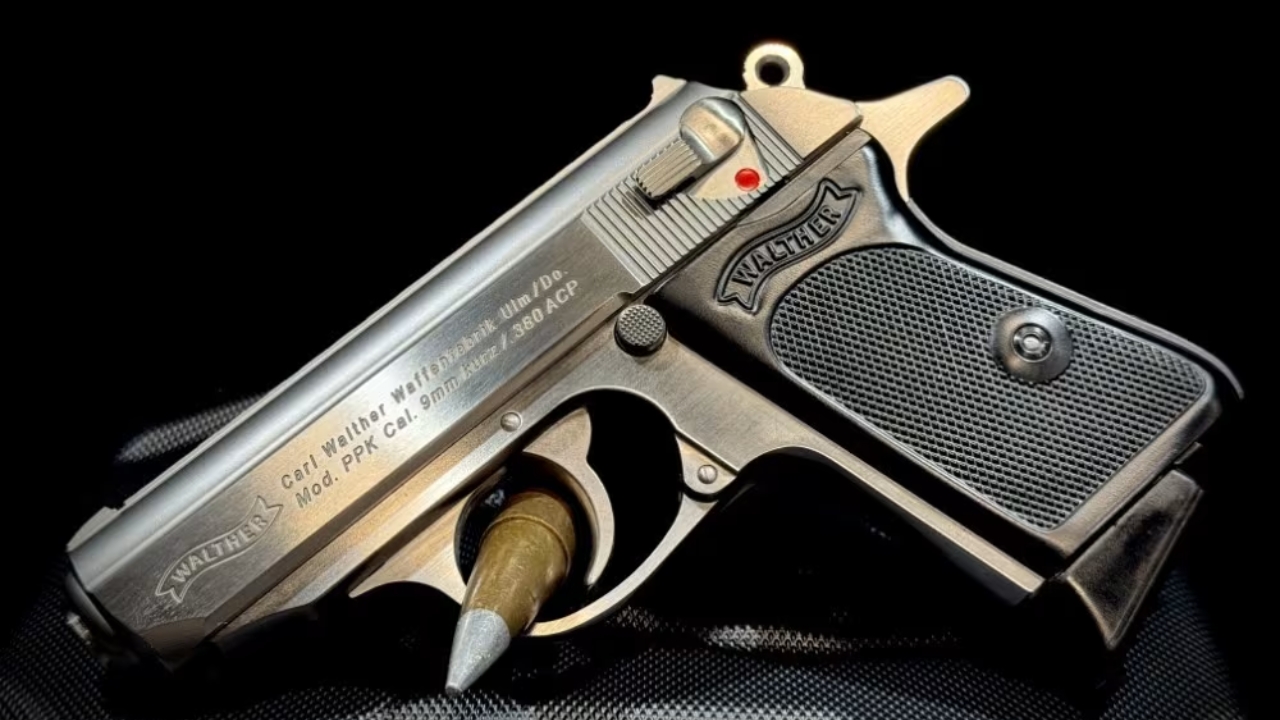
The Walther PPK has a reputation built on style, history, and a polished kind of old-school cool that still works on people. Buyers picture an elegant carry pistol with timeless appeal and assume the shooting experience will feel just as refined. That is a strong sales pitch, especially for people who want something with character instead of another polymer carry gun.
Then they actually put rounds through it and start noticing the tradeoffs. The recoil can feel sharper than expected, the size does not buy as much comfort as people imagine, and the overall experience often feels more charming in theory than in the hand. It is still an attractive pistol, but a lot of owners end up realizing they paid for reputation and image a lot more than practical satisfaction.
Colt Python

The Colt Python still gets talked about like some final answer in the revolver world. Mention the name and people start bringing up elite trigger feel, old Colt polish, and a level of prestige that is supposed to make the premium feel obvious. That kind of reputation is powerful enough to make buyers stop asking whether the specific revolver in front of them really makes sense at that price.
That is how disappointment creeps in. A lot of owners discover they bought a famous revolver they do not really want to shoot much, carry much, or subject to normal use. It still has class, but class is not the same as value. For many buyers, the Python ends up being a gun they feel obligated to admire rather than one they genuinely enjoy enough to justify the money.
AMT Hardballer
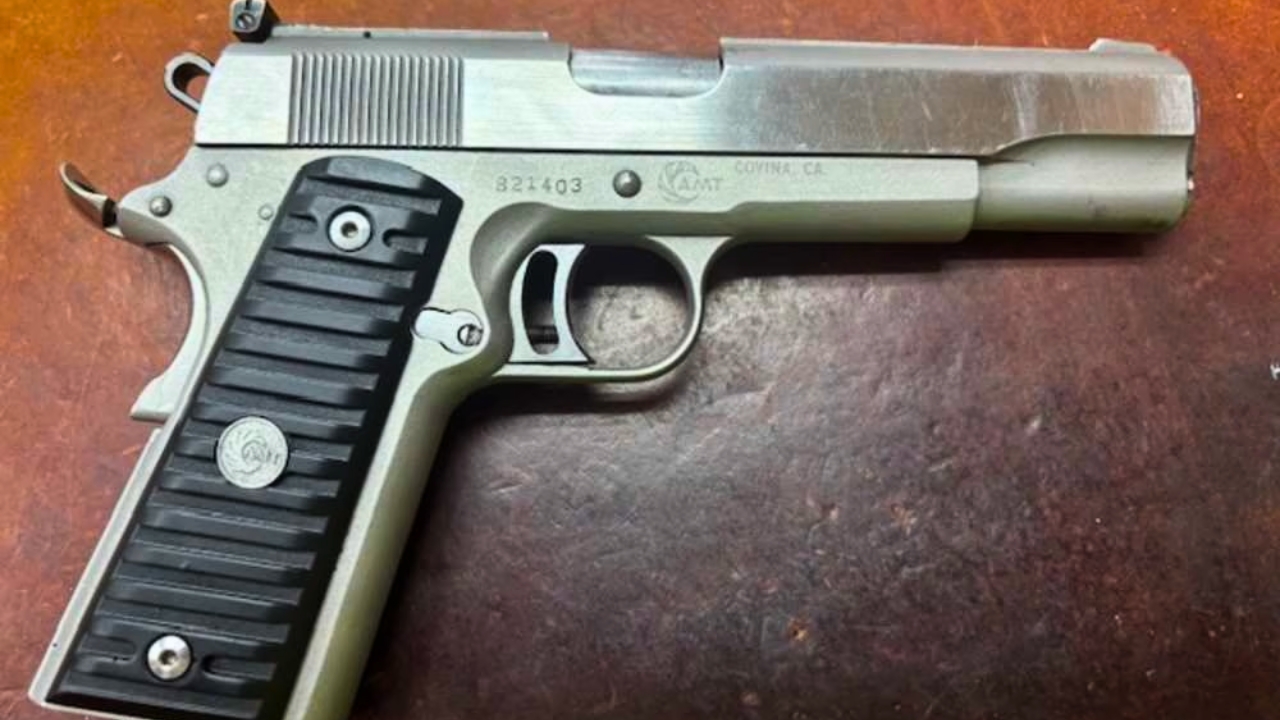
The AMT Hardballer has a reputation that benefits from looking like a serious all-stainless 1911 with enough attitude to stand apart from the usual crowd. Buyers like the image of it. It sounds tough, looks distinctive, and carries the sort of cult appeal that makes people think they are getting something cooler than a standard Government model.
Then ownership starts cutting through the myth. Plenty of shooters learn that looking tough and running well are not the same thing. The Hardballer often leaves buyers disappointed because the legend around it sounds far more solid than the actual experience. A handgun can be memorable and still not be satisfying, and this one has built a long reputation on people wanting it to be better than it often turns out to be.
Kimber Ultra Carry II

The Kimber Ultra Carry II gets pushed hard because it offers the promise of a compact 1911 that still feels premium. Buyers like the idea of getting style, familiar 1911 ergonomics, and concealment in one neat package. Kimber’s branding helps a lot too. The pistol looks like the kind of handgun someone buys when they want something a little sharper and more refined than the average carry piece.
But small 1911s can be unforgiving, and that is where hype starts working against the buyer. Owners often find the experience less smooth, less confidence-inspiring, and less worth the price than they expected. When a compact pistol demands that much faith and money up front, disappointment hits harder when the ownership experience feels more finicky than special.
Bren Ten
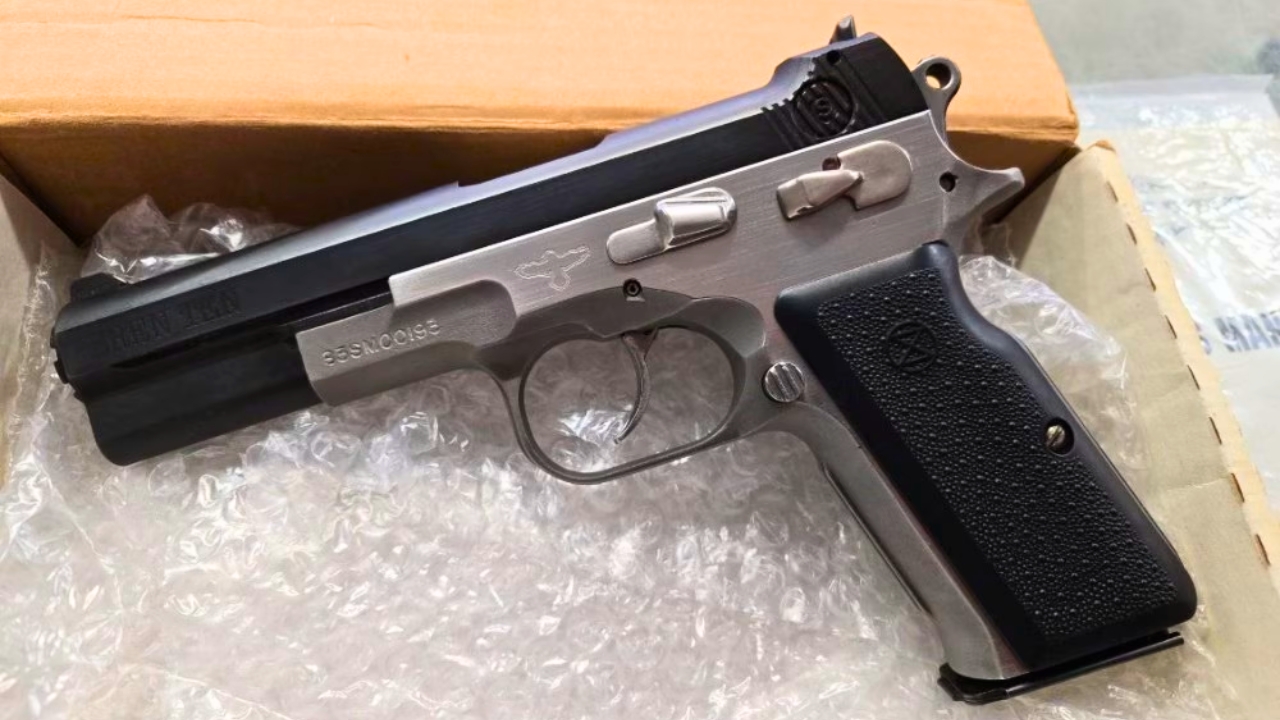
The Bren Ten lives almost entirely on legend. It gets talked about with nostalgia, scarcity, television cool, and a kind of “what could have been” reverence that makes buyers think they are chasing one of the great lost handguns. That story is strong enough to make people ignore a lot of practical questions before they ever get serious about ownership.
Then reality starts catching up. A handgun with this much myth behind it was always going to struggle to meet the version people built in their heads. Support, practicality, and real shooting satisfaction rarely feel as heroic as the reputation did. It is one of those pistols where the conversation around it is often far more enjoyable than actually owning one.
KelTec PMR-30

The KelTec PMR-30 gets hyped because it looks like fun before it ever proves anything else. Thirty rounds of .22 Magnum in a lightweight pistol sounds exciting, unusual, and different enough to make buyers feel like they are getting something nobody else has. That is usually enough to generate instant attention, especially from shooters who are bored with ordinary handgun options.
But novelty burns off quickly when reliability or long-term confidence feel shakier than expected. A lot of owners buy the PMR-30 because the concept is irresistible, then realize the concept was doing most of the selling all along. When a handgun is carried by how interesting it sounds instead of how satisfying it is to own, disappointment tends to show up right on time.
Walther CCP

The Walther CCP built a lot of hype around being soft-shooting, user-friendly, and easier to manage than many other carry pistols. That sounds great, especially to newer shooters or people who want a handgun that feels a little less harsh than the usual compact 9mm crowd. On paper, it fills a very understandable role.
The problem is that “good idea” and “great ownership experience” are not always the same thing. Plenty of buyers walked in expecting a carry pistol that would immediately feel like the smarter answer, only to end up less impressed than they expected. The gun is not without merit, but it is one of those pistols that benefited heavily from a promise that sounded cleaner than the real-world payoff.
Chiappa Rhino
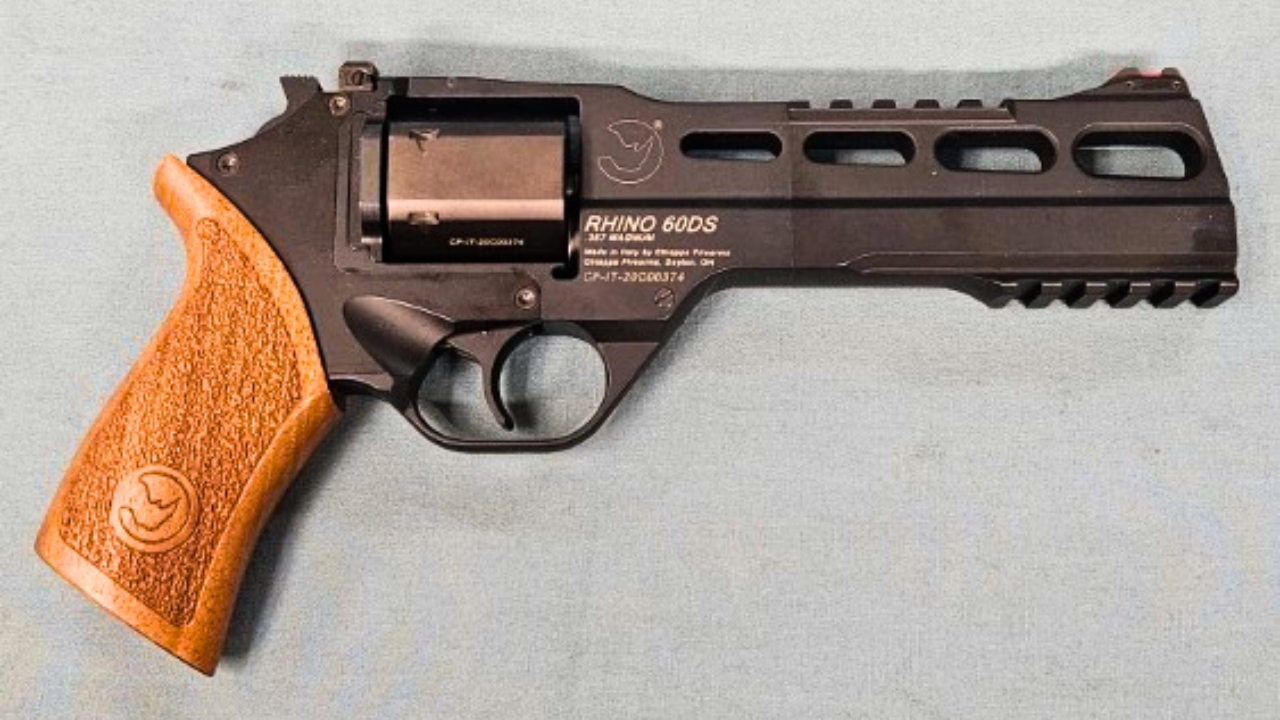
The Chiappa Rhino gets hyped because it looks like a radical fix to old revolver problems. The low bore axis, futuristic shape, and unusual firing position make it feel like a serious rethink of the wheelgun. Buyers who are tired of conventional handgun design often get drawn to it fast because it seems like one of the few pistols that is actually trying something bold.
Then comes the part where unusual turns into awkward. Some shooters never warm up to the feel, the look wears off, and the whole thing starts feeling more like a conversation starter than a revolver they truly bond with. It still has its fans, but the Rhino is exactly the kind of handgun that gets purchased on hype and then judged much more harshly once the novelty stops helping.
Bond Arms Derringers

Bond Arms derringers get sold heavily on toughness, concealment, and old-school backup-gun appeal. Buyers like the idea of a compact powerhouse that feels rugged and deeply simple. That kind of marketing works because it taps into a very specific sort of handgun fantasy: the tiny pistol with more authority than it has any right to carry.
Then they shoot one. The reality is often less satisfying than the idea, because tiny multi-caliber derringers are easy to admire and harder to genuinely enjoy. A lot of owners realize pretty quickly that they bought a concept that sounded tougher and smarter than it feels in real use. That is not unusual with guns like this. The appeal lands first. The disappointment shows up right after the first honest range session.
SIG Sauer P238

The SIG Sauer P238 has been hyped for years as a soft-shooting, highly shootable little .380 that feels more refined than the average pocket gun. Buyers love that pitch because it sounds like a way to get comfort, style, and real usability in a very small package. The pistol absolutely has charm, and that helps the hype travel even further.
But it is also one of those guns that can leave owners wondering whether the premium really bought them enough. Once the initial affection cools, some start comparing it to cheaper, simpler, or more practical options and wondering why they paid so much for the version with the nicer reputation. That is a common pattern with handguns that sell heavily on feel and image before the real math gets considered.
Springfield Armory XD-S

The XD-S got a lot of early praise by landing in the right place at the right time. Slim single-stack carry pistols were hot, and buyers wanted something compact that still felt serious. The XD-S looked like a strong answer and benefited from plenty of enthusiasm from people who wanted a thin carry gun with more substance than a tiny pocket pistol.
Then the market kept moving. Once buyers had more time with it and more alternatives around it, some started feeling less impressed than they did during the original wave of excitement. It was not always the standout answer the buzz suggested. That is how a lot of hype-driven handguns age. They feel like obvious winners for a while, then slowly turn into the pistol owners remember liking more in theory than in practice.
Taurus Judge
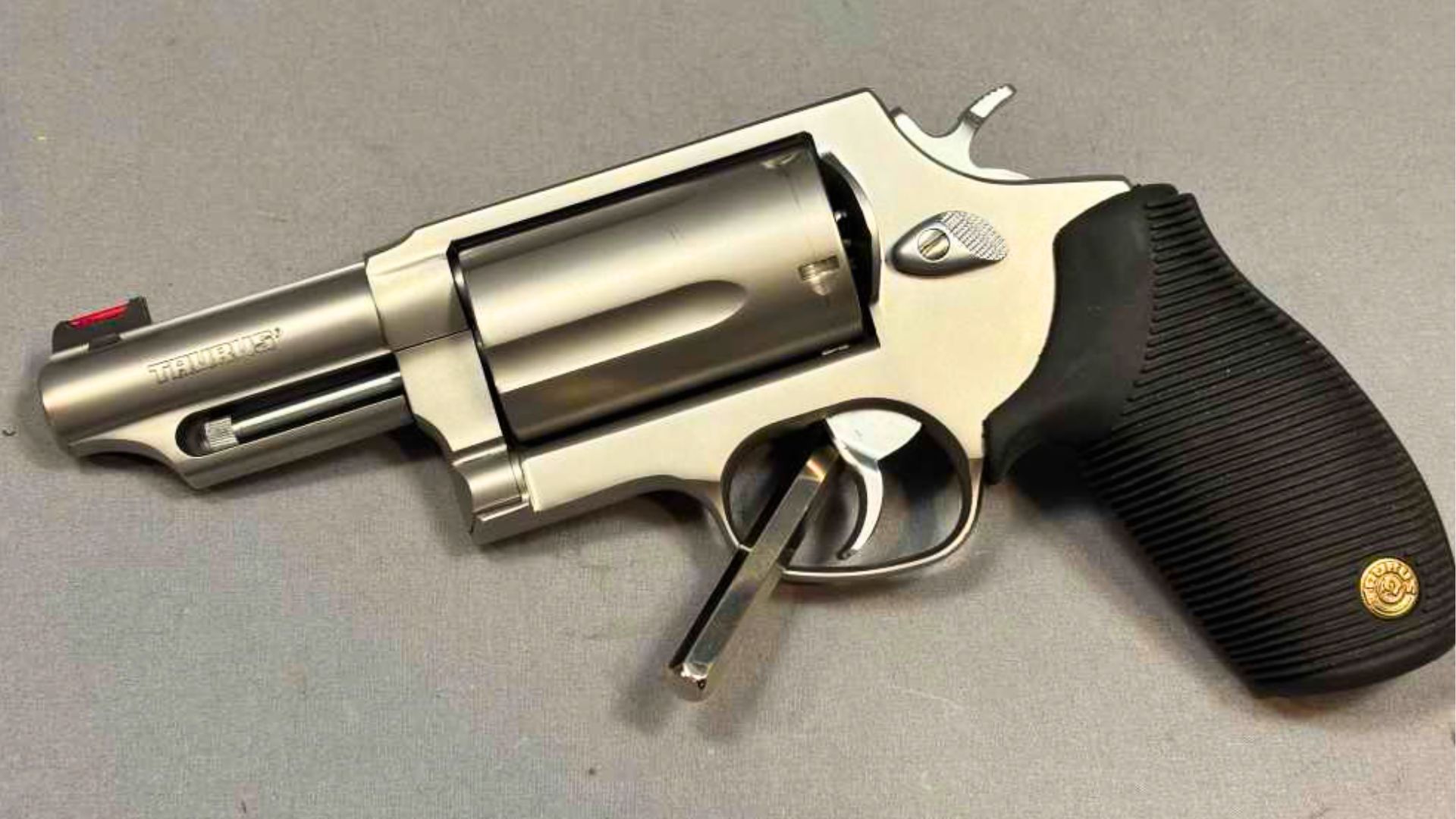
The Taurus Judge is one of those handguns that sounds unbeatable when someone describes it fast. A revolver that can fire .45 Colt and .410 shells feels like the answer to multiple problems at once, and that kind of versatility is easy to oversell. Buyers imagine snake protection, truck-gun utility, close-range defense, and a kind of no-nonsense power package that seems too handy to pass up.
Then they actually spend time with it and the compromises get much harder to ignore. A lot of owners learn that the Judge was sold to them more as an idea than as a truly satisfying handgun. It is memorable, sure, but memorable and worthwhile are not the same thing. This is one of the clearest cases of hype filling in the gaps where real long-term enthusiasm often fails to stick.
FN Five-seveN

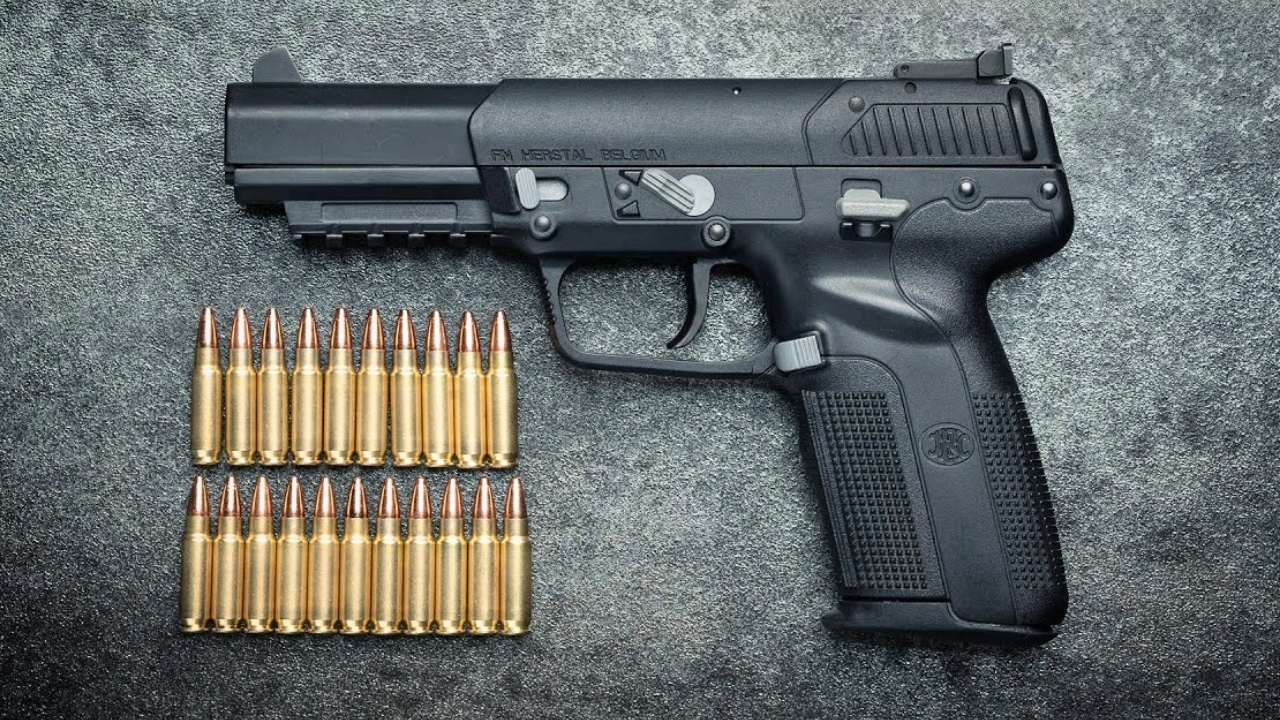
The FN Five-seveN has been coasting on uniqueness for a long time. It looks different, shoots a cartridge most people do not see every day, and carries an aura of elite or futuristic appeal that makes buyers feel like they are stepping into something special. That is usually enough to create powerful first impressions and a lot of confident buying decisions.
Then the glow starts fading. Ammo cost, actual use case, and long-term ownership satisfaction begin to matter more than how unusual the gun felt at first. For some people it still clicks, but for plenty of owners the Five-seveN becomes a handgun they respect more than they truly enjoy enough to justify the price and hype. That is the classic profile of a pistol that coasted too long on reputation.
Kimber Solo

The Kimber Solo arrived with a lot of attention because it promised a sleek, premium-feeling micro 9mm before that category became as crowded as it is now. Buyers loved the idea of getting a stylish little carry pistol with brand appeal and a more upscale vibe than the plainest options on the shelf. It sounded like a very clean solution.
But promise and payoff did not stay aligned for everybody. A lot of owners ended up less impressed than they expected after the early excitement wore off, and that is usually the clearest sign a handgun was running on hype more than enduring satisfaction. The Solo remains a good example of a pistol that looked like a breakthrough at first and then left too many people wishing the reality matched the pitch.
Like The Avid Outdoorsman’s content? Subscribe to our newsletter so you never miss an article.
Here’s more from us: