Photo credit: DipBootTruck/YouTube
Military surplus rifles used to be cheap enough that people bought them by the armload. Those days are mostly gone, but that does not mean the rifles stopped being worth owning. Some still matter because of their history. Others still shoot well, hunt well, or make sense as rugged range rifles with more character than anything new on the rack.
The key is knowing which classics are more than just old steel and wood. A good military rifle should offer something real, whether that is accuracy, reliability, collector value, parts support, or a shooting experience you cannot get from a modern budget bolt gun. These rifles still earn their place in the safe.
M1 Garand
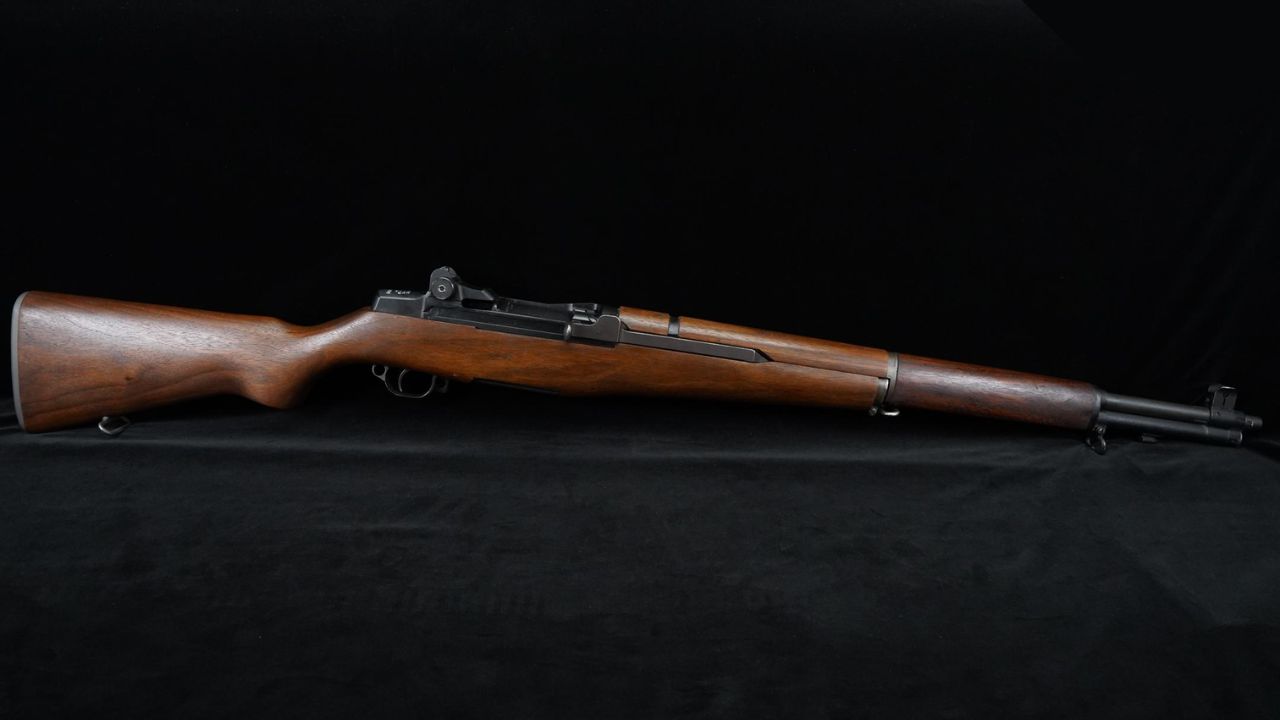
The M1 Garand is one of the easiest military rifles to justify owning because it has history and shootability in the same package. It is heavy, solid, and powerful, with that unmistakable en-bloc clip system that makes it feel different from anything modern. A good Garand is not just a wall-hanger. It is a rifle you can still take to the range and enjoy every time.
The appeal goes beyond nostalgia. Chambered in .30-06, the Garand has real authority, good sights, and enough accuracy for practical shooting. It is not cheap to feed, and owners need to understand proper ammo or gas-system considerations, but the rifle still feels alive on the firing line. Few surplus rifles offer the same mix of American history and real range performance.
Lee-Enfield No. 4 Mk I

The Lee-Enfield No. 4 Mk I remains one of the best bolt-action military rifles for people who actually like shooting surplus guns. The action is fast, the aperture sights are excellent for the era, and the 10-round magazine gives it a practical advantage over many older bolt guns. It feels like a rifle built by people who expected soldiers to shoot quickly and often.
Its .303 British chambering is not as cheap as it once was, but the rifle is still worth owning if you find a good one. The No. 4 balances well, cycles smoothly, and has a battlefield history that stretches across a lot of the 20th century. Compared with some surplus rifles that are more collectible than enjoyable, the No. 4 is still a shooter.
Mauser Kar98k

The Mauser Kar98k is one of the most iconic bolt-action rifles ever built. Its controlled-feed action influenced generations of sporting rifles, and its profile is instantly recognizable. A matching, correct example can be expensive, but even a more ordinary K98k still carries serious historical weight.
As a shooter, the K98k is rugged and satisfying. The 8mm Mauser cartridge has plenty of power, the action is strong, and the rifle feels compact compared with earlier long military rifles. Prices have climbed, and condition matters a lot, but the K98k remains worth owning because it is both a collector piece and a reminder of how influential the Mauser system became.
M1 Carbine
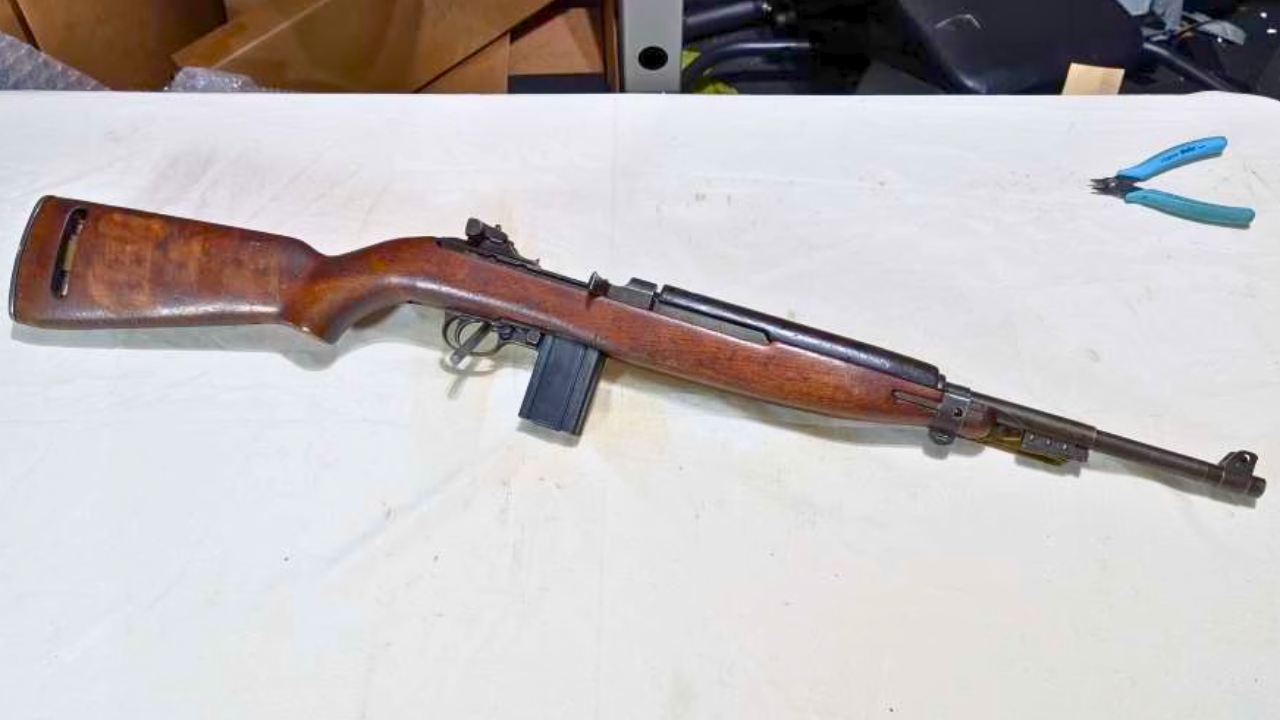
The M1 Carbine is one of the most enjoyable classic military rifles to shoot. It is light, handy, soft-recoiling, and fast enough that almost anyone can appreciate it. Unlike many old service rifles, it does not feel heavy or punishing. It feels like a practical little carbine that still makes sense on a modern range.
Its biggest strength is handling. The .30 Carbine cartridge is not a full-power rifle round, but that is part of why the gun is so pleasant. It works well for informal shooting, collecting, and anyone who likes historical firearms that do not beat them up. Good examples are no longer cheap, but the M1 Carbine remains one of the easiest surplus rifles to actually enjoy.
Swiss K31
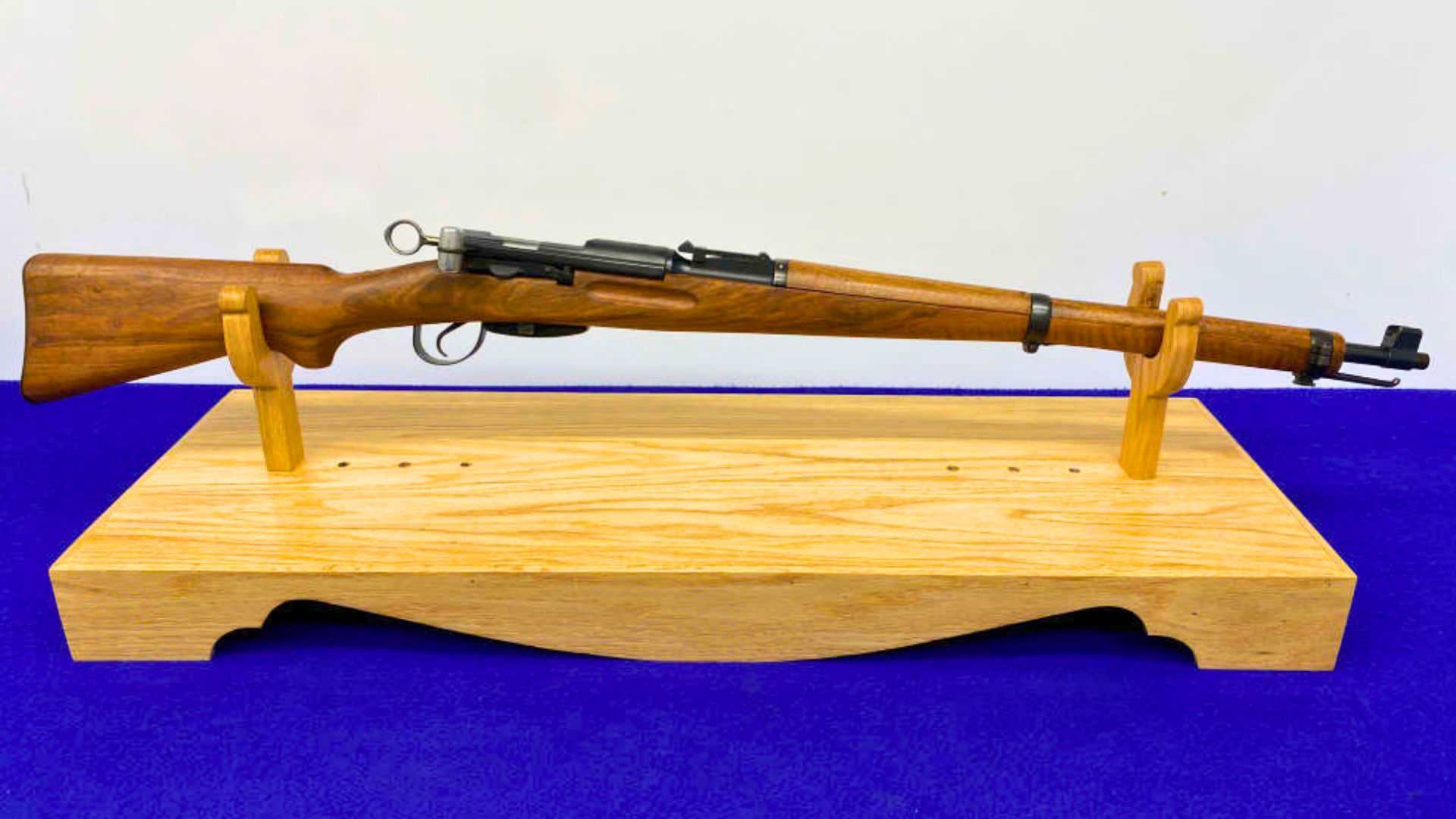
The Swiss K31 is one of the best-made military surplus rifles most shooters will ever handle. The straight-pull action is smooth and unique, the machining is excellent, and the accuracy reputation is well deserved. It feels more like a precision instrument than a rough wartime bolt gun.
The K31 is still worth owning because it delivers real performance. Its 7.5 Swiss cartridge is accurate and capable, and the rifle’s sights and trigger are better than many people expect from a military rifle. Ammunition availability is the main concern, but for shooters who appreciate craftsmanship and accuracy, the K31 is hard to beat.
Mosin-Nagant M91/30

The Mosin-Nagant M91/30 is not as cheap as it used to be, and that has changed the way people talk about it. When they were bargain rifles, flaws were easy to forgive. Now that prices are higher, the rough safety, long length, heavy trigger, and inconsistent finish stand out more.
Even with those issues, a good M91/30 is still worth owning for the right person. It is rugged, historically important, and chambered in 7.62x54R, which remains a serious full-power cartridge. It is not refined, but it has character and durability. For collectors who want a World War-era rifle with a huge service history, the Mosin still belongs in the conversation.
SKS
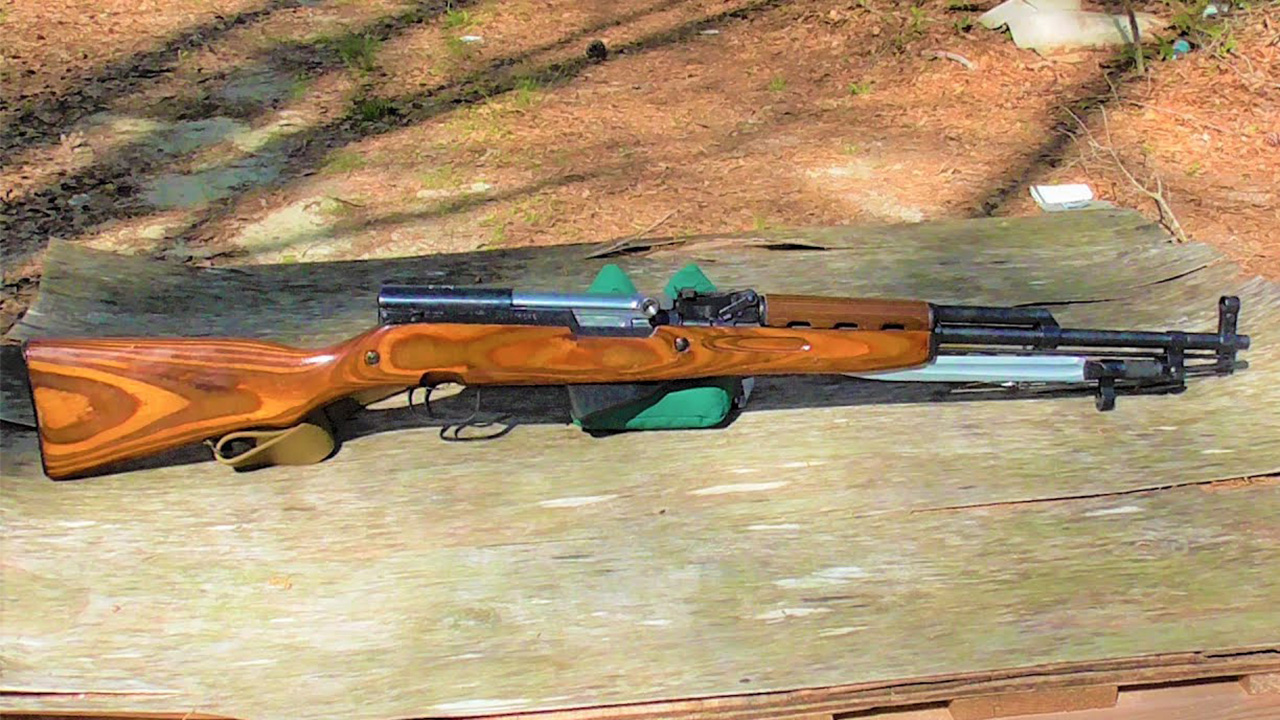
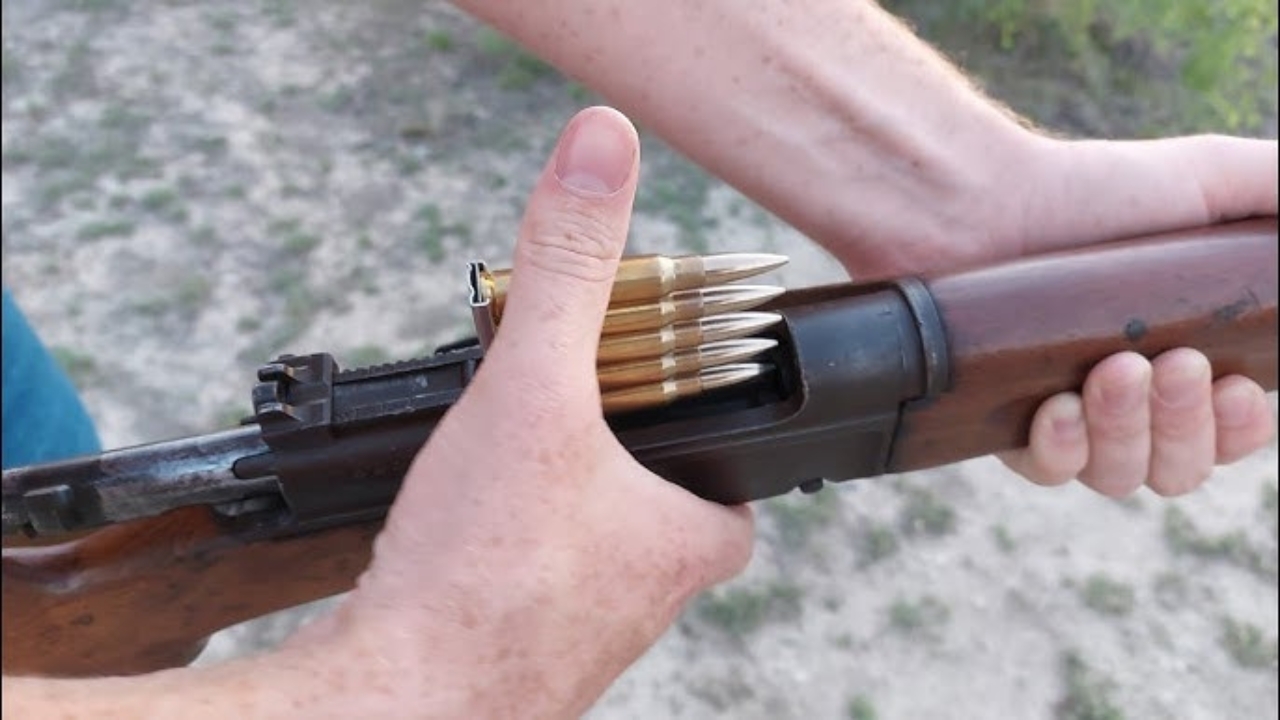
The SKS is one of the most practical classic military rifles still worth owning. It is simple, durable, semi-automatic, and chambered in 7.62x39mm. It is not as modular as an AK, but it has a clean, old-school feel that makes it enjoyable and useful at the range.
The fixed magazine and stripper-clip loading system are part of the appeal. A good SKS feels handy, reliable, and less complicated than many modern rifles. Prices are not what they once were, but the rifle still offers a strong mix of history, shootability, and practical function. A clean Chinese, Russian, Yugo, or other variant can still make a lot of sense.
Springfield M1903A3

The Springfield M1903A3 is one of the best American bolt-action military rifles to own if you care about sights and shootability. The rear aperture sight is a major improvement over the earlier M1903 sight setup for many shooters, and the rifle’s .30-06 chambering gives it real performance. It feels like a military rifle that still works well on today’s range.
The M1903A3 also carries serious collector appeal. It connects to both military history and the sporting rifles that followed. Good examples are not cheap, and buyers need to watch for condition and originality, but a solid M1903A3 is still one of the most rewarding U.S. surplus rifles to own.
Finnish M39 Mosin

The Finnish M39 takes the basic Mosin action and turns it into a much better rifle. The Finns improved the stock, sights, barrel quality, and overall handling, creating a rifle that feels more refined than the typical Soviet M91/30. It is still a Mosin at heart, but it is the version many shooters respect most.
The M39 is worth owning because it combines ruggedness with real accuracy potential. The rifle balances better, shoots better, and feels more thoughtfully built than most people expect from a Mosin-family rifle. Prices have risen, but that is partly because shooters realized these were not just another surplus curiosity. They are genuinely good rifles.
FN FAL

The FN FAL is one of the great Cold War battle rifles. It served around the world, fires 7.62 NATO, and has a reputation as a serious fighting rifle from an era when full-power semi-autos ruled. It is large, heavy, and not as easy to scope or customize as modern rifles, but that is part of its identity.
A good FAL is still worth owning because it offers a shooting experience modern rifles do not fully replace. The recoil is manageable for a .308 semi-auto, the controls are distinctive, and the rifle has enormous historical importance. Whether in metric or inch pattern form, a quality FAL remains one of the most desirable classic military rifles out there.
M14 / M1A
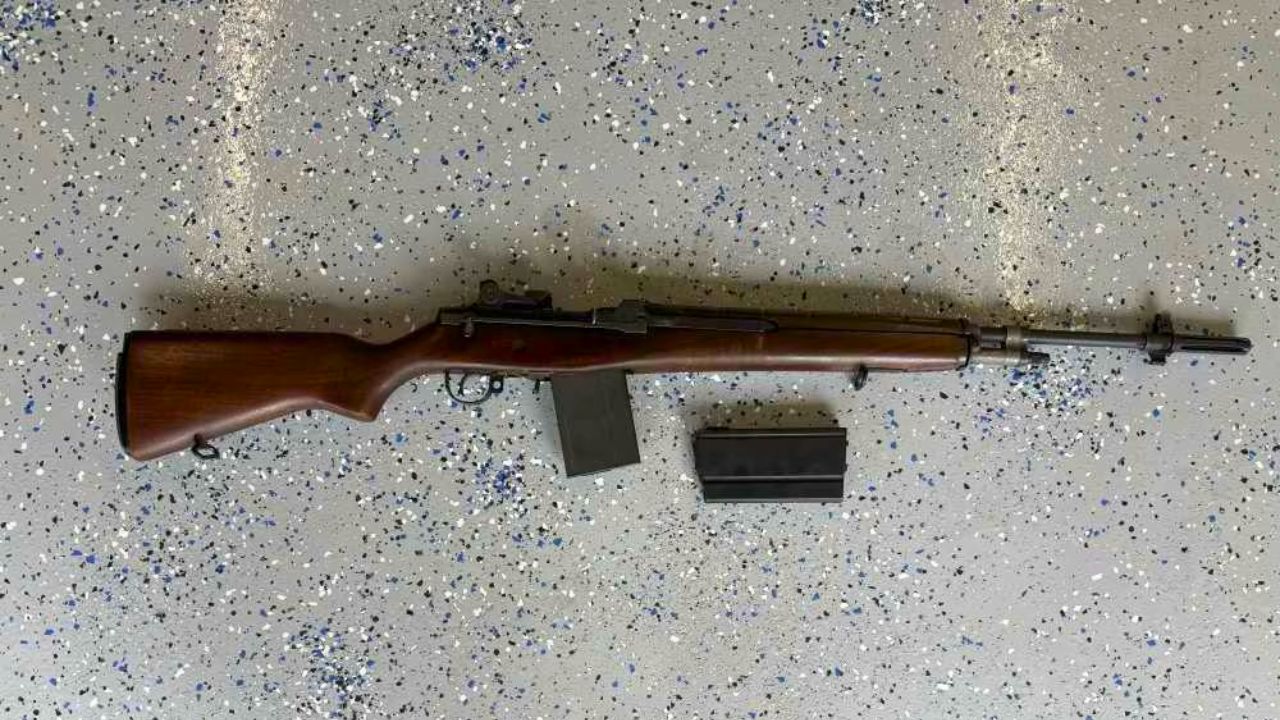
The M14 and its civilian M1A relatives still attract shooters because they blend Garand heritage with detachable magazines and 7.62 NATO power. The rifle has classic lines, good iron sights, and a feel that appeals to people who like traditional steel-and-wood battle rifles. It is not hard to understand the loyalty.
The platform has limitations. It is heavy, mounting optics can be awkward, and modern AR-10s are usually more practical. Still, an M1A is worth owning if you appreciate the feel and history. It is a rifle that rewards iron-sight shooting and gives the owner something with more soul than many modern semi-autos.
Swedish Mauser M96
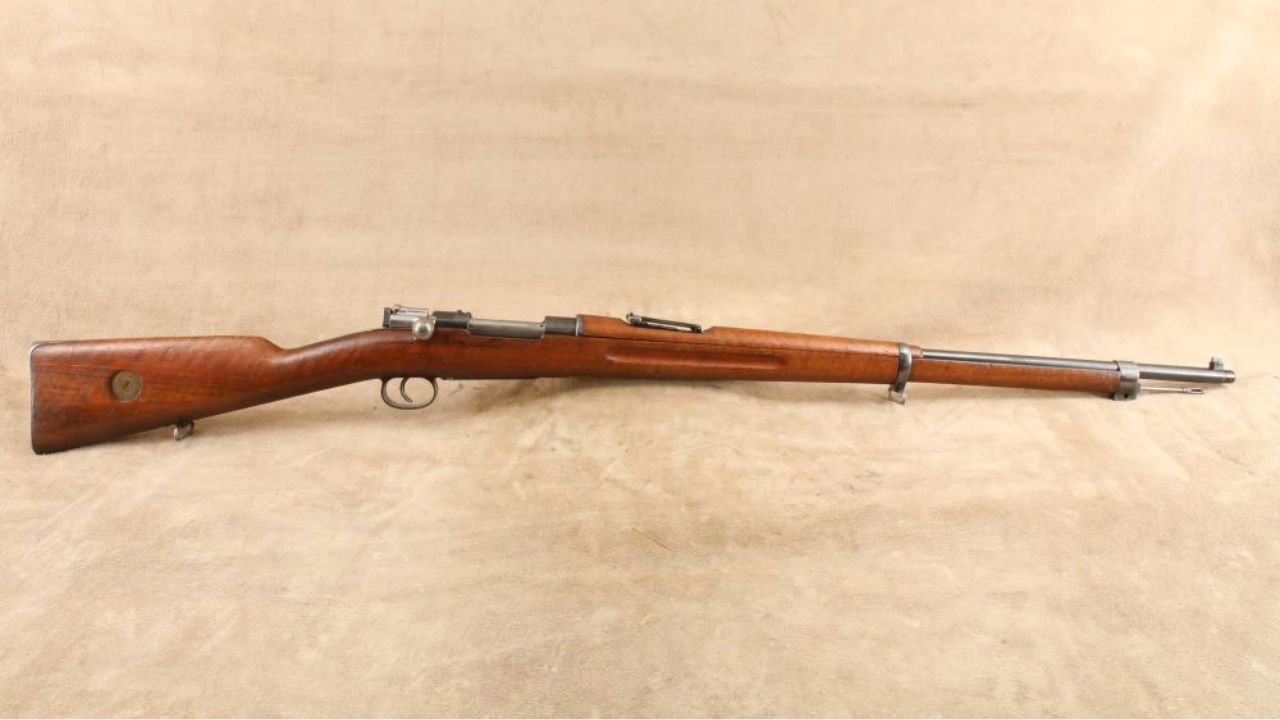
The Swedish Mauser M96 is one of the smoothest and most pleasant military bolt actions to shoot. Chambered in 6.5×55 Swedish, it offers mild recoil, excellent accuracy potential, and a cartridge that has always punched above its paper numbers. The long rifle format may be old-fashioned, but it works.
What makes the M96 worth owning is refinement. The action is smooth, the workmanship is usually strong, and the cartridge is useful for both range work and hunting where legal and appropriate. It is not the toughest-looking rifle in the surplus world, but it is one of the easiest to respect after a few groups on paper.
Arisaka Type 99
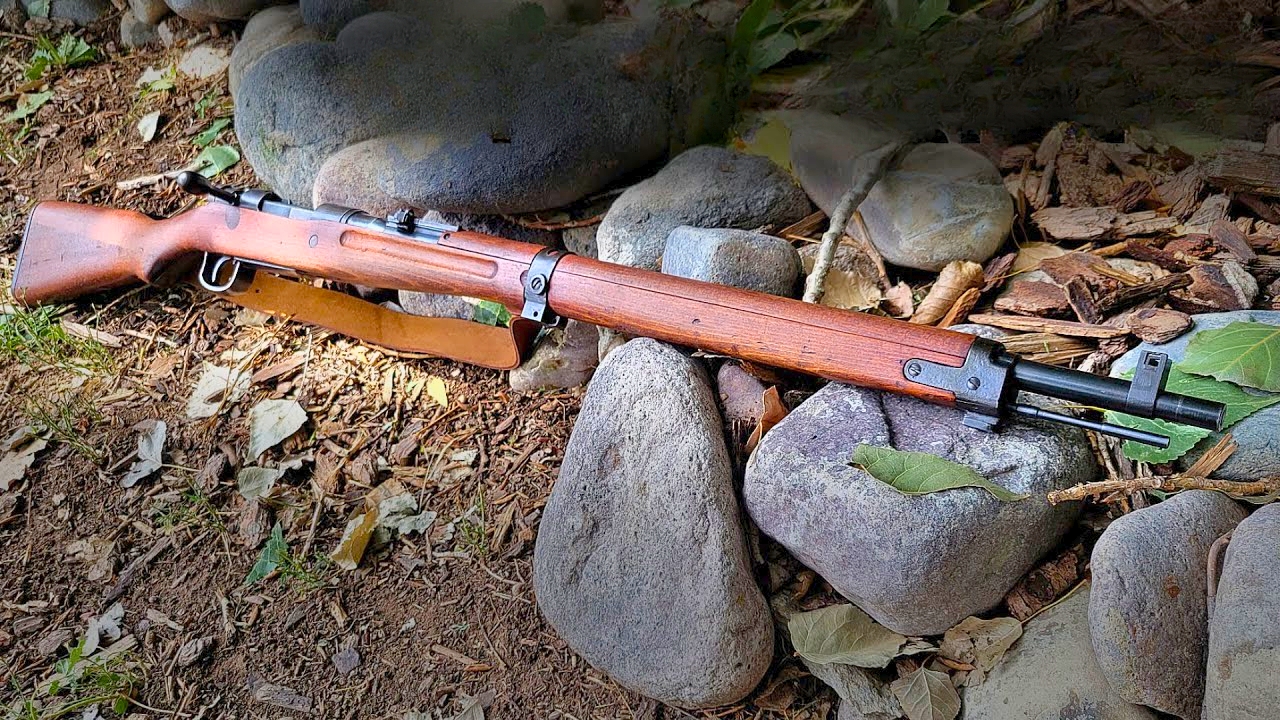
The Arisaka Type 99 is often underrated by shooters who do not know much about Japanese military rifles. The action is extremely strong, the rifle has real World War II history, and early examples can show solid workmanship. It may not have the same mainstream appeal as a Mauser or Garand, but it deserves more respect.
The downside is ammunition availability and condition. Many rifles were altered, neglected, or brought back in rough shape. Still, a good Type 99 is worth owning as a historical rifle and an example of a design that is tougher than people assume. Collectors especially value examples with intact markings and original features.
MAS-36

The MAS-36 is strange-looking, but it is more practical than people give it credit for. The short, handy design, rear locking lugs, and simple military construction make it a rugged bolt-action rifle. It does not have the elegance of a Mauser or the smoothness of a Swiss rifle, but it has its own tough personality.
It is worth owning because it is different and historically significant. The 7.5 French cartridge is capable, and the rifle itself is compact and sturdy. Ammunition availability can be the challenge, but for collectors who want something outside the obvious surplus choices, the MAS-36 is a great old military rifle with more substance than style.
Steyr M95
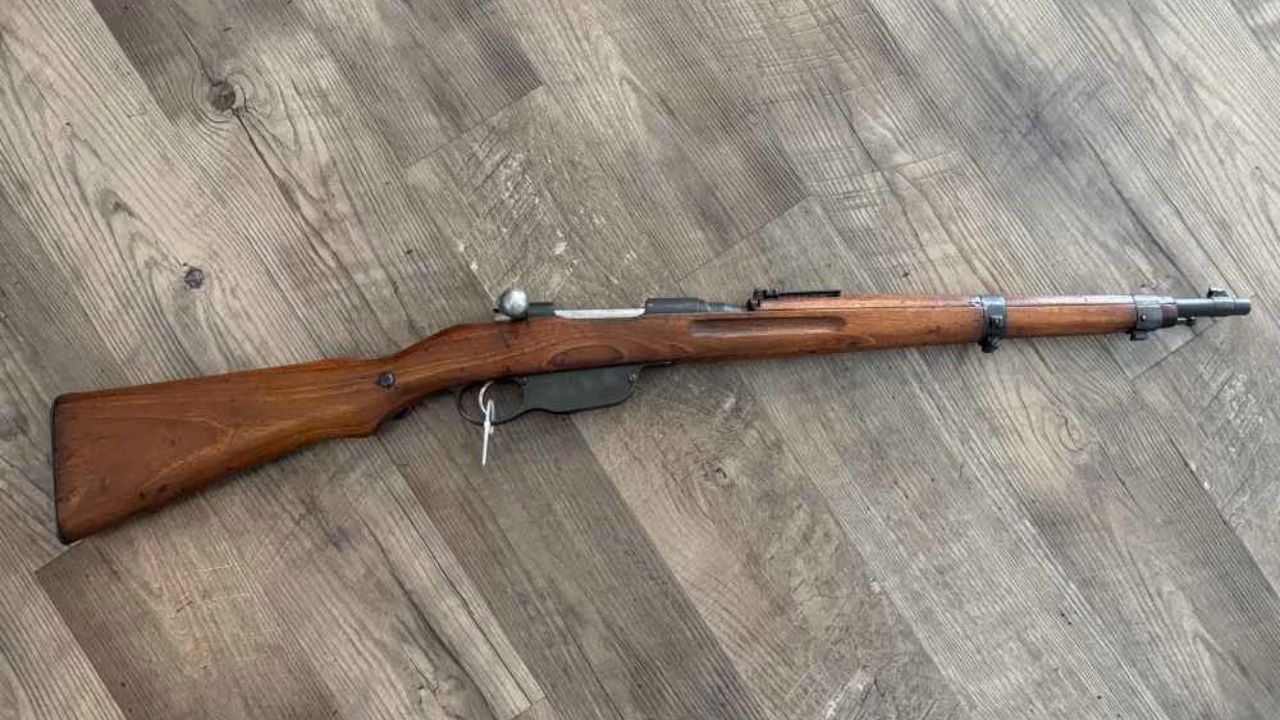
The Steyr M95 is worth owning if you like military rifles that feel completely different from the usual Mauser-style bolt gun. Its straight-pull action is fast, compact, and distinctive, and the rifle has strong Austro-Hungarian history. Carbines especially have a handy feel that stands apart from longer surplus rifles.
The catch is recoil and ammunition. Many M95 carbines in 8x56R can be sharp from the bench, and ammo is not as convenient as common military cartridges. Still, the rifle is mechanically interesting and historically rich. It is not the easiest surplus rifle to feed, but it is absolutely one of the more memorable ones to own.
Hakim Rifle
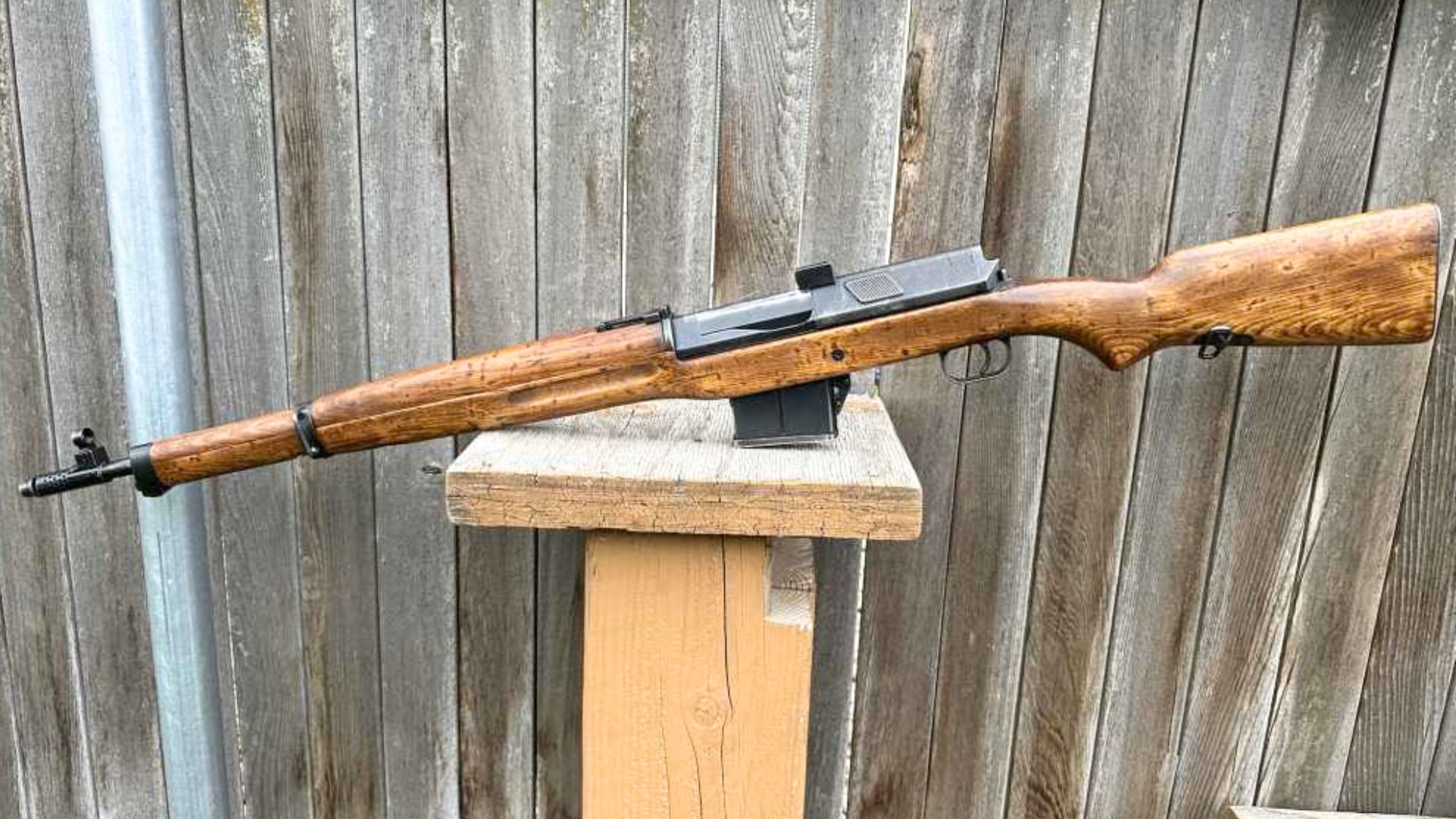
The Egyptian Hakim is a big, unusual semi-auto rifle that never feels boring. Based on the Swedish Ljungman system and chambered in 8mm Mauser, it has a distinctive direct-impingement-style action, large size, and serious range presence. It is the kind of rifle that makes other shooters ask what you brought.
The Hakim is worth owning because it combines Cold War history with a unique shooting experience. It is not light, and owners need to understand its adjustable gas system, but it offers something different from the standard Garand, SKS, or FAL conversation. For collectors who like odd but capable military rifles, the Hakim stands out.
Gewehr 98
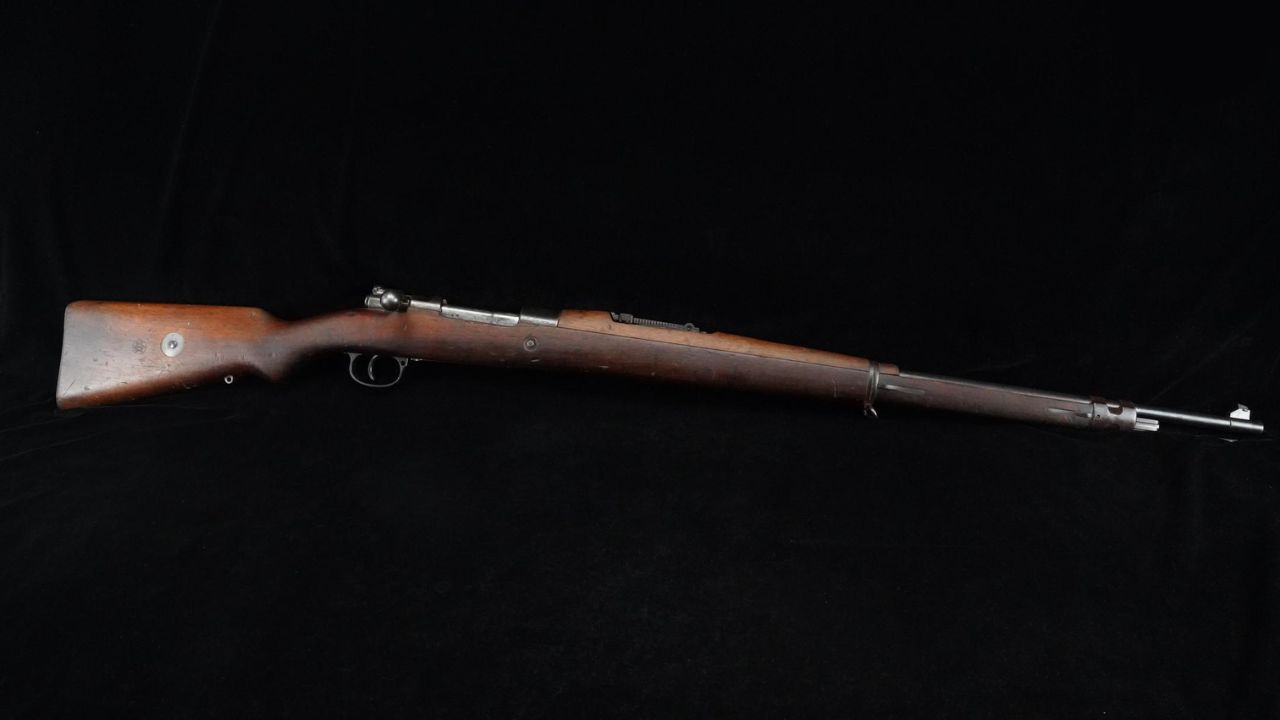
The Gewehr 98 is the long Mauser that helped shape bolt-action rifle history. It is less handy than the Kar98k, but it has a long sight radius, strong action, and the kind of historical importance few rifles can match. For collectors, the Gew 98 represents one of the most influential military rifle designs ever issued.
As a shooter, it is still capable if the bore and condition are good. The rifle is long and not as convenient as later carbines, but that length helps with balance and sight picture. It is worth owning because it connects directly to the Mauser legacy and the sporting rifles that followed for more than a century.
Lee-Enfield No. 5 Mk I
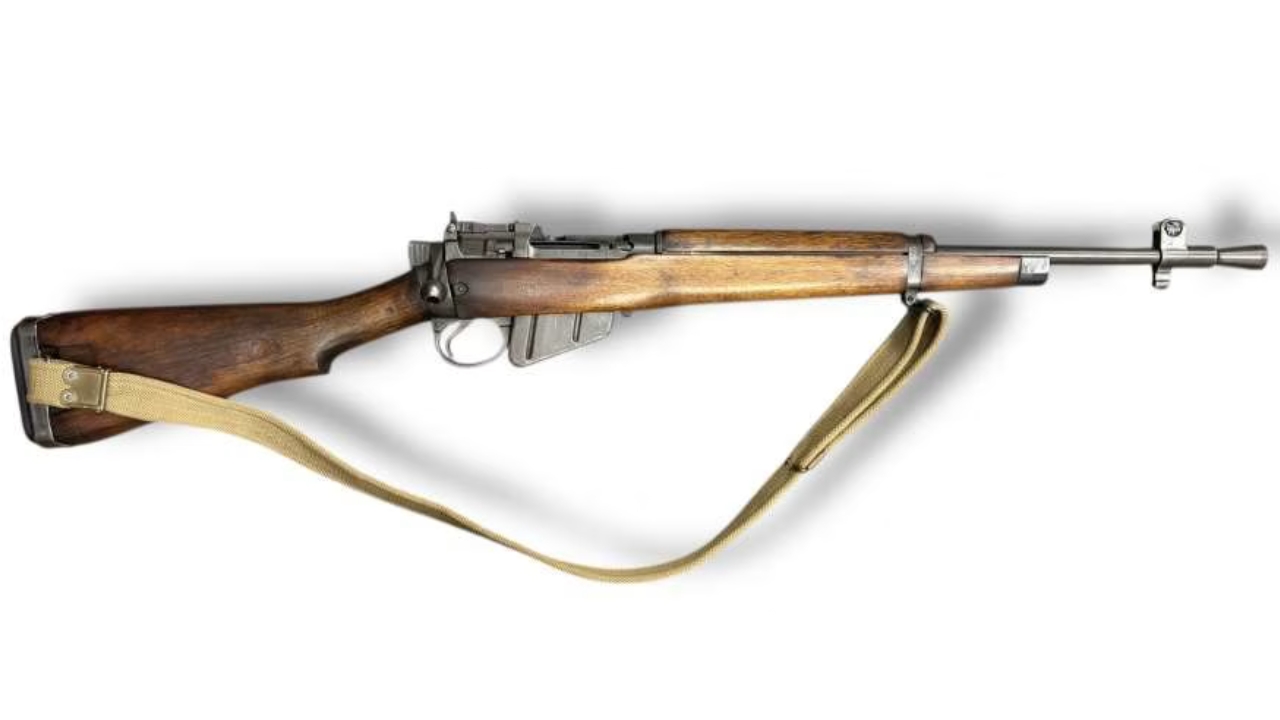
The Lee-Enfield No. 5 Mk I, often called the Jungle Carbine, is one of the handiest classic military rifles around. It takes the fast Lee-Enfield action and puts it into a shorter, lighter package. The result is a rifle with more personality than almost anything else in the surplus world.
It does have a reputation for sharper recoil and point-of-impact quirks, but good examples are still desirable. The No. 5 is worth owning because it is compact, fast, and historically interesting. It may not be the most practical Enfield for long range, but it is one of the most fun to carry and shoot.
CETME Model C
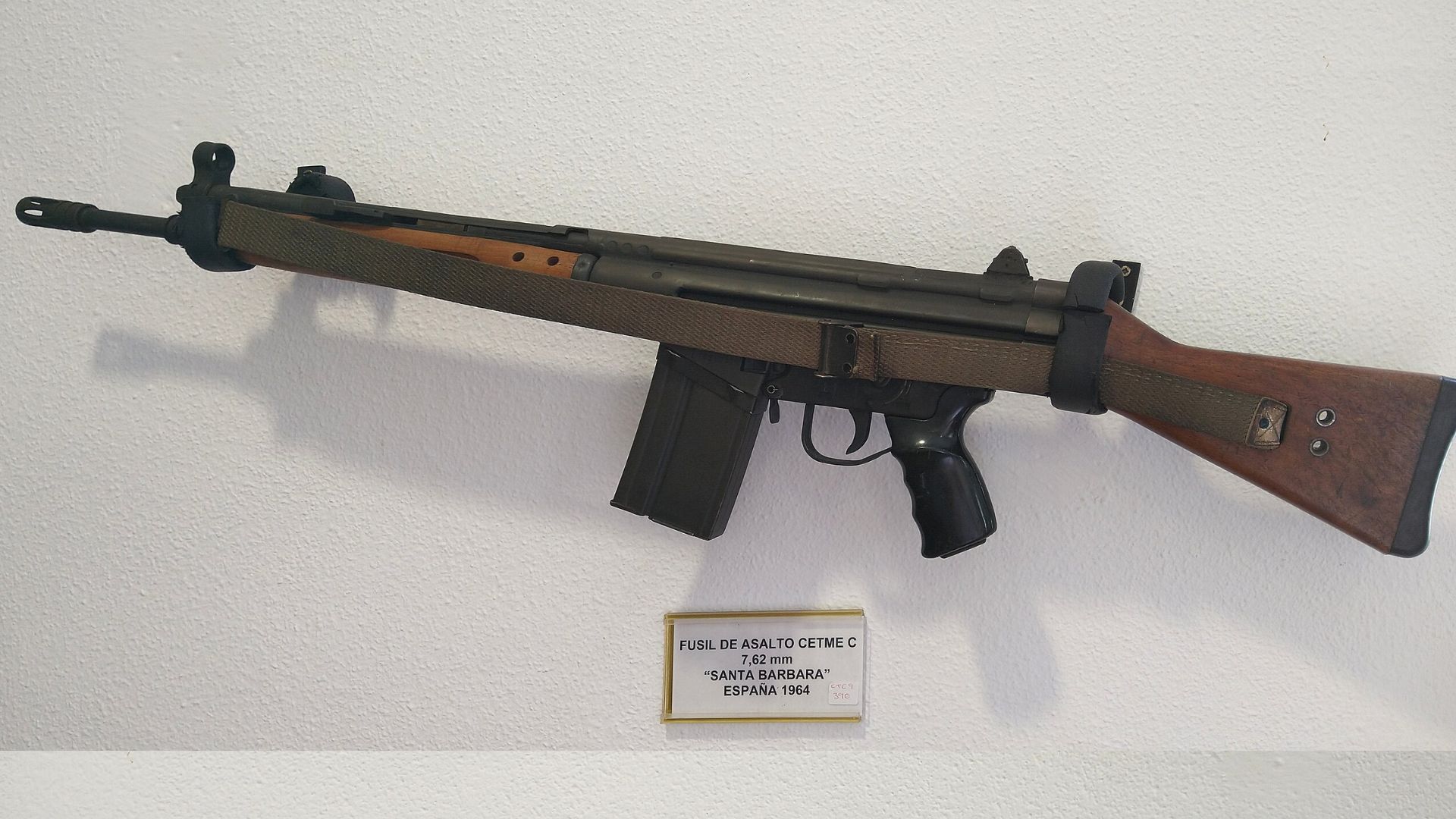
The CETME Model C is worth owning for anyone who likes Cold War battle rifles and wants something related to the roller-delayed family. It helped lead toward the HK G3 pattern and has its own Spanish military history. Chambered in 7.62 NATO, it feels like a serious rifle from a serious era.
The appeal is mechanical and historical. The roller-delayed system gives it a different feel from gas-operated rifles, and the stamped-metal construction has a rugged industrial look. Build quality matters a lot with civilian examples, but a good CETME C is a classic military rifle that still brings plenty of range appeal.
Vz. 24 Mauser

The Vz. 24 is one of the best Mauser-pattern rifles to own because it combines strong construction, manageable length, and broad historical use. Made in Czechoslovakia and exported widely, it saw service in many countries and conflicts. It may not have the instant name recognition of a K98k, but the rifle itself is excellent.
A good Vz. 24 gives shooters the Mauser experience without always carrying the same collector premium as more famous German-marked rifles. The action is strong, the rifle handles well, and many examples are still good shooters. For someone who wants a classic military Mauser with real history, the Vz. 24 is still a smart pick.
Like The Avid Outdoorsman’s content? Be sure to follow us.
Here’s more from us: