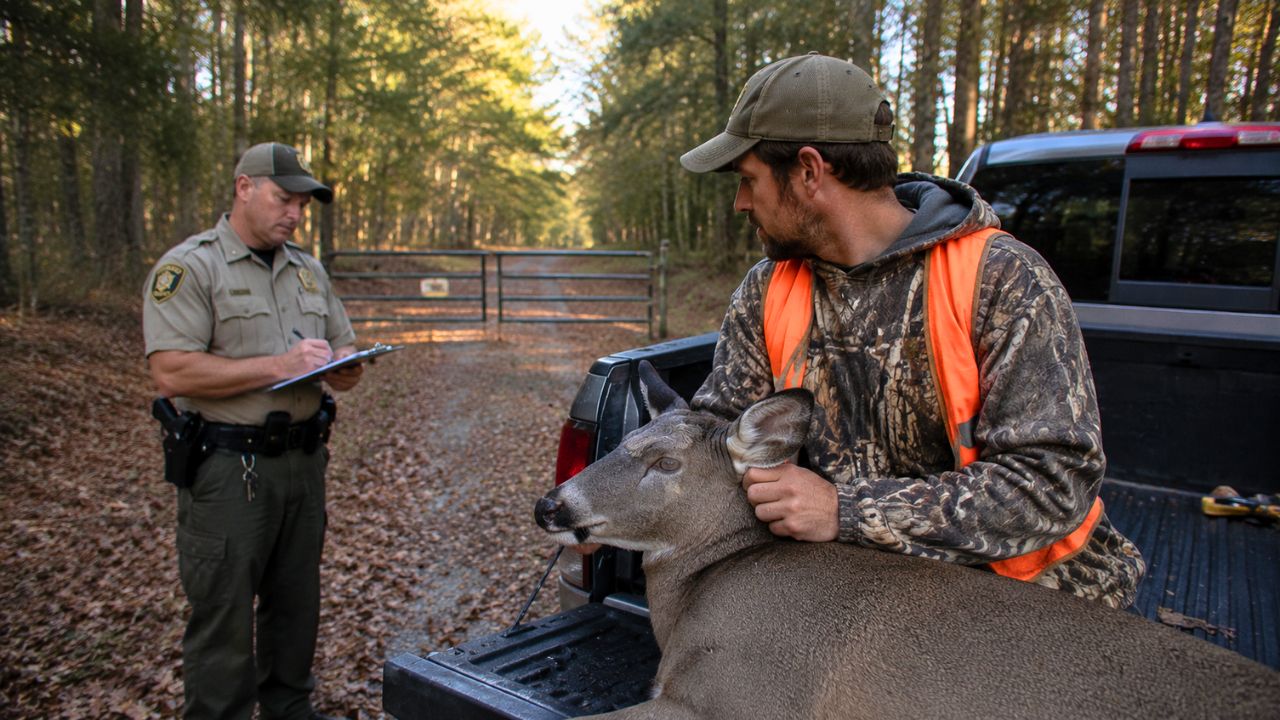
Photo credit: Theavidoutdoorsman.com
Opening morning has a certain feel to it. The air is sharp, the woods are still, and every little crunch sounds like it echoes a mile. For one hunter, that morning went just about perfect—right up until the walk back to the truck turned into a headache he didn’t see coming.
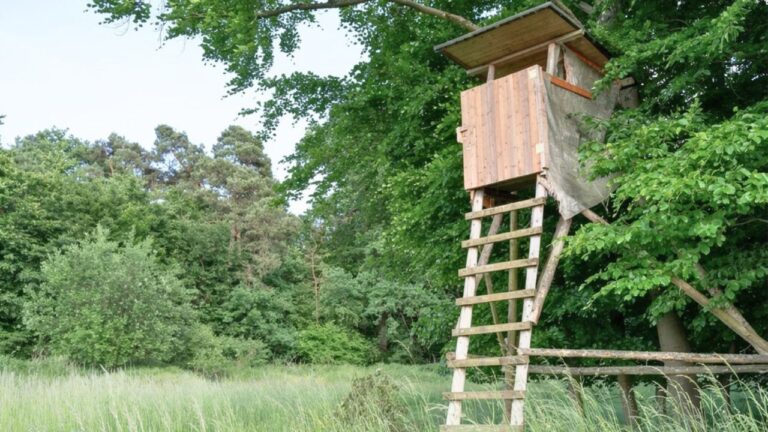
He’d slipped in well before daylight on a small parcel that’s been hunted by locals for years. It was one of those odd-shaped pieces that sits behind a couple of farm fields, accessed by a gated lane with a faded “public walk-in” style sign and a parking pull-off that’s seen plenty of mud tires. No new notices. No fresh postings. Nothing that screamed, “Read the fine print.”
So when a doe stepped out at first light and offered a clean, ethical shot, he took it.
A clean harvest, then a surprise at the truck
The doe didn’t go far. He waited, climbed down, and did what most of us do when things go right—took a minute to breathe, then got to work. Tag filled out, knife out, field dressed, and a drag back toward the access lane that felt longer than it did in the dark.
At the vehicles, another hunter asked how he did. A quick look at the deer, and the tone changed. The other guy mentioned he’d heard that particular parcel was “bucks only” this season and said it like it was common knowledge.
That’s the kind of comment that drops your stomach. Not because you’re trying to bend rules, but because you know how fast “I didn’t know” turns into “that’s your problem.”
The rule existed, but the sign didn’t
What made this one messy was that the restriction wasn’t posted at the gate where everyone enters. No laminated notice. No updated board. No “buck-only” language where you’d normally expect it—right where hunters park, lace up boots, and check wind.
Instead, the restriction was apparently living somewhere else: a seasonal update on a website, a note on a map layer, or a printed regulation sheet that not everybody checks once they’ve hunted the same spot for a few years. And that’s where these situations get ugly. The rule may be valid, but if it isn’t communicated where it matters most, a well-meaning hunter can stumble into a violation without ever trying to cut a corner.
He did what a lot of folks wouldn’t: he made a call rather than gamble on getting caught with a deer in the bed and a story on his lips.
When a warden gets involved, “intent” only goes so far
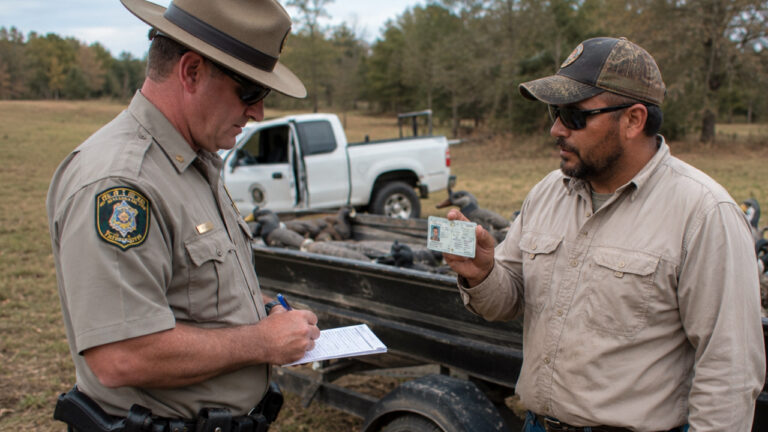
Once a conservation officer shows up, the conversation usually becomes simple and direct. Where were you? What did you shoot? What tags do you have? What did you believe the rules were when you pulled the trigger?
In situations like this, the hard truth is that hunters are generally responsible for knowing the regulations that apply to the area they’re hunting—even when signage is lacking. That doesn’t mean officers don’t use discretion, because many do. But discretion is not something you can count on, and it often depends on the details: whether the hunter has the correct license, whether the tag is filled out properly, whether the deer was taken safely and legally otherwise, and whether the hunter was cooperative from the first minute.
The other hard truth is that “buck-only” restrictions aren’t always arbitrary. Sometimes they’re used to manage a small property’s doe numbers differently, reduce hunter conflicts, or match a landowner’s agreement. But none of those reasons matter much when the only sign a hunter sees at the gate doesn’t match the rules being enforced.
The hunter’s options weren’t great. He could leave with the deer and hope he never got checked. He could abandon the deer, which wastes an animal and can create an even bigger problem. Or he could report it and accept whatever comes next. He chose the third option.
How these access parcels get confusing in the first place
A lot of these public-access-by-agreement setups change over time. A parcel gets enrolled, then re-enrolled, then the rules get tweaked. Maybe archery only for a stretch. Maybe no Sunday hunting. Maybe buck-only during firearms. It’s common for the paperwork to stay current while the physical signage doesn’t.
Then you add the modern layer: mapping apps. One platform shows a boundary. Another shows a different boundary. One includes the latest notes. Another hasn’t updated. Hunters end up assuming the gate sign is the final word, because that’s the part you can see with your own eyes.
And if you’ve hunted the same spot for years, you start operating on habit. That’s not carelessness; it’s human nature. The problem is that wildlife regulations don’t care about habit.
This is also where landowner communication matters. If the parcel is tied to a private land agreement, the landowner or program manager usually has a process for posting restrictions. When that breaks down, the friction lands on the hunter and the officer standing there trying to sort it out.
What other hunters zeroed in on: signs, screenshots, and “know before you go”
Whenever a situation like this makes the rounds at the local shop or online, you can predict the two camps. One side says, “Rules are rules—check the regs every time.” The other side says, “If it’s not posted at the gate, that’s on the program.”
Most experienced hunters land somewhere in the middle. Yes, you should check the regulations for the unit and the specific property before the season starts. And yes, if a property has a special restriction, it ought to be posted where access happens. That’s basic management and basic fairness.
A lot of folks also brought up documentation. Not in a “argue with the warden” way, but in a “protect yourself” way. Taking a quick photo of the gate sign and any regulation board when you walk in can save you later if the information is inconsistent. Same goes for screenshots of the official property page or the map layer showing allowed harvest. It’s not about being a pain; it’s about having your ducks in a row when something doesn’t add up.
And just as important: don’t turn it into a confrontation with another hunter in the parking lot. If somebody tells you there’s a restriction you weren’t aware of, the smartest move is to slow down, verify it, and make a calm call. Parking lots are where tempers flare and reputations get wrecked.
The real takeaway: small details can cost a deer and a season
For the hunter, the sting wasn’t just the possibility of a ticket. It was the feeling of doing everything right—safe shot, quick recovery, tag filled out—then finding out one overlooked detail could turn a good morning into a regulatory mess. That’s a tough pill to swallow, especially when the missing detail wasn’t posted where it should’ve been.
If you hunt access parcels, make it a pre-season habit to check the specific property rules, not just the statewide regs. When you step through a gate, take ten seconds to read every sign and snap a photo. And if something seems off—no board, faded postings, conflicting map info—assume the burden is going to land on you if it goes sideways.
Opening morning is hard enough. Nobody needs an unposted rule to be the thing they remember most from it.
Like The Avid Outdoorsman’s content? Be sure to follow us.
Here’s more from us: