Photo credit: THE GUN SHOP/Youtube
Some guns don’t seem like forever guns when people first buy them. They’re practical, familiar, maybe even a little plain. They fill a slot in the safe, ride through a few seasons, handle a few range days, and slowly become harder to imagine letting go.
That’s how the best keepers usually work. They don’t always announce themselves right away. They earn their place by being useful, dependable, comfortable, or tied to enough good memories that selling them starts feeling like a mistake before the thought even finishes.
Winchester Model 9422
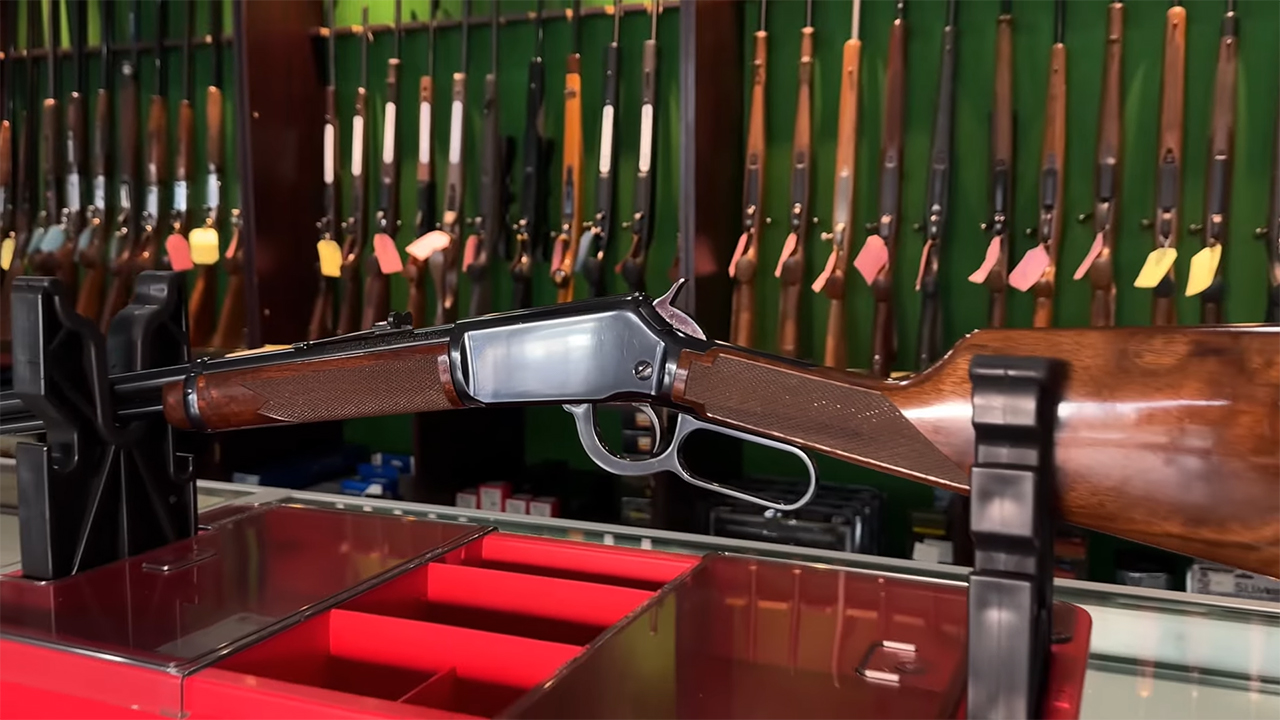
The Winchester Model 9422 is one of those rimfires that owners rarely feel good about selling. It’s a lever-action .22 that feels like a real rifle, not a cheap plinker dressed up for fun. The action is smooth, the lines are clean, and the whole rifle has a level of quality that keeps aging well.
A good 9422 works for small game, relaxed range time, and teaching new shooters, but it also has enough character that experienced shooters still enjoy it. That’s the key. It doesn’t become useless after someone buys something newer or more specialized. It keeps being fun, handy, and worth owning. Once prices climbed and clean examples became harder to find, selling one started looking even worse.
Ruger Blackhawk Convertible
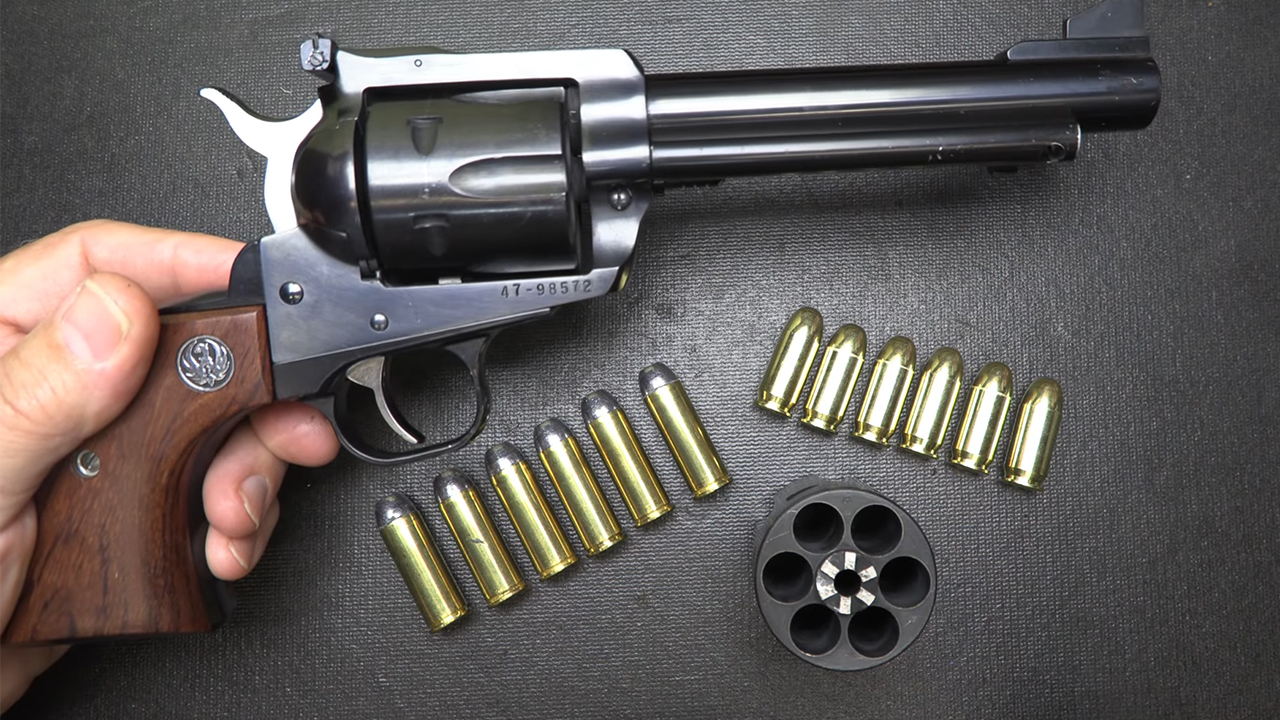
The Ruger Blackhawk Convertible quietly became a gun owners don’t want to sell because it offers real flexibility without feeling fragile. Depending on the model, being able to swap cylinders between cartridges like .357 Magnum and 9mm or .45 Colt and .45 ACP gives the revolver a practical edge that never really gets old.
It’s also built with Ruger’s usual single-action toughness. This isn’t a revolver that feels delicate or fussy. It can handle range work, woods carry, hunting sidearm use in the right chambering, and casual shooting with cheaper ammo when the alternate cylinder makes sense. A gun that gives you that many useful options becomes hard to replace. Selling one usually means realizing later that you gave up more than one role.
Browning Auto-5 Light Twelve
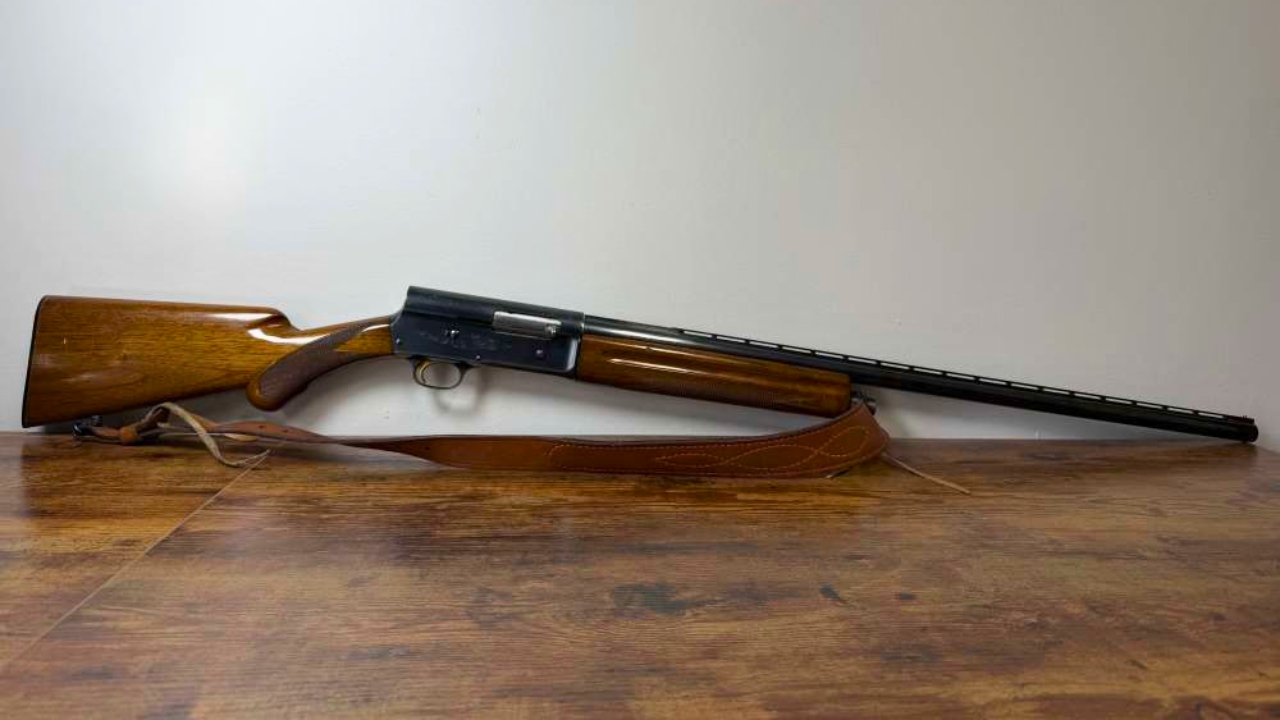
The Browning Auto-5 Light Twelve has become one of those shotguns people hold onto because it has both history and field usefulness. The humpback receiver, long-recoil action, and classic Browning build give it a personality newer semi-autos don’t copy. It feels mechanical in a way modern shotguns often don’t.
The Light Twelve version carries better than the heavier magnum models and still works beautifully for birds and general field use when properly maintained. Owners who understand the friction ring setup tend to trust them deeply. It’s not the easiest shotgun to replace with a modern equivalent because the feel is so specific. Once someone has a good one, selling it usually feels like letting go of a piece of hunting history.
Smith & Wesson Model 15
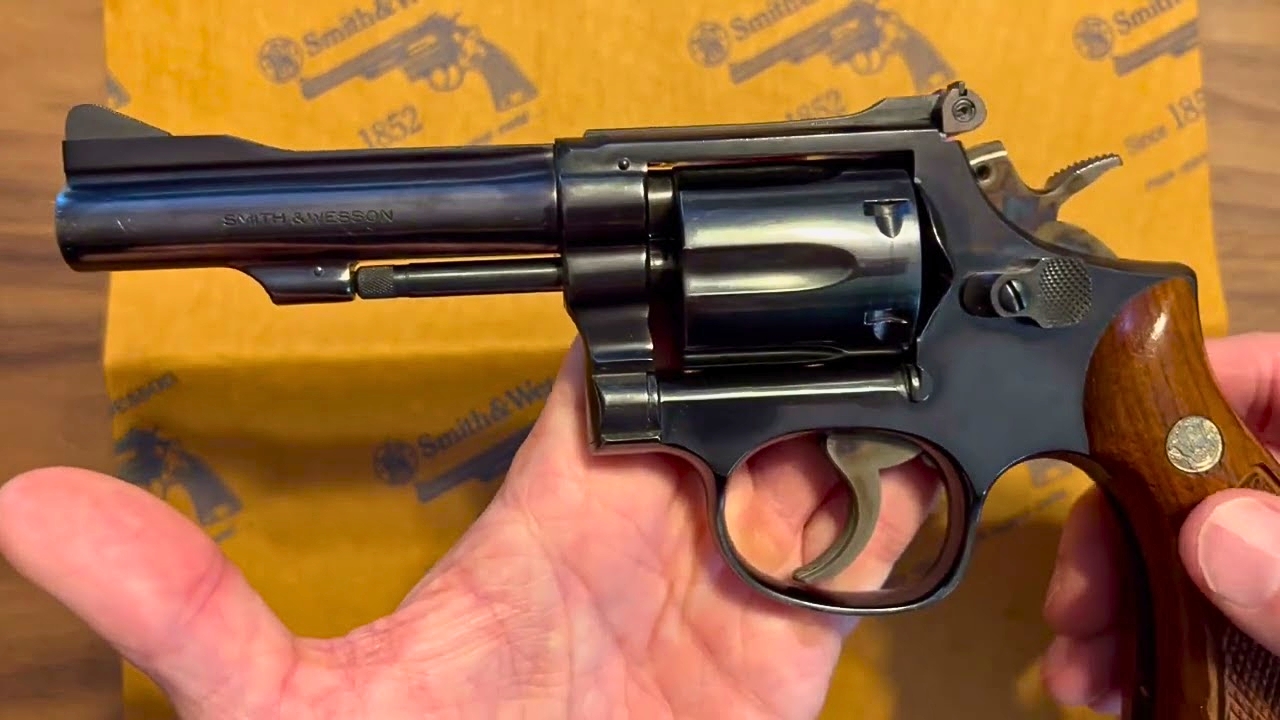
The Smith & Wesson Model 15 is a revolver that quietly turns into a keeper because it does simple range work so well. It’s a K-frame .38 Special with adjustable sights, good balance, and the kind of double-action trigger that helps shooters build real skill. It doesn’t need magnum power to matter.
A Model 15 is easy to shoot, accurate, and comfortable enough for long practice sessions. That makes it more useful than people expect from a plain .38. It can teach fundamentals better than a lot of louder handguns, and it still feels refined in the hand. Owners who sell one often end up missing the smoothness and simplicity. Some guns stay because they make shooting better.
Ruger M77 RSI
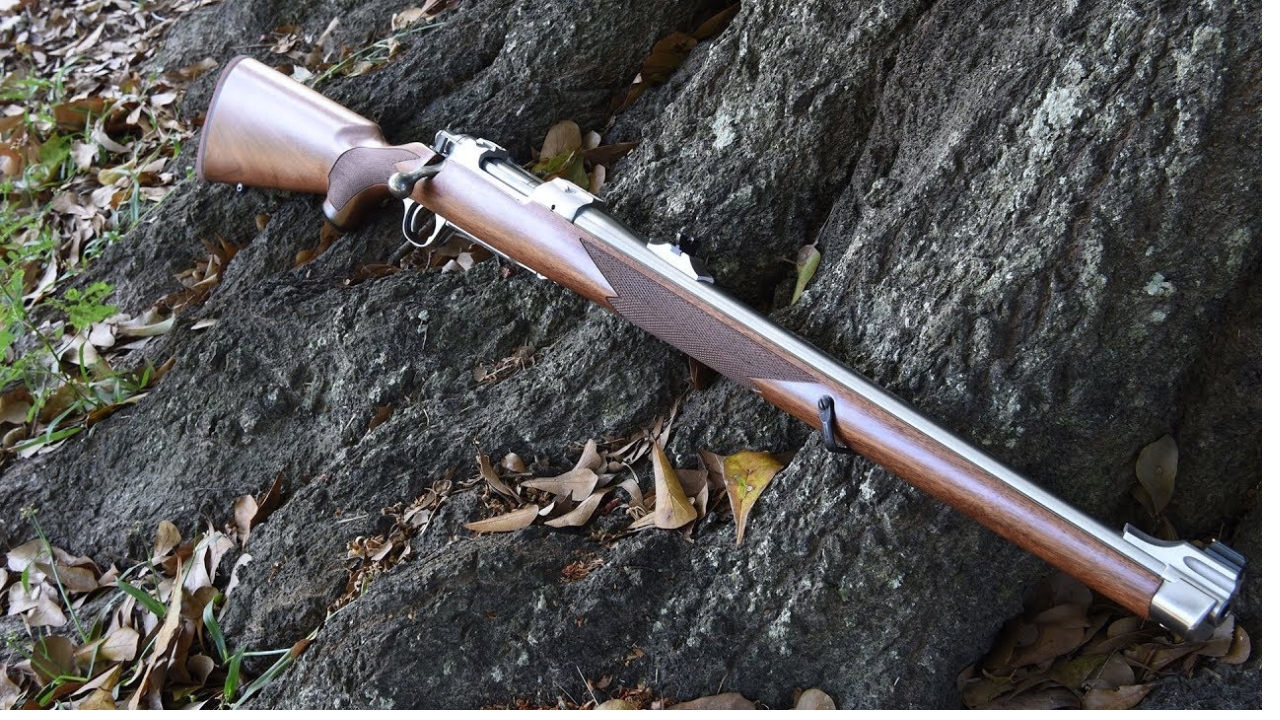
The Ruger M77 RSI, with its full-length Mannlicher-style stock, is not the most practical rifle for everyone. That’s exactly why owners who like them tend to keep them. It has a distinct look, compact handling, and a field personality that doesn’t feel like every other bolt-action in the safe.
These rifles were made in useful hunting chamberings and carry nicely in the woods. The full stock gives them character, while the Ruger action gives them working-rifle confidence. They aren’t always the easiest rifles to find, and good ones have become more desirable over time. Once an owner has one that shoots well, it’s hard to justify selling it. There are plenty of bolt-actions. There aren’t many that feel quite like an RSI.
Colt Woodsman
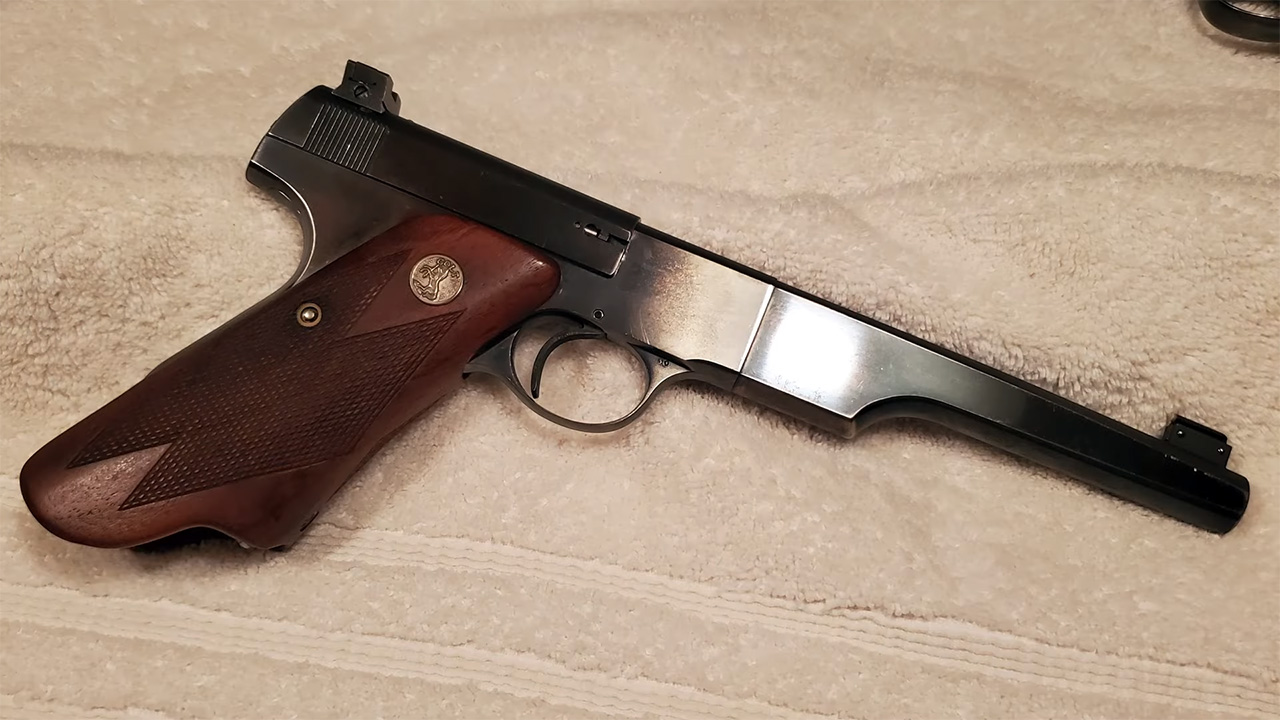
The Colt Woodsman is a rimfire pistol that owners tend to hold onto because it offers a kind of elegance modern .22s rarely match. It’s slim, accurate, and beautifully balanced, with old Colt workmanship that still stands out the moment you handle one. It doesn’t need tactical features to justify itself.
A good Woodsman is the kind of pistol that makes slow, careful shooting feel rewarding. It works for range practice, plinking, and pure appreciation of a well-made handgun. Modern rimfire pistols may be easier to mount optics on or suppress, but they rarely have the same feel. That’s why owners hesitate to sell. Once a gun has both function and grace, replacing it gets complicated.
Marlin 1895 Guide Gun
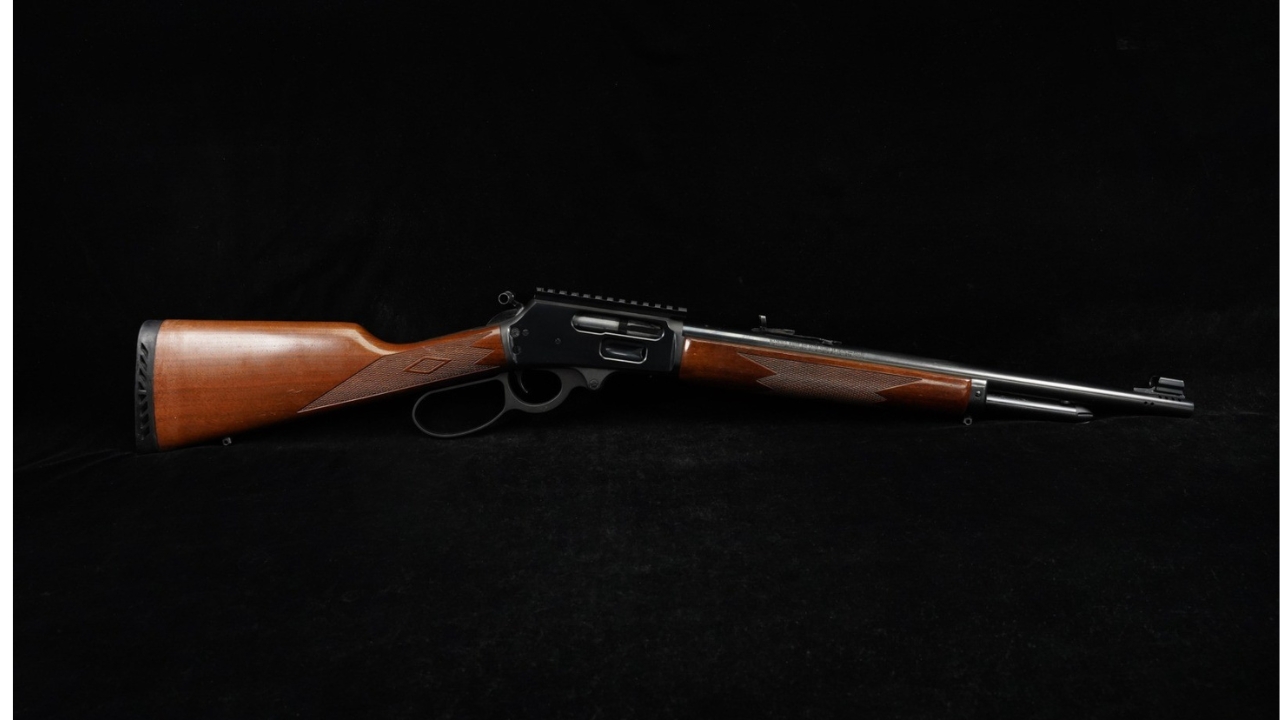
The Marlin 1895 Guide Gun quietly became one of those rifles people don’t want to let go because it fills a very specific role so well. A short, handy .45-70 lever gun has real authority in thick cover, hog country, black bear country, or anywhere close-range power matters.
It’s not a rifle for everyone. Recoil depends heavily on load choice, and it’s not built for flat-shooting long-range work. But inside its lane, it’s hard to beat. The Guide Gun carries easier than its power suggests, cycles quickly, and feels like a rifle built for rough use. With lever guns climbing in popularity and older Marlins getting harder to replace, owners have plenty of reasons to keep theirs.
SIG Sauer P225/P6
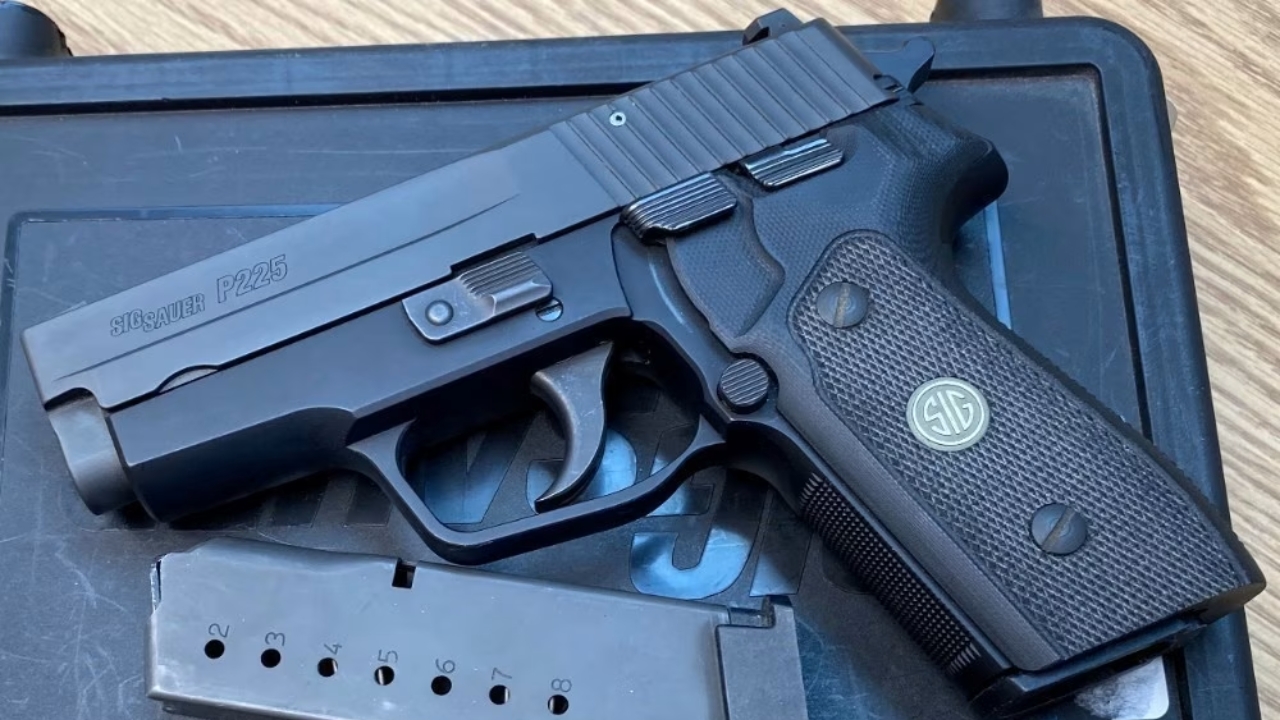
The SIG Sauer P225, including the surplus P6 variants, became harder to sell once shooters started appreciating slim metal-frame 9mms again. It doesn’t hold many rounds by modern standards, and it’s heavier than today’s micro-compacts. But it has that classic SIG feel in a very comfortable single-stack package.
The P225 points naturally, shoots smoothly, and carries flatter than the larger P-series pistols. The DA/SA trigger takes practice, but owners who enjoy traditional pistols often find it rewarding. Surplus P6 pistols had their quirks, especially depending on feed ramp and spring condition, but good examples are easy to appreciate. It’s the kind of pistol people once saw as outdated, then slowly realized they didn’t want to replace.
Remington Nylon 66
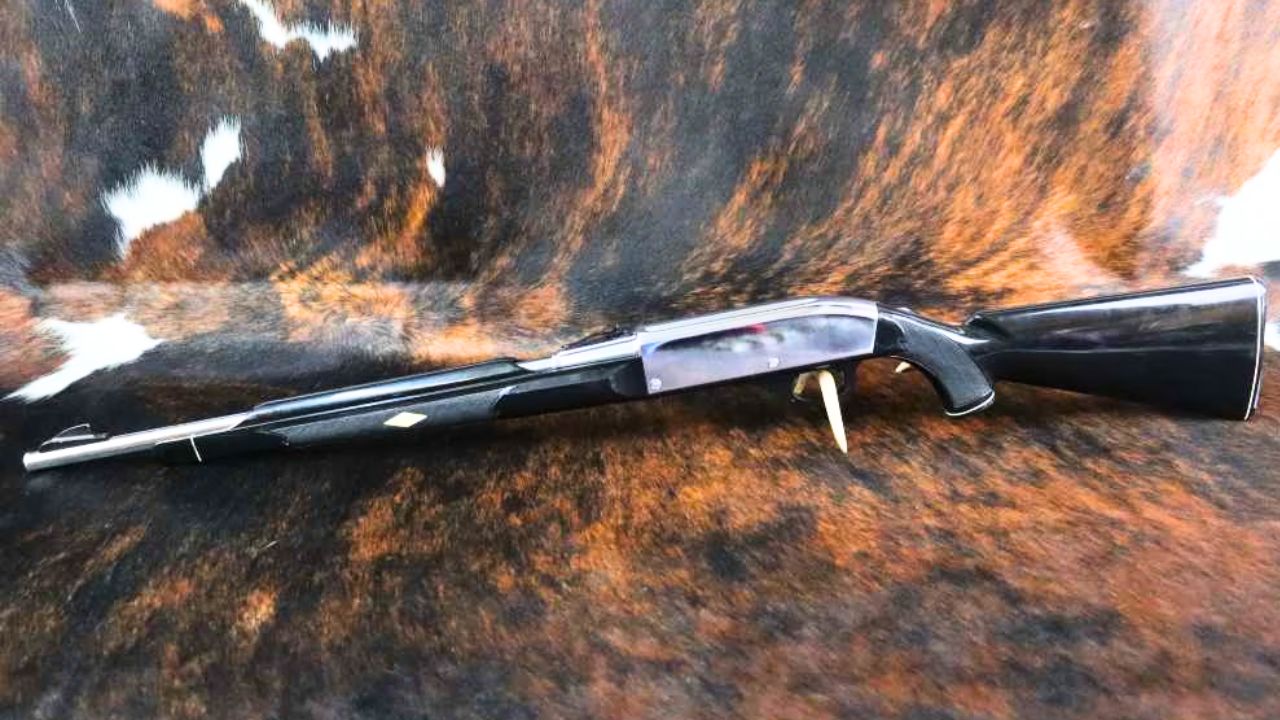
The Remington Nylon 66 is one of the oddest rifles that turned into a keeper. Its synthetic stock was strange for its time, and the rifle looked more like a futuristic experiment than a classic rimfire. But the thing worked, and that’s why owners still talk about them.
The Nylon 66 is lightweight, handy, and known for running surprisingly well with minimal fuss. It’s a fun plinker, a good small-game rifle, and a piece of rimfire history that feels different from almost anything else. The design has more charm now than it probably did when some people treated it as just a plastic .22. Selling one today means trying to replace a rifle nobody really makes anymore.
Dan Wesson Model 15-2
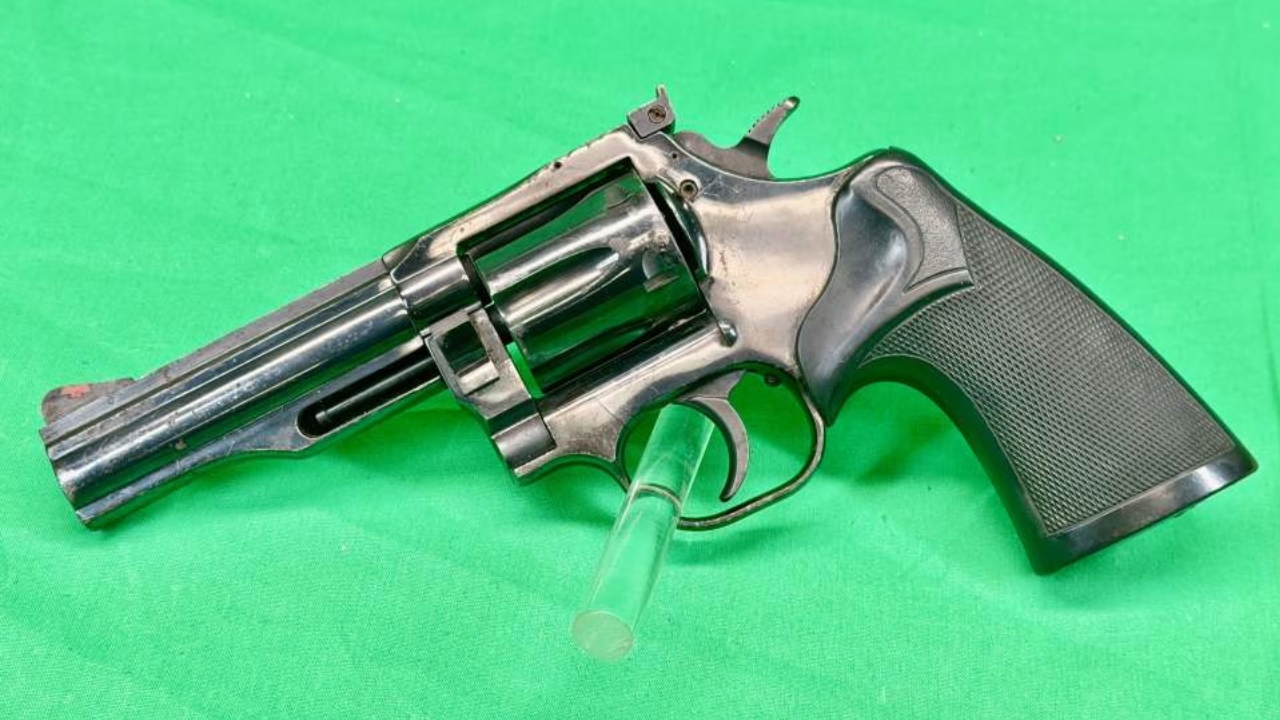
The Dan Wesson Model 15-2 quietly became a revolver people don’t want to sell because its interchangeable barrel system gives it unusual flexibility. One revolver could shift from a short carry-style setup to a longer hunting or target configuration, depending on the barrel assembly. That was practical then, and it’s still clever now.
The Model 15-2 also developed a reputation for accuracy, helped by its barrel tensioning system. It may not have the same mainstream name recognition as Smith & Wesson or Colt, but shooters who know them tend to respect them. A revolver that can change roles without losing its identity is hard to replace. Owners often realize that once they start pricing complete pistol packs.
Winchester Model 88

The Winchester Model 88 is a rifle that owners often keep because it gives them something different from ordinary bolt guns and traditional lever-actions. It has lever-action handling, a rotating bolt, and a detachable magazine, allowing modern pointed-bullet cartridges in a quick-handling hunting rifle.
That combination still makes sense. In chamberings like .308 Winchester, .243 Winchester, and .284 Winchester, the Model 88 can handle real deer and big-game work while carrying with a sleek field feel. It has quirks, and used condition matters, but it’s not easy to replace with anything current. A rifle that solves a problem in its own way tends to stick around.
Beretta 85 Cheetah
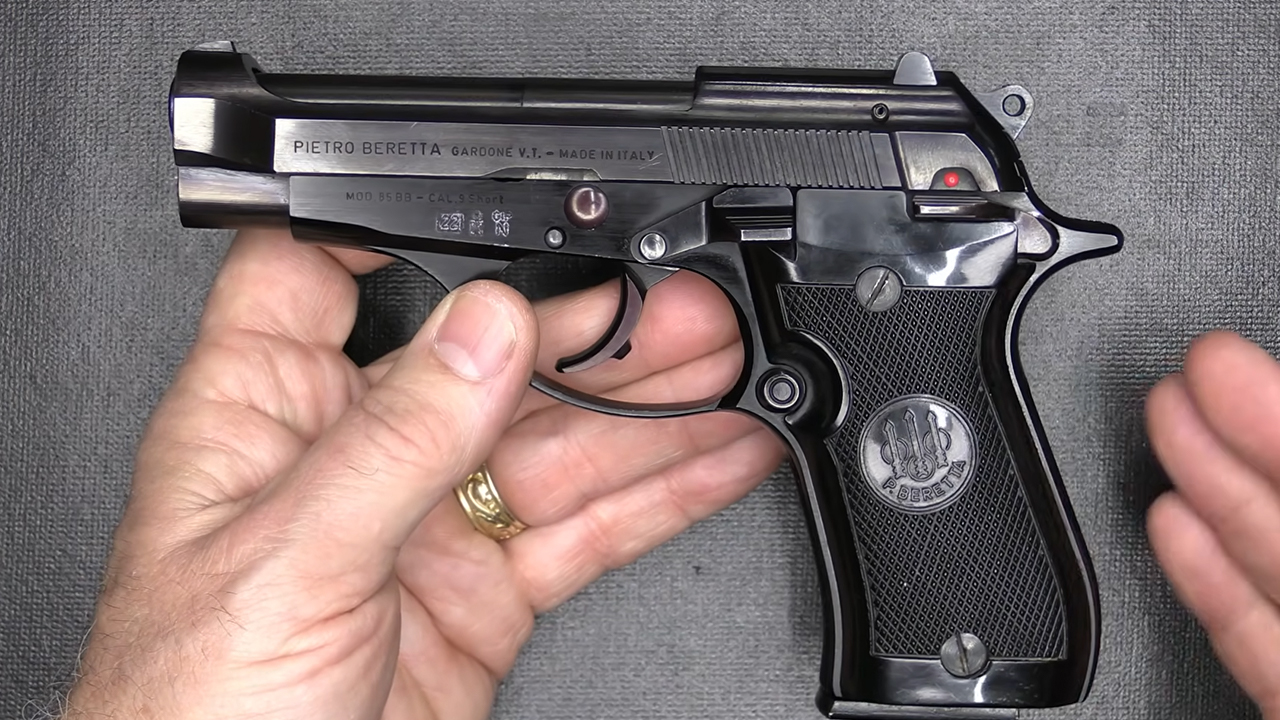
The Beretta 85 Cheetah is one of those pistols that doesn’t win modern spec-sheet arguments but still becomes hard to sell. It’s a .380 ACP that’s larger than many people expect, and it doesn’t offer the efficiency of today’s tiny carry guns. But it shoots beautifully for its class.
The single-stack grip is slim, the recoil is mild, and the pistol has a refined feel that makes it enjoyable on the range. It’s the kind of handgun that reminds owners comfort has value. A smaller pistol may carry easier, and a 9mm may make more defensive sense for many people, but the Cheetah has charm and shootability. Those two things make it sticky in the safe.
Savage 340

The Savage 340 doesn’t look like a rifle people would get attached to. It’s a plain bolt-action with a detachable magazine, often chambered in .30-30 Winchester, and it lacks the polish of classic sporters. For years, it was treated like an inexpensive utility rifle.
That utility is exactly why some owners don’t want to sell. A bolt-action .30-30 is unusual enough to be interesting, and the 340 is handy for woods hunting inside reasonable ranges. It’s not fancy, and magazines can be a pain today, but it has a practical oddness that gives it personality. Once someone owns one that shoots well, replacing that exact mix of weird and useful isn’t easy.
Smith & Wesson Model 39

The Smith & Wesson Model 39 quietly became a keeper because it represents an important step in American semi-auto pistol history while still being pleasant to shoot. It’s a slim, single-stack 9mm with an alloy frame, DA/SA trigger, and classic lines that stand apart from modern polymer pistols.
It doesn’t hold much by today’s standards, but it carries naturally and shoots with a level of refinement many newer small pistols don’t match. The Model 39 feels like a pistol from a time when service handguns were still finding their shape. Owners who appreciate that history usually don’t rush to sell. It’s useful, interesting, and increasingly hard to replace in clean condition.
Browning BAR Safari

The Browning BAR Safari is one of those rifles that quietly becomes hard to part with because it gives hunters semi-auto speed in a rifle that still feels traditional. It has sporting lines, serious chamberings, and enough weight to help manage recoil. It doesn’t feel like a tactical rifle pretending to hunt.
For deer, hogs, and other game where quick follow-up shots matter, the BAR Safari has a strong argument. It’s more complex than a bolt-action and needs proper care, but it gives owners a smooth-shooting, fast-handling rifle with real field history. Good examples aren’t something people casually replace. Once a hunter trusts one, selling it usually feels like creating a hole in the safe.
Like The Avid Outdoorsman’s content? Subscribe to our newsletter so you never miss an article.
Here’s more from us: