Photo credit: OreGear/Youtube
New pistols always promise improvement. More capacity, lighter frames, better sights, easier maintenance, cleaner triggers, optic cuts, modular grips, and every other update that makes the older gun seem ready for retirement. Sometimes the replacement really is better. Sometimes it only looks that way for a little while.
Some older pistols age well because they got the important things right from the start. They shoot comfortably, fit the hand, run reliably, and keep earning respect long after newer designs get their moment. These pistols aged better than a lot of the guns that were supposed to make them irrelevant.
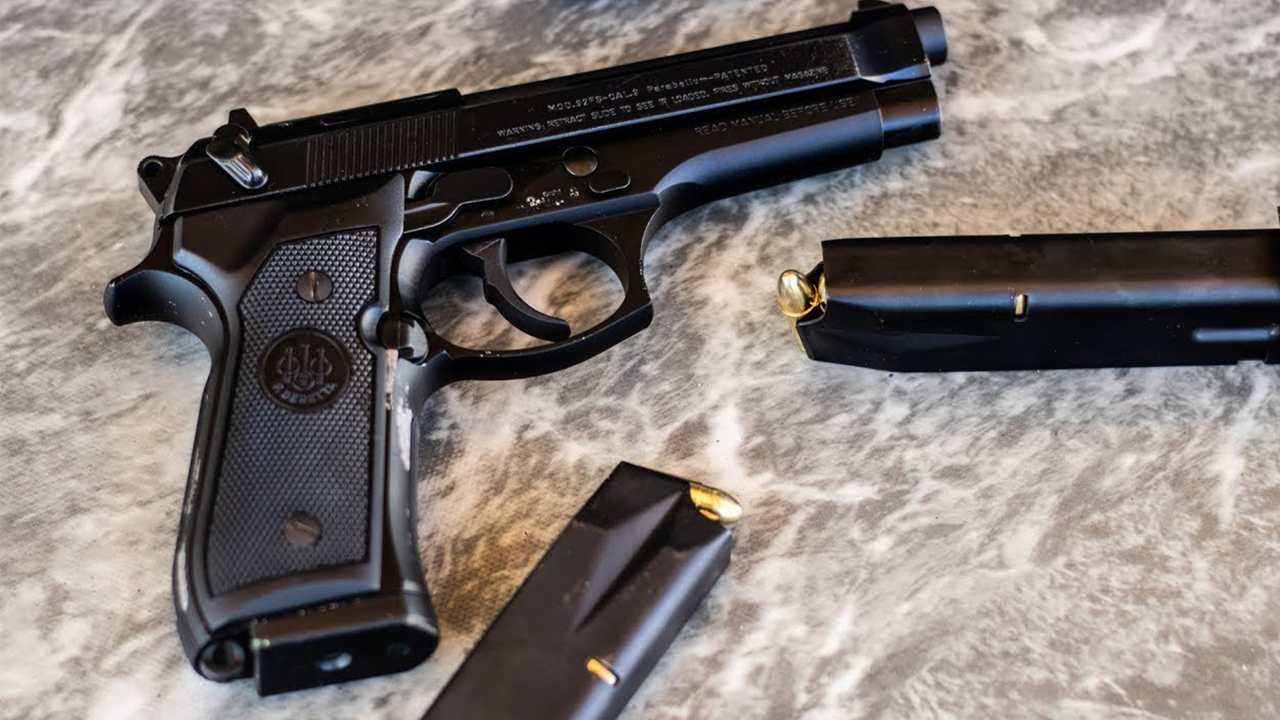
Beretta 92FS
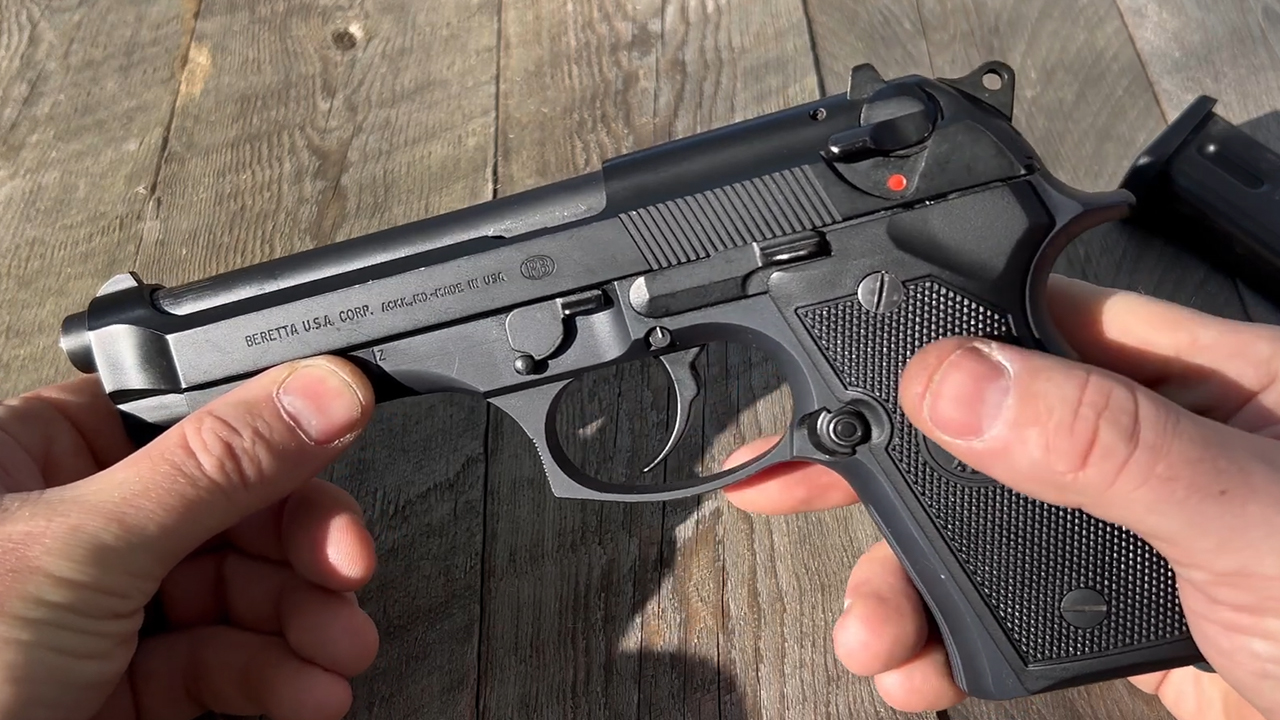
The Beretta 92FS has been called outdated for years, mostly because it’s large, heavy, DA/SA, and not built around modern concealed-carry trends. Newer Beretta pistols and plenty of polymer service guns have tried to offer lighter weight and simpler operation, but the 92FS keeps hanging around because it shoots so well.
That size becomes an advantage on the range. The long sight radius, metal frame, open-slide design, and soft recoil impulse make it one of the most pleasant full-size 9mms to run. It may not be the easiest gun to carry, and the slide-mounted safety still bothers some shooters. But as a range, home-defense, or classic service pistol, the 92FS has aged with more grace than many pistols that looked more modern at launch.
SIG Sauer P226
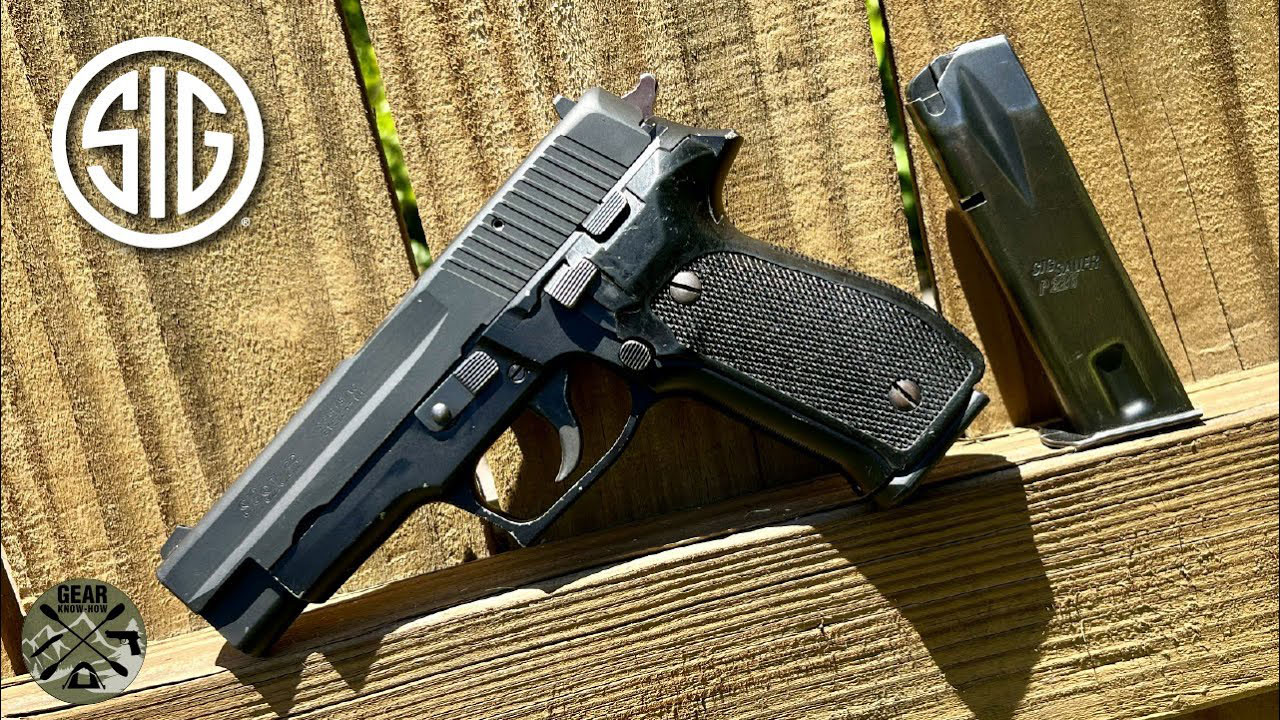
The SIG P226 was supposed to feel old once polymer-framed striker-fired pistols took over. In some practical ways, those newer guns did win. They’re lighter, simpler, often cheaper, and easier for many departments or owners to maintain at scale. Still, the P226 has not faded the way some people expected.
The reason is feel. A good P226 shoots with a steadiness many lighter pistols can’t match. The DA/SA trigger takes practice, but it rewards that practice, and the pistol’s build quality inspires confidence. It’s heavy for carry, but excellent for training, home defense, and anyone who appreciates a serious service pistol. Newer guns may be more efficient. The P226 still feels more substantial.
Browning Hi-Power
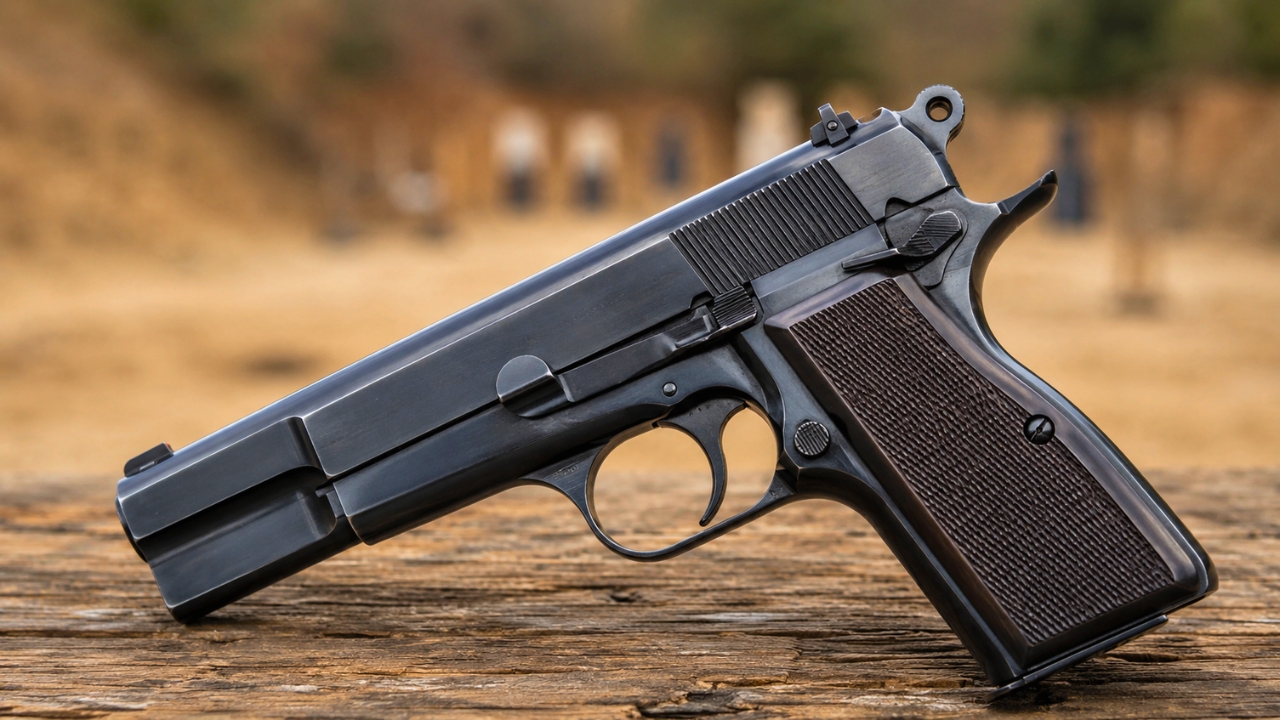
The Browning Hi-Power should have been completely buried by modern double-stack 9mms. They hold more rounds, take lights and optics more easily, and often cost less than clean original Hi-Powers do now. On paper, the old Browning looks like it lost the race.
In the hand, it tells a different story. The Hi-Power’s grip is still one of the best ever designed for a service pistol. It feels slim, natural, and balanced in a way many modern polymer guns don’t. Older examples can have small sights and magazine disconnects that hurt trigger feel, but the core design still shines. A pistol that points this naturally does not age out easily.
Smith & Wesson Model 5906

The Smith & Wesson Model 5906 looked like it belonged to the past once lighter polymer pistols took over law enforcement and civilian carry. It’s all stainless, heavy, and built around a DA/SA system that newer shooters don’t always want to learn. That made it seem easy to replace.
Years later, the 5906 looks better than expected. That heavy stainless frame makes it soft-shooting, durable, and steady during long range sessions. It feels like a pistol built for hard use, not one designed to save every ounce possible. It may not be a modern carry favorite, but as a range gun, home-defense pistol, or old-school service handgun, it has aged extremely well.
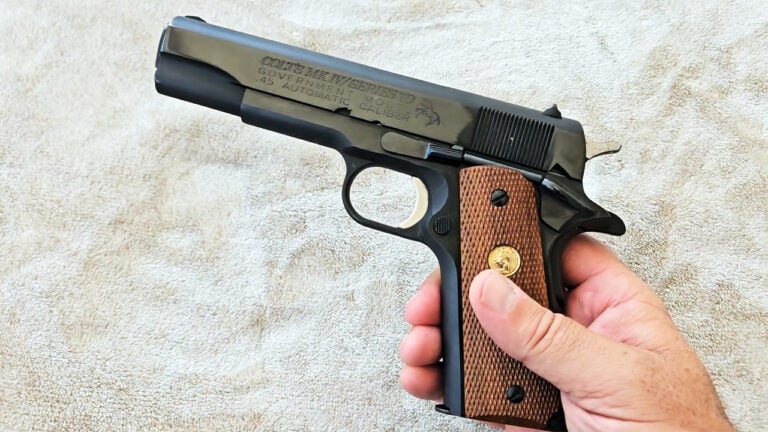
Colt Government Model 1911
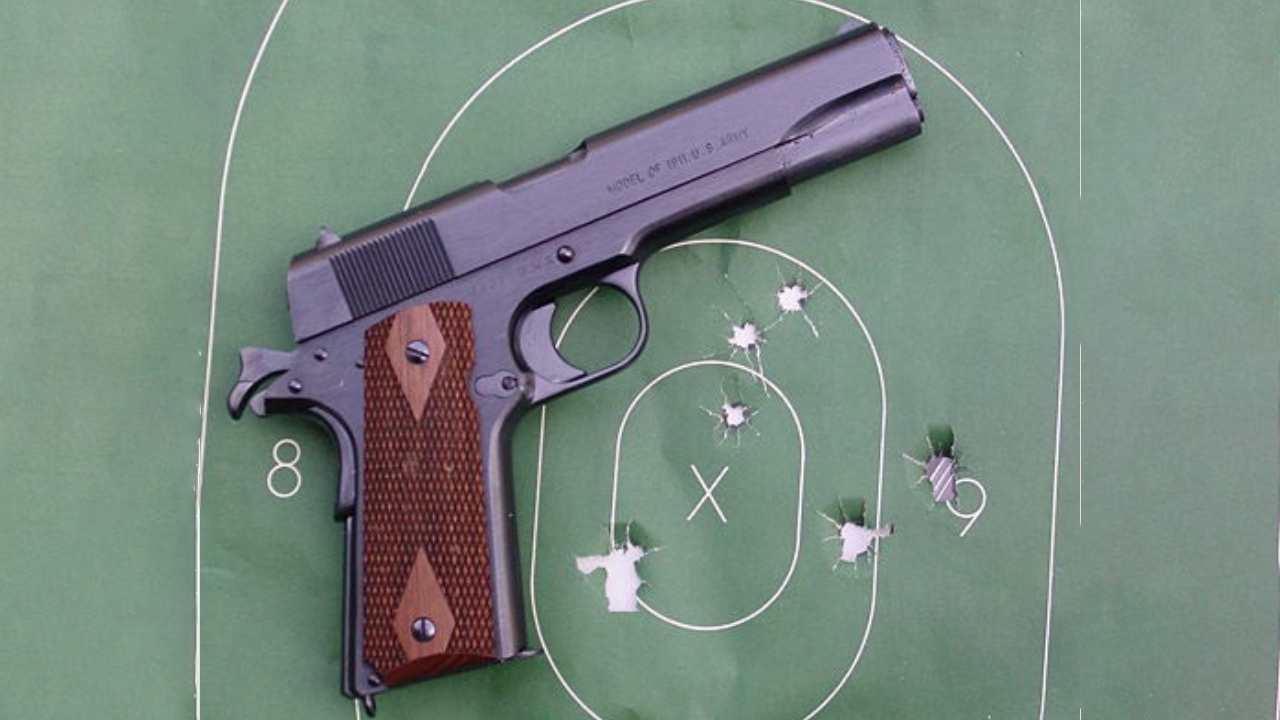
The Colt Government Model 1911 has been “replaced” more times than anyone can count. High-capacity 9mms, polymer pistols, double-stack 1911s, striker-fired duty guns, and compact carry pistols have all made better arguments on paper. Yet the old Government Model is still here.
It aged well because it offers a shooting experience that newer guns don’t fully copy. The slim grip, clean single-action trigger, steel-frame balance, and .45 ACP recoil impulse keep shooters coming back. It is not the most practical defensive pistol for everyone today, and it requires more attention than many modern designs. But when a good Colt runs and shoots well, it reminds people why the platform keeps surviving.
Walther P99 AS

The Walther P99 AS was ahead of its time in enough ways that it has aged better than some pistols that tried to follow it. Interchangeable backstraps, strong ergonomics, and a unique Anti-Stress trigger system made it stand apart before the striker-fired market became as crowded as it is now.
Later Walther pistols like the PPQ and PDP earned plenty of praise, especially for their triggers, but the P99 still has a loyal following because it feels distinct. It’s not just another striker-fired 9mm with a different grip texture. The trigger system gives it personality, and the grip shape remains excellent. It aged well because it was thoughtful, not because it was trendy.
CZ 75B

The CZ 75B could have been pushed aside by lighter polymer CZ pistols and modern striker-fired designs. Instead, it keeps looking better as shooters rediscover how much grip shape and balance matter. It’s heavier than modern service pistols, but that weight is one reason it shoots so comfortably.
The CZ 75B sits low in the hand, points naturally, and has a calm recoil impulse that makes range work enjoyable. Newer CZs may be easier to carry or better suited for optics, but the steel-framed 75 still feels special. It aged well because its strengths are physical, not fashionable. Good ergonomics and shootability don’t become outdated just because the market changes.
HK USP Compact
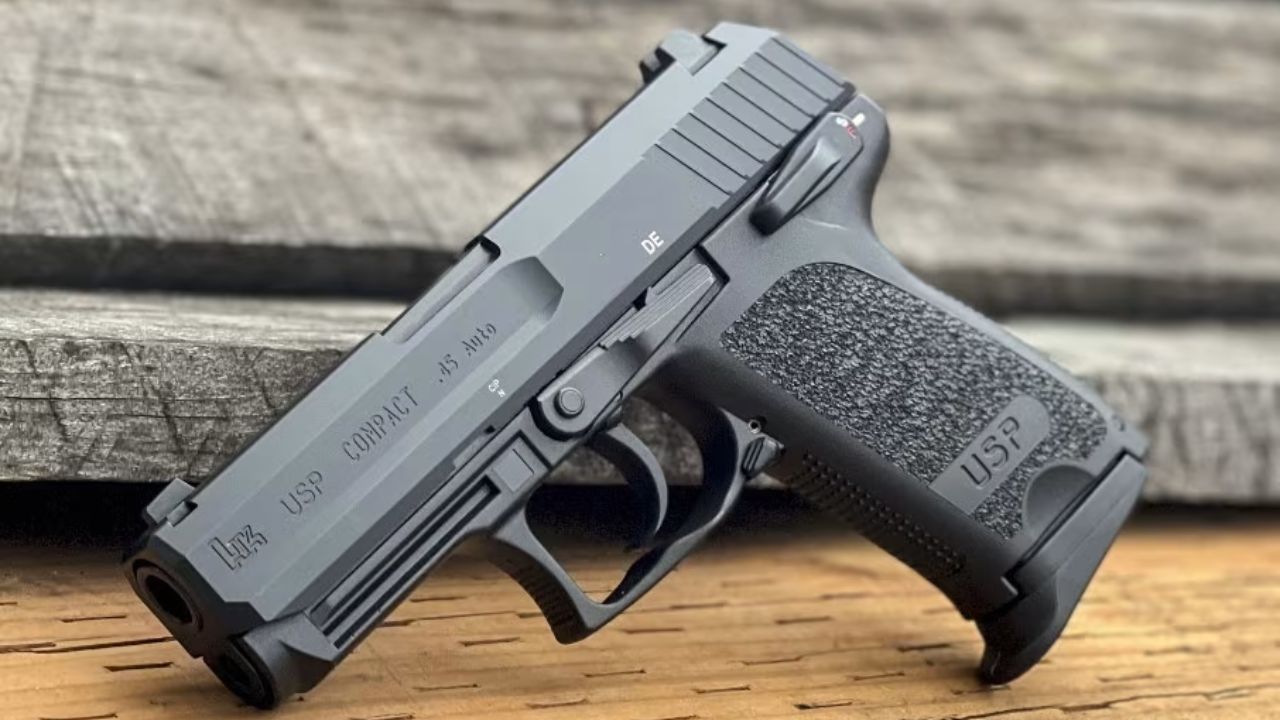
The HK USP Compact looks chunky compared with modern carry pistols, but that overbuilt feel is also why it has aged well. It was designed during an era when service durability mattered more than shaving every possible fraction of an inch. That shows in the way the gun feels and runs.
Newer HK pistols and competing polymer designs may offer better ergonomics or easier optics options, but the USP Compact still inspires trust. The recoil system helps, the build feels serious, and the DA/SA or variant-based control options give shooters choices. It isn’t the sleekest carry pistol, but it has aged into respect because it feels like it was built to last.
Ruger P95
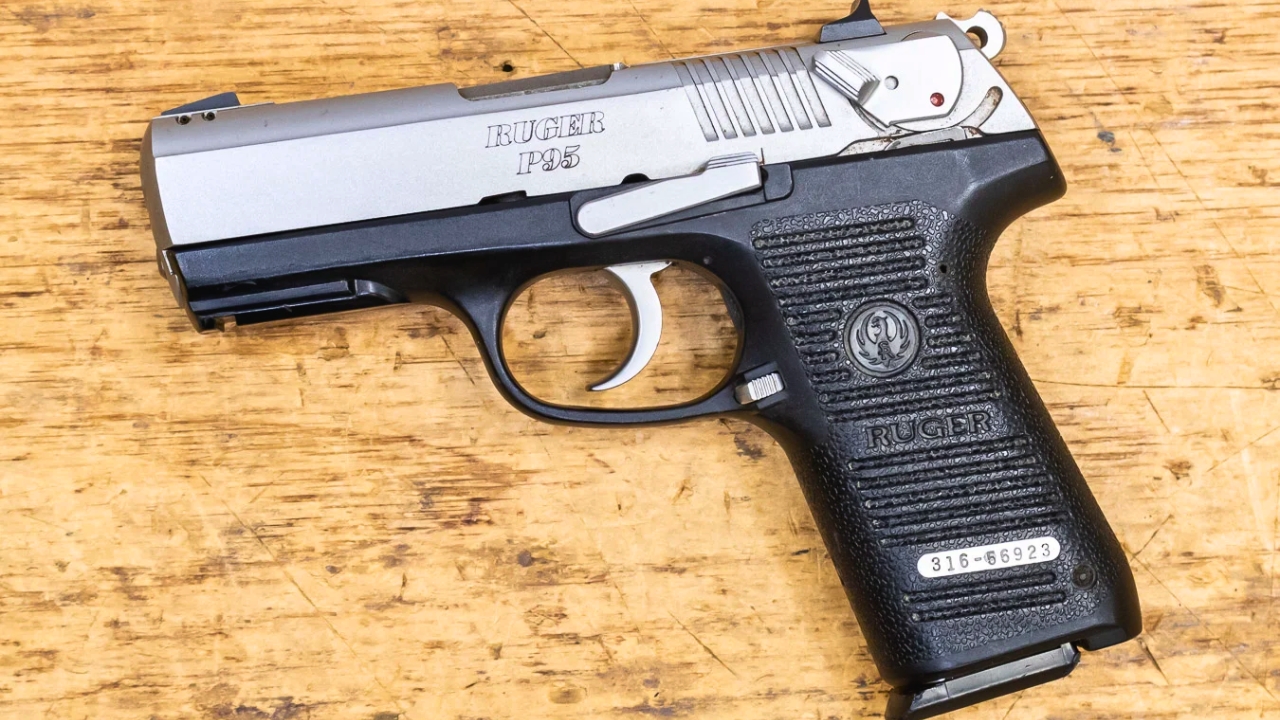
The Ruger P95 was never stylish, which may be why it aged better than people expected. Nobody bought it for sleek lines or status. They bought it because it was affordable, durable, and reliable enough to serve as a practical 9mm for regular people. That kind of purpose holds up.
Newer budget pistols may look better, but not all feel as tough. The P95 is chunky and plain, but it handles recoil well and has a reputation for running through a lot of neglect. It may not be anyone’s dream carry pistol now, but plenty of owners still respect it as a rugged range or home-defense gun. Ugly and dependable tends to age better than pretty and questionable.
Smith & Wesson Model 3913
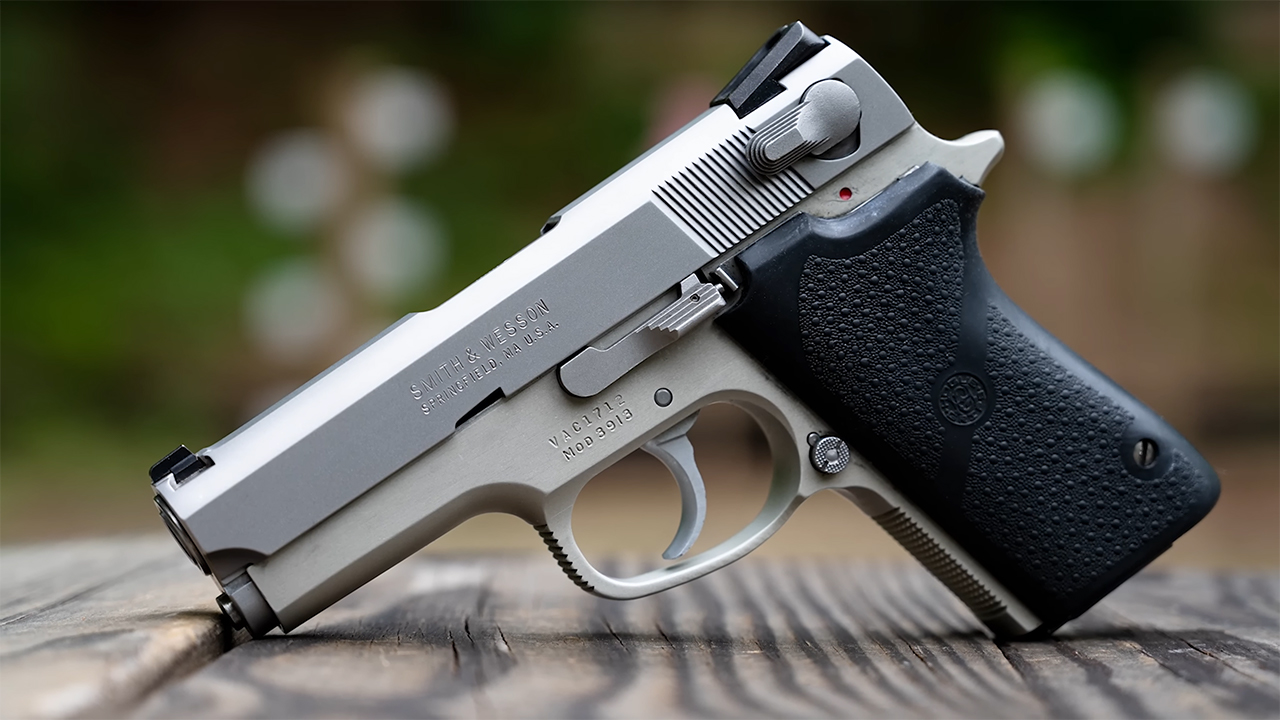
The Smith & Wesson 3913 aged better than many pistols meant to replace slim metal-frame carry guns. Once polymer single-stacks and micro-compacts became common, the 3913 looked outdated by capacity and weight standards. But the more people shot tiny modern pistols, the better the old Smith started looking.
It carries flat, feels refined, and shoots more comfortably than many smaller guns. The alloy frame gives it substance without making it too heavy, and the DA/SA trigger system appeals to shooters who like traditional operation. Capacity is modest now, but the pistol’s balance and quality have aged beautifully. It fills a lane that modern companies mostly walked away from.
Beretta 84FS Cheetah

The Beretta 84FS Cheetah should not make sense by modern carry standards. It’s a .380 ACP that’s larger than some 9mms, and its capacity no longer seems impressive. Yet it aged well because it’s so much nicer to shoot than the tiny .380s that were supposed to be more practical.
The Cheetah feels like a real pistol. The grip is comfortable, recoil is mild, and the build quality gives it charm and confidence. It may not be the most efficient defensive choice today, but it is a much better range and training companion than many pocket pistols. Shooters who value comfort over minimum size still understand the Cheetah quickly.
Springfield Armory XD Service Model
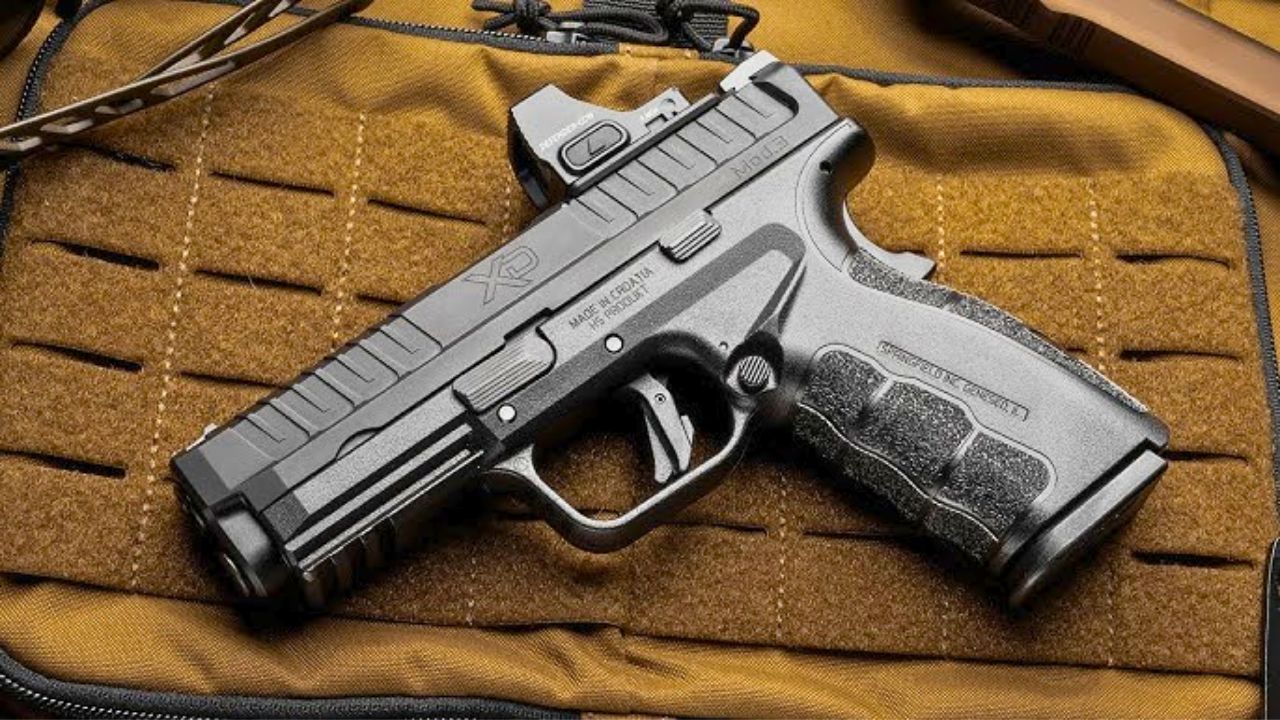
The original XD Service Model has aged better than many shooters expected. It got overshadowed by newer XD variants, the M&P line, Glock generations, SIG striker guns, and countless other polymer pistols. The grip safety also made some people dismiss it immediately.
Still, plenty of owners trust the old XD because it works for them. The grip angle feels natural to many shooters, recoil is manageable, and the pistol has enough size to shoot comfortably. It may not have the best trigger or the deepest aftermarket support, but it has a steady, practical feel. Sometimes the plain earlier version ages better than the constant updates that follow.
SIG Sauer P239
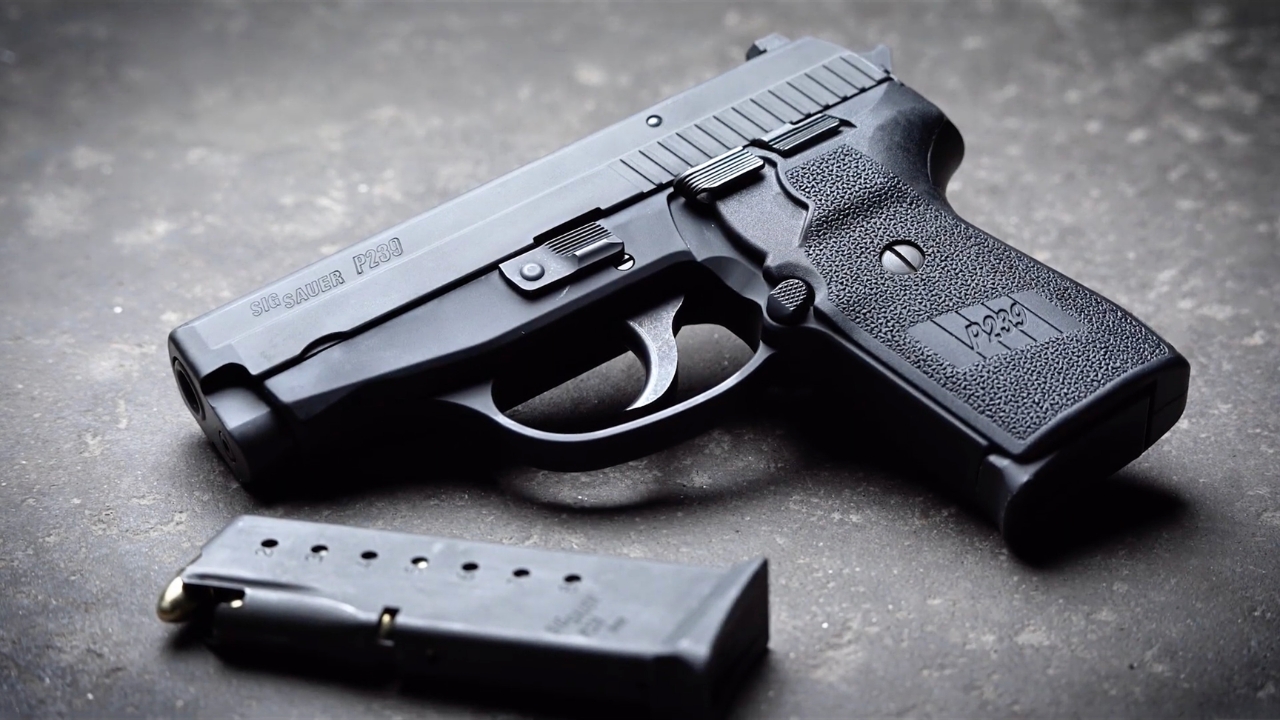
The SIG P239 looked doomed once higher-capacity micro-compacts took over. It’s heavier than many smaller guns and holds fewer rounds. That makes it look inefficient if the only things measured are weight and capacity.
But the P239 aged well because it shoots like a real pistol. It’s slim, steady, accurate, and comfortable in a way many tiny guns aren’t. The DA/SA trigger takes practice, but owners who learn it often trust it deeply. Modern replacements may carry more rounds, but they don’t always give the same confidence on the range. The P239 proves a carry gun can age well by being easy to shoot, not just easy to hide.
Smith & Wesson Model 60

The Smith & Wesson Model 60 aged better than a lot of tiny semi-autos and ultralight revolvers because it has enough weight to be usable. A small stainless J-frame may look old-fashioned now, but the all-steel construction helps make .38 Special practice far more comfortable than many featherweight snubs.
It still takes skill. Small revolvers always do. But the Model 60 gives shooters simplicity, durability, and enough control to make practice realistic. In .357 Magnum versions, the gun offers more power than most people want to shoot often, but with sensible loads it remains useful. It aged well because it favors shootability over extreme lightness.
Ruger Mark IV
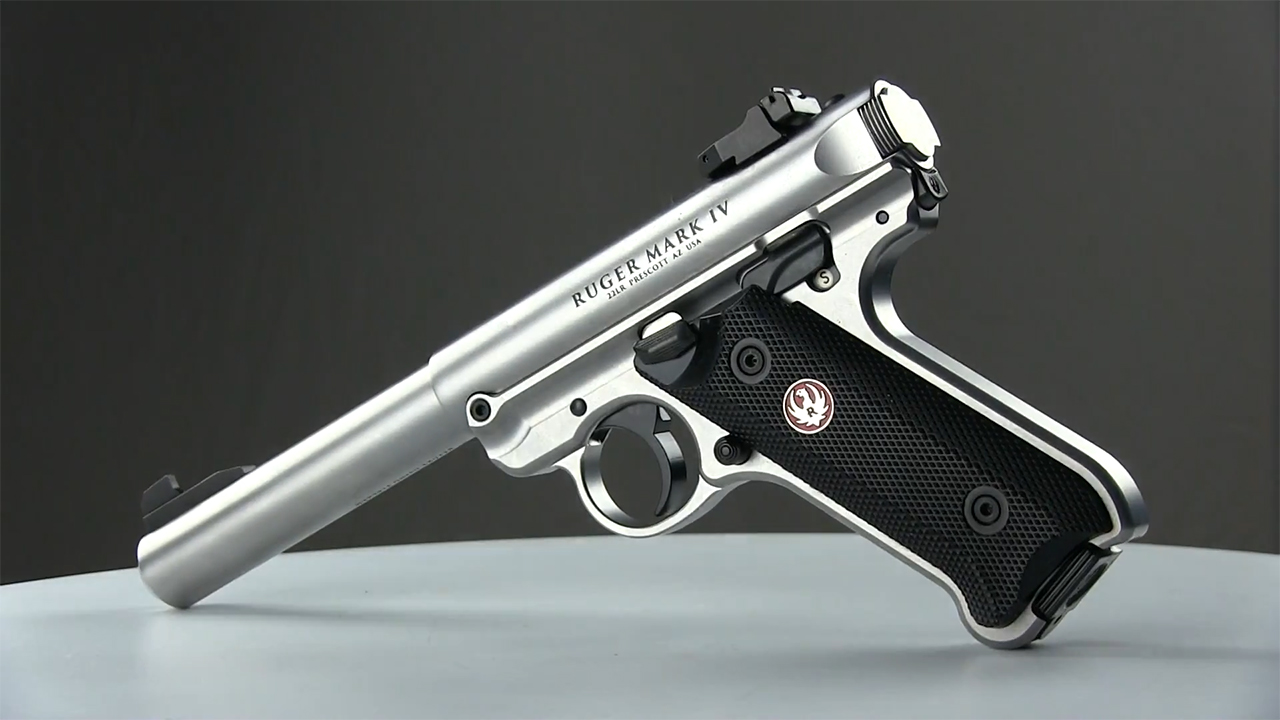
The Ruger Mark IV aged better than many newer rimfire pistols because it fixed the one complaint that haunted older Ruger Mark-series guns: takedown. Once Ruger made cleaning easier, the whole platform became even harder to argue against. It kept the accuracy and shootability while removing much of the maintenance frustration.
A good .22 pistol has a long shelf life because cheap practice never stops being useful. The Mark IV is accurate, comfortable, and available in enough versions to fit casual shooters, hunters, suppressor owners, and serious range users. Plenty of modern rimfires look cooler or cost less. The Mark IV keeps winning because it makes practice easy, productive, and enjoyable.
Like The Avid Outdoorsman’s content? Subscribe to our newsletter so you never miss an article.
Here’s more from us: