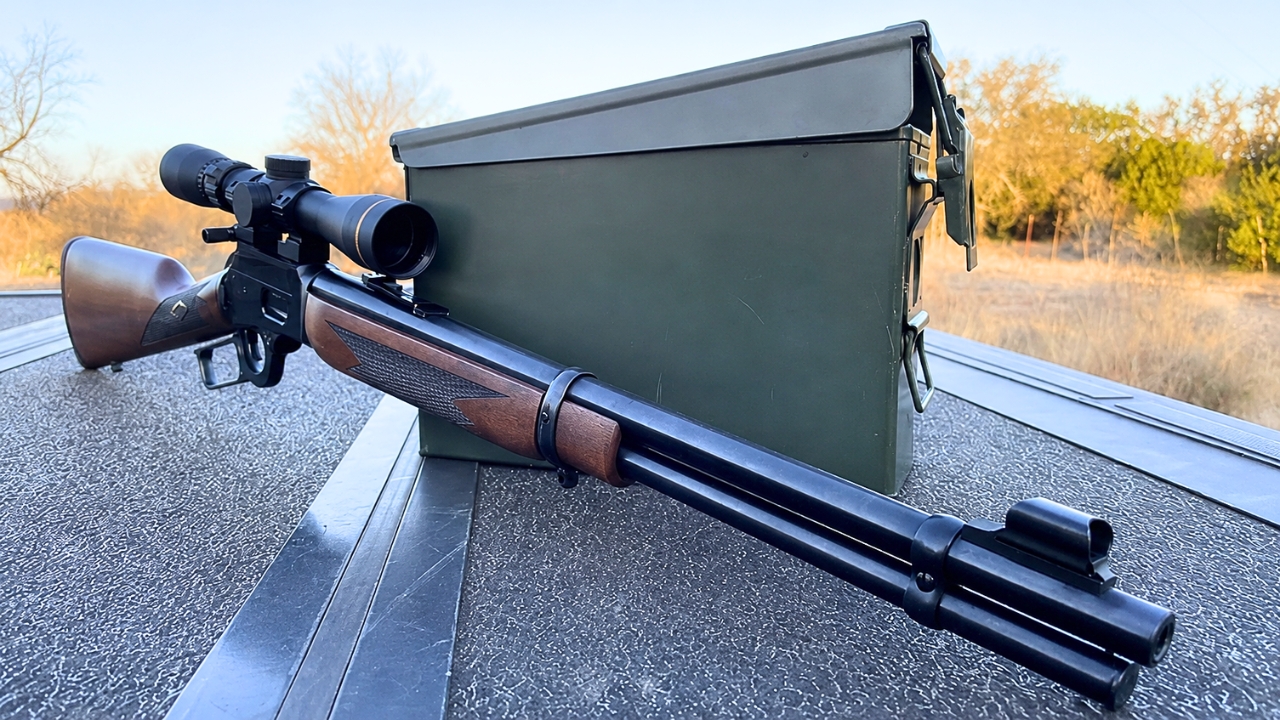
Photo credit: Tex Mex/YouTube
Some guns were never bought to be safe queens. They were carried, hunted with, shot at the range, tossed in truck racks, and treated like normal tools. Then time did what time does. Production ended, prices climbed, parts got harder to find, and owners started realizing they had something they did not want to replace.
That is how a regular gun slowly becomes the one that stays in the safe. Not because it is too fragile to shoot, but because selling it feels like a mistake before the thought even finishes. These are the firearms owners tend to hang onto once they understand what they have.
Smith & Wesson Model 13
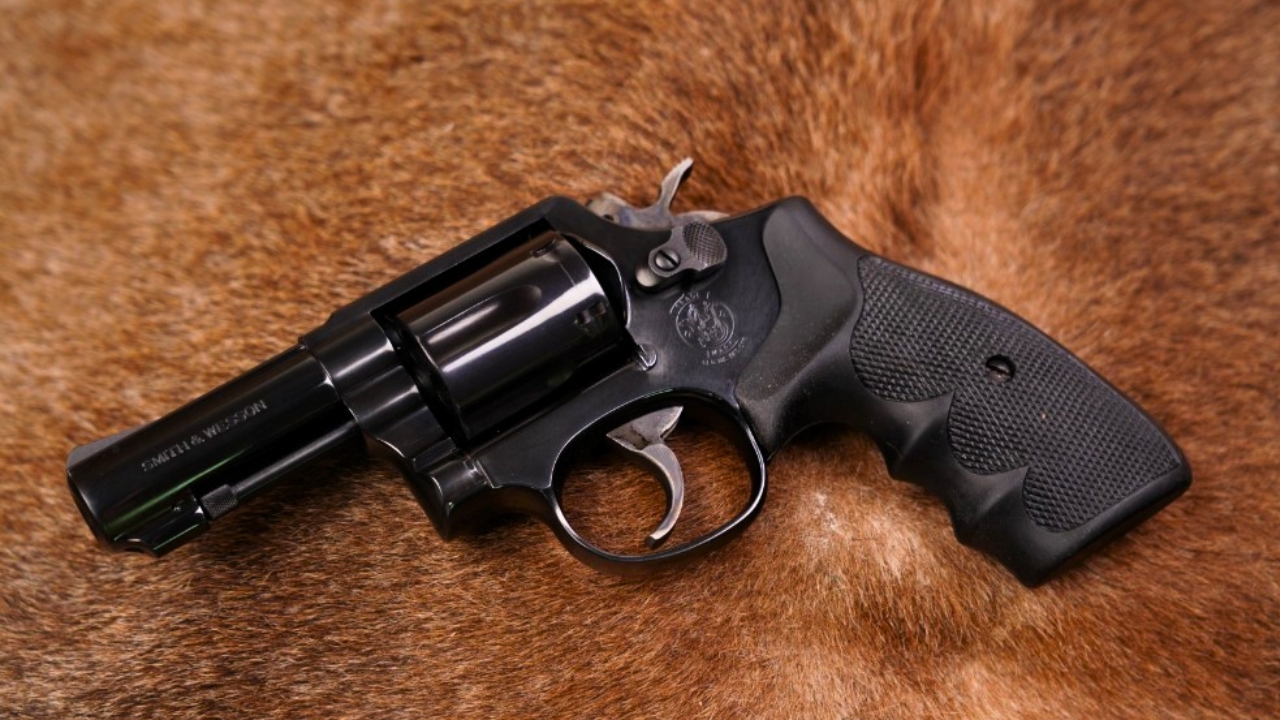
The Smith & Wesson Model 13 was built as a working revolver, not a collector piece. Fixed sights, .357 Magnum chambering, and K-frame handling made it a practical sidearm for people who wanted simple strength without extra shine. For years, it was just a solid service revolver.
Now it feels harder to replace. A clean Model 13 has the old Smith balance, a smooth action, and the kind of plain usefulness that modern revolvers do not always capture. Owners may not shoot them every weekend anymore, but they do not want to sell them either. A no-frills .357 with real character has become a keeper.
Ruger Security-Six
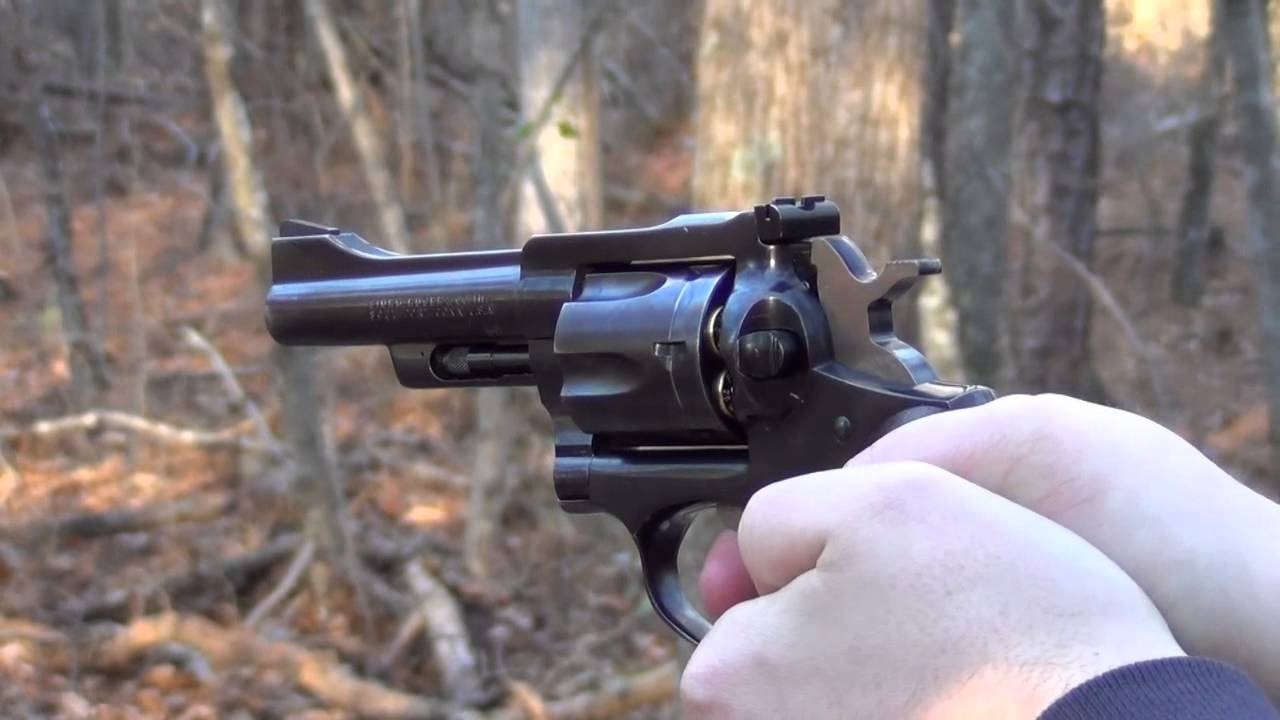
The Ruger Security-Six used to sit in that practical space between duty gun and field revolver. It was strong, affordable, and not as polished as a Smith, which made some shooters overlook it. That rougher working-gun feel was part of the appeal.
Today, owners know better than to let one go too easily. The Security-Six is lighter and handier than later Ruger double-actions, but still tough enough to trust. It feels like a revolver Ruger got right before everything got bigger and heavier. Clean examples are not everywhere anymore, and that makes owners hold on tighter.
Remington Model 700 Mountain Rifle
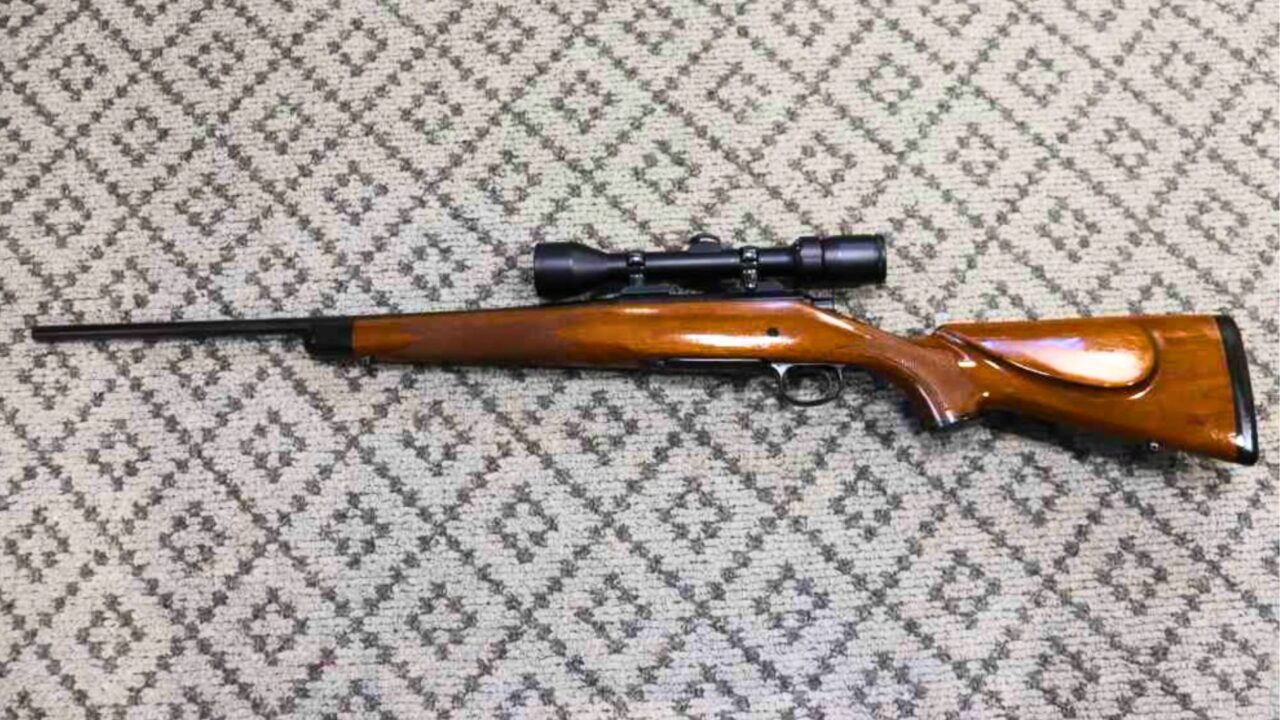
The Remington Model 700 Mountain Rifle has become one of those rifles hunters wish they had bought when they were easier to find. It was light, handsome, and built around a practical hunting idea before every company started chasing ultralight mountain-rifle marketing.
Owners who have a good one tend to keep it. The slim stock, light barrel, and classic handling make it feel like a rifle built for carrying, not just shooting off a bench. It may not be the best choice for long strings at the range, but in the deer woods or high country, it still makes perfect sense. That is why it stays.
Browning Hi-Power

The Browning Hi-Power went from respected classic to “I should have bought one sooner” almost overnight for a lot of shooters. Once production ended and prices climbed, owners became a lot less casual about selling them. A good Hi-Power is not just another old 9mm.
The grip shape, balance, and history all matter. It may not have modern optics cuts, striker-fired simplicity, or current carry-gun capacity, but it still feels right in the hand. Owners may shoot newer pistols more often, but the Hi-Power is the one they hesitate to move. Some guns earn that kind of loyalty quietly.
Marlin 1894C
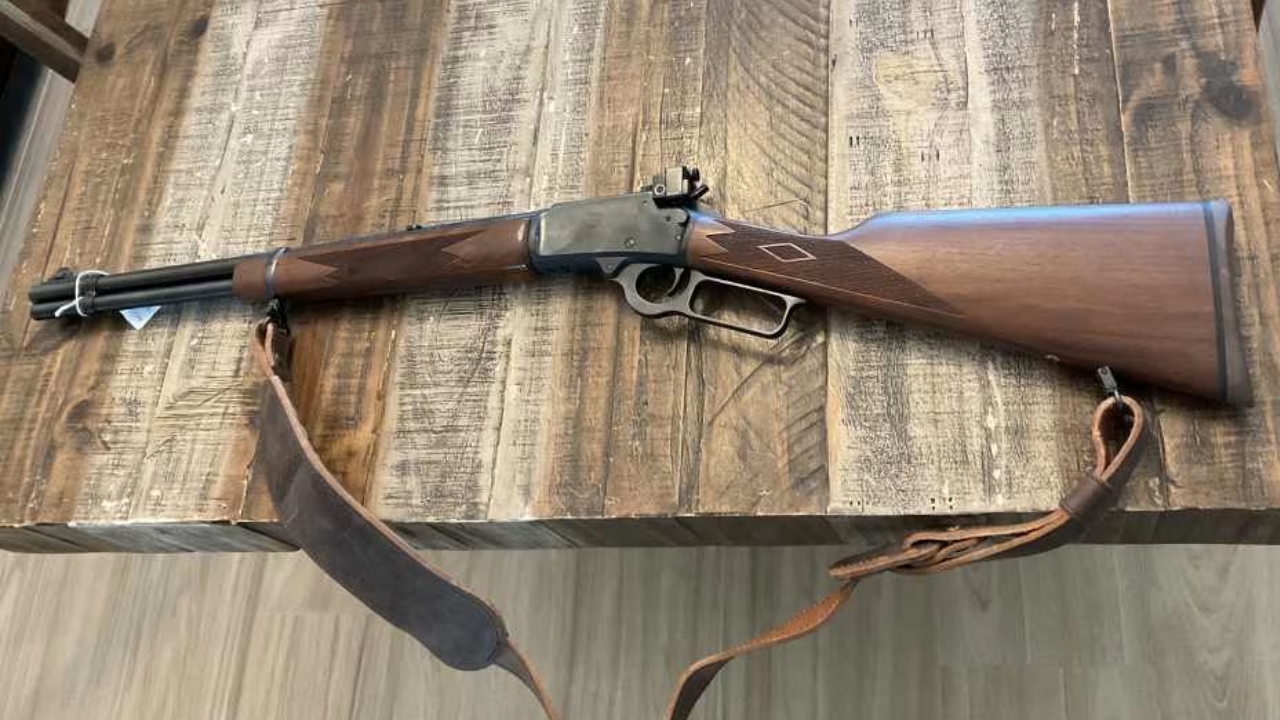
The Marlin 1894C in .357 Magnum used to be a practical little lever gun that people bought for fun, small game, home use, or pairing with a revolver. It was handy, useful, and not always treated like anything rare. That changed once lever guns got hot and older Marlins started climbing.
Now owners know they would have to pay real money to replace one. A .357 lever gun is cheap to shoot compared with bigger lever cartridges, easy to carry, and surprisingly useful inside normal woods distances. It is the kind of rifle that seems simple until everyone else wants one too.
Colt Detective Special
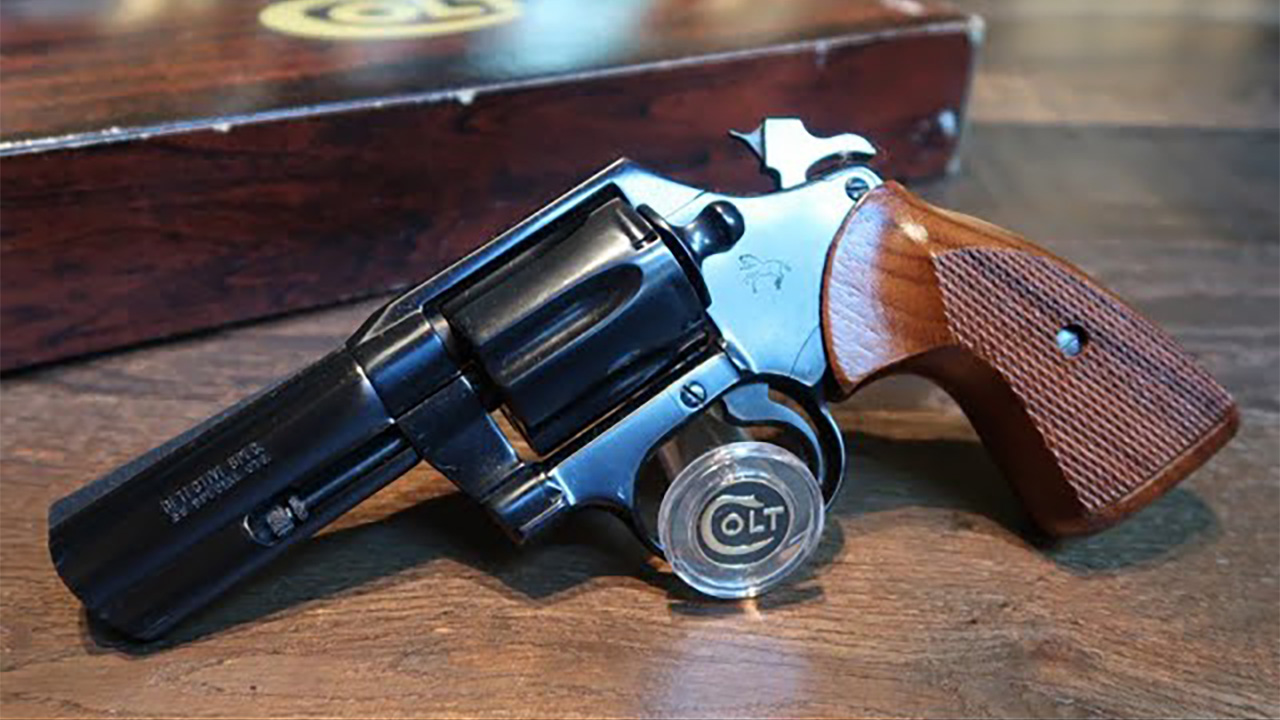
The Colt Detective Special was once a common carry revolver, but clean examples have become much harder to casually replace. The six-shot snubnose layout, Colt action, and old-school carry profile give it a charm that newer small revolvers rarely match.
Owners may not carry them daily anymore, especially with modern micro 9mms everywhere, but selling one feels wrong. The Detective Special sits in that perfect space where it is useful, historic, and beautiful without being too delicate. Every time revolver prices climb again, owners feel a little smarter for keeping theirs.
Winchester Model 70 Featherweight
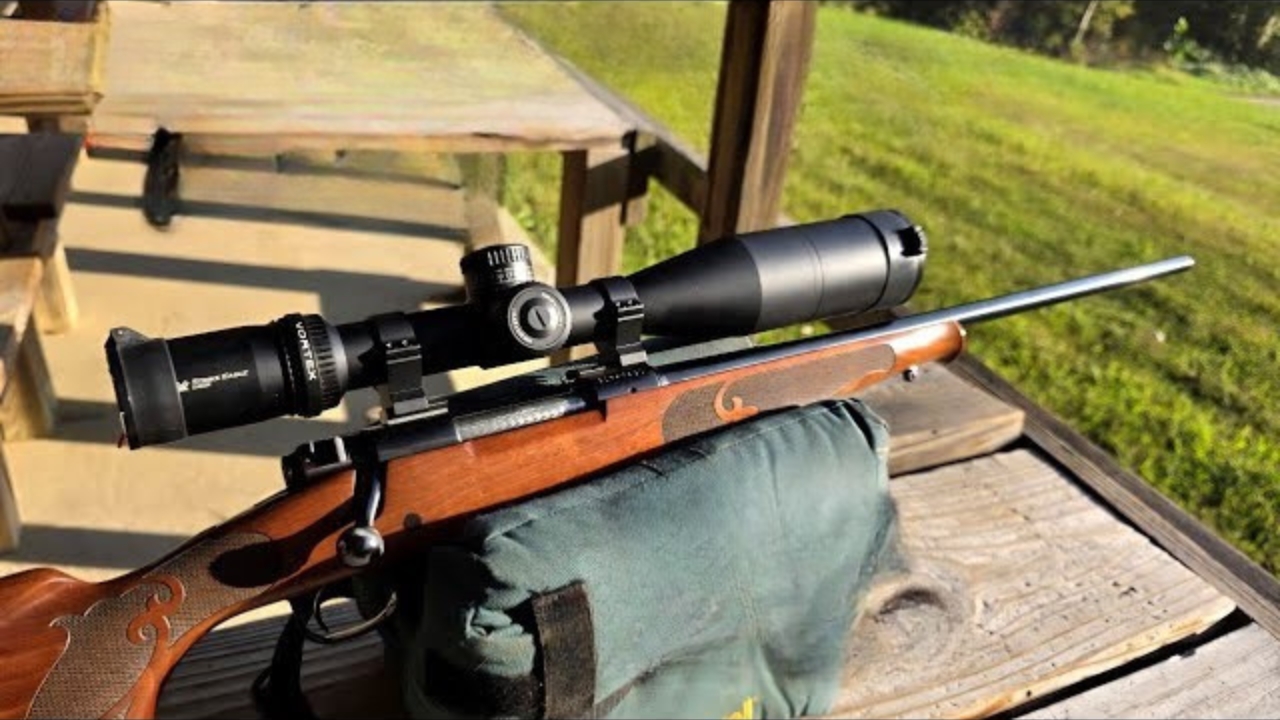
The Winchester Model 70 Featherweight has always had the kind of name that makes hunters pay attention. It is lighter than the standard sporter, carries well, and still feels like a real rifle instead of a hollow plastic tool. That combination has aged well.
A good Featherweight is the sort of rifle that becomes personal. It may have honest hunting marks, old scope bases, or a favorite deer-season story attached to it. Owners know newer rifles may shoot tighter groups for less money, but they do not always carry with the same grace. That is why the Featherweight often stays in the safe long after other rifles get traded.
Beretta 84 Cheetah

The Beretta 84 Cheetah has become one of those pistols people appreciate more now than when they were easier to find. It is a double-stack .380 with beautiful lines, soft shooting manners, and a level of fit that makes many modern pocket pistols feel cheap.
Owners who have one usually understand the appeal after the first range trip. It is not the smallest .380, and it is not trying to be. It feels like a real pistol chambered in a mild cartridge, which makes it pleasant and easy to shoot. That combination is harder to find now, so owners tend to keep them.
Savage 99
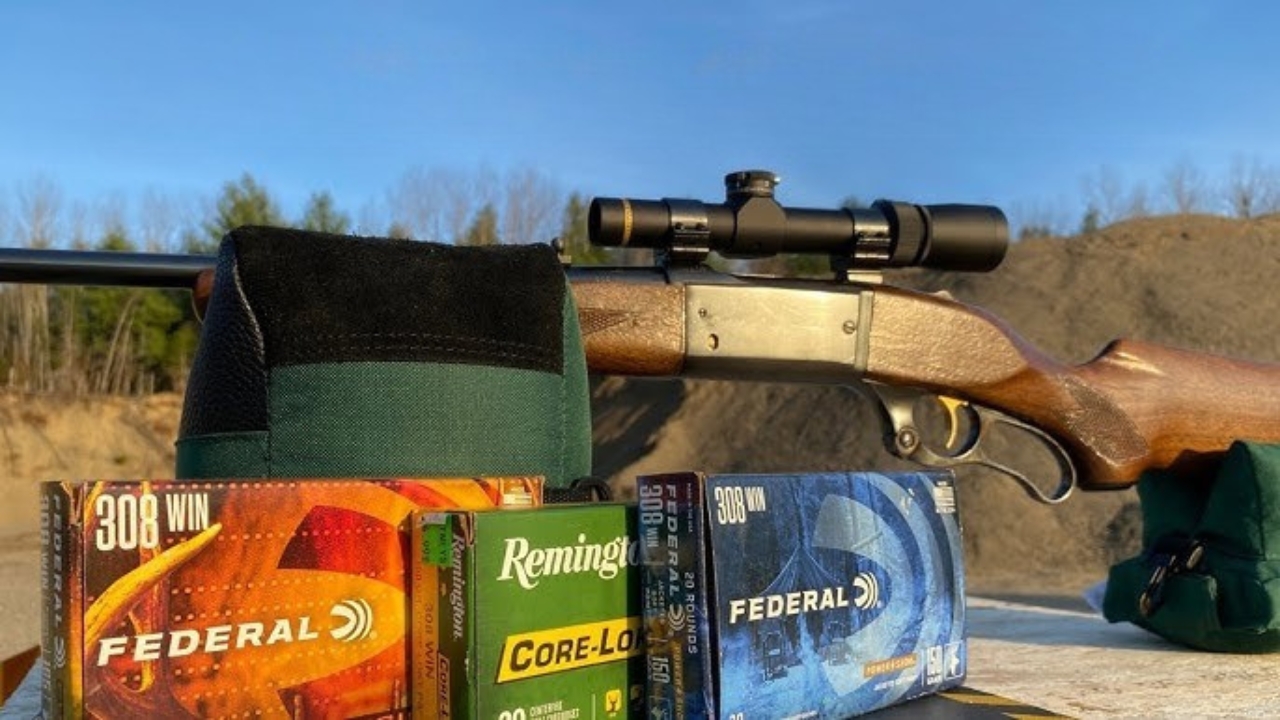
The Savage 99 has moved from old hunting rifle to serious “do not sell it” territory for a lot of owners. It was clever decades before modern hunters rediscovered how useful it was. A lever gun with pointed-bullet capability, clean handling, and classic chamberings still makes sense.
Good examples are not getting easier to find. Owners know that once a 99 leaves the safe, replacing it in the same condition and chambering may be painful. It is not just nostalgia, either. The rifle still hunts. It carries well, points naturally, and feels like a design that solved problems without making a fuss.
Colt Series 70 Government Model

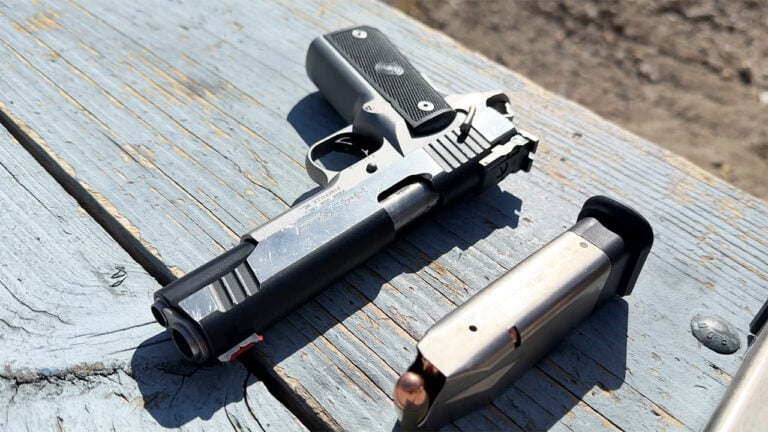
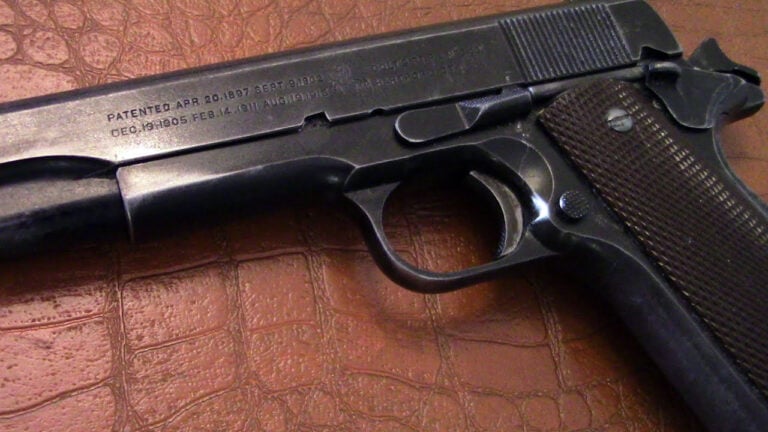
The Colt Series 70 Government Model has become a classic 1911 owners often regret selling. It has the Colt rollmark, old-school feel, and enough simplicity to appeal to shooters who like their 1911s without extra modern complications. It feels like the kind of pistol that belongs in a safe.
That does not mean it is only for looking at. A good Series 70 still shoots well, carries history, and gives owners that clean 1911 trigger everyone keeps trying to copy. But prices and condition matter more now. Once someone has a clean example, selling it usually feels like trading away something that will only get harder to find.
Remington 1100
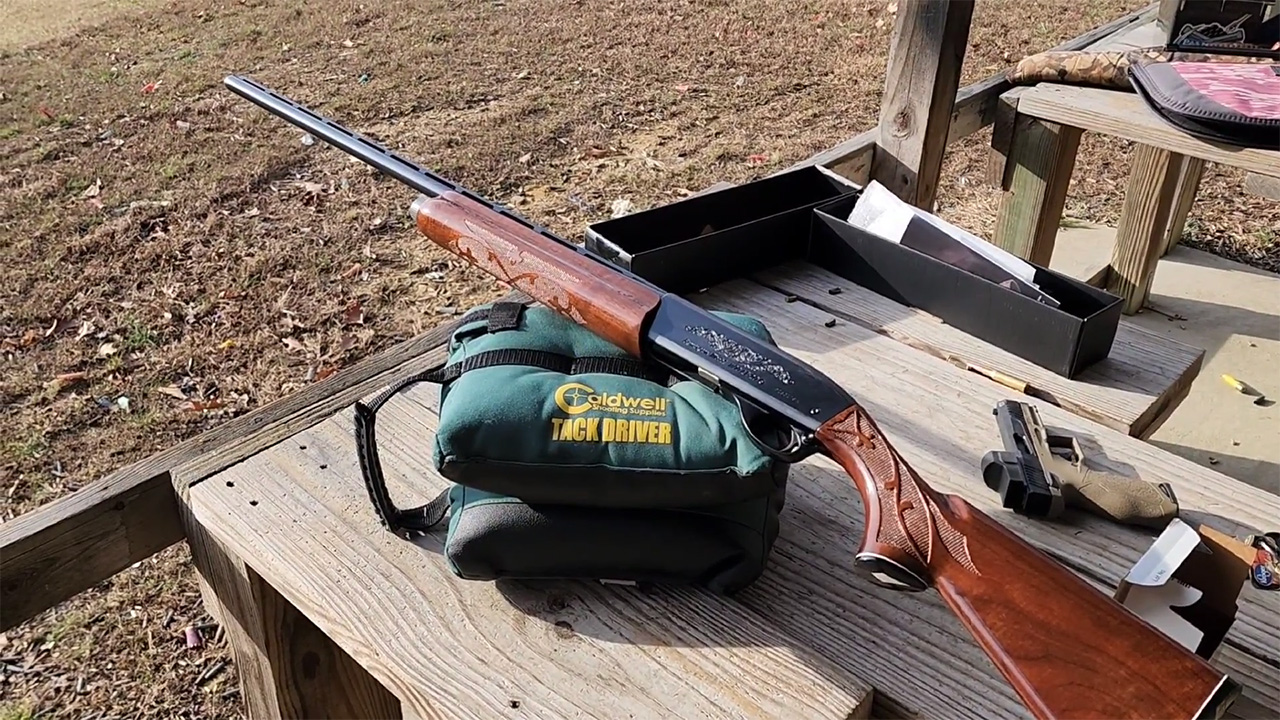
The Remington 1100 was once everywhere. Bird hunters, clay shooters, and deer hunters all used them, and for a long time they were just dependable semi-auto shotguns with good manners. Plenty of families had one leaning in a closet or riding in a case.
Now clean older 1100s have become harder to ignore. They are soft-shooting, good-looking, and smoother than a lot of modern budget semi-autos. Owners may buy newer shotguns with better coatings and easier maintenance, but they still hang onto the 1100. It feels like a shotgun from a time when ordinary production guns had more polish.
Ruger M77 RSI International
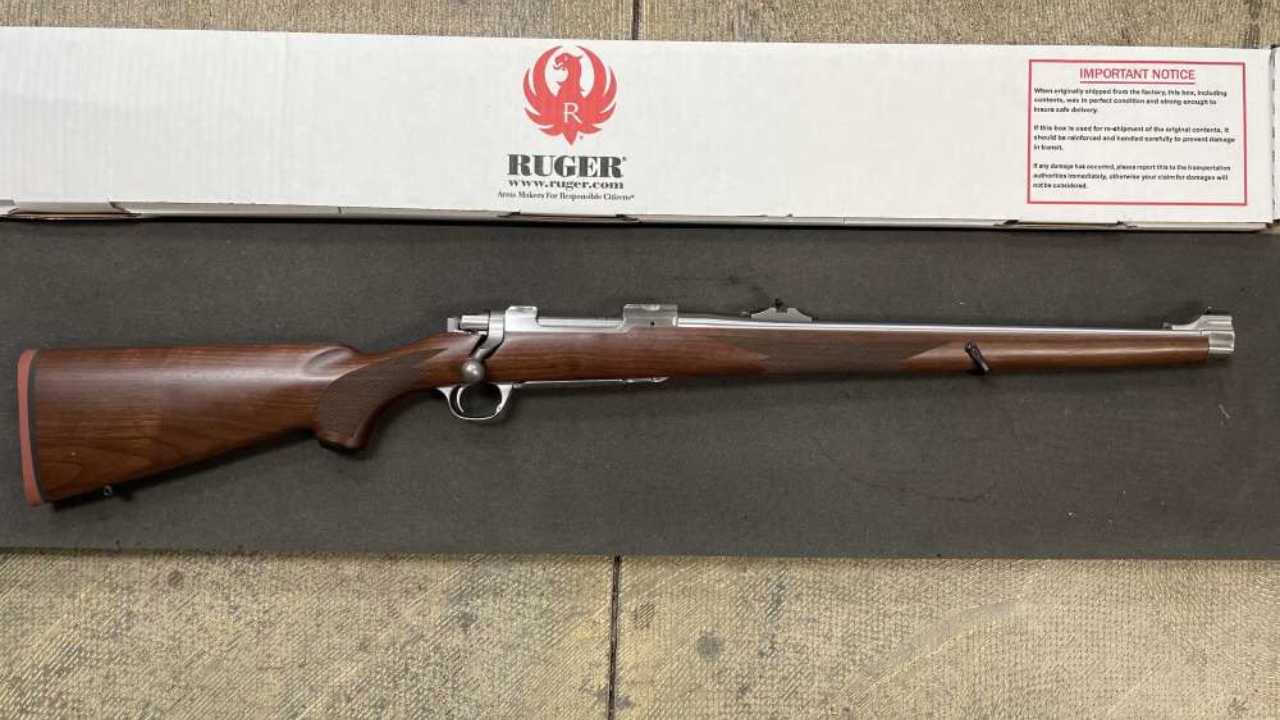
The Ruger M77 RSI International is one of those rifles that quietly became harder to replace. The full-length Mannlicher-style stock gives it a look that stands apart from ordinary bolt guns, and the compact handling makes it feel different in the woods.
It is not the rifle every hunter needs, but that is exactly why owners keep them. They have personality. A clean RSI in a useful chambering is not something you see every day anymore, and selling one usually means accepting that you may never stumble into another at a sane price. Some rifles are kept because they make the safe more interesting.
Smith & Wesson Model 39

The Smith & Wesson Model 39 has become more appreciated as shooters look back at early American 9mm autos. It is slim, classy, and historically important without feeling like a museum-only pistol. For years, it sat behind flashier 1911s and higher-capacity pistols.
Now owners recognize how special a clean Model 39 can be. The alloy frame, single-stack grip, and old Smith machining give it a feel that modern pistols do not really duplicate. It may not beat newer handguns on capacity or optics support, but it wins on character. That is enough to keep many owners from letting one go.
Marlin 39A
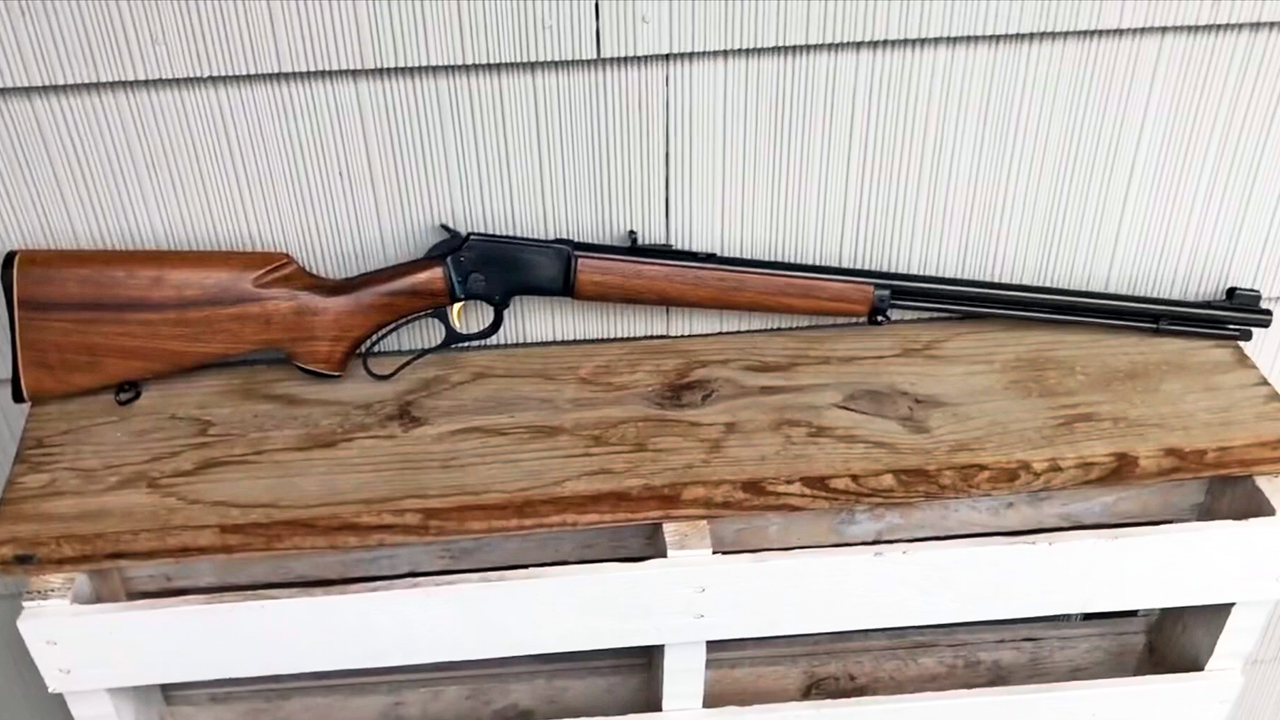
The Marlin 39A is one of the easiest rifles to regret selling. It is a .22 lever gun that feels like it was built to last through several generations of shooters. Smooth action, real steel and walnut, and excellent field accuracy made it more than just a plinker.
Owners know newer rimfires can be cheaper, lighter, and easier to scope, but the 39A has a different kind of value. It is fun, useful, and beautifully old-fashioned without being impractical. Once people realized quality .22 lever guns were not something every company was still making, the 39A became a safe queen that still deserves range time.
SIG Sauer P228

The SIG P228 has become a pistol owners hate to part with. It is compact without feeling tiny, balanced without feeling heavy, and built with the kind of classic SIG quality that shooters still talk about. For many, it hits the sweet spot better than the larger P226 or newer polymer options.
Modern carry pistols hold their own, but the P228 has a feel that is hard to replace. The DA/SA trigger, metal frame, and smooth recoil behavior make it easy to shoot well. Clean German-made examples especially have become the kind of pistol owners keep tucked away. They may carry something newer, but they miss nothing about owning the P228.
Like The Avid Outdoorsman’s content? Subscribe to our newsletter so you never miss an article.
Here’s more from us: