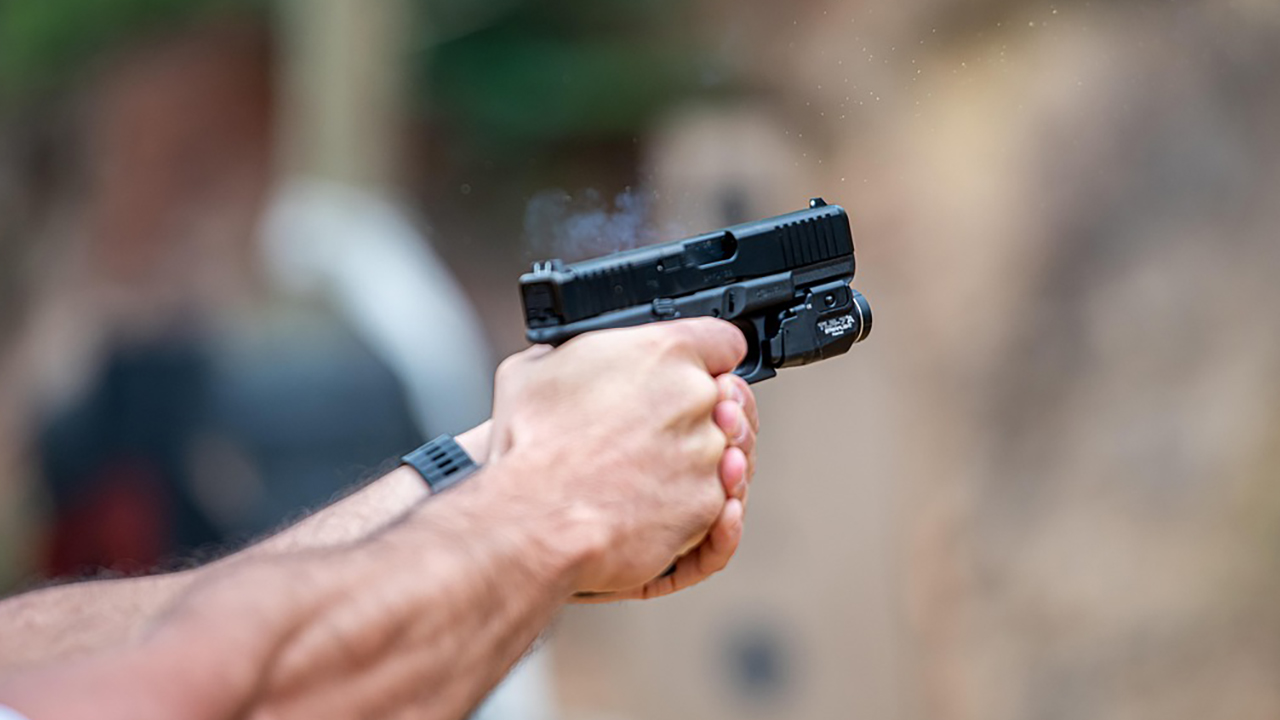
Photo credit: paulsaa/Pixabay.com
The first mistake was the squib.
The second mistake was trying to shoot it out.
That is the part that turns a bad range moment into a real gun-damage story. A squib is already serious. The bullet gets stuck in the barrel because the round did not have enough power to push it all the way out. That alone is enough to stop everything, unload the gun, and fix the problem slowly.
But in this case, someone thought the fix was another trigger pull.
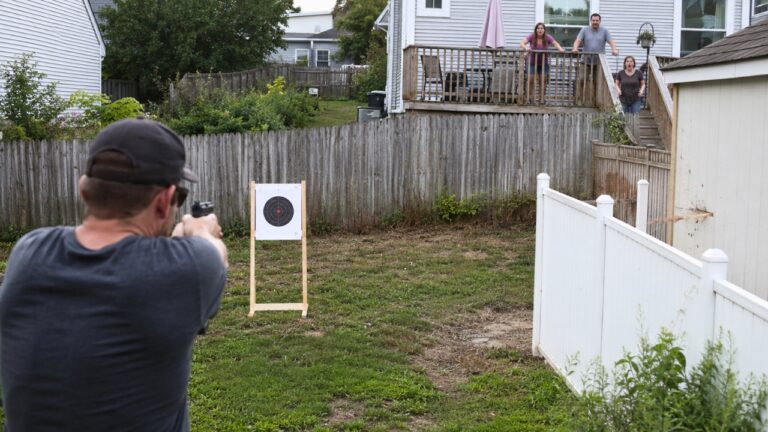
In a Reddit thread, gun owners were talking about bizarre malfunctions when one story brought up a squib that got handled about as badly as possible. The shooter’s dad tried to fire another round behind it, apparently thinking that would push the stuck bullet out.
Instead, it bulged the barrel.
That is exactly what gun people warn about when they talk about squibs. A blocked barrel is not a clogged straw you can clear with pressure and hope. It is a dangerous obstruction. When a live round is fired behind a stuck bullet, the pressure has nowhere normal to go. If the shooter gets lucky, the barrel bulges and the gun survives enough to be repaired. If he gets unlucky, the barrel can split, the gun can come apart, and someone can get hurt.
A bulged barrel is the “you got warned without bleeding” outcome.
It is still bad. The pistol is no longer something you just keep shooting. A barrel with a bulge has been stressed in a way it was never meant to be. Accuracy can be ruined. Structural safety is questionable. The gun needs to go to a gunsmith or manufacturer, and the barrel may need to be replaced.
But compared with shrapnel, damaged hands, or an eye injury, a repair bill is mercy.
The mistake probably started with a sound or feel that was off. Squibs often do. The shot may sound weak, soft, muffled, or strange. The recoil may be much lighter than normal. The gun may fail to cycle. Smoke may look odd. Sometimes the shooter only realizes something is wrong because the target does not show a new hit.
That is the moment where everything should stop.
Not a pause. Not a shrug. Not “try another one.”
Stop.
Unload the gun. Keep it pointed safely. Check the bore. Use a rod to confirm whether the barrel is clear. If a bullet is lodged, push it out properly or get help. No live round should be used as a tool.
That sounds obvious when you are reading it calmly. At the range, people can do dumb things because they are embarrassed, confused, or trying to avoid holding up the lane. Nobody wants to look like the person who does not know what is happening with his own gun. Nobody wants to ask for help. Nobody wants to stop the fun while everyone else is shooting.
That pride can get expensive fast.
The dad may have thought he was being practical. Maybe he had heard some old bad advice. Maybe he assumed the next round would push the first bullet out like clearing a jam. Maybe he did not fully understand what pressure does when the bore is blocked. Whatever the reason, the result was the same: the barrel paid for it.
Stories like this are useful because they make the invisible danger visible. A squib by itself can be hard to respect if you have never seen the aftermath. It is just a weird little pop and a stuck bullet. A bulged barrel is different. You can see it. You can feel it. It is physical proof that the pressure had nowhere to go and the metal started losing the argument.
That image tends to stay with people.
It also shows why every shooter should know how to recognize a squib before they ever experience one. If you shoot enough, especially with reloads, old ammo, questionable ammo, or high-volume range sessions, weird things can happen. You do not have to be paranoid, but you do have to be awake. Every shot should sound and feel more or less normal. If it does not, the gun gets checked.
That matters even more when new shooters are involved. Someone inexperienced may not recognize a weak report. They may look confused and keep going. They may assume the gun jammed. They may try to rack in another round. If you are shooting with someone newer, you need to watch and listen, because they might not know what a squib feels like until it is too late.
The scary thing is that a squib does not always make a huge announcement. It may not be dramatic. It may happen during a string of fire. And if the gun cycles enough to chamber another round, a distracted shooter can destroy a barrel before anyone reacts.
That is why the rule has to be simple enough to survive confusion: if anything feels or sounds wrong, stop shooting.
The dad’s attempt to fix the problem with another round gave everyone else a better lesson than he probably wanted to teach. A stuck bullet is a gunsmith problem, a cleaning-rod problem, or a careful bench problem. It is not a live-fire problem.
One bad round caused the squib.
One bad decision caused the bulged barrel.
Commenters treated the story like a textbook example of what not to do with a squib.
Several people pointed out that firing another round behind a stuck bullet is exactly how guns get damaged or blown apart. A bulged barrel may be the lucky version of that mistake, because the pressure could have caused a much more violent failure.
Others focused on recognizing the warning signs. If a shot sounds weak, feels strange, produces odd recoil, or the gun behaves differently, stop immediately and check the bore. Do not assume it was just a light load and keep shooting.
A lot of commenters used the story to emphasize range discipline. It can feel embarrassing to pause and ask for help, but that embarrassment is nothing compared with ruining a gun or injuring yourself. Range officers, experienced shooters, or gunsmiths would rather help clear a squib than deal with the aftermath of someone firing into an obstruction.
Some also warned newer shooters not to take old “just shoot it out” advice seriously. A firearm barrel is not something to clear with another live round. Use the right tools or get someone qualified to handle it.
The main lesson was simple: a squib is a hard stop. The gun does not get another trigger pull until the barrel is confirmed clear.