Photo credit: 45 Alfa Charlie Papa/Youtube
Some guns are victims of their own success. They show up everywhere for years, so people assume they’ll always be easy to find. They sit in used racks, ride in hunting trucks, get traded casually, and sell for normal money because nobody feels much urgency. Common guns feel replaceable right up until they aren’t.
Then something changes. Production ends, older examples dry up, quality shifts, or a new generation decides those once-boring guns were actually better than people admitted. Suddenly, everyone wants the same models they used to walk past. These firearms seemed common until shooters wanted them back.
Remington 870 Wingmaster
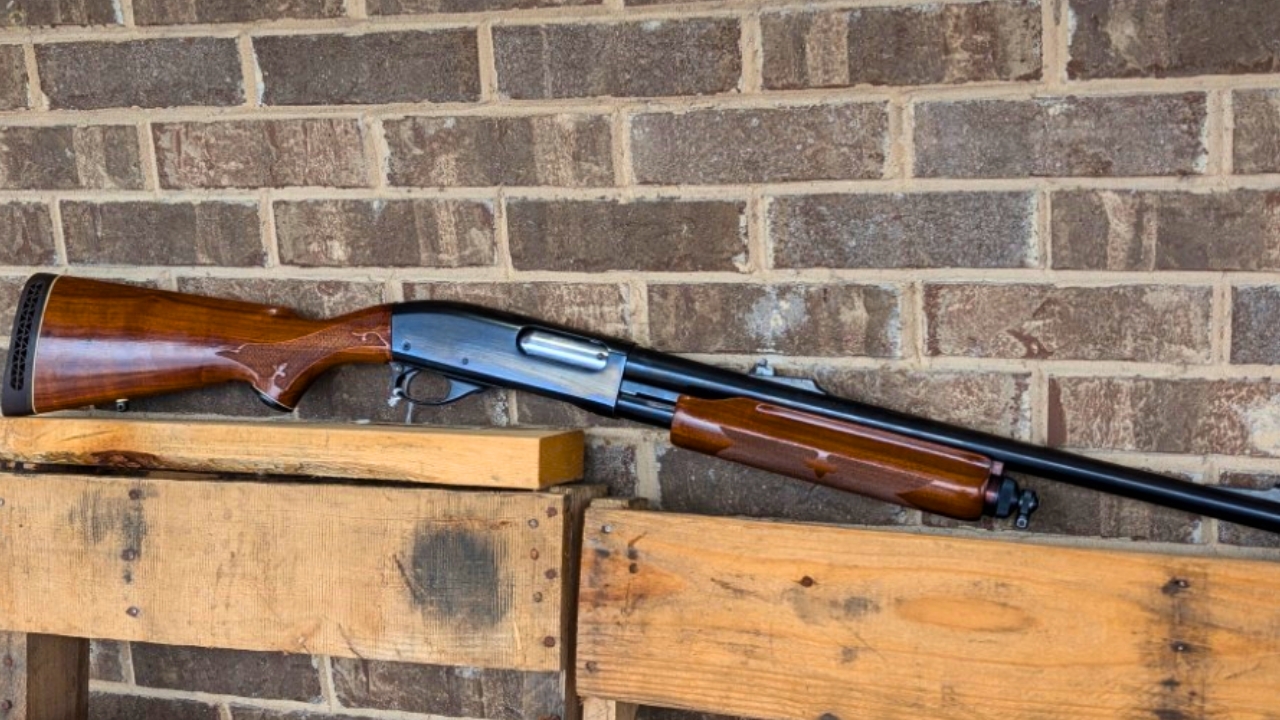
The Remington 870 Wingmaster used to feel like one of the most ordinary good shotguns in America. It was not rare, exotic, or hard to understand. It was just a slick pump shotgun with walnut, blued steel, and the kind of fit and finish that made it a step above the cheaper working models.
That normalness made people careless. Plenty of owners traded them toward semi-autos, cheaper pumps, or newer hunting setups because they assumed another Wingmaster would always be waiting. Now older Wingmasters get looked at differently. The smooth action, polished feel, and classic styling stand out against many modern budget shotguns. A good one still works for birds, clays, deer with the right barrel, and general shotgun use. The gun that once seemed common now looks like the pump many people wish they had never let go.
Marlin 336

The Marlin 336 seemed common because it was common. A .30-30 lever-action deer rifle was a normal sight in closets, cabins, pawn shops, and deer camps for generations. That availability made hunters treat it casually. If someone sold one, another would show up sooner or later.
Then older Marlins, especially JM-stamped rifles, started gaining more attention. Hunters realized that a handy lever gun in .30-30 Winchester or .35 Remington still fits real woods hunting beautifully. It carries flat, shoulders quickly, and works inside the distances where many deer are actually taken. Newer rifles may shoot farther, but they do not always feel better in timber. The 336 went from ordinary deer rifle to the one people started hunting for again.
Ruger 10/22
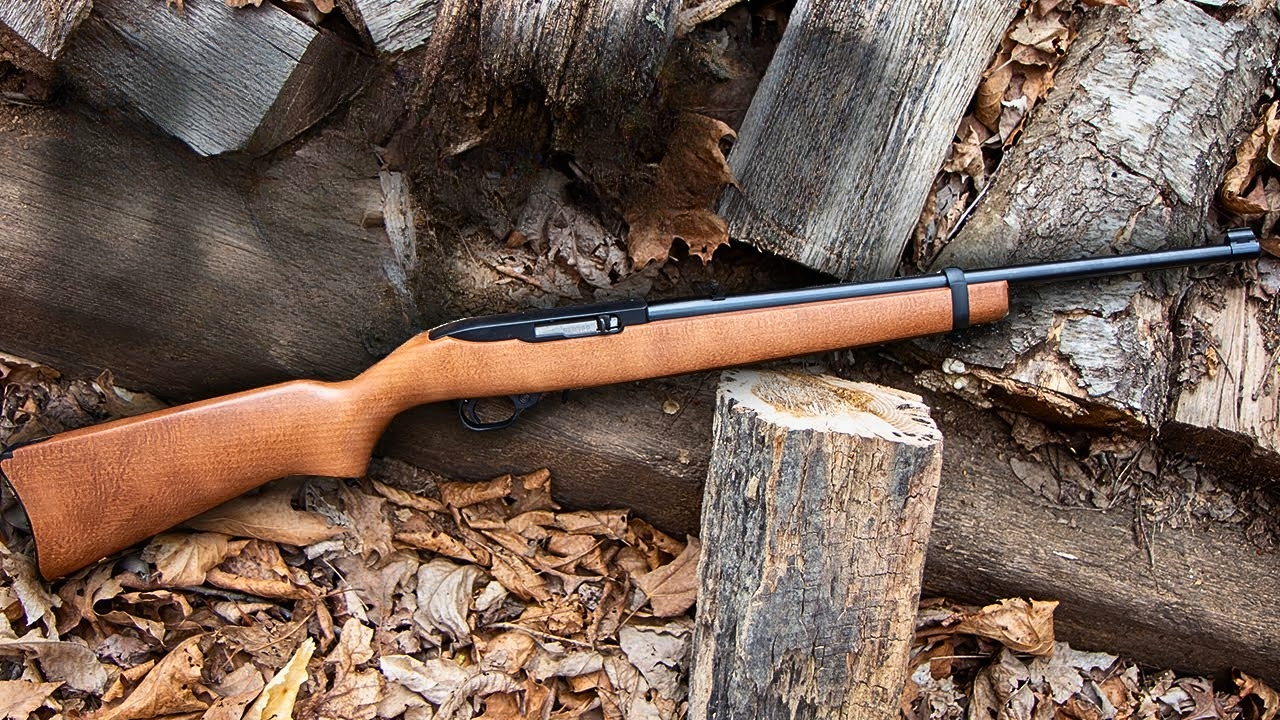
The Ruger 10/22 is so common that it almost disappears into the background. Many shooters have owned one, borrowed one, or learned on one. Because of that, people sometimes forget how smart the design is. A semi-auto .22 with endless support, reliable magazines, and nearly unlimited customization options is not something to take for granted.
Older 10/22s in good condition have become more appreciated, especially as shooters look back at metal parts, walnut stocks, and earlier production details. Even current ones remain popular because the platform is still so useful. It can be a plinker, trainer, small-game rifle, project gun, or precision rimfire base. The 10/22 seemed ordinary because it was everywhere. Everyone wanting one back is proof that common does not mean unimportant.
Smith & Wesson Model 10
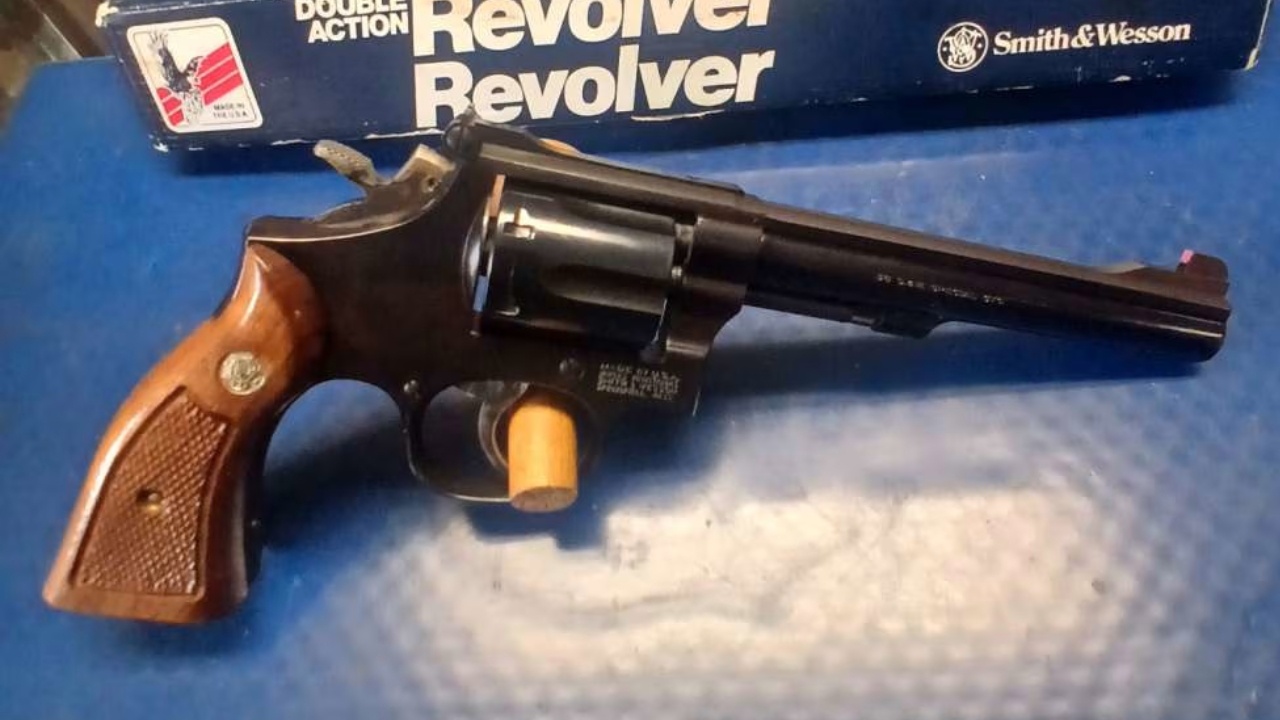
The Smith & Wesson Model 10 used to be everywhere in police holsters, nightstands, used cases, and surplus sales. A fixed-sight .38 Special revolver did not seem exciting once semi-autos took over. Plenty of people saw them as outdated duty guns from a slower era.
Now shooters appreciate them for exactly what they are. The Model 10 is simple, accurate, comfortable, and excellent for learning double-action trigger control. It may not have magnum power or modern capacity, but it has balance and shootability. Clean examples are not as dismissible as they once were, especially as older Smith & Wesson revolvers keep climbing in interest. The Model 10 seemed common until people remembered that a great basic revolver is not actually basic at all.
Winchester Model 94
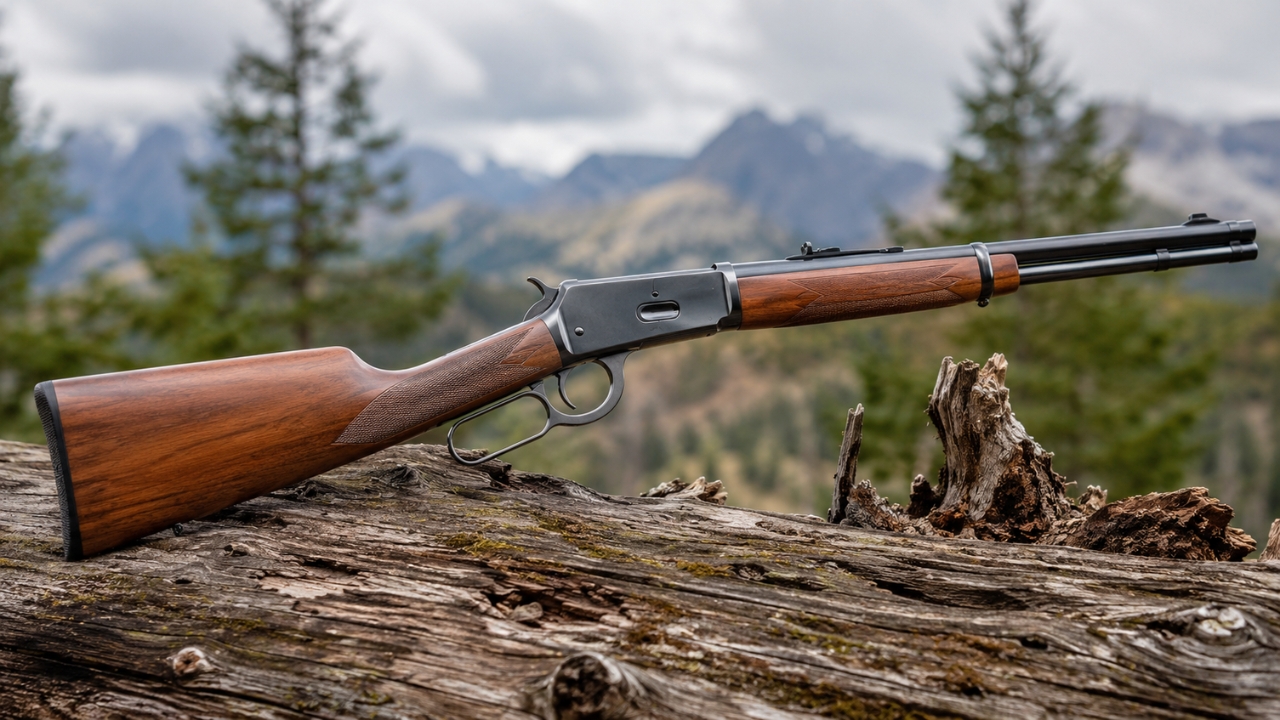
The Winchester Model 94 was another rifle that seemed almost too normal to appreciate. For generations, it was the .30-30 lever gun. It hung in cabins, rode through deer seasons, and filled the role of a handy woods rifle so well that people stopped noticing.
When prices climbed and older examples became more desirable, that attitude changed. A good Model 94 is light, slim, fast to shoulder, and perfect for the kind of close- to moderate-range hunting it was built for. It is not a modern long-range rifle, and it never needed to be. The appeal is in the handling. Hunters who once dismissed them as common old deer rifles now search for clean pre-1964 models, Trappers, and other desirable versions with a lot more urgency than they used to.
Browning Buck Mark
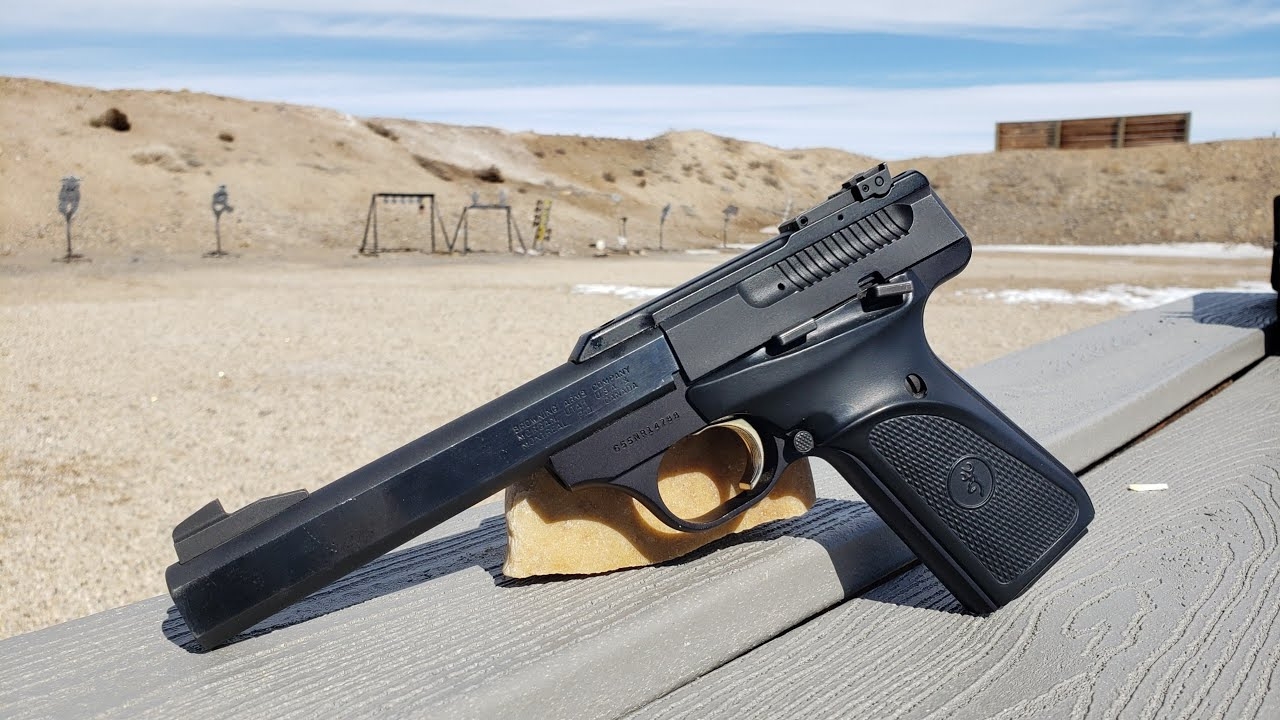
The Browning Buck Mark never felt rare because it was always easy enough to find beside other rimfire pistols. Some shooters passed over it for the Ruger Mark series, tactical-style .22s, or cheaper plinkers. It looked like a good .22 pistol, but not necessarily one people would later chase.
Then owners started realizing how much they used them. The Buck Mark has a comfortable grip, good trigger, strong practical accuracy, and enough model variety to fit casual plinking, small-game use where legal, and serious practice. It is not a disposable rimfire. It is the kind of pistol that keeps coming to the range because shooting it is easy and rewarding. The Buck Mark seemed common until people noticed how many owners quietly refused to sell theirs.
Remington 700 ADL

The Remington 700 ADL was once treated like the plain version of a familiar rifle. It did not have the hinged floorplate of the BDL, and many examples were basic hunting rifles that did their job without much style. Because there were so many Model 700s around, the ADL could feel replaceable.
That view changed as older 700 actions became more appreciated and shooters started looking for good donor rifles, classic hunting rifles, and clean examples from desirable production periods. The ADL may be simple, but the 700 action has enormous support and a long hunting record. A rifle that once looked like a basic deer gun now has value as both a shooter and a foundation for future builds. People wanted them back because plain Model 700s turned out to be more useful than flashy rifles that came and went.
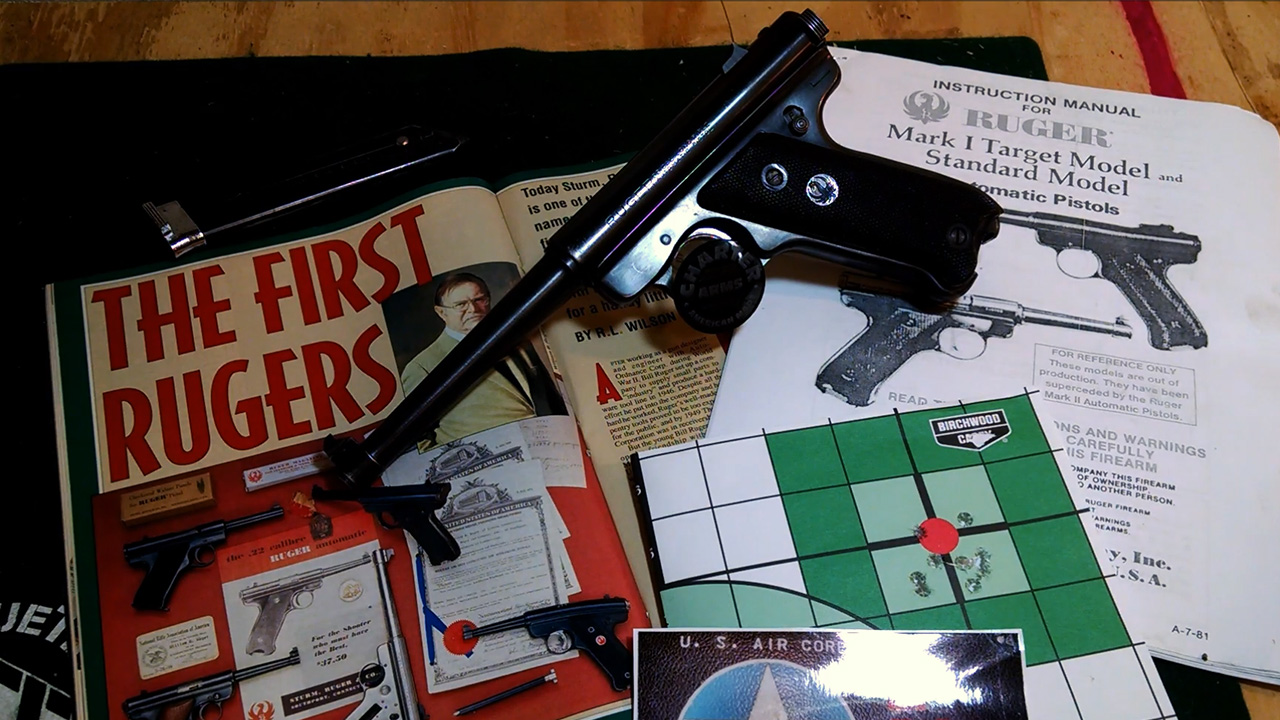
Ruger Standard Pistol
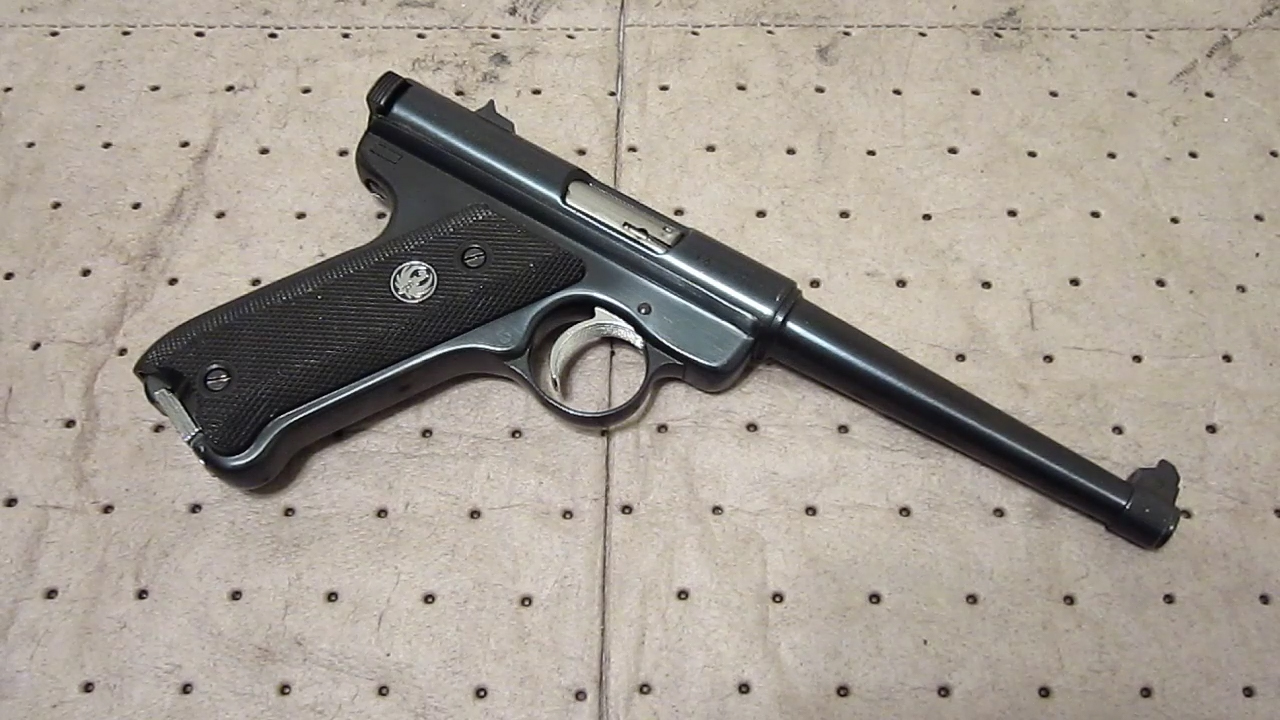
The original Ruger Standard pistol seemed common because it helped build Ruger’s entire reputation. For years, it was simply the affordable .22 pistol many people owned, shot, and tossed into range bags. It did not always get treated like a classic because it was too familiar.
Now early Ruger pistols have real nostalgic and collector appeal. They are simple, accurate, and historically important as the gun that put Ruger on the map. Later Mark-series pistols improved features and maintenance, especially with the Mark IV, but the original Standard still has charm. It feels like a piece of American rimfire history. People who ignored them when they were cheap now understand that common guns can become classics once enough time passes.
Mossberg 500
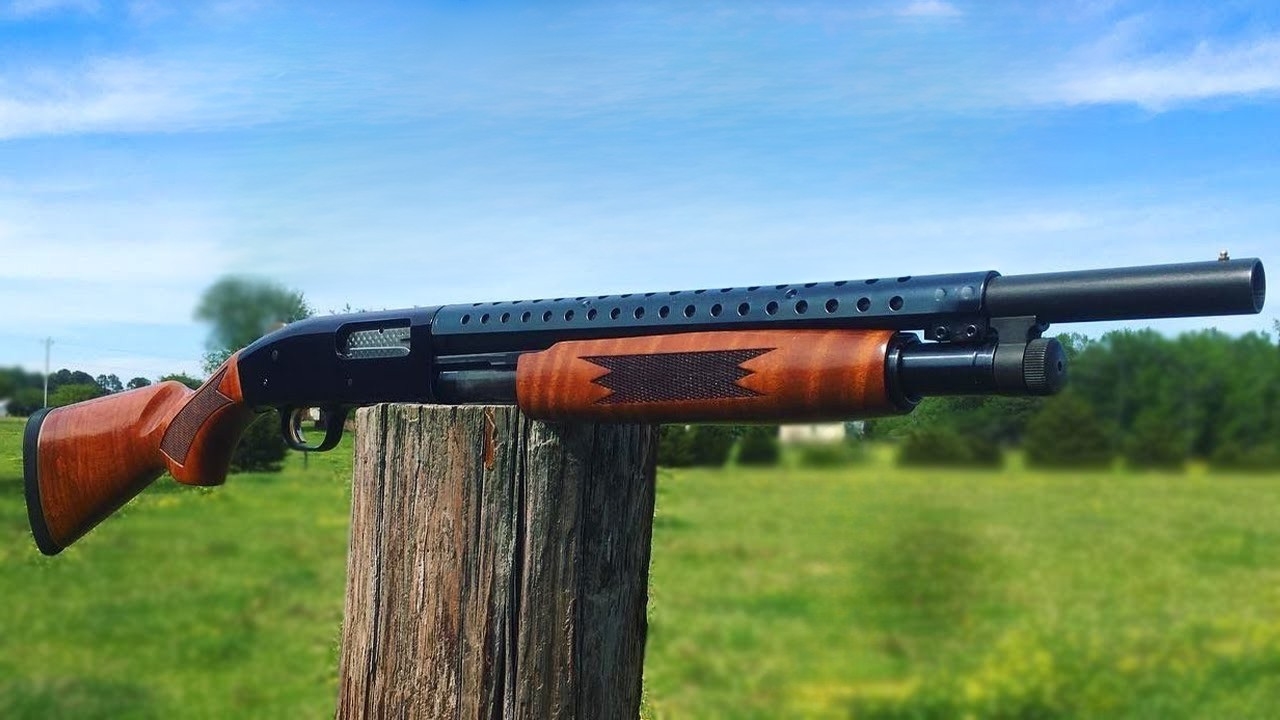
The Mossberg 500 is another gun that seemed too common to become special. It was the practical pump shotgun: affordable, useful, and available in endless configurations. Many owners bought one for hunting, home defense, or general use and never thought of it as anything more than a tool.
That tool status is why people wanted them back. The 500 is light, versatile, easy to support, and simple to run. The tang safety works well for many shooters, and barrel swaps make the platform useful for birds, turkey, deer, clays, and defensive roles depending on setup. It is still common, but the affection around older examples and proven field guns shows how much people value it. Not every gun needs to become scarce to be wanted again. Sometimes it just has to keep proving itself.
Smith & Wesson Model 64
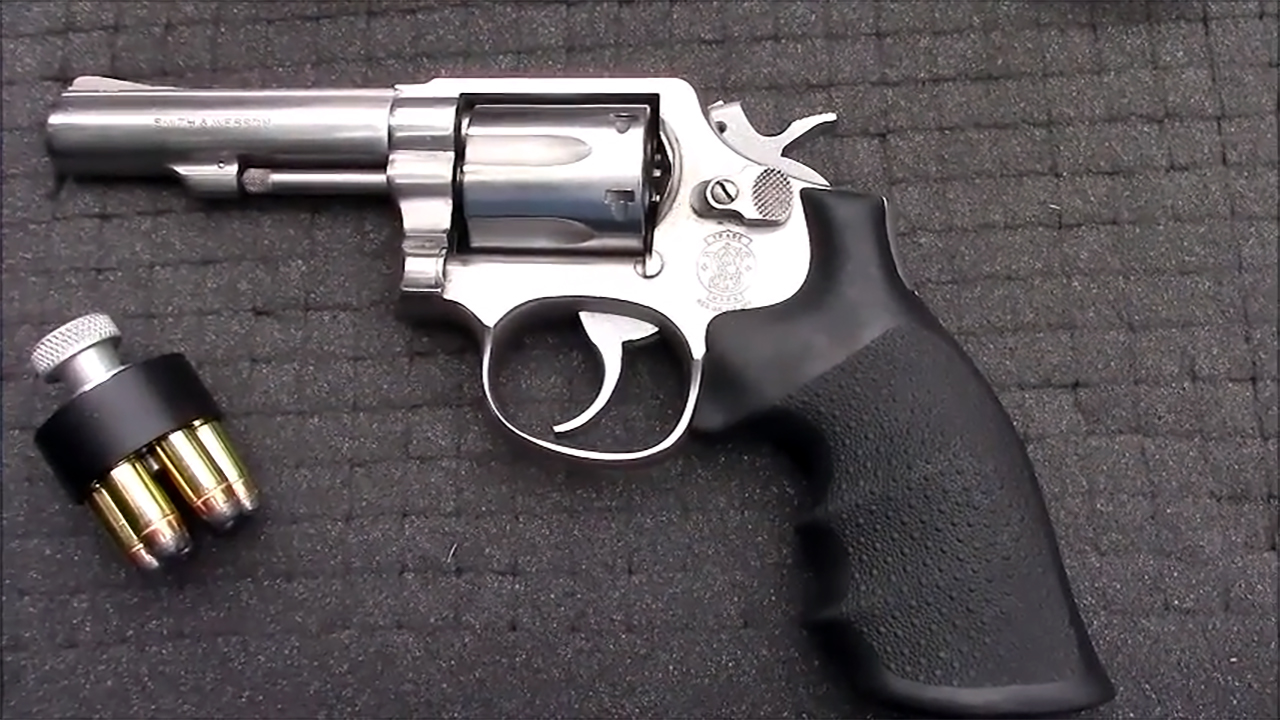
The Smith & Wesson Model 64 once seemed like a plain stainless service revolver. It was basically a stainless fixed-sight .38 Special K-frame, and police trade-ins made them feel abundant for a long time. To shooters chasing magnums or high-capacity pistols, they looked ordinary.
Now the Model 64 has a stronger following because people appreciate its simplicity. Stainless steel makes it practical, the fixed sights keep it clean, and the K-frame size makes .38 Special pleasant to shoot. It is a great training revolver, range gun, and simple defensive option for those who understand revolvers. Clean examples are no longer the boring surplus guns they once appeared to be. People wanted them back because they realized basic Smith revolvers were basic in the best possible way.
Marlin Model 60

The Marlin Model 60 may be one of the most taken-for-granted .22 rifles ever made. It was affordable, widely owned, and often treated as a simple plinker. Because it was not as customizable as the Ruger 10/22, many shooters underestimated it.
But the Model 60 built loyalty through use. Many examples are surprisingly accurate, easy to shoot, and tied to first-rifle memories. The tube magazine gives it a classic feel, and the rifle works well for plinking, small game, and teaching new shooters. Older examples, especially clean Glenfield and Marlin-marked rifles, carry nostalgia now. The Model 60 seemed common until owners realized they did not want to replace the rifle that taught half the family how to shoot.
Beretta 92FS

The Beretta 92FS seemed common during and after its long military-service spotlight. For years, it was everywhere in movies, surplus conversations, gun shops, and range rentals. That familiarity made some shooters dismiss it as big, heavy, and outdated once striker-fired pistols became dominant.
Then people kept shooting it. The 92FS is smooth, soft-recoiling, accurate, and genuinely enjoyable on the range. Its size becomes an advantage when recoil control matters. The DA/SA trigger and slide-mounted safety require training, and it is not the most convenient carry pistol. But as a full-size service pistol, it still has real appeal. Shooters wanted it back because the newer pistols may be easier to carry, but the Beretta is often easier to enjoy.
H&R Topper

The H&R Topper was once about as plain as a firearm could get. A single-shot break-action shotgun was not glamorous. It was affordable, simple, and often bought for farms, small game, young shooters, or as a spare gun. That made it easy to underestimate.
Now simple break-action shotguns have a charm that many shooters miss. The Topper is light, straightforward, and almost impossible to overcomplicate. It teaches careful shooting because there is only one shell in the gun. It can still serve for small game, pests, and basic field use where legal. People who once saw them as cheap utility guns now look for clean examples because the market does not make many firearms that simple anymore. Sometimes common becomes desirable because simplicity disappears.
Colt Woodsman
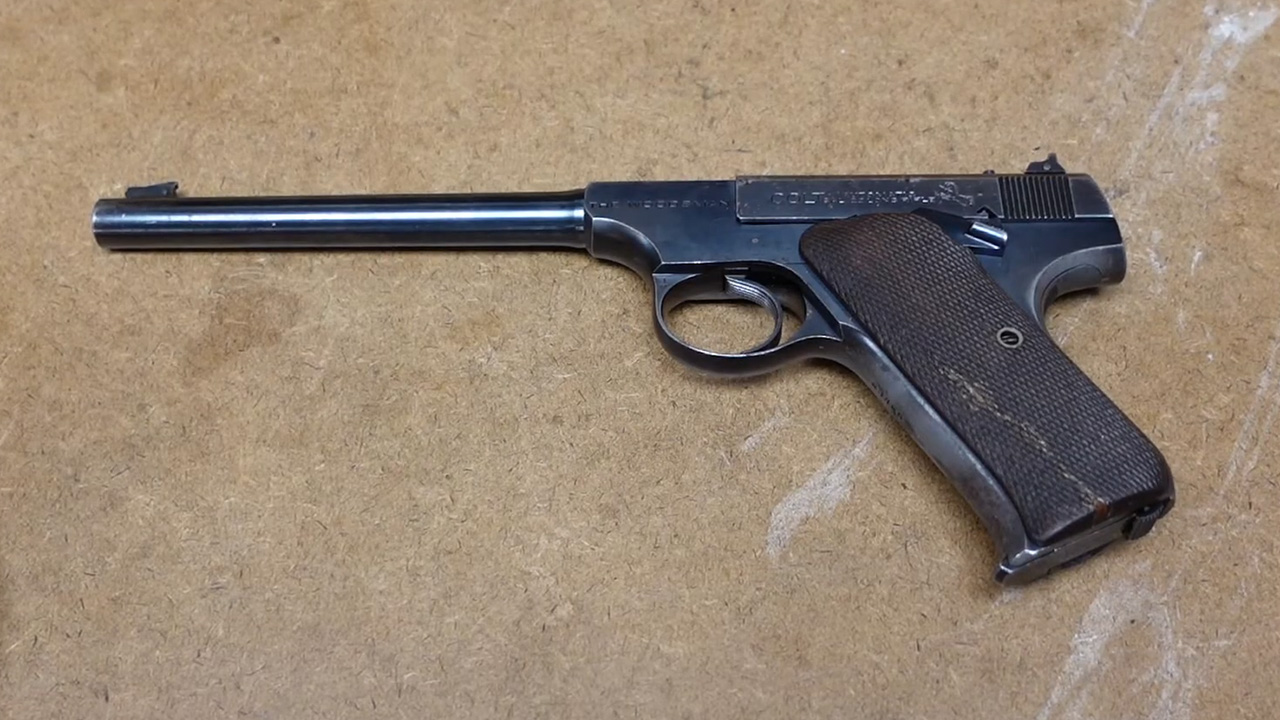
The Colt Woodsman was never exactly a cheap throwaway, but it spent years being treated by some owners as just a nice .22 pistol. Rimfires often get undervalued because they are inexpensive to shoot and not tied to big defensive or hunting power. That made some people less careful about selling them.
Now nice Woodsman pistols are very much wanted back. They have classic Colt quality, excellent balance, and a refined shooting feel that modern budget rimfires rarely match. Specific variations, condition, original magazines, and boxes can all matter. The Woodsman seemed like a pleasant old .22 until people realized how few pistols offer that same elegance. Owners who sold one casually often discover that buying another is not casual at all.
Savage 110
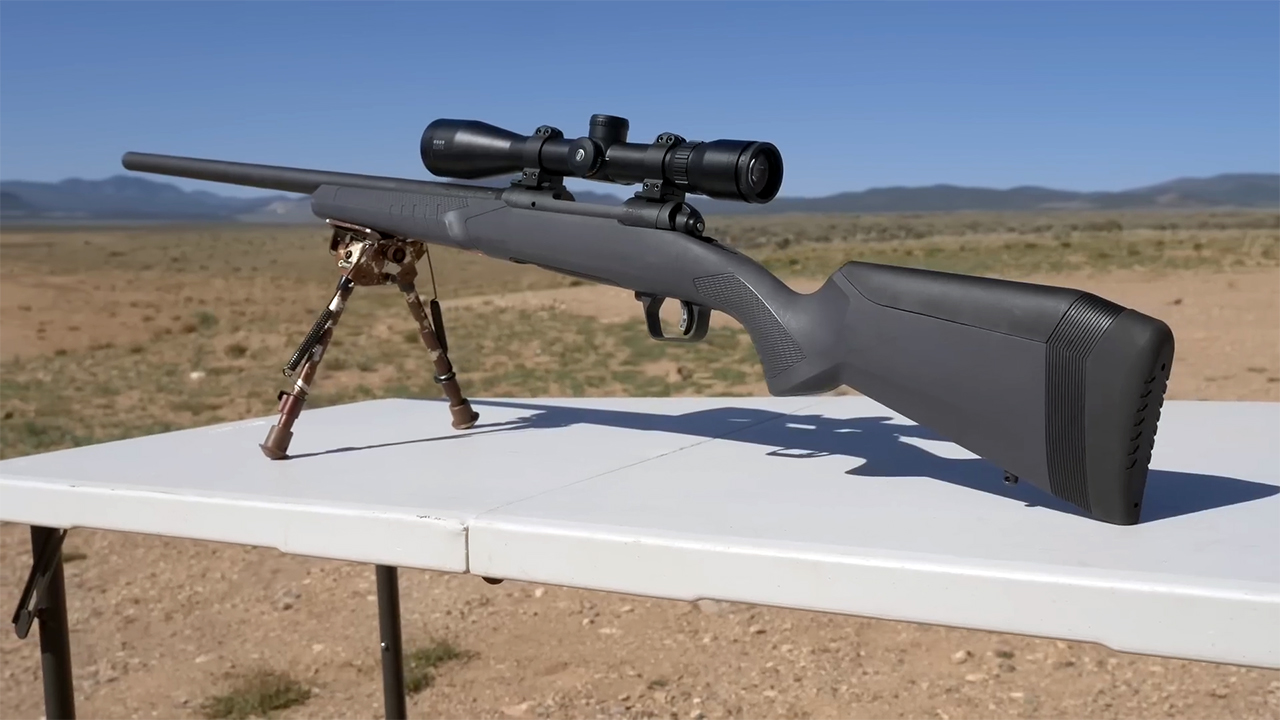
The Savage 110 seemed common because it was a practical hunting rifle for practical people. It did not always have the polish of higher-end rifles, and older examples could look plain enough to ignore. But hunters bought them because they worked.
Over time, the 110’s reputation for accuracy, barrel-swap flexibility, and broad chambering support gave it more staying power than many expected. Later AccuTrigger models strengthened the platform even more. A Savage 110 might not be the prettiest rifle in the safe, but it is often the rifle that quietly performs. People wanted them back because the plain hunting rifle they once overlooked turned out to be one of the most useful bolt-action platforms around.
Like The Avid Outdoorsman’s content? Be sure to follow us.
Here’s more from us: